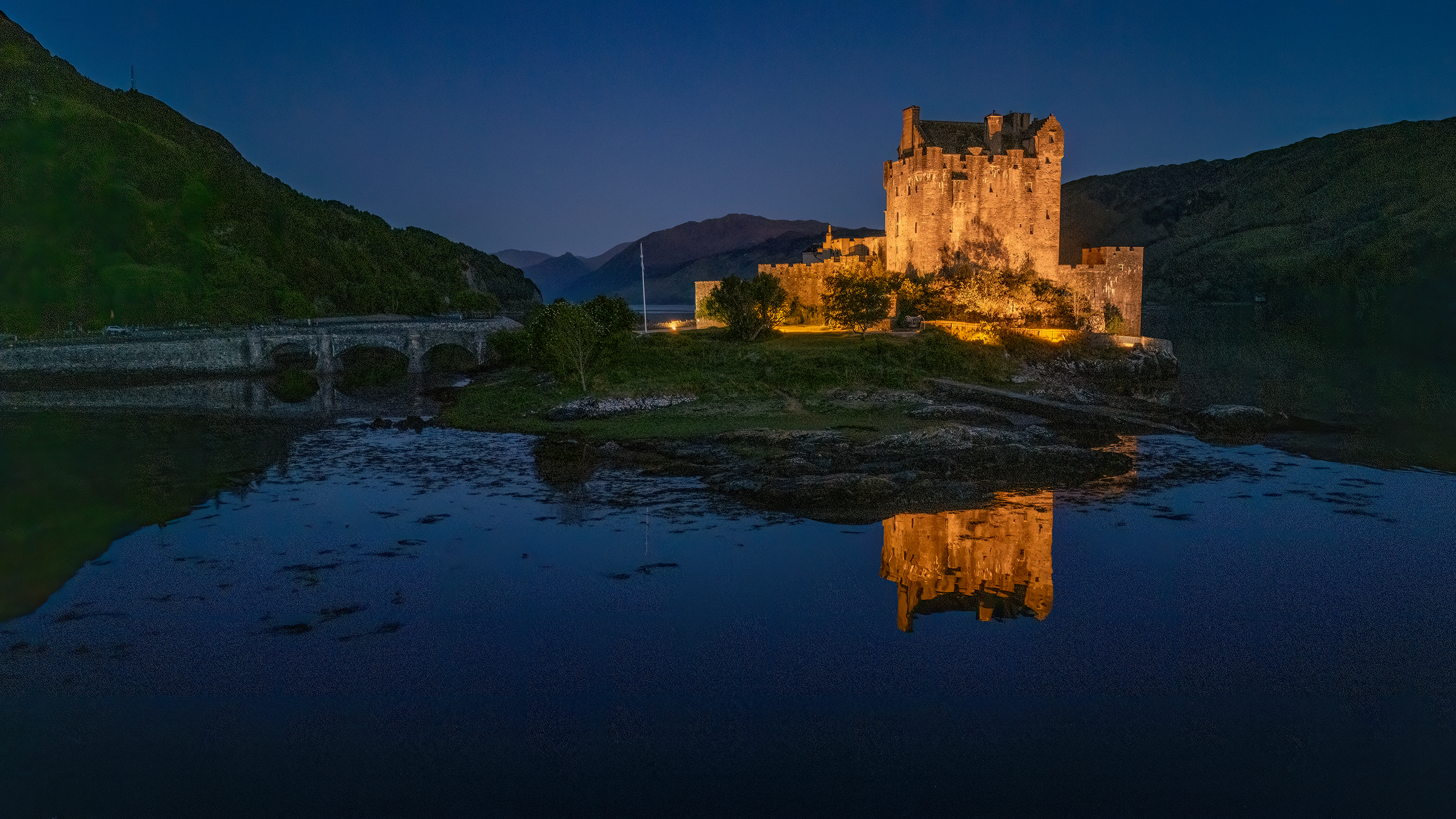
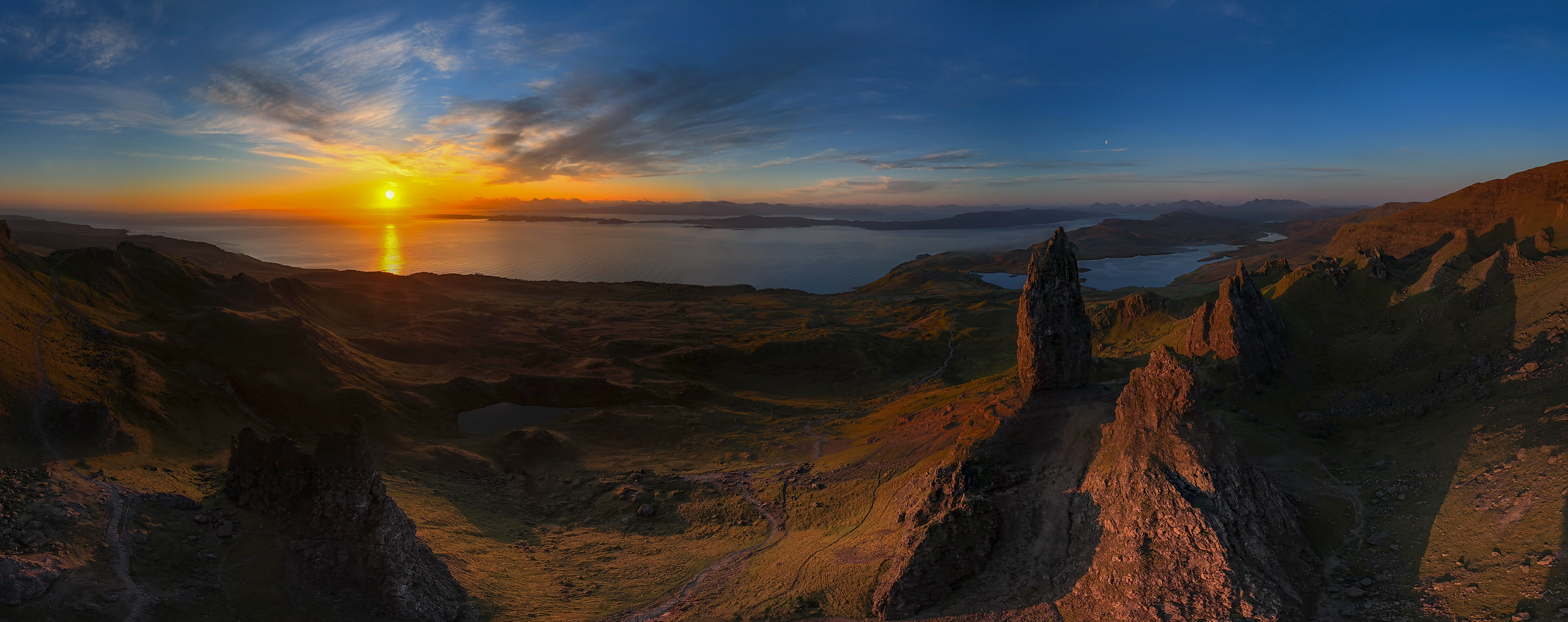
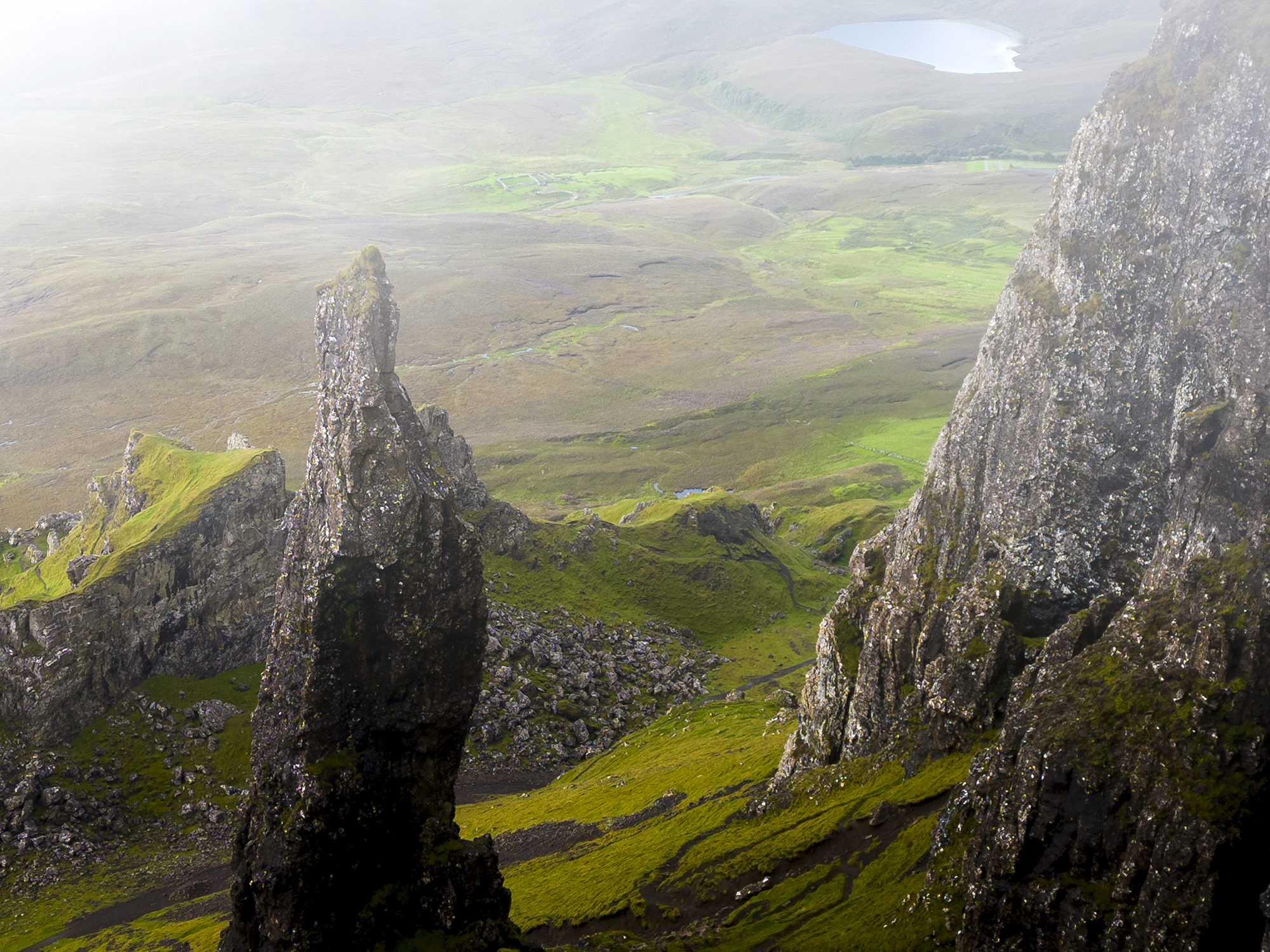
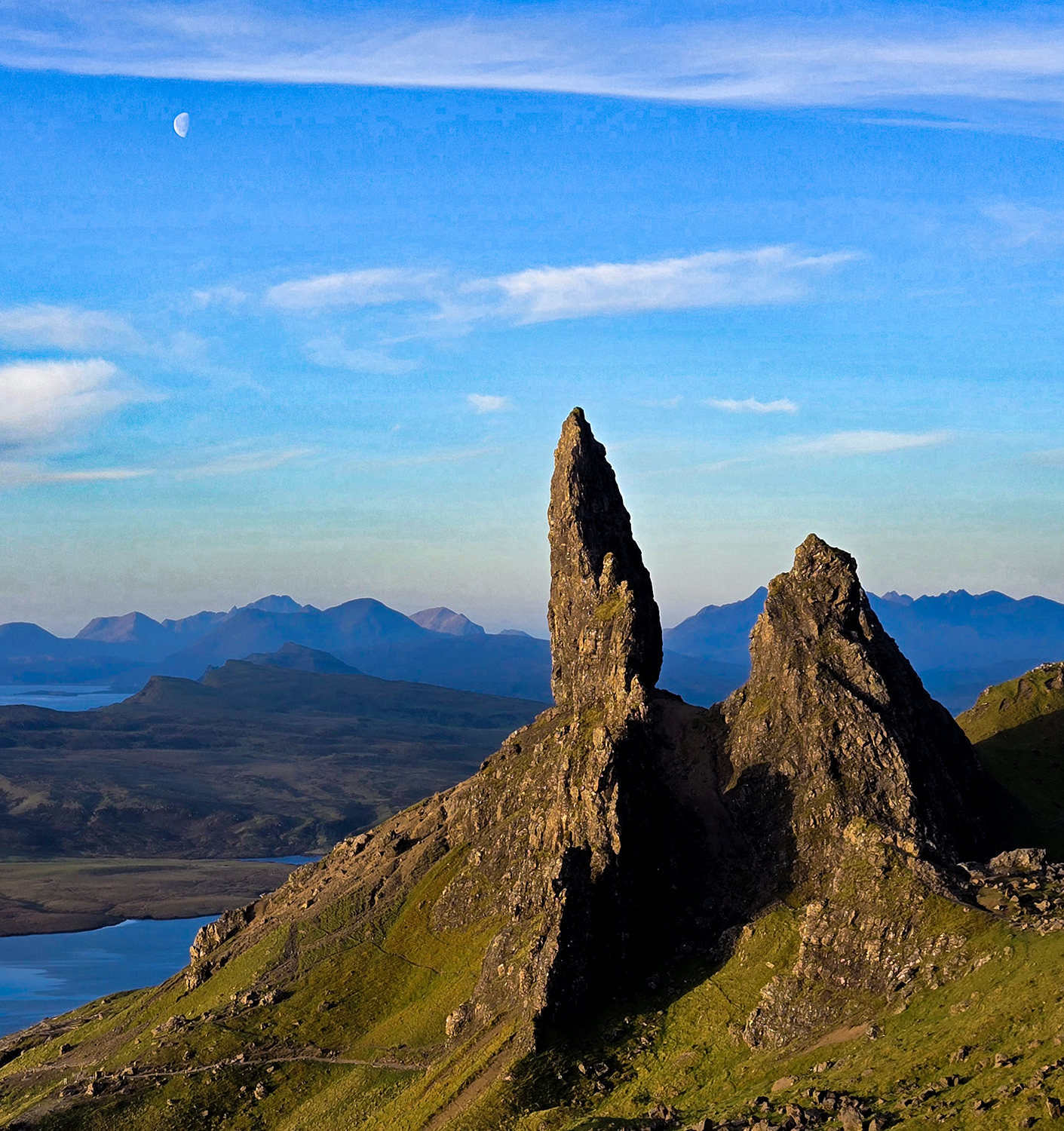
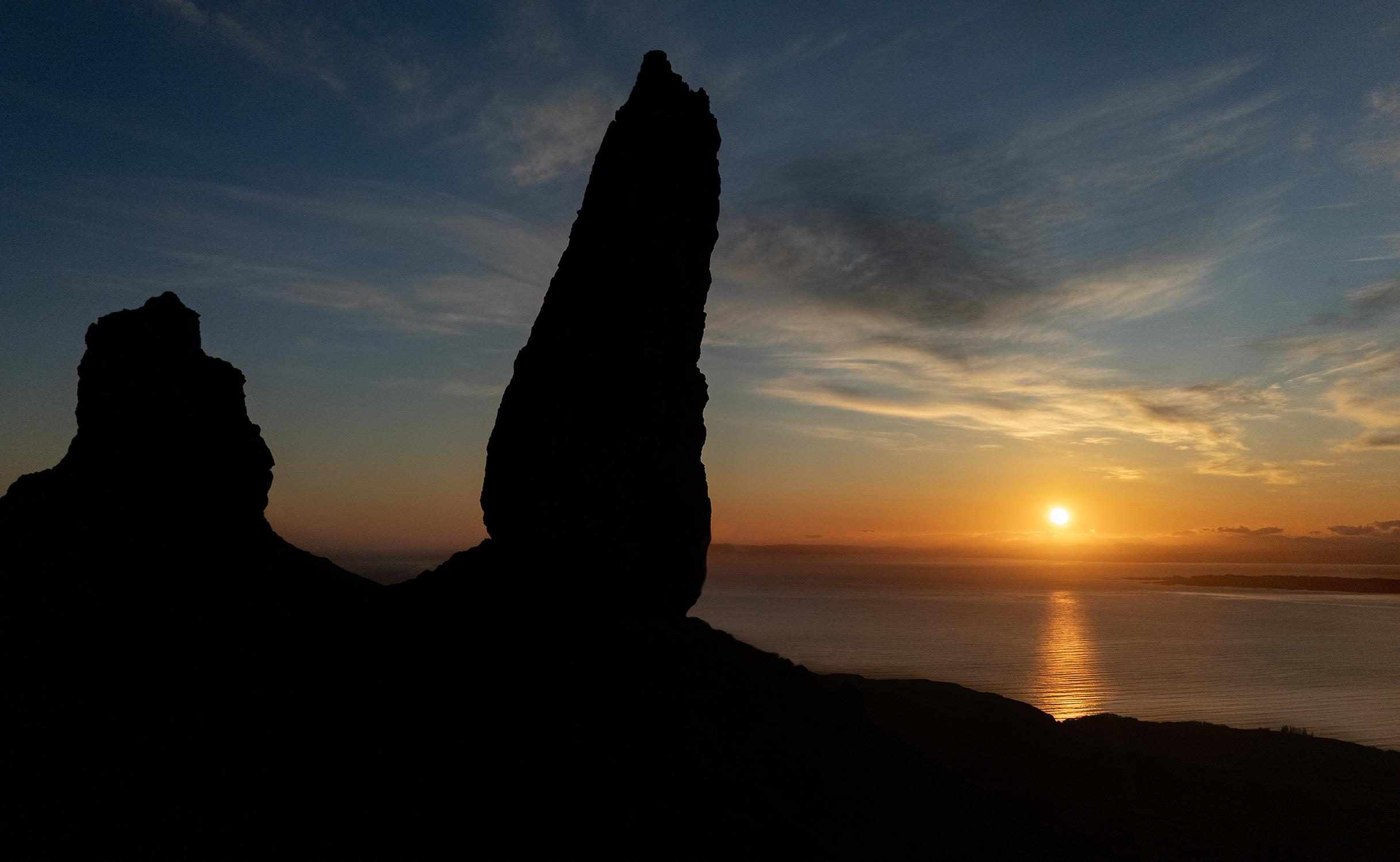
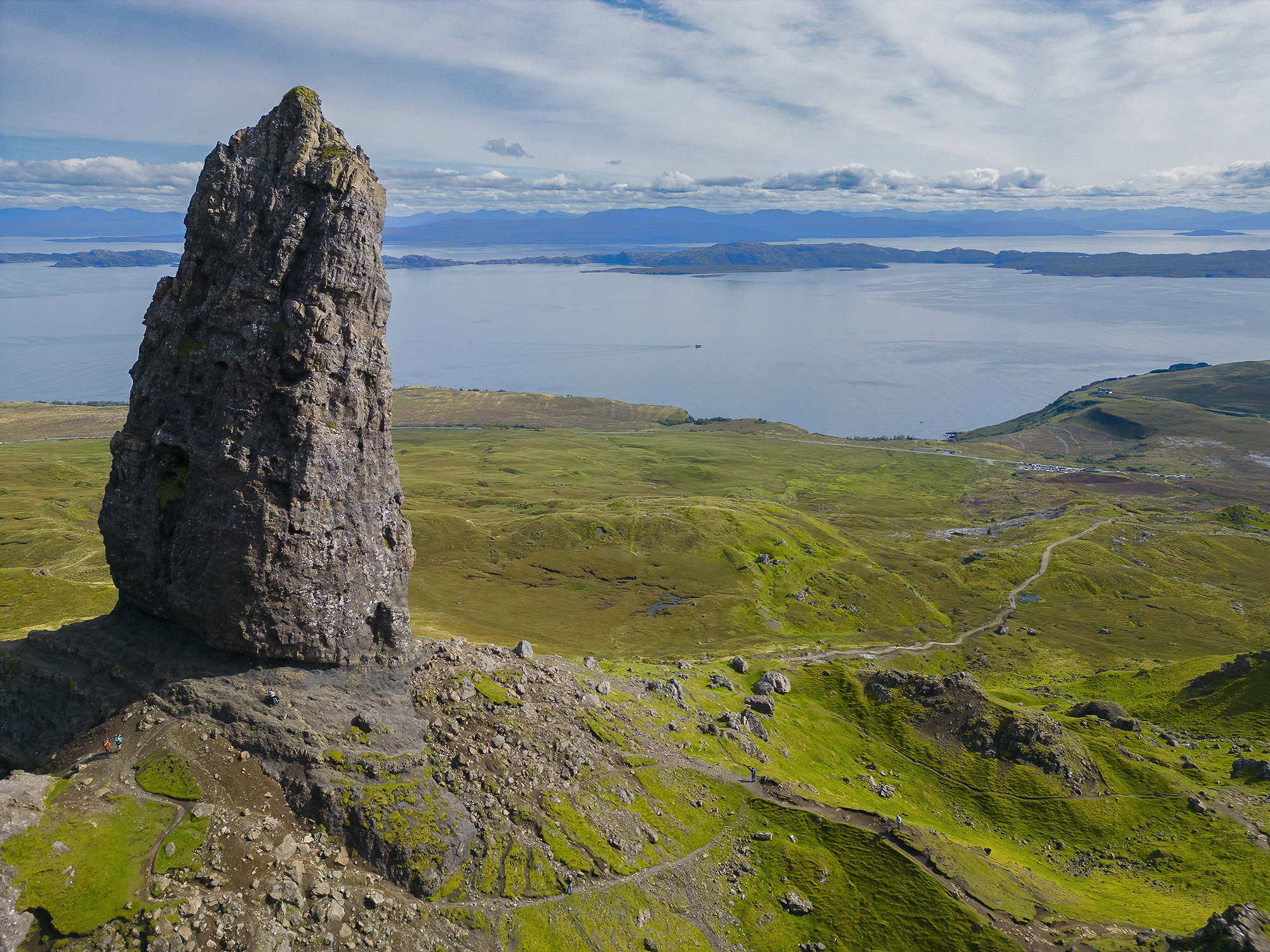
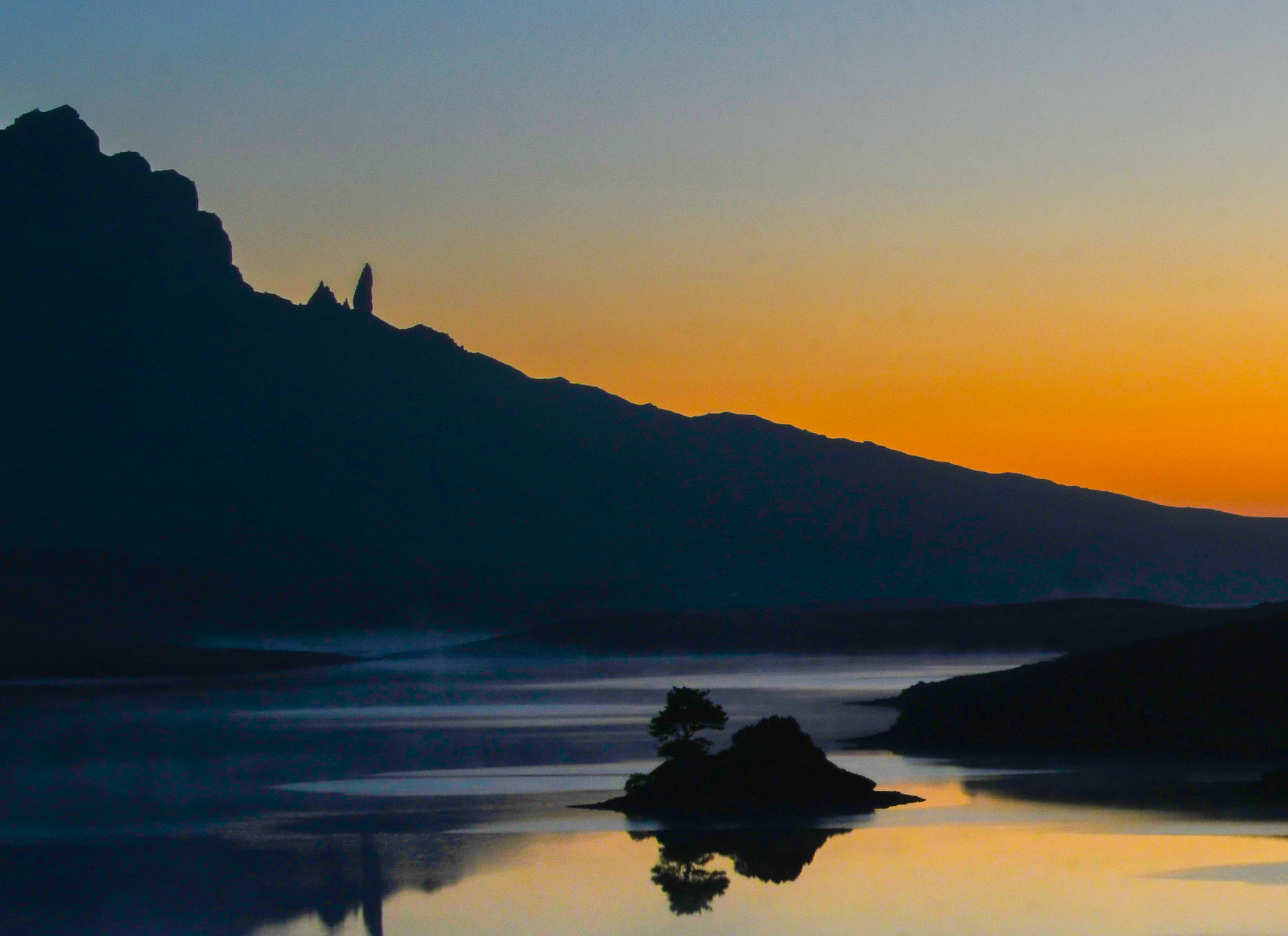
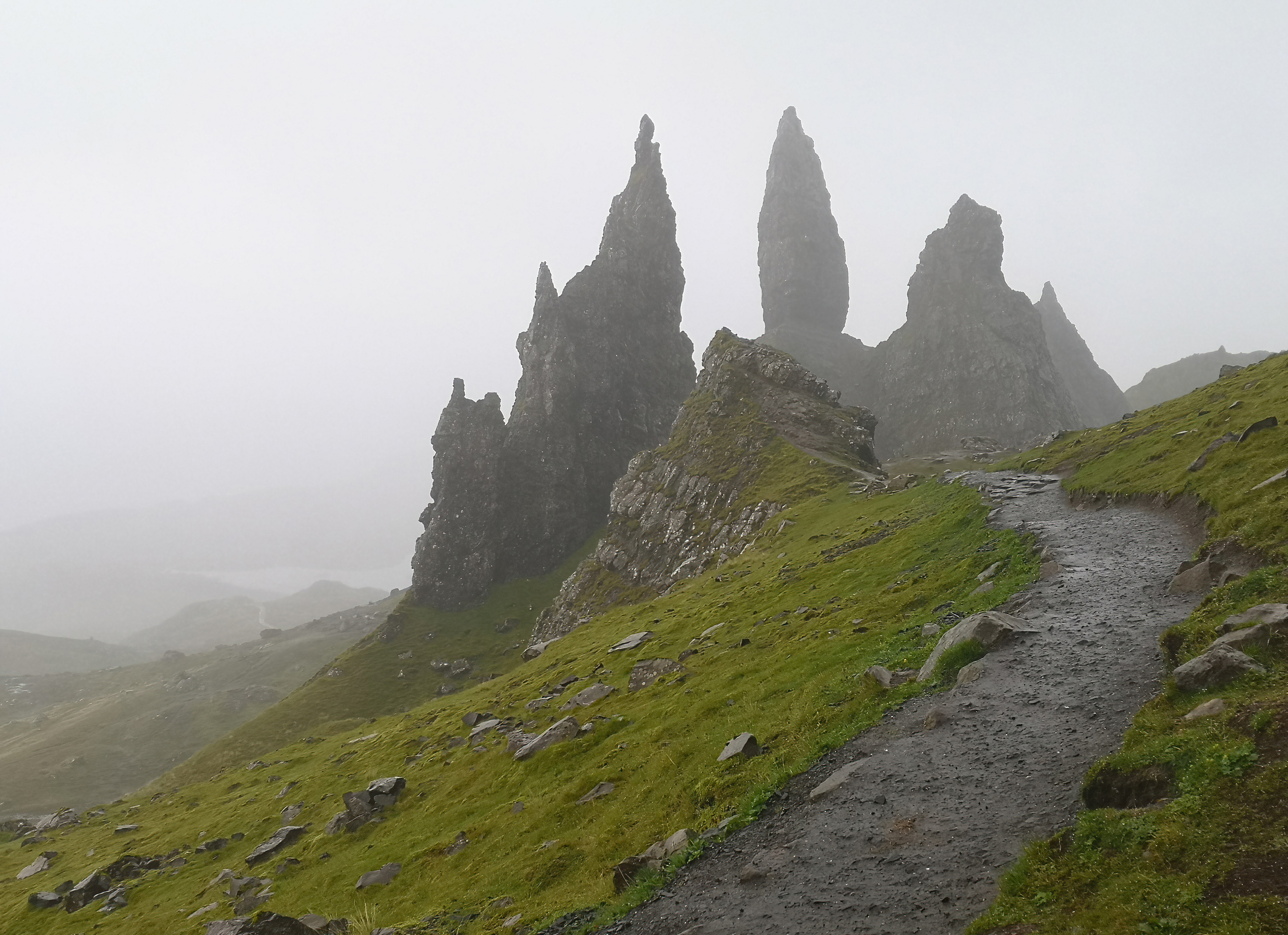
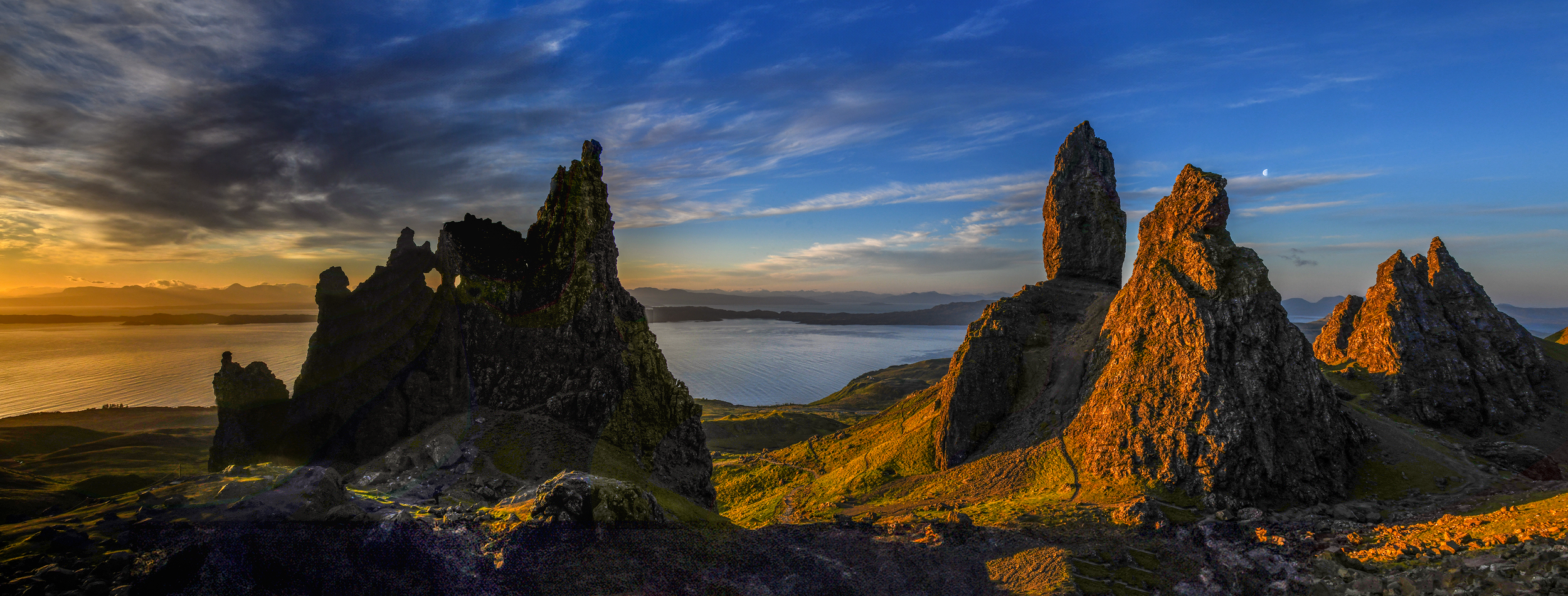
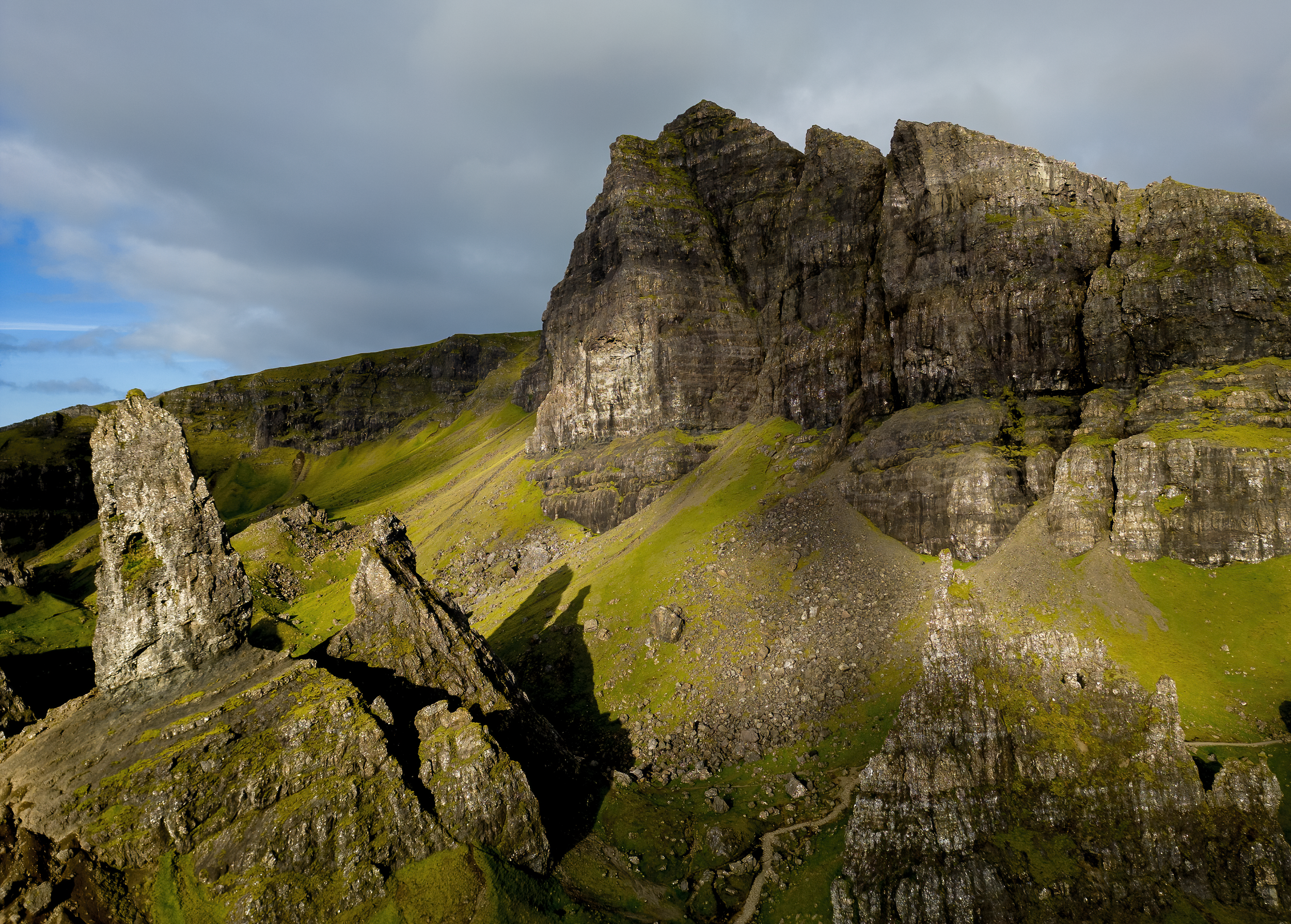
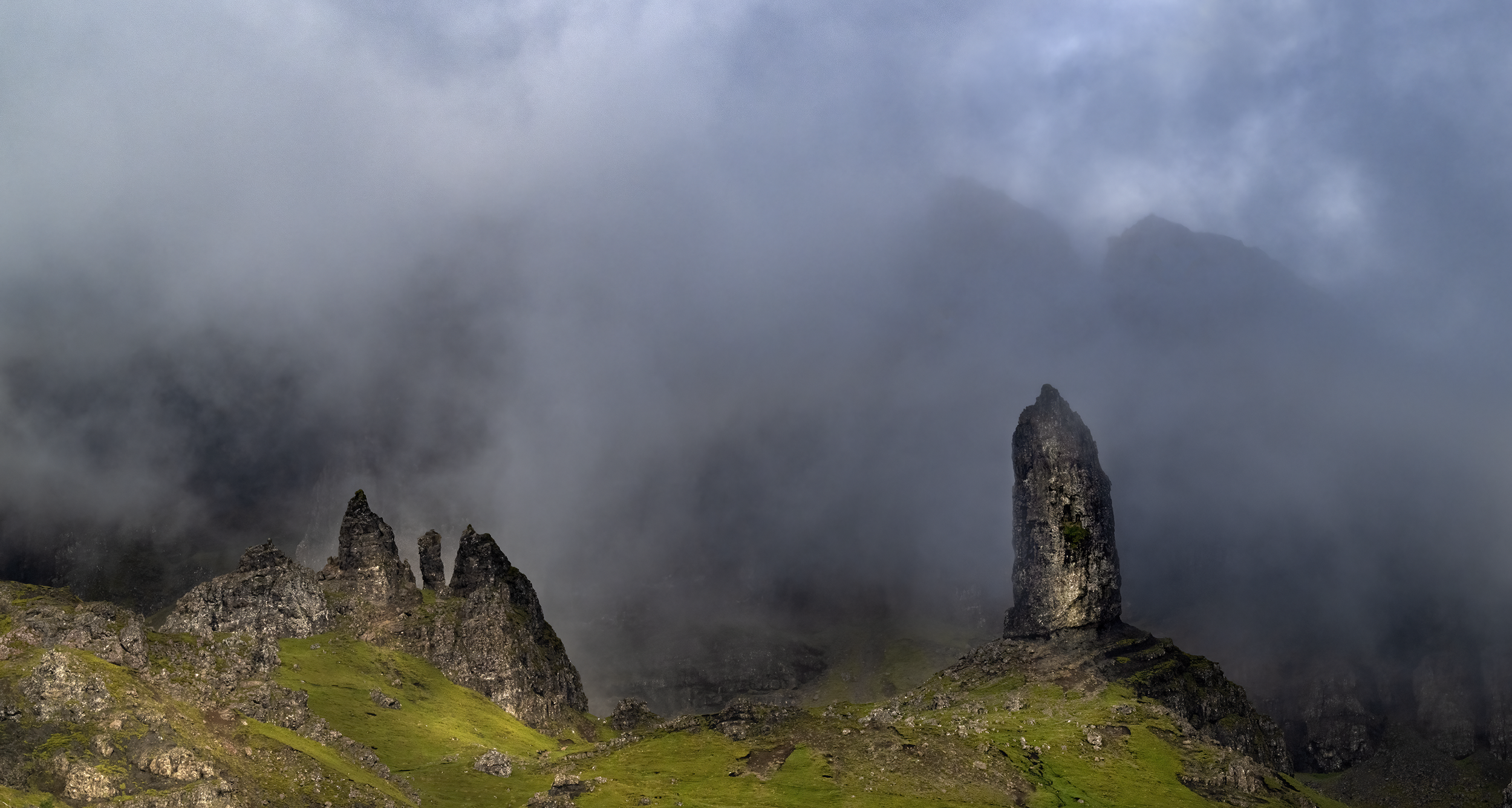
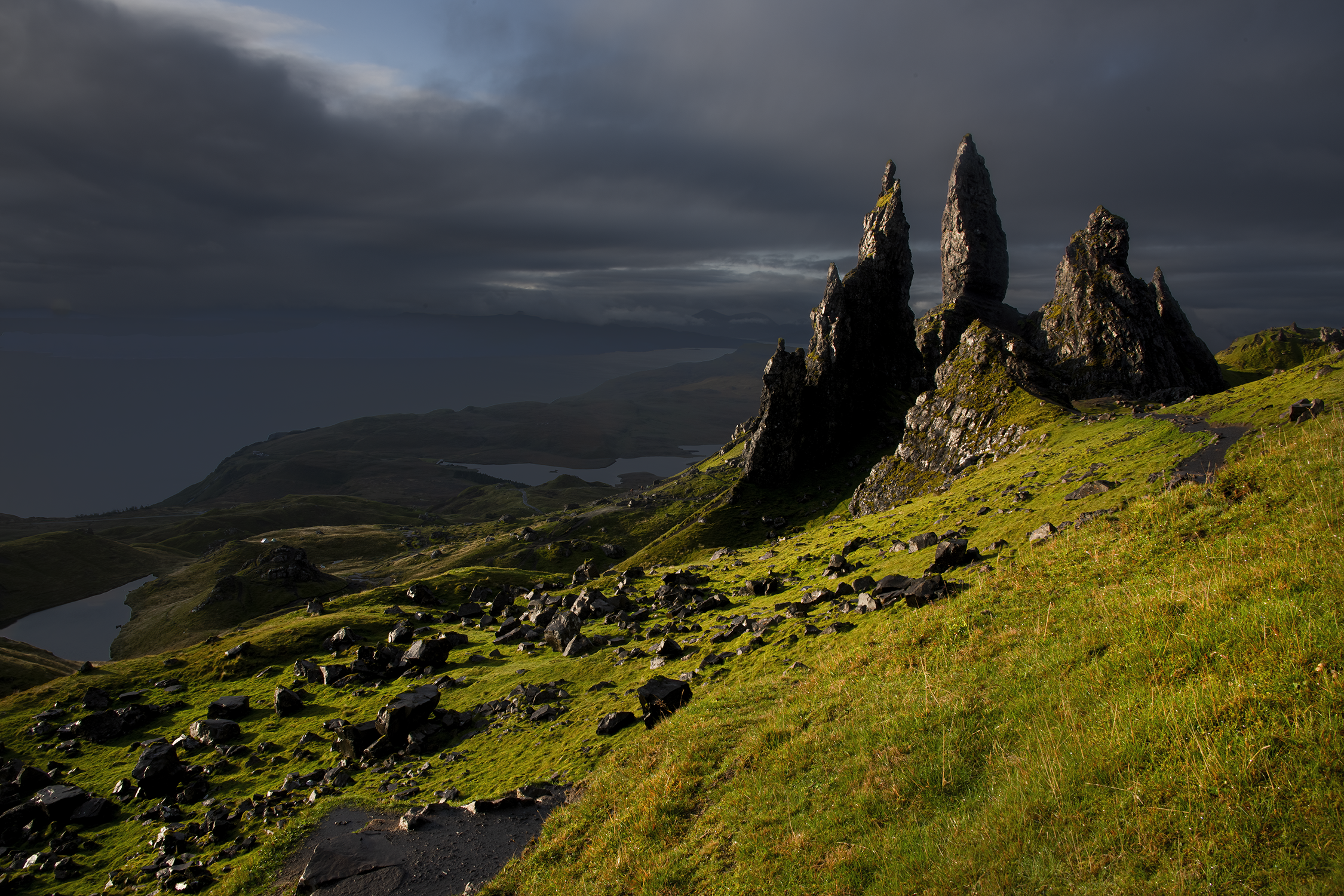
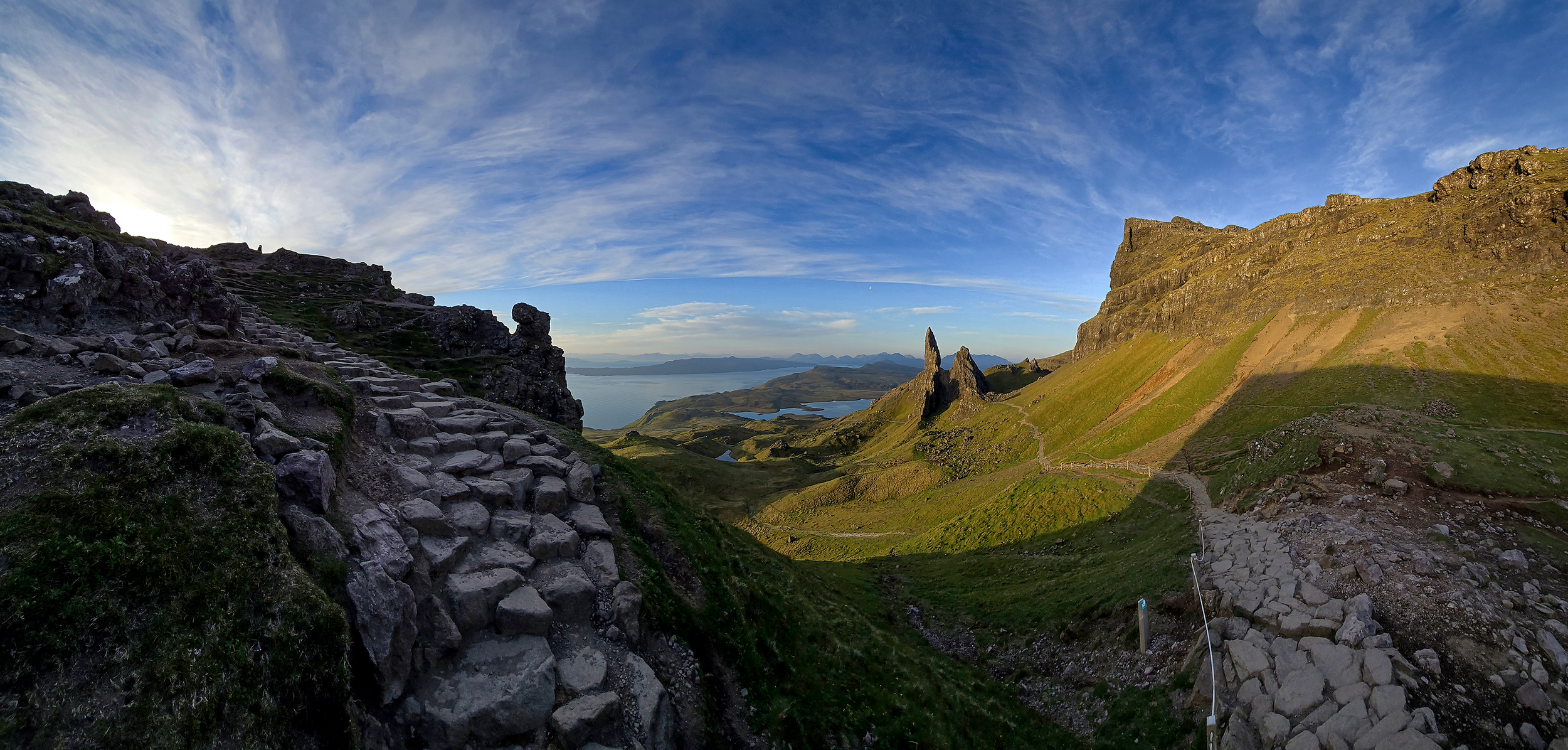
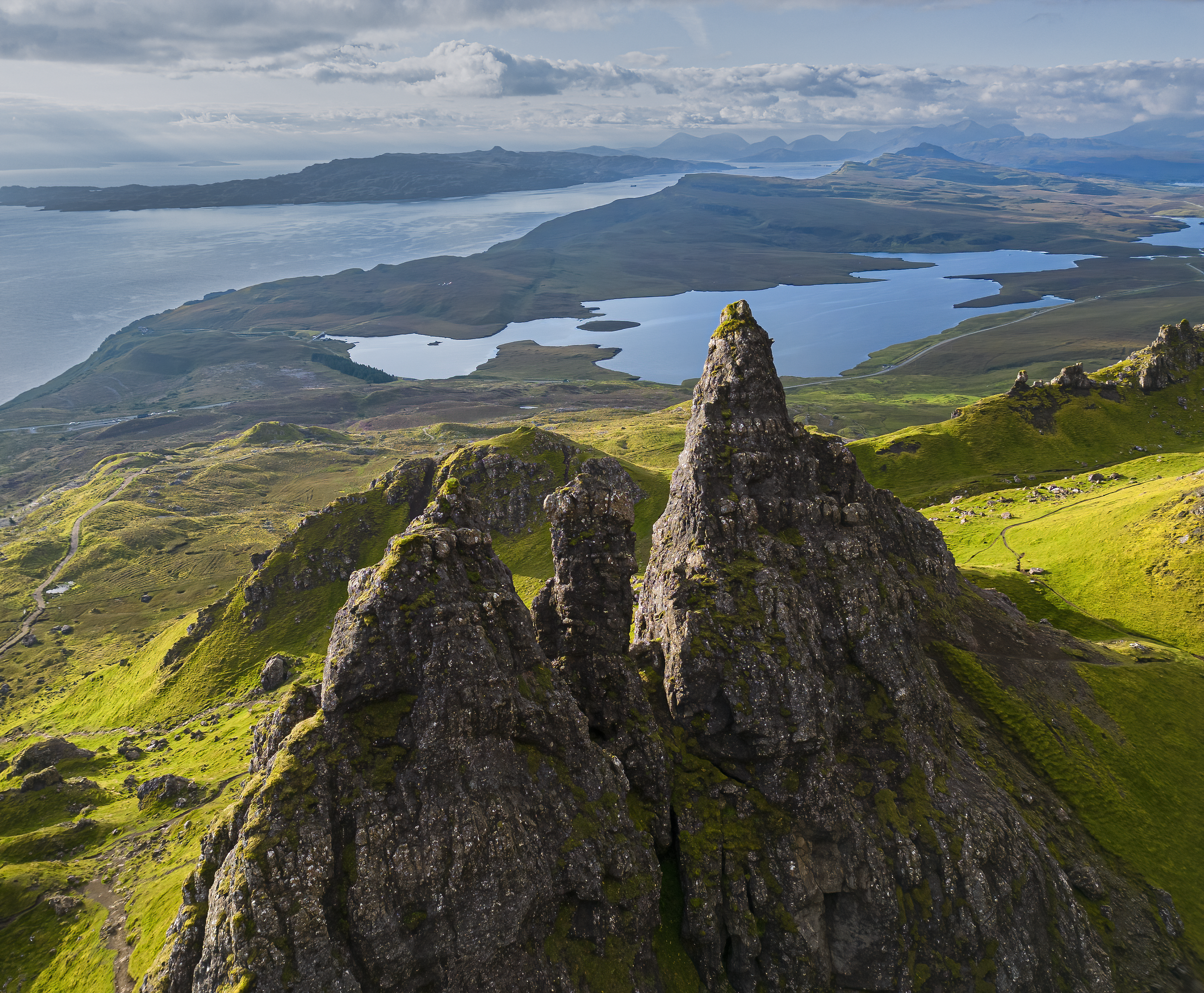
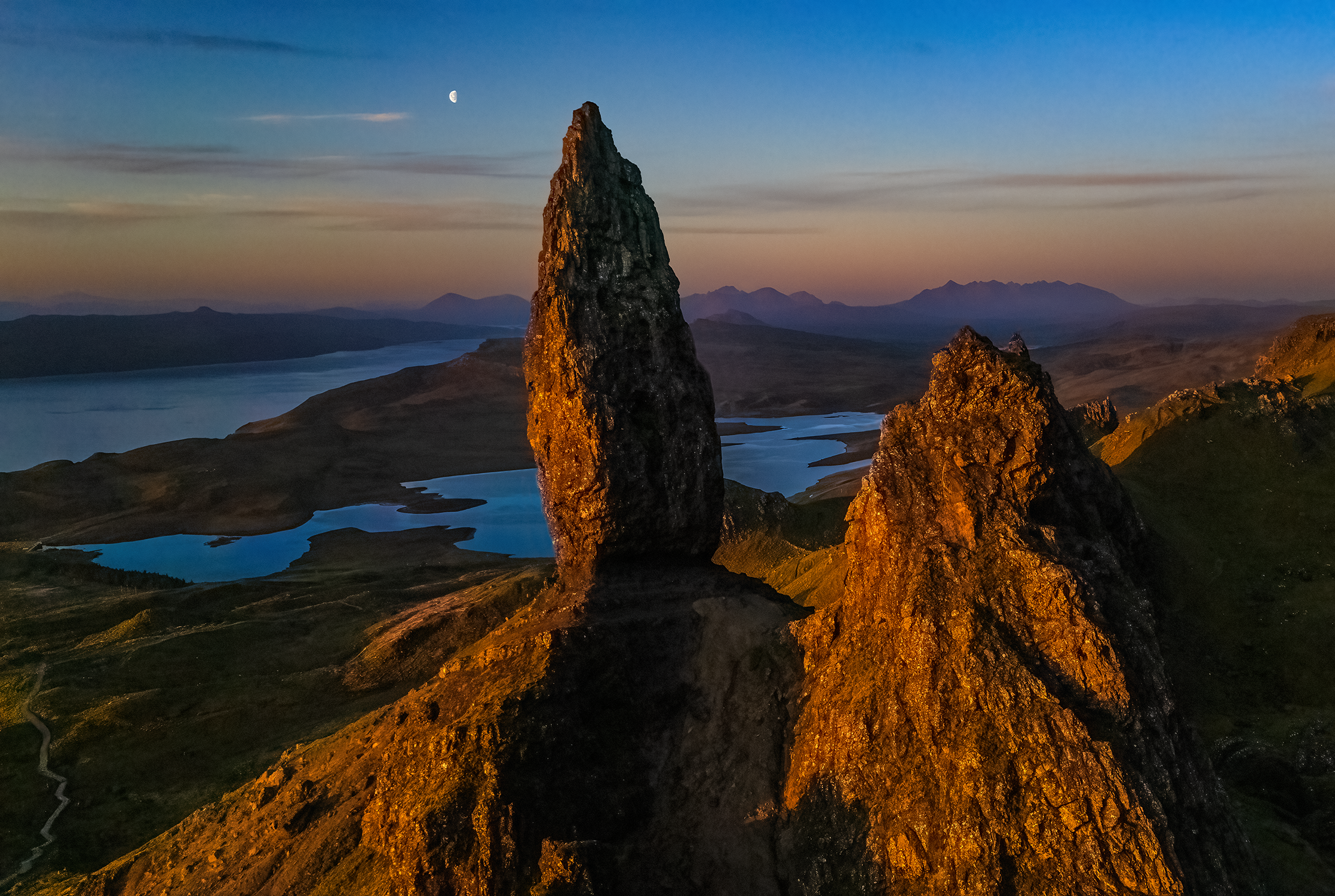
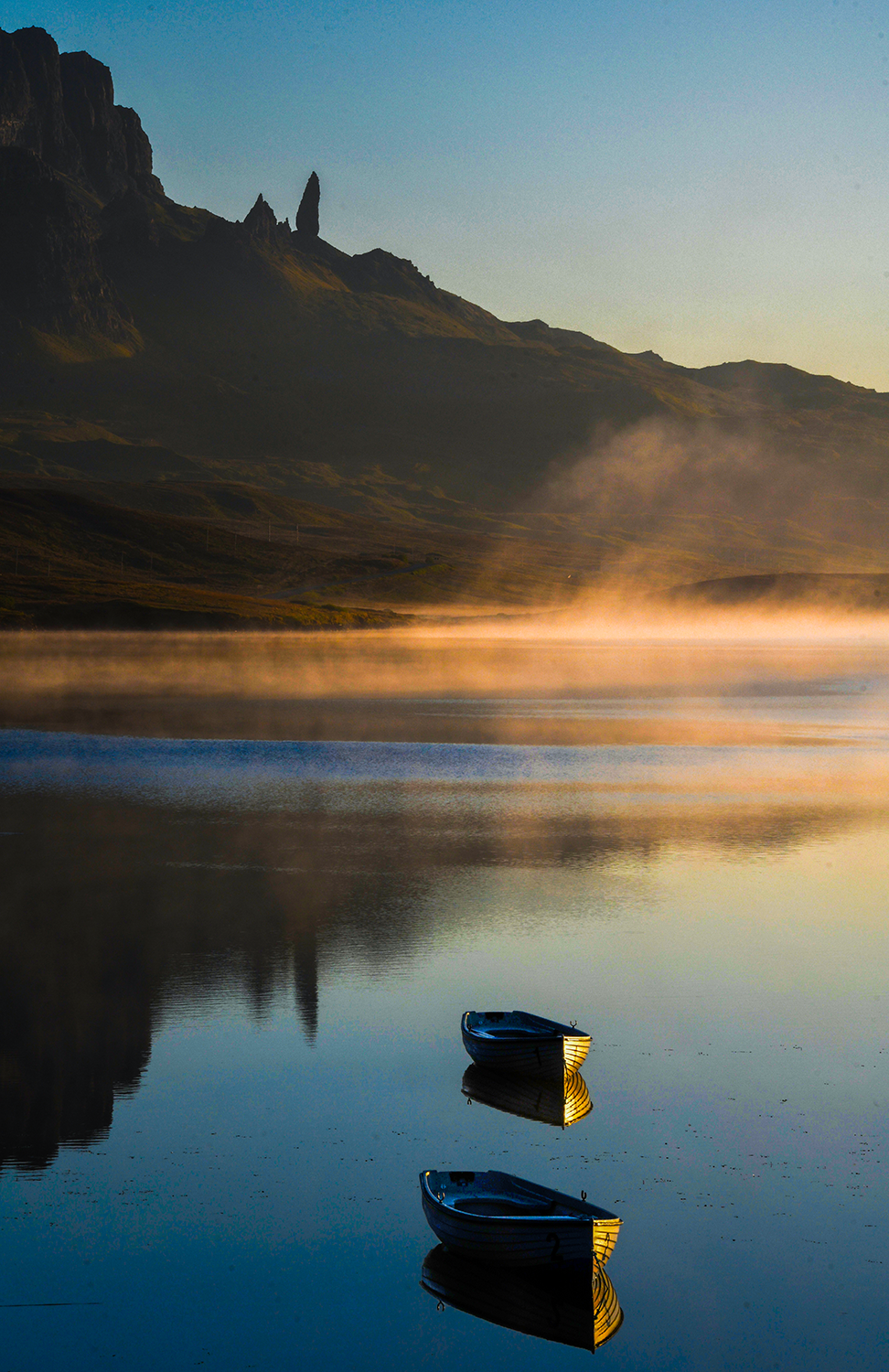
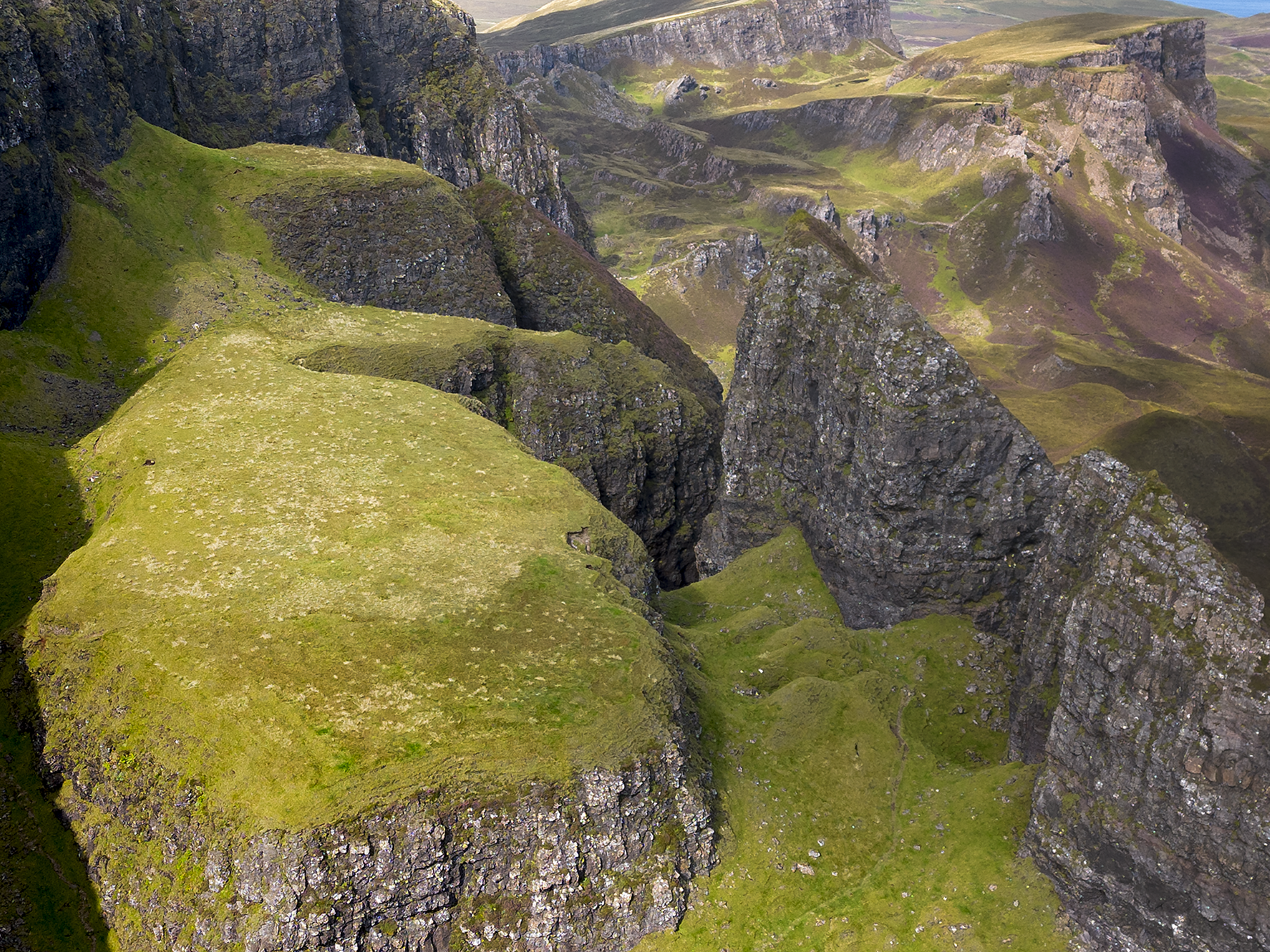
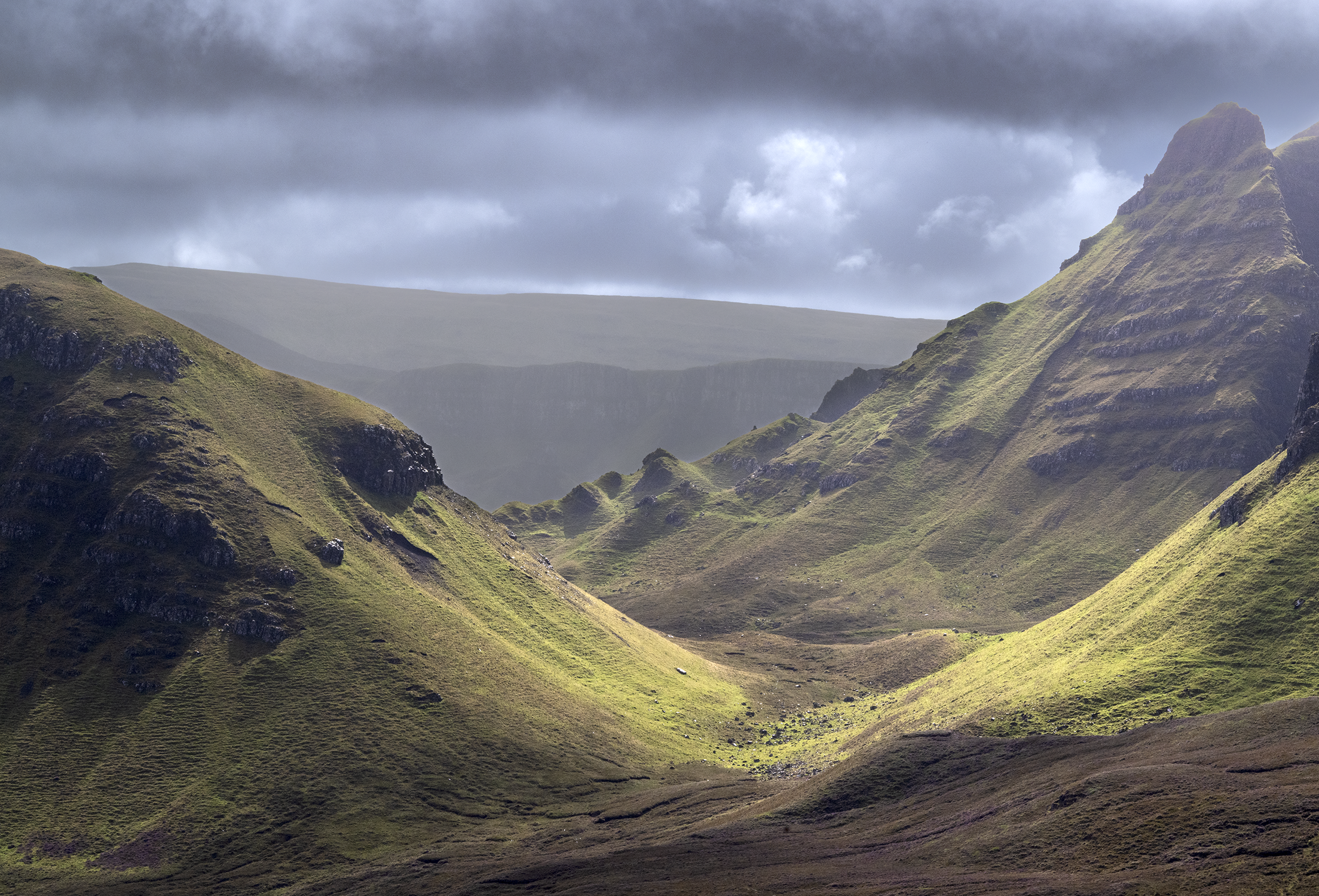
In 2023, I travelled to Scotland, the home of my ancestors. The 8 days spent on the Isle of Skye were amazing, with many opportunities to hike, photograph, and fly my drone. These pictures, from both my mirrorless camera and drone, provide the viewer with just a glimpse of the rugged beauty of this amazing part of the Inner Hebrides, on the west coast of Scotland. FYI, the Old Man of Storr, a spindle shaped hoodoo on the Trotternish Ridge, is 50 metres tall!
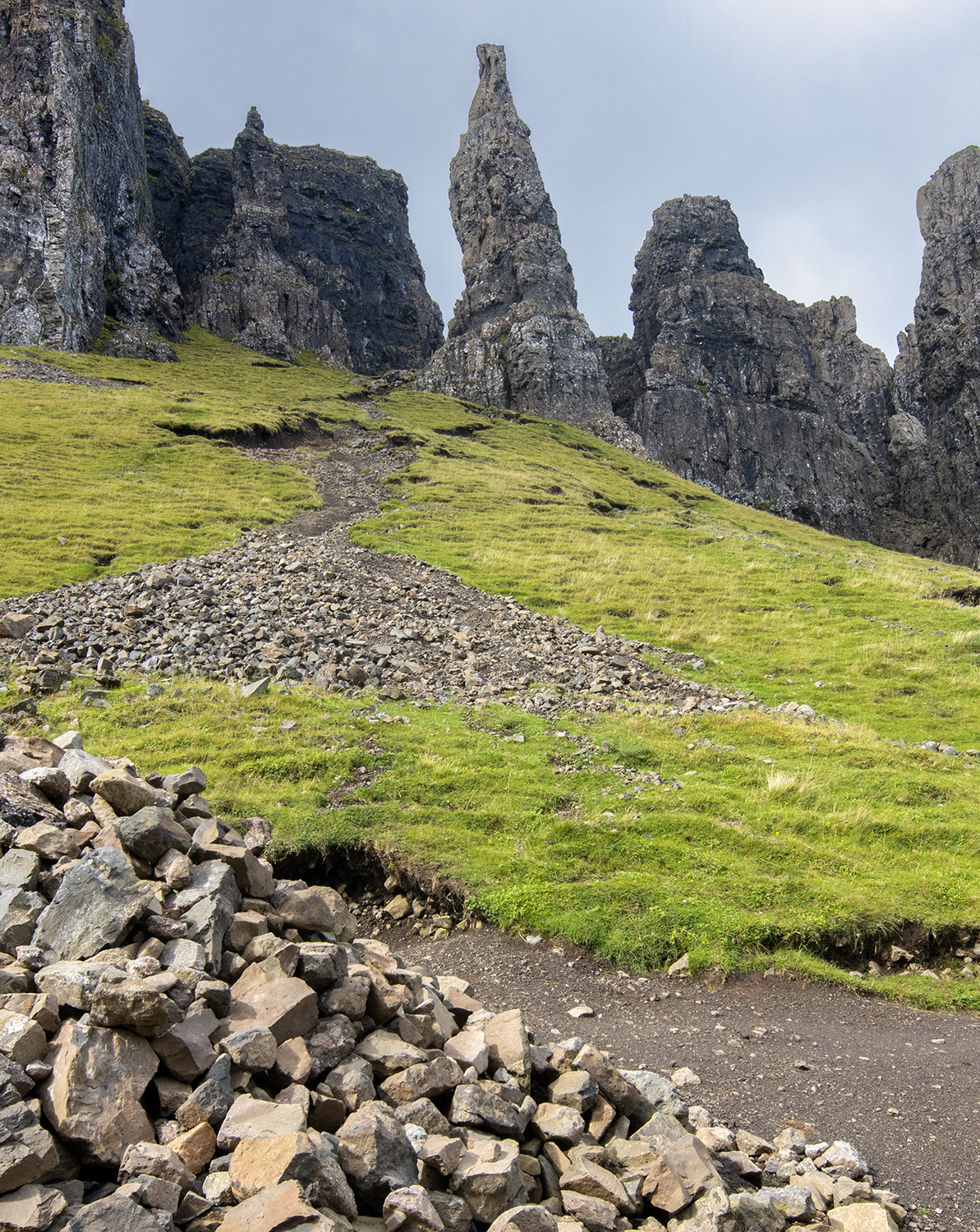
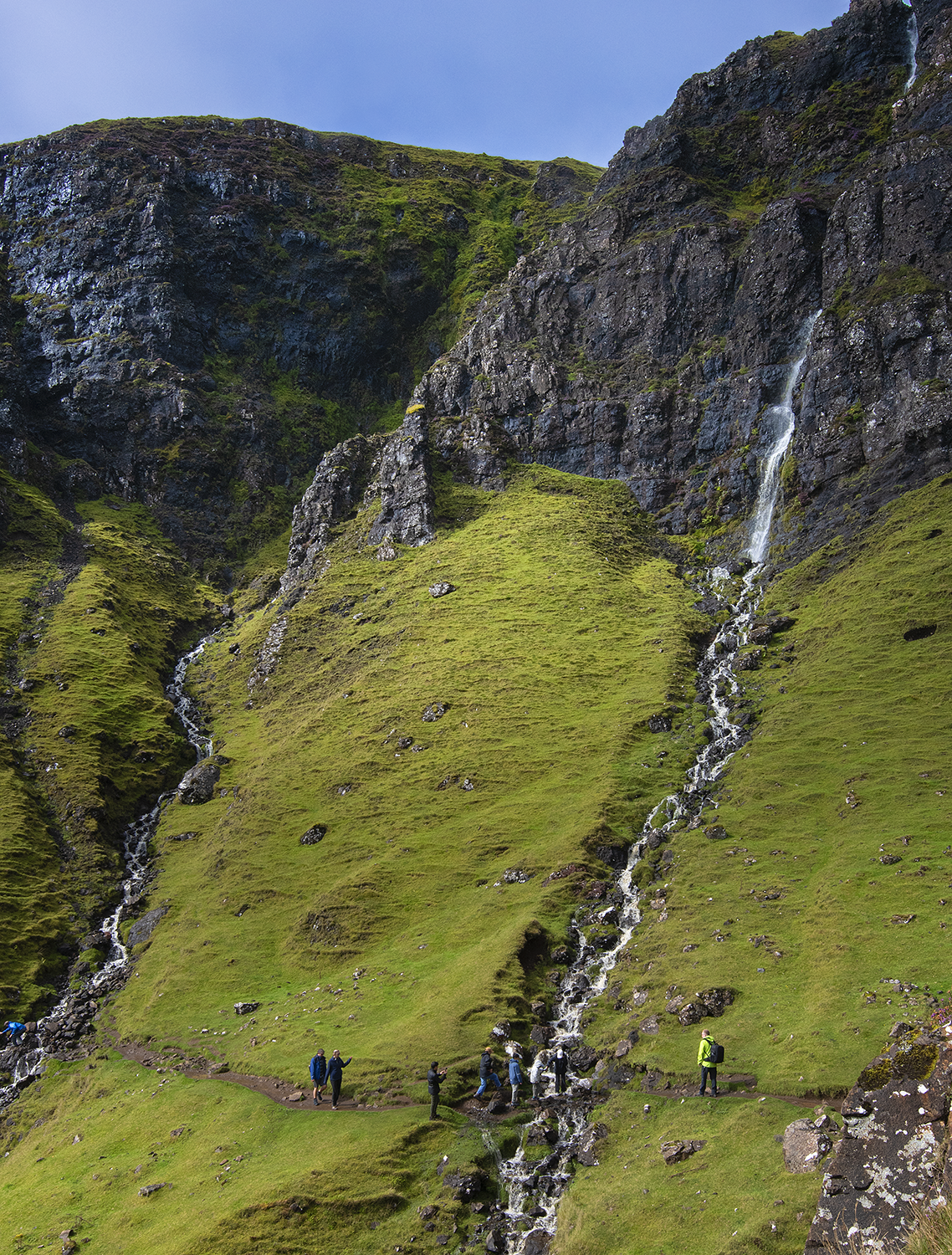
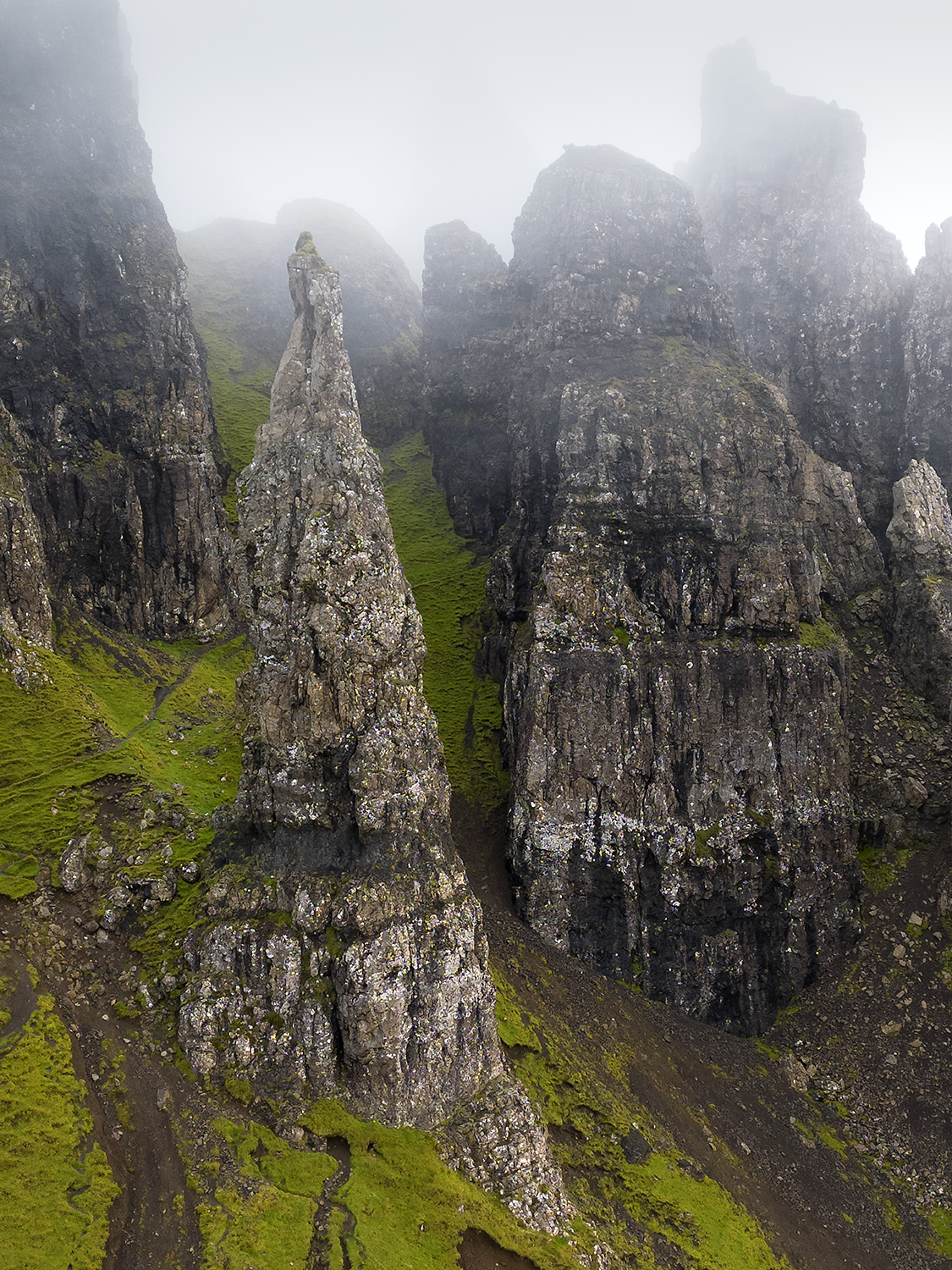
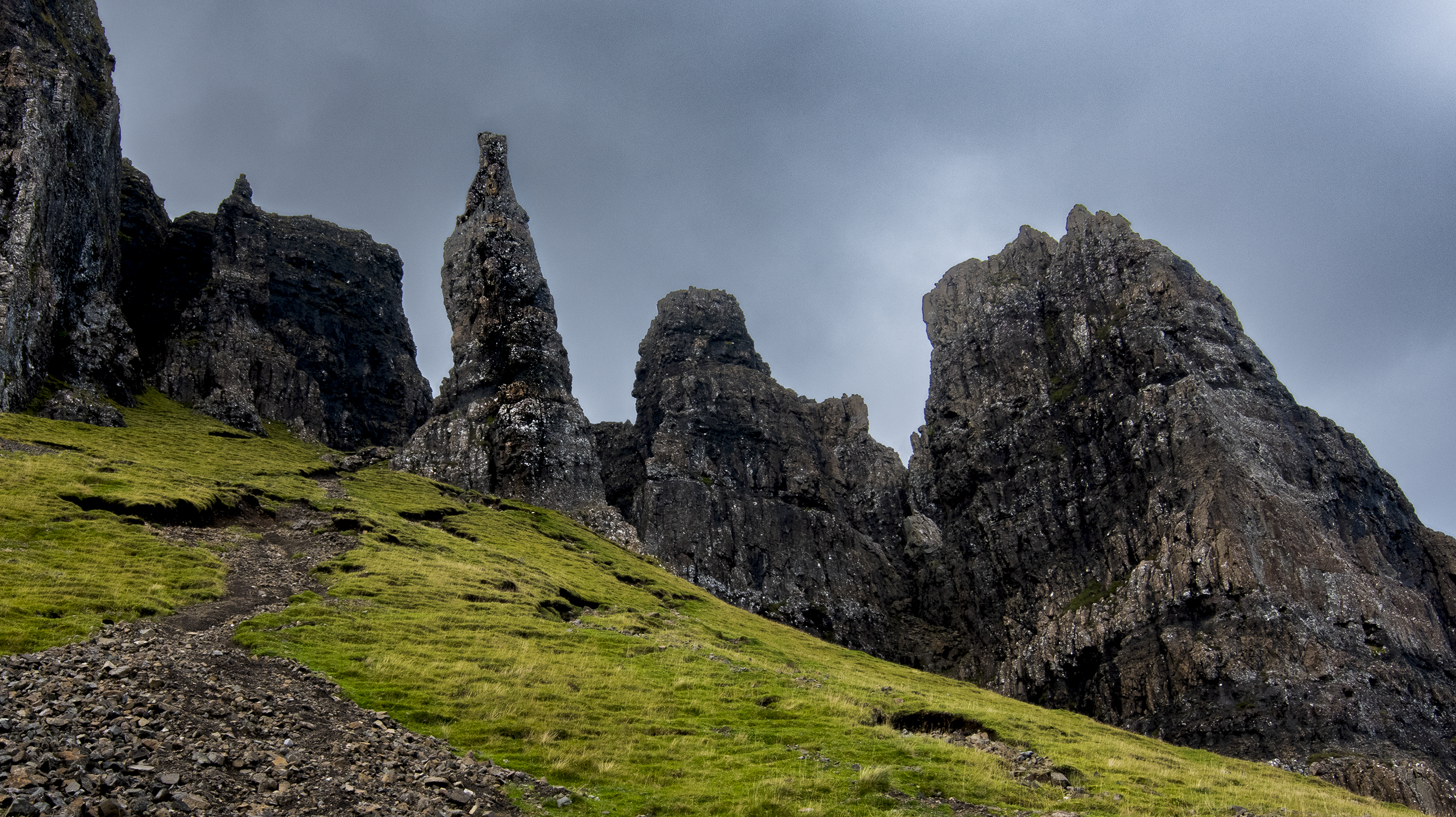
Isle of Skye - The Quiraing
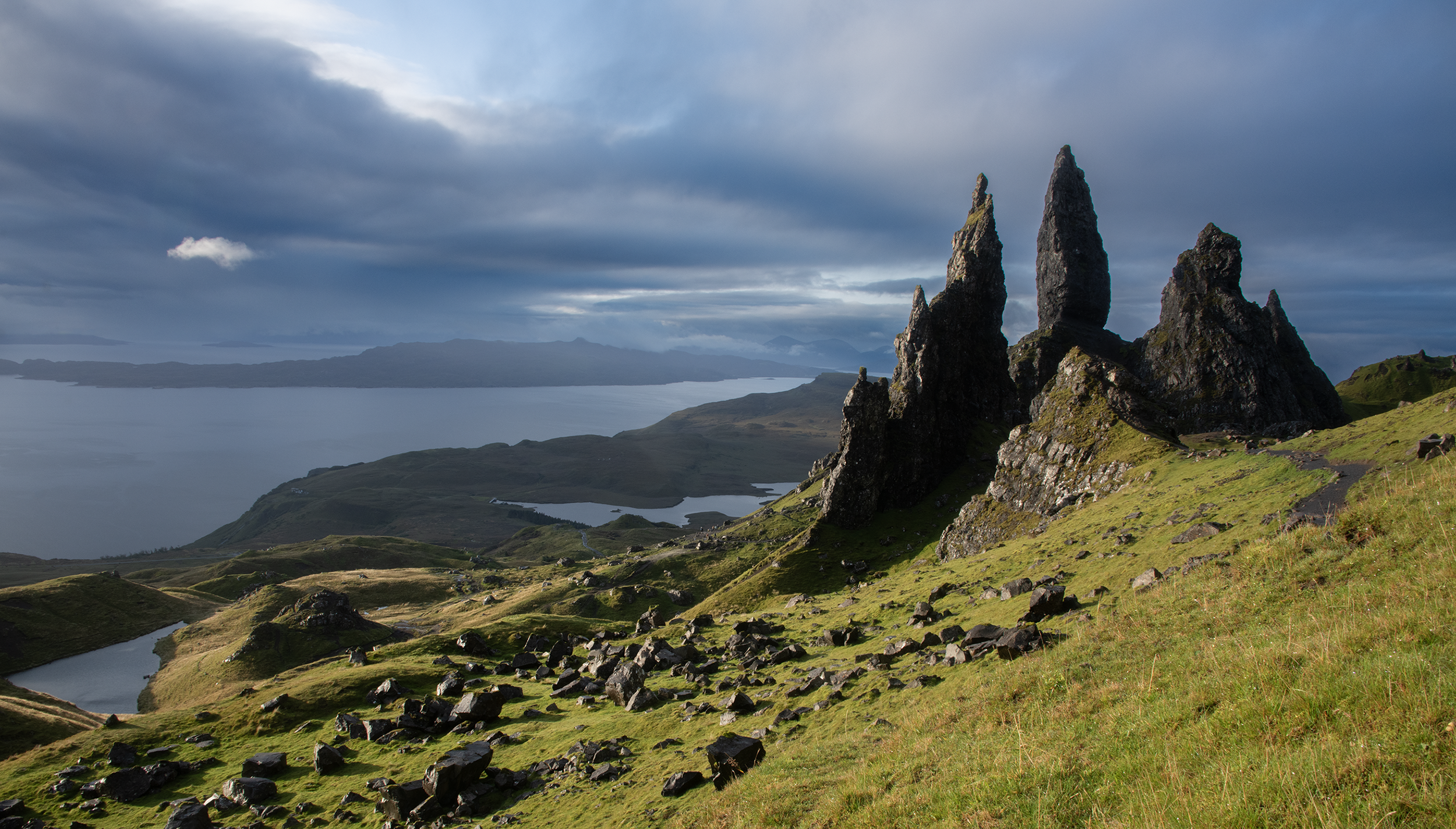
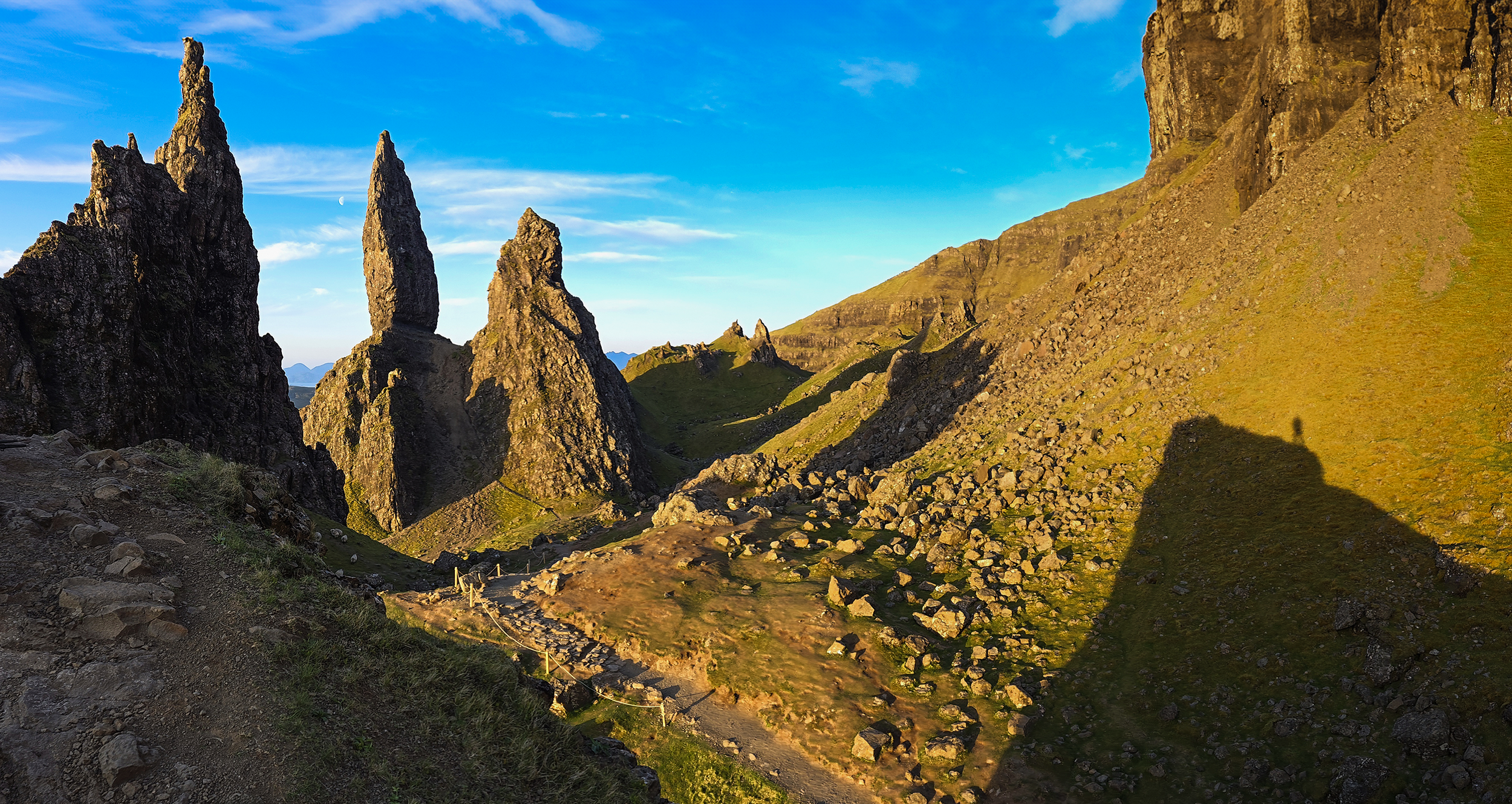
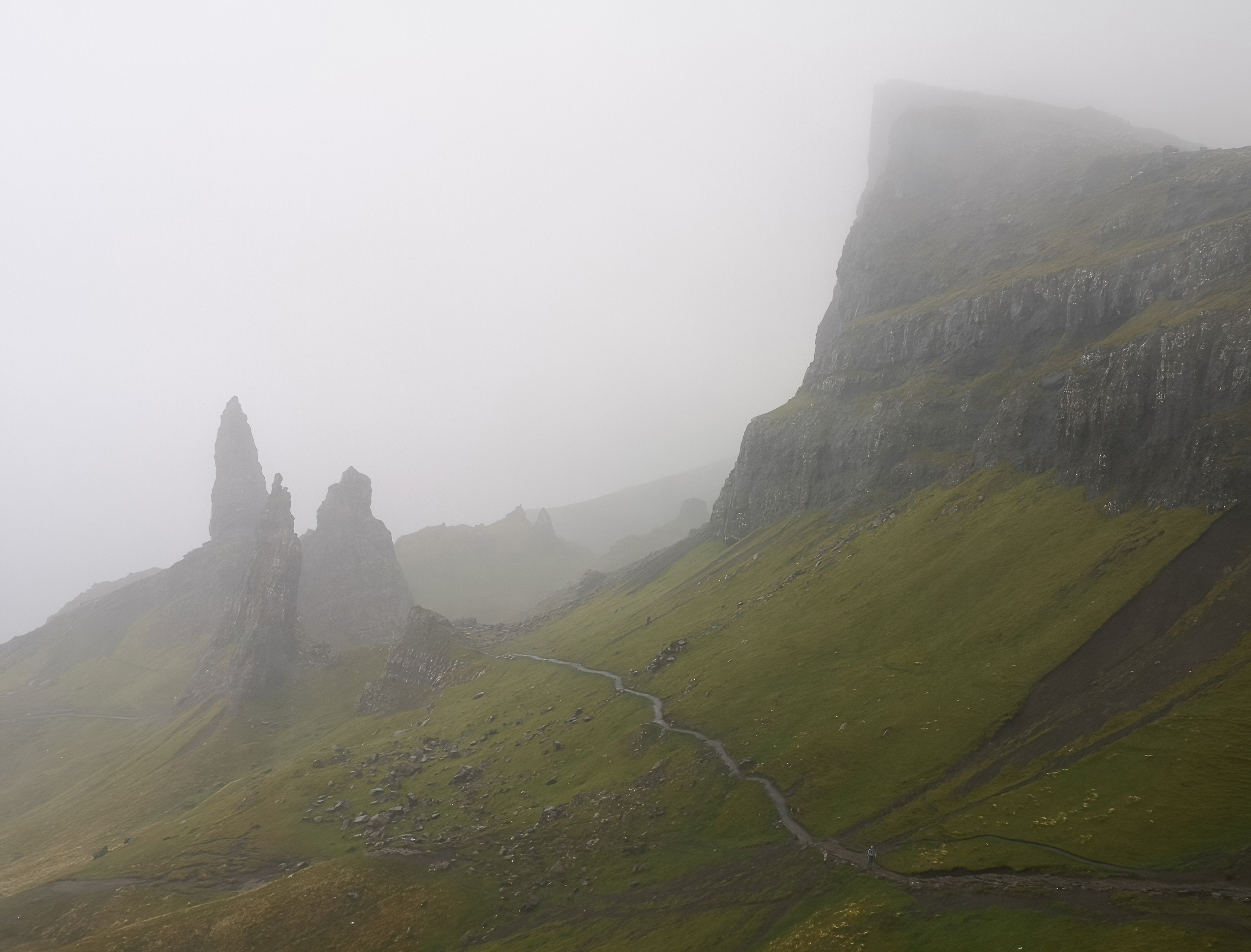
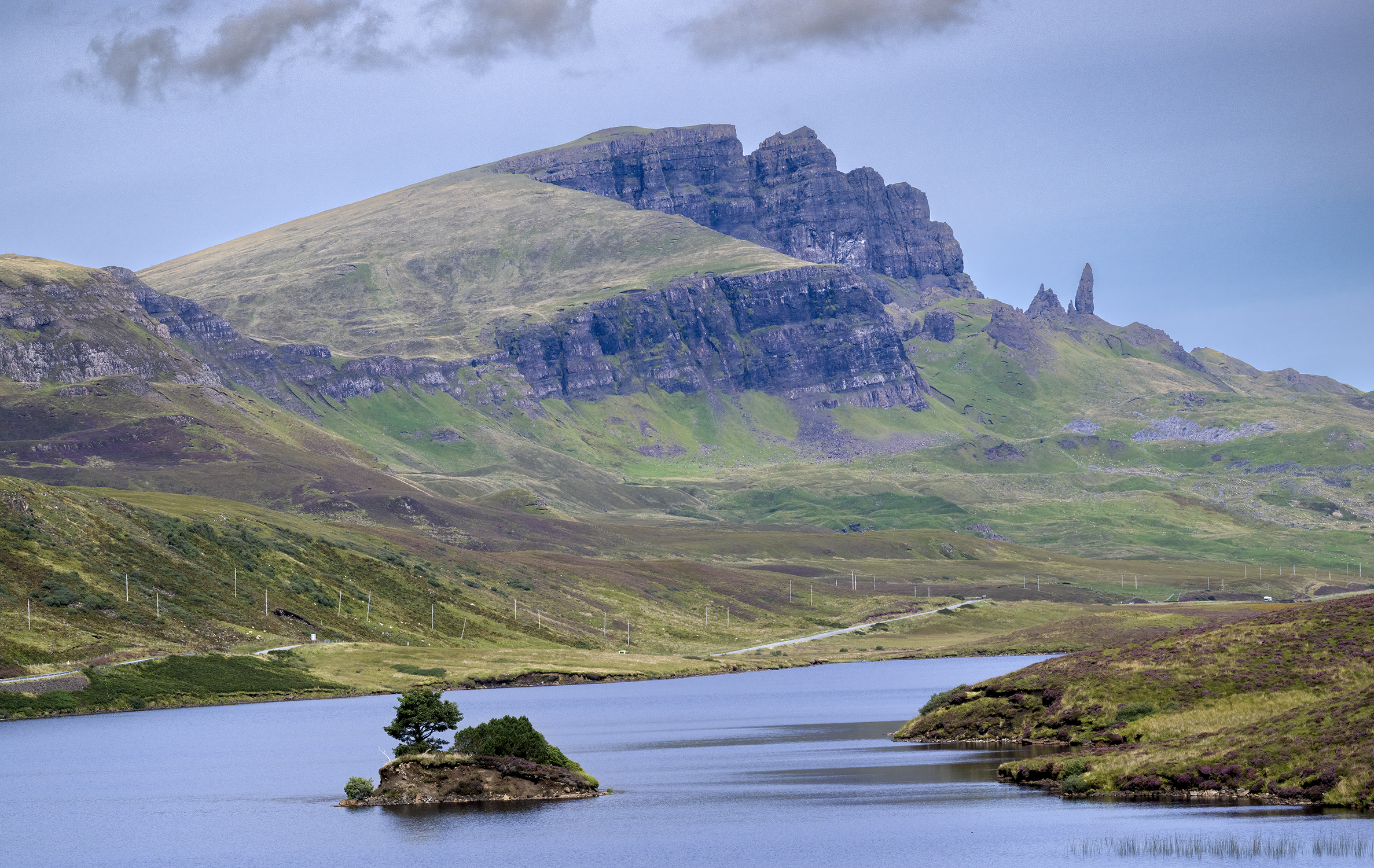
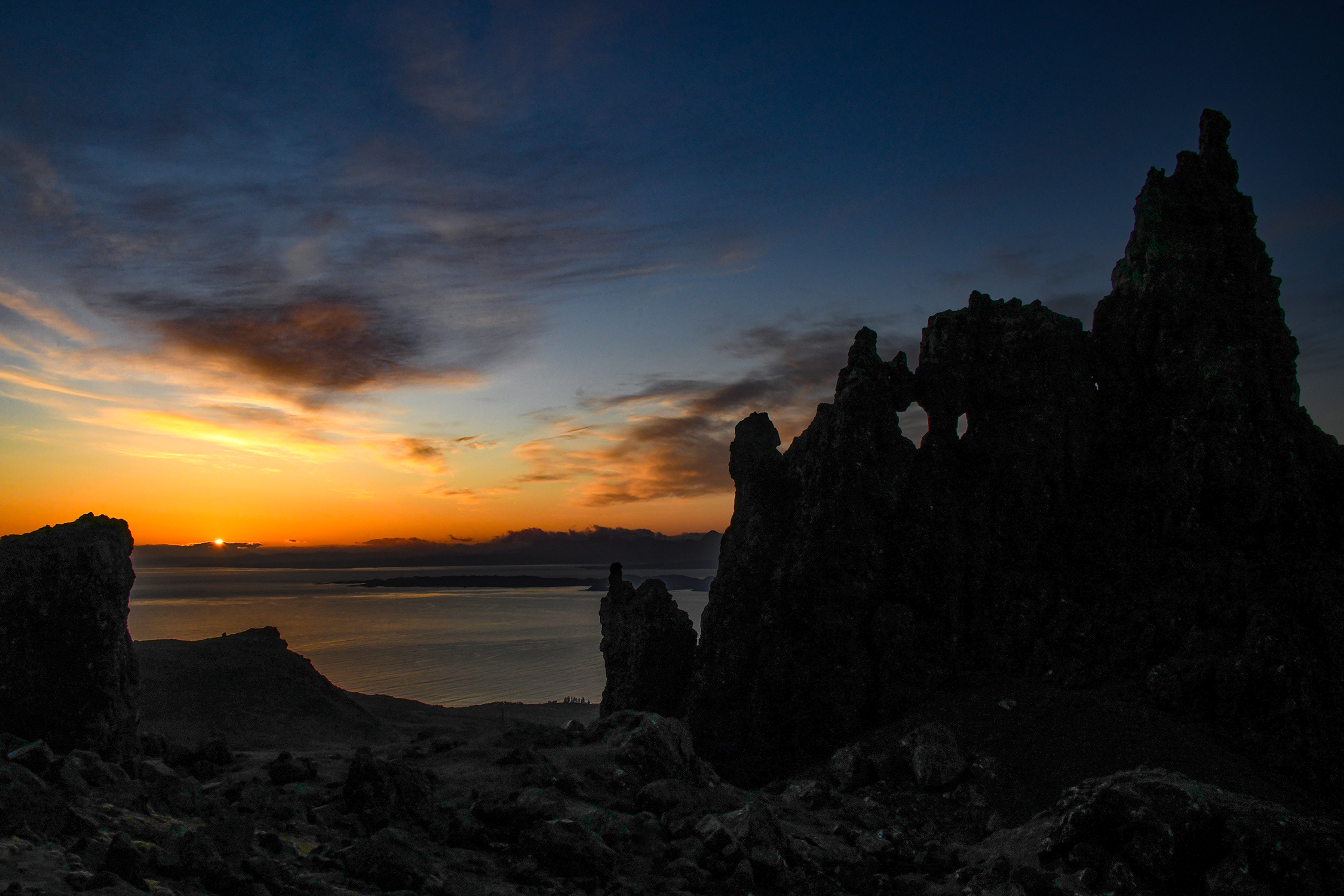
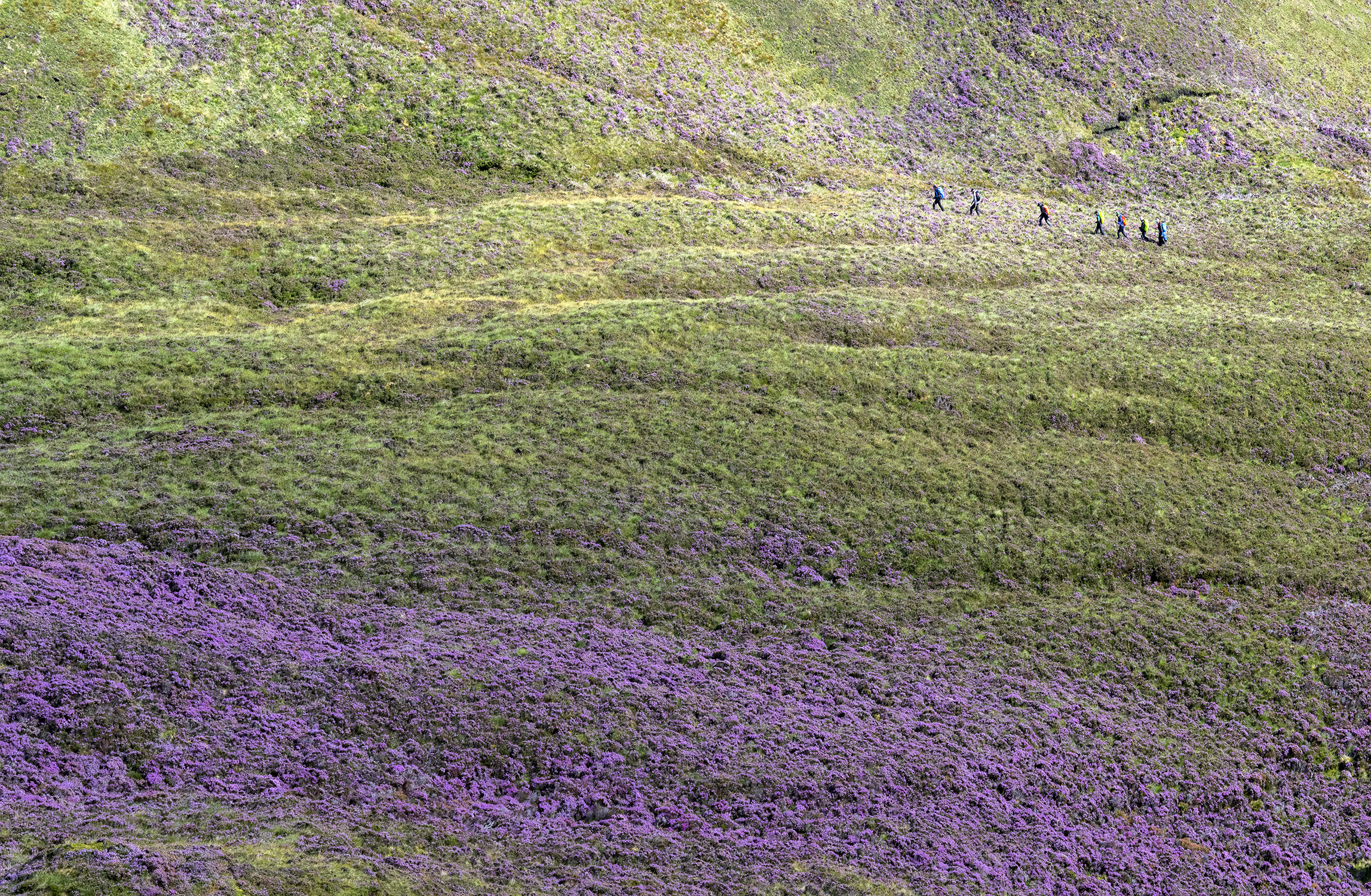
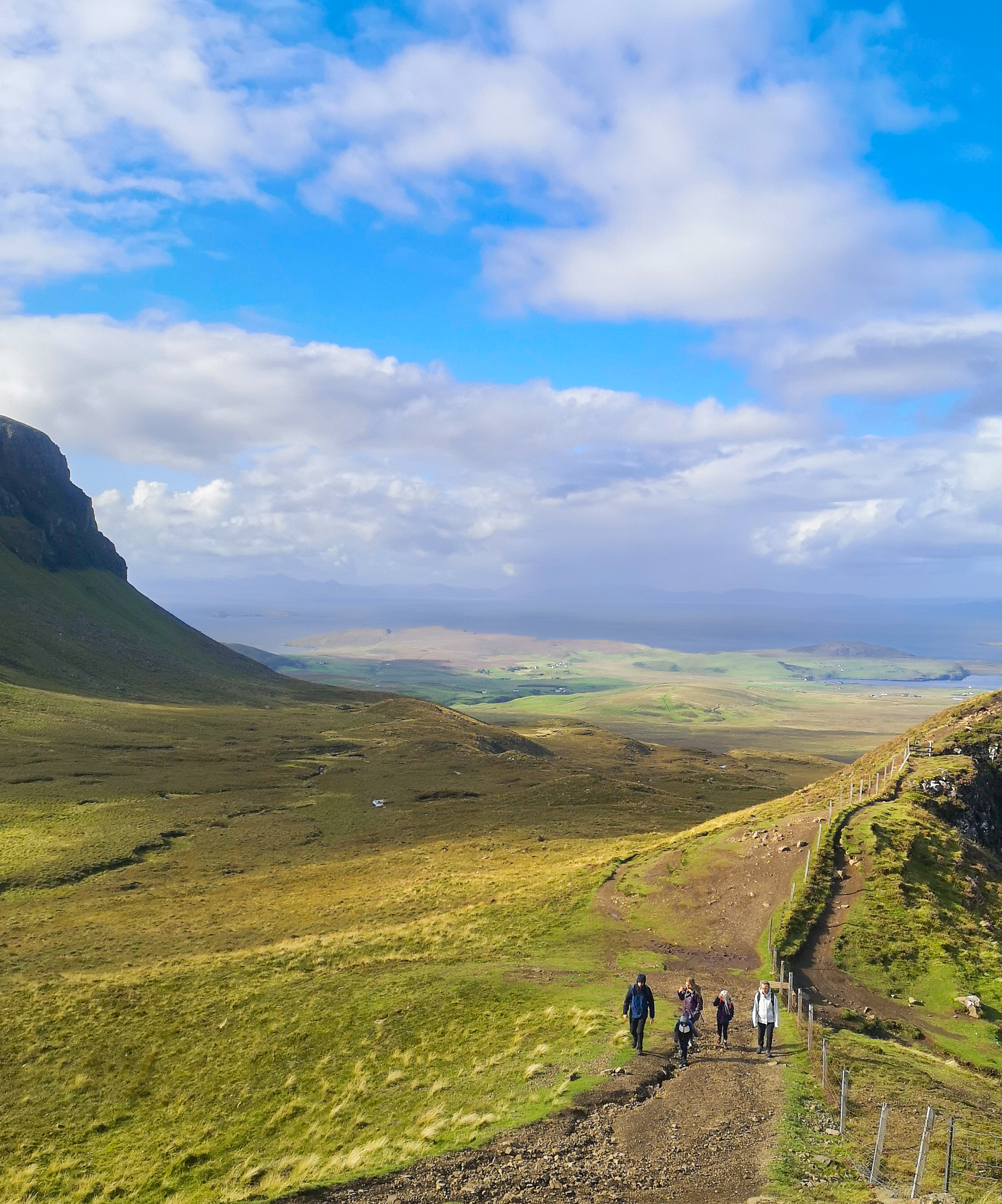
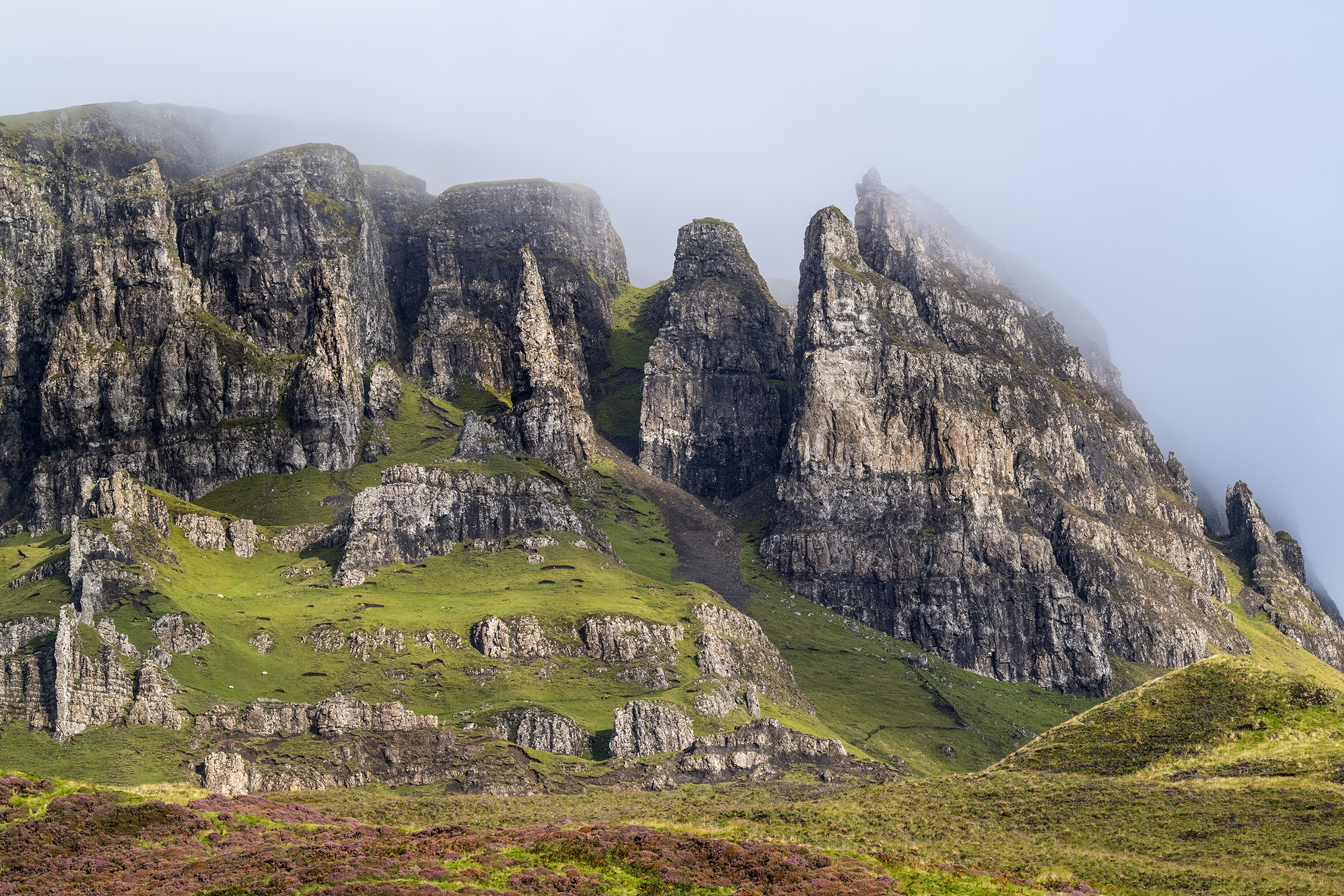
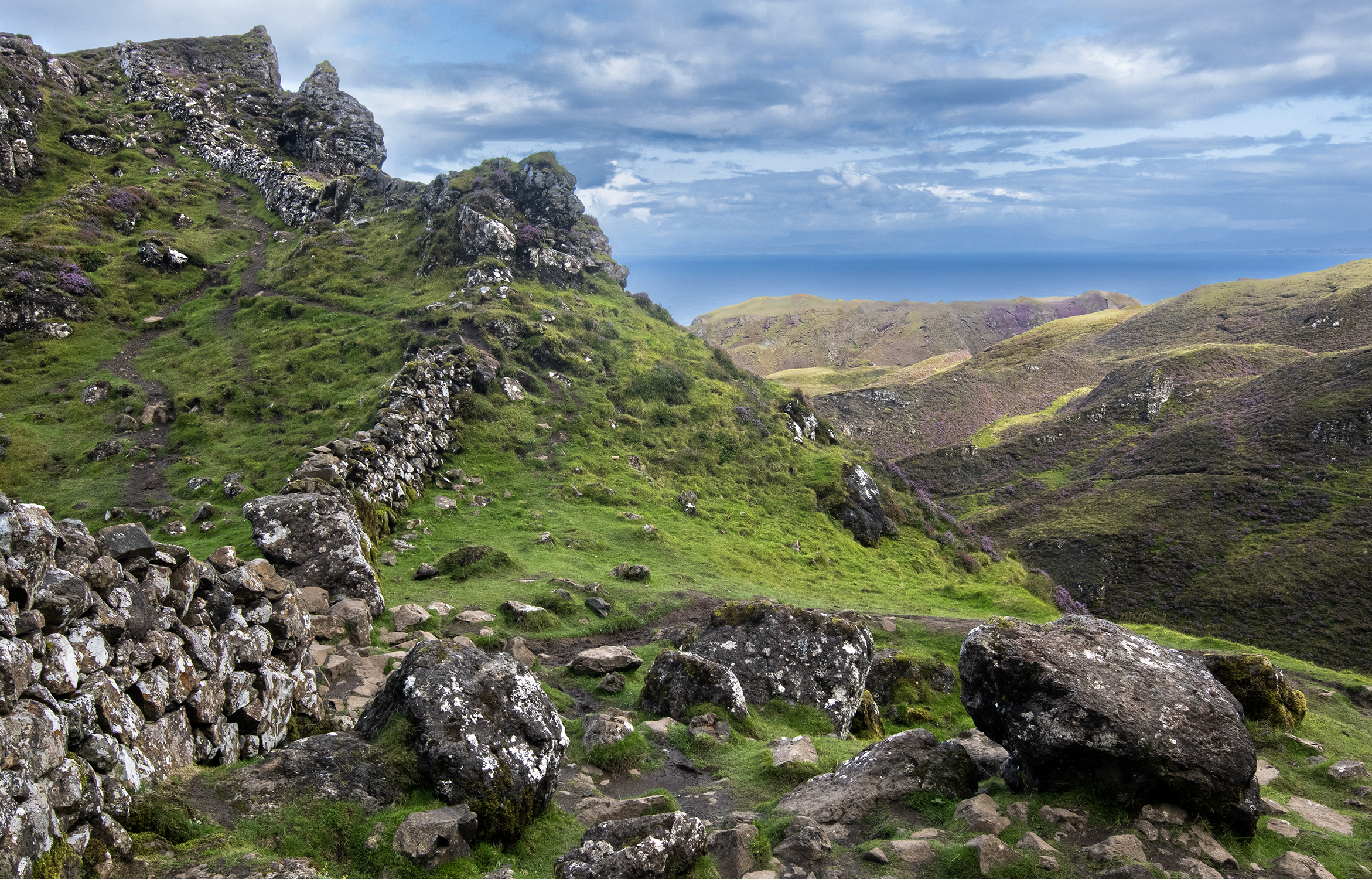
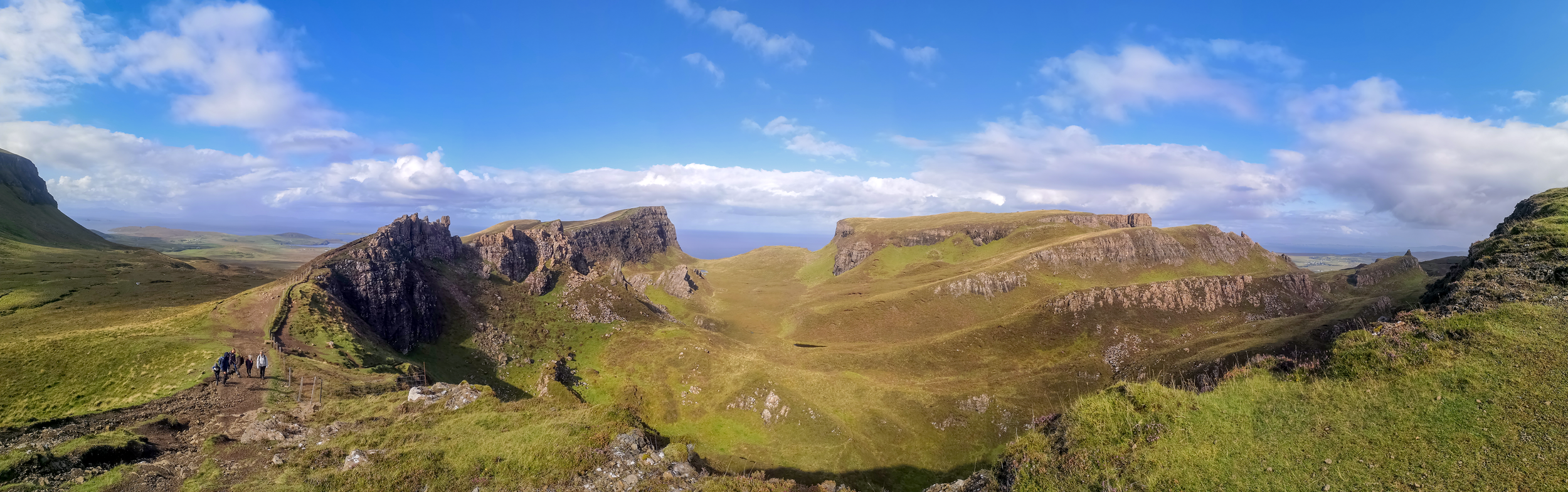
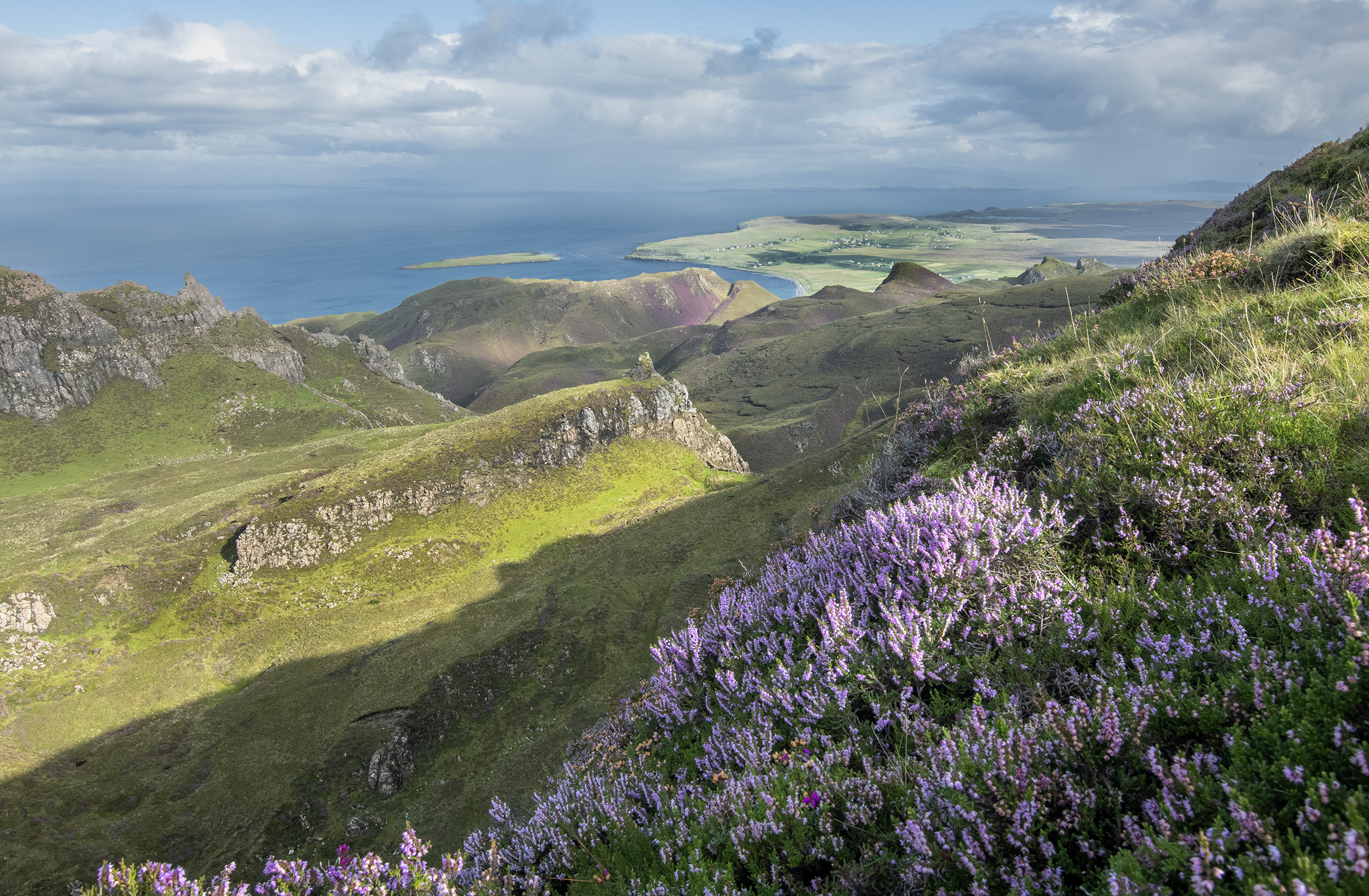
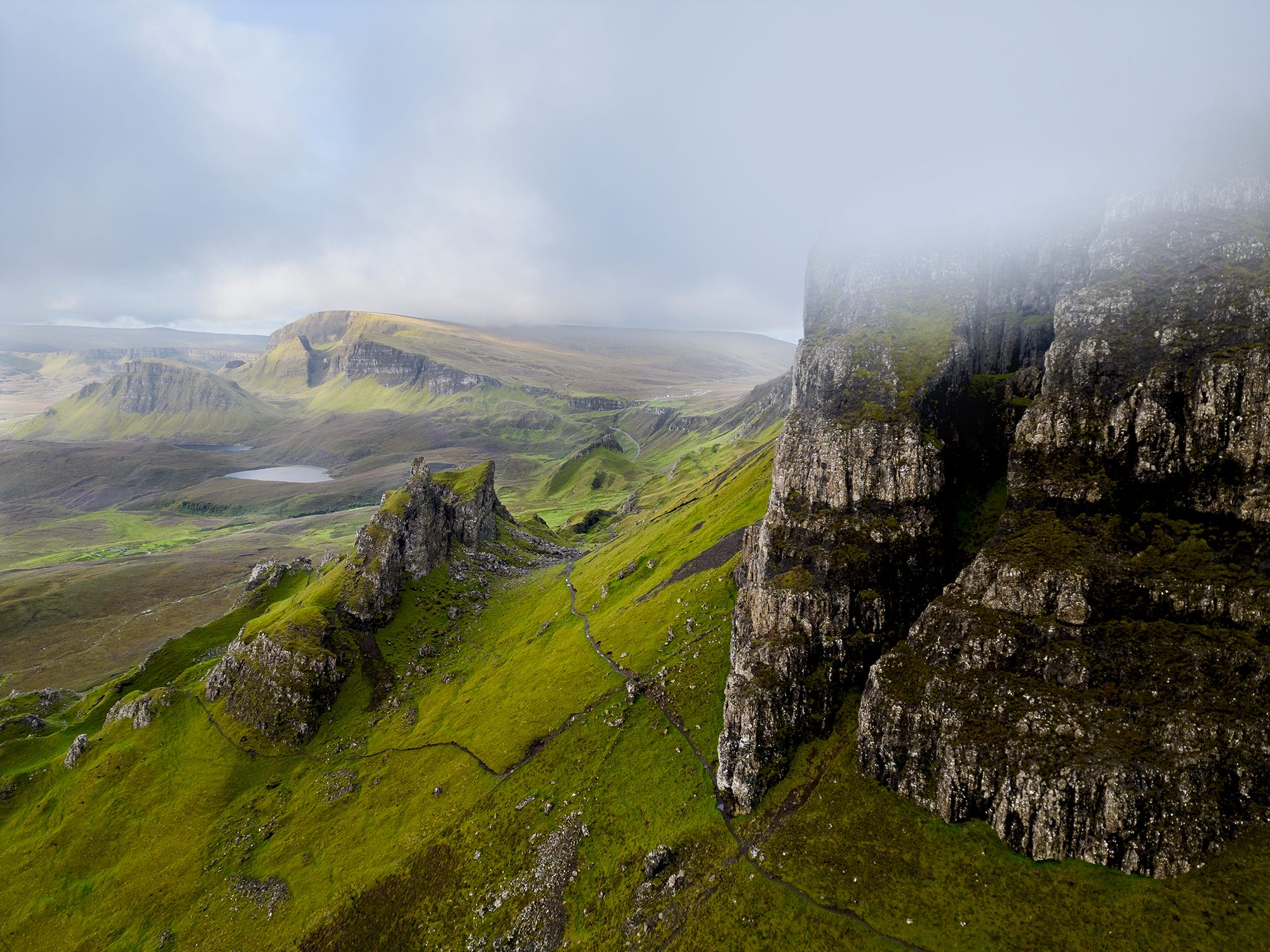
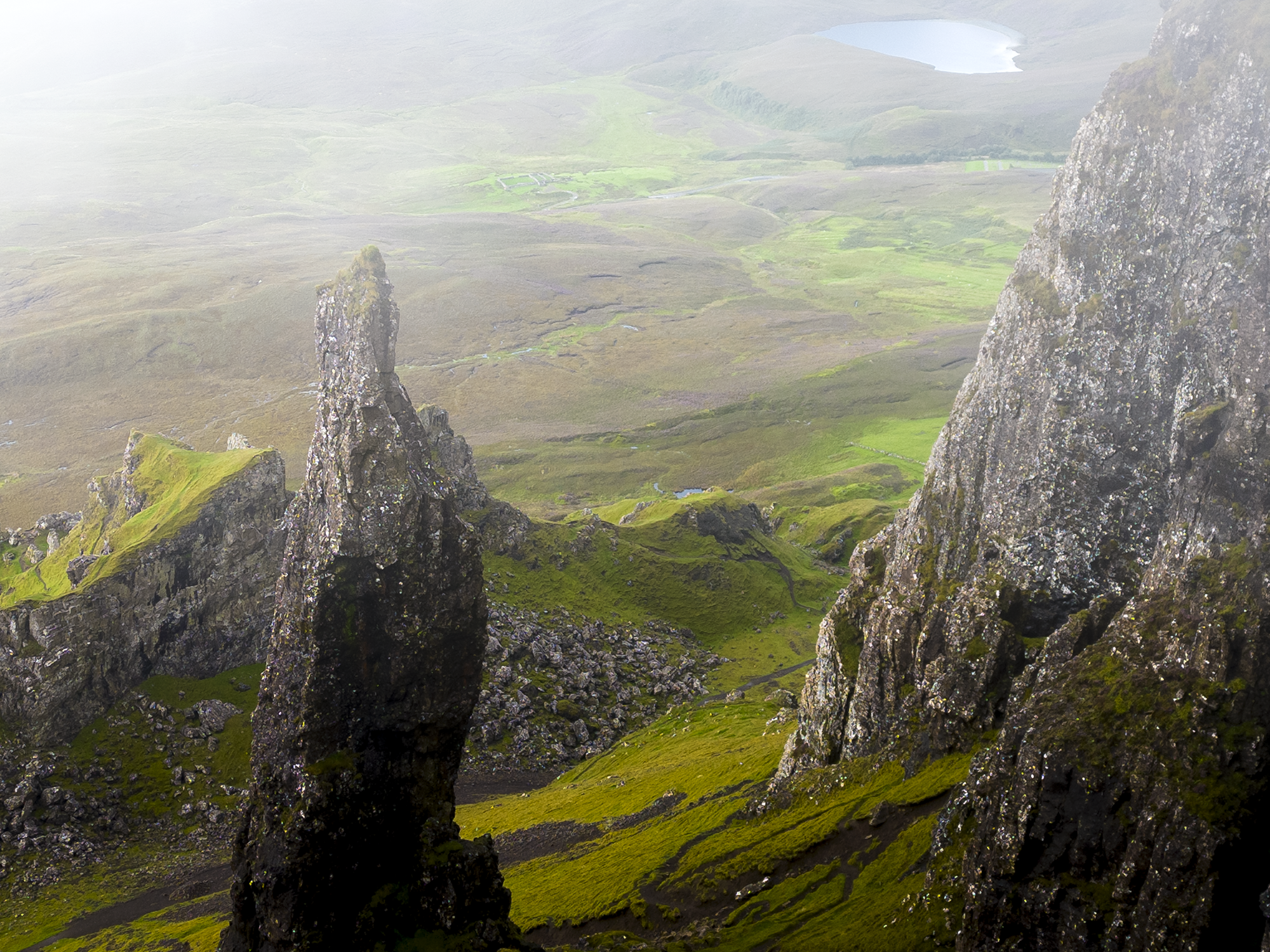
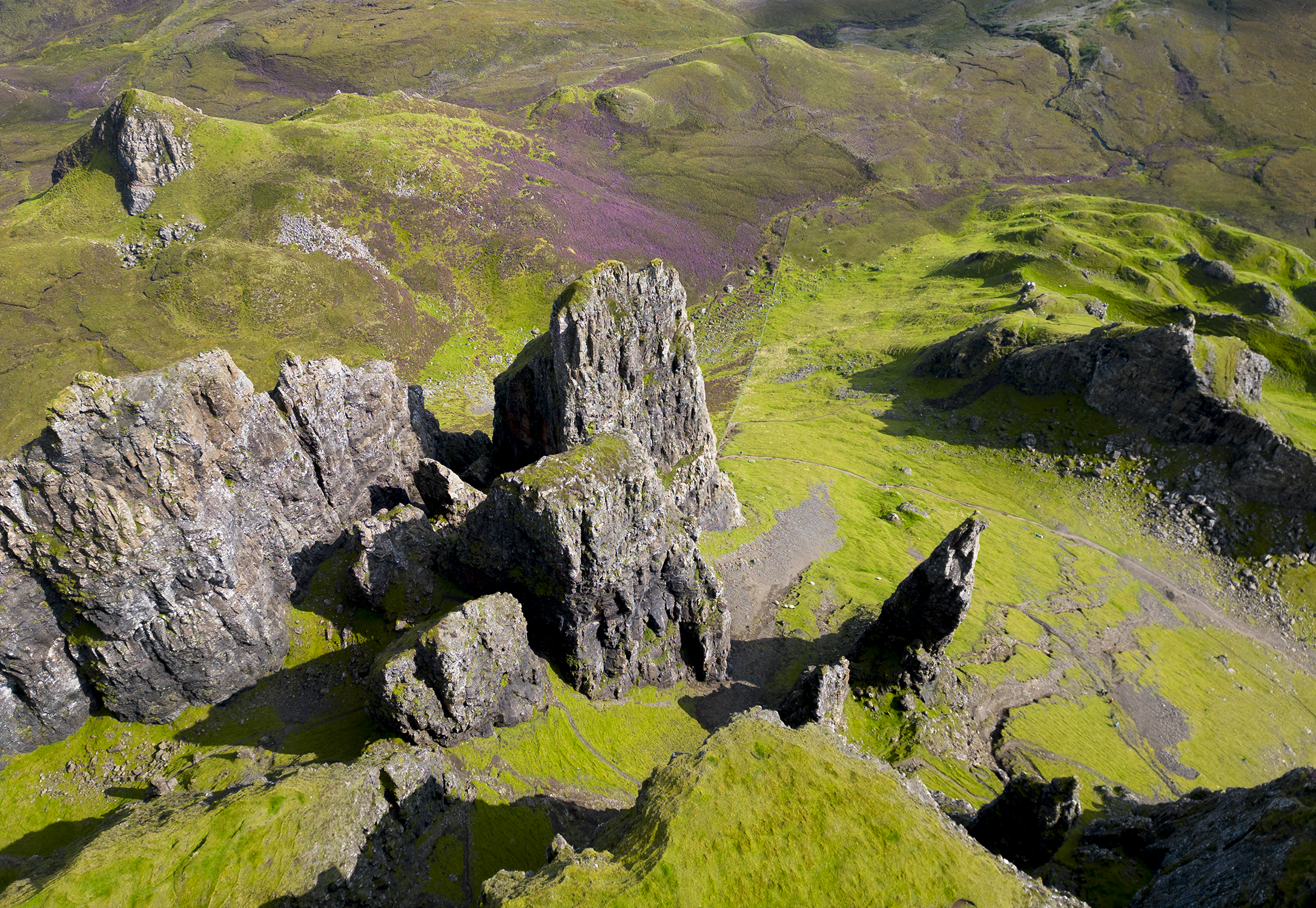
Another one of the most popular hiking spots on the Isle of Skye is the Quiraing. It is also part of the Trotternish Ridge - a special escarpment on the northeast part of the island, that has partially collapsed over the millennia, adding to its ruggedness. It is located about 10 kms north of the Old Man of Storr. The most prominent landmark on the Quiraing, called the Needle, is 40 metres tall! The complete Quiraing hiking loop is about 6 kms long, taking 3+ hours to do, depending on how many stops you make for the stunning views. Kids as young as 8-10 should have no problems in completing the hike, based on what I saw the two different years I was there.
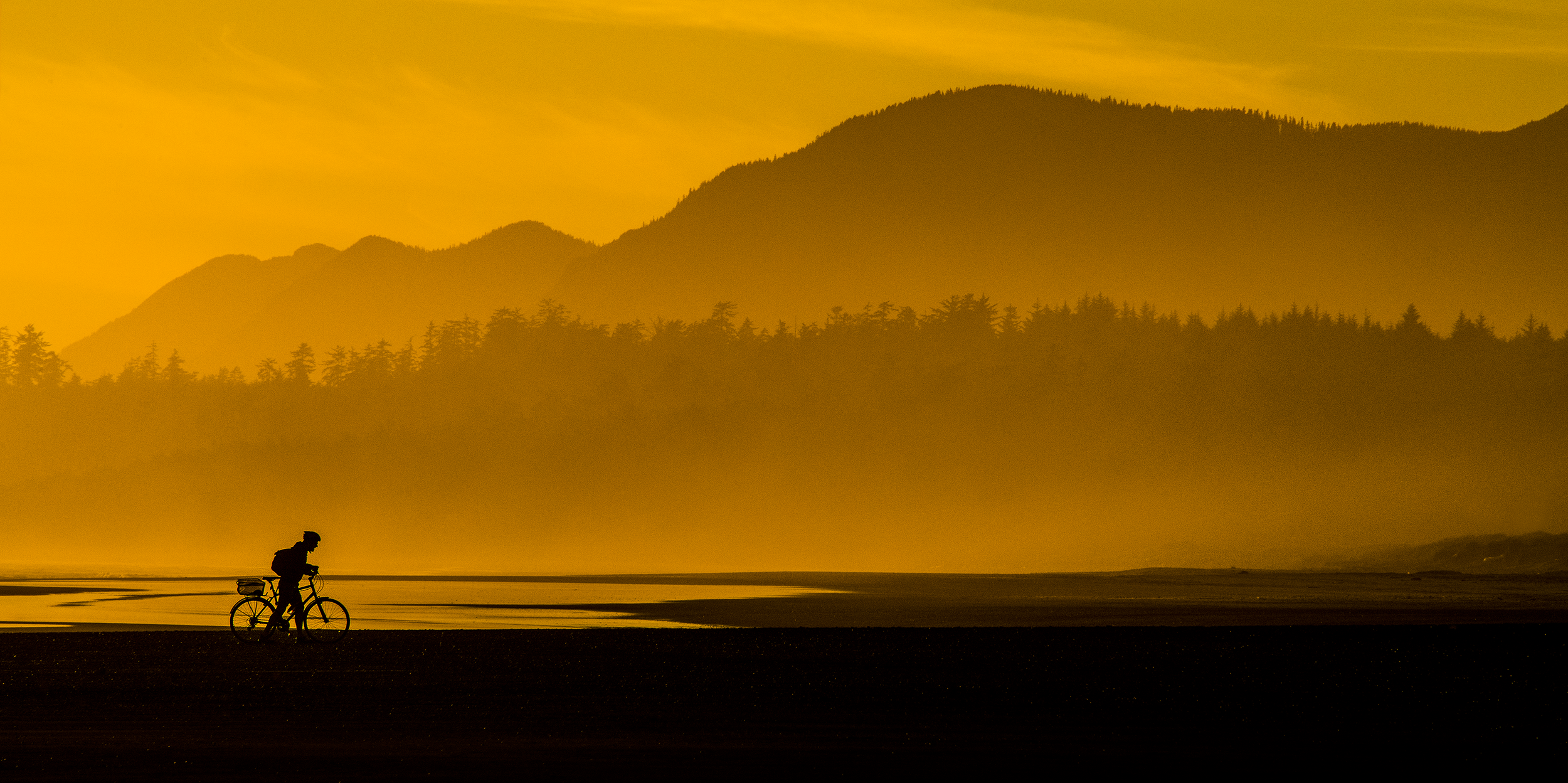
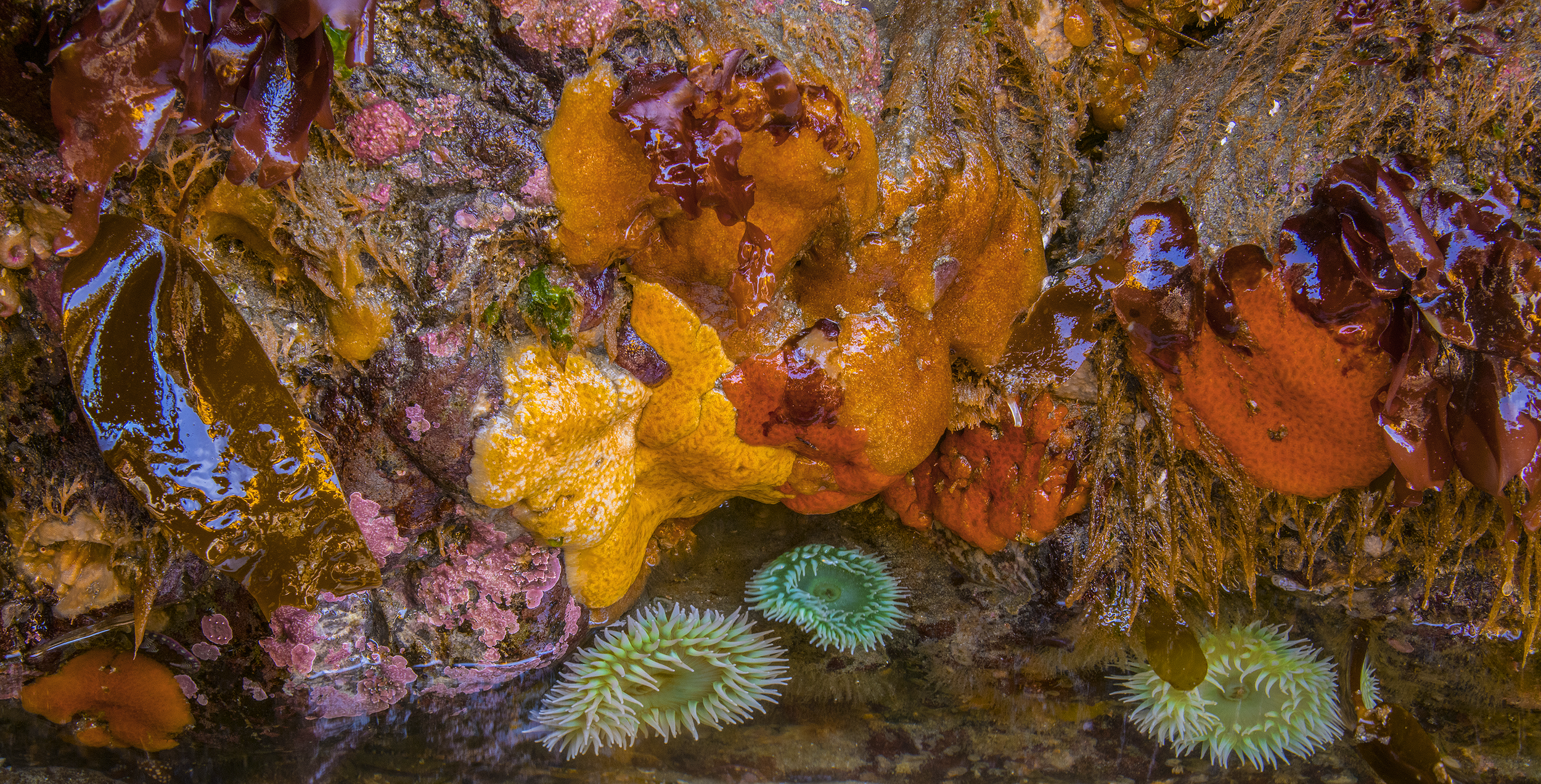
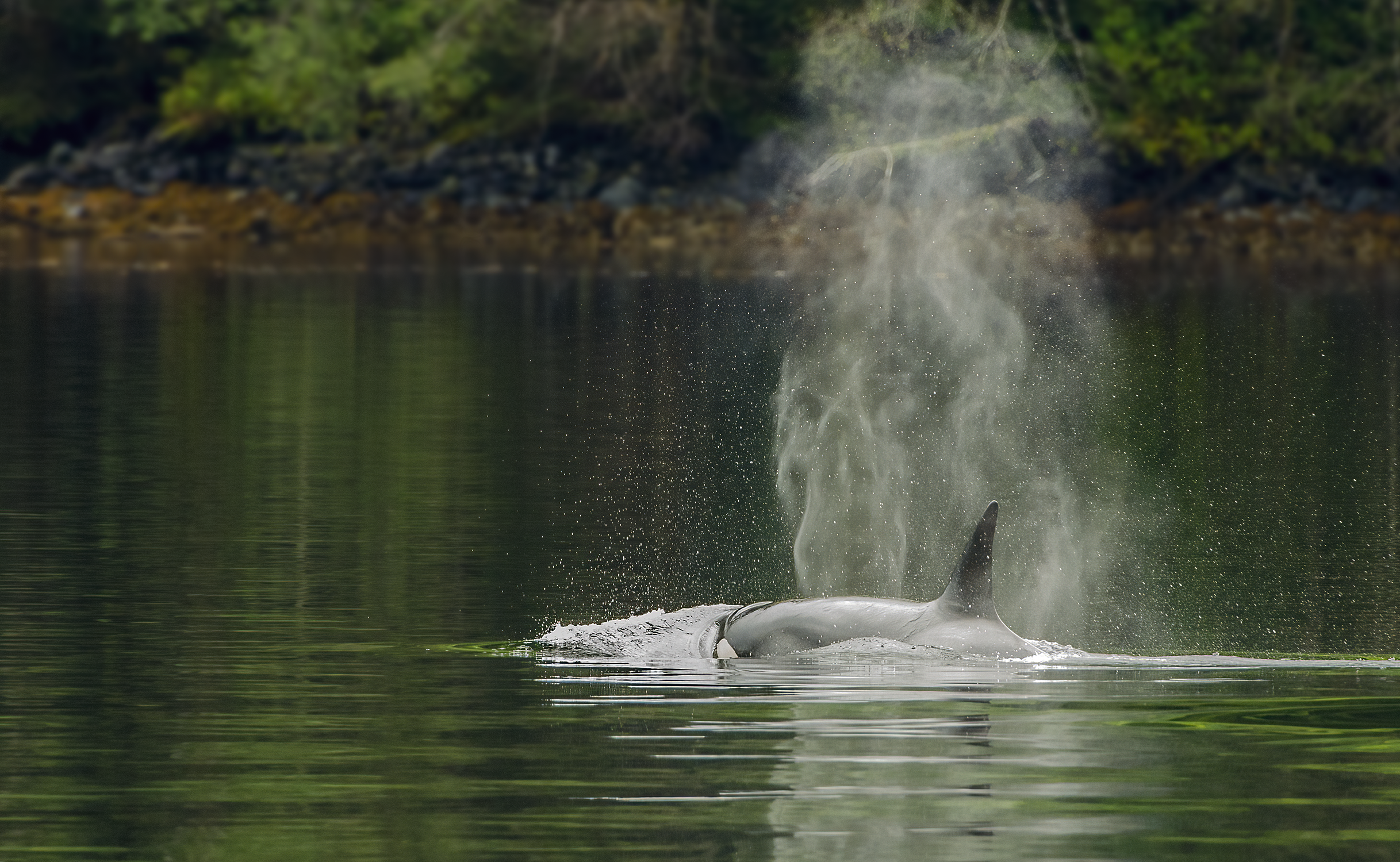
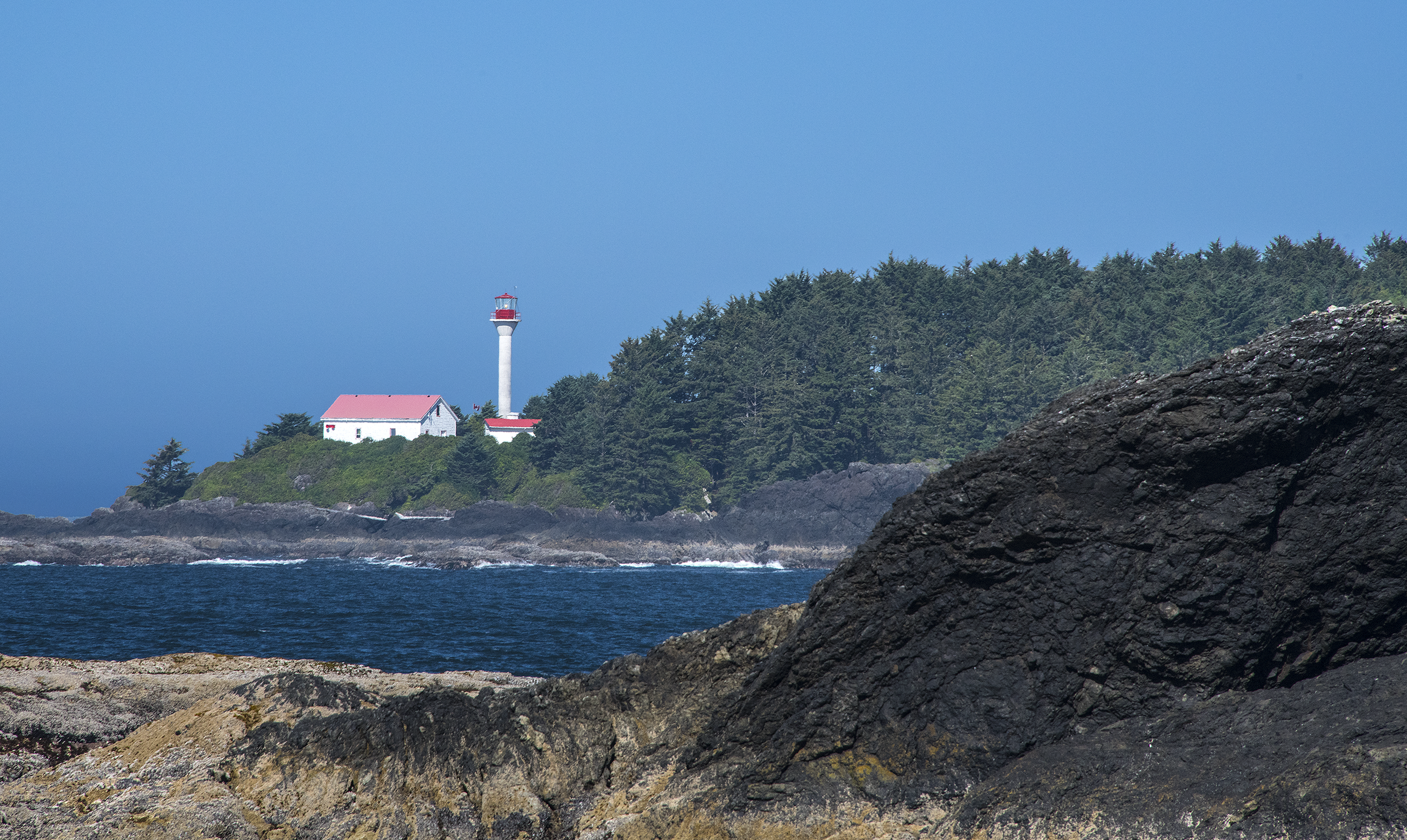
Pacific Rim National Park Reserve
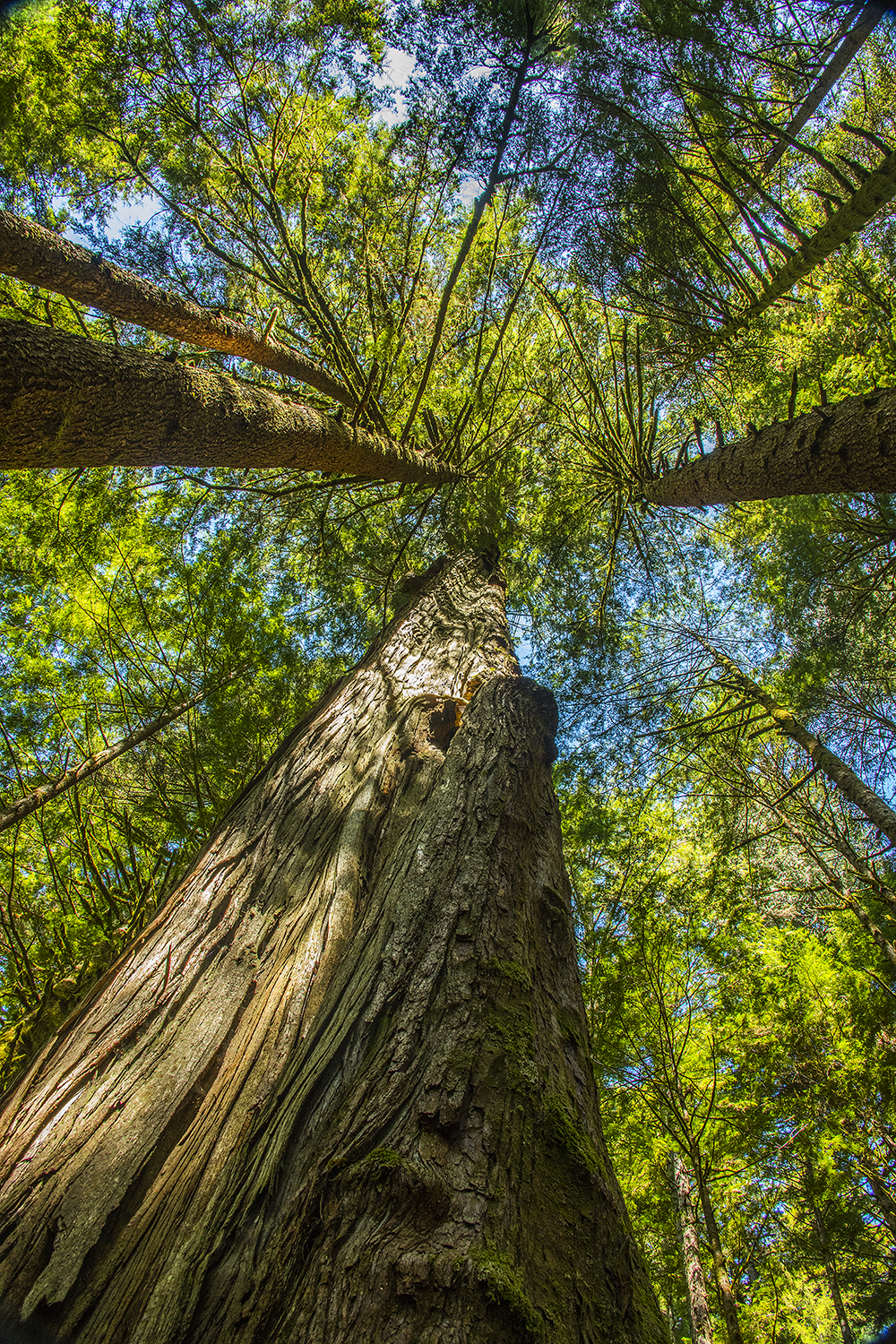
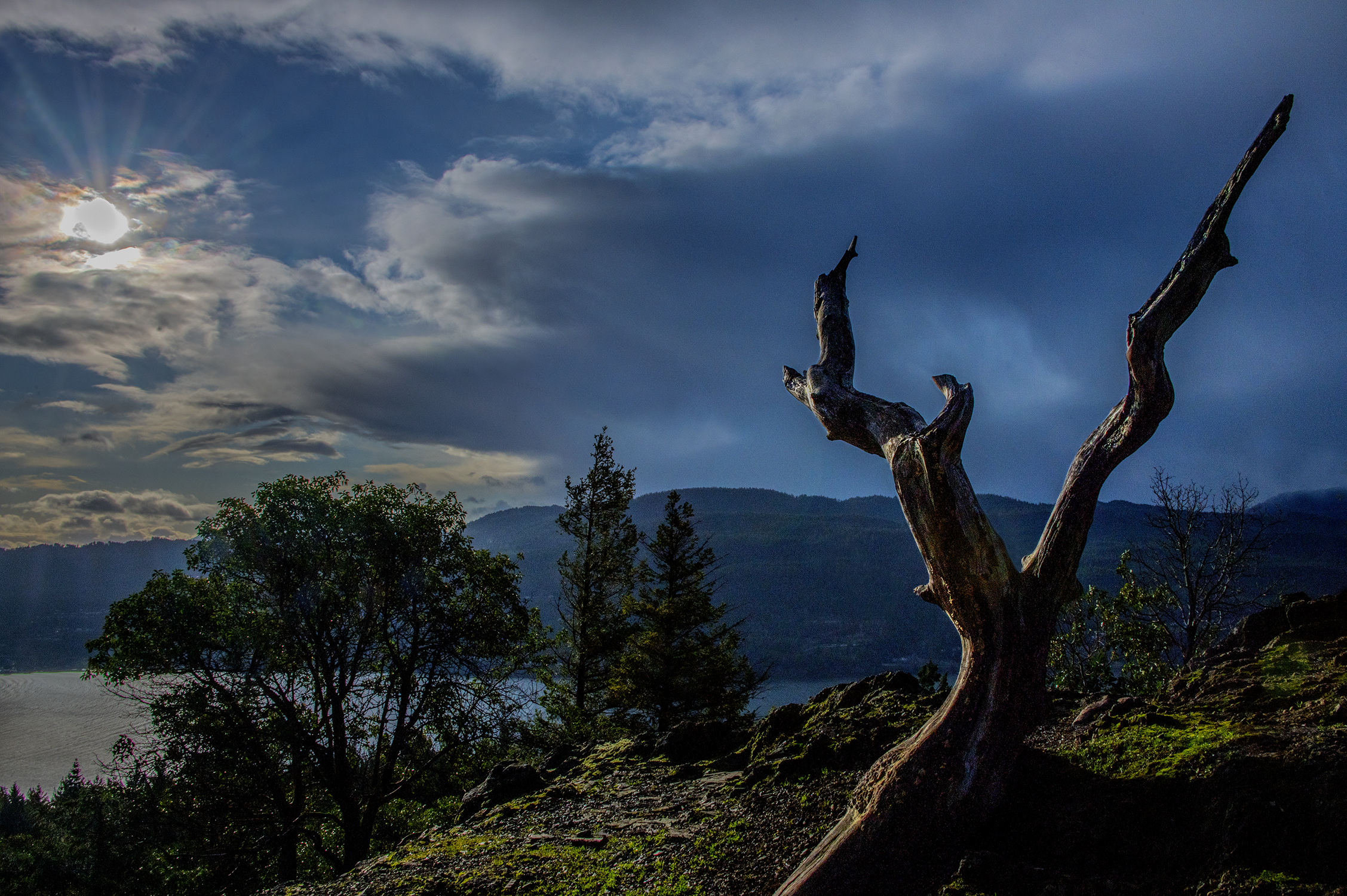
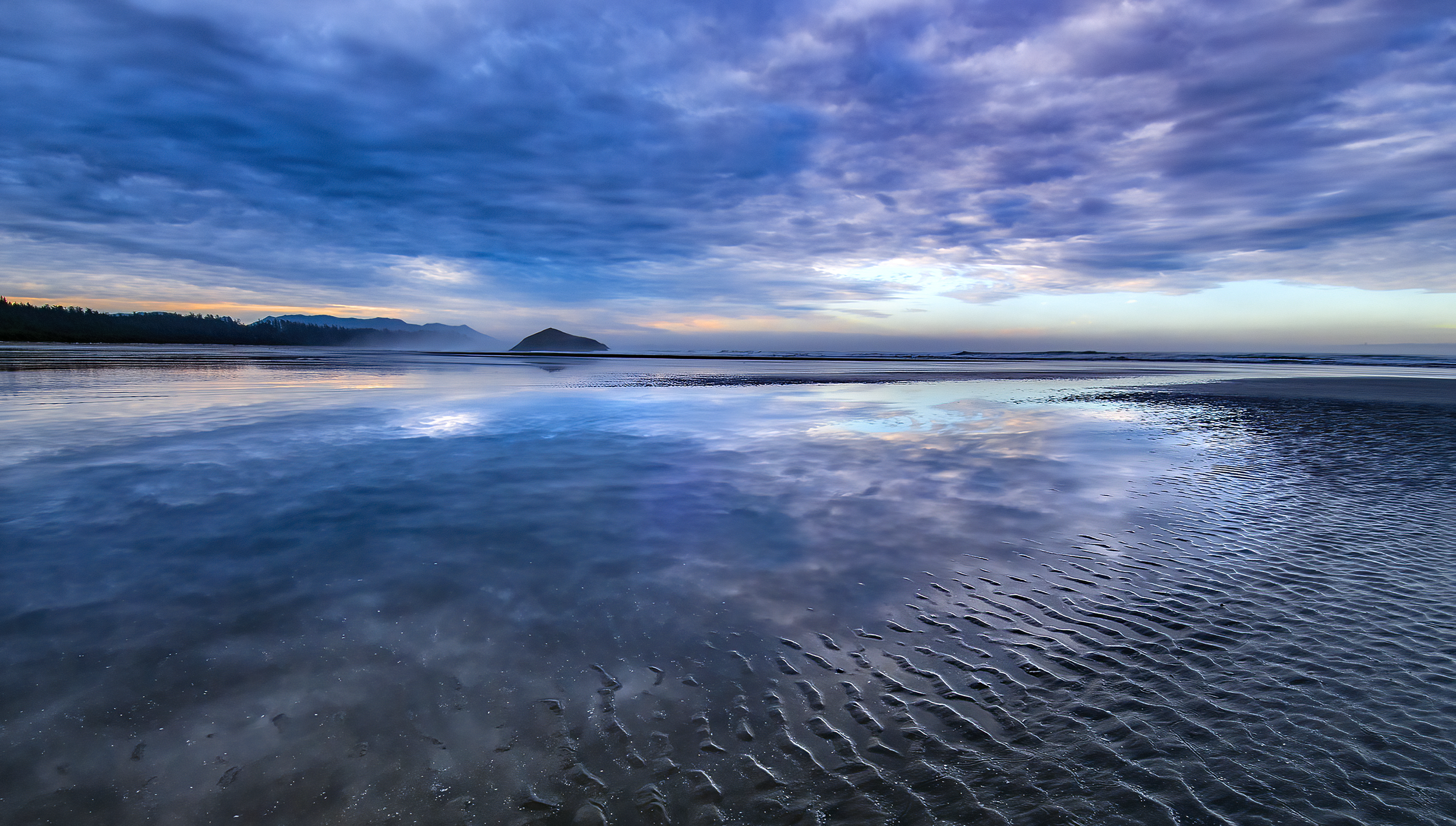
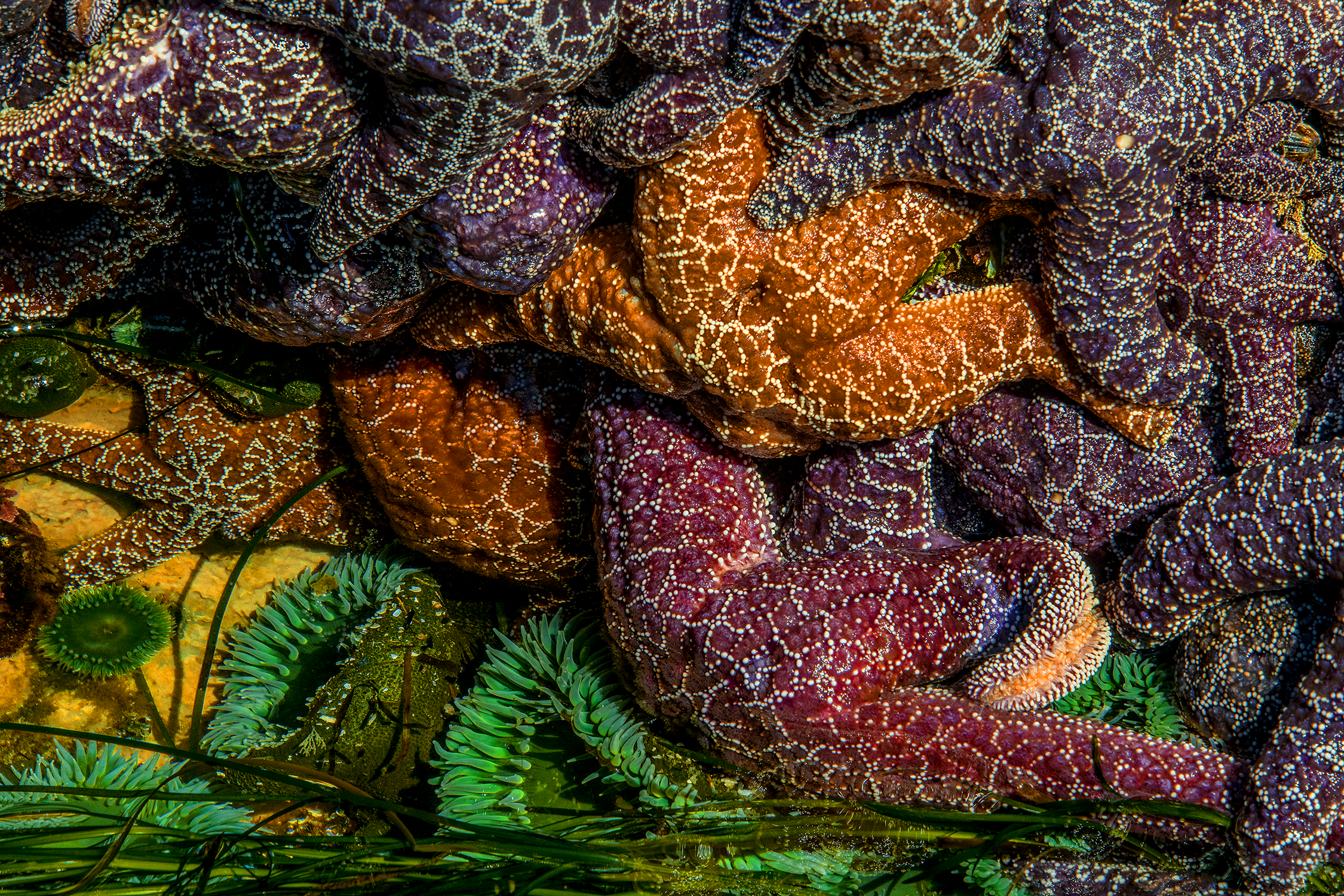
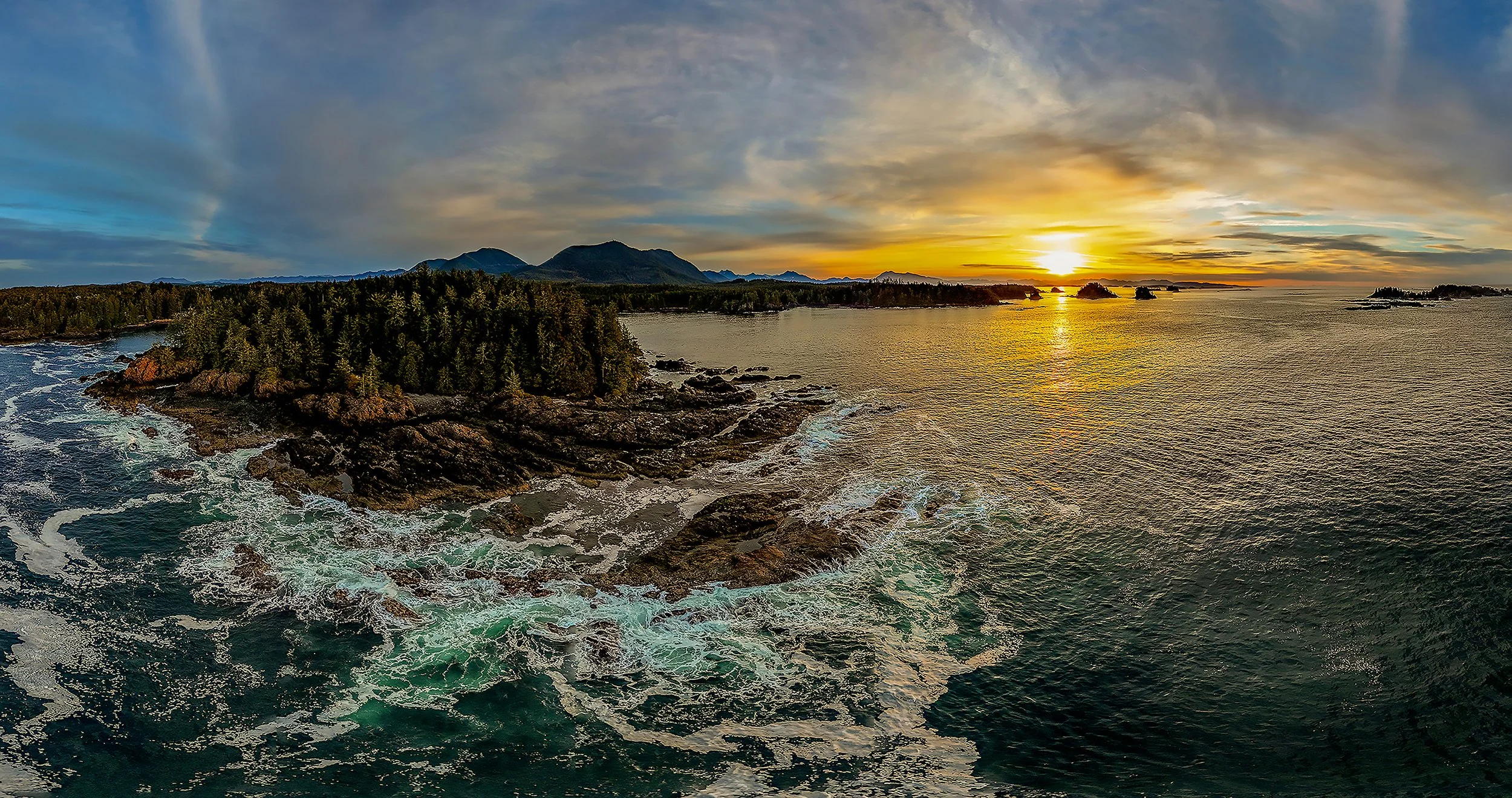
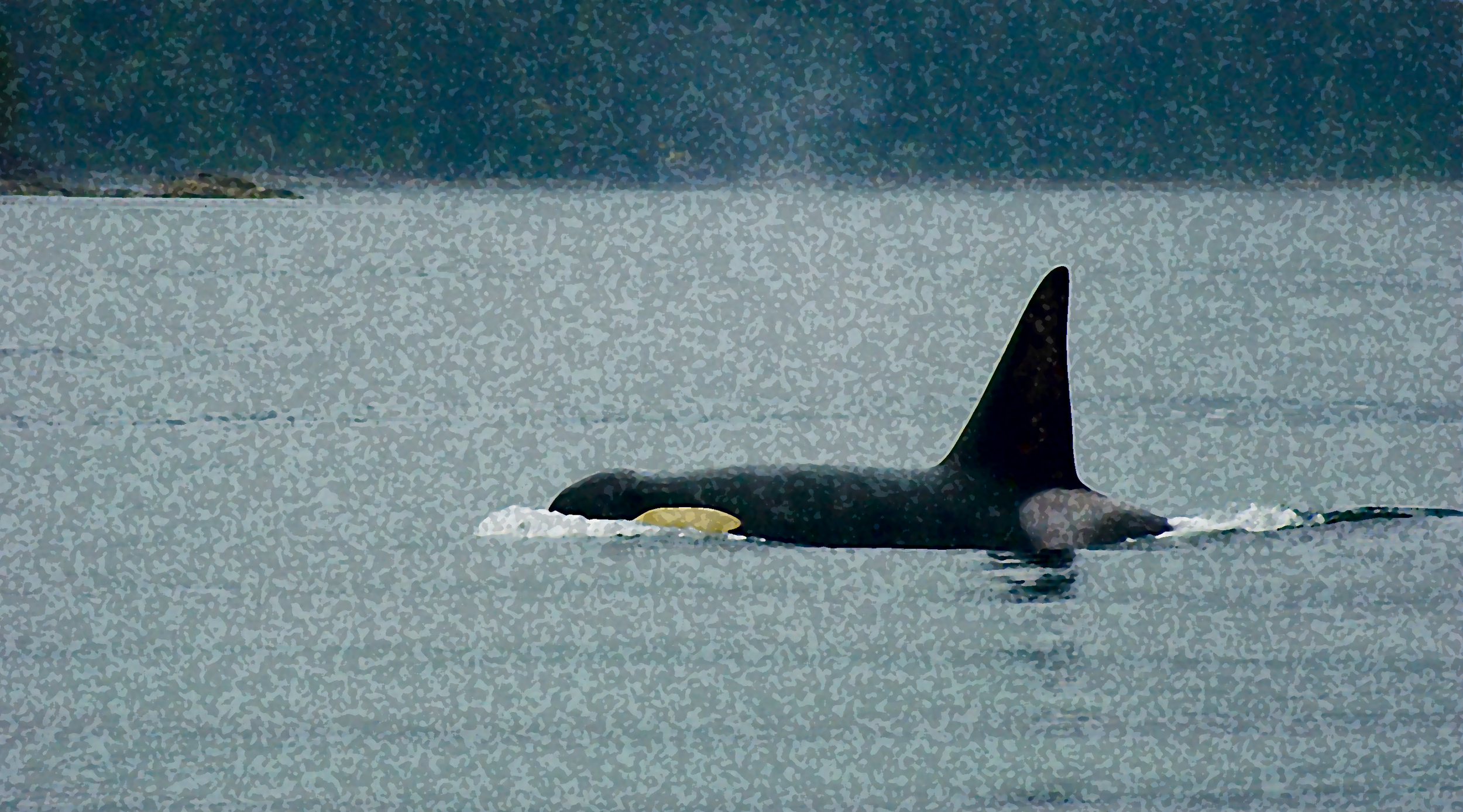
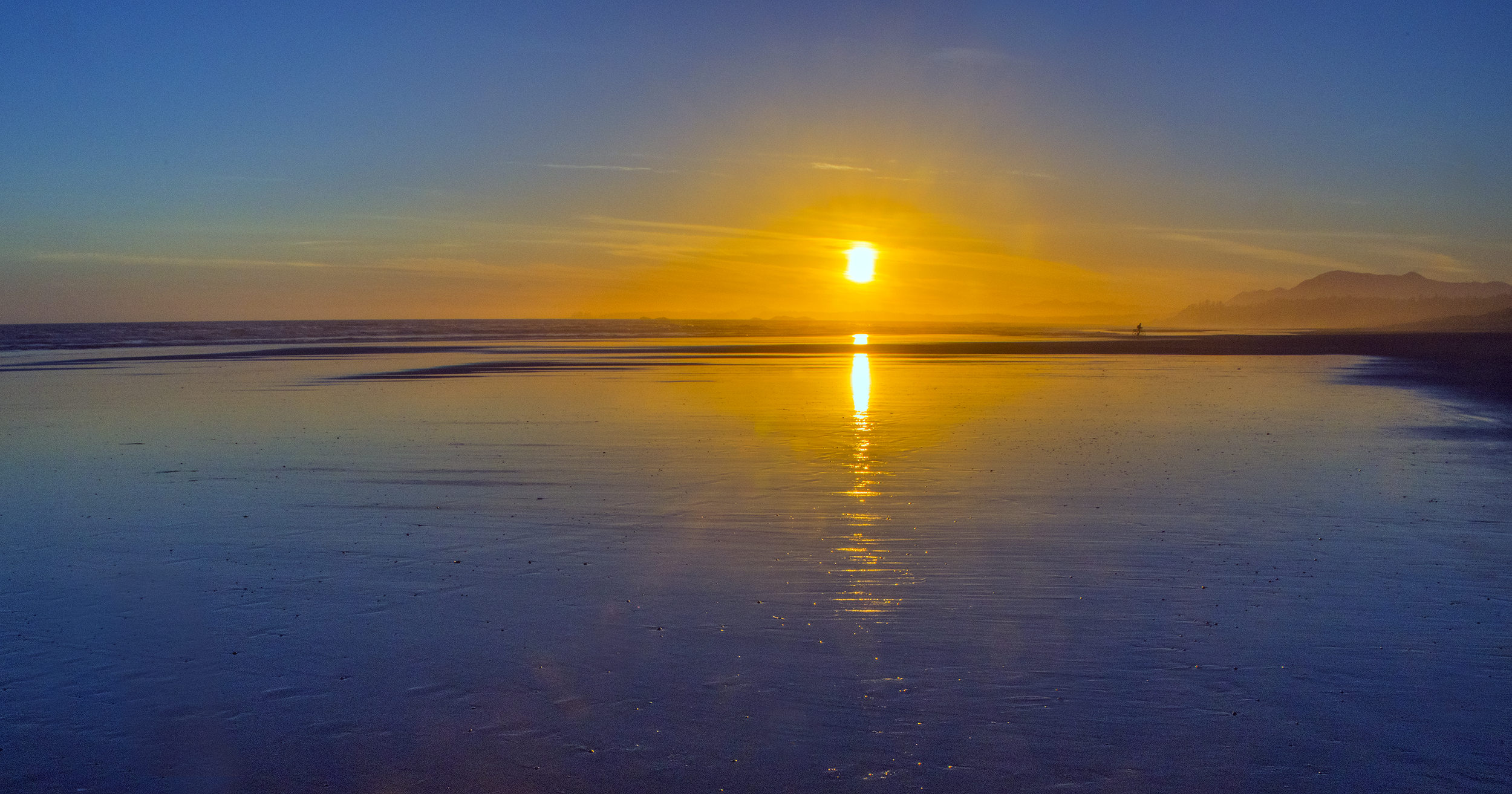
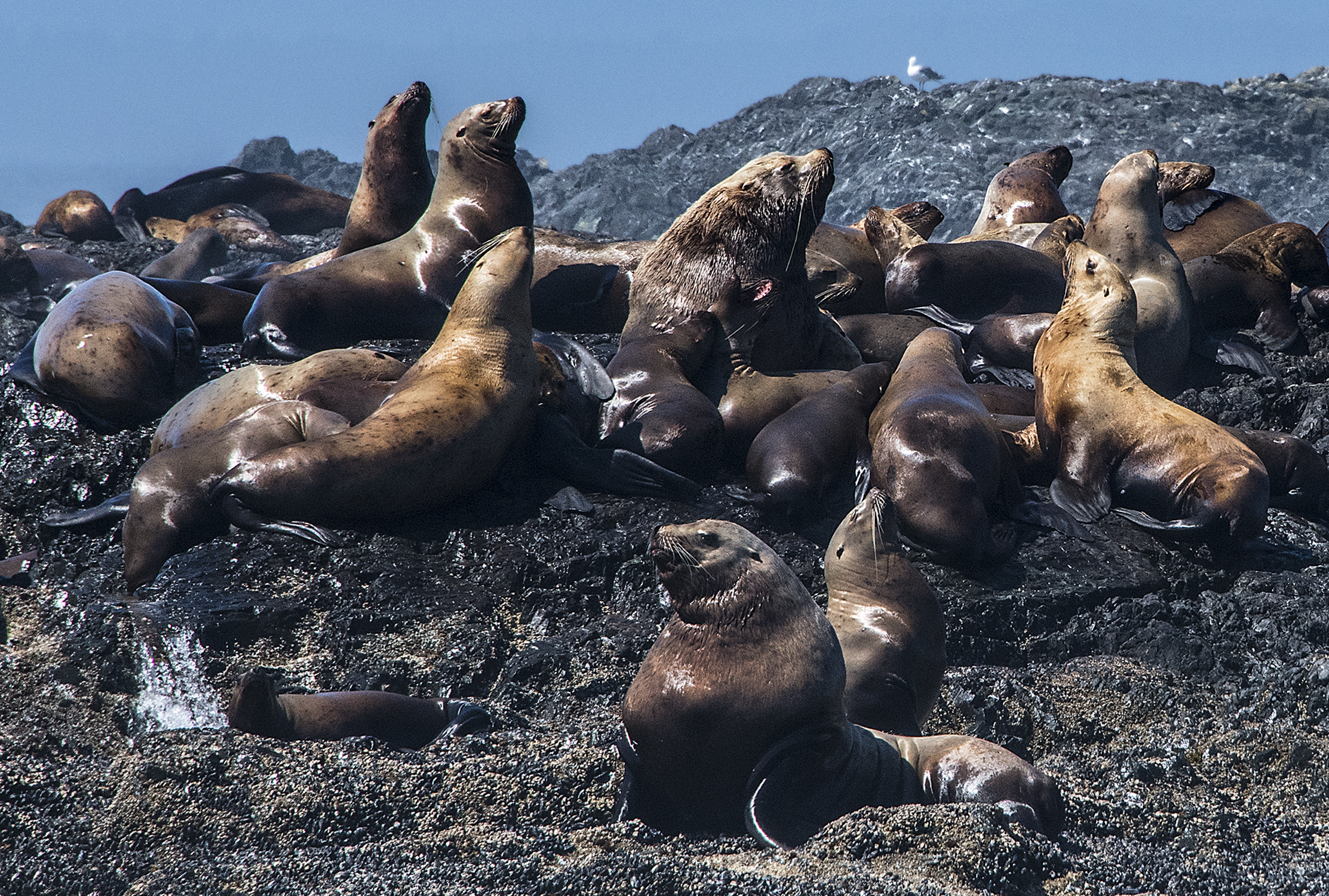
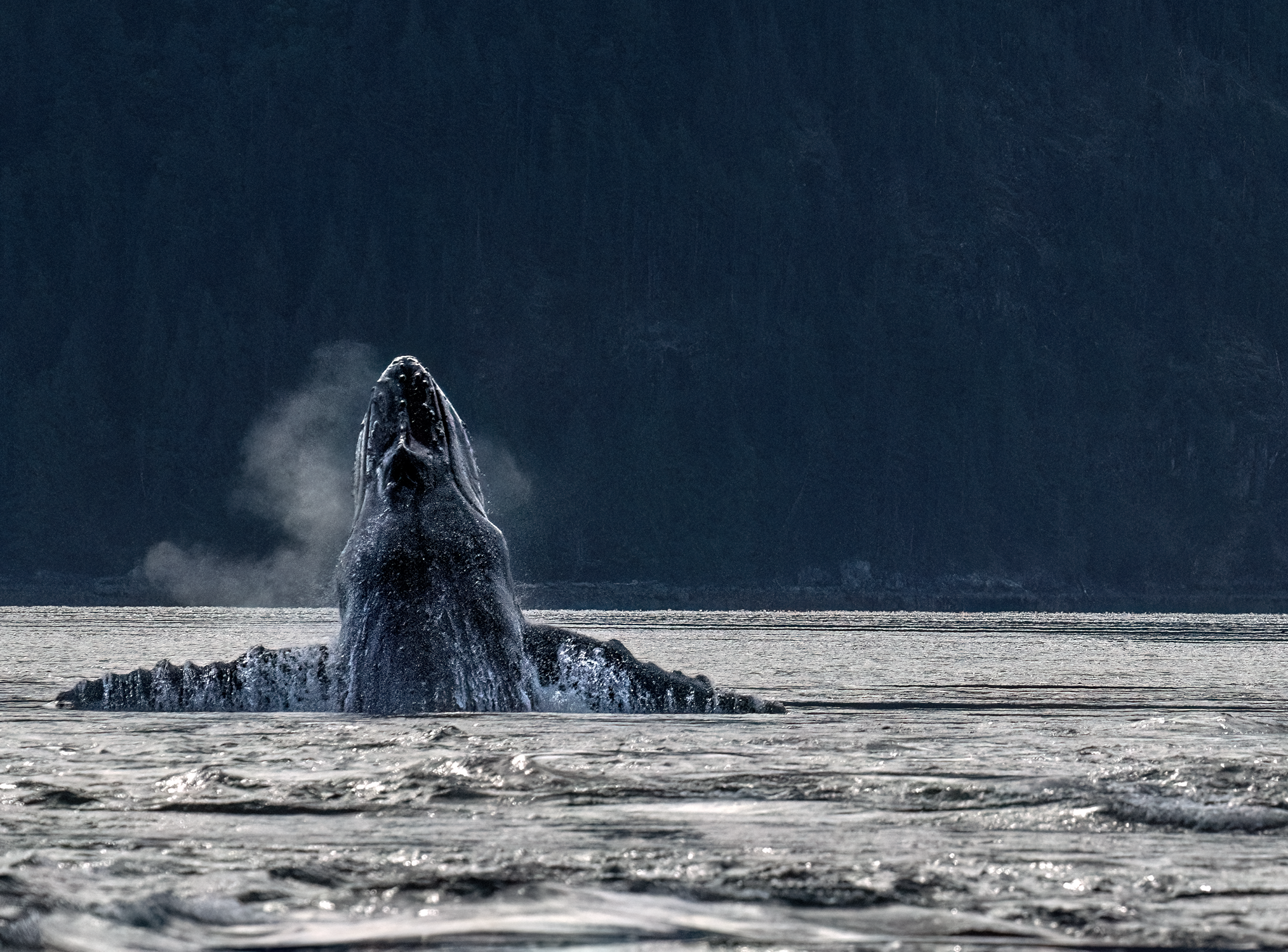
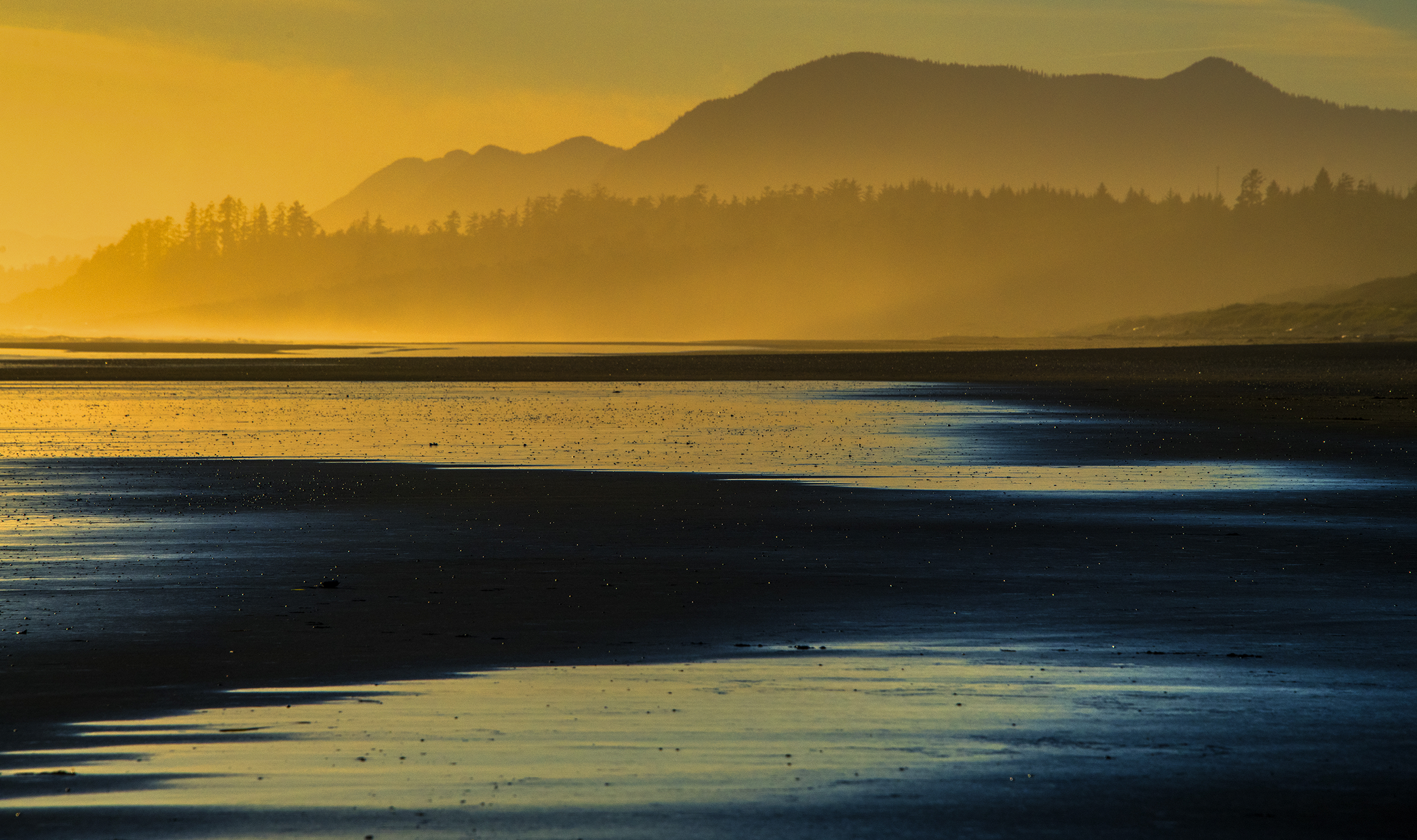
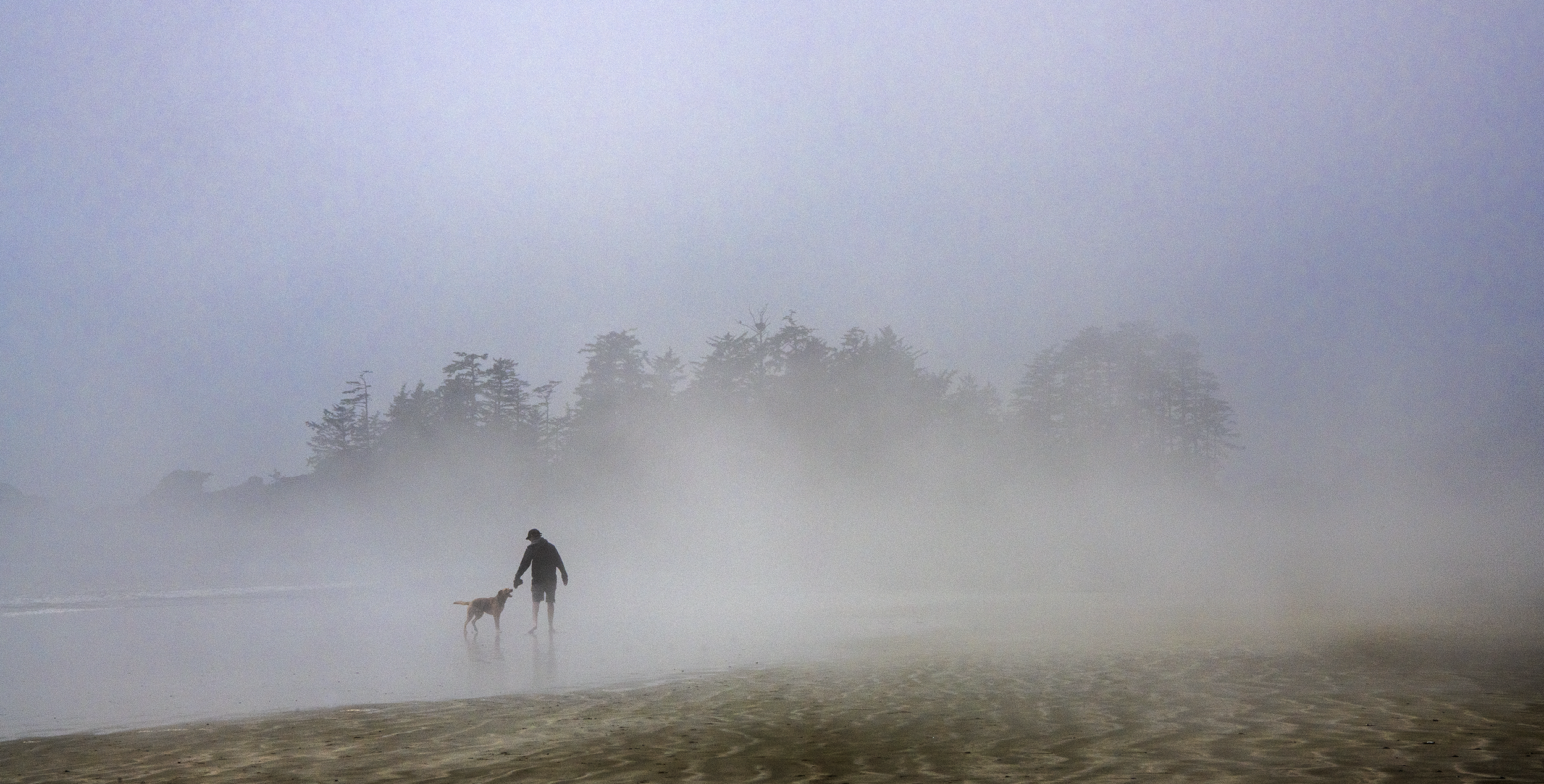
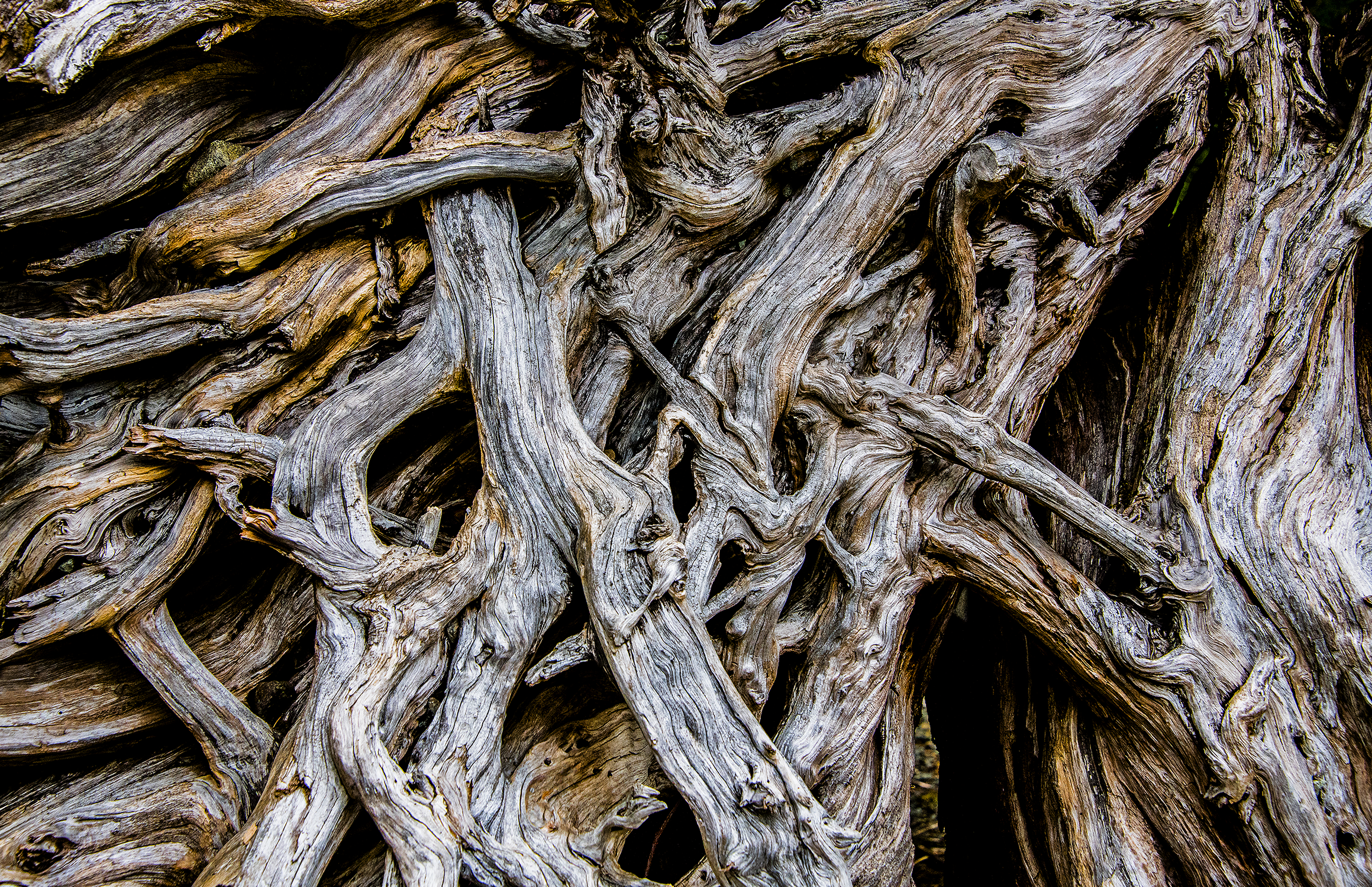
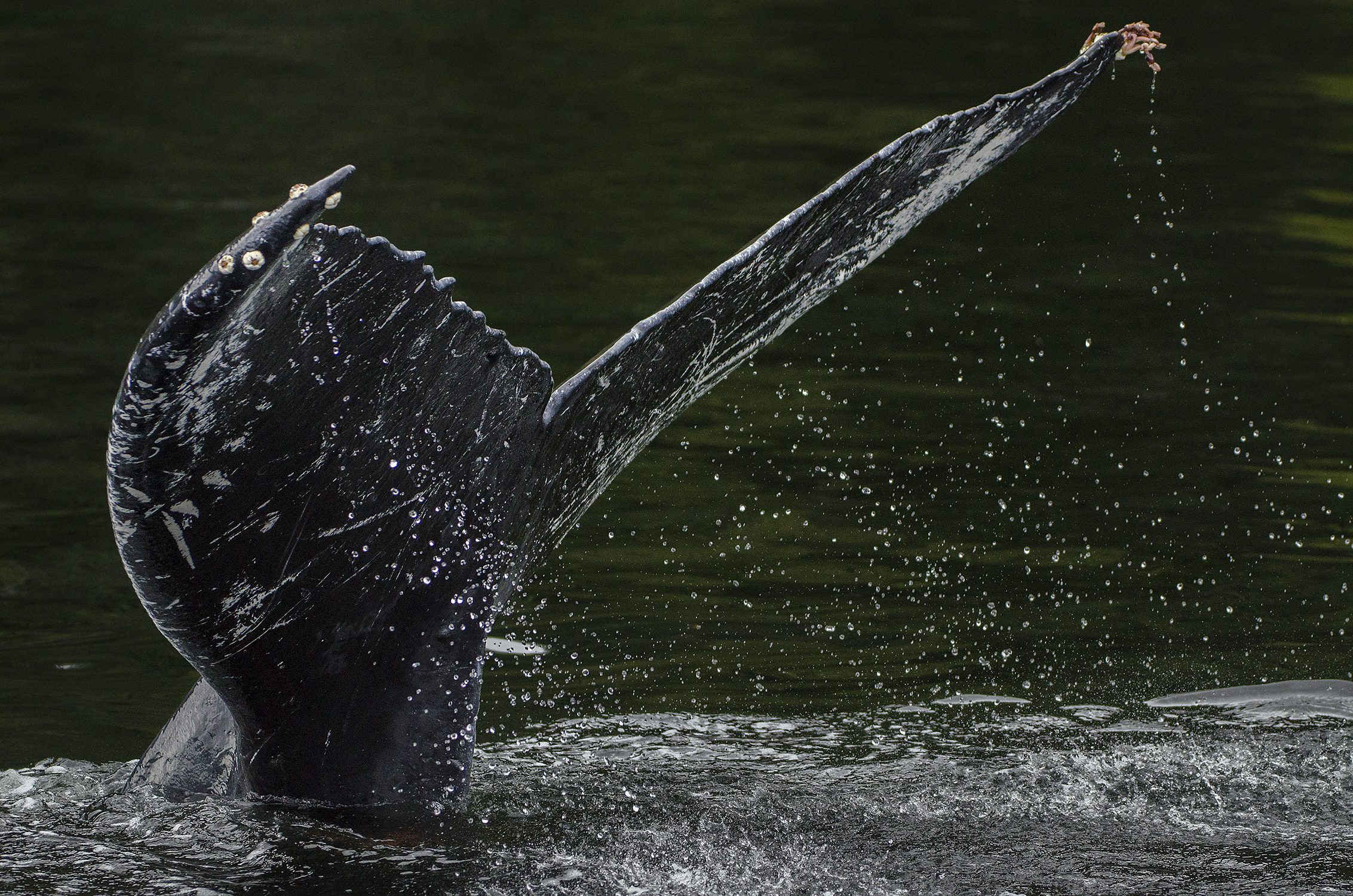
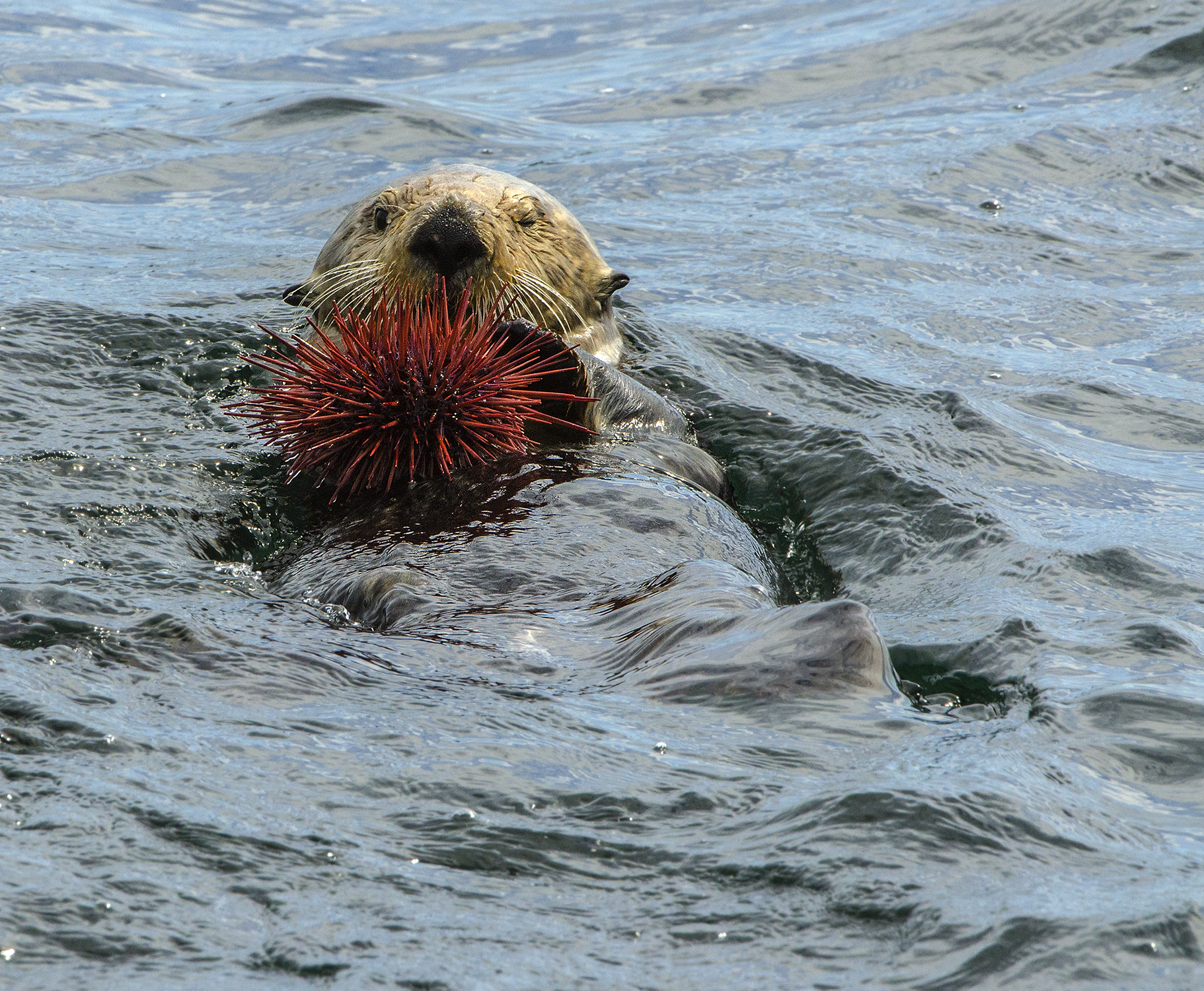
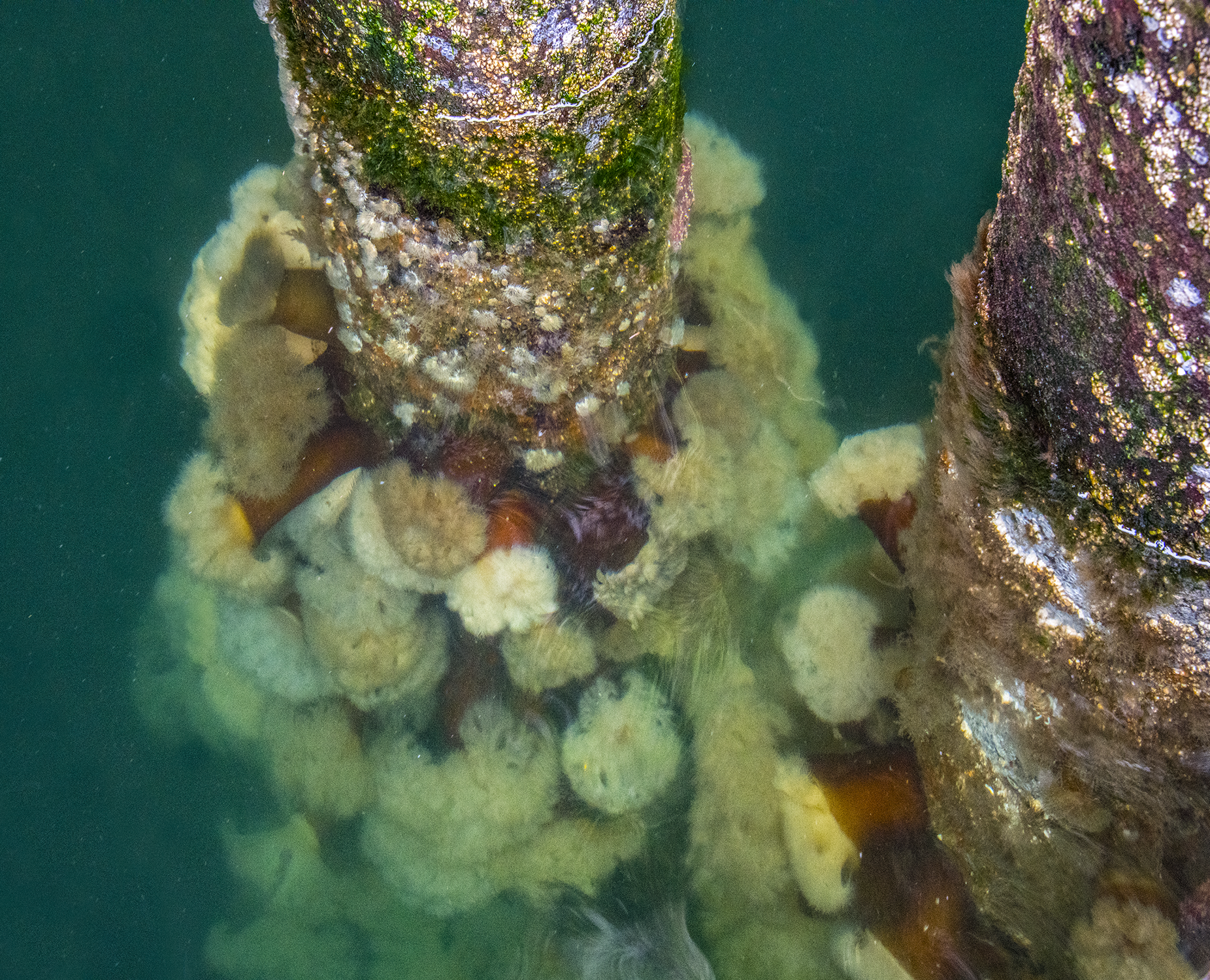
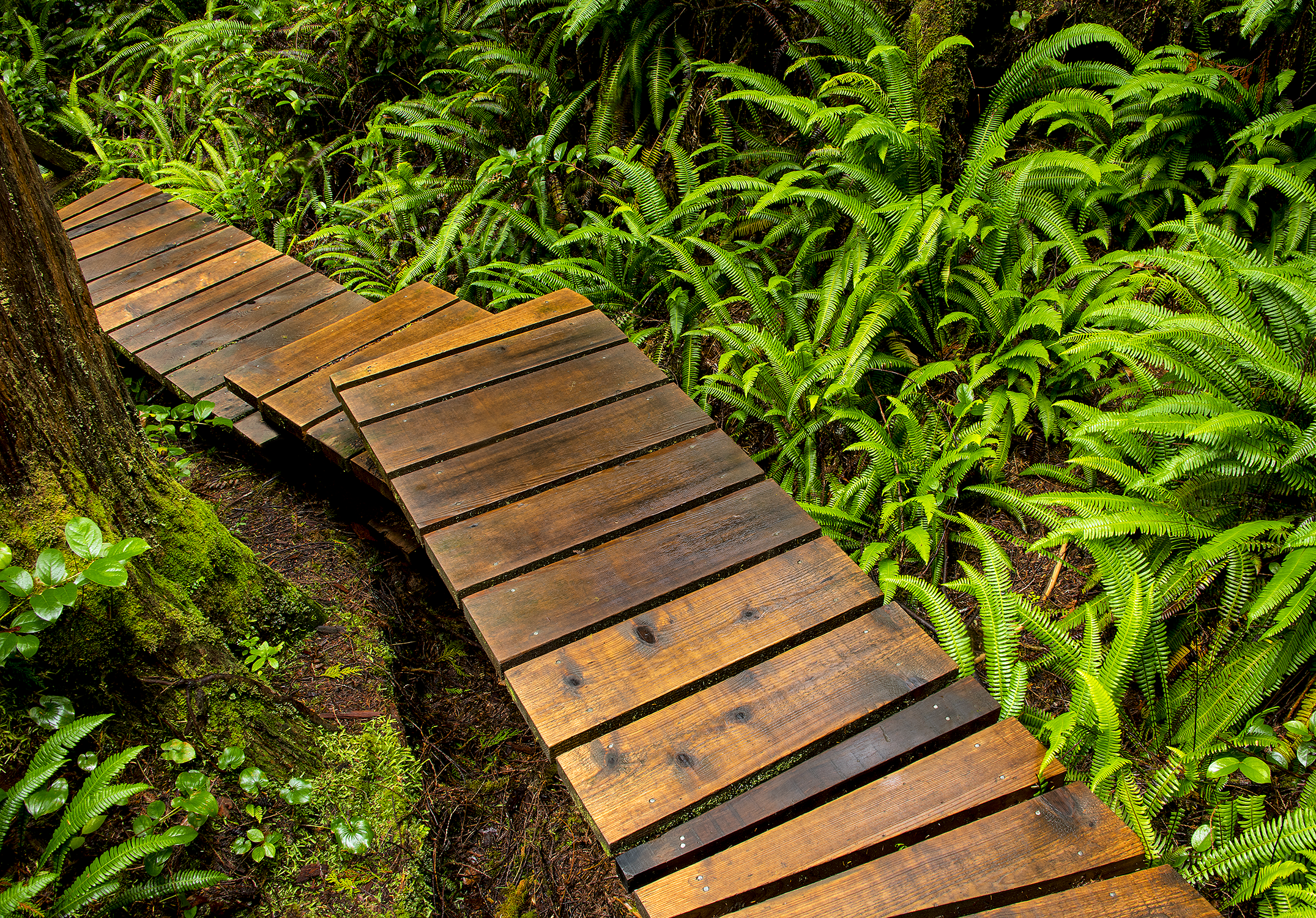
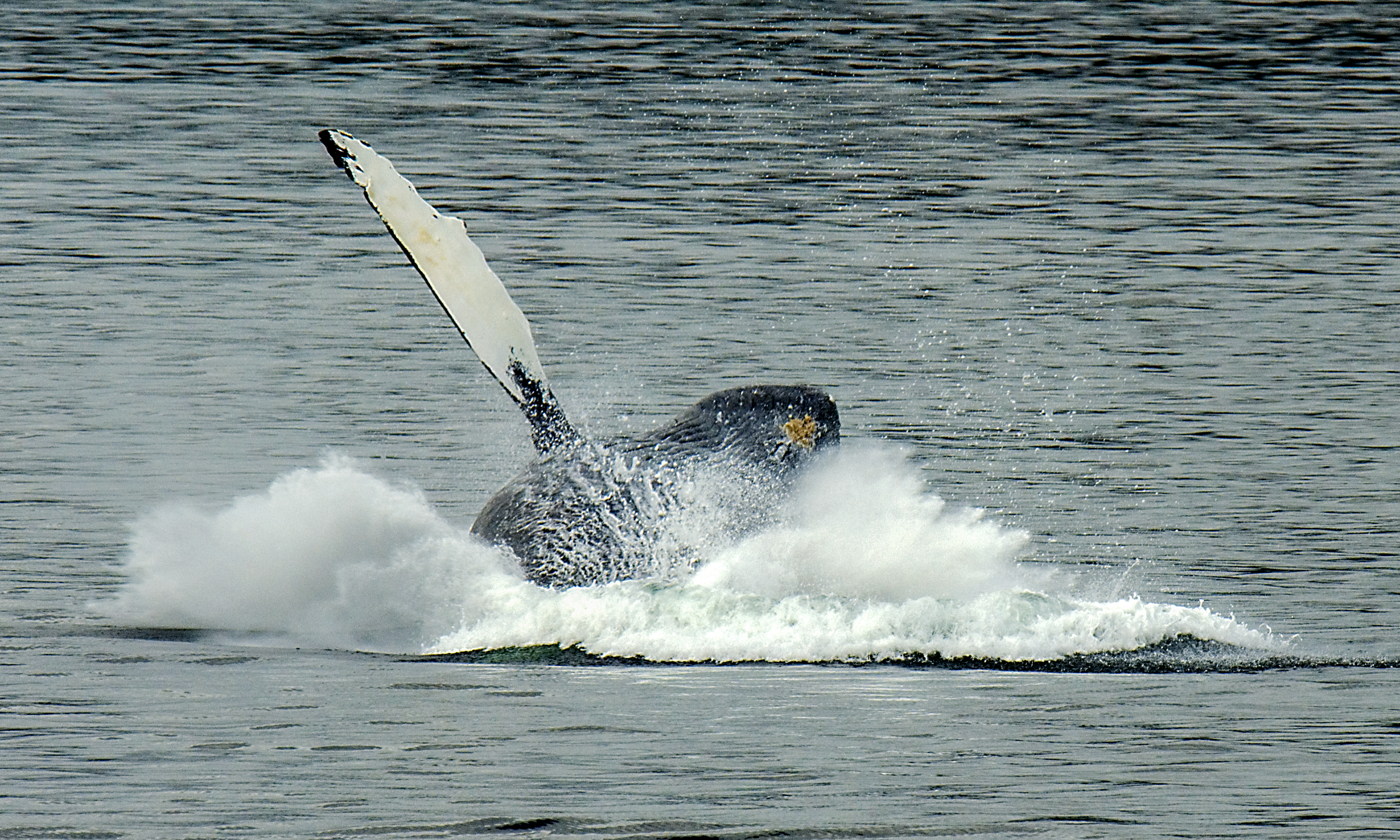
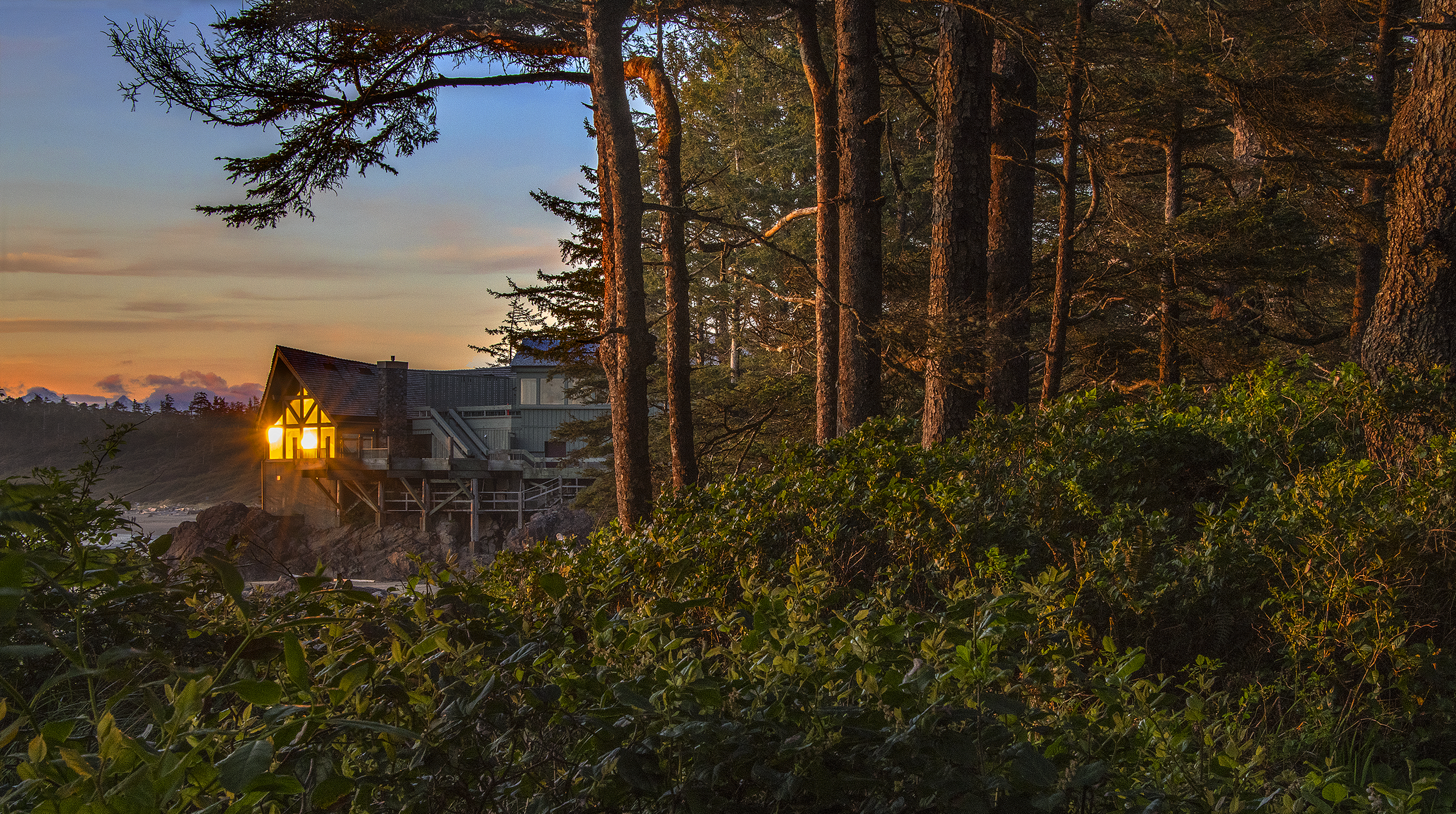
This area on the west coast of Vancouver Island is my favourite destination in the world. The opportunities for great photos are endless. There are coastal mountains, many long, broad beaches, lush temperate rainforests, plus a great variety of resilient marine life, both large and small.
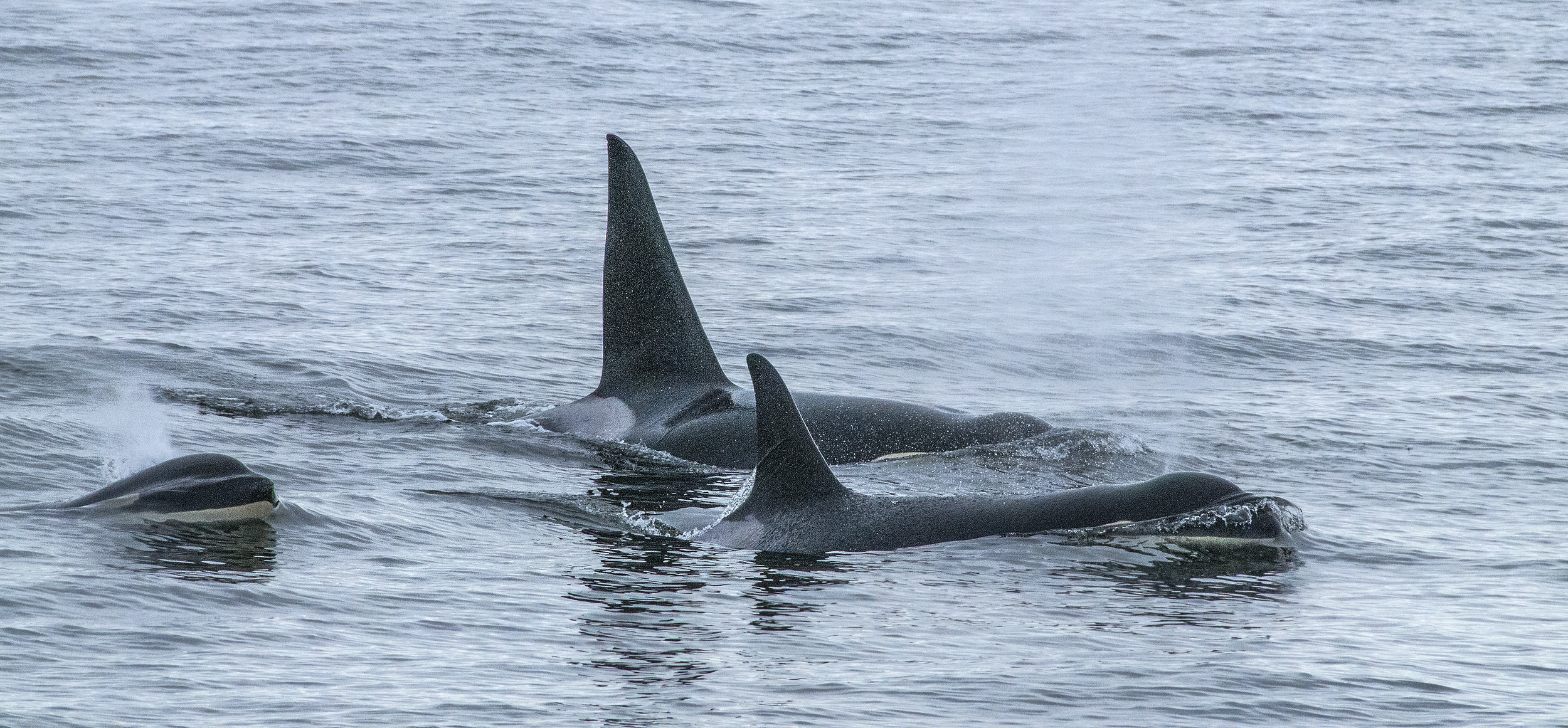
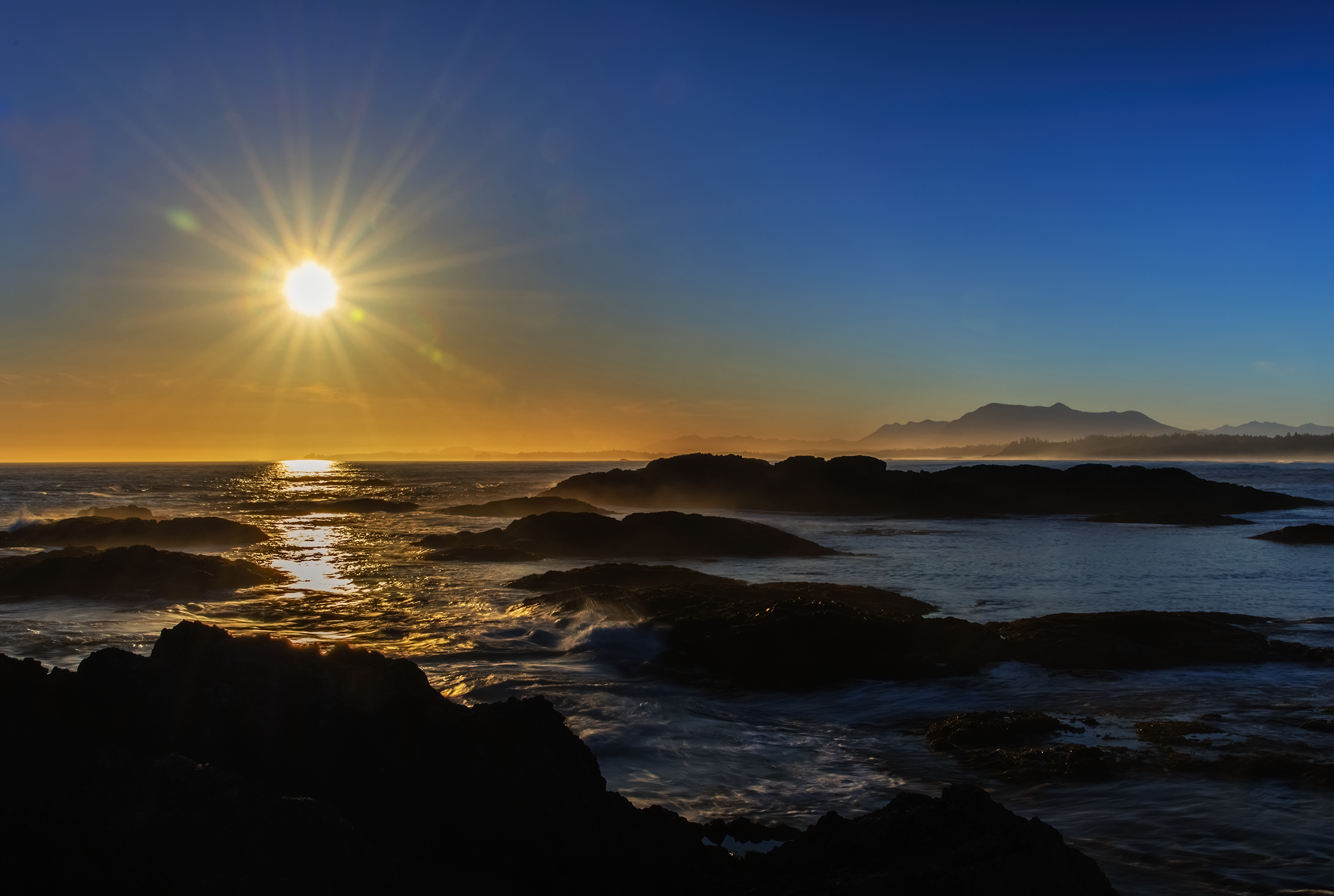
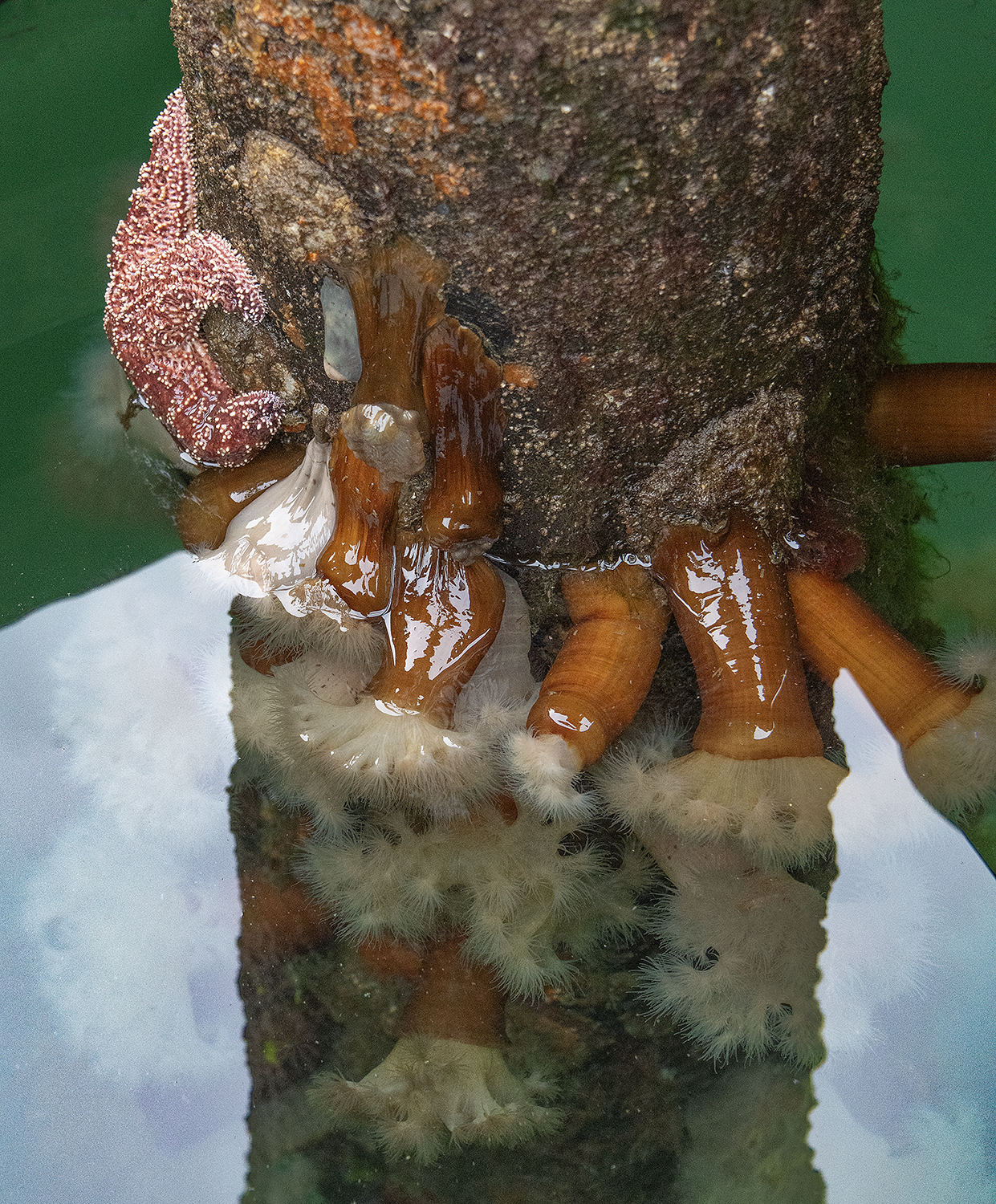
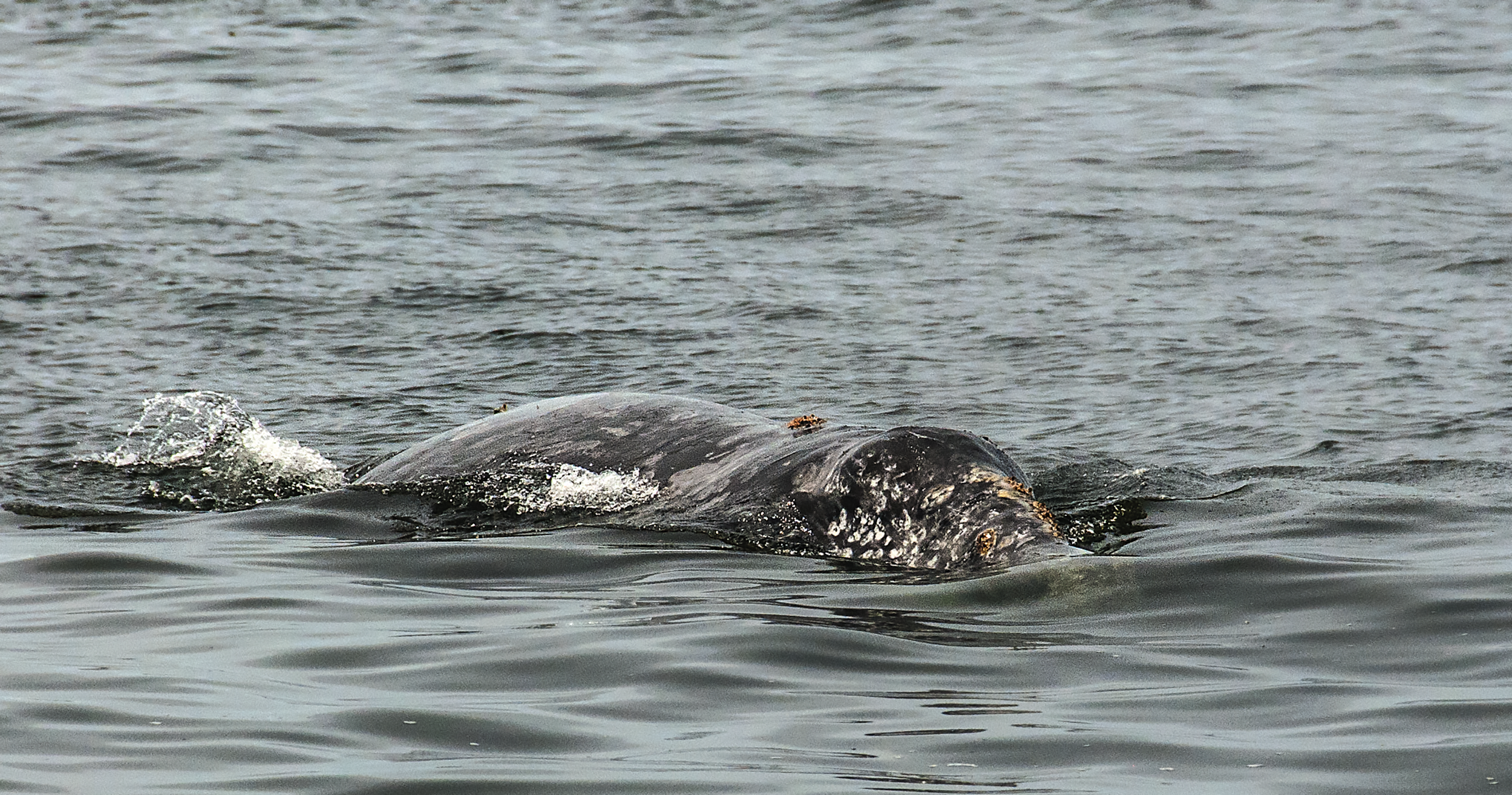
Raptors
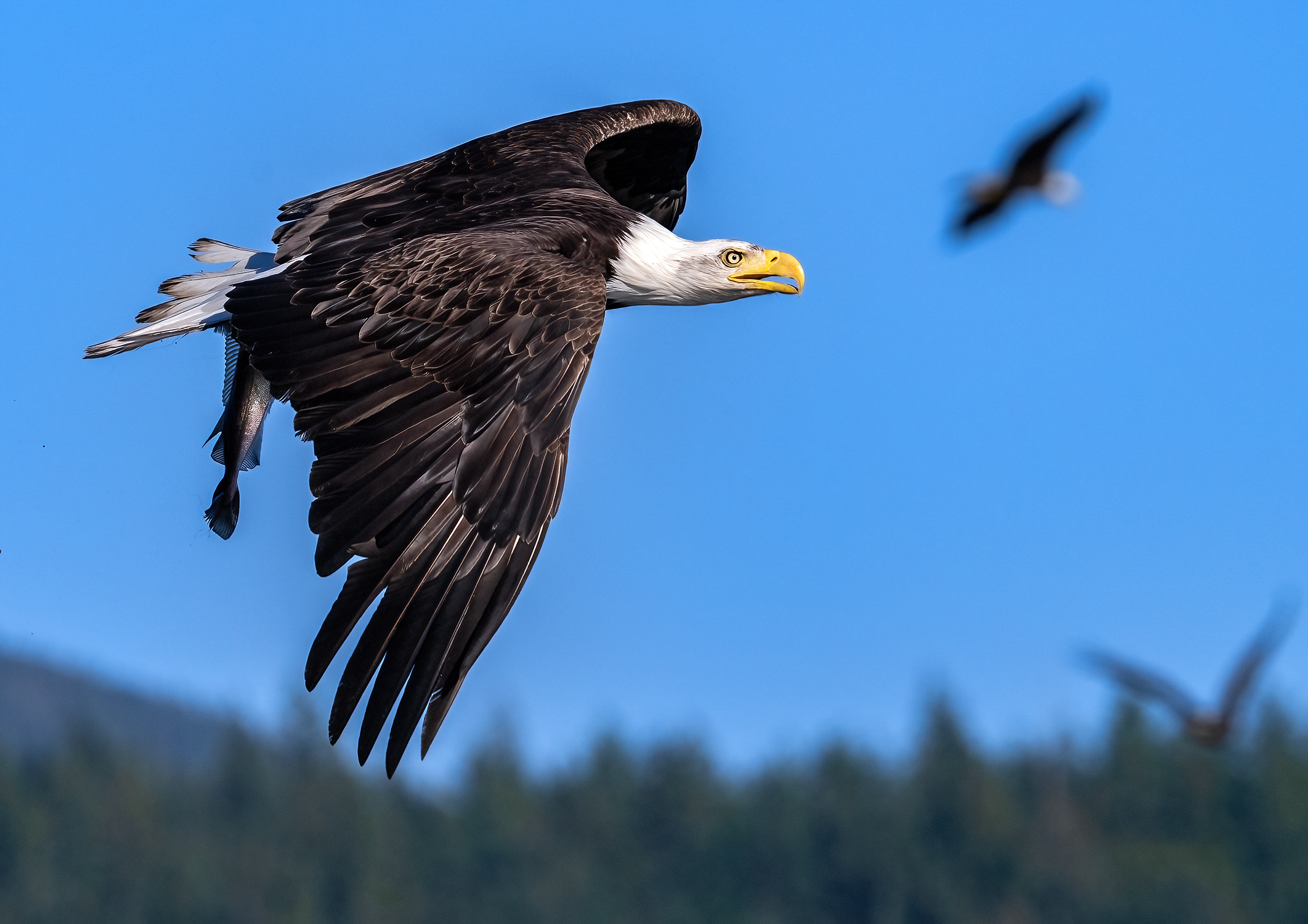
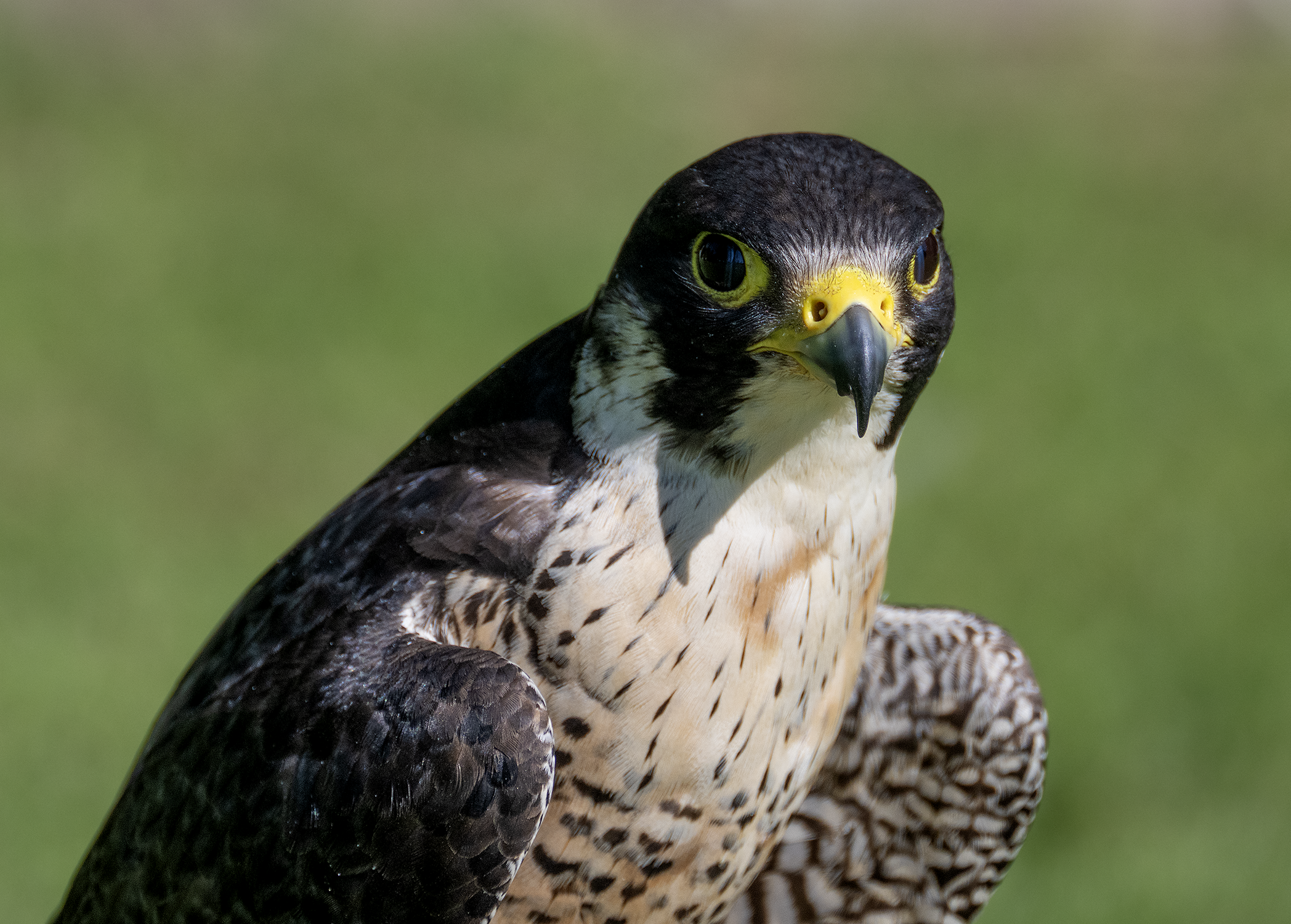
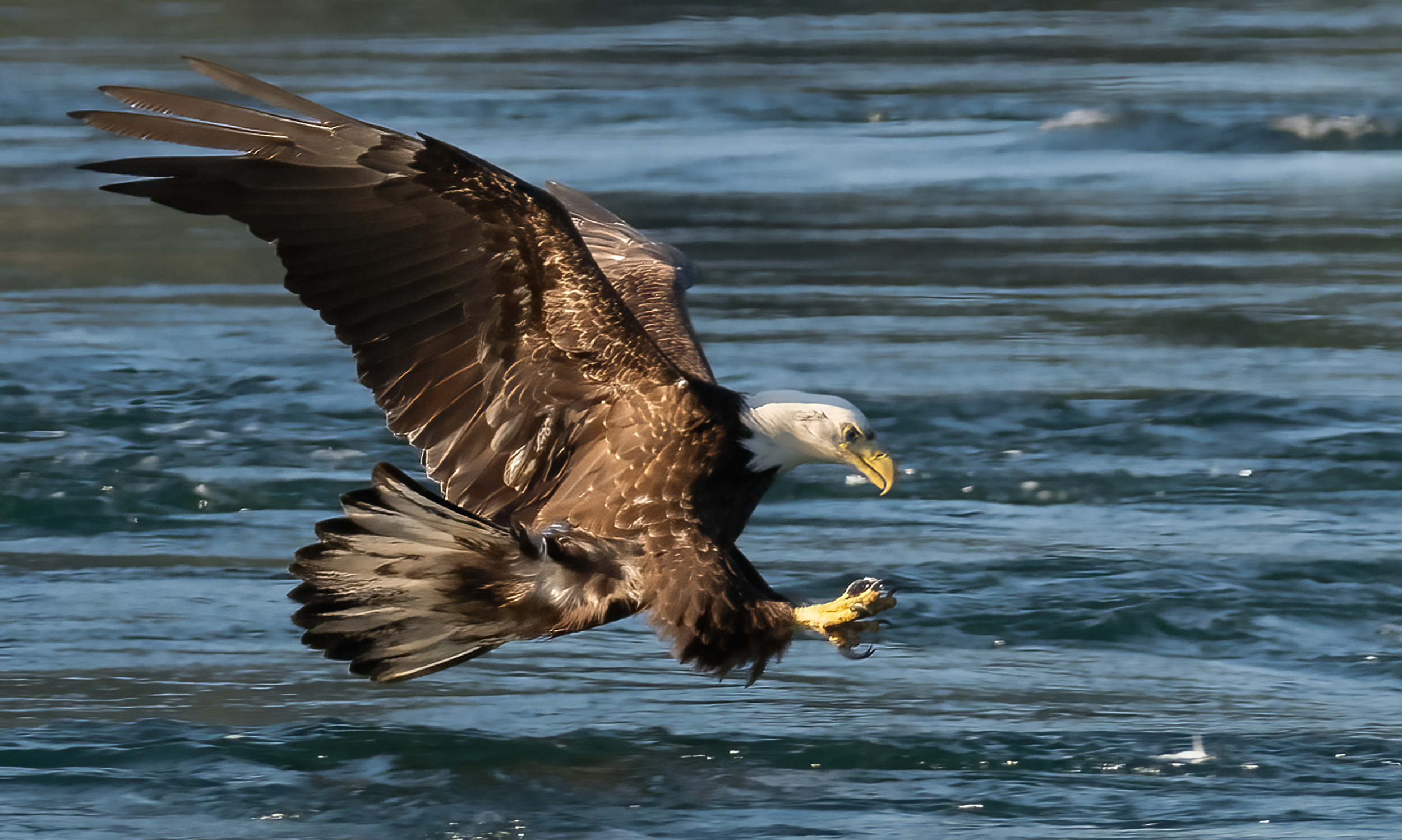
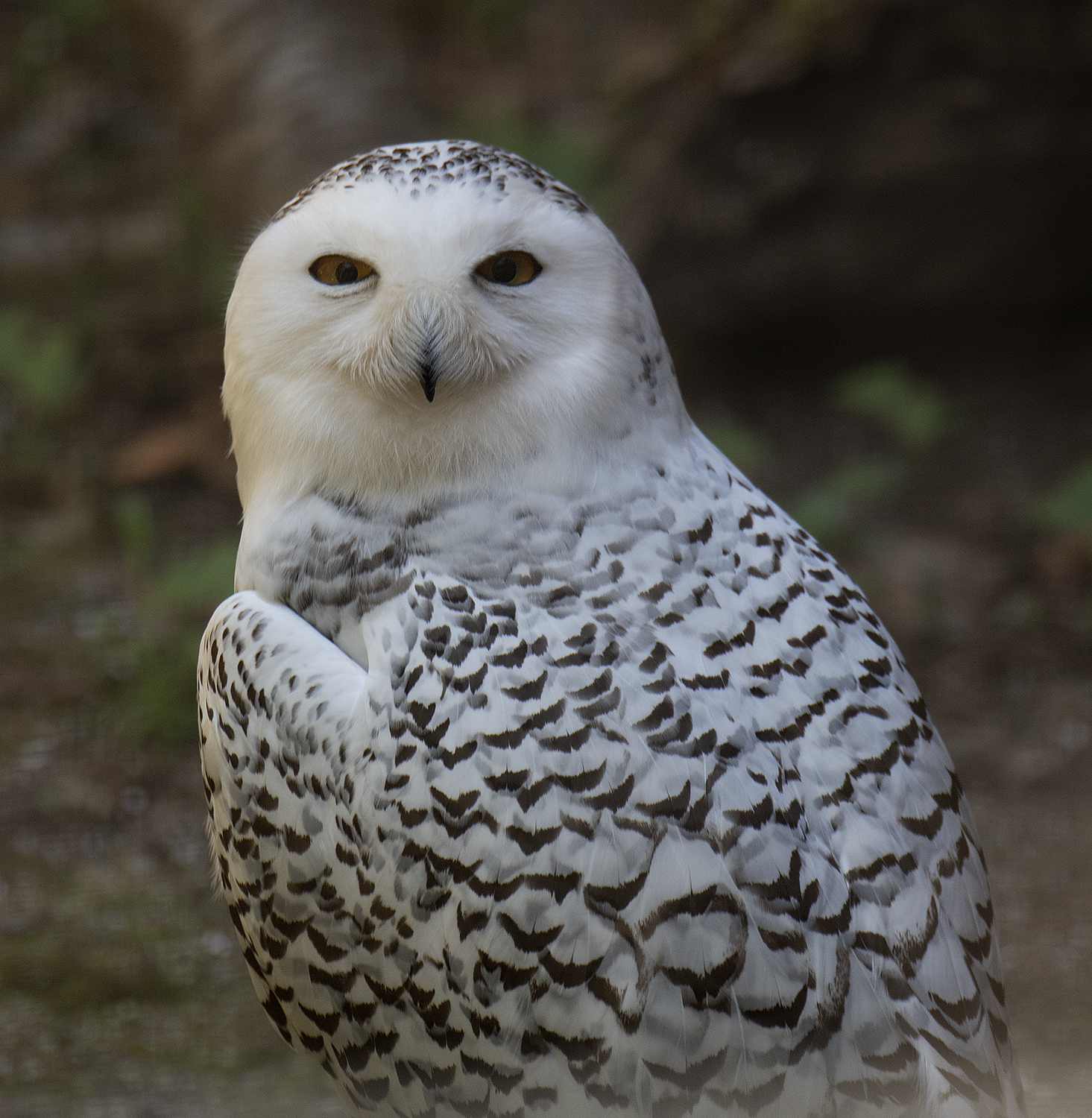
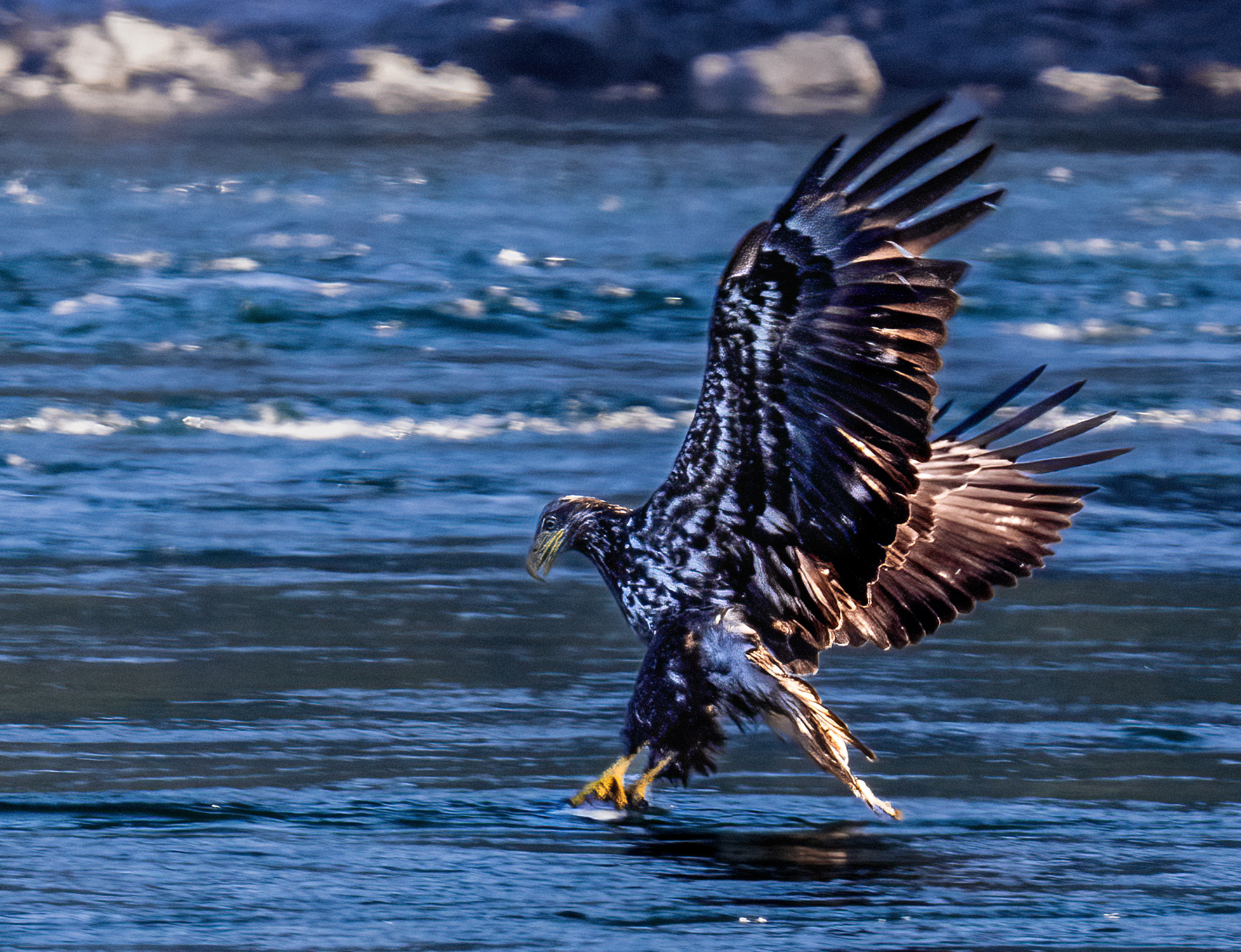
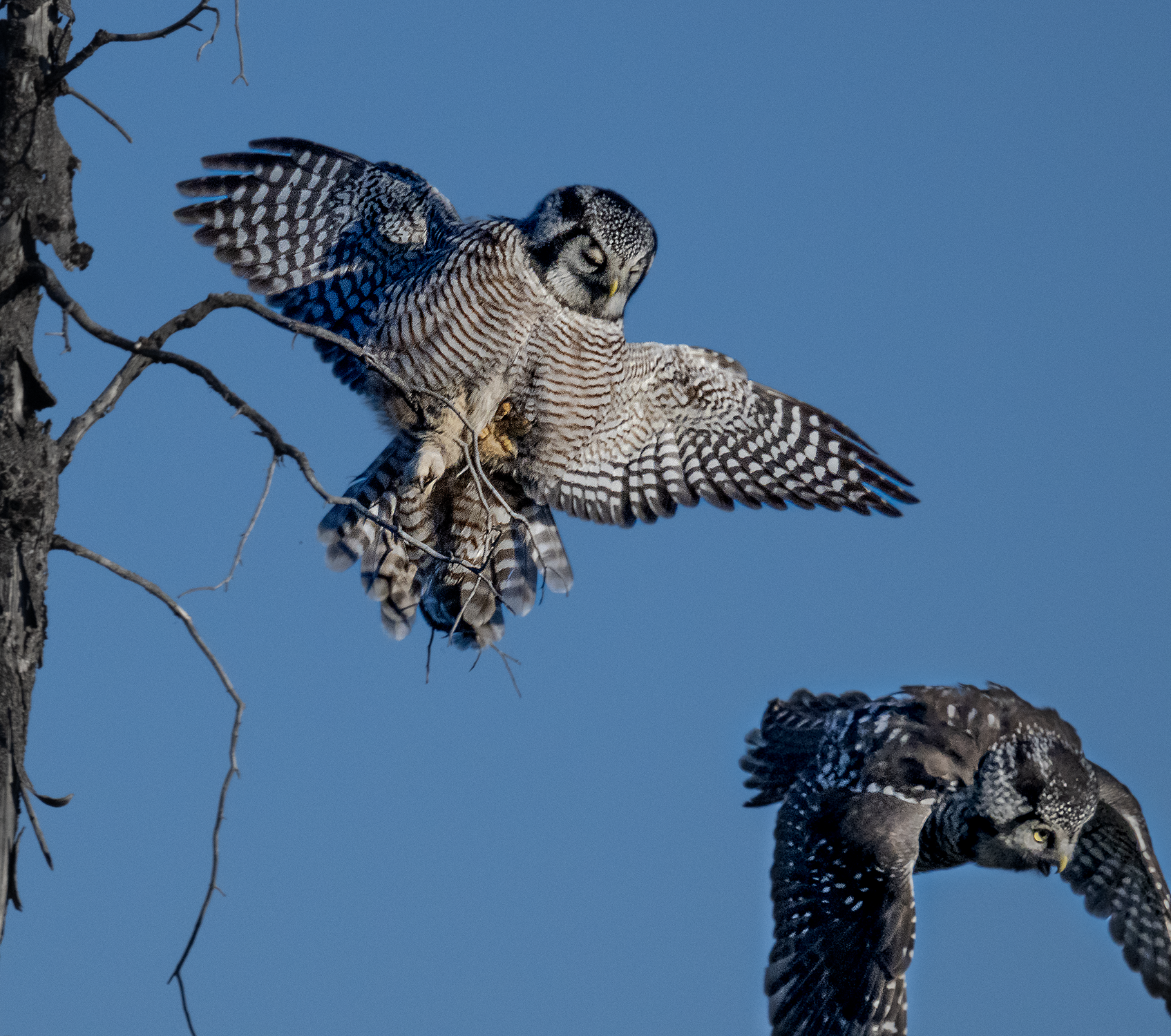
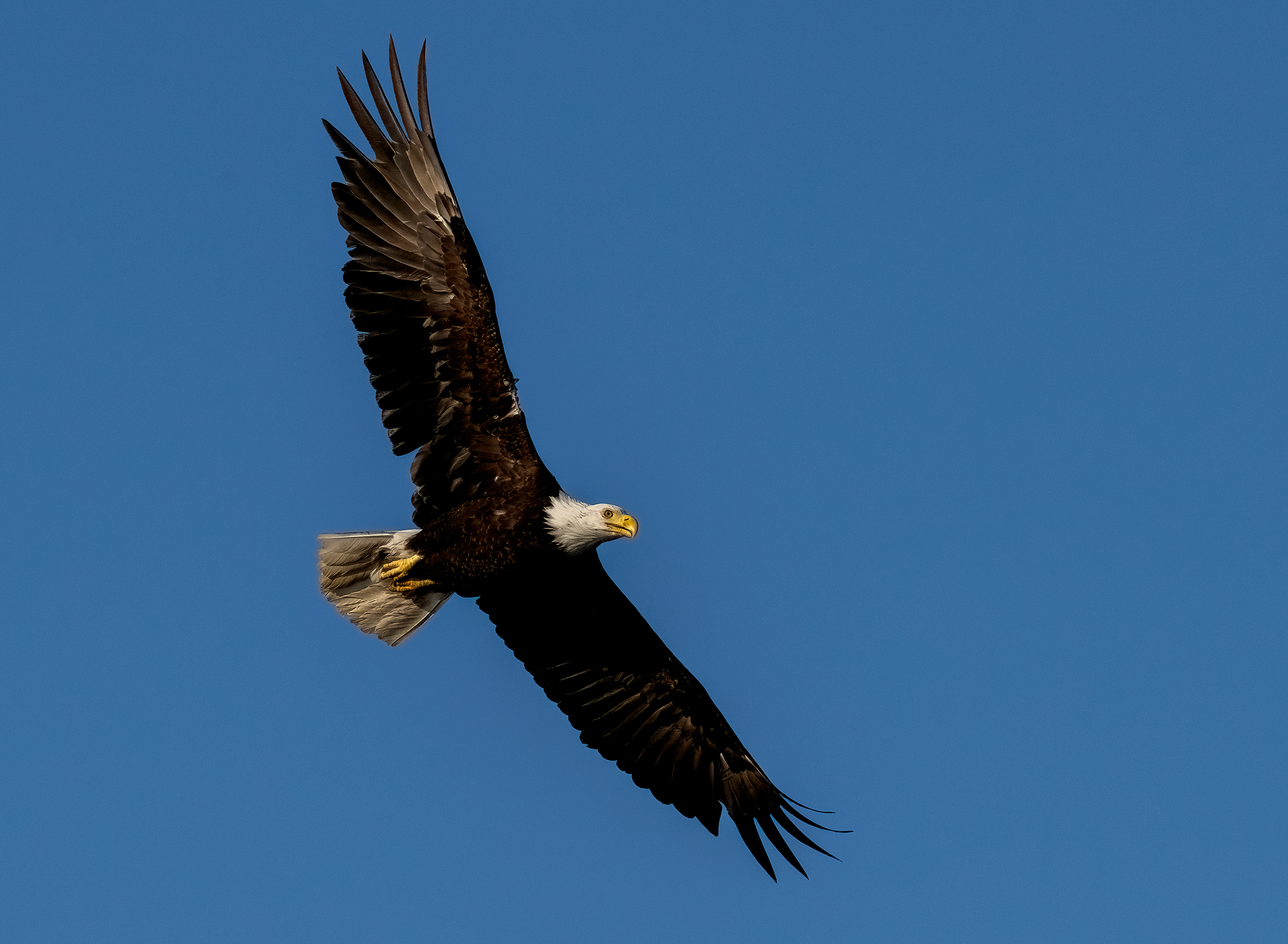
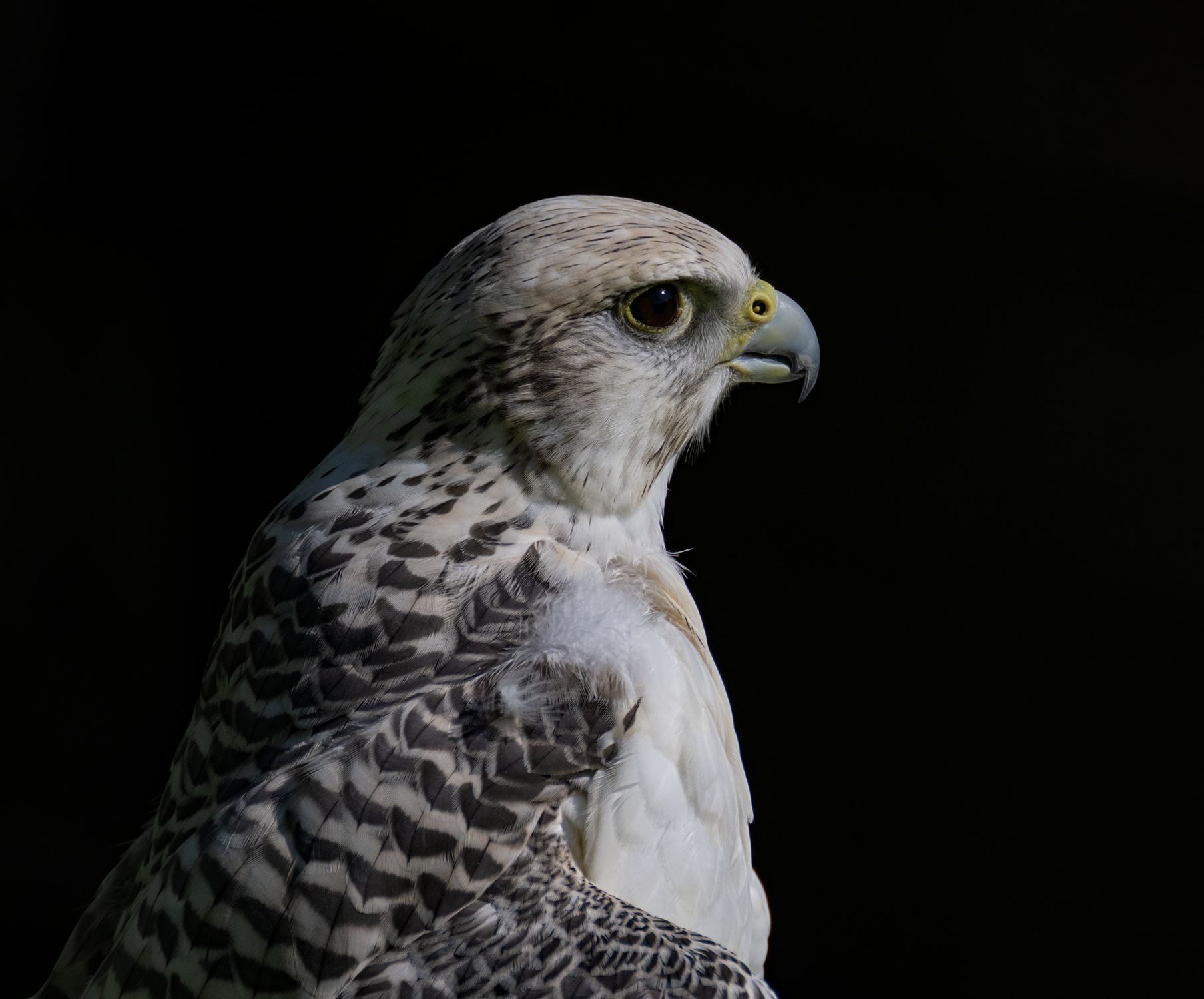
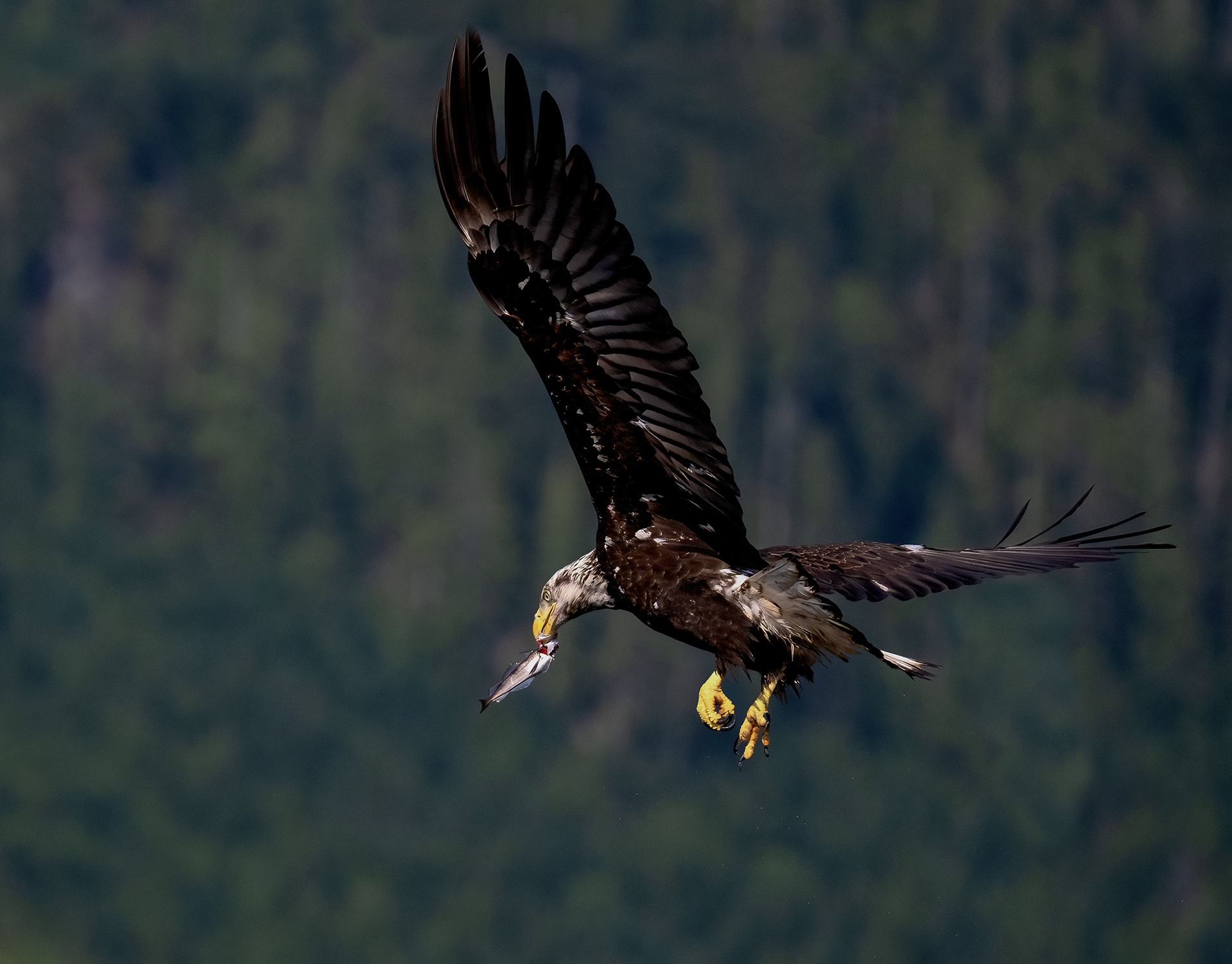
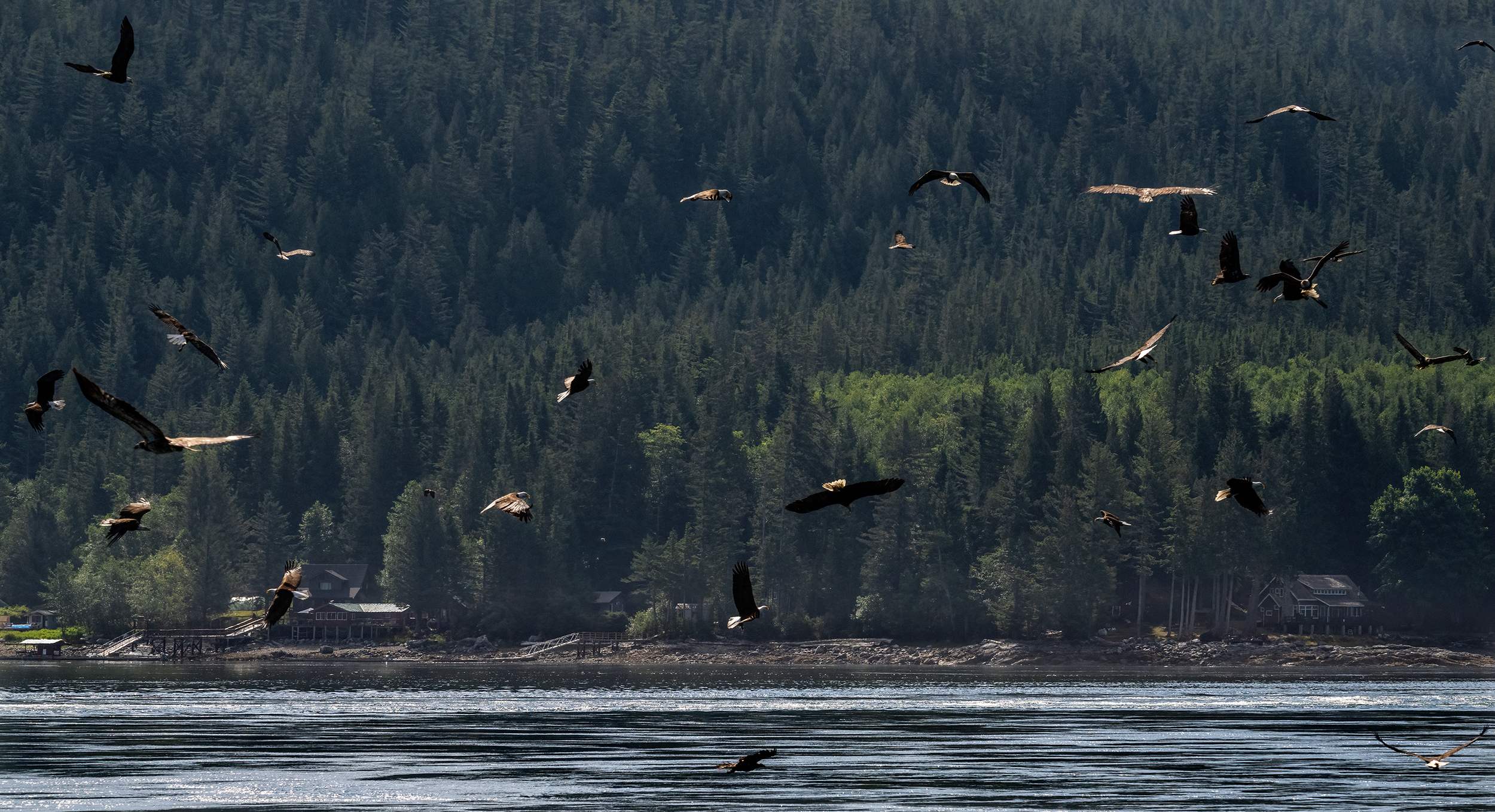
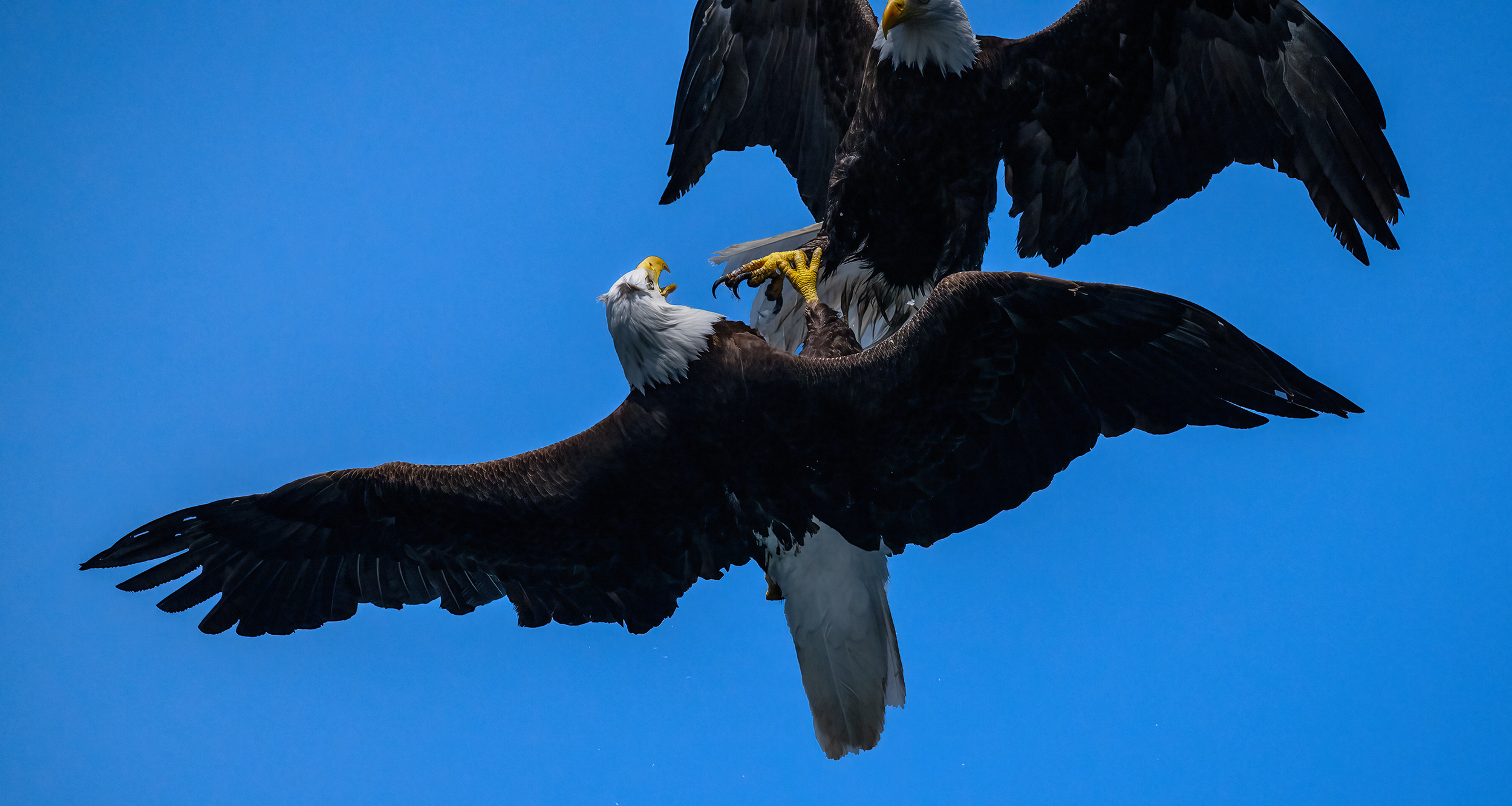
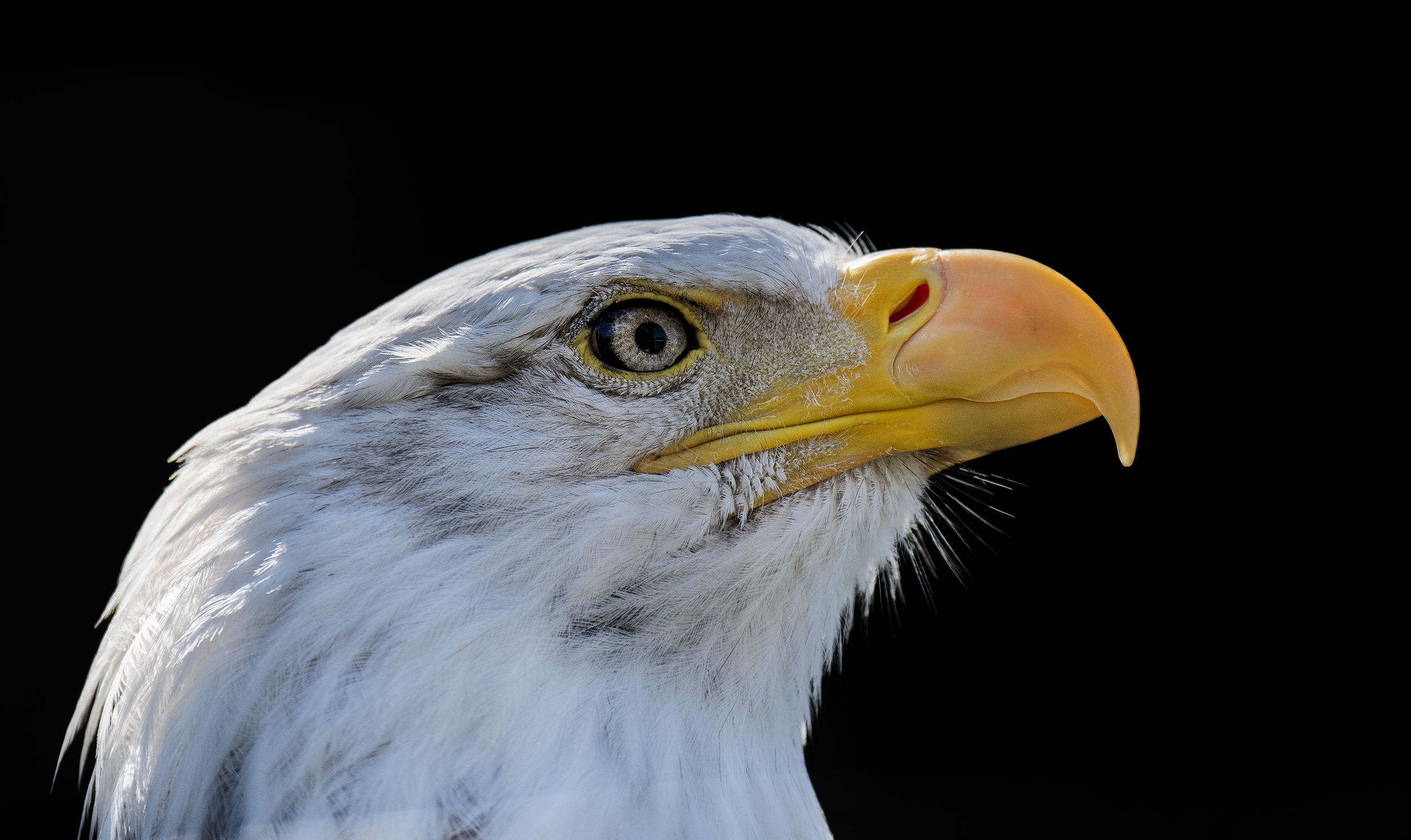
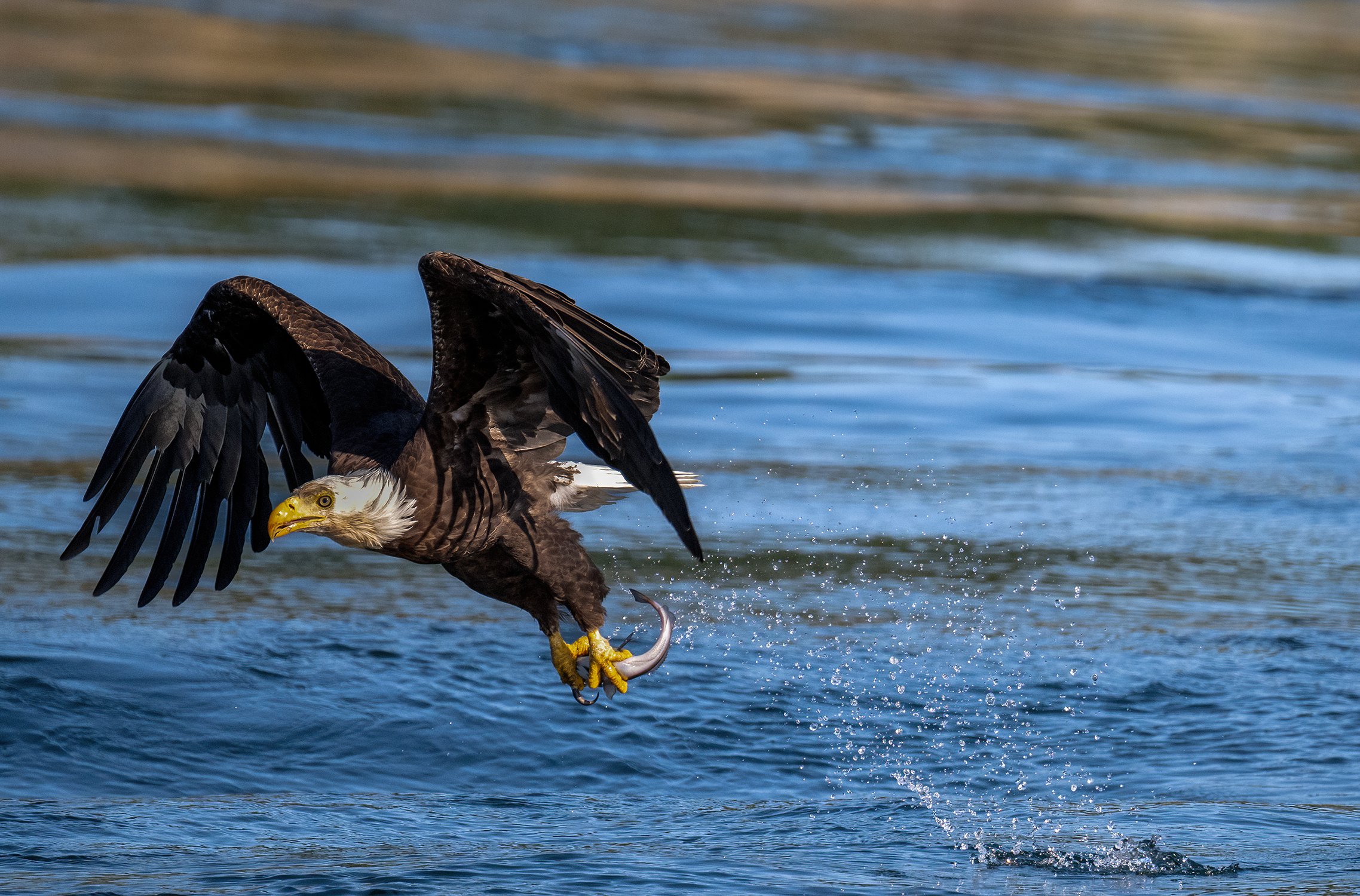
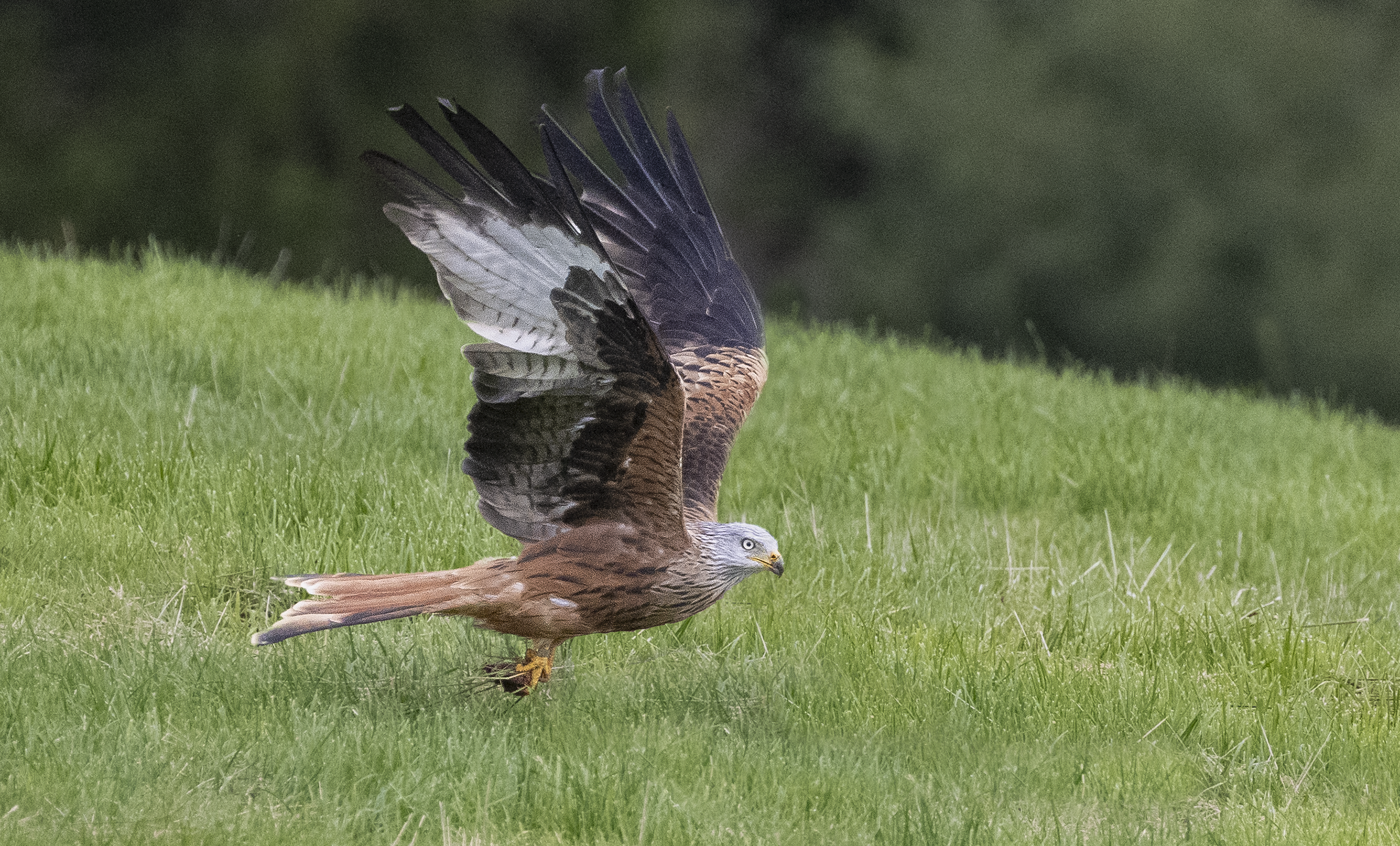
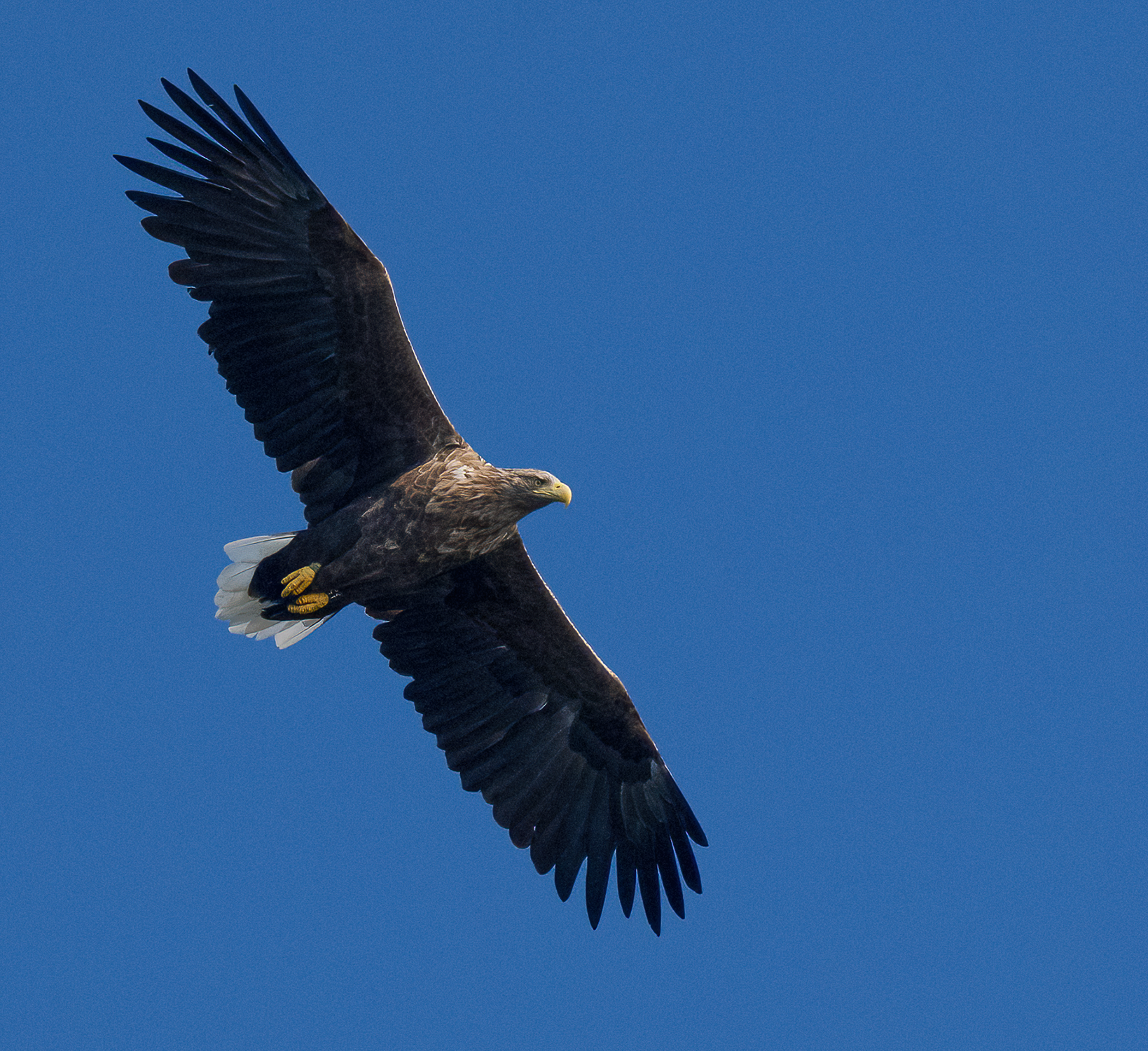
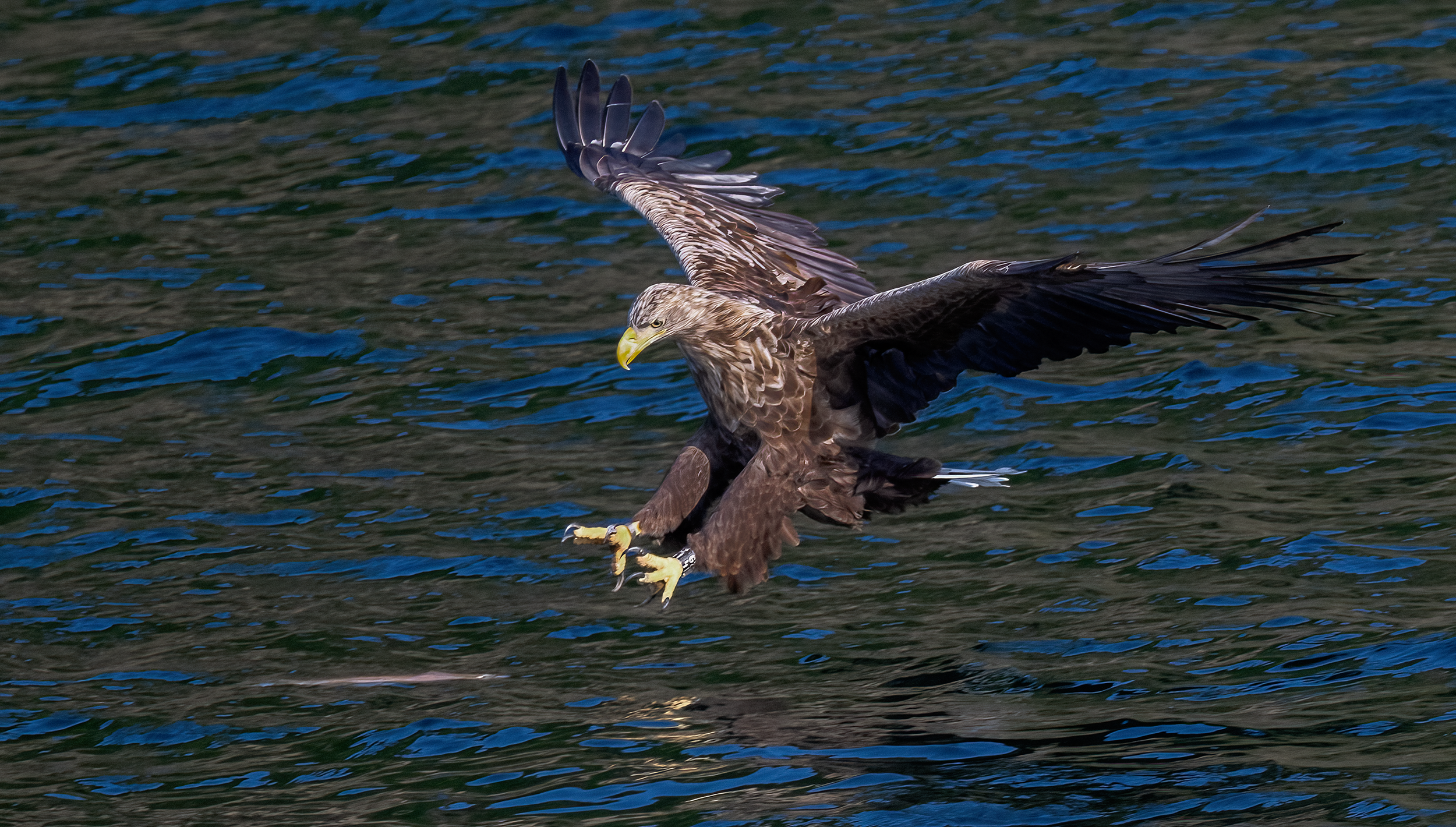
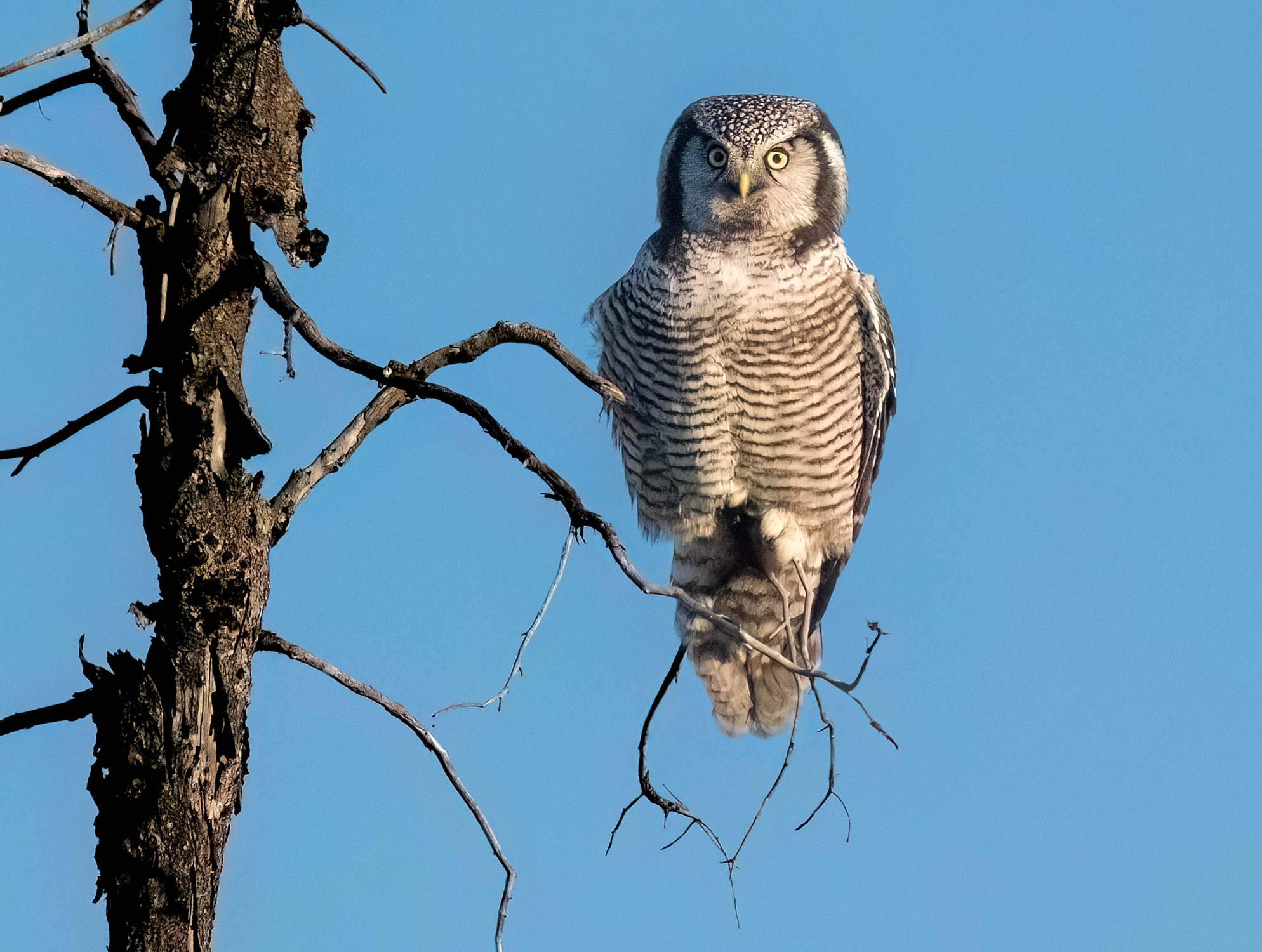
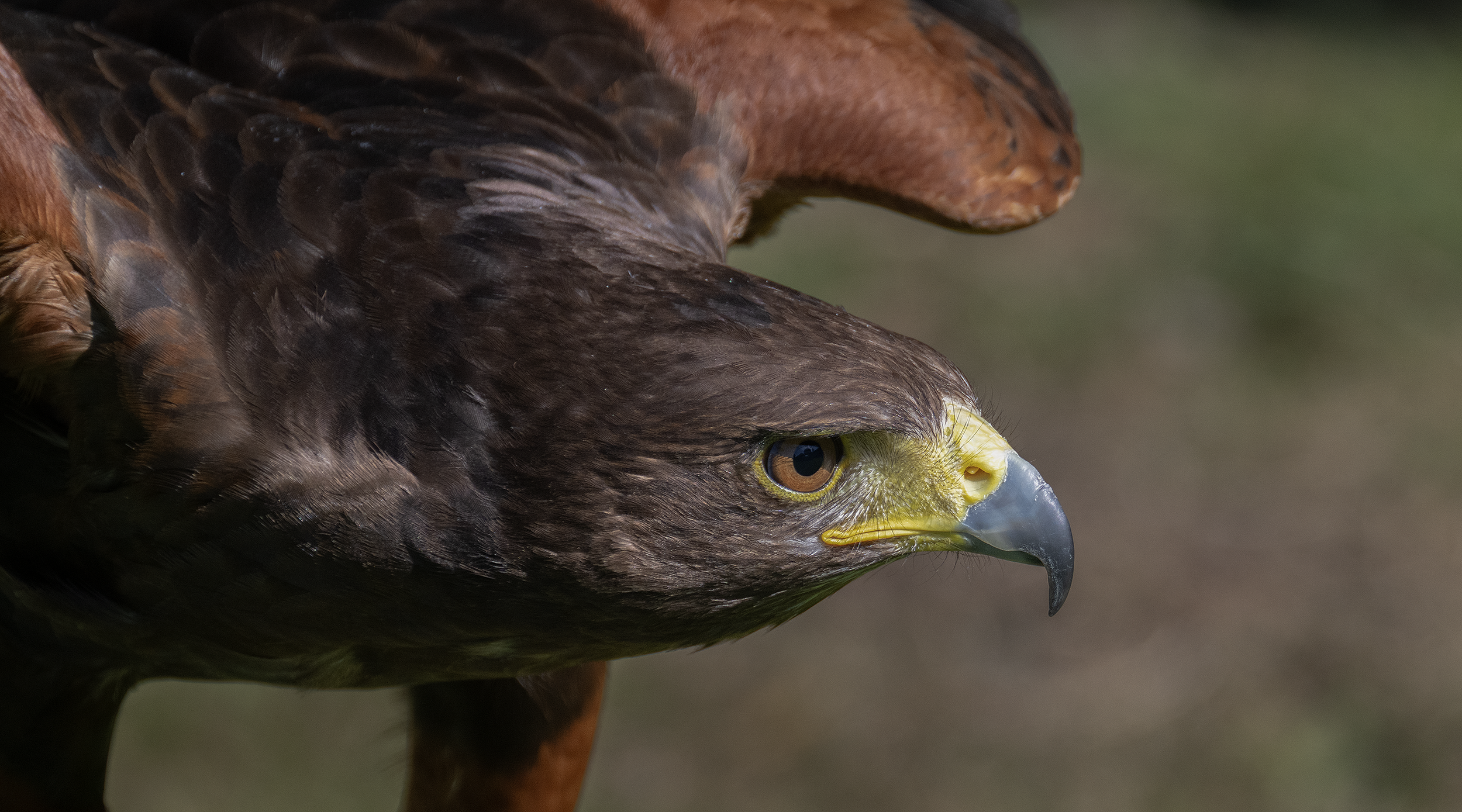
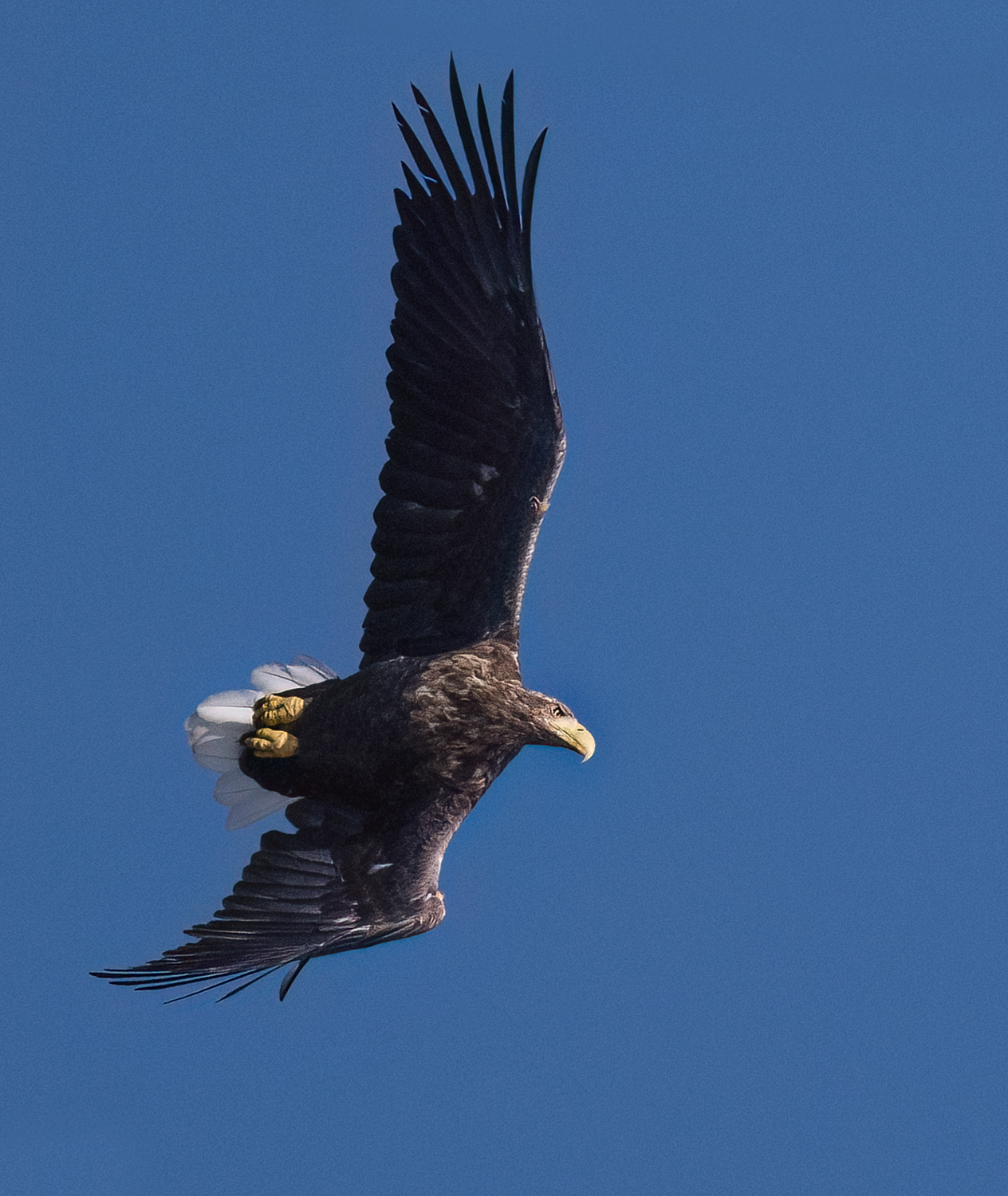
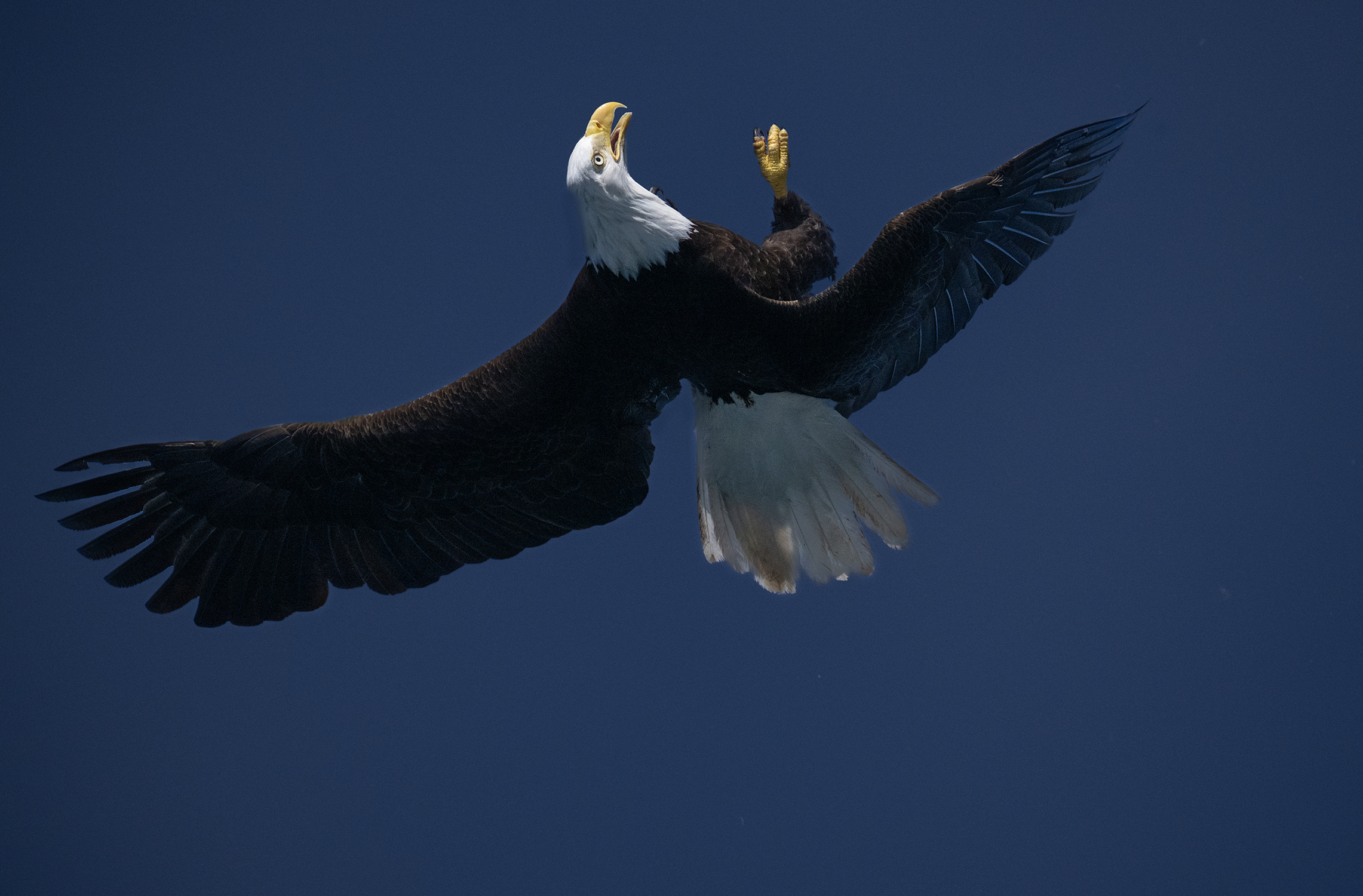
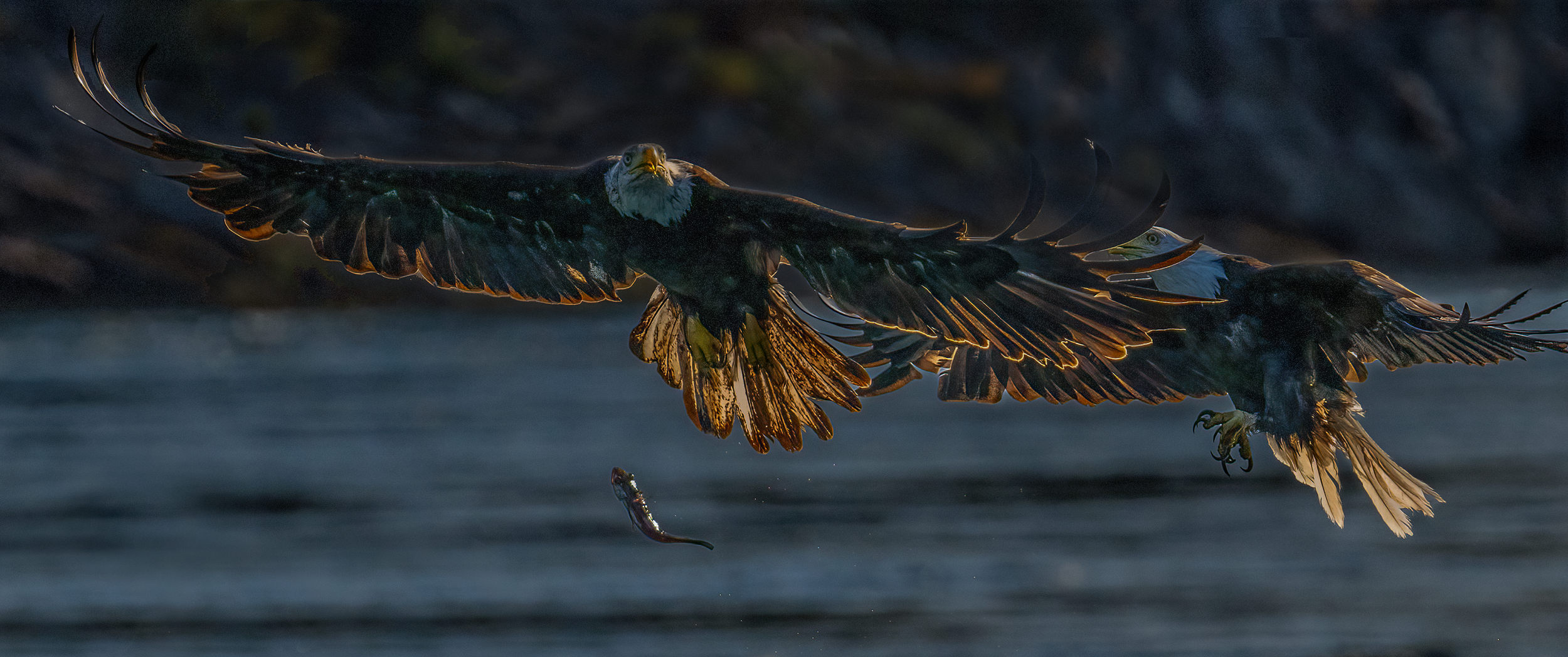
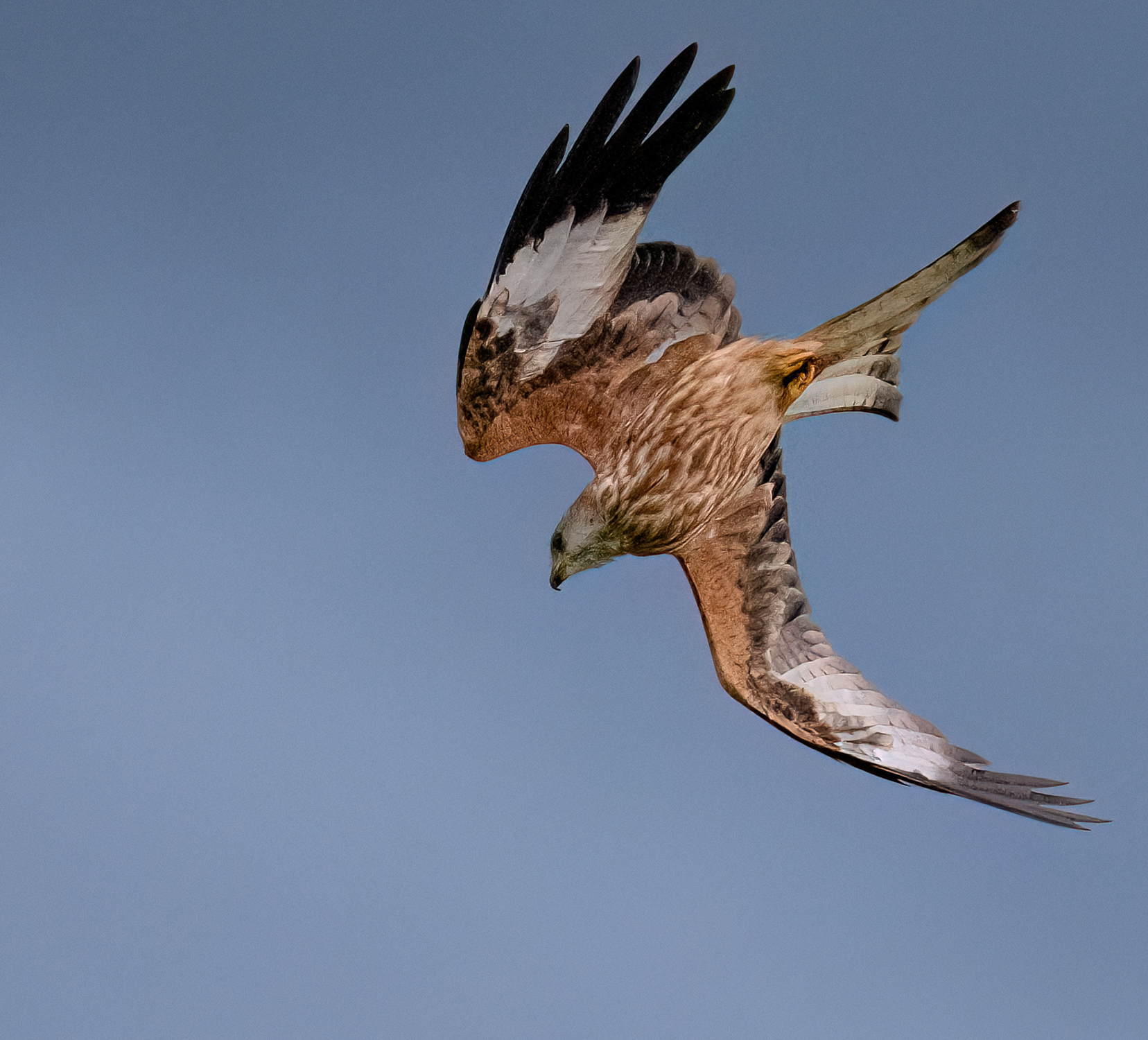
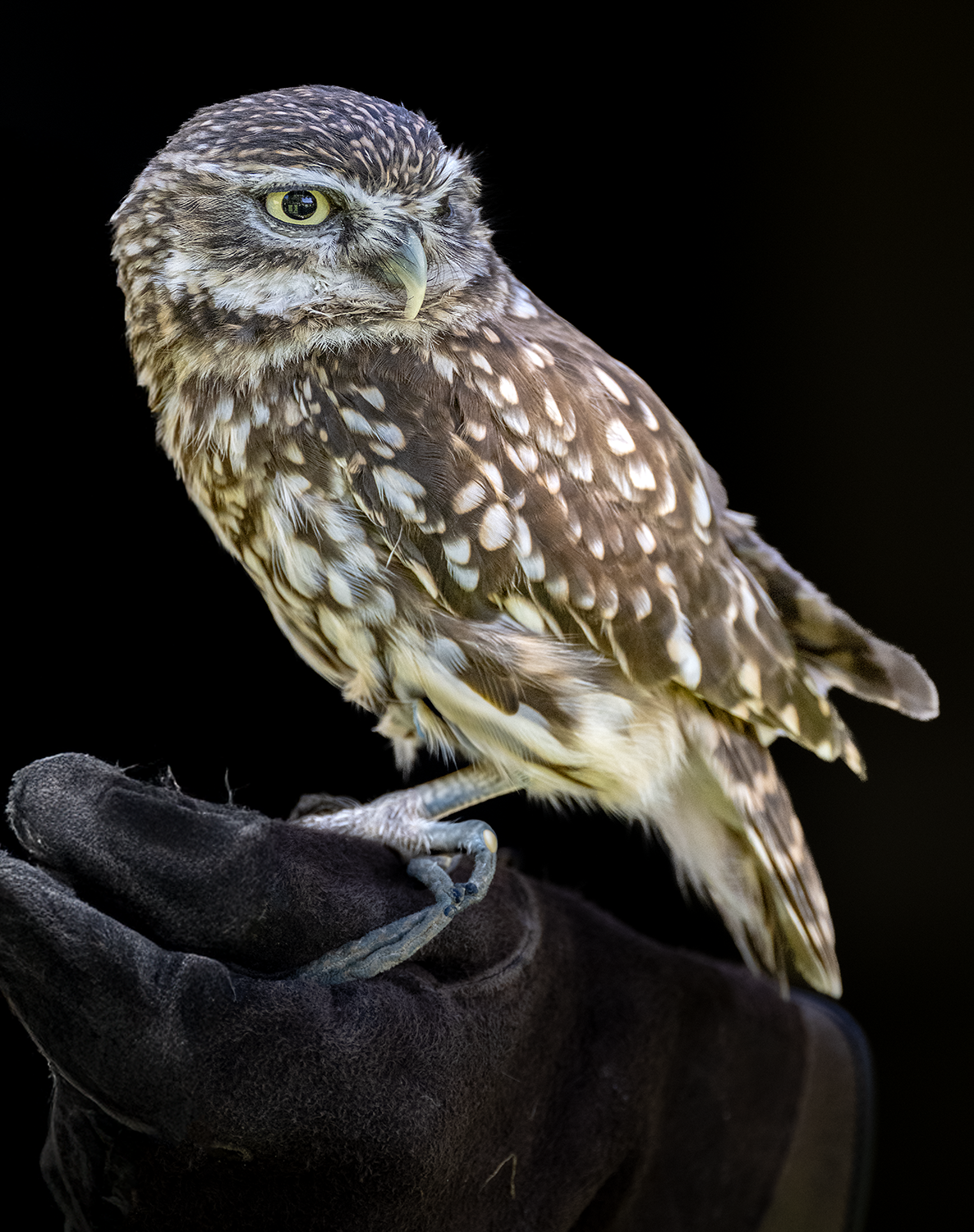
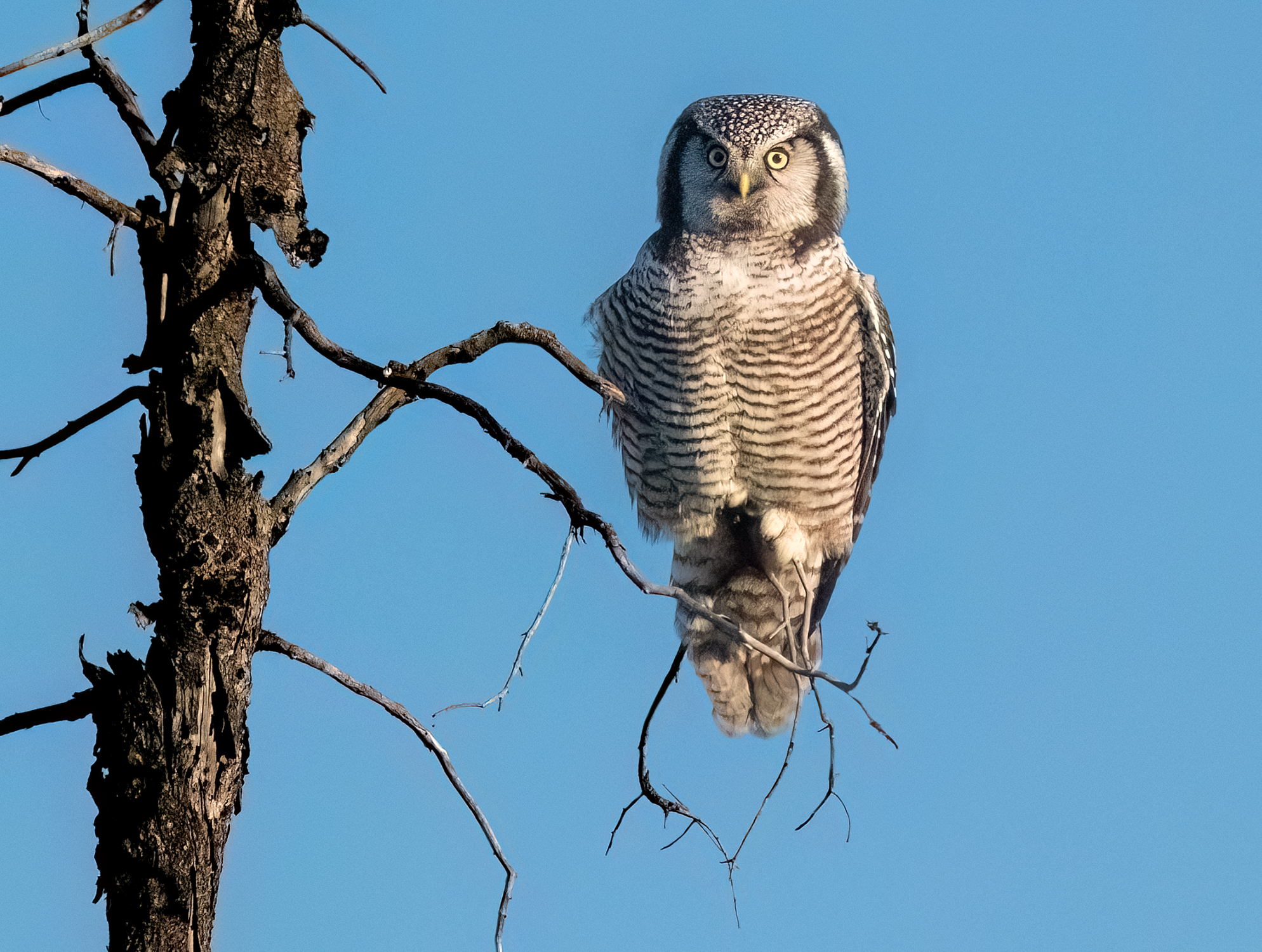
In recent years, I have had the privilege to observe and photograph the feeding habits of several birds of prey. This includes, but is not limited to, the Bald Eagle (Haliaeetus leucocephalus) in British Columbia, the Northern Hawk Owl (Surnia ulula) in Alaska, the White-tailed Sea Eagle (Haliaeetus albicilla) and Red Kite (Milvus milvus), both in Scotland, as well as the Peregrine Falcon (Falco peregrinus), the Gyrfalcon (Falco rusticolus), Harris’ Hawk (Parabuteo unicinctus) and the Little Owl (Athene noctua), introduced into Scotland in the 19th century.
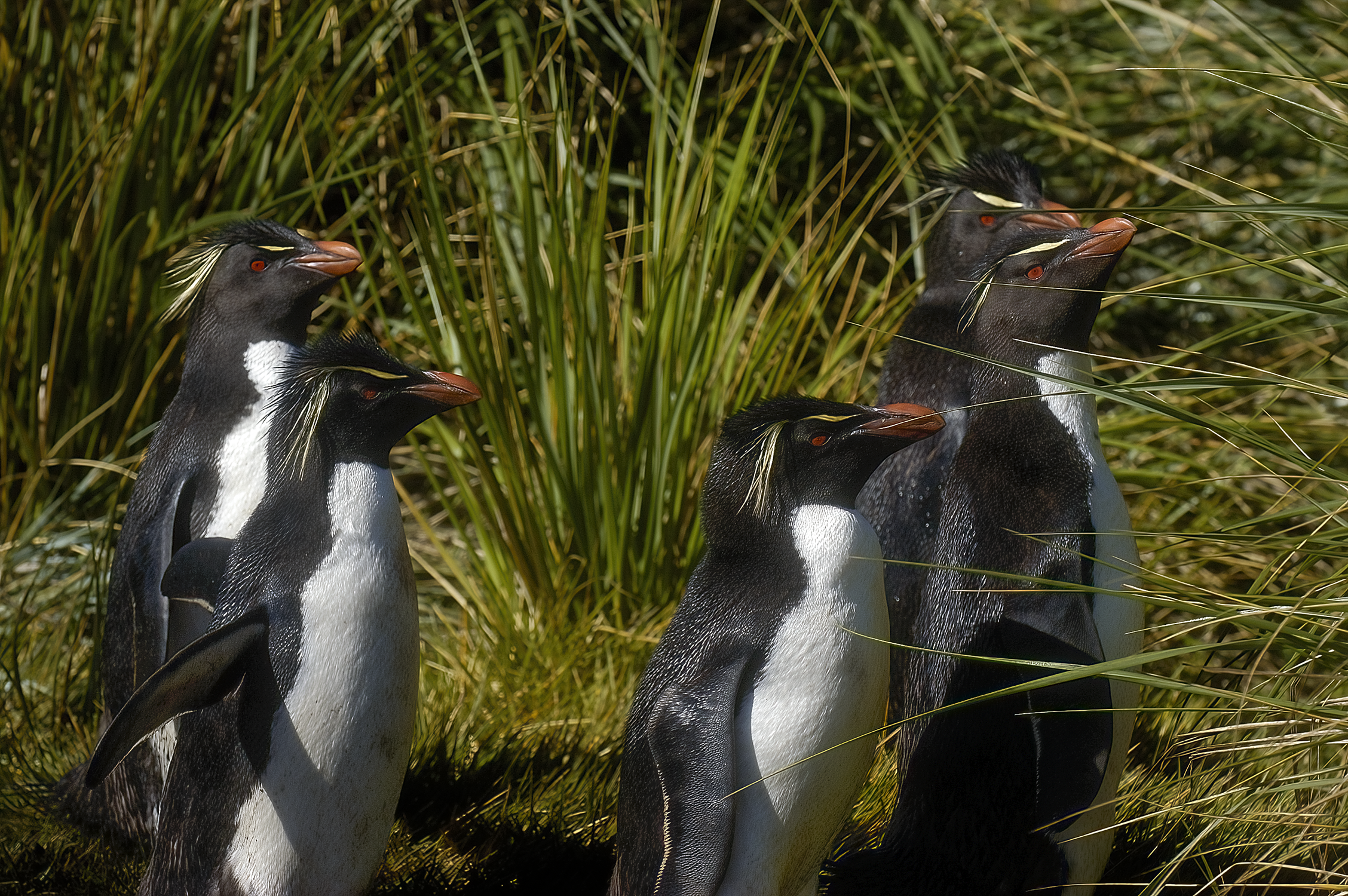
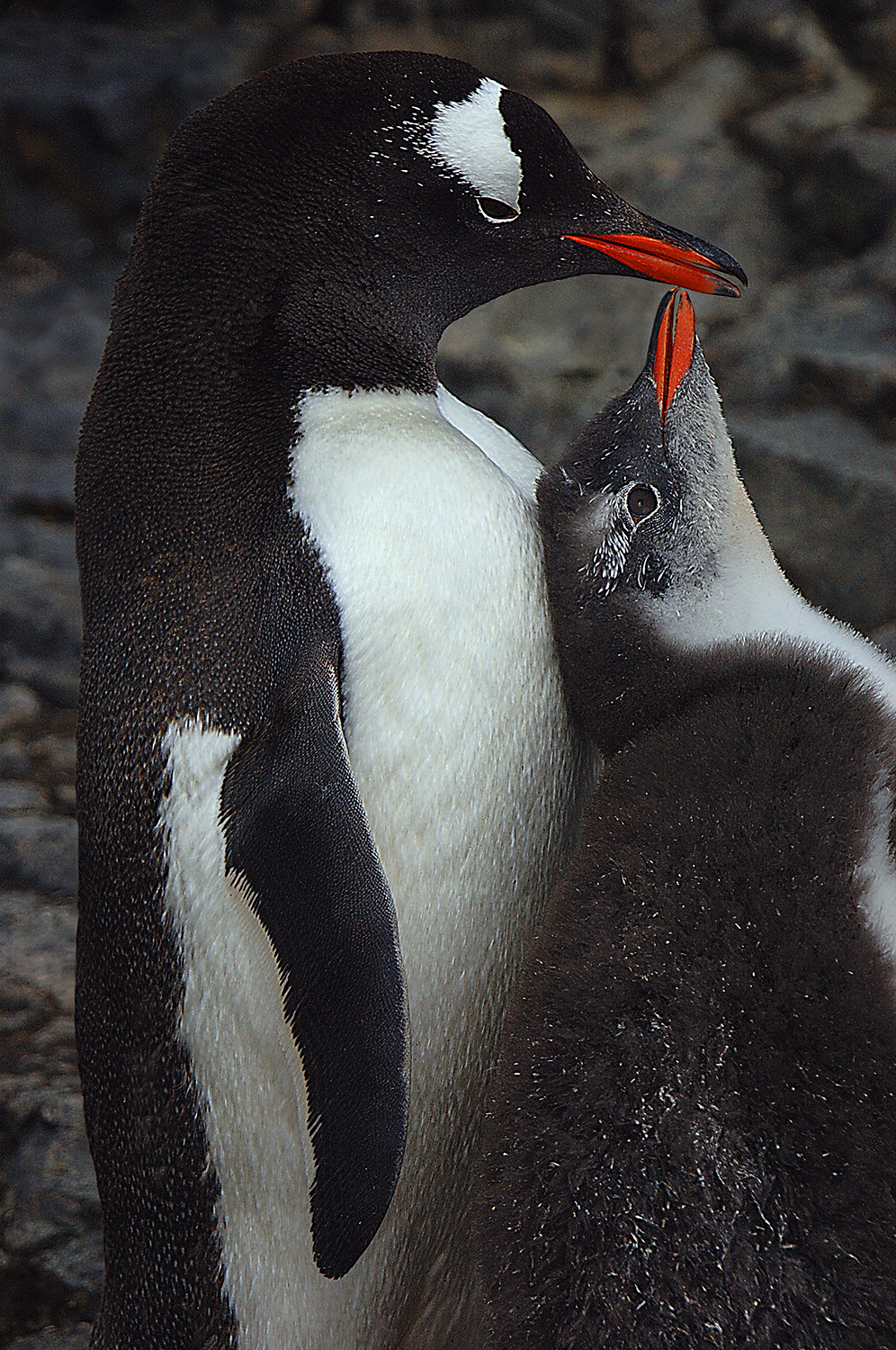
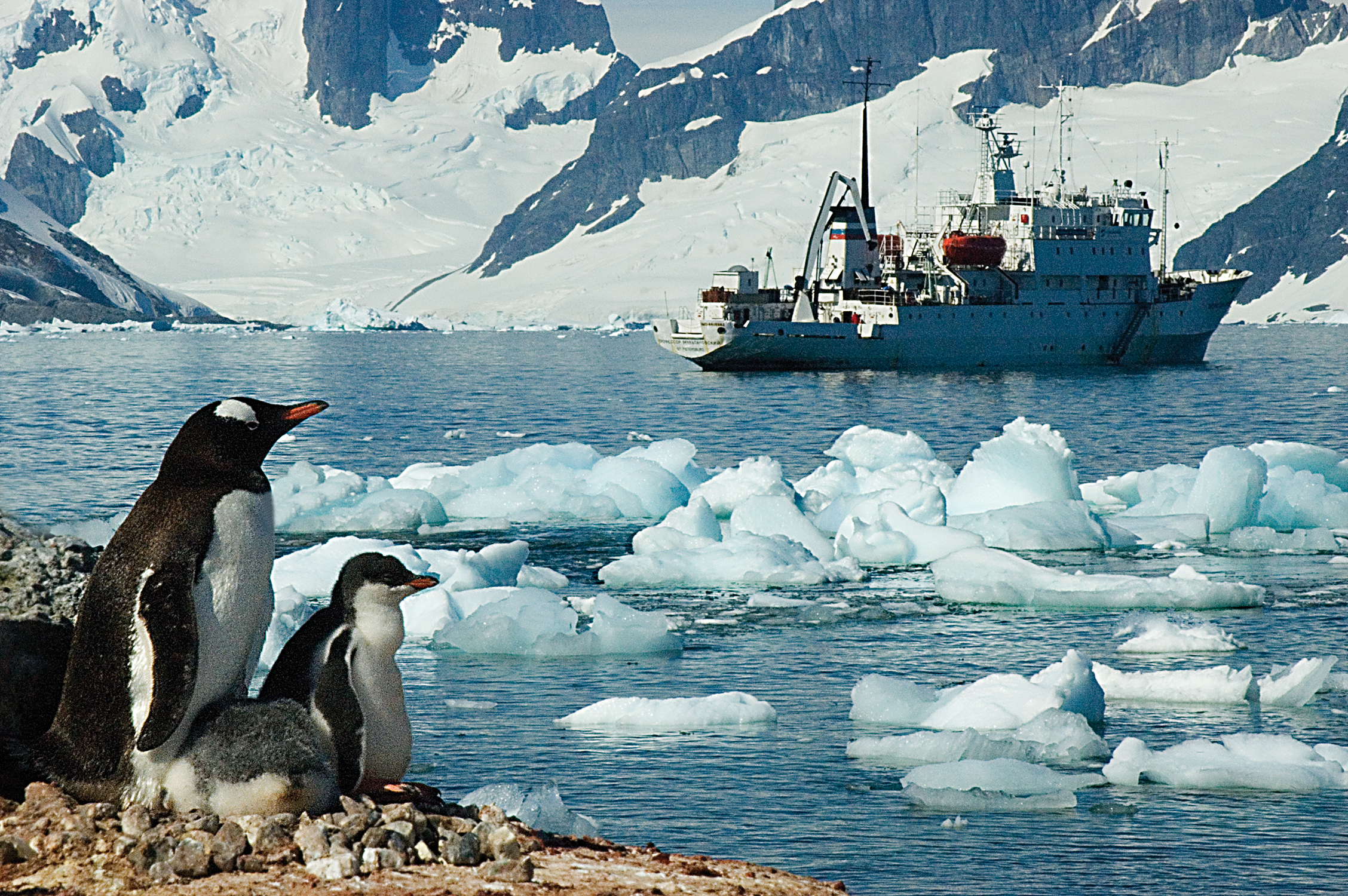
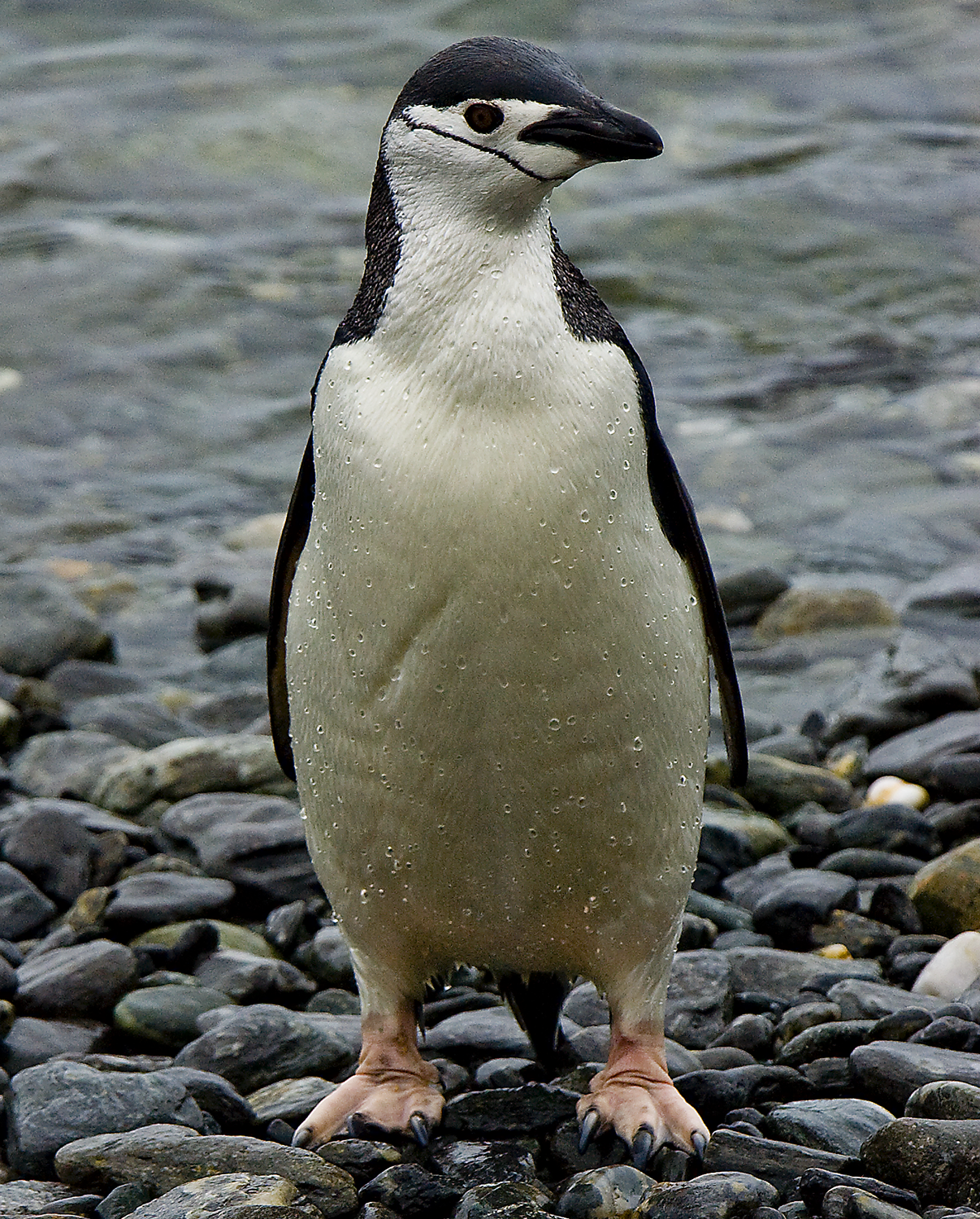
Penguins
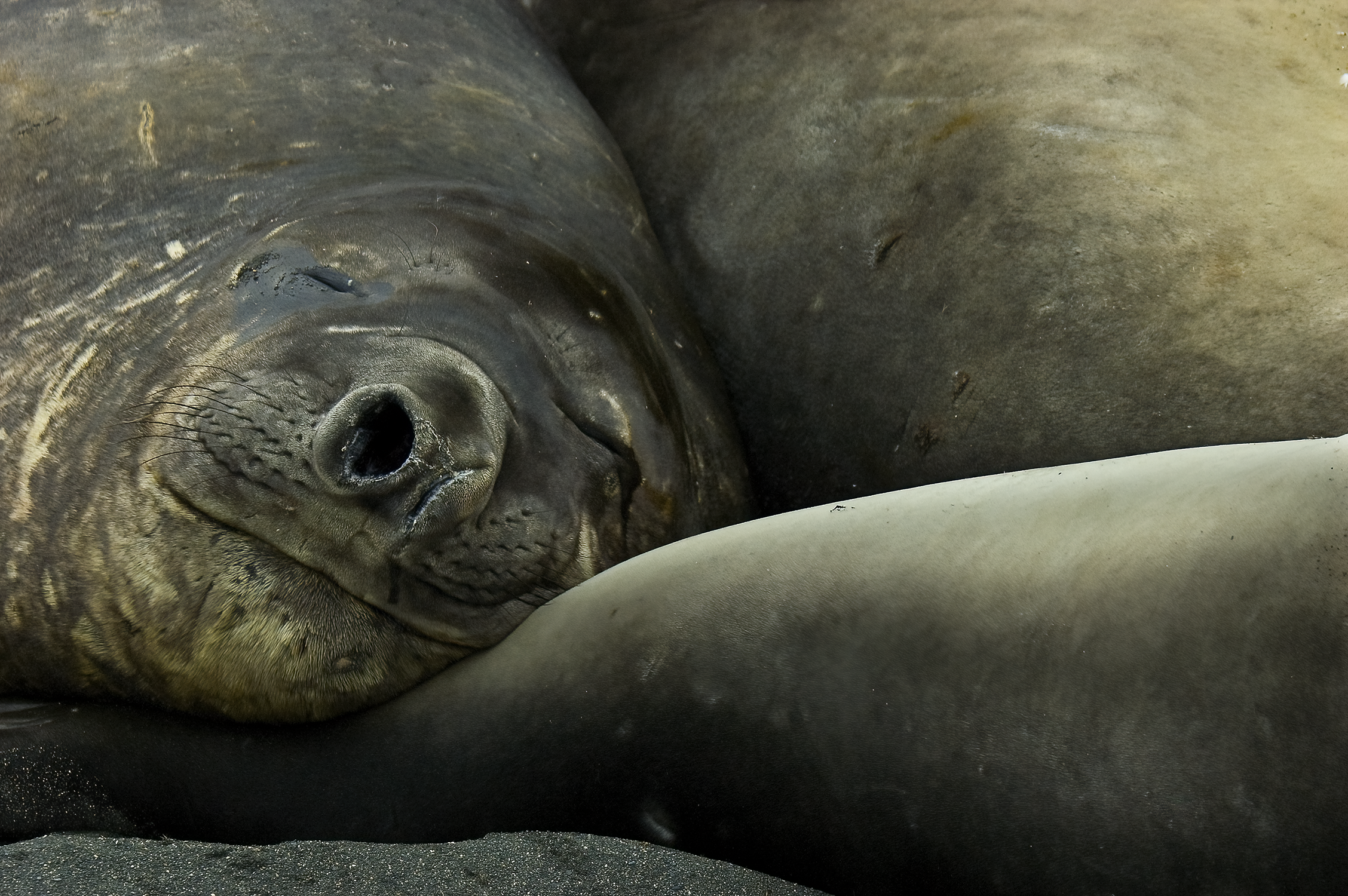
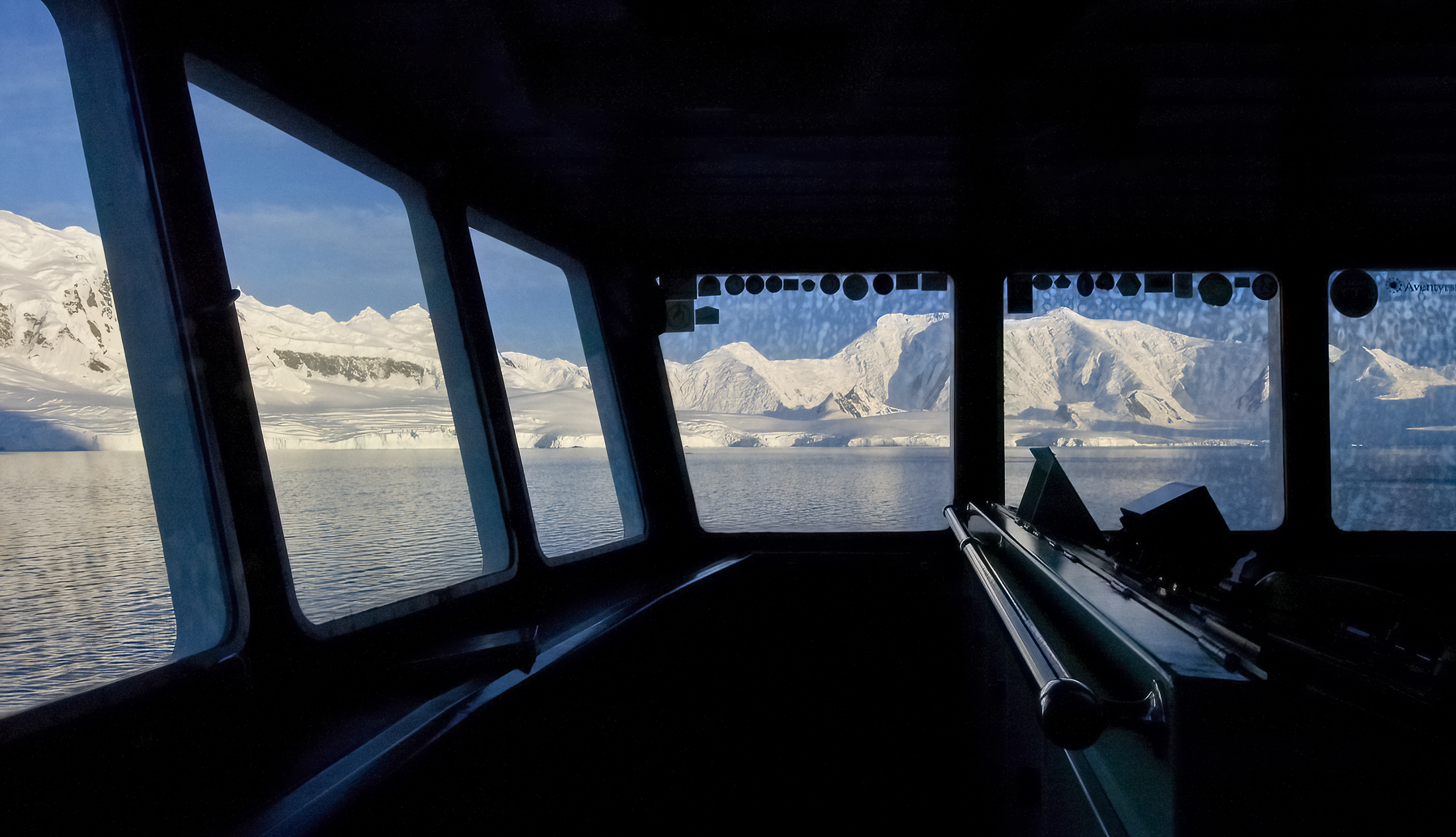
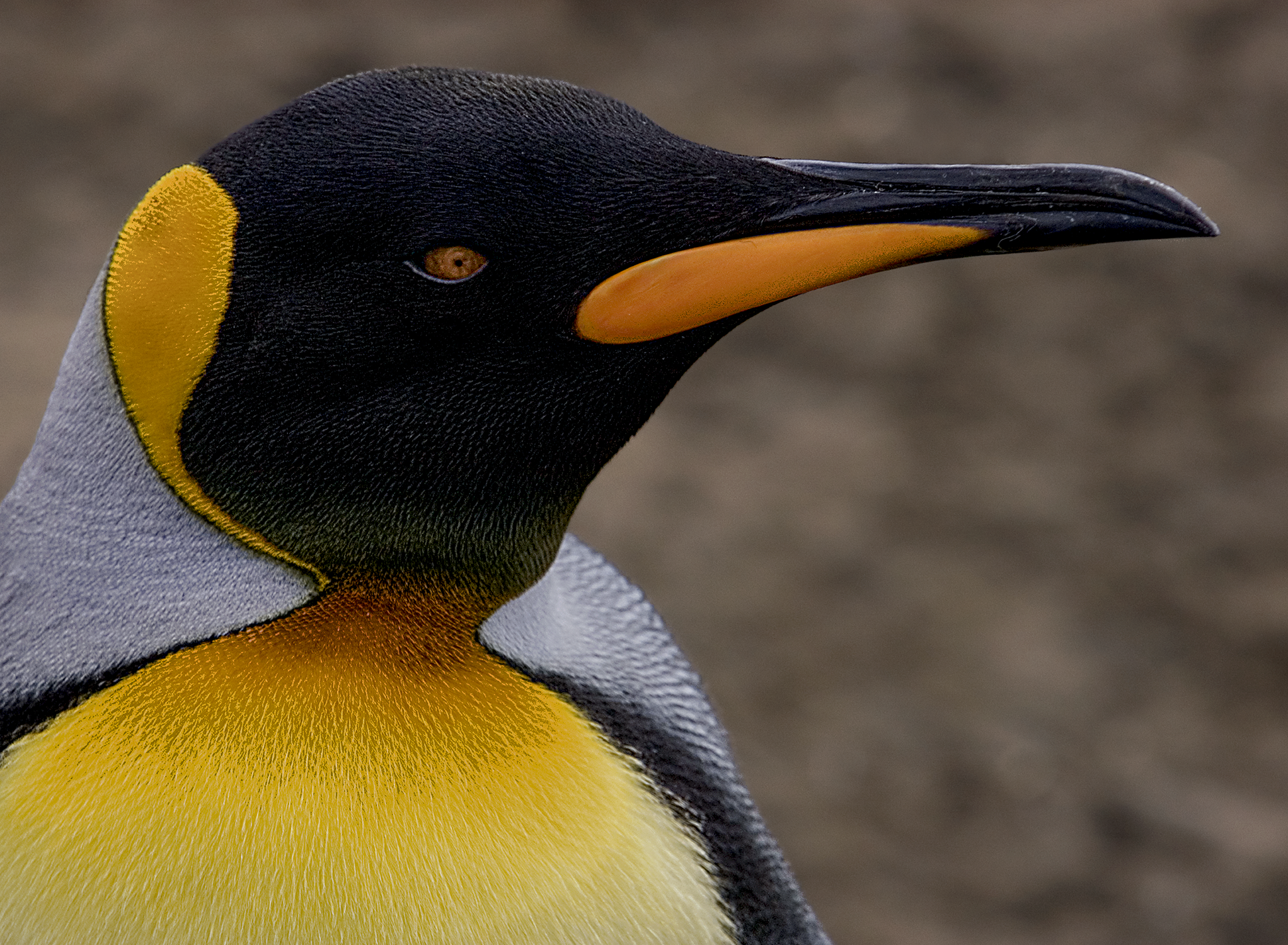
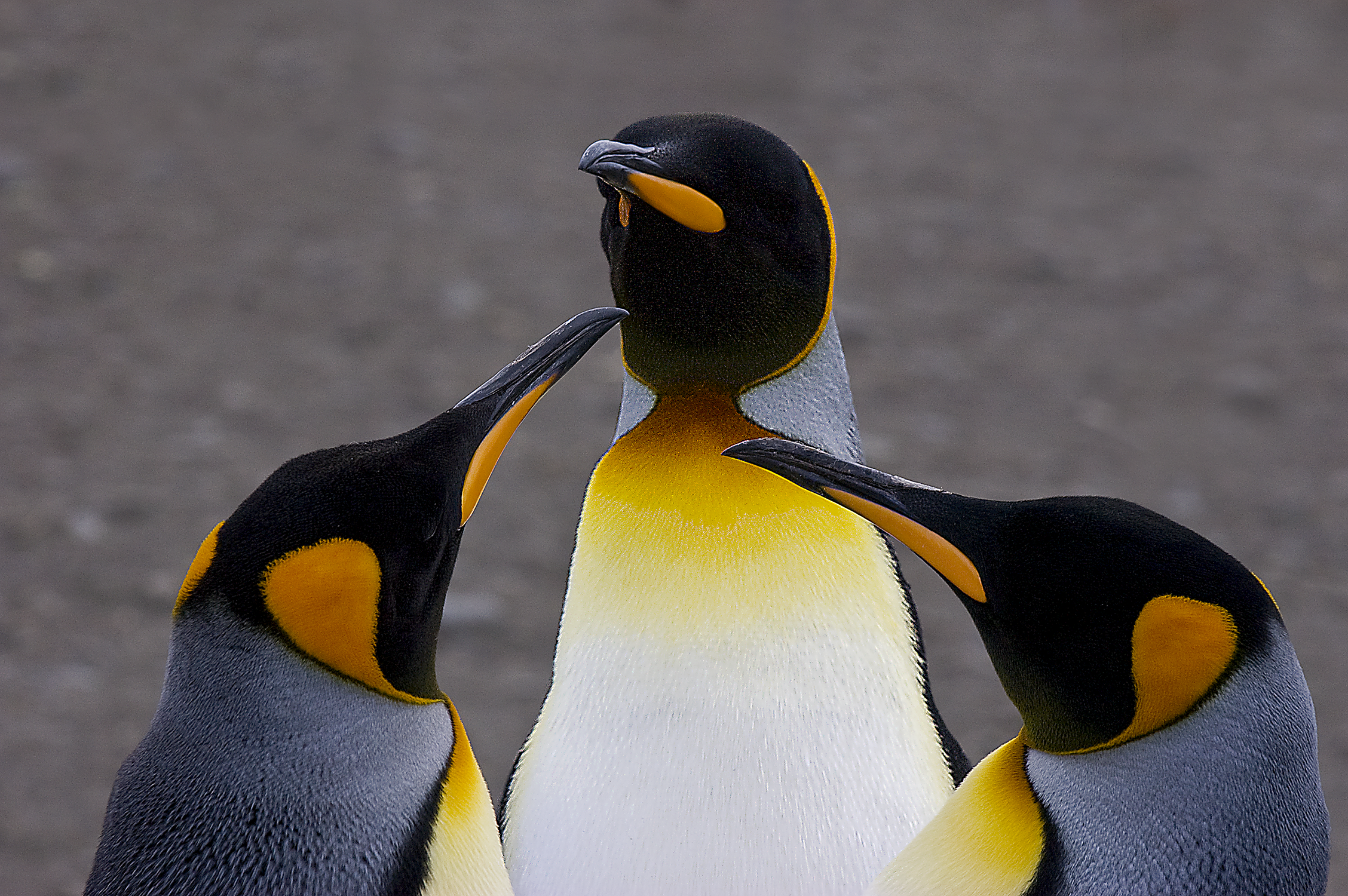
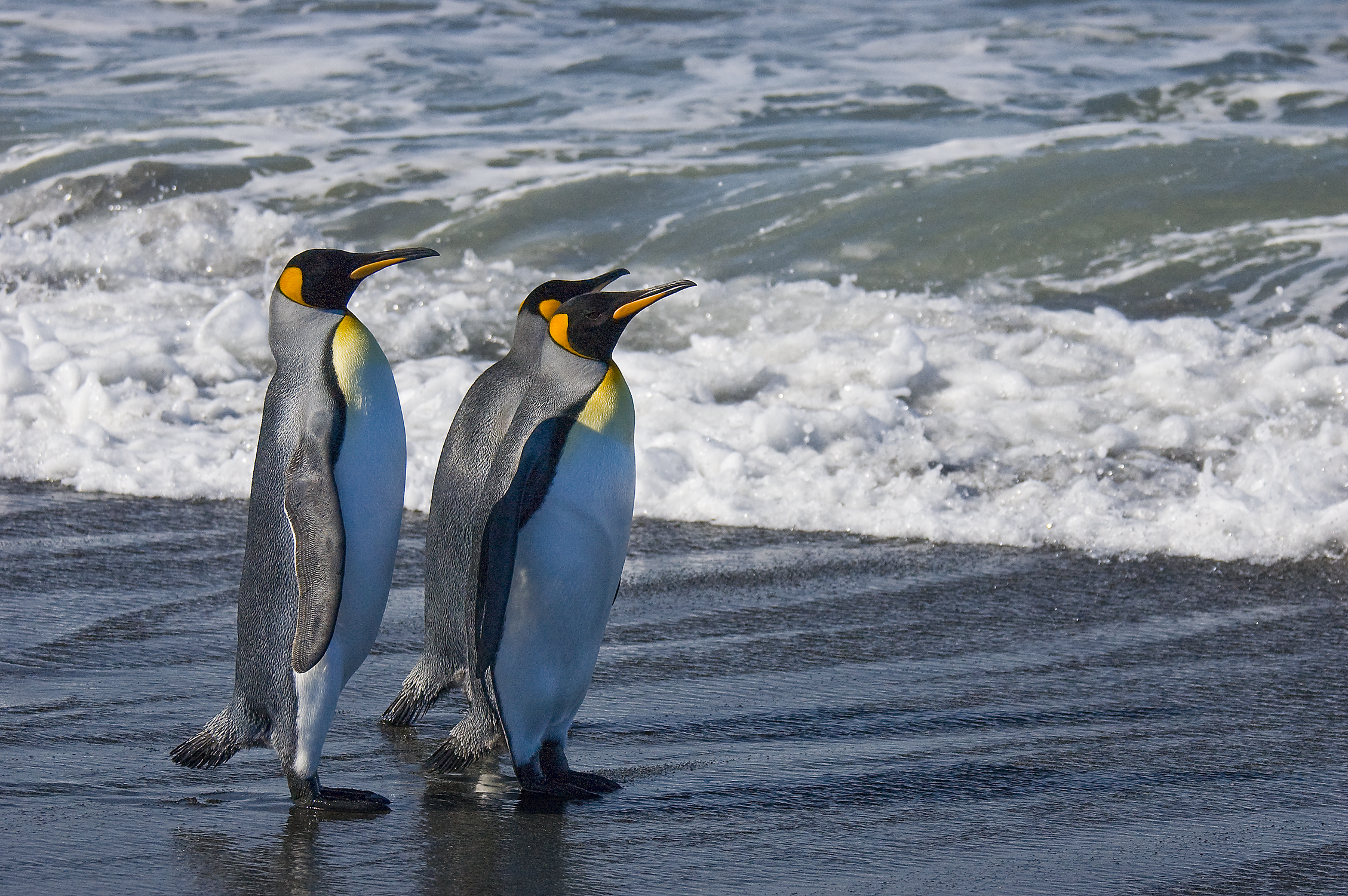
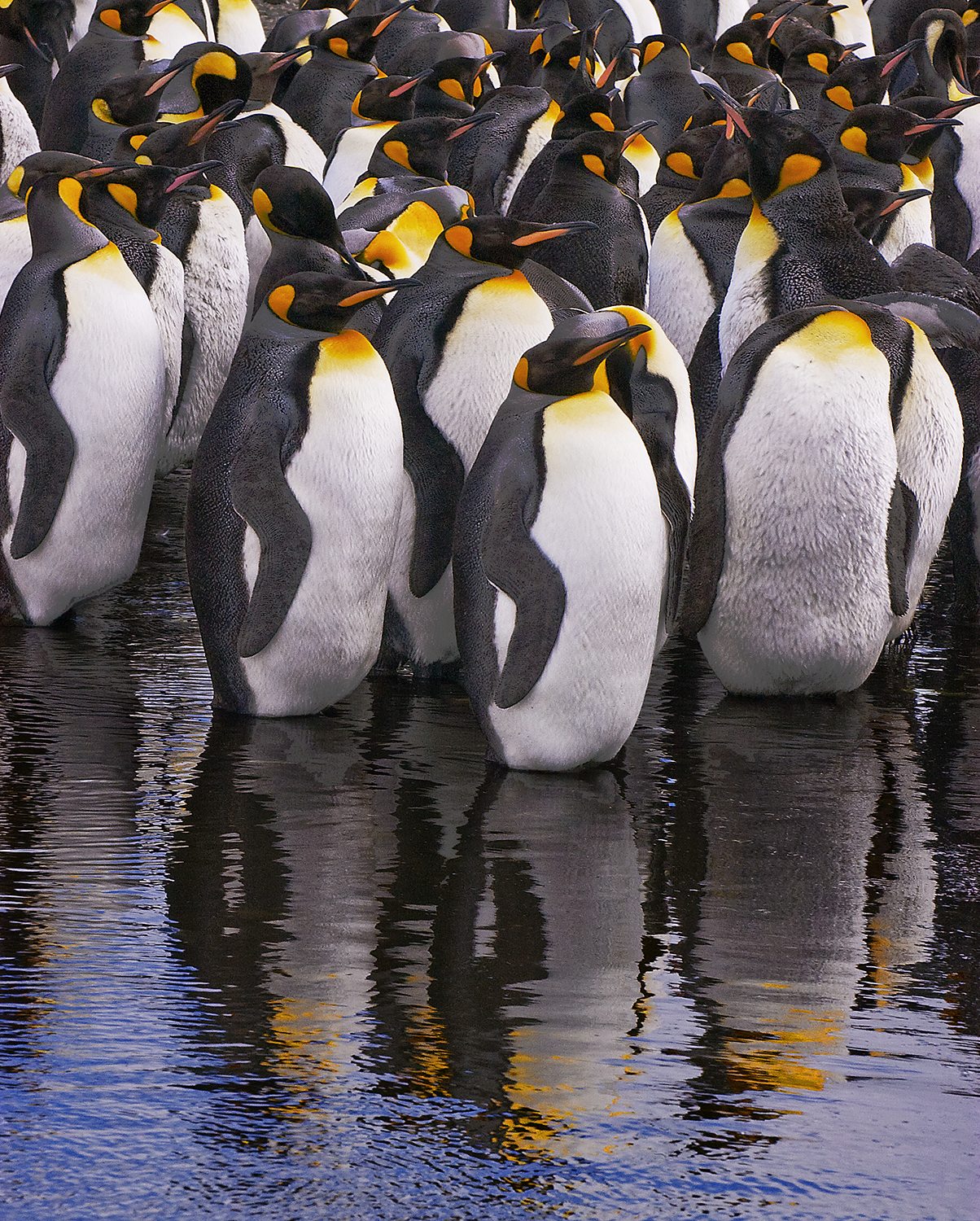
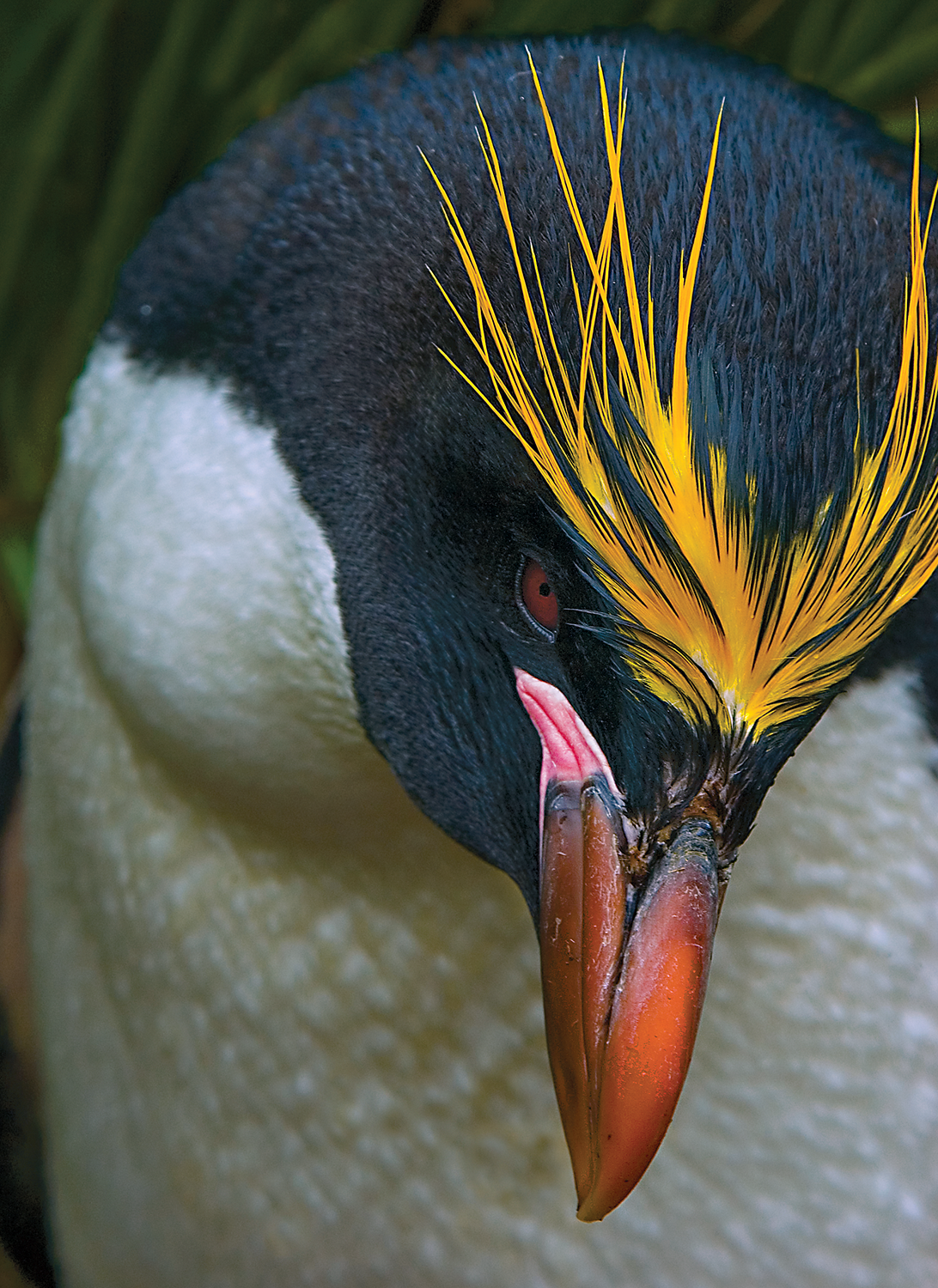
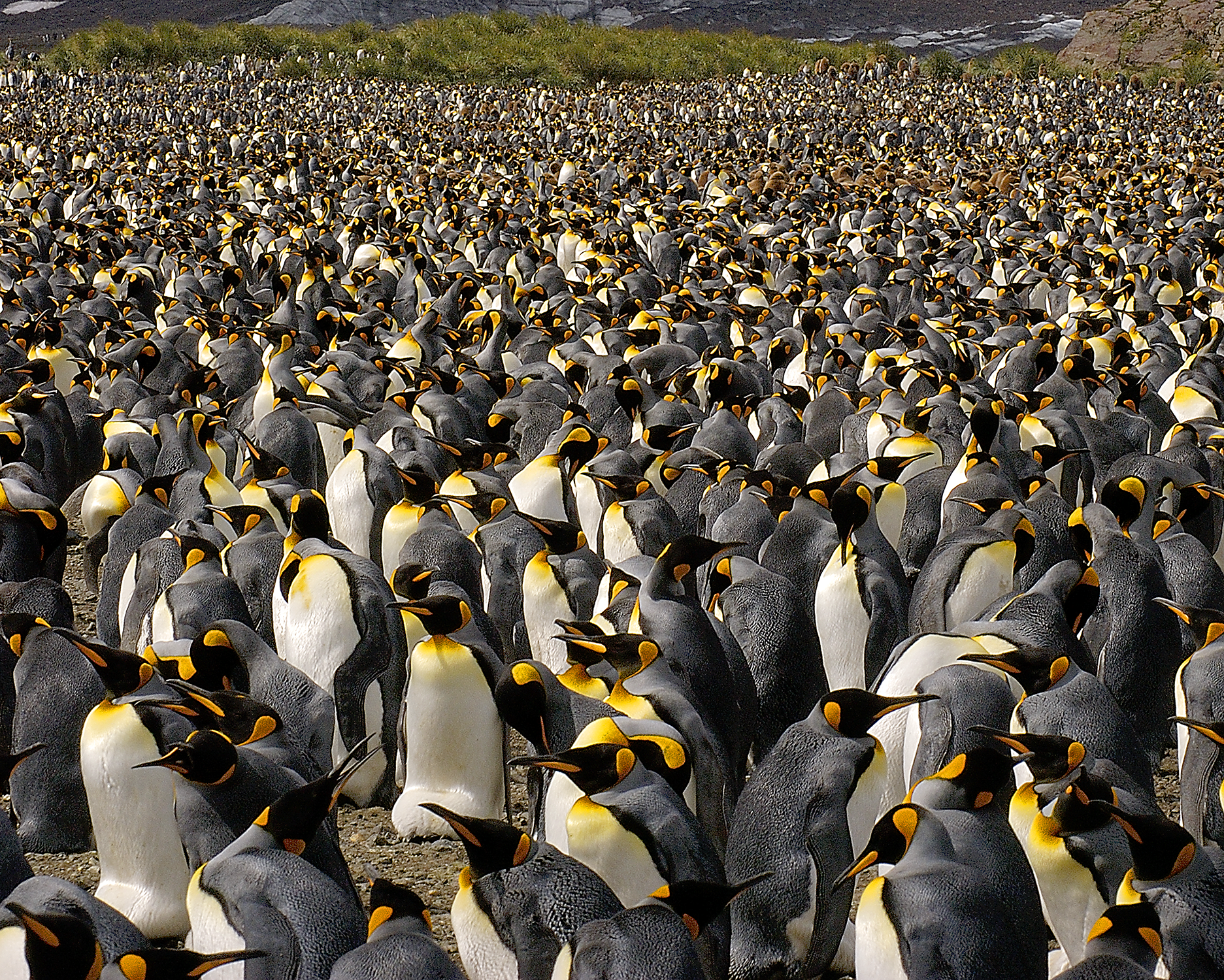
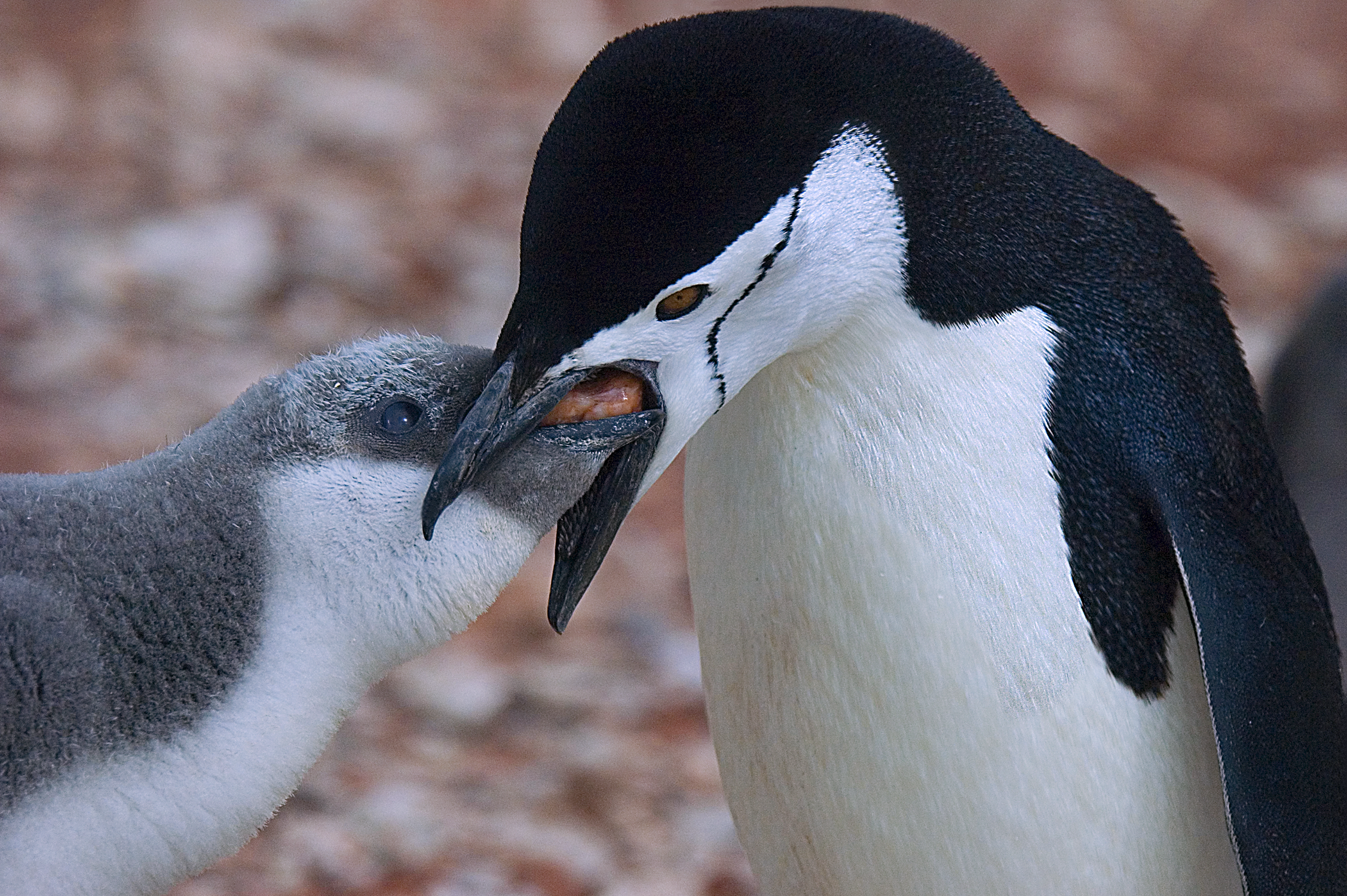
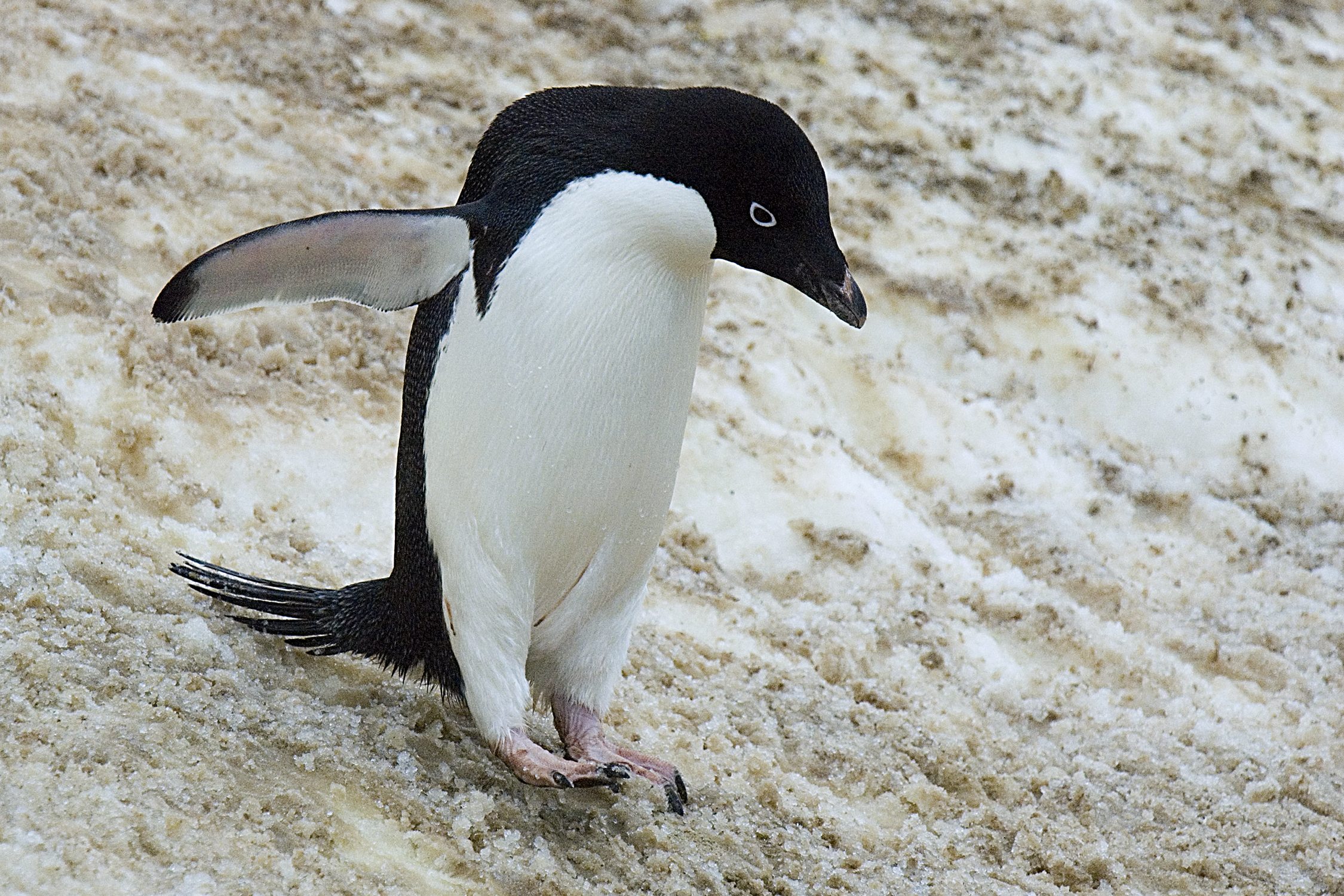
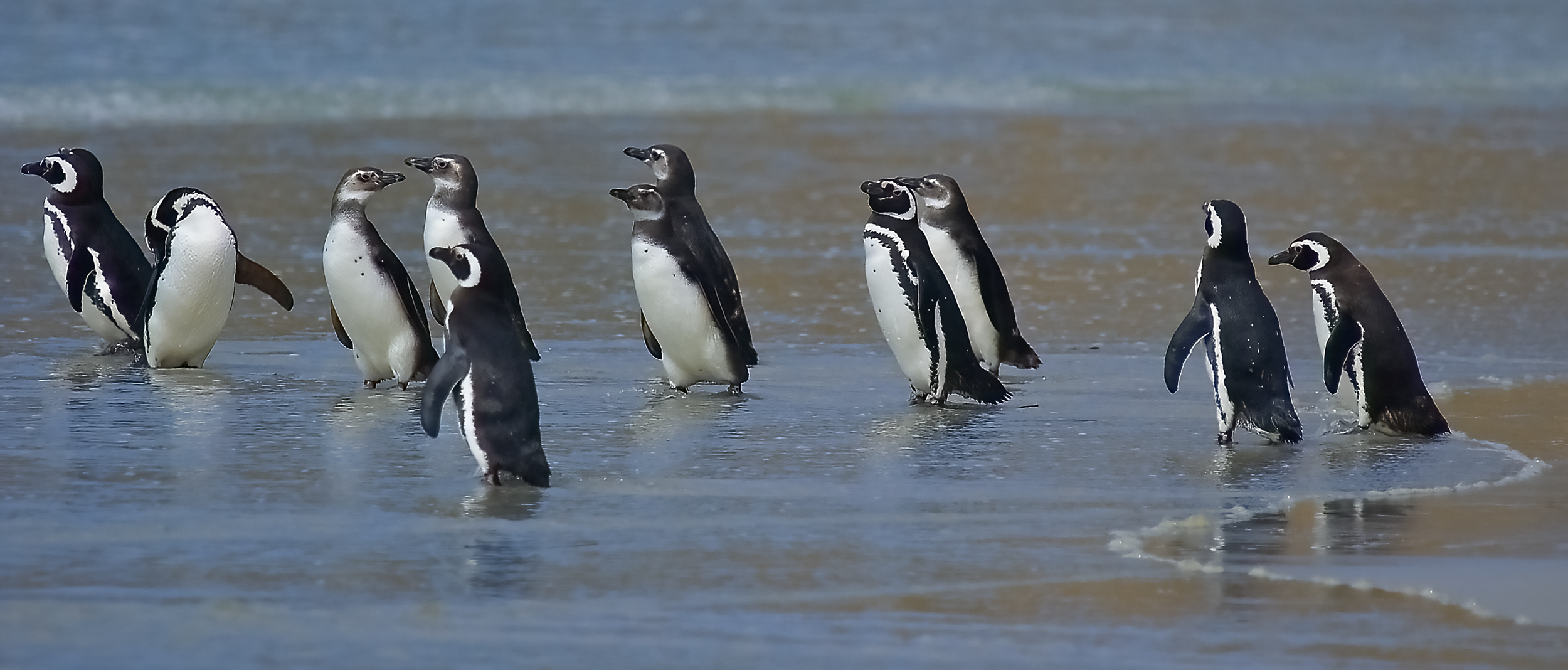
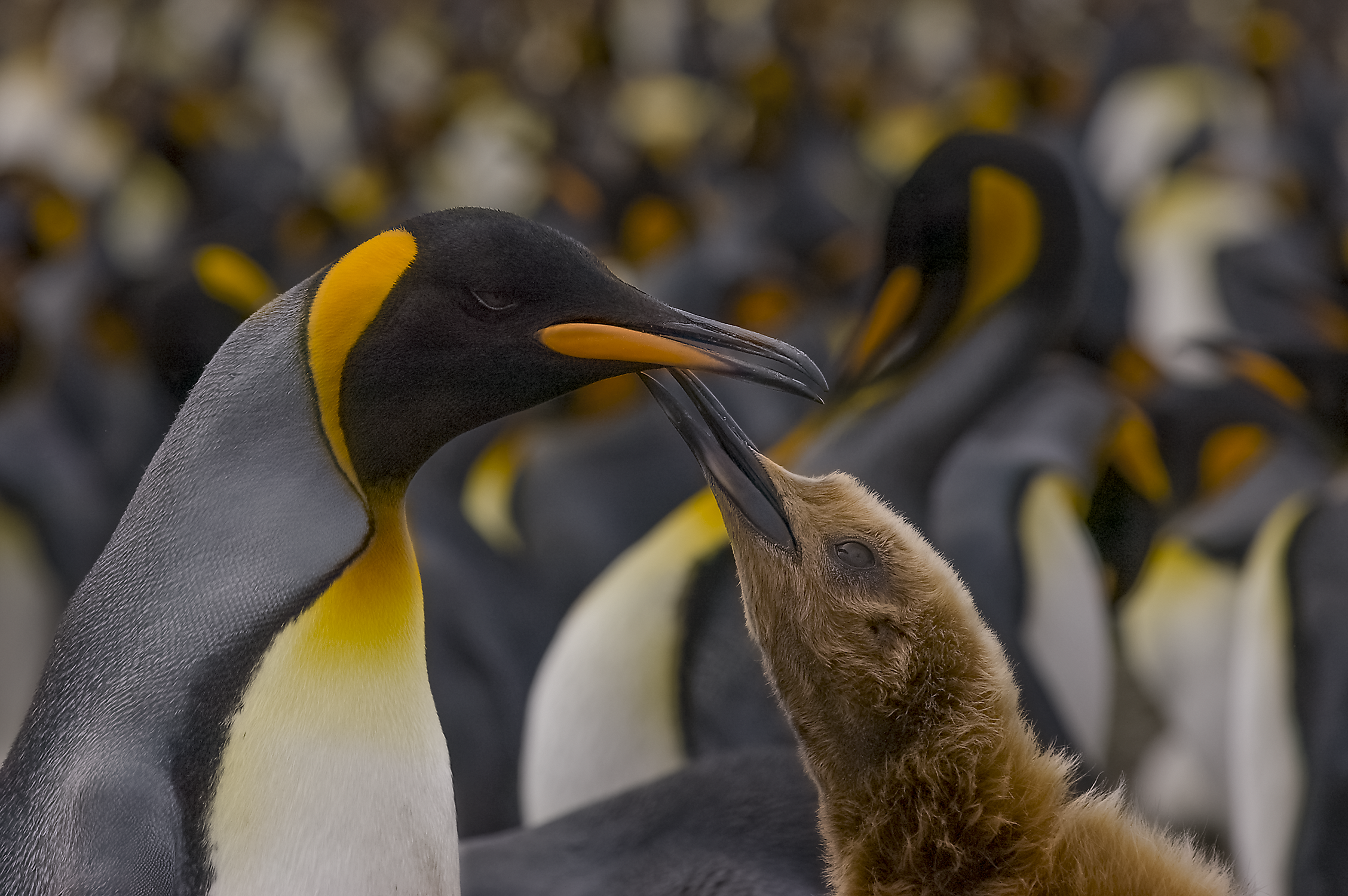
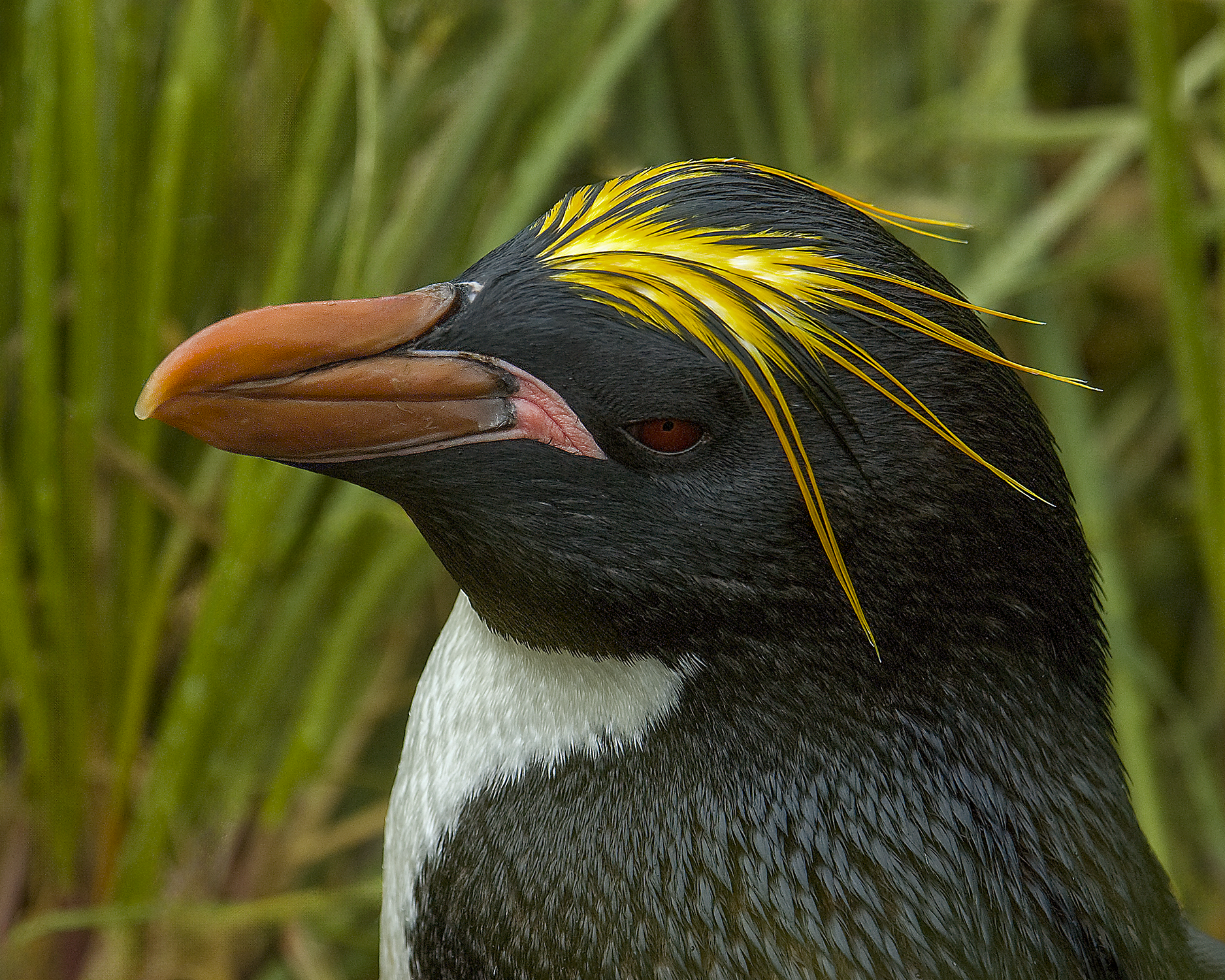
In January 2006 we circumnavigated the Scotia Sea aboard the Prof Multinovsky. Our landfalls included the Falkland Islands, South Georgia , South Shetland Islands, South Orkney Islands , Elephant Island, the Antarctic Archipelago, and the Antarctic mainland. We encountered 7 different species of penguin over the course of the 19 day trip. The largest species that we saw was the King penguin (Aptenodytes patagonicus. Other species included the Rock Hopper, the Gentoo, the Adelie, the Macaroni, the Chin Strap, and the Magellanic. Several breeding colonies of the King penguin were located on the beaches of South Georgia. It was estimated that there were at least 300,000 the adults, plus 75,000 chicks, on the Salisbury Plain beach alone!
Canada’s Spirit Bears
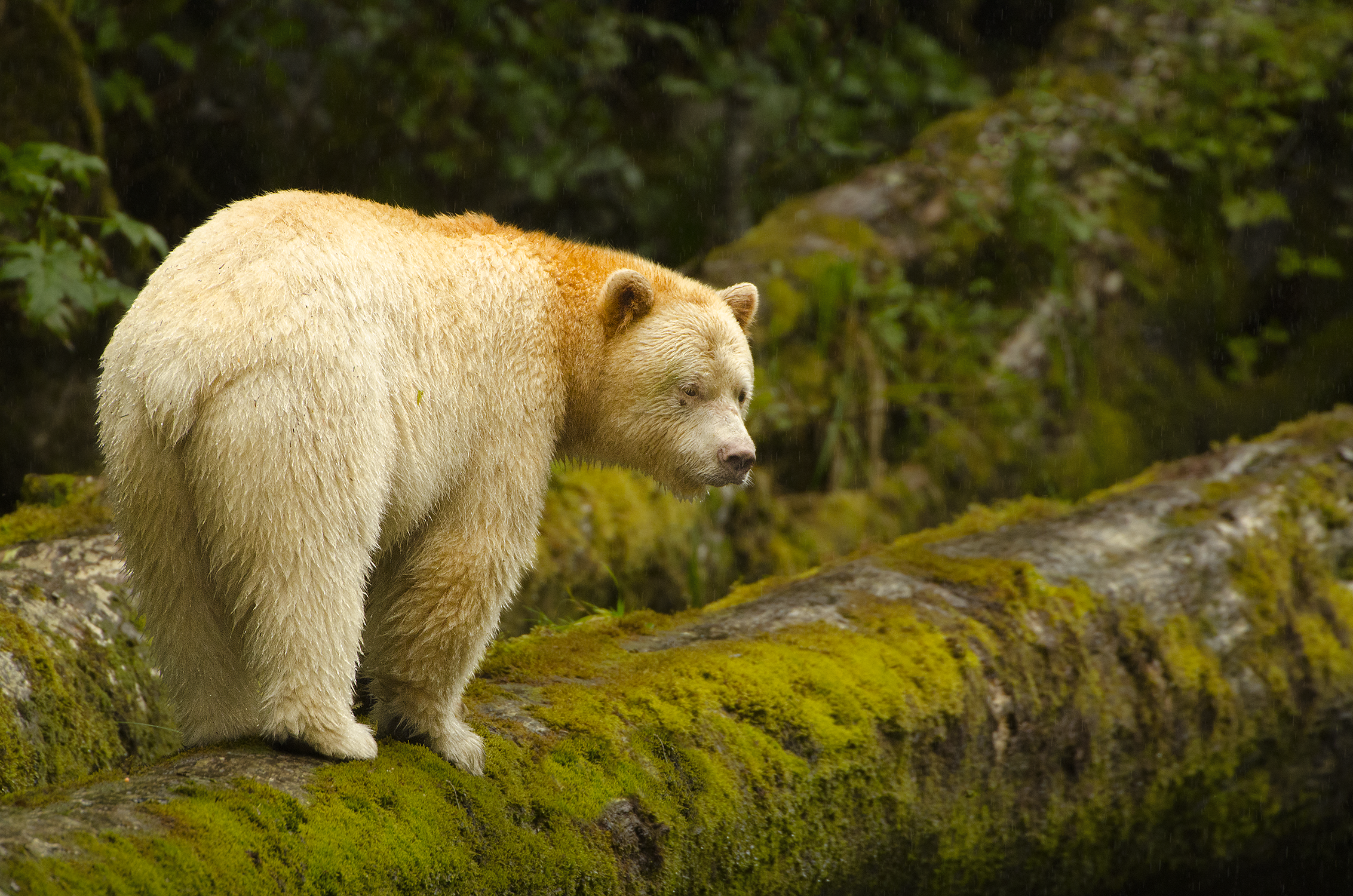
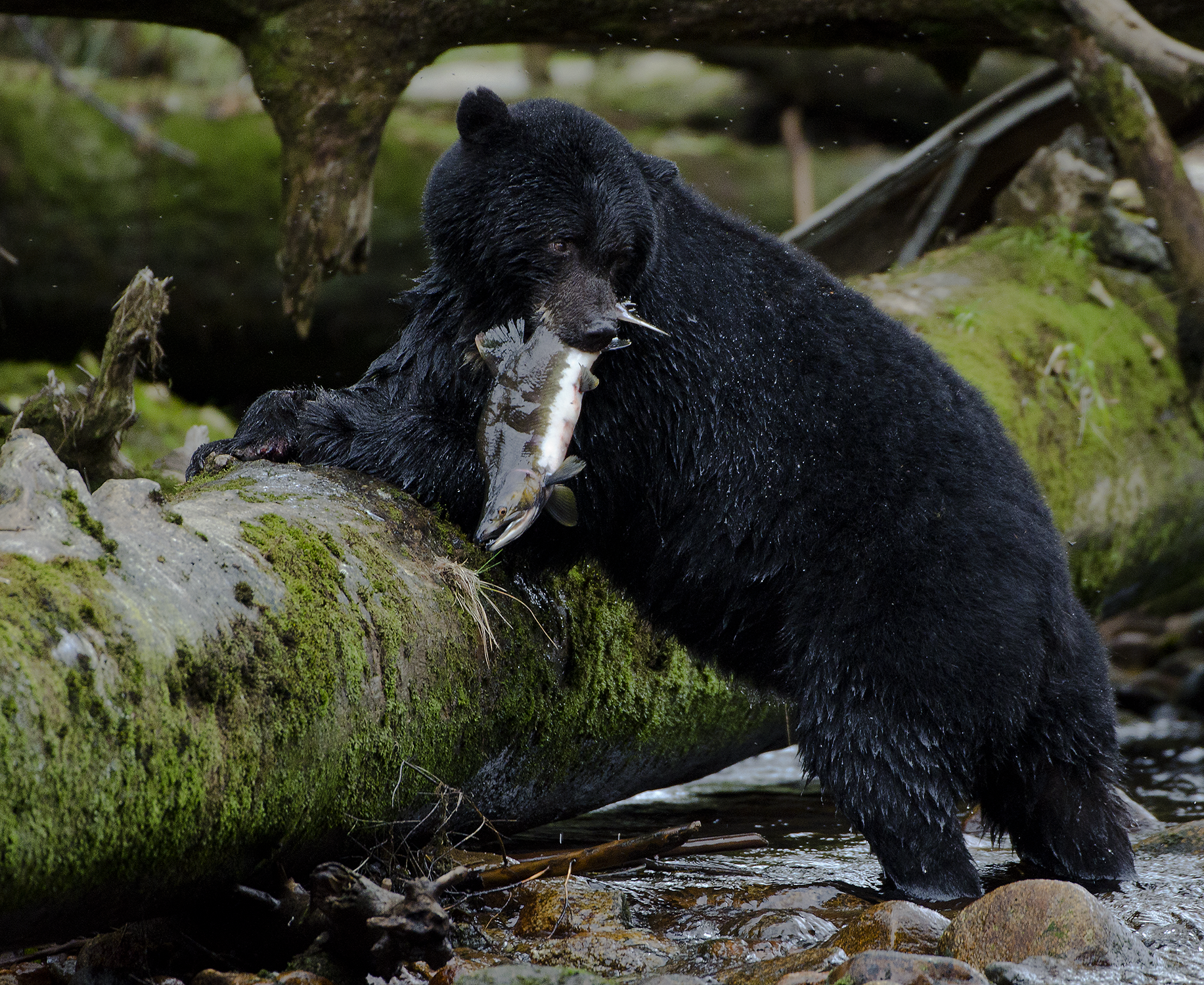
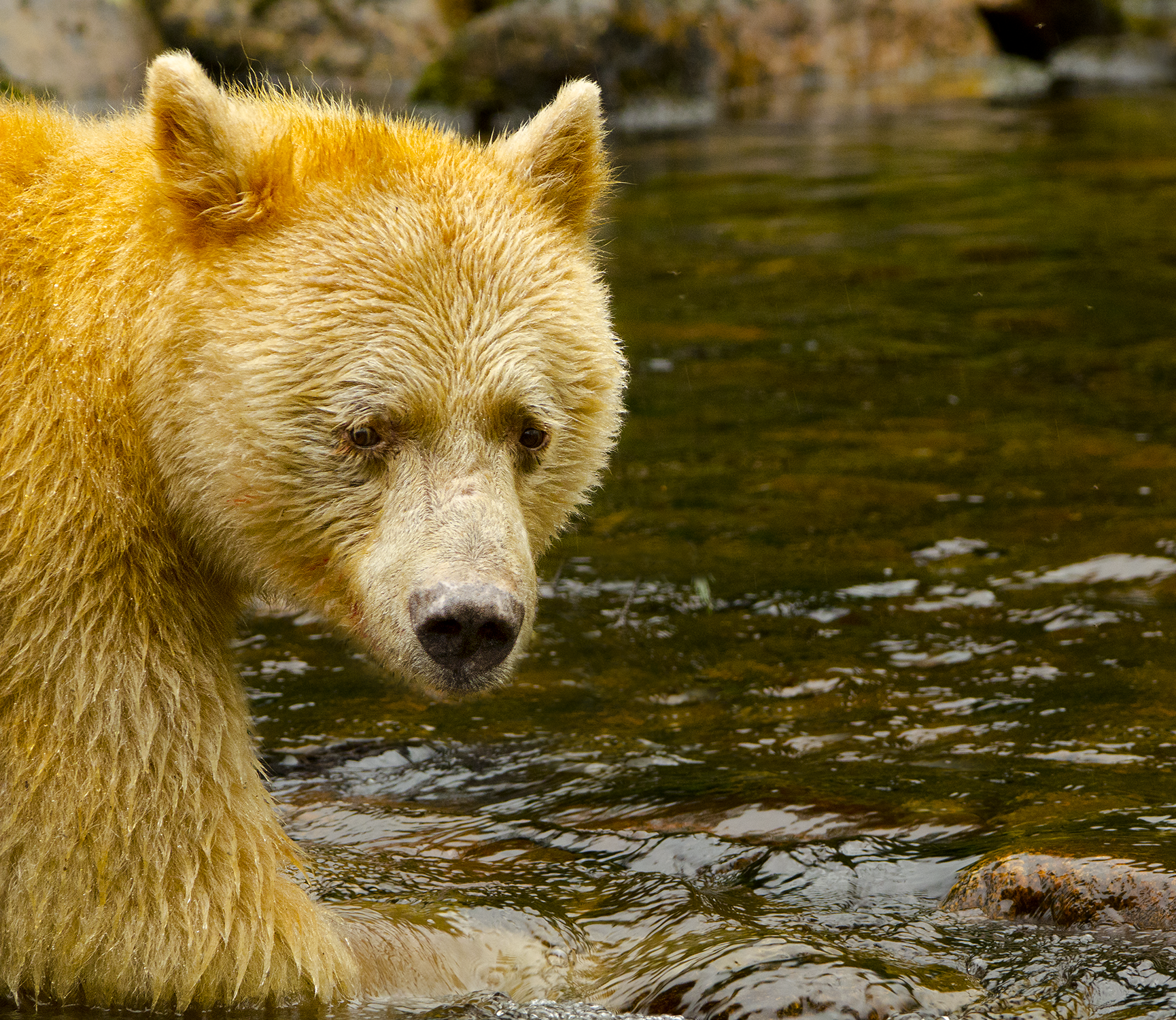
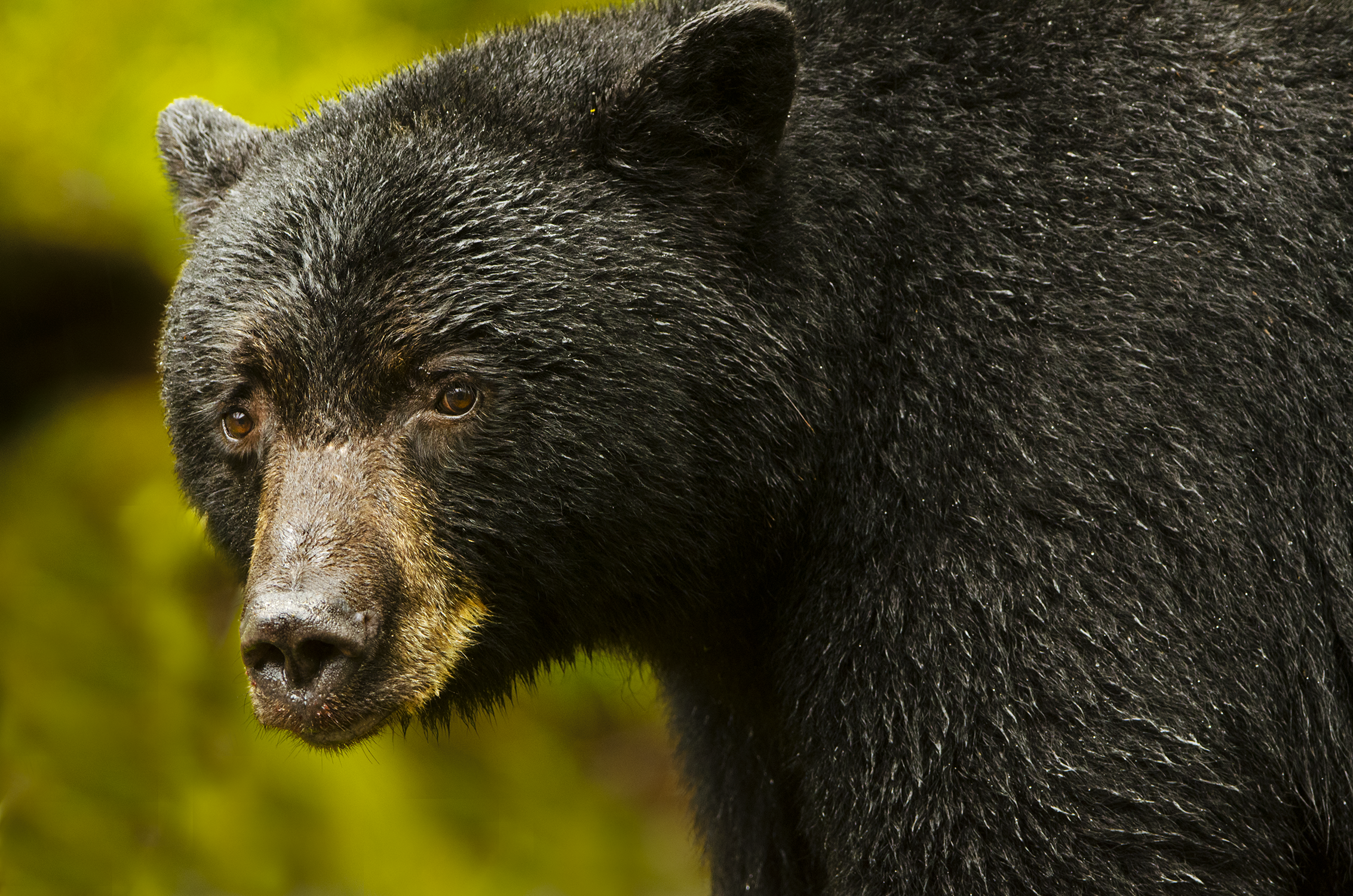
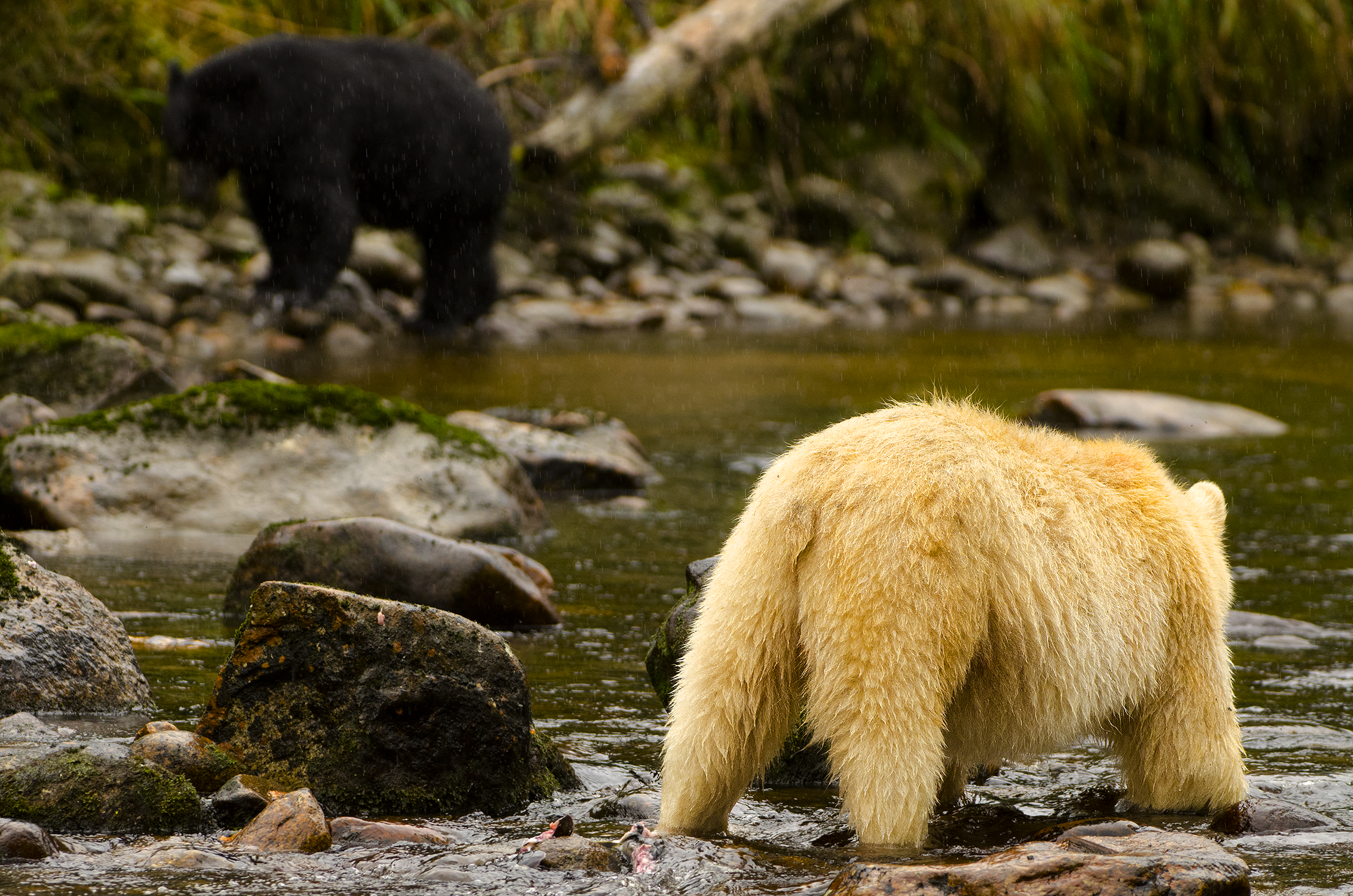
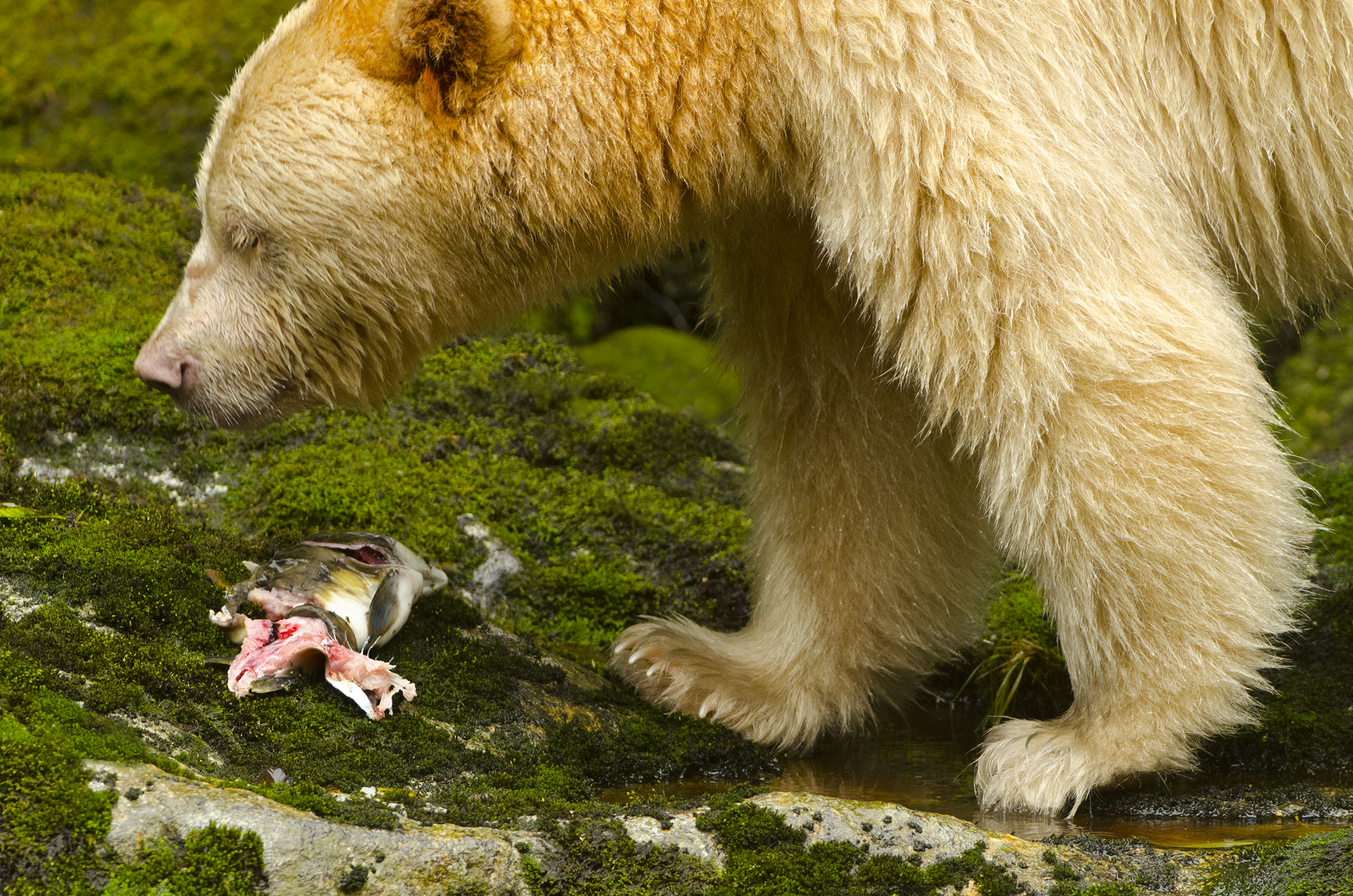
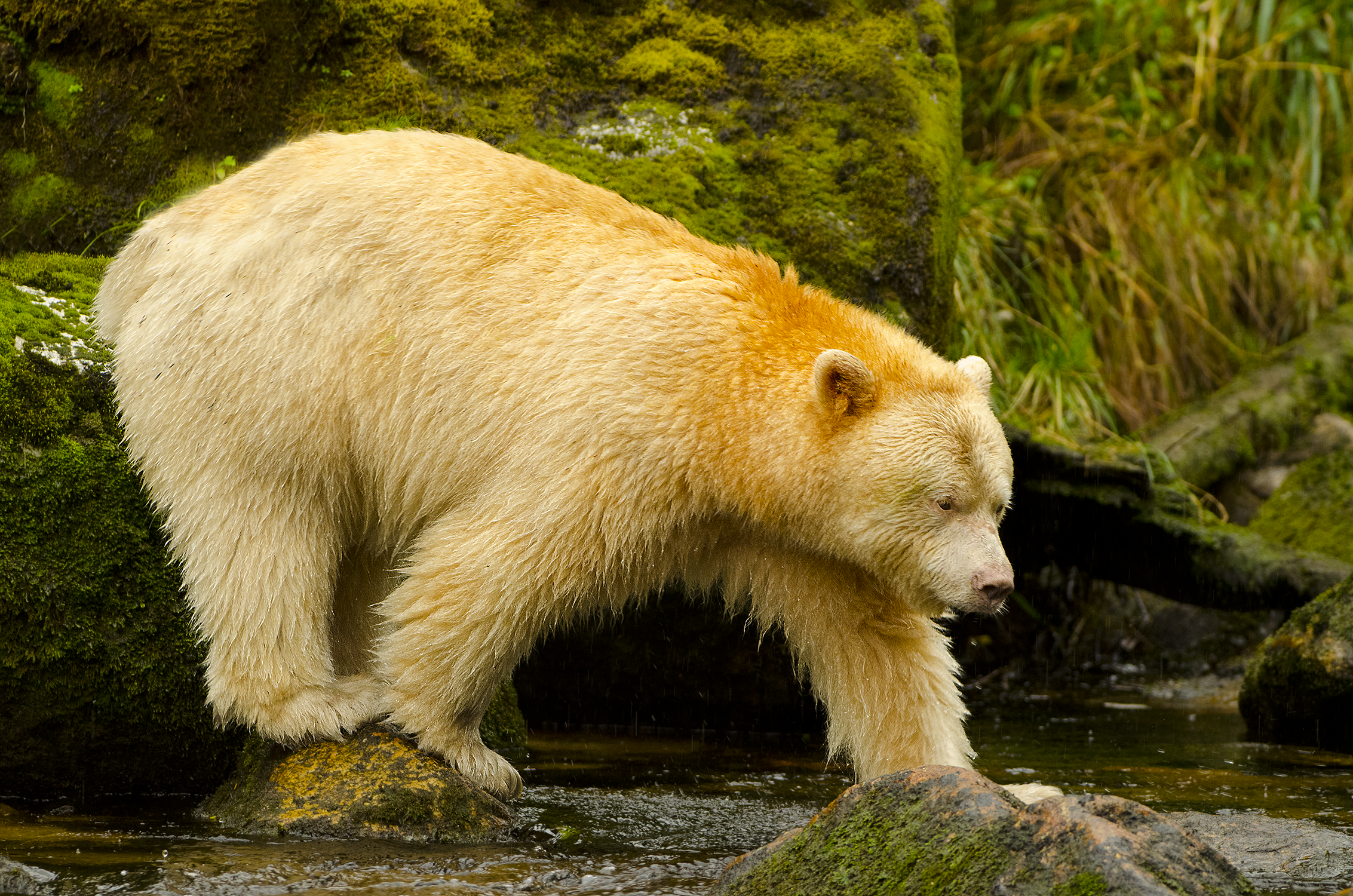
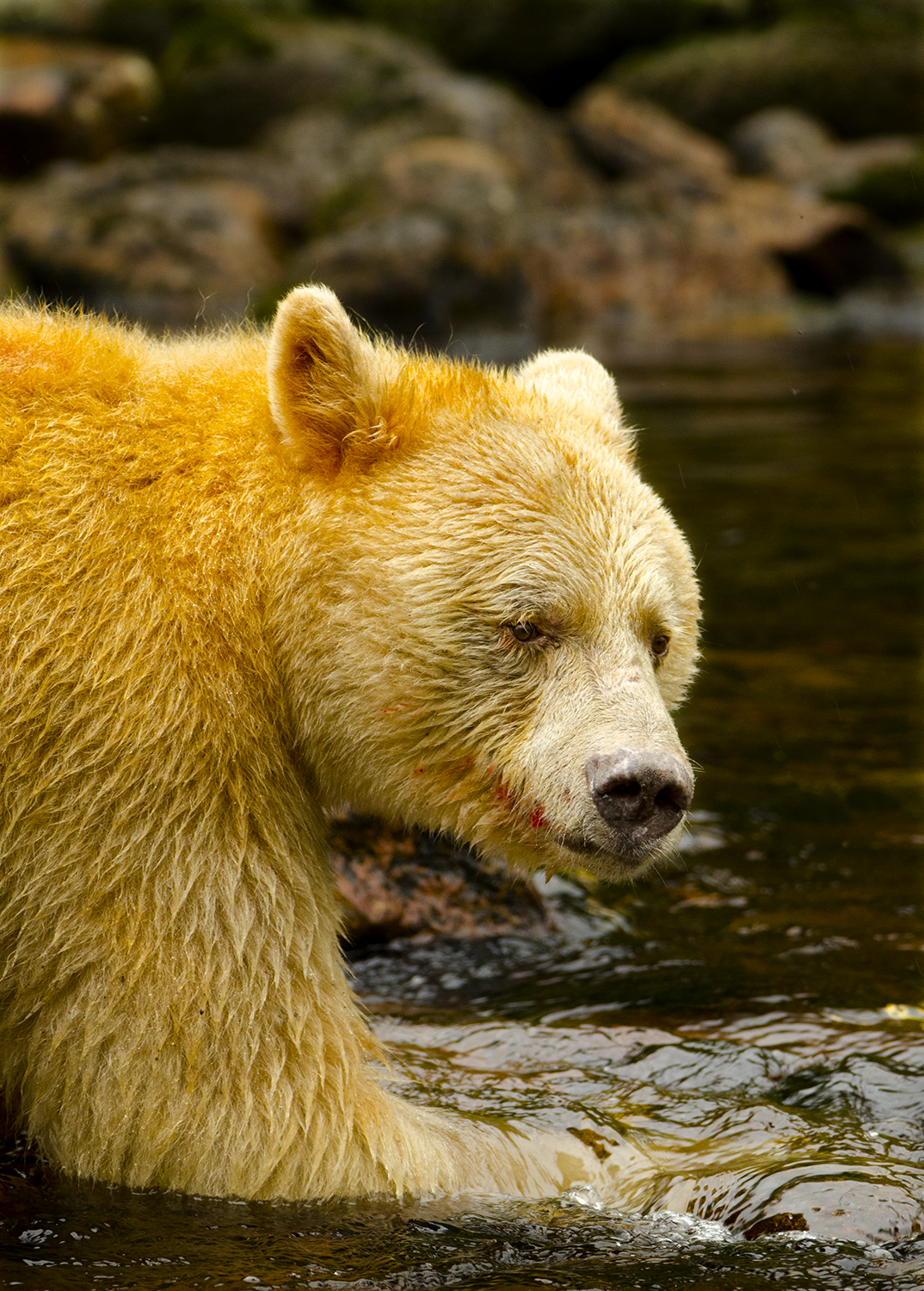
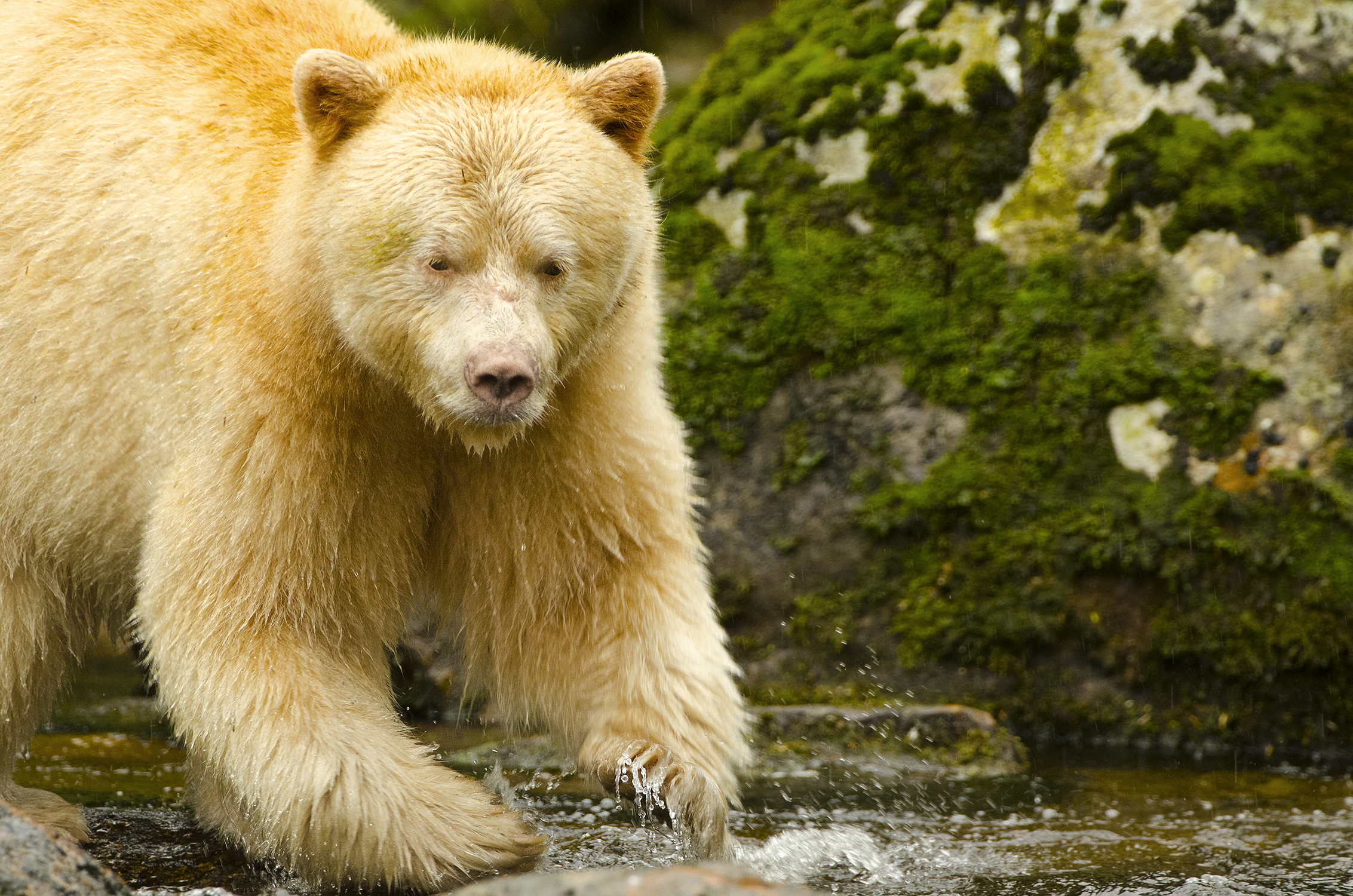
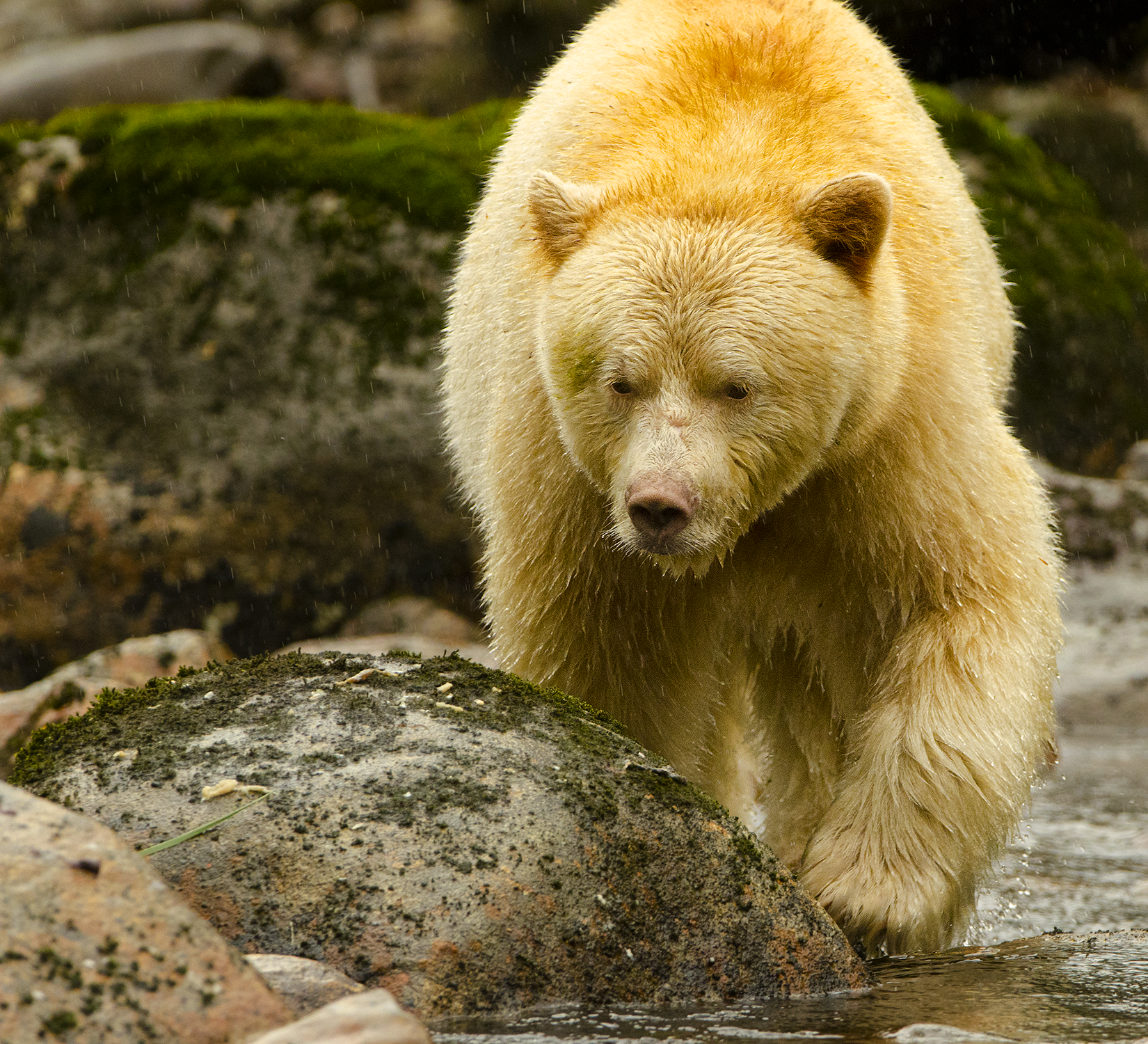
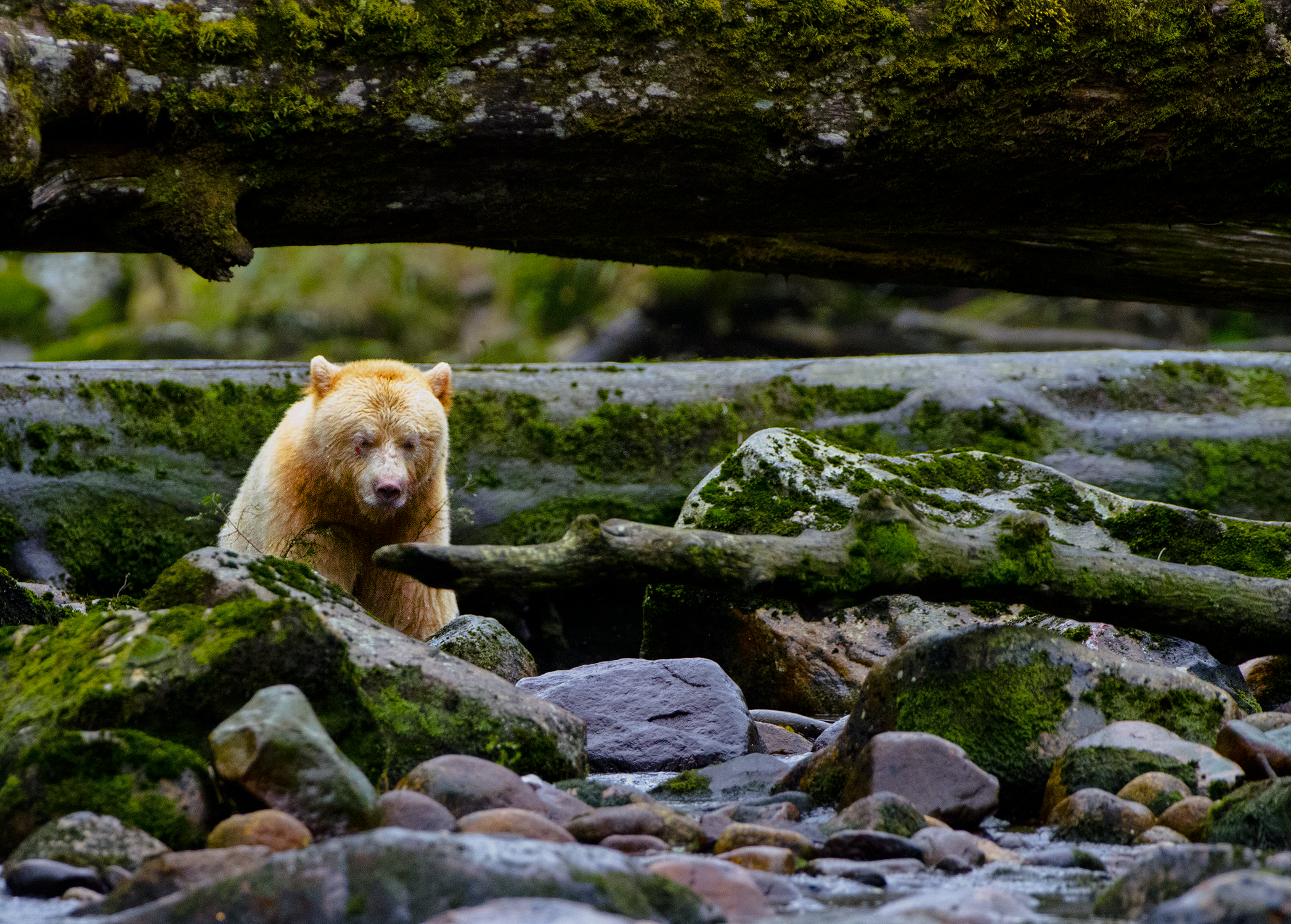
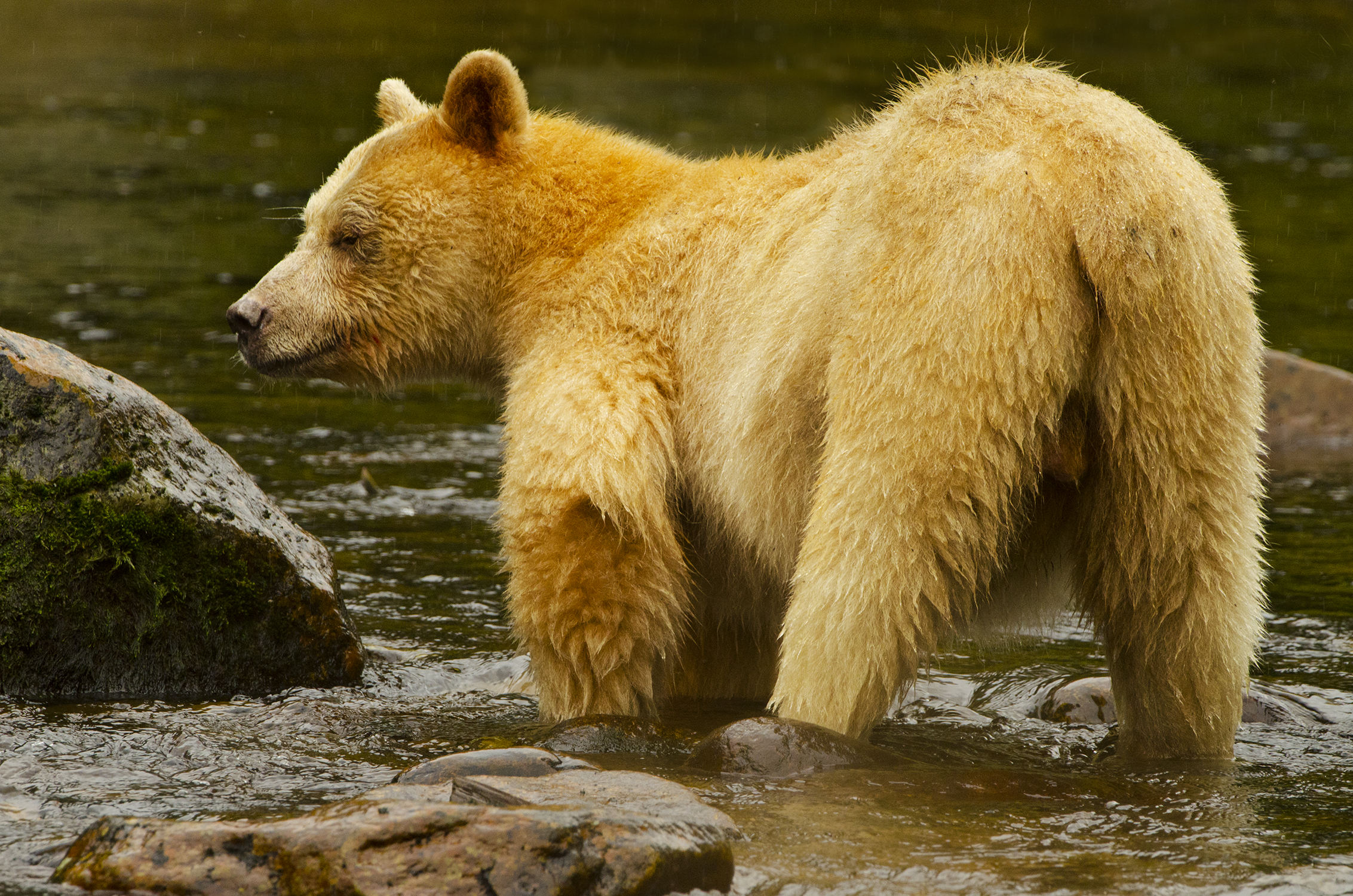
Just as National Geographic's cover story on the Spirit Bear appeared on news stands, I was heading west to start exploring the Great Bear Rainforest. The highlight was three rainy days on Princess Royal Island with the Spirit Bear (Ursus americanus kermodei), as well as the more common colour phase of the Black Bear (Ursus americanus). The gene for fur colour is either black or blonde (not albino). Only when the gene from both parents is blonde, will the cub have blonde fur. If the cub has 2 black fur genes, or 1 black and 1 blonde fur gene, it will always have black fur. As a result, only 1 in 4 black bears, on average, in the Great Bear Rainforest, will be a blonde colour. That is why the Spirit Bear is so rare.
Haida Gwaii
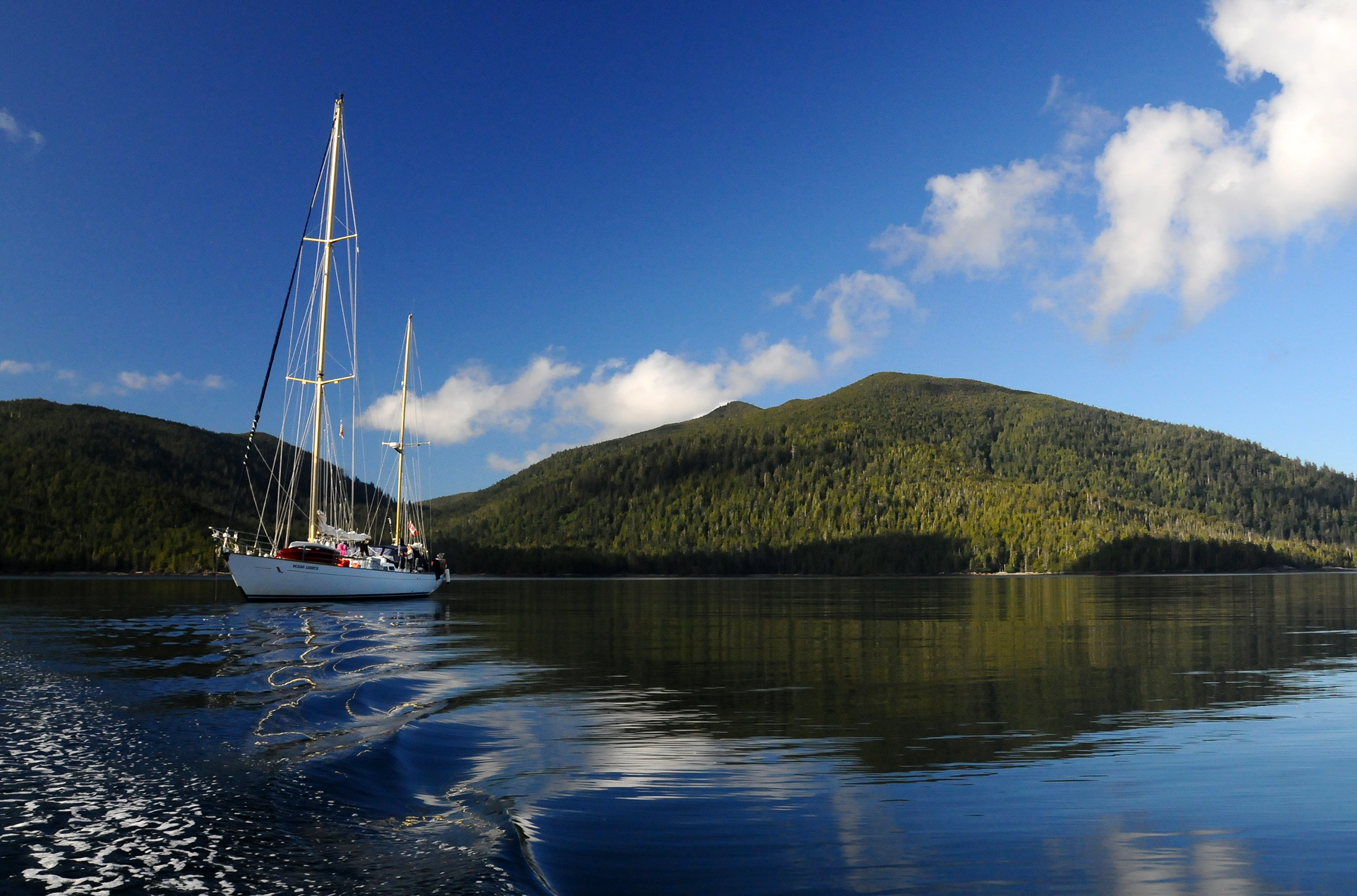
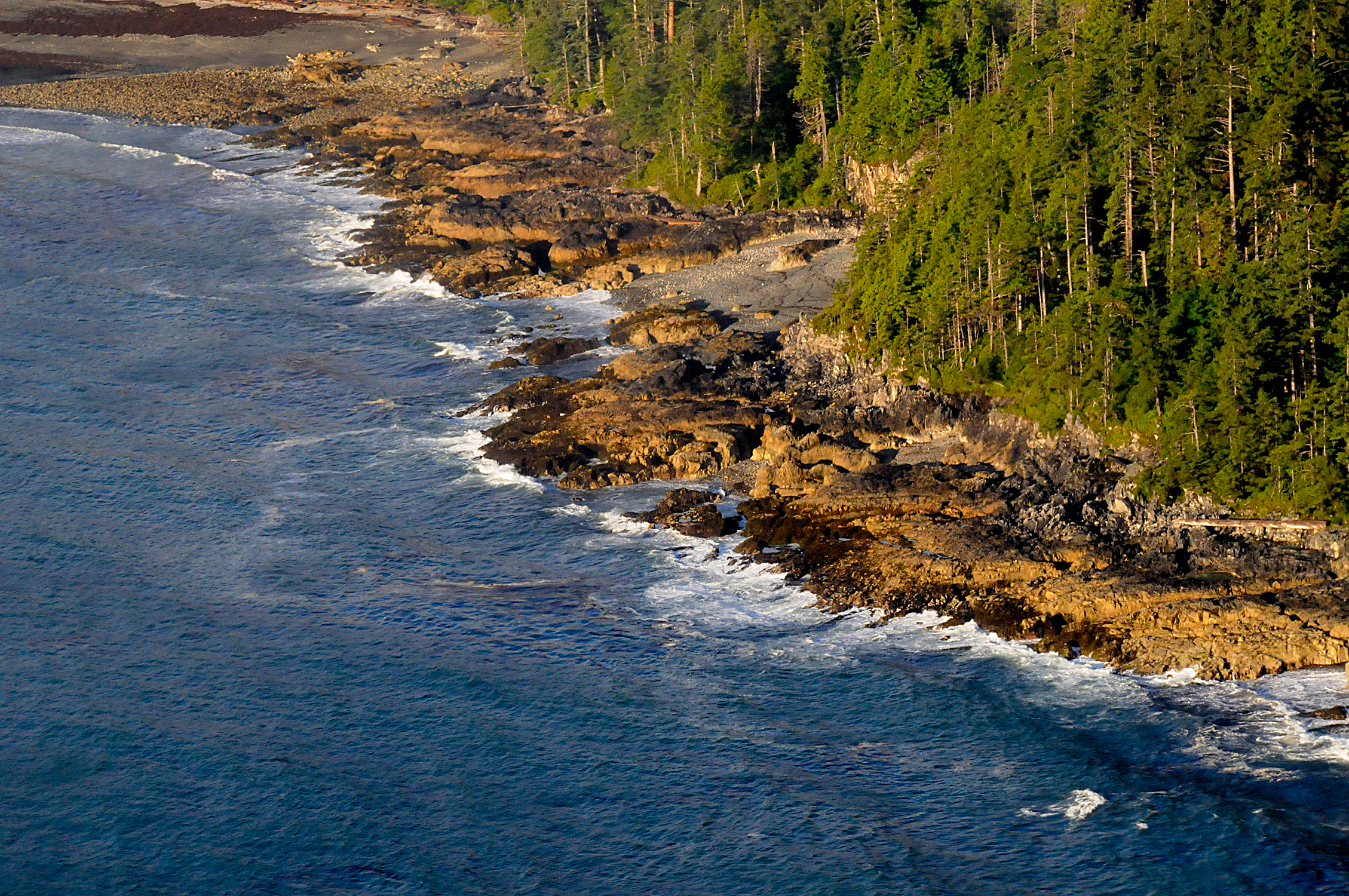
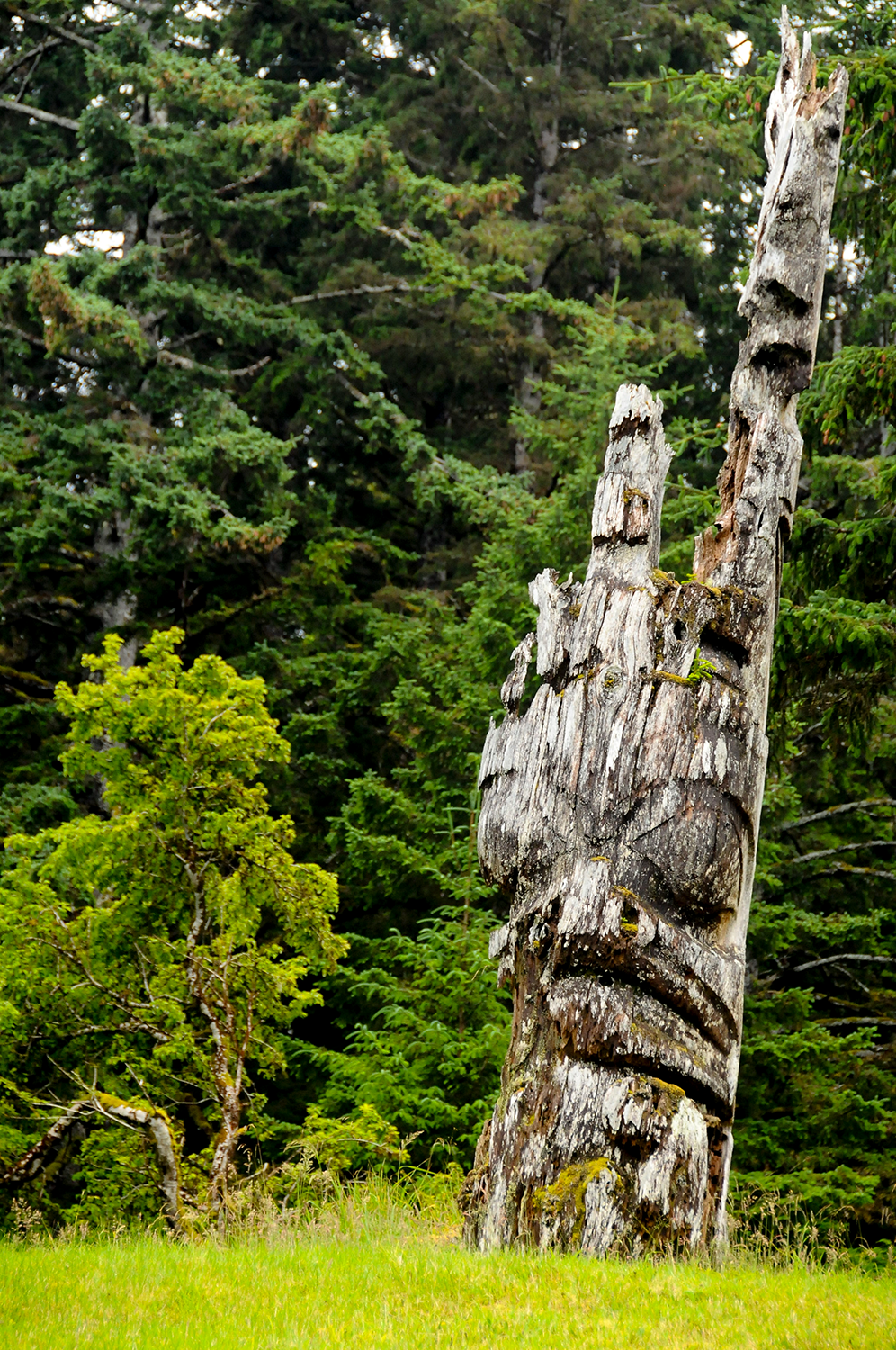
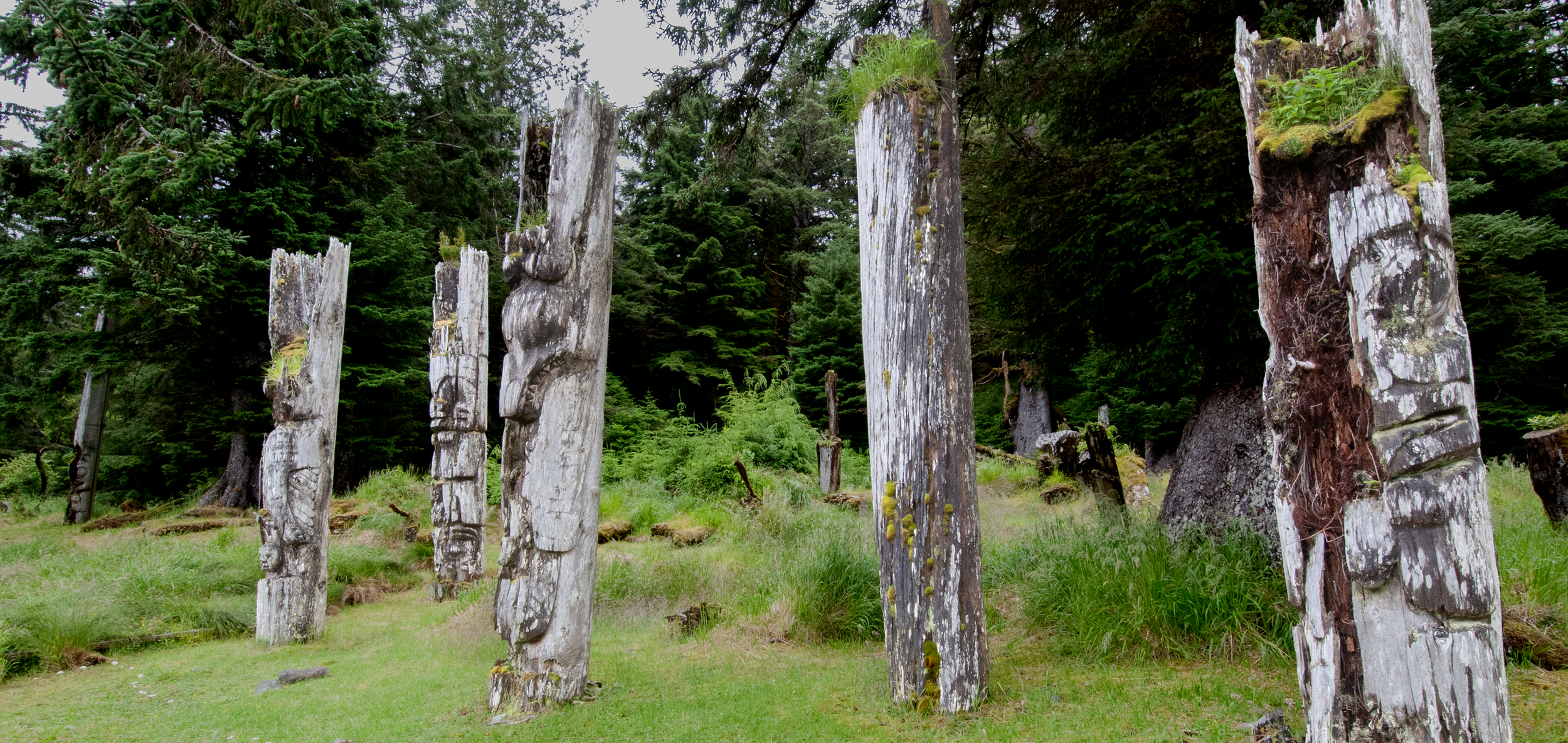
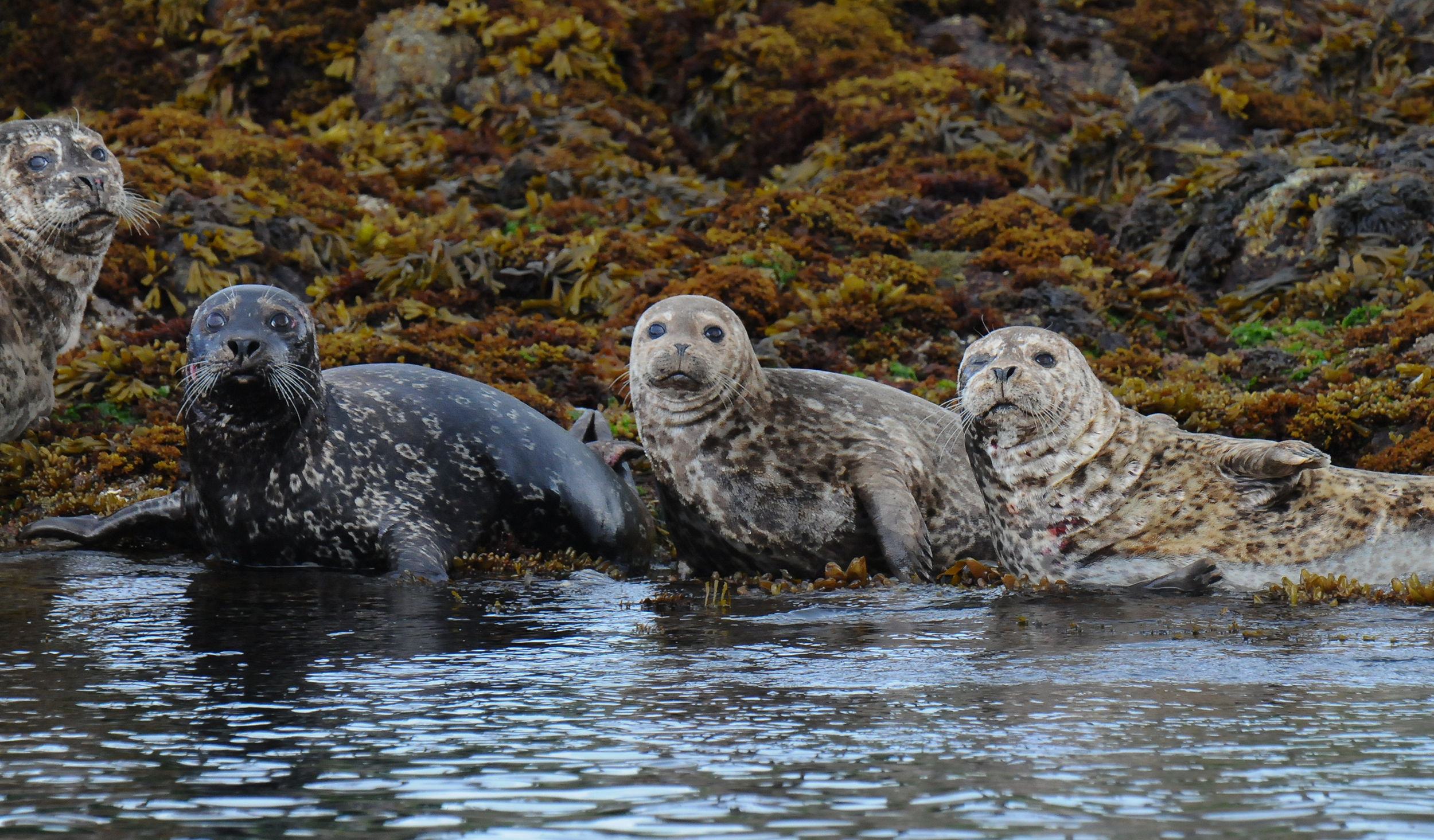
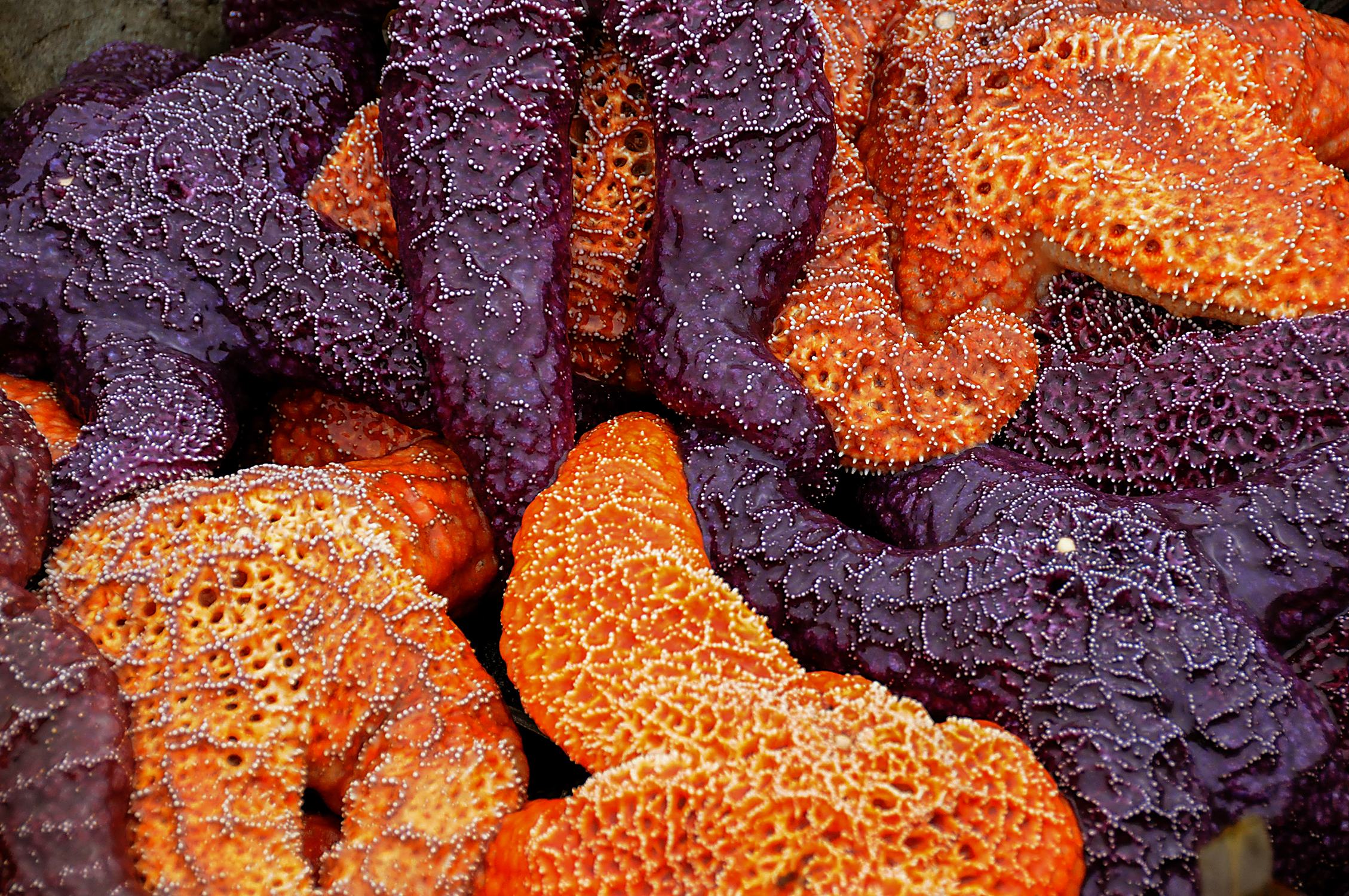
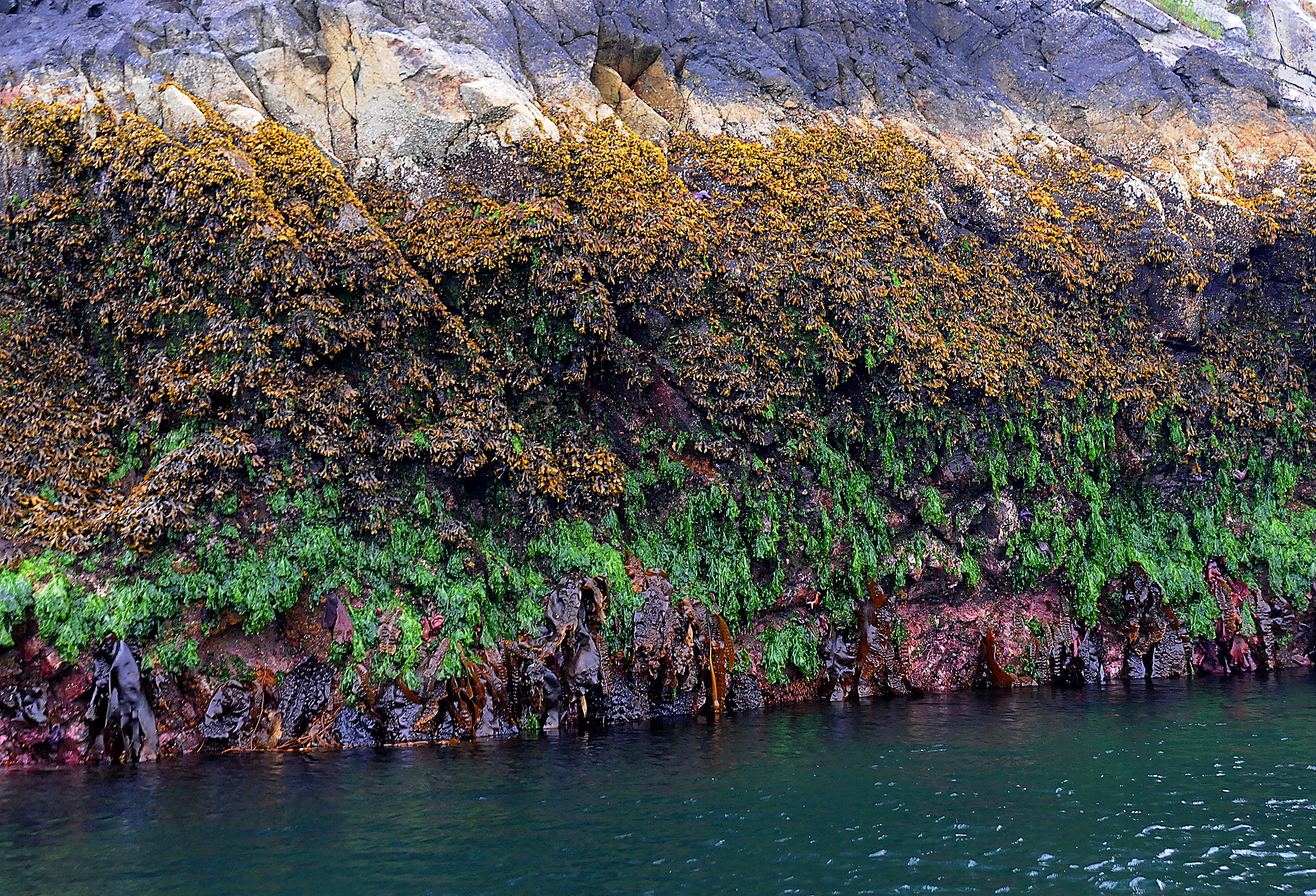
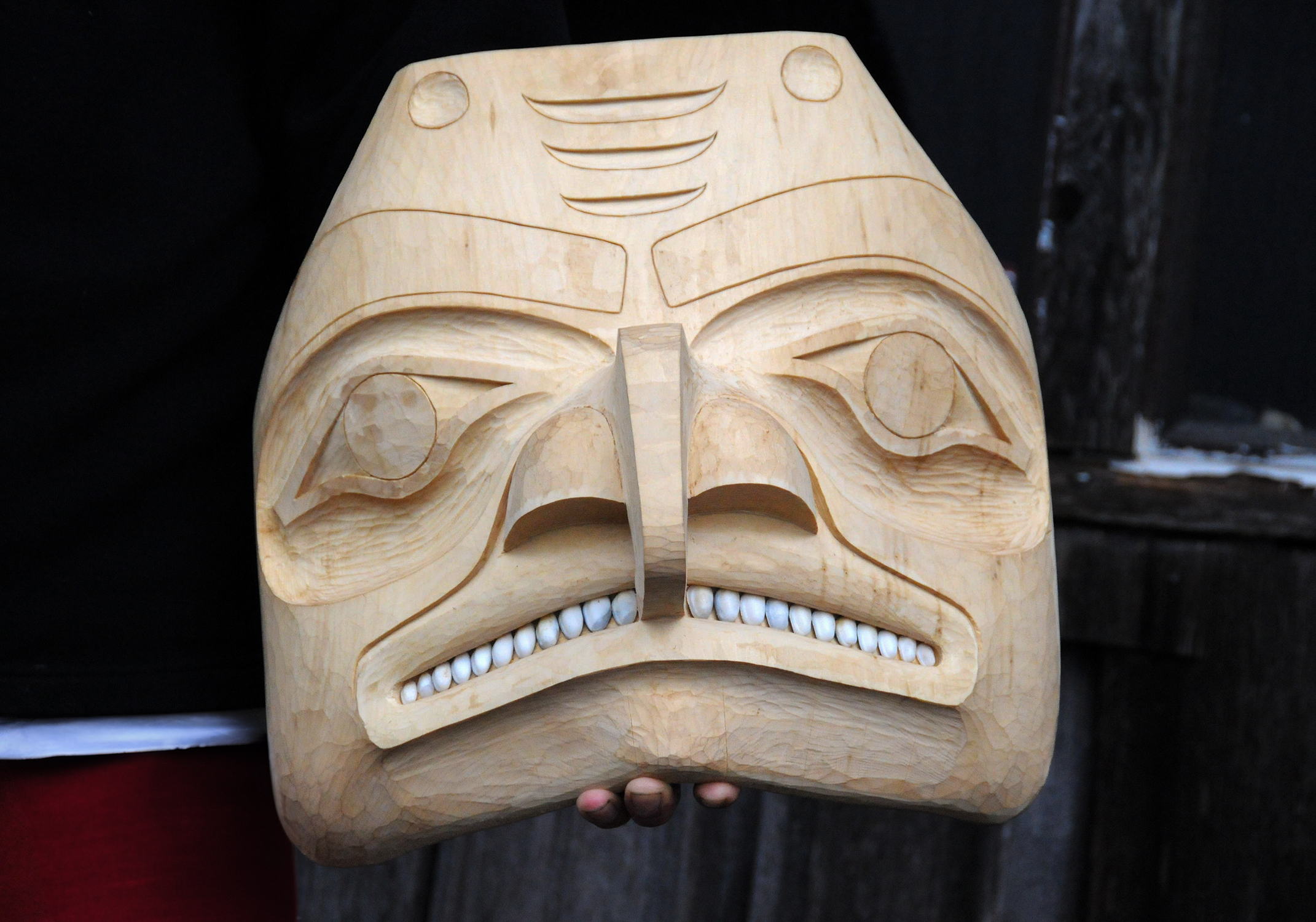
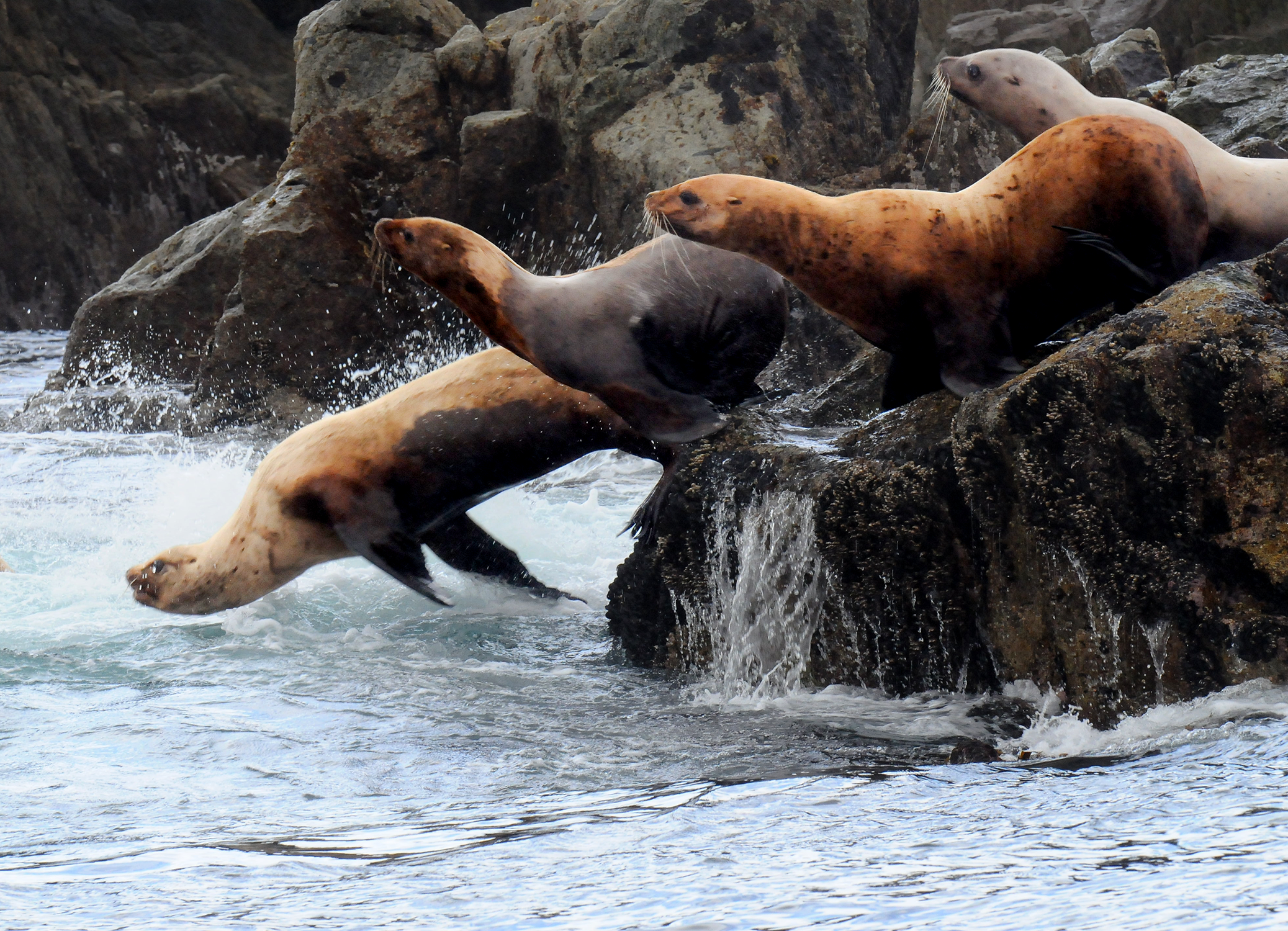
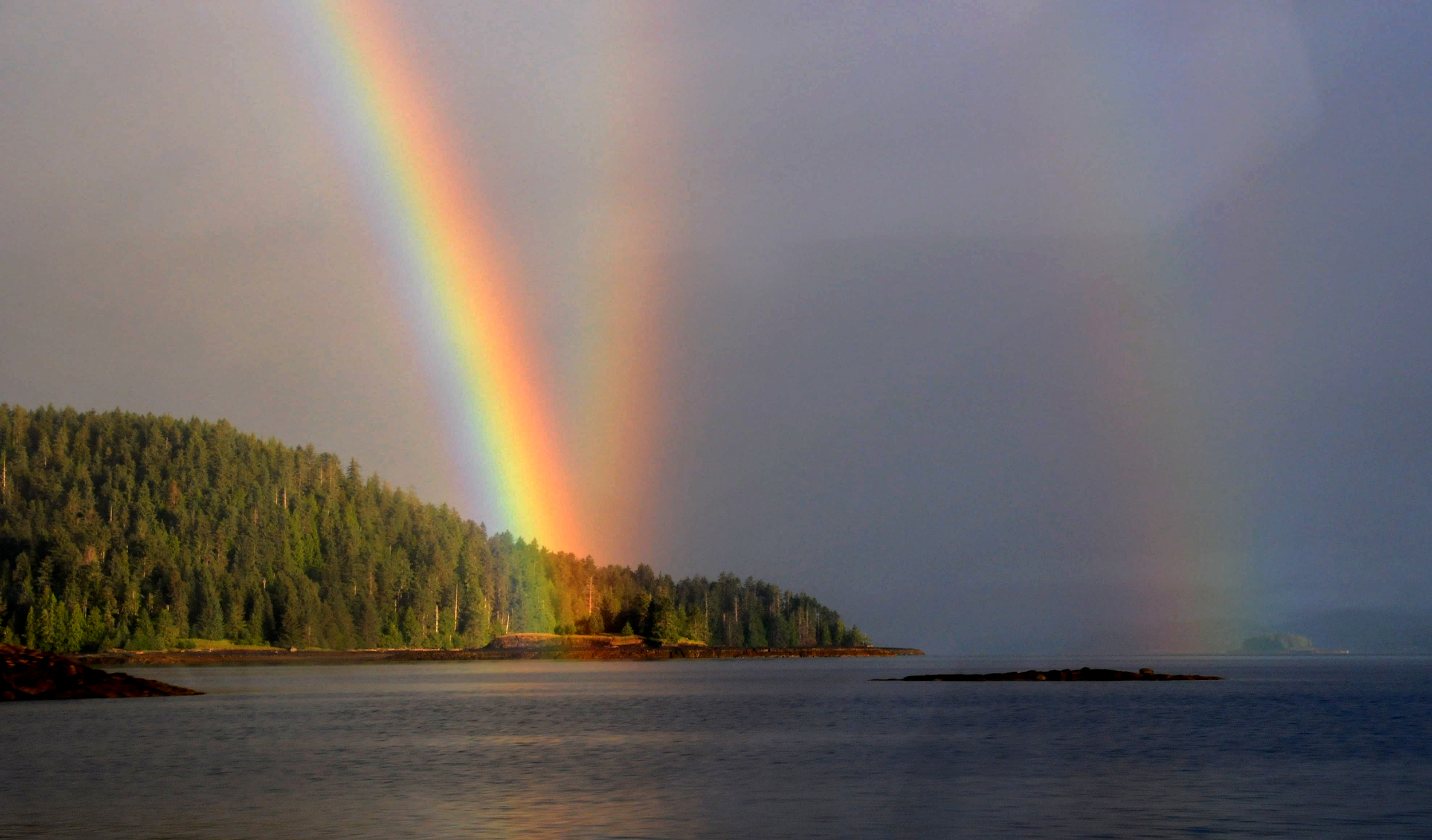
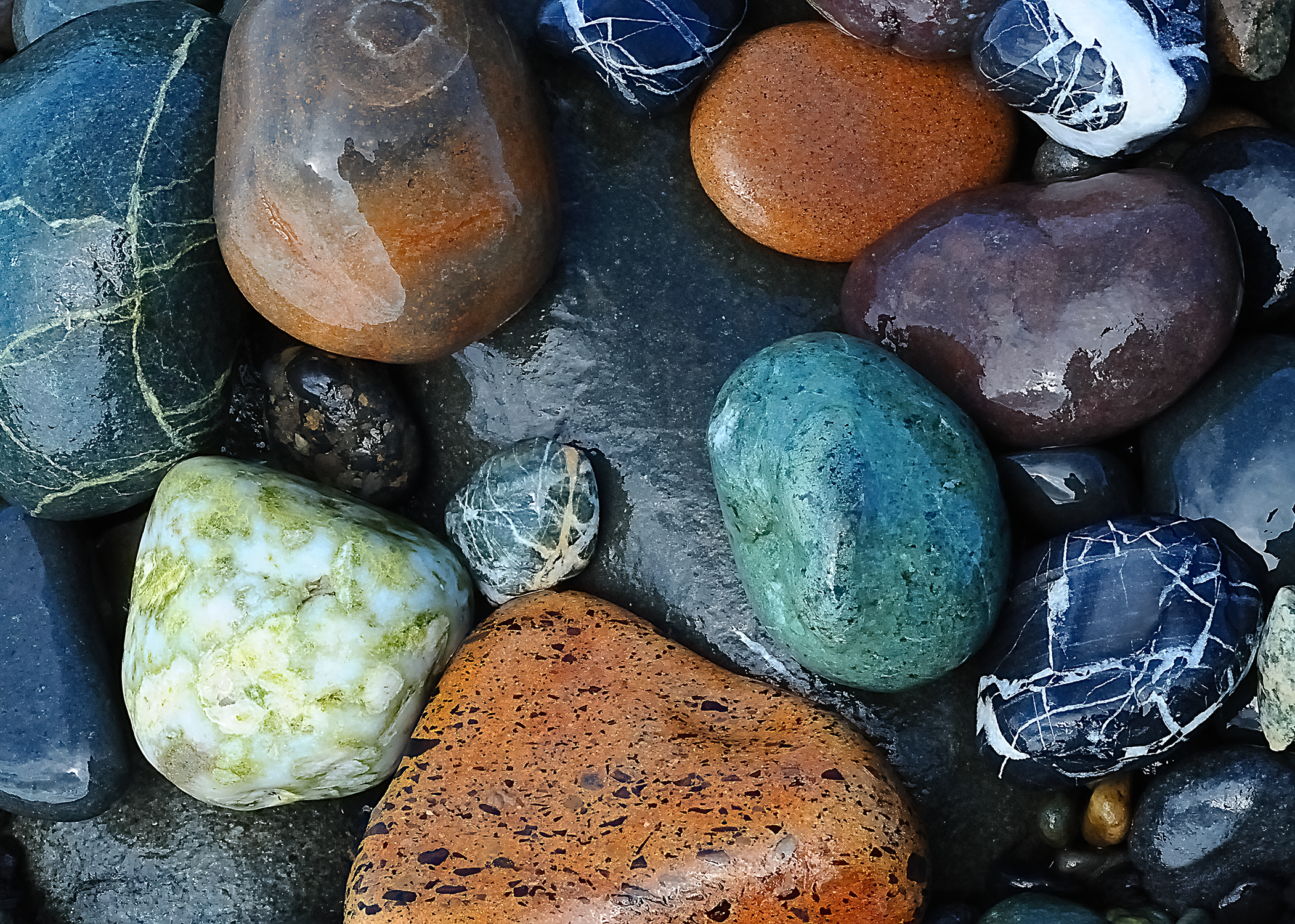
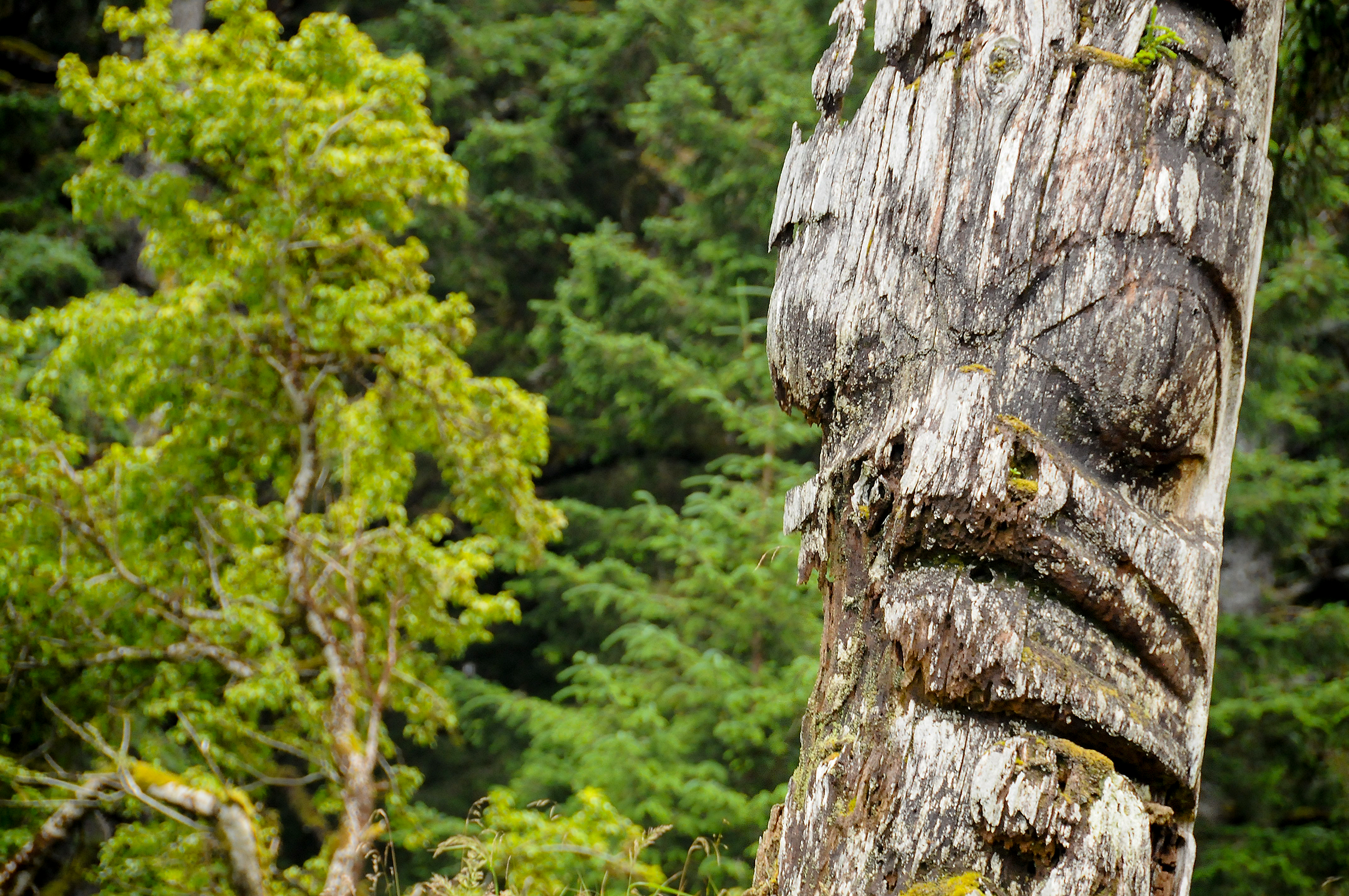
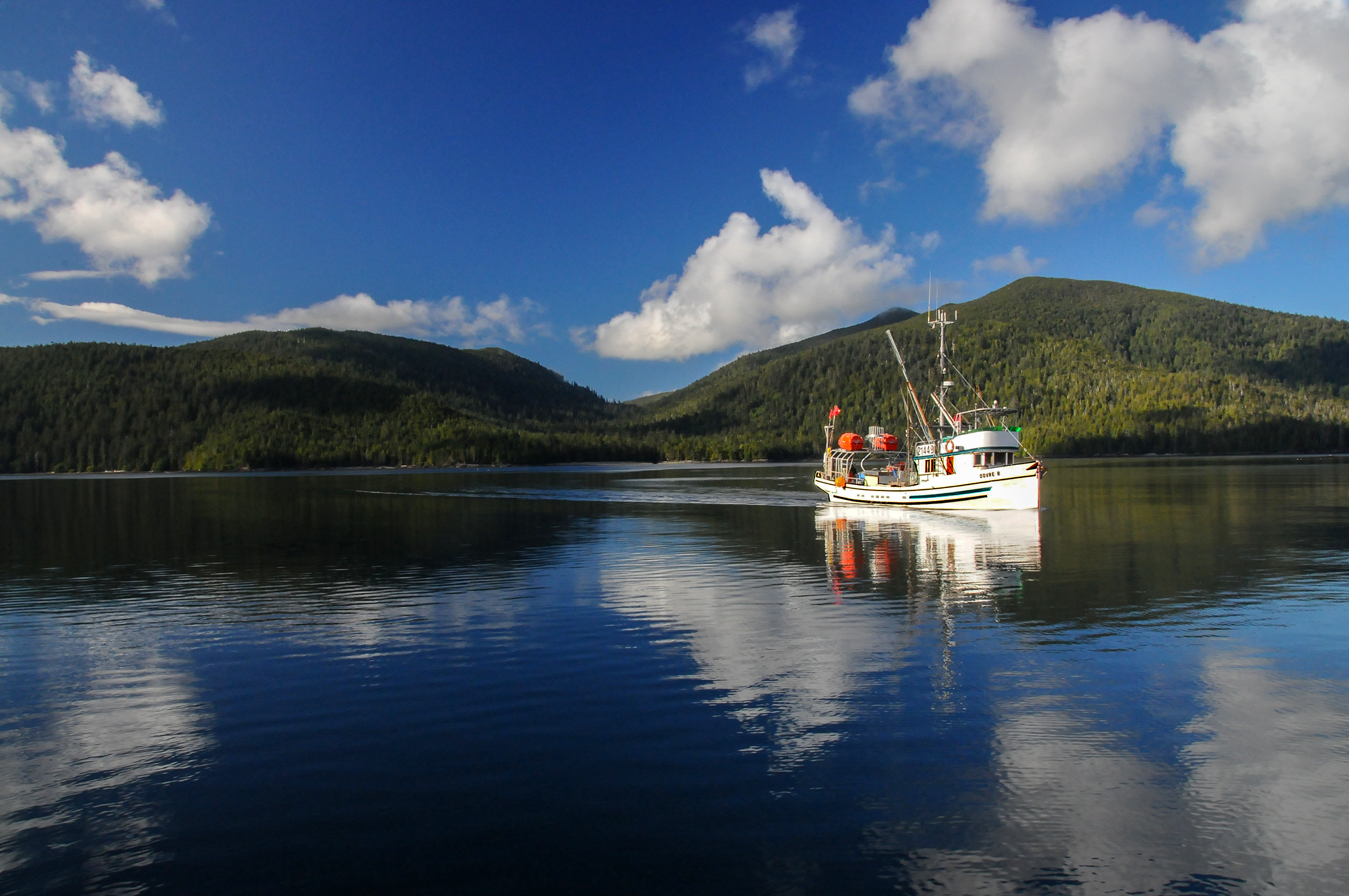
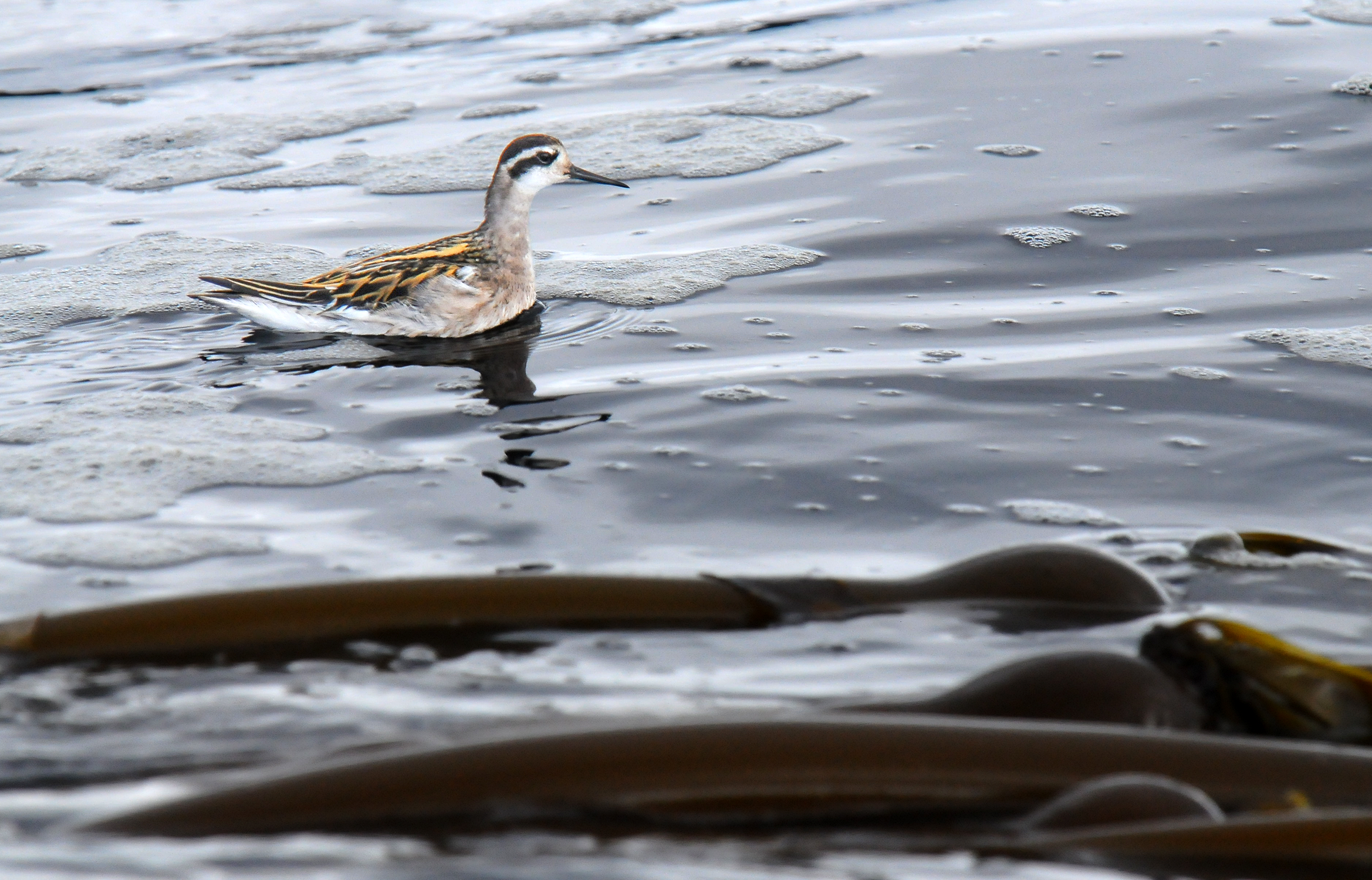
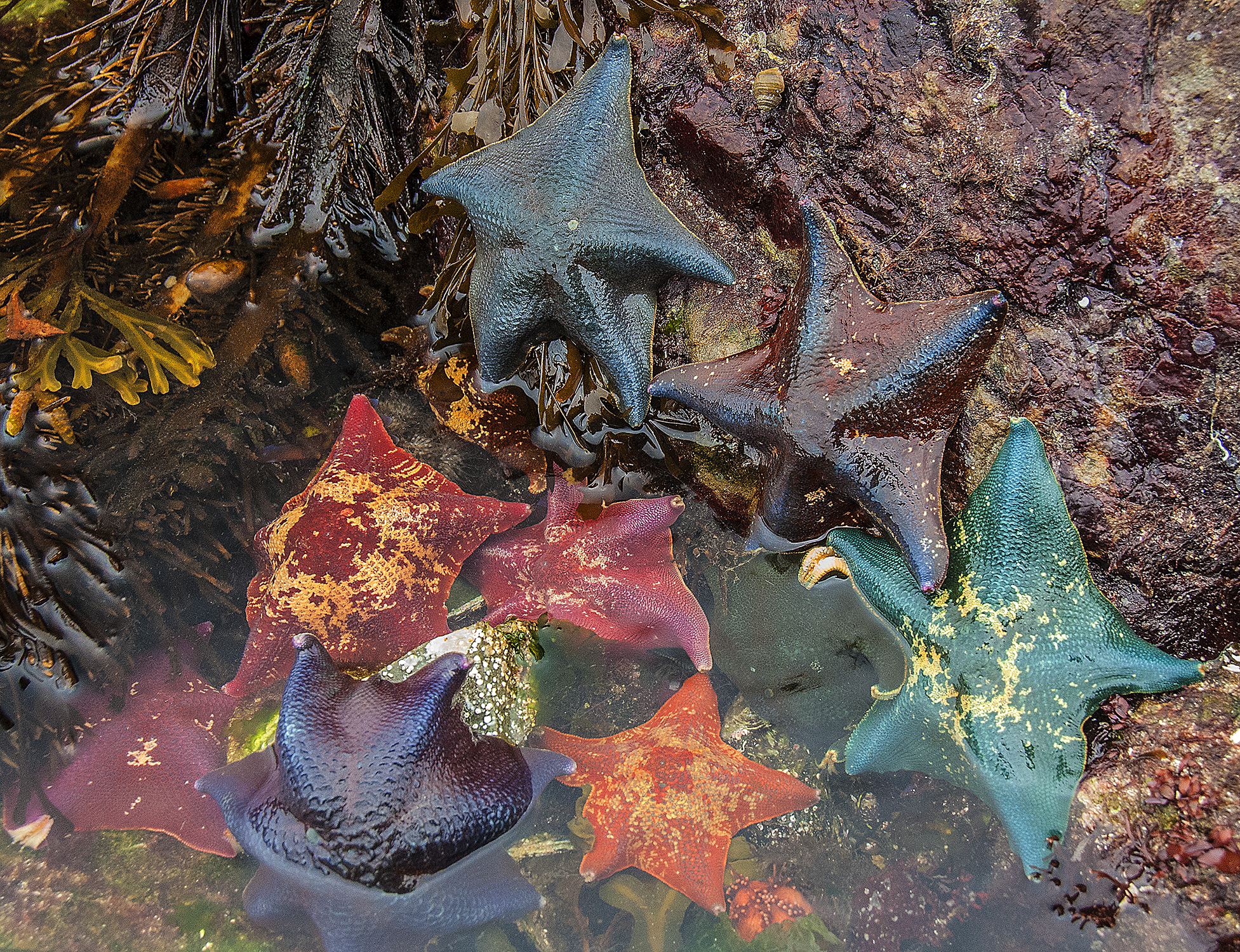
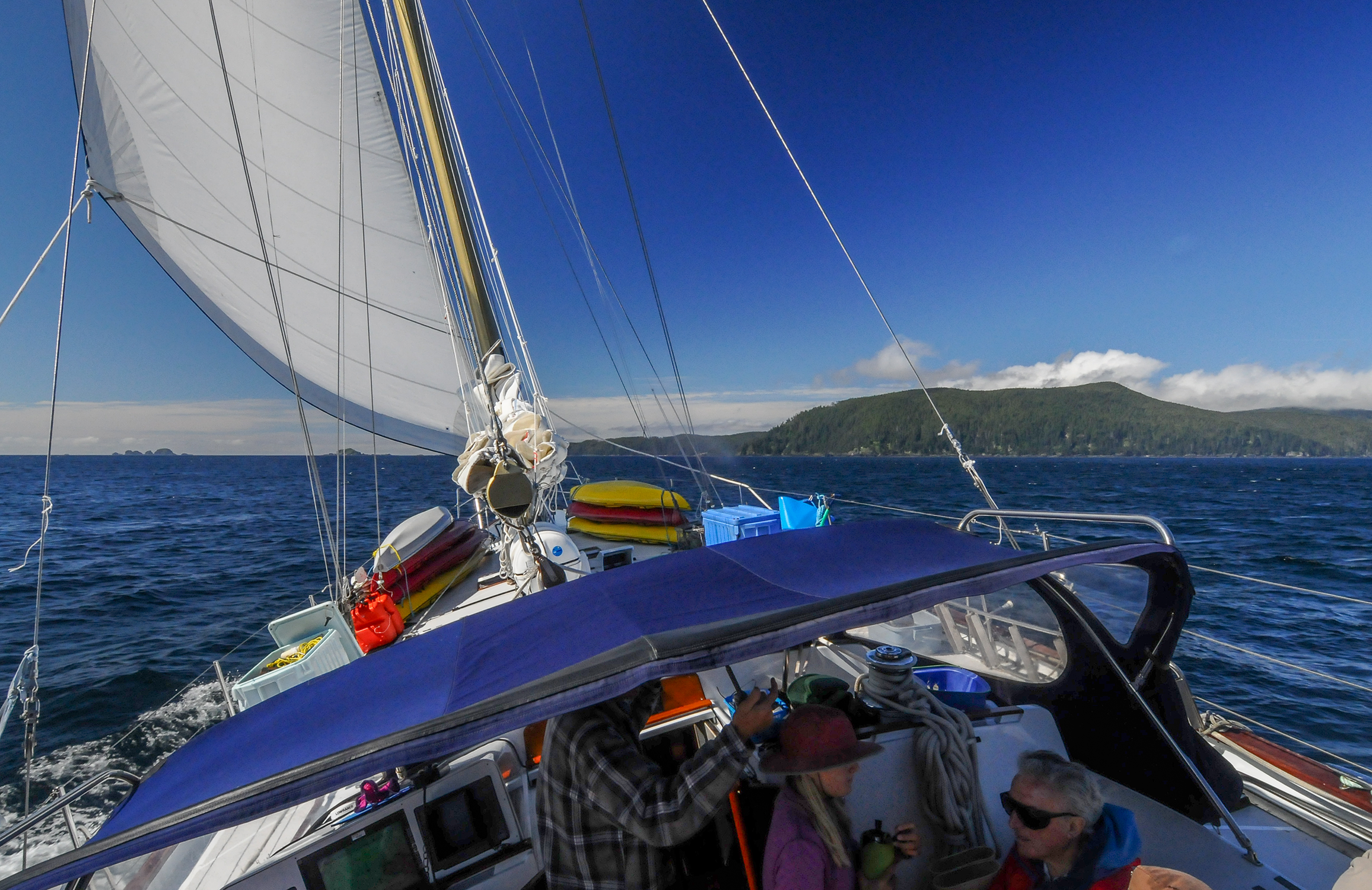
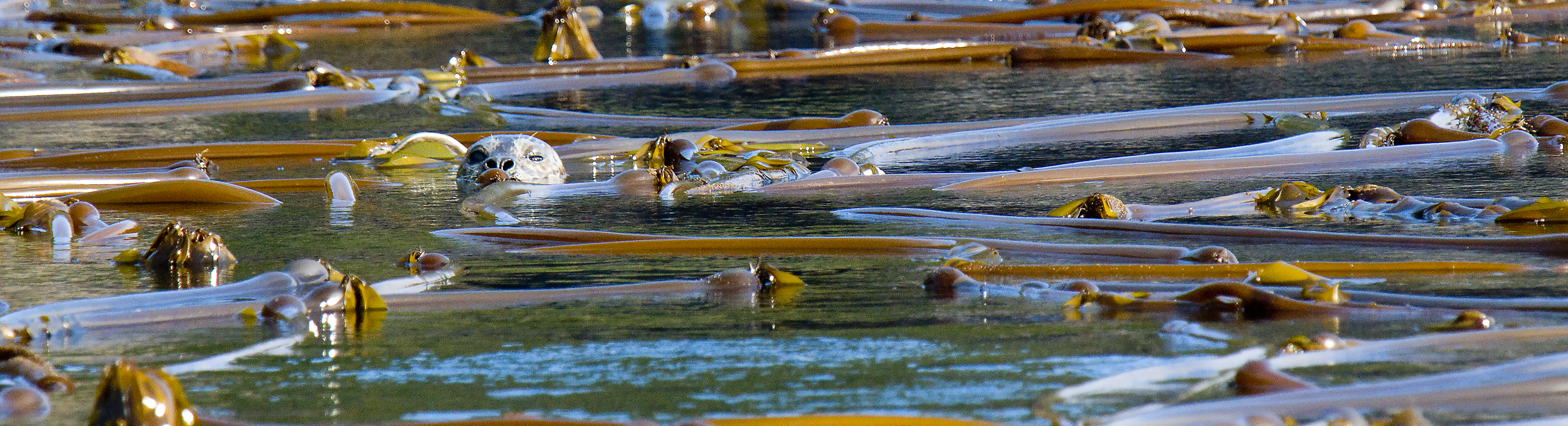
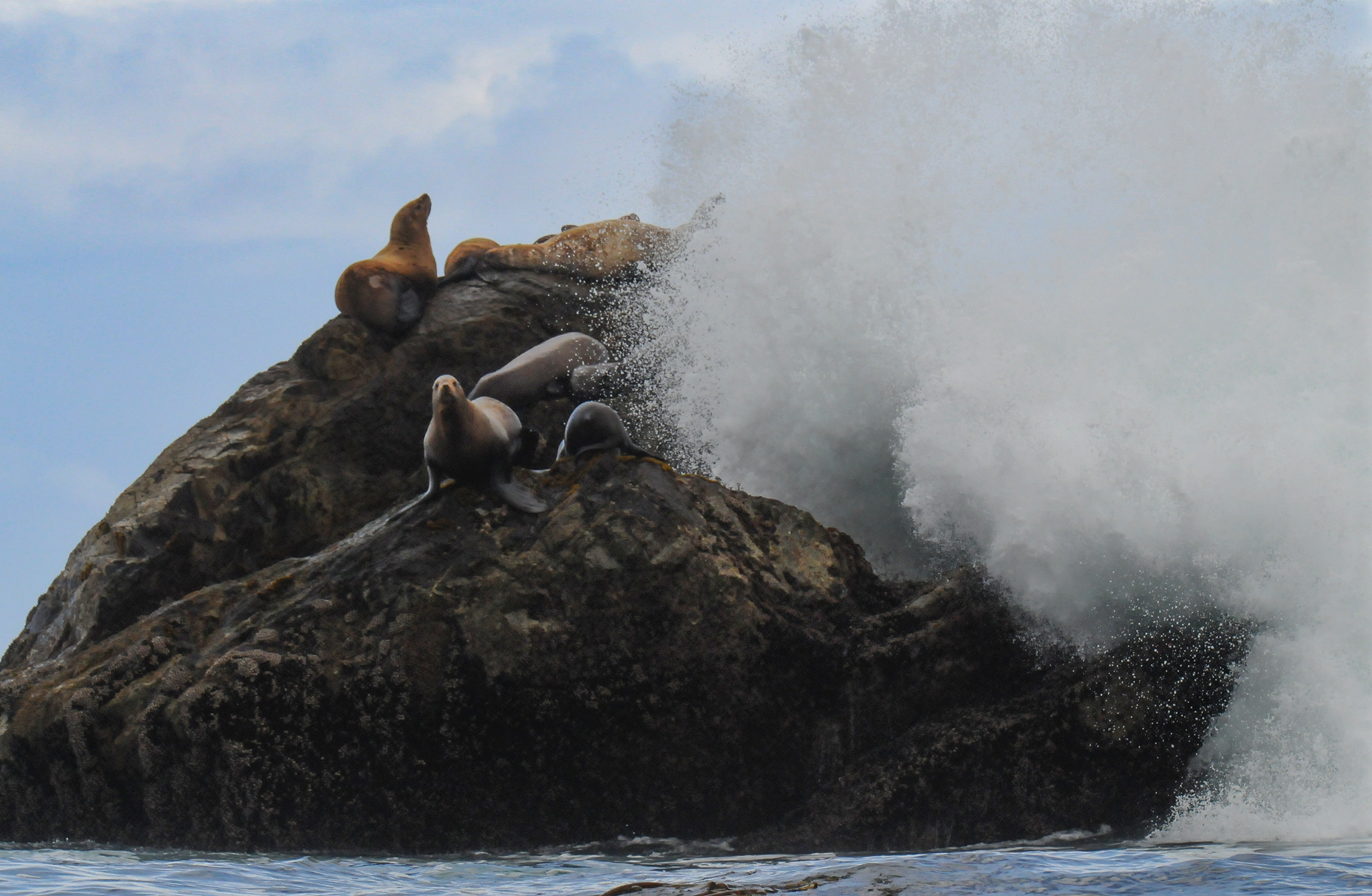
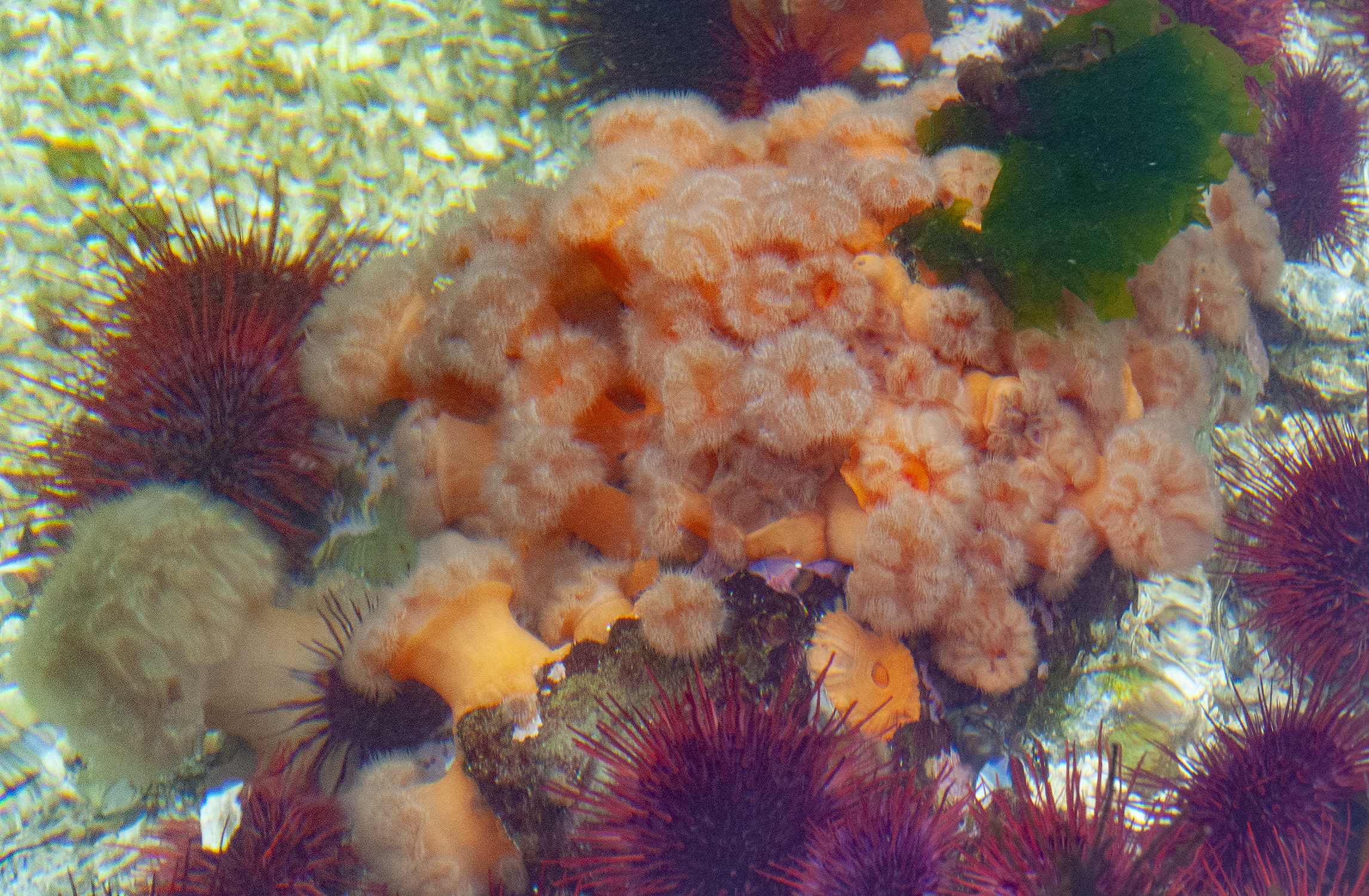
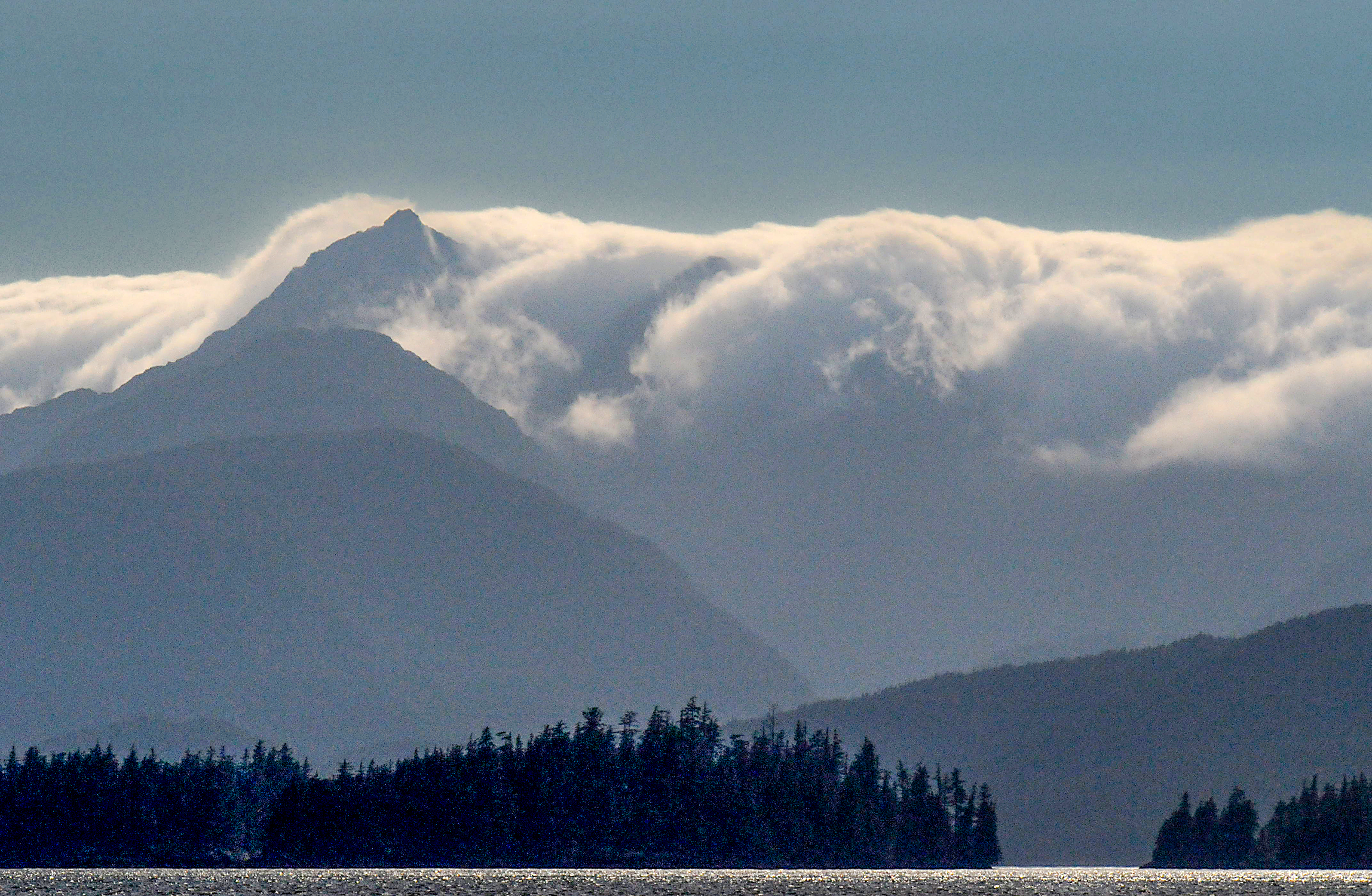
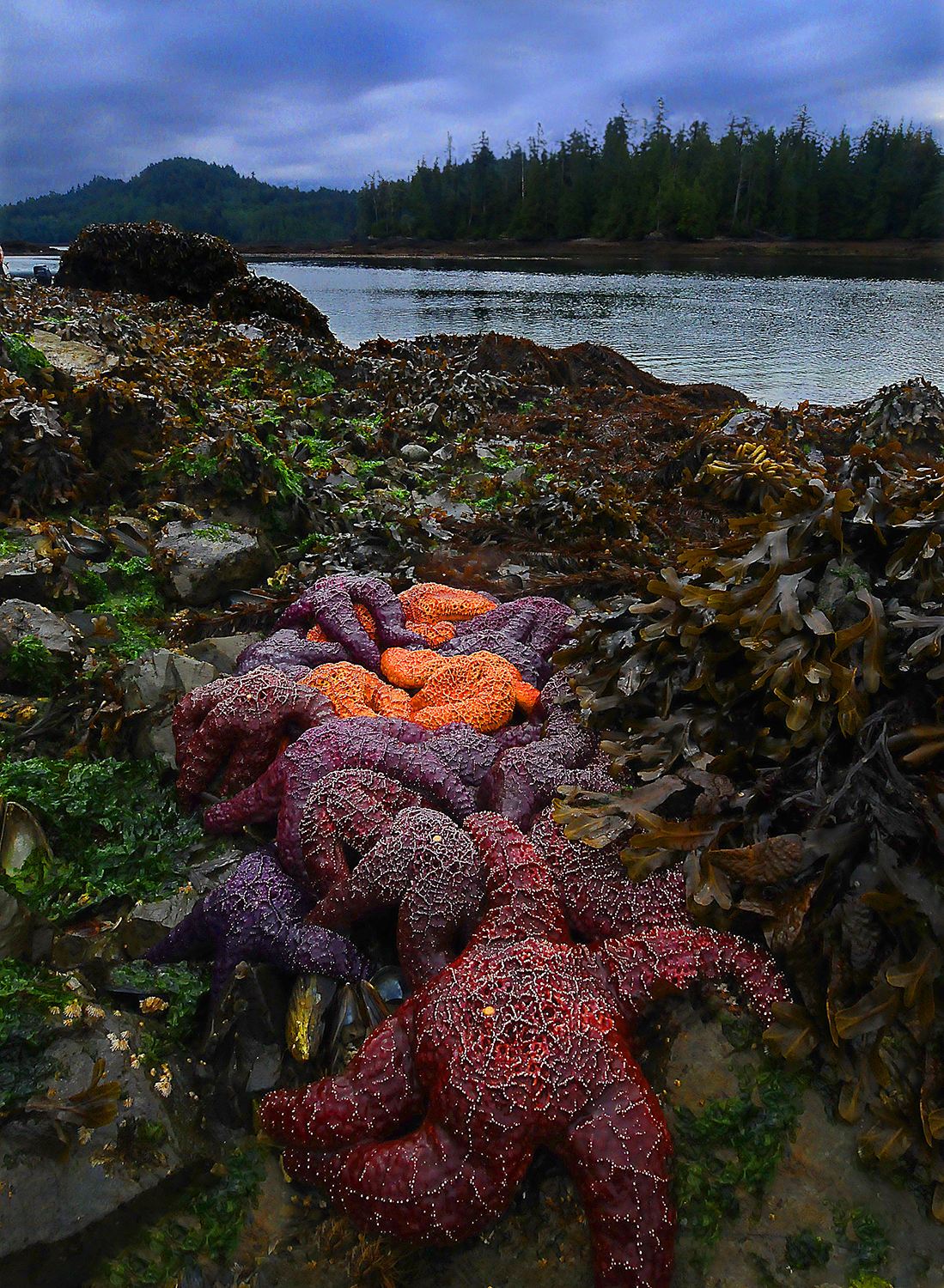
Formerly called the Queen Charlotte Islands, this archipelago of islands, located 75 miles off the northern BC coast. has to be seen in order to be fully appreciated. The rich, colourful history, culture and artistry of the Haida First Nation, are almost equaled by the colourful beauty and diversity of the temperate rainforest and marine ecosystem wildlife.
Khutzeymateen Grizzly Bear Reserve
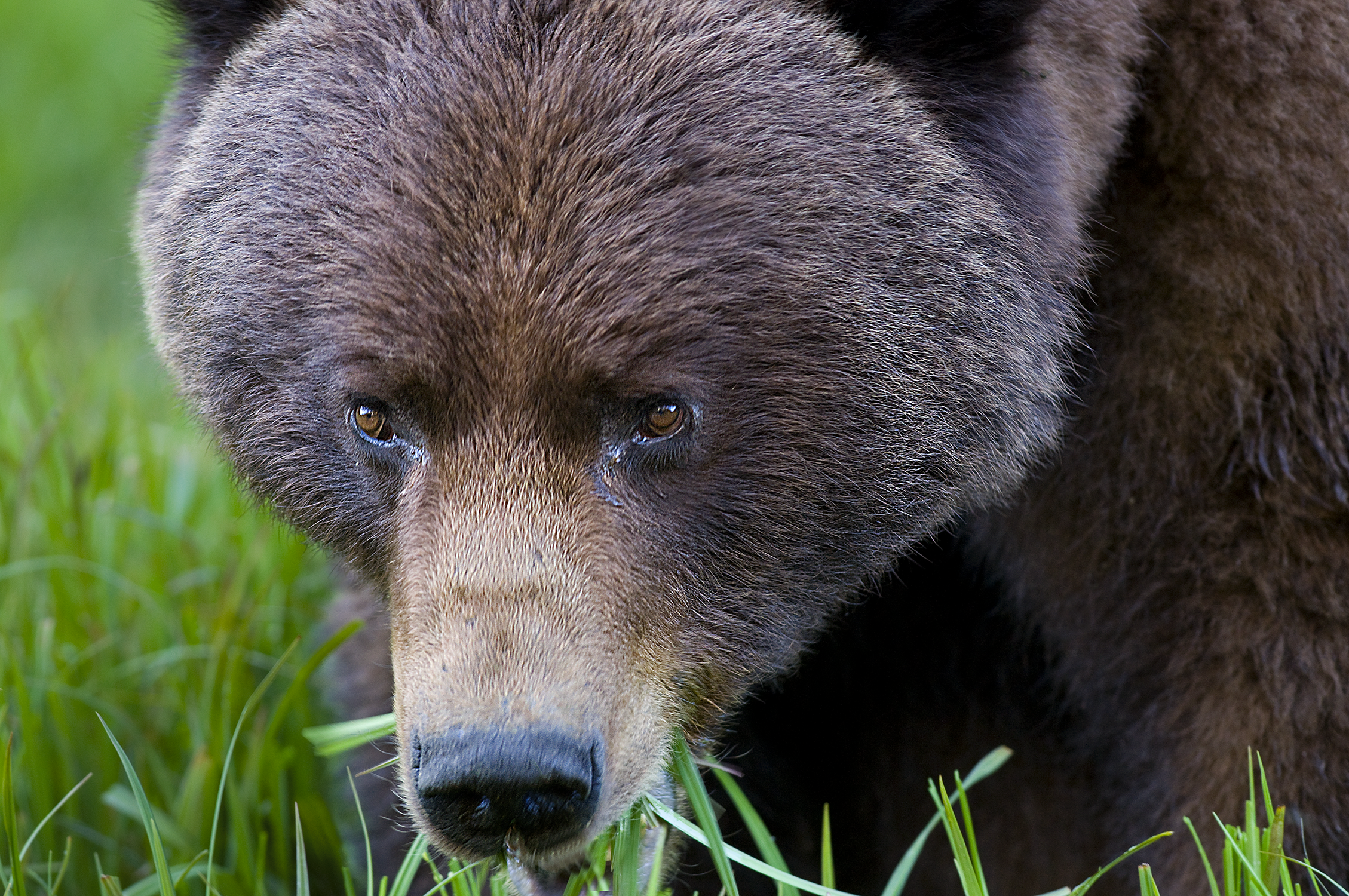
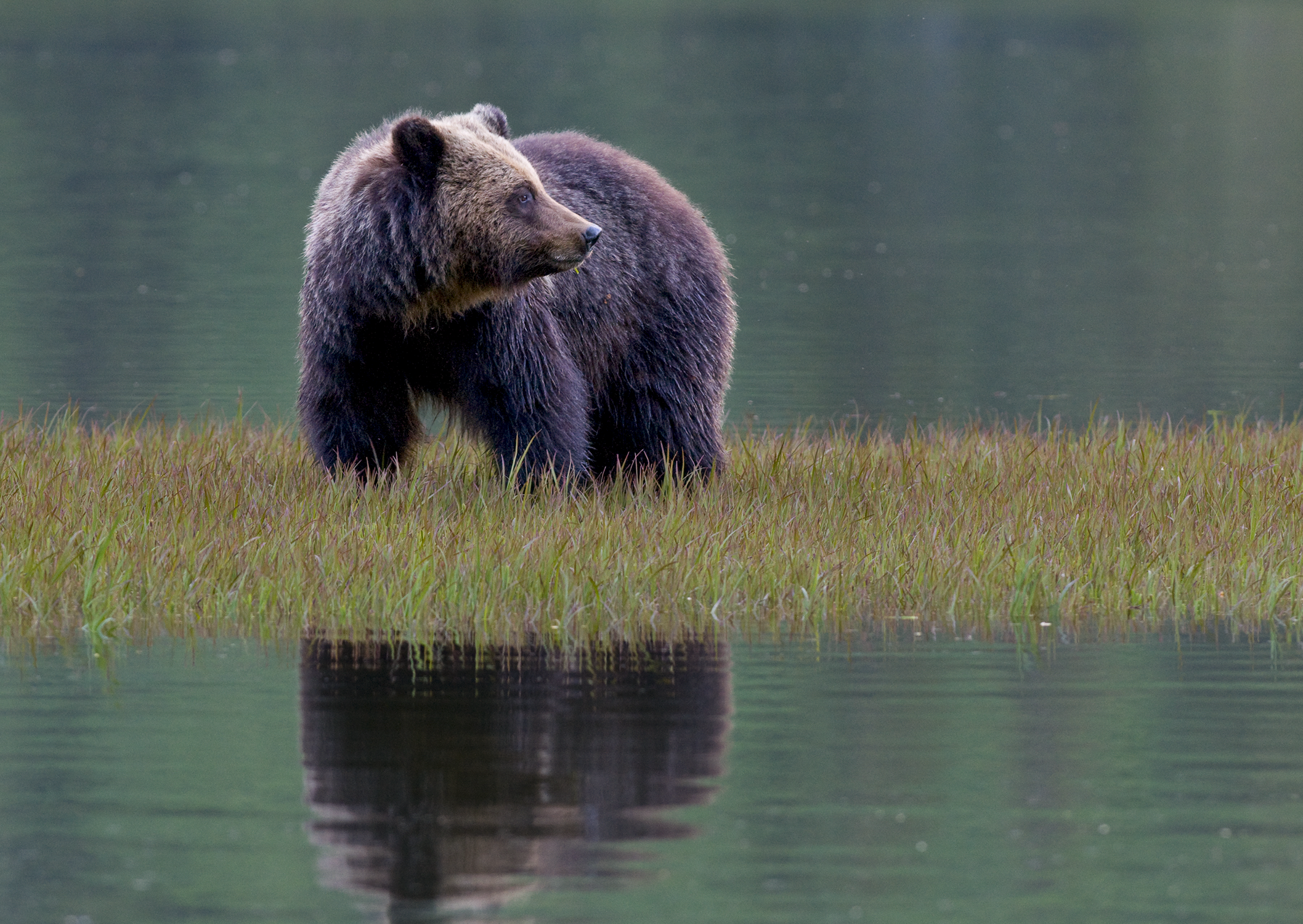
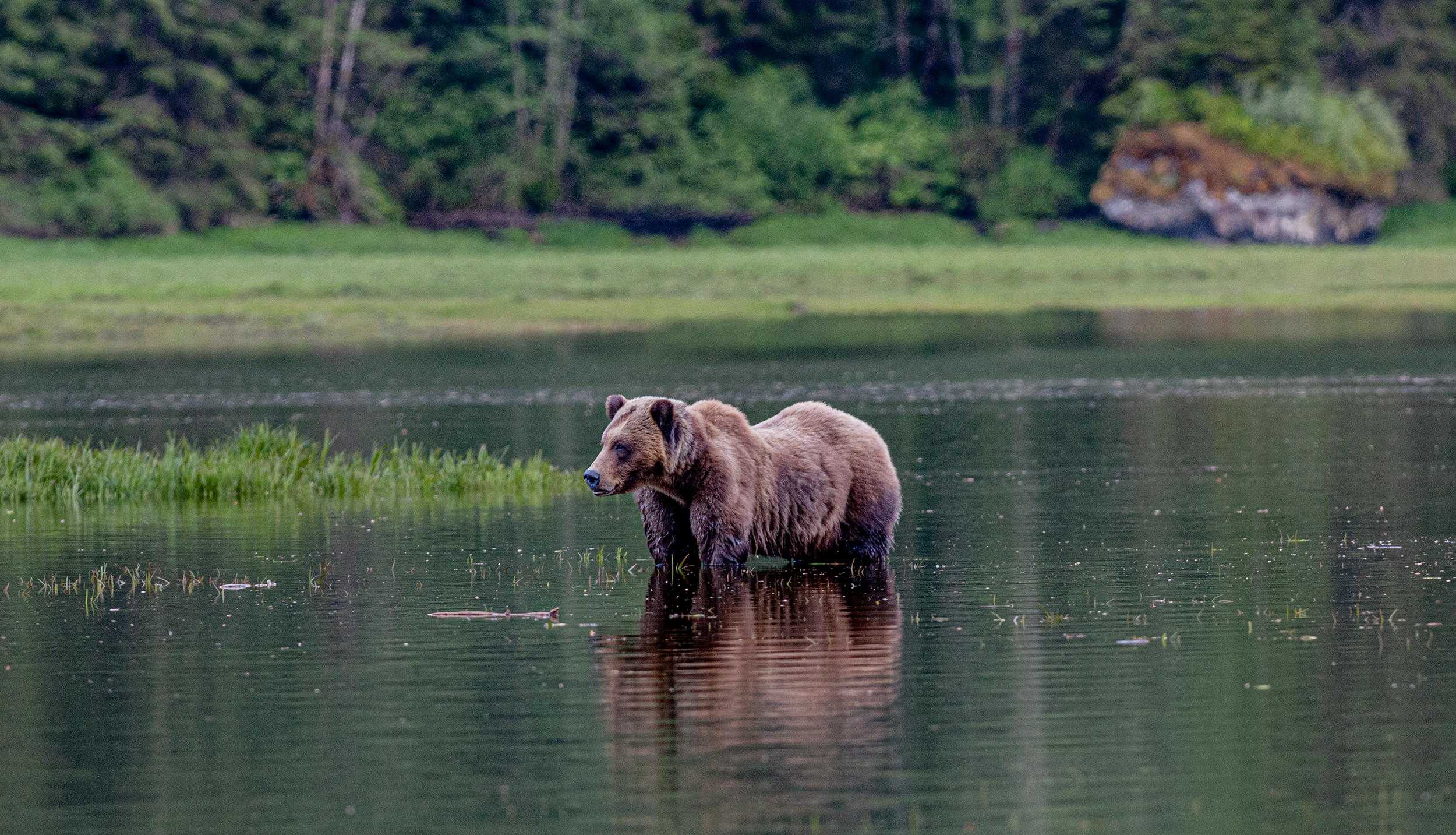
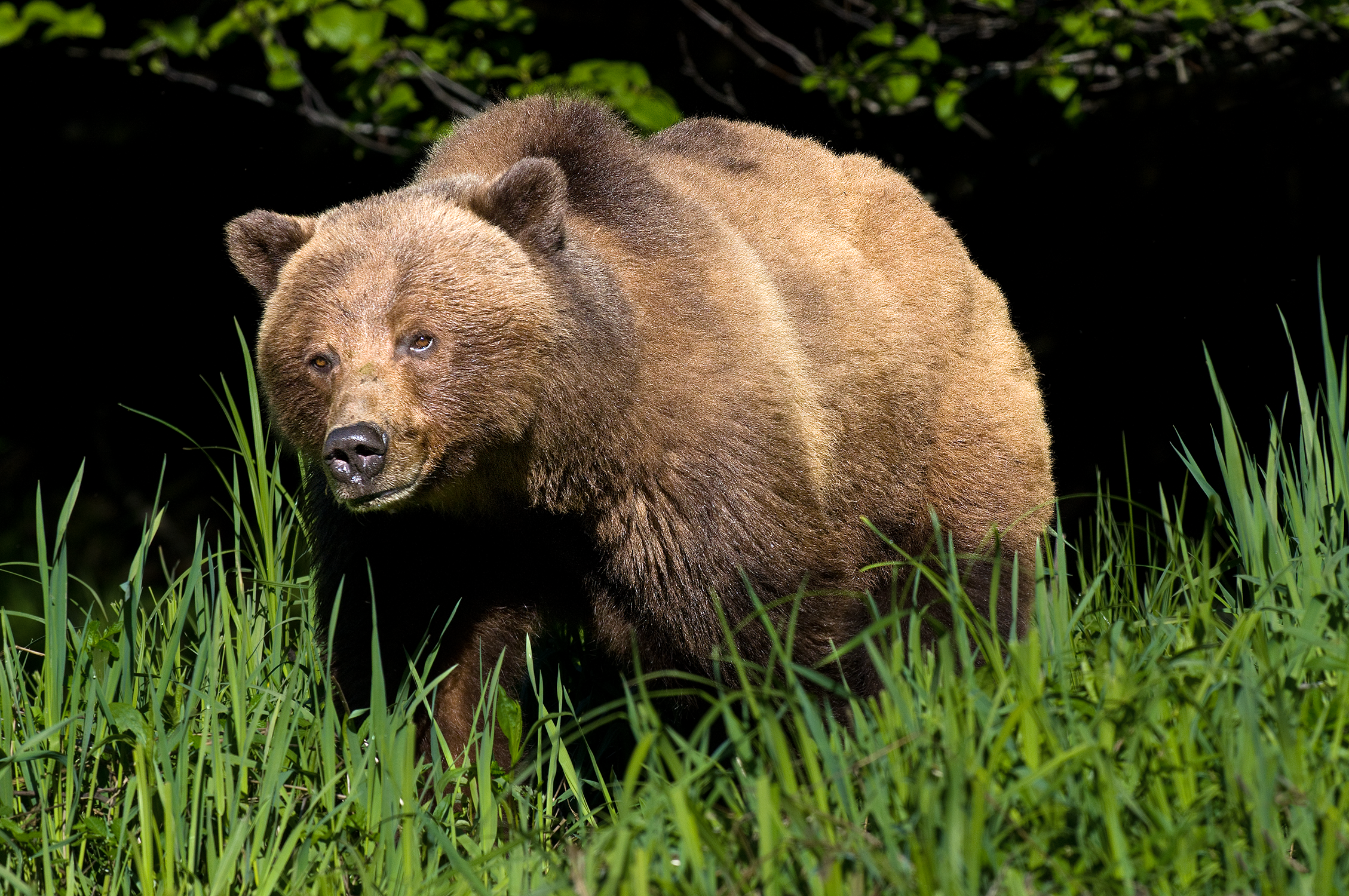
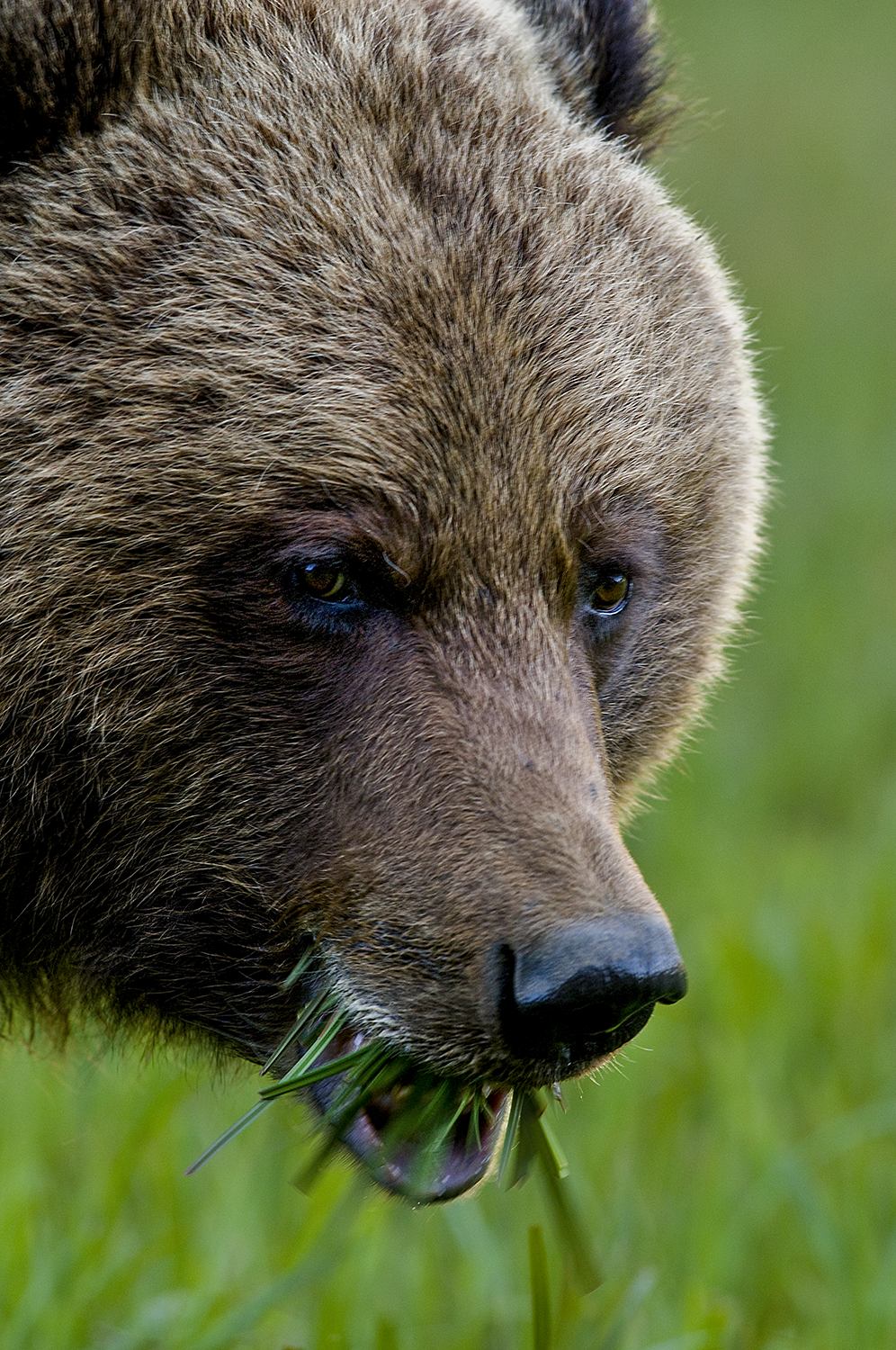
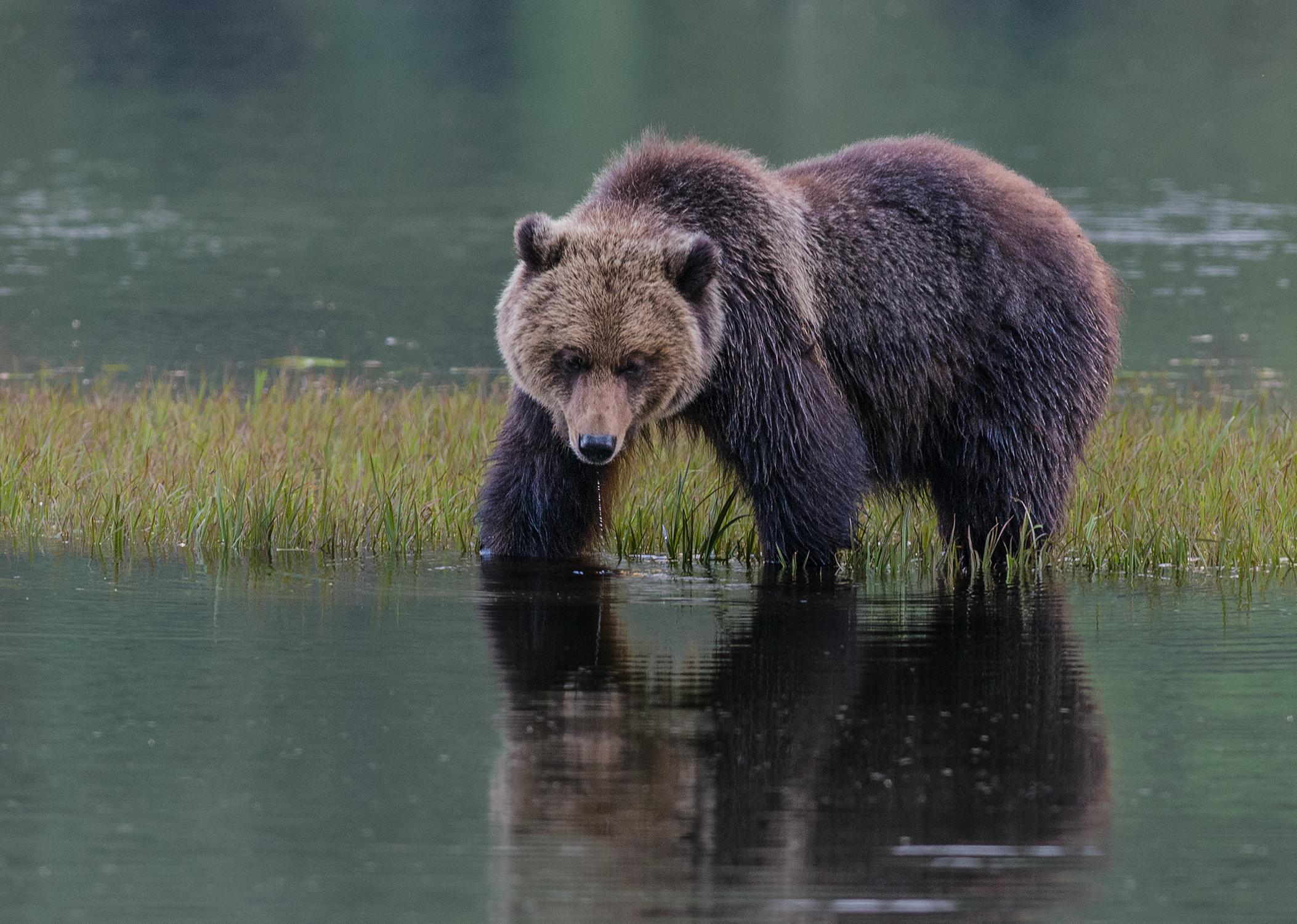
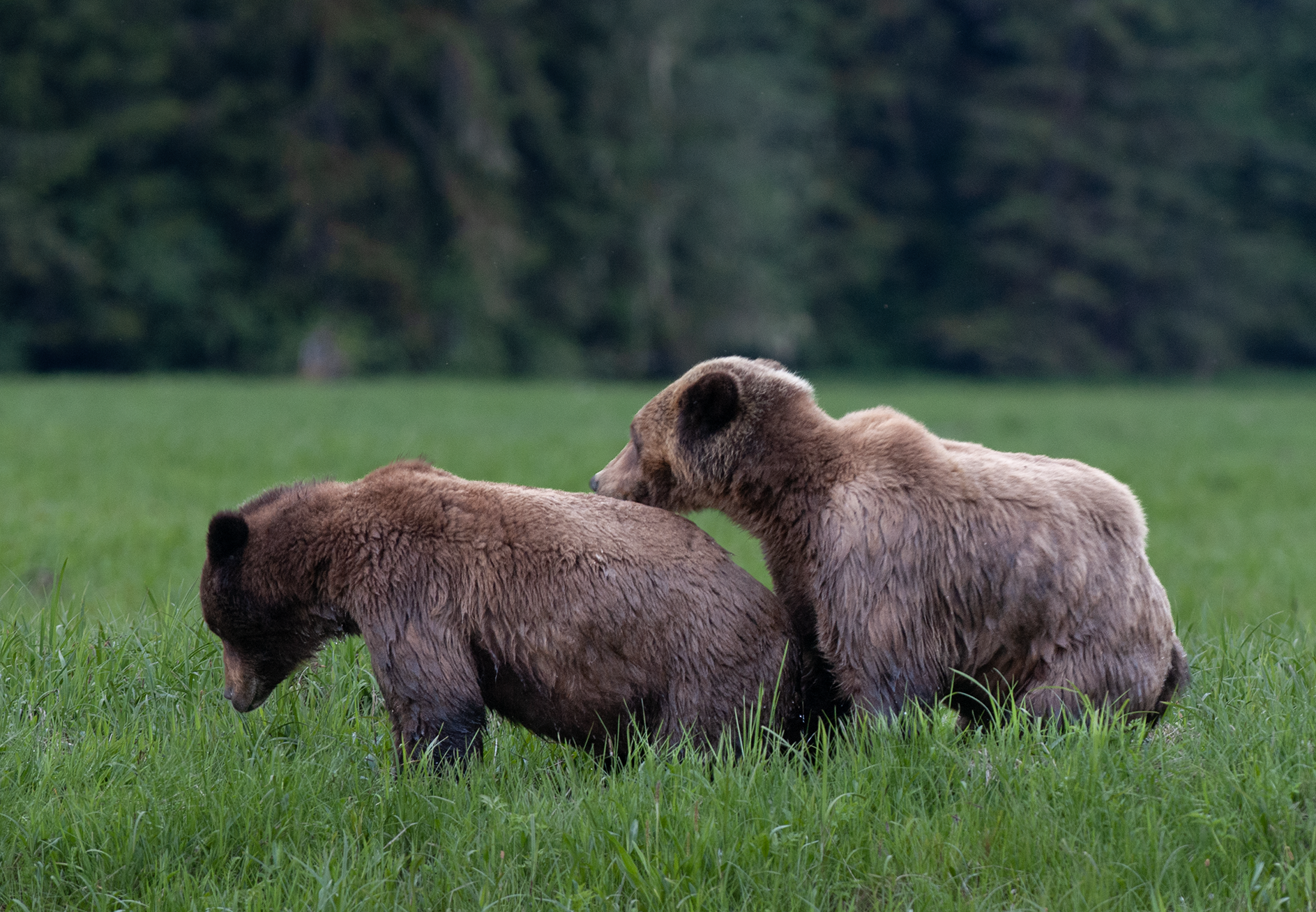
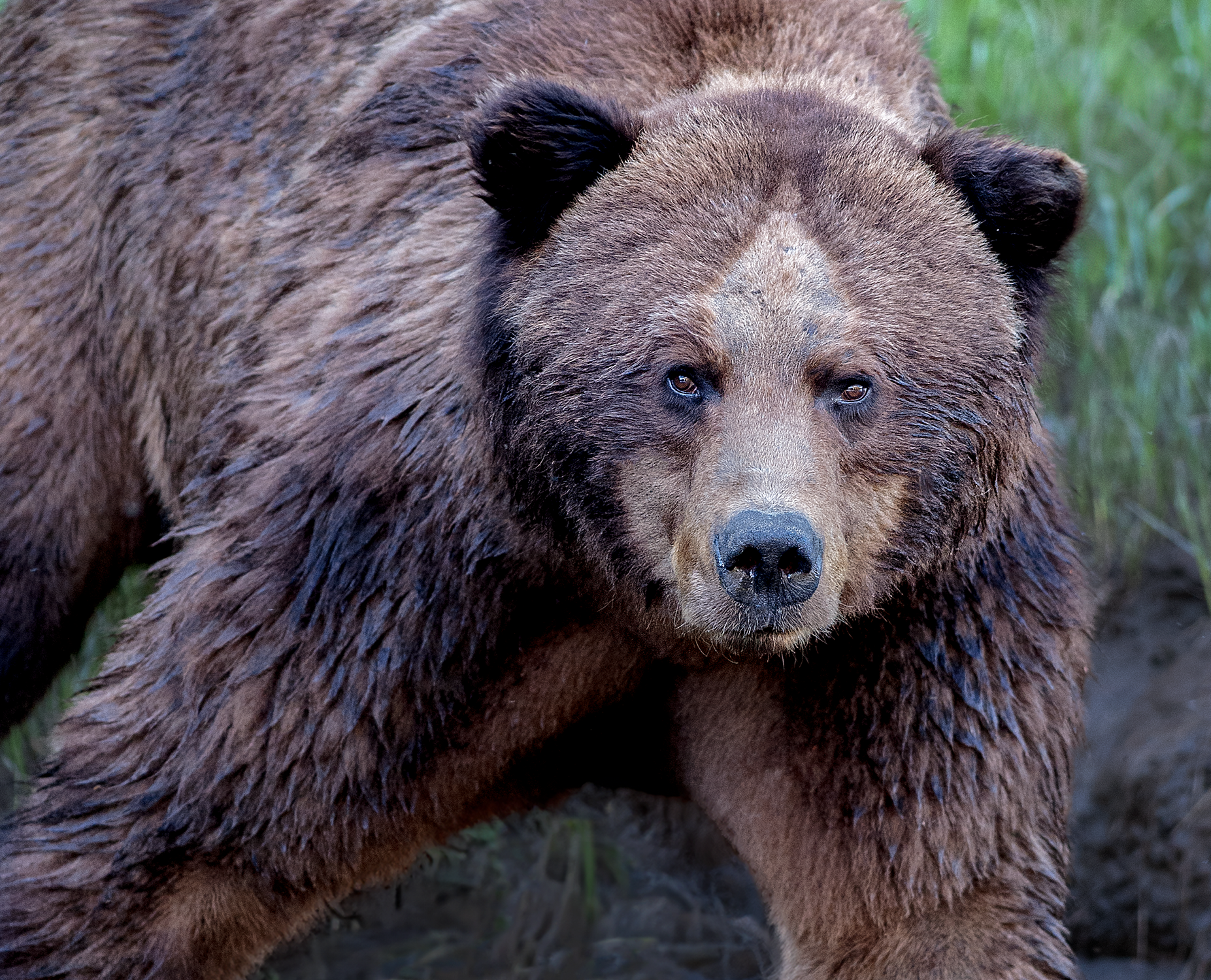
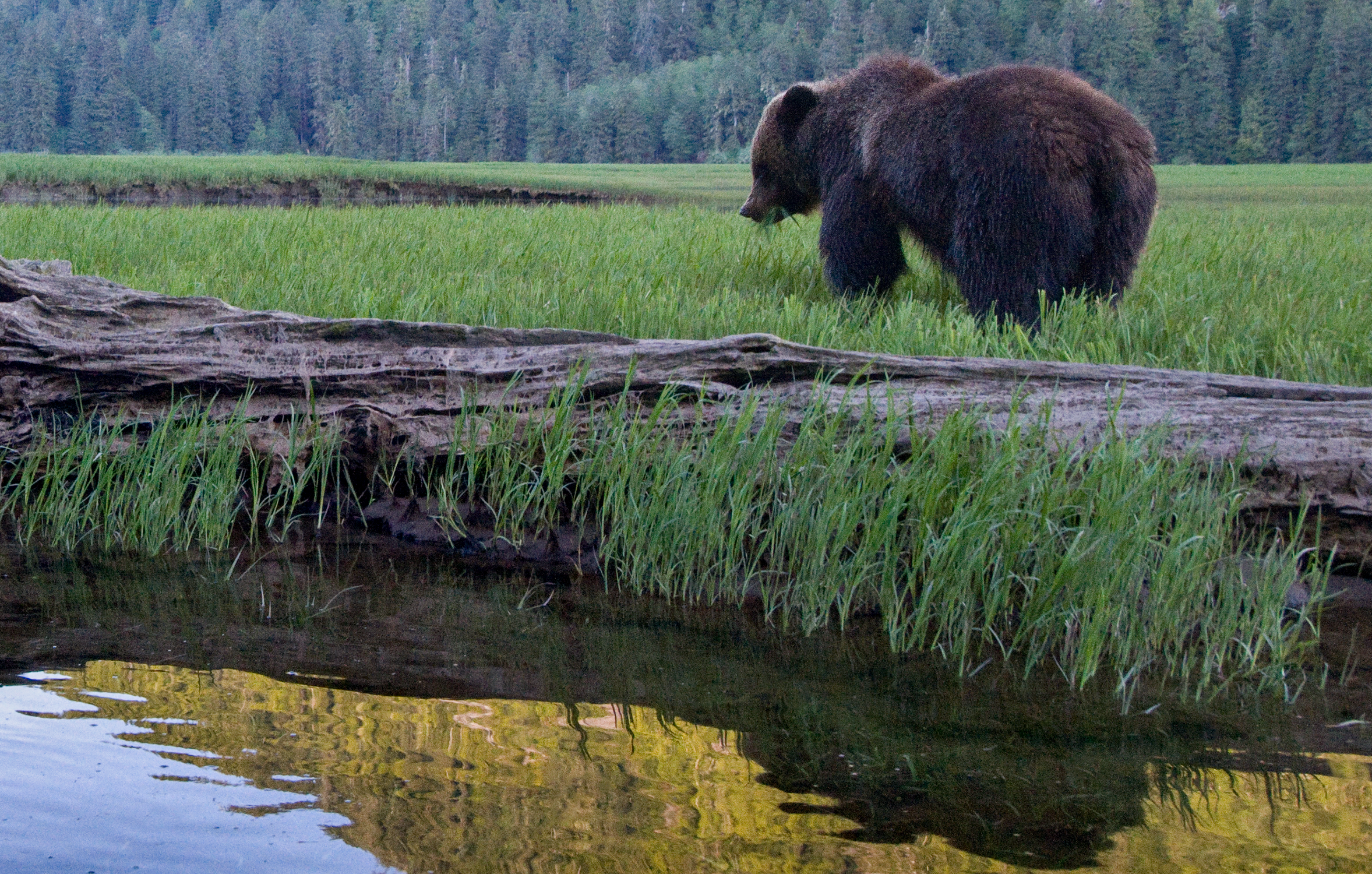
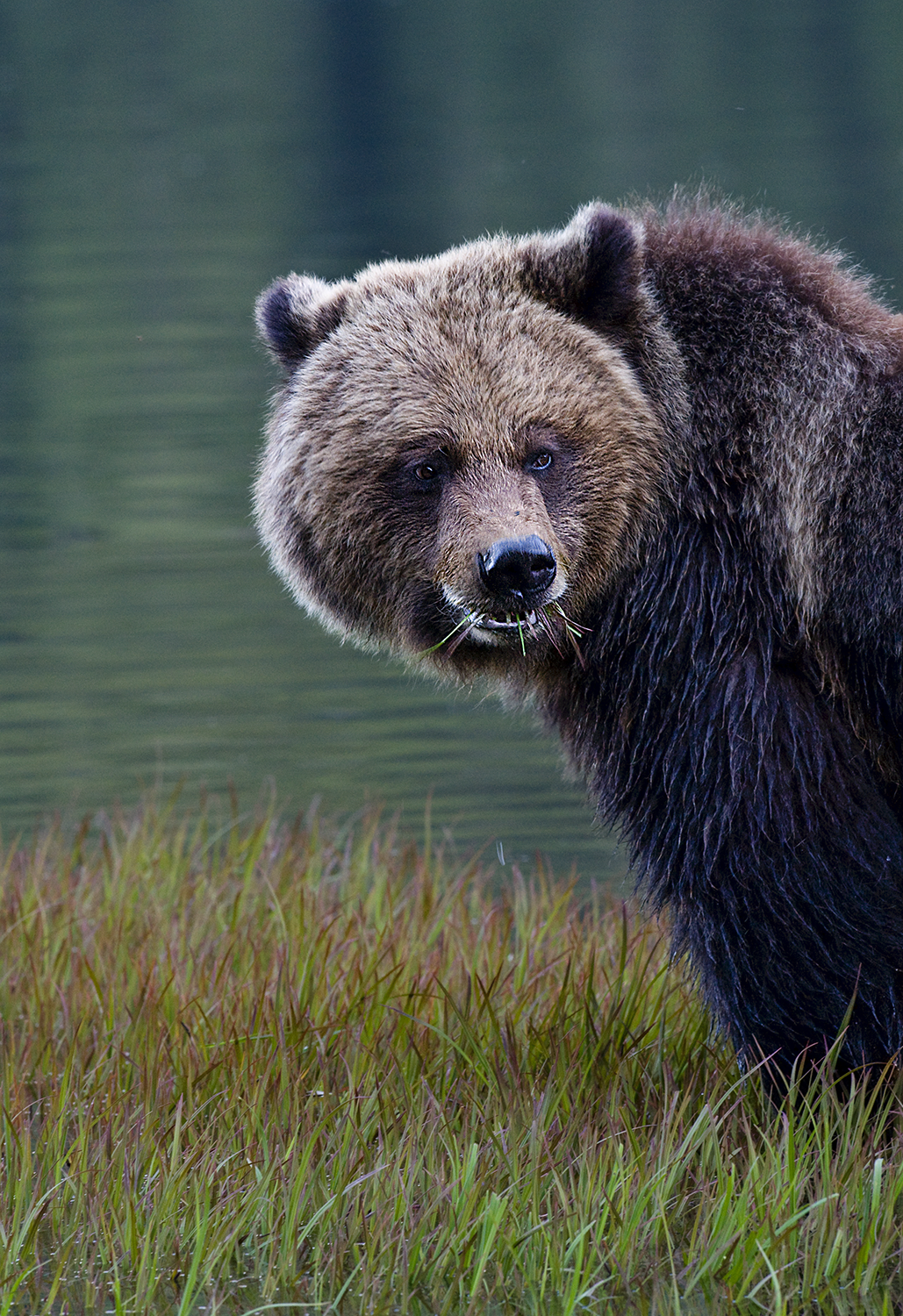
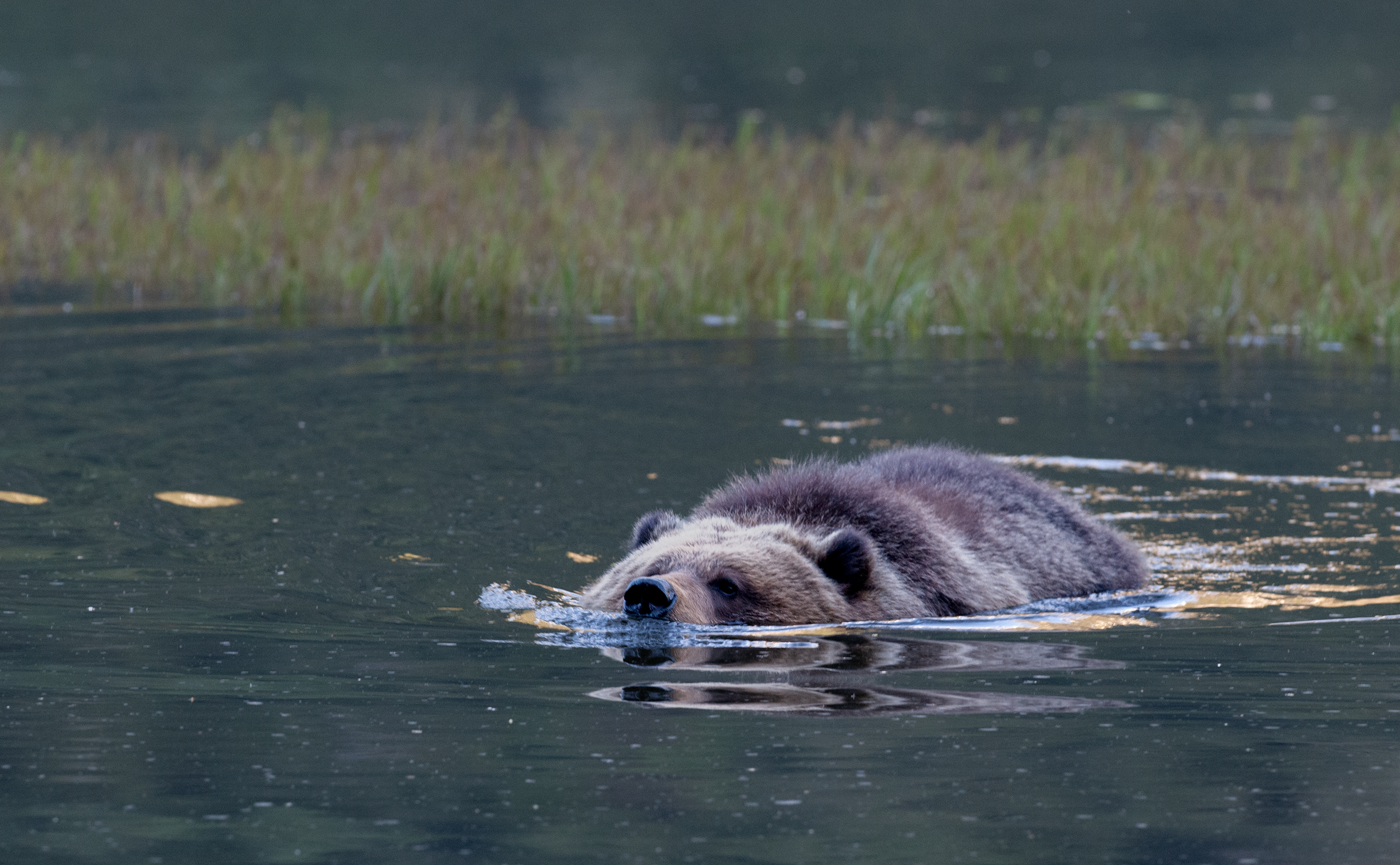
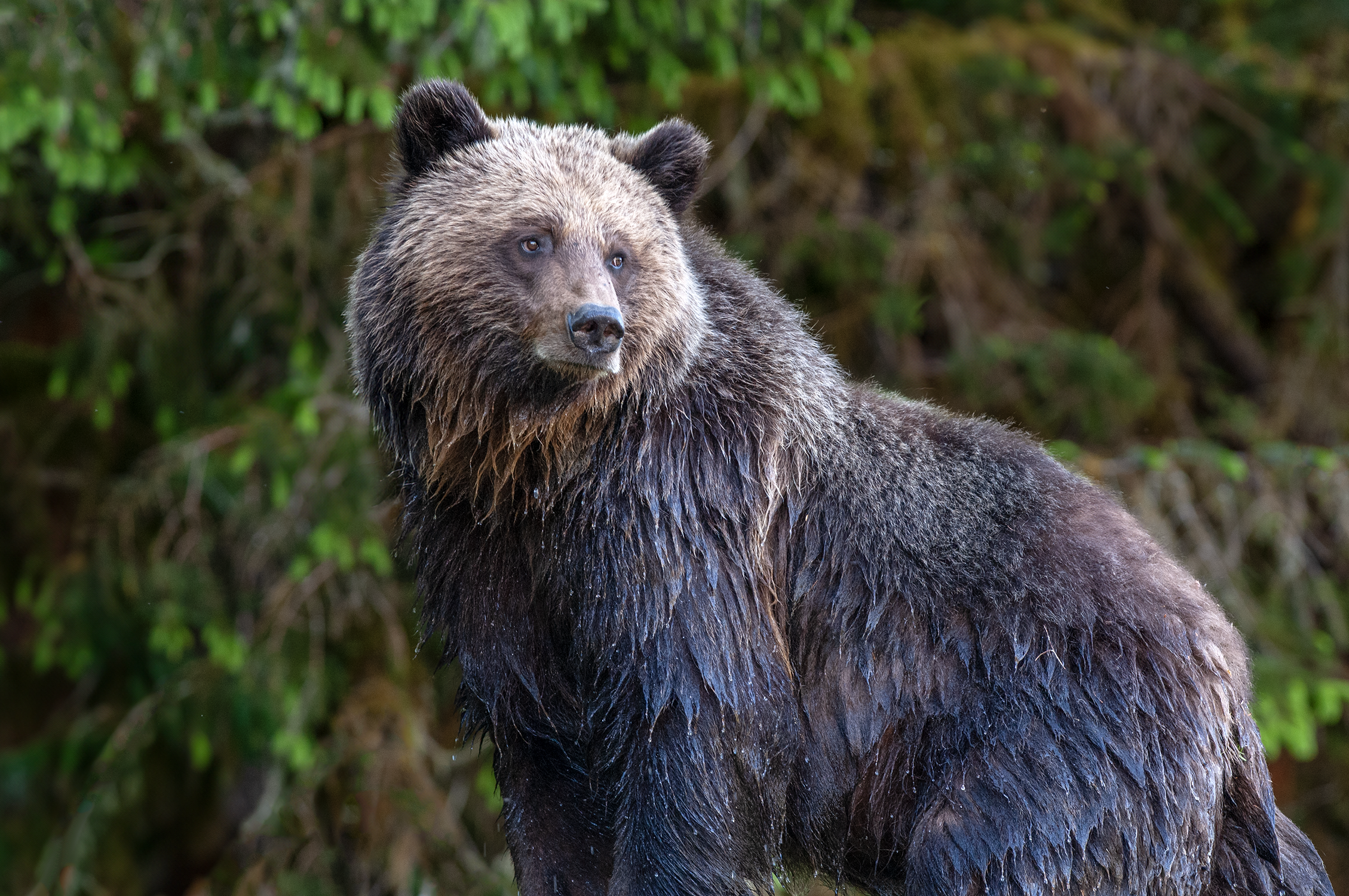
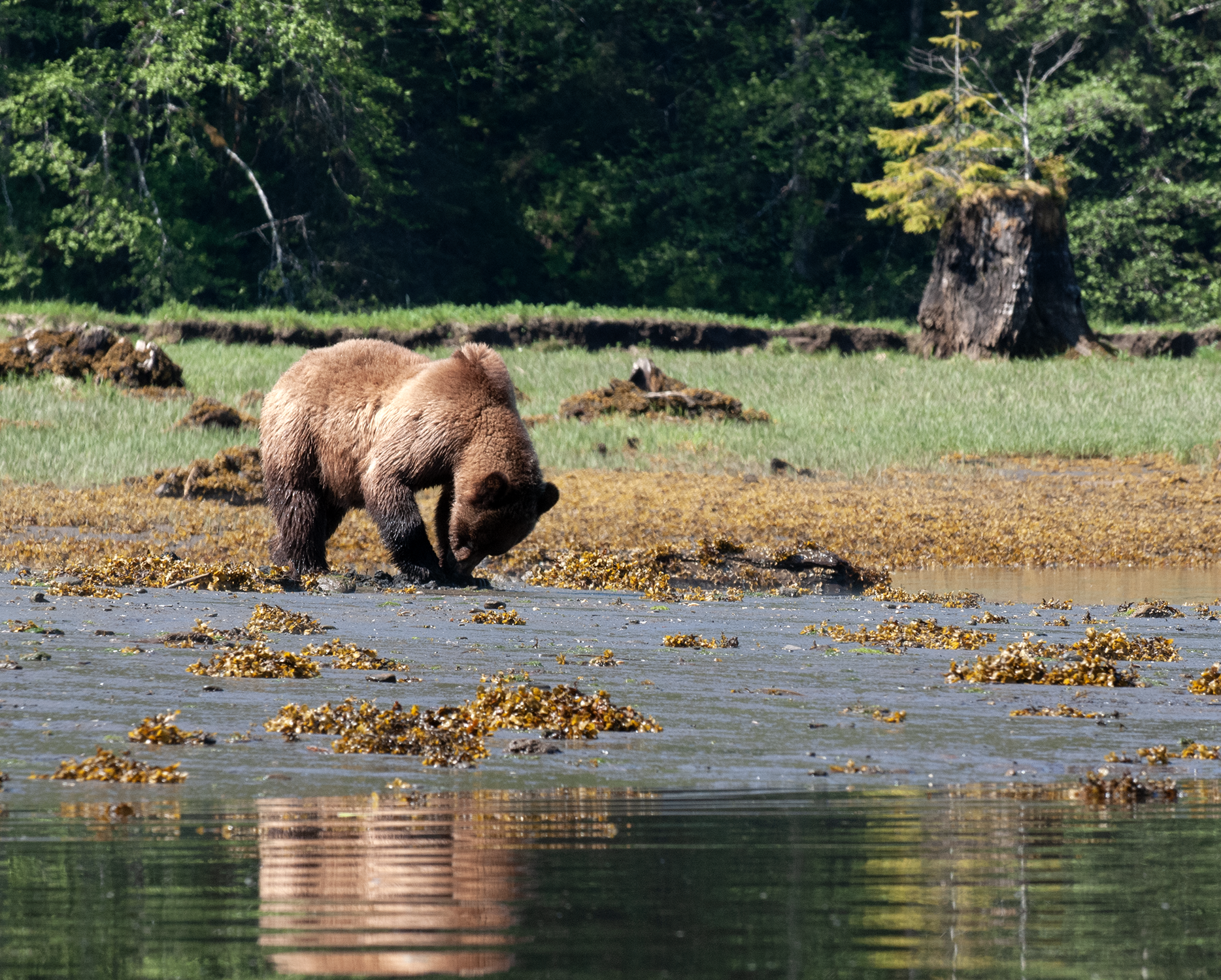
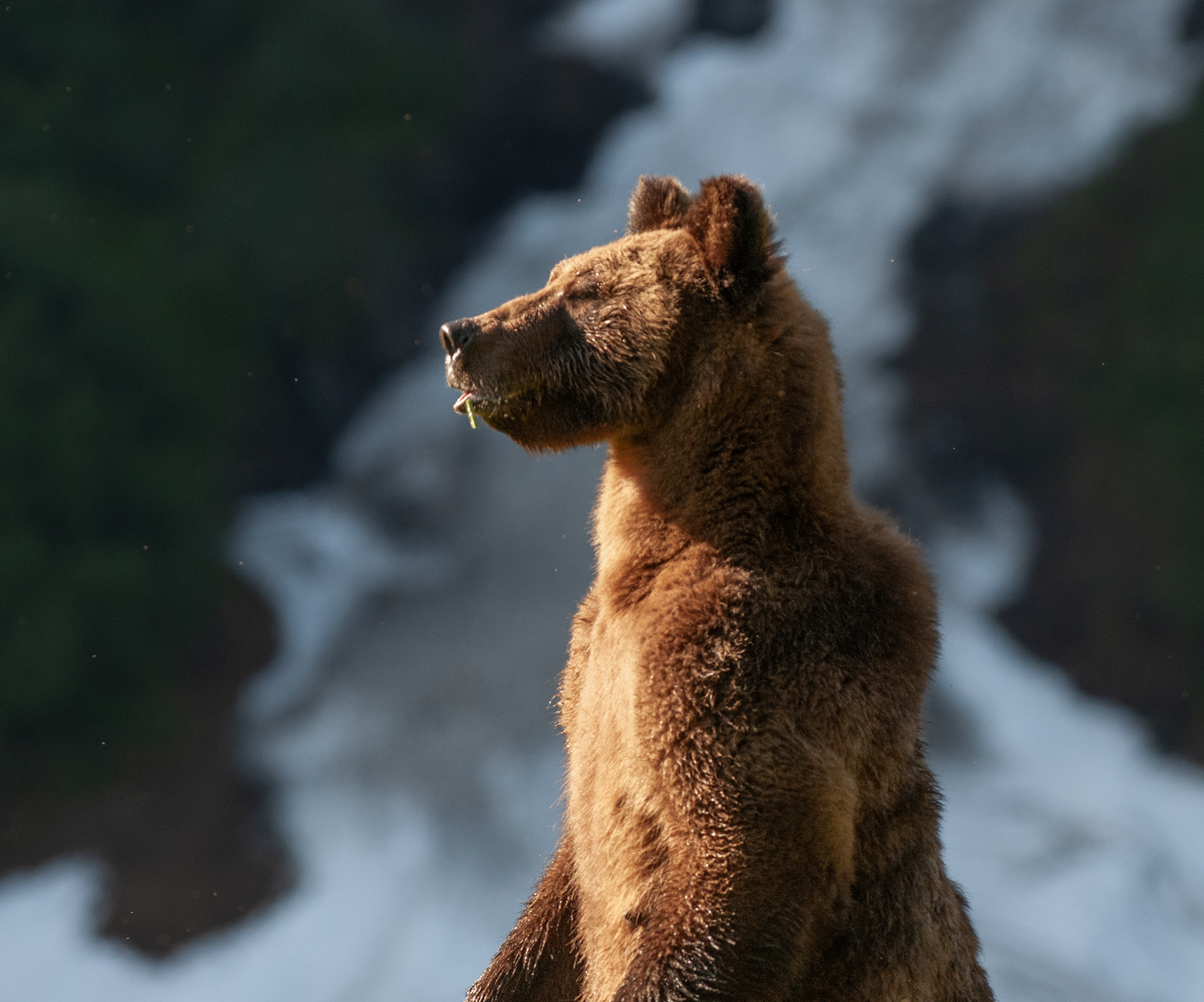
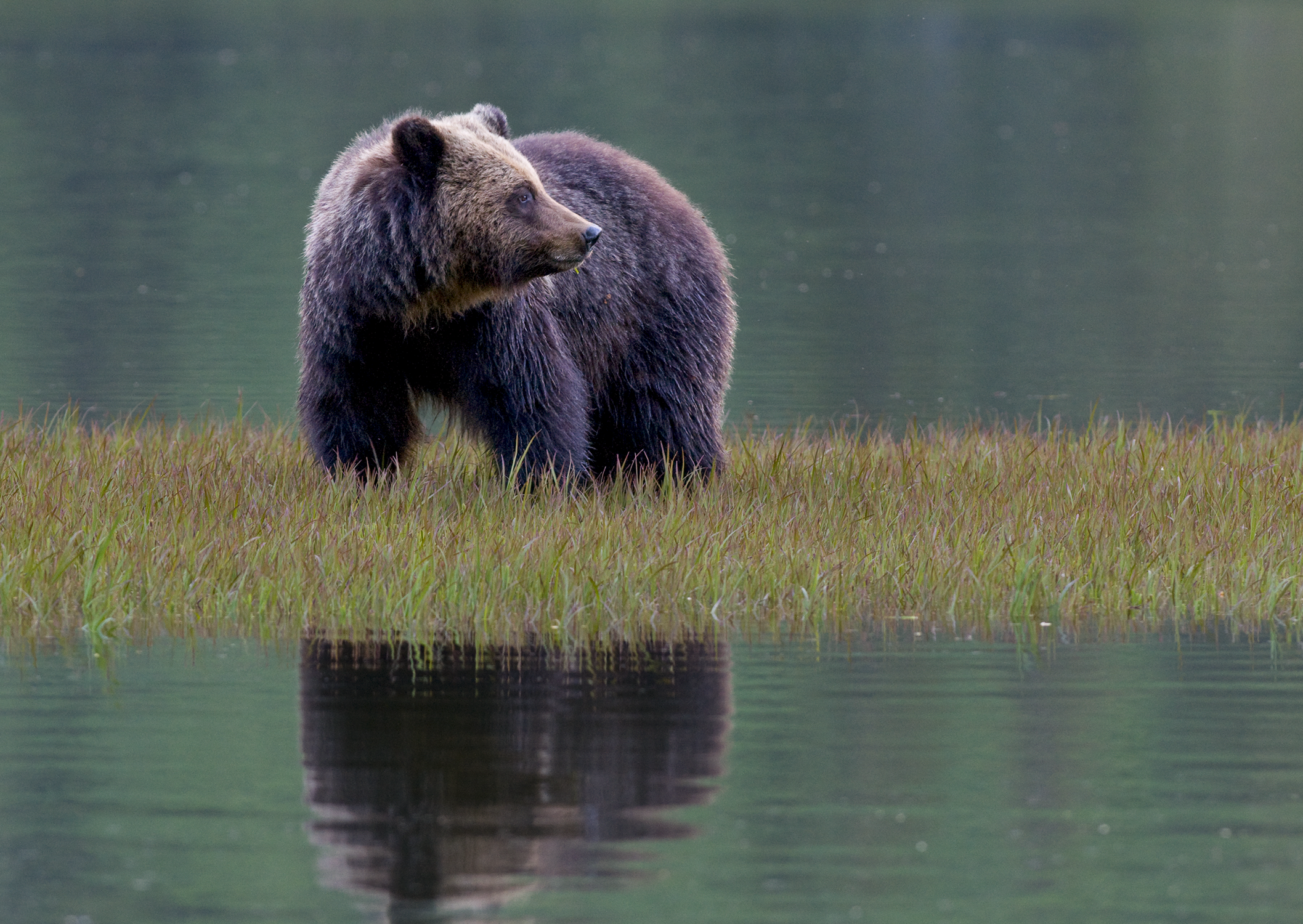
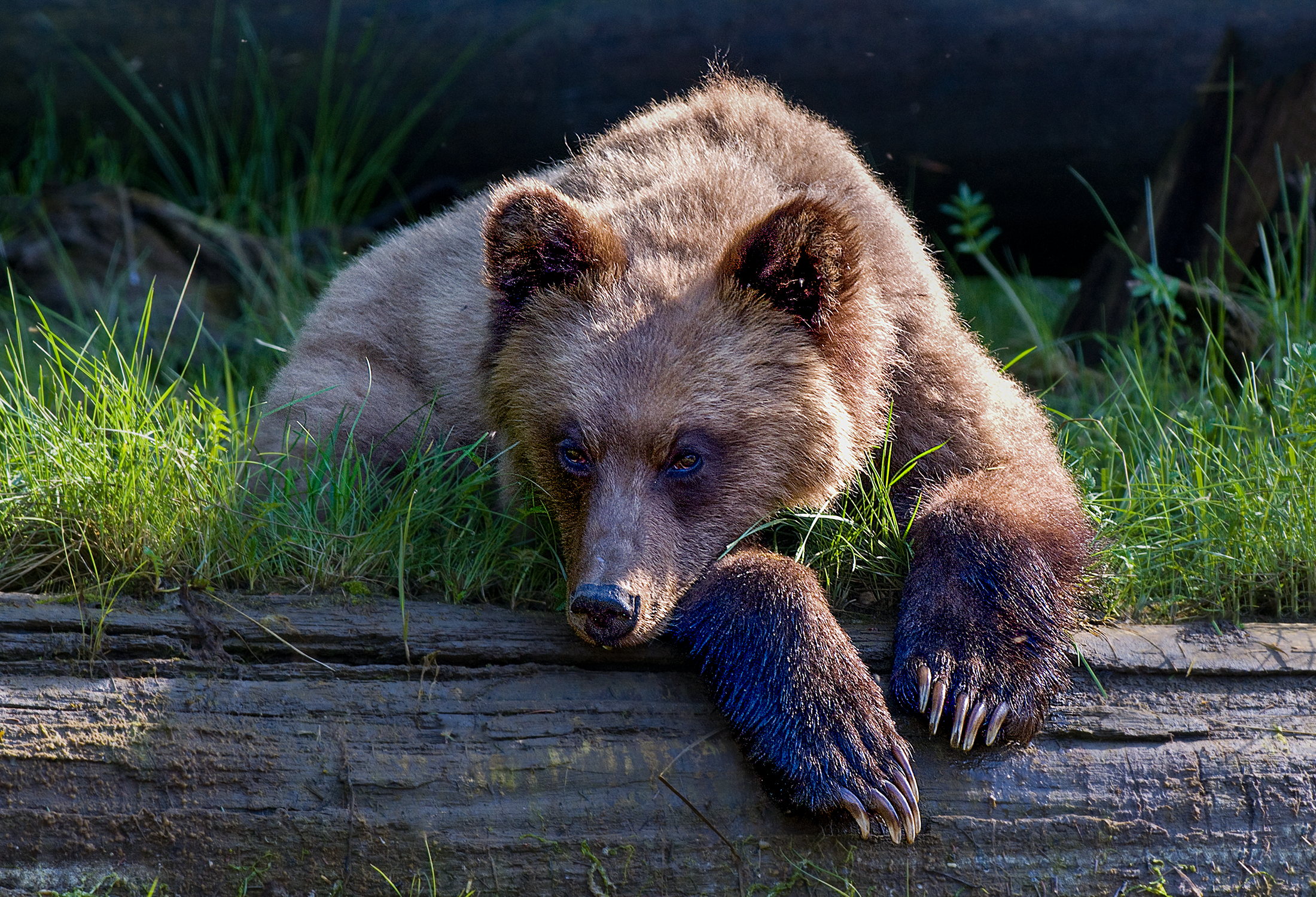
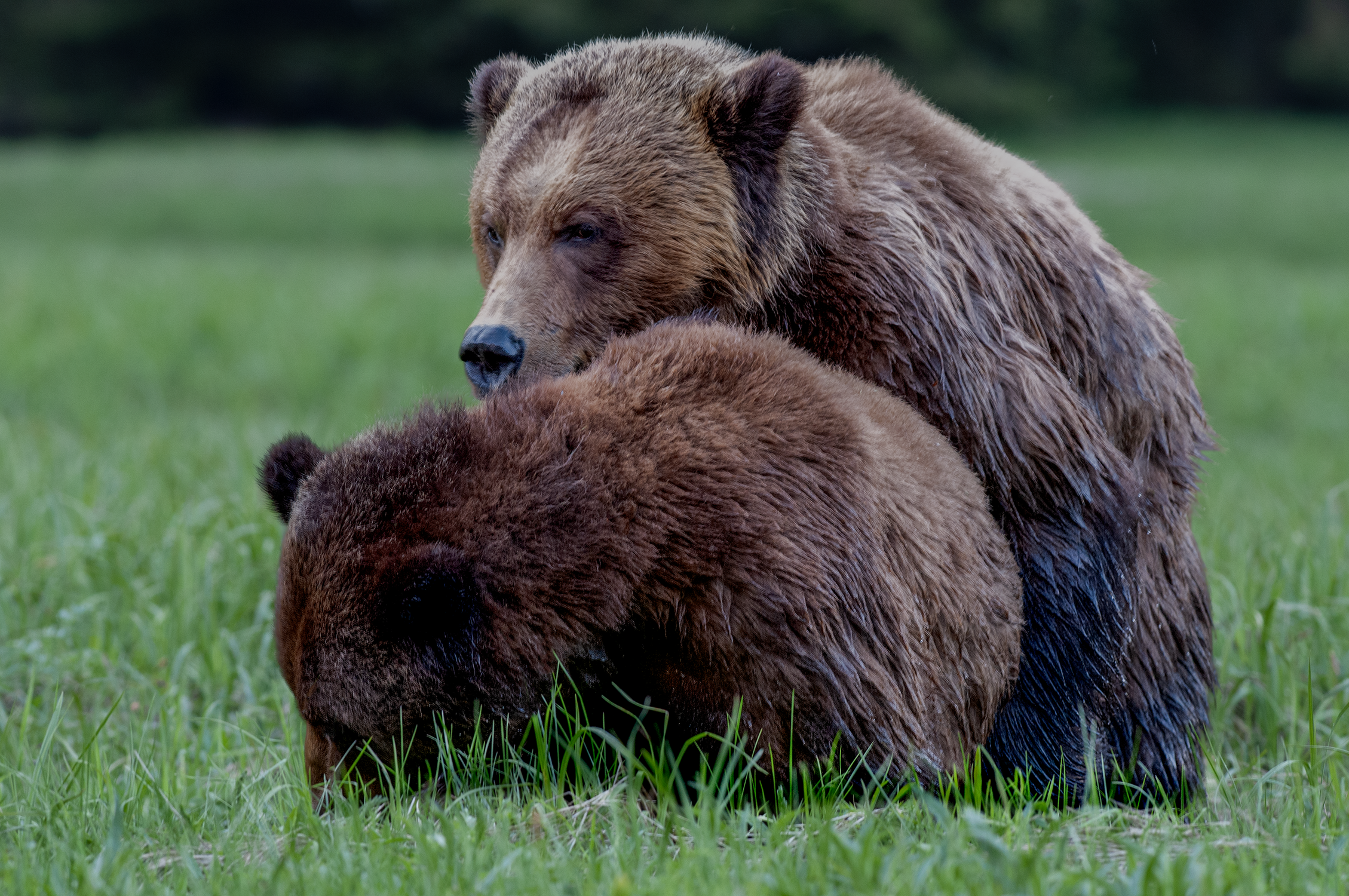
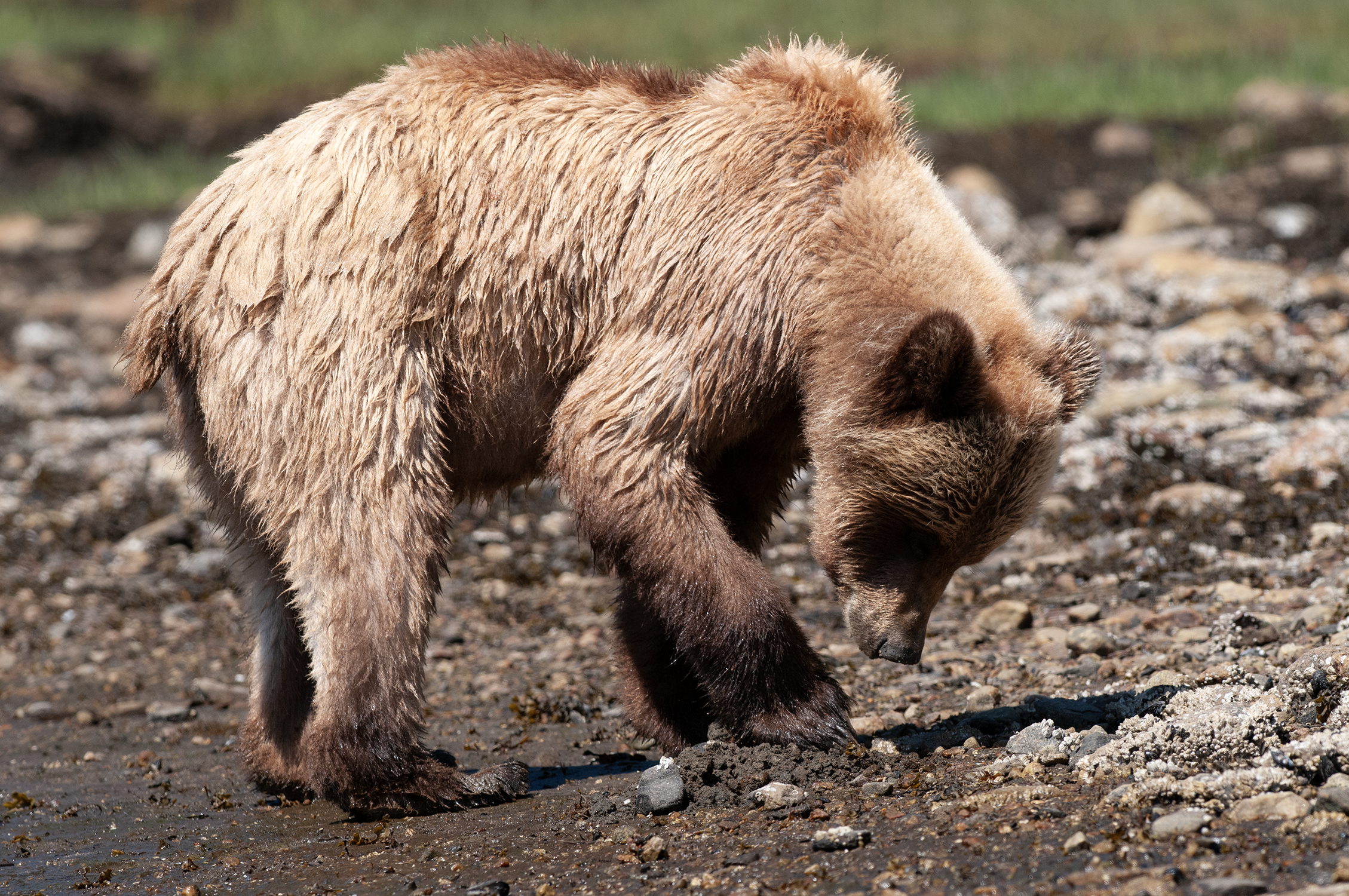
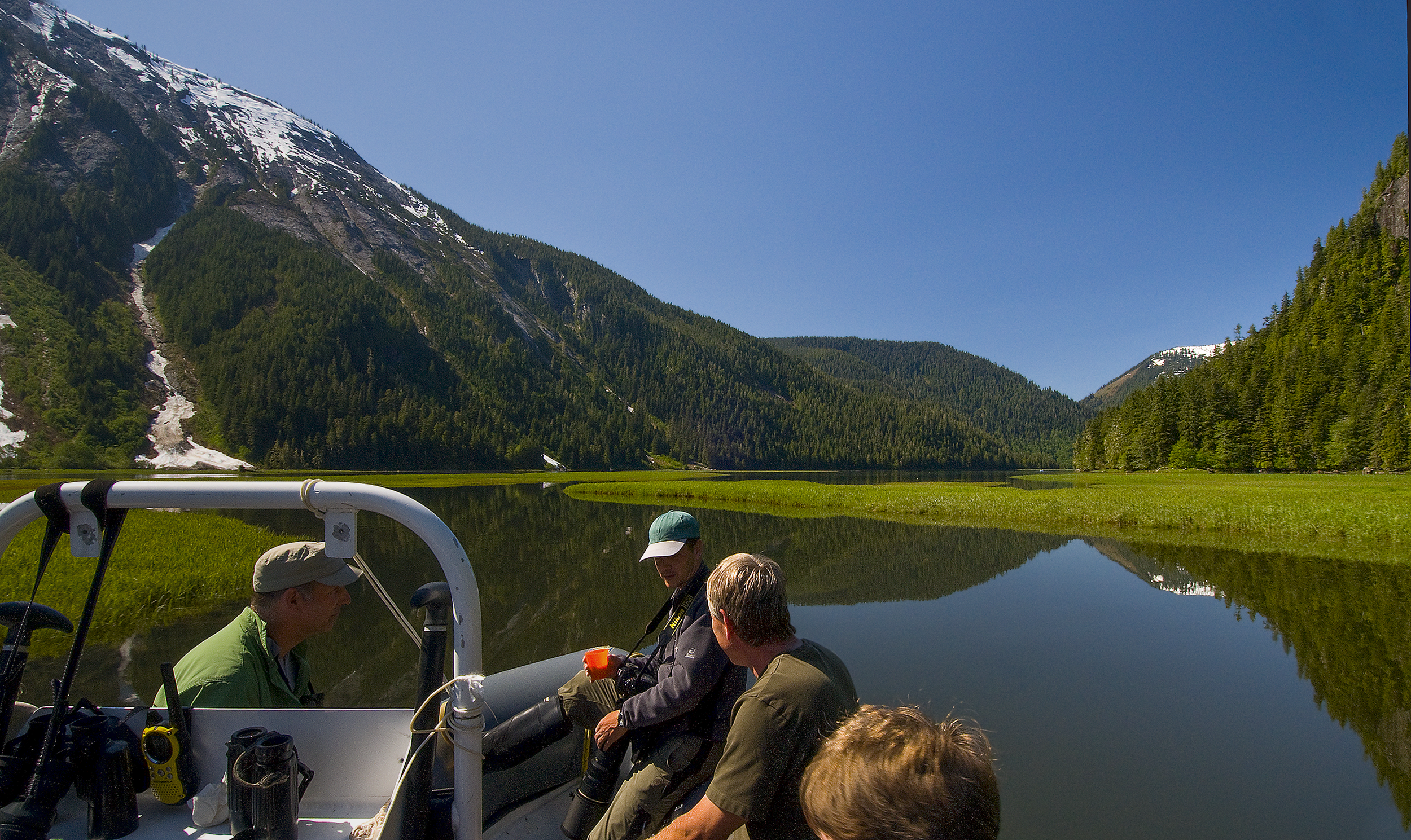
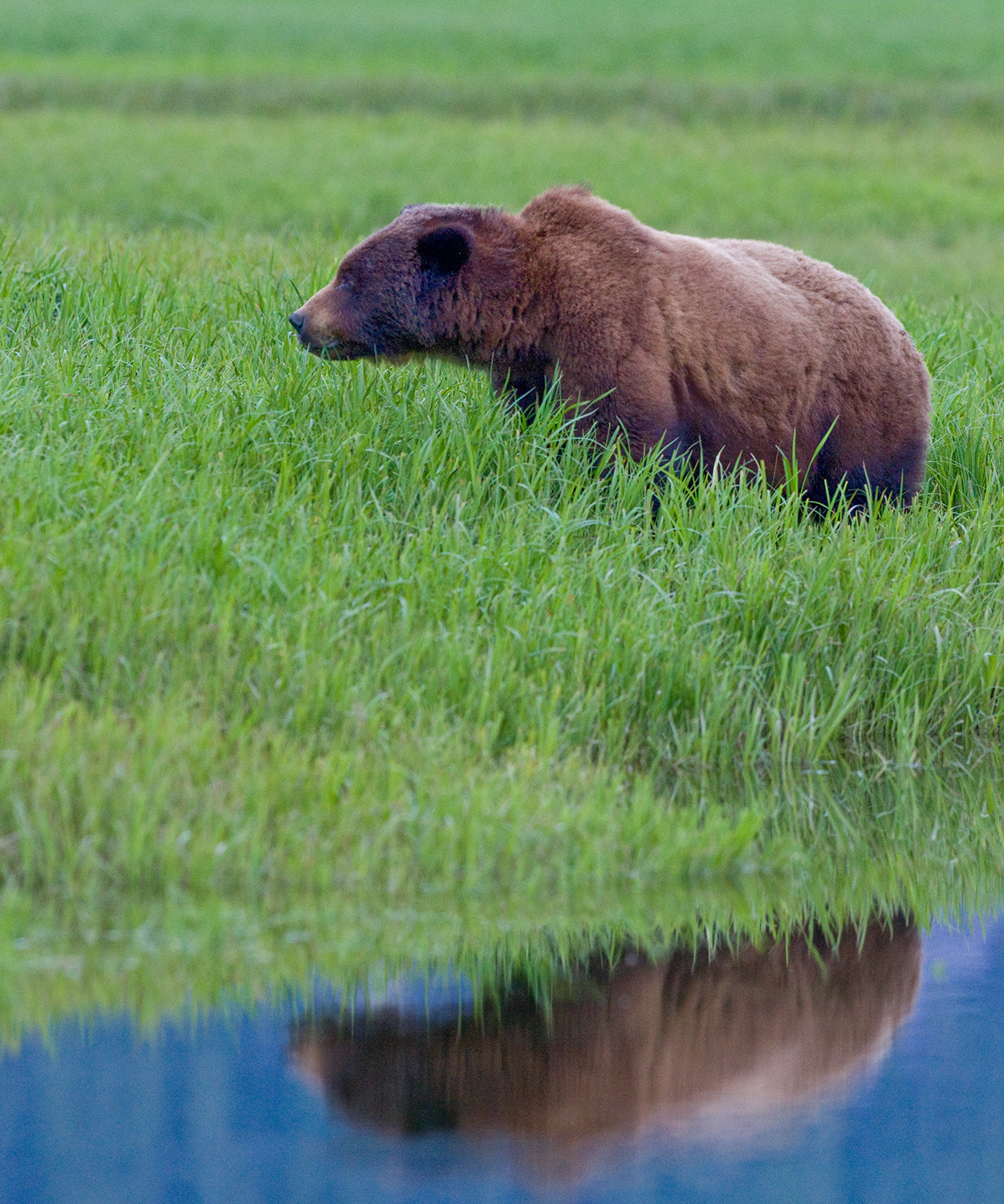
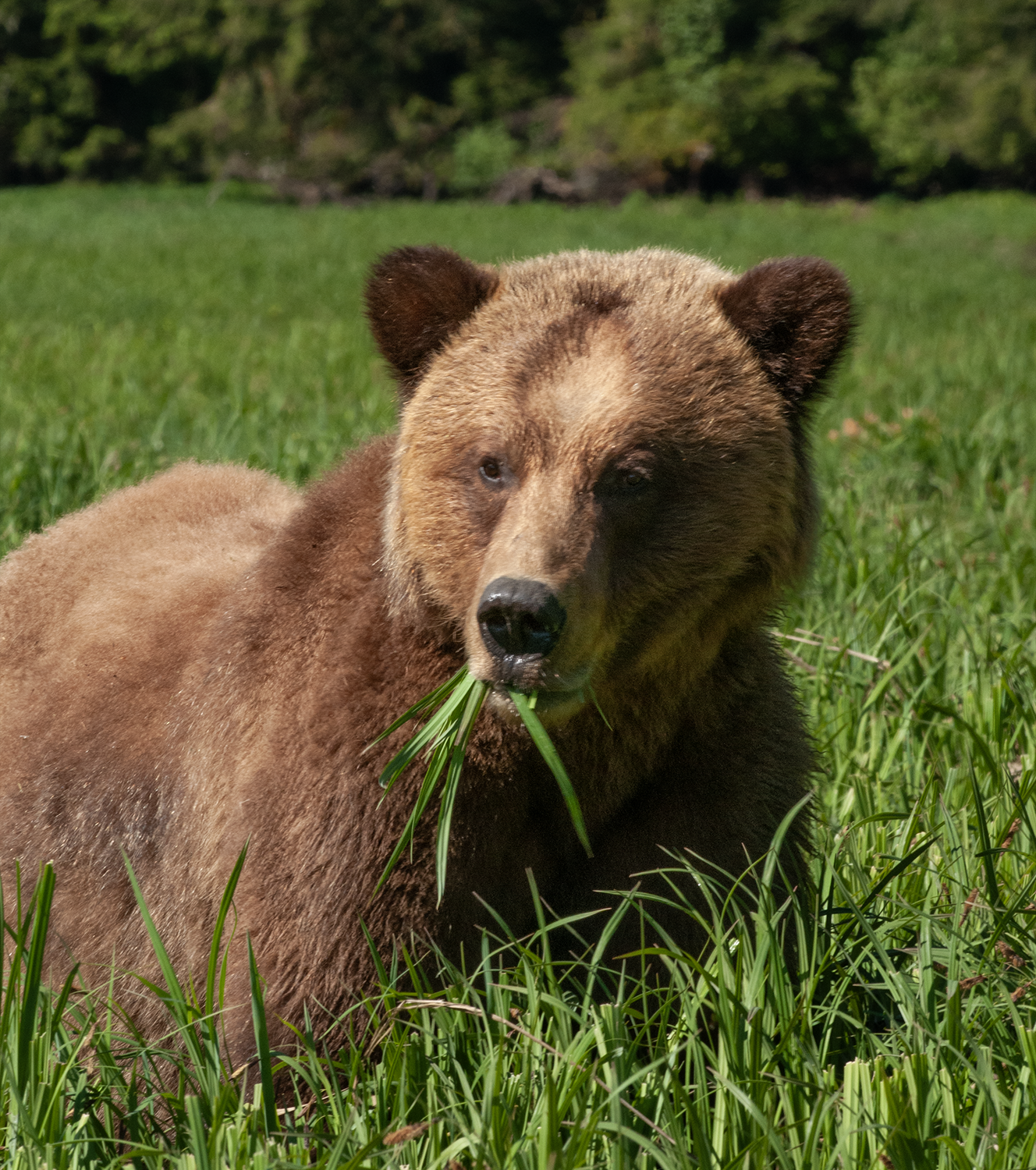
This pristine coastal estuary and the Khutzeymateen River watershed, are located just a short flight north of Prince Rupert, British Columbia. The name Khutzeymateen comes from the Tsimshian First Nation's language, meaning 'place of the salmon and bears'. The Reserve is home to approximately 50 grizzlies, some weighing up to 400 kgms. I was lucky enough to spend 4 days in May 2009 discovering many interesting habits of these large powerful animals. Having just come out of hibernation, and being true omnivores, the bears spent hours every day eating mostly sedge grasses! Until salmon runs later in the year, the bears' diet is 75% sedge grass (25% protein content), with intertidal life (clams & crabs) making up the other 25%. The large hump between the shoulders is not a fat reserve. The hump is actually large powerful shoulder muscles that are needed to dig into the mud at low tide or flip over 30 kgm rocks, looking for more to eat..
Yukon Territories
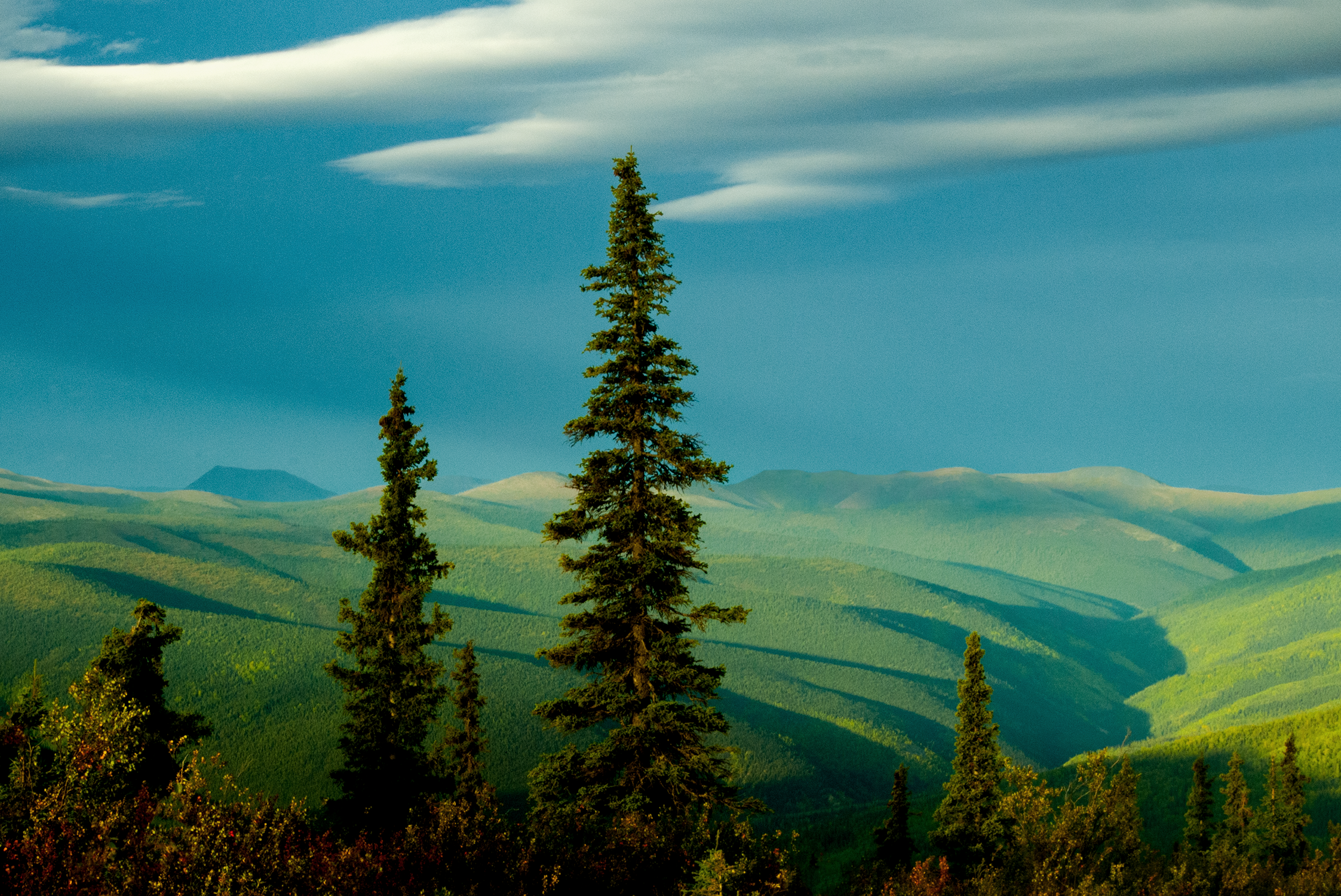
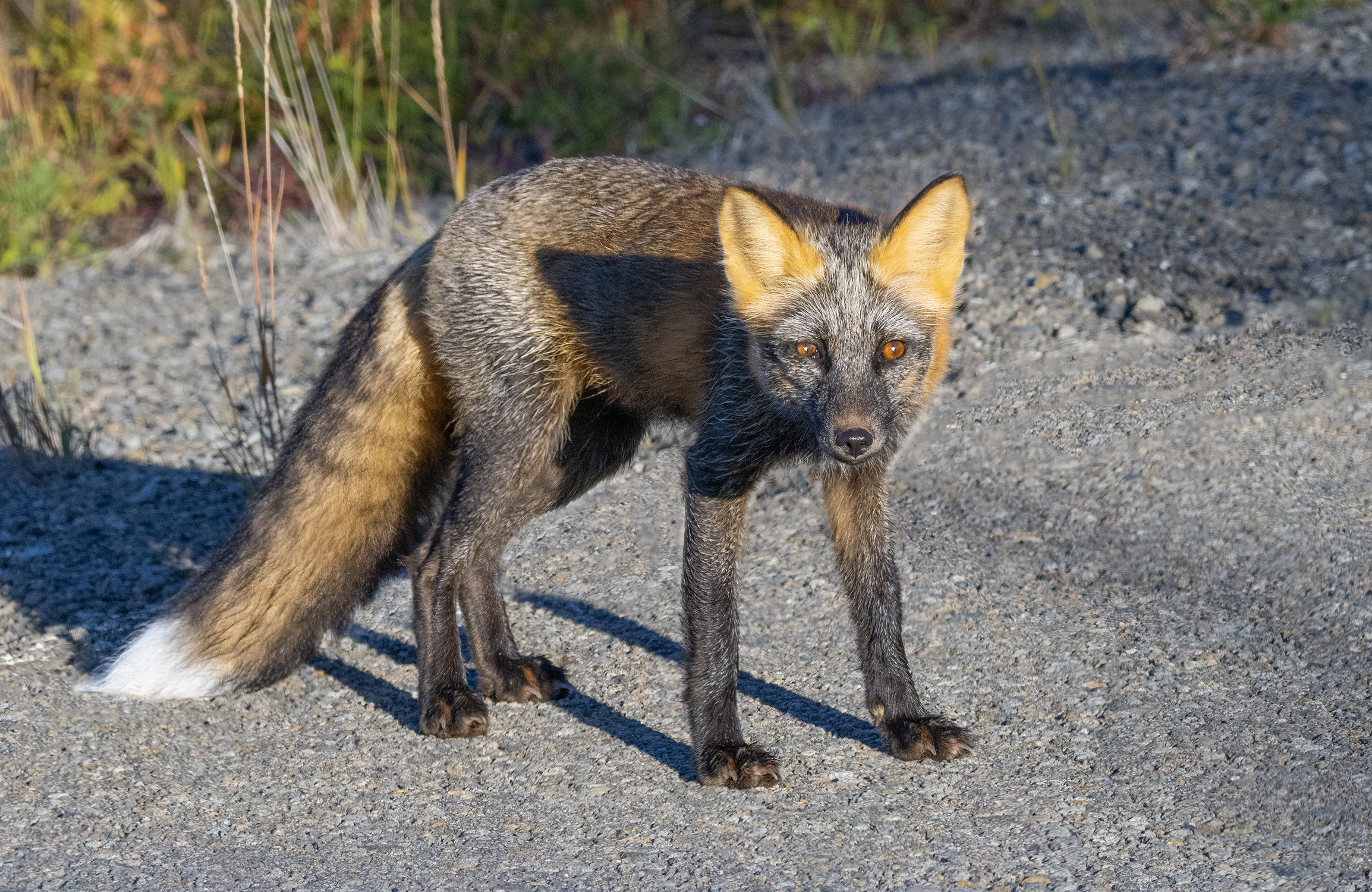
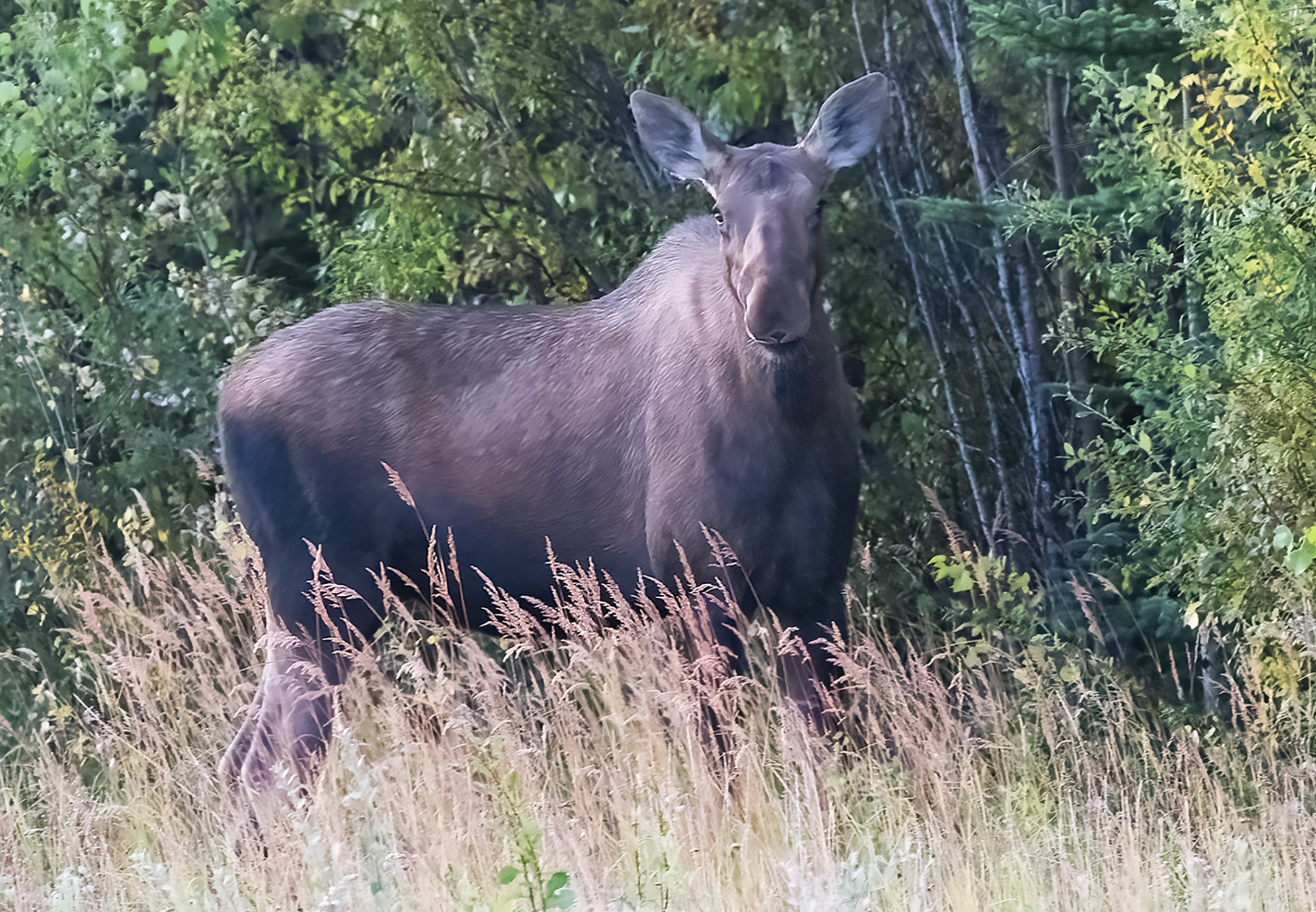
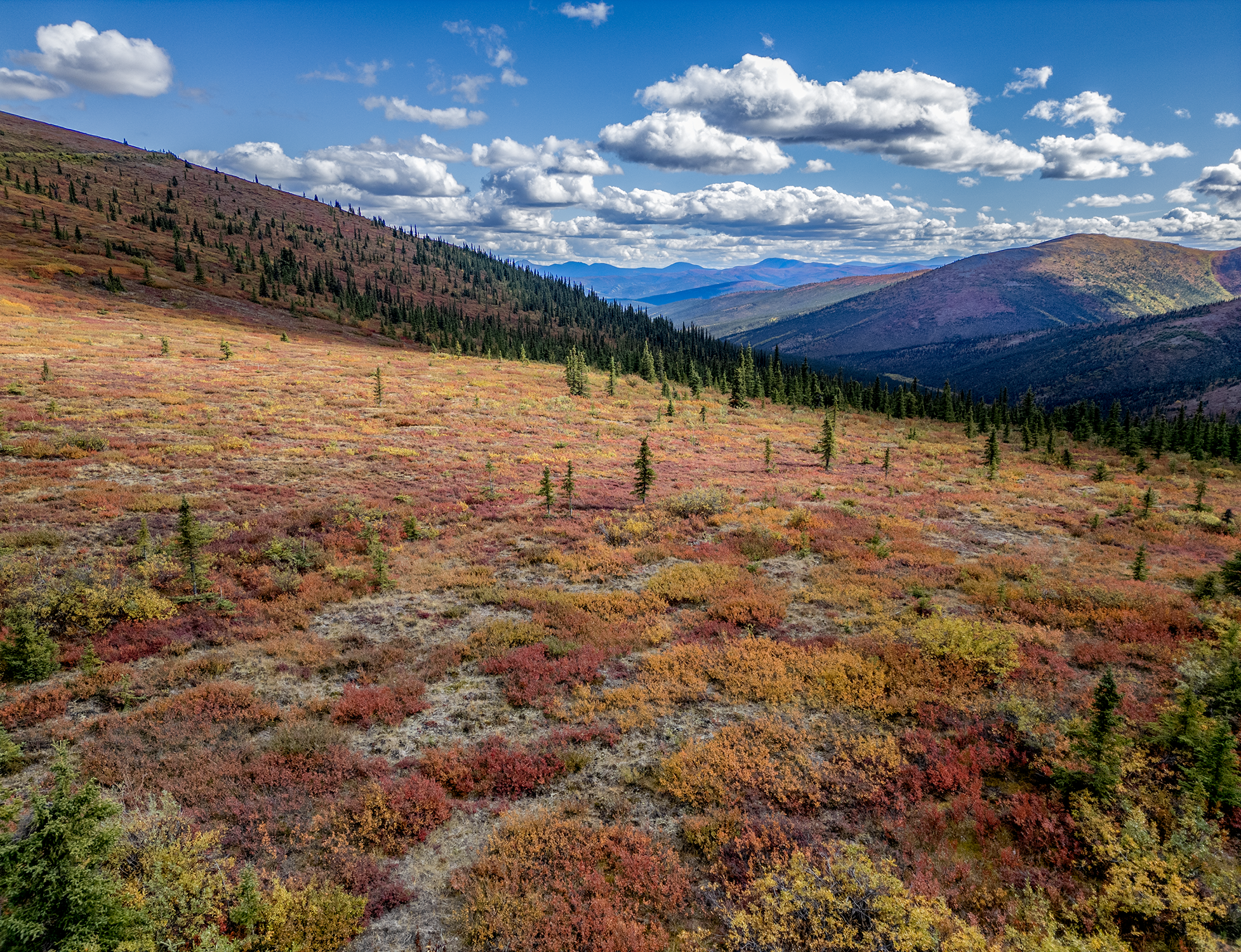
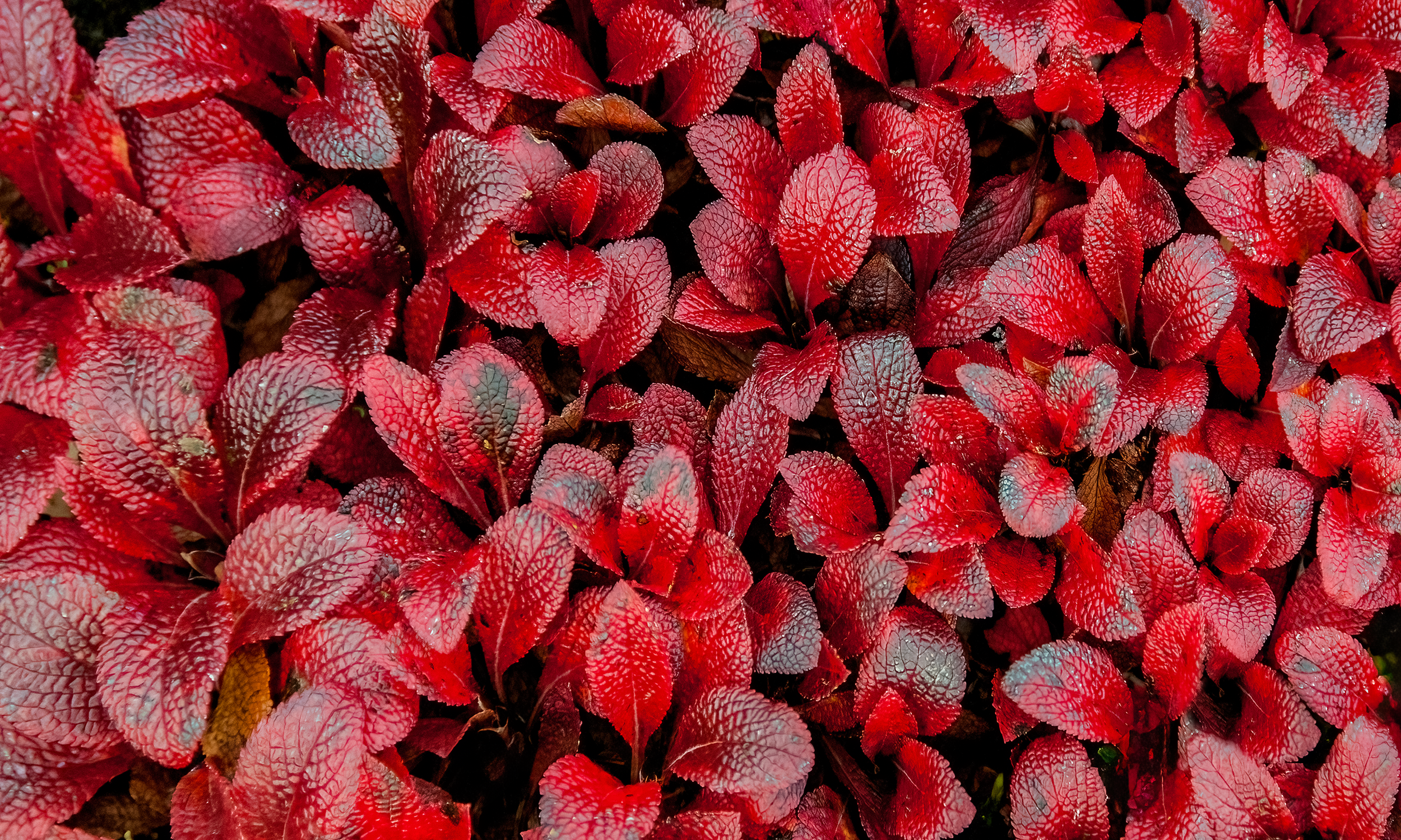
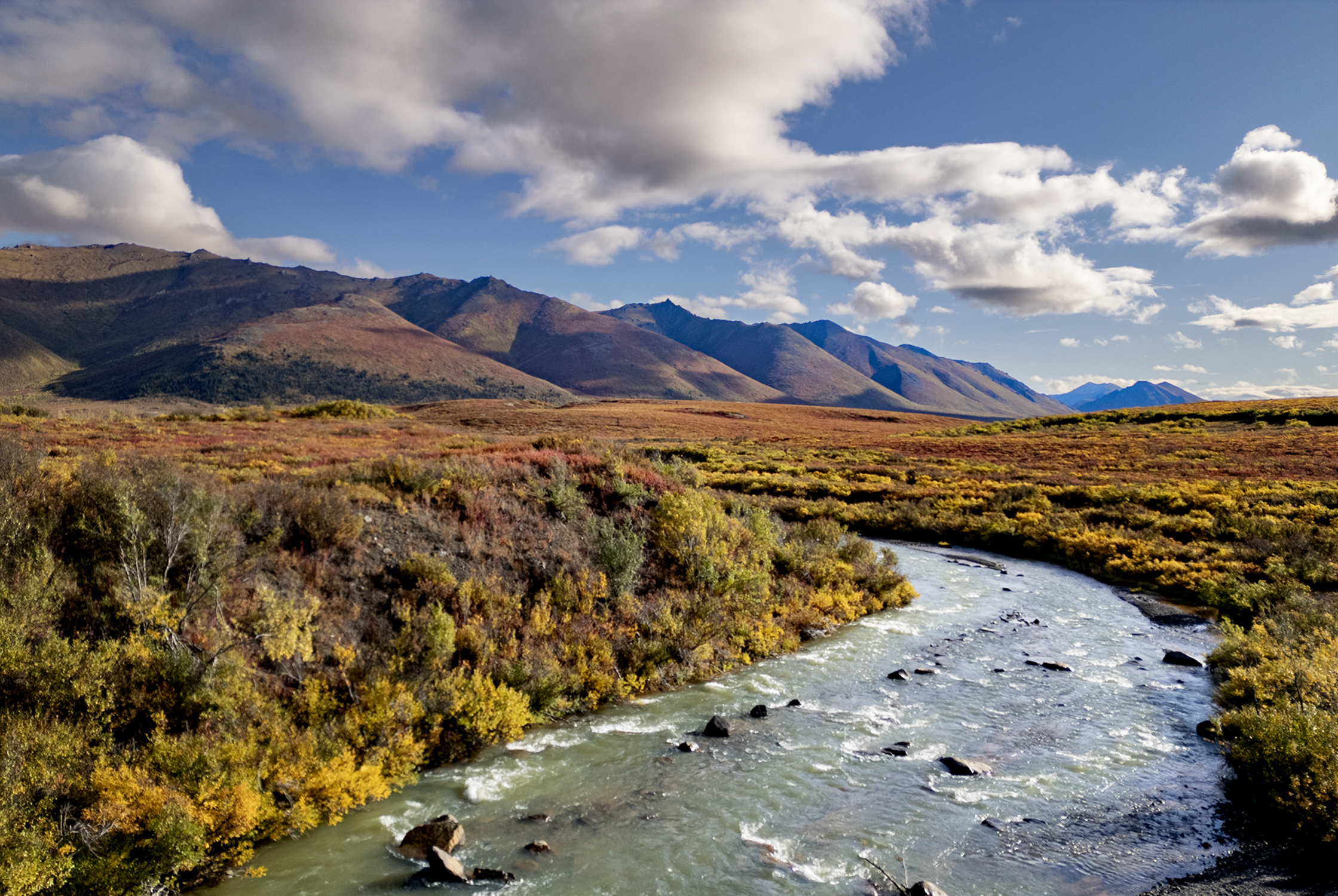
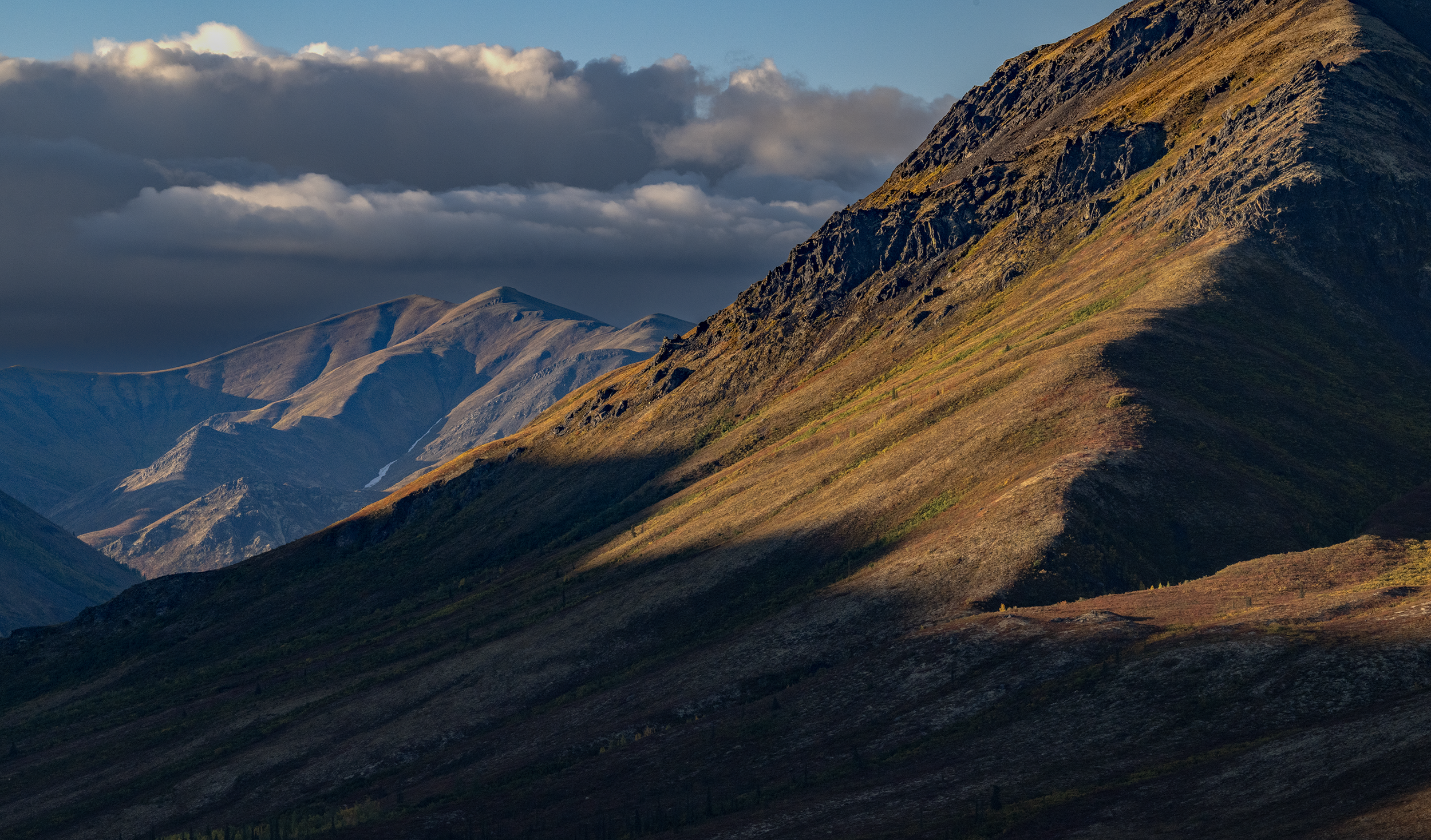
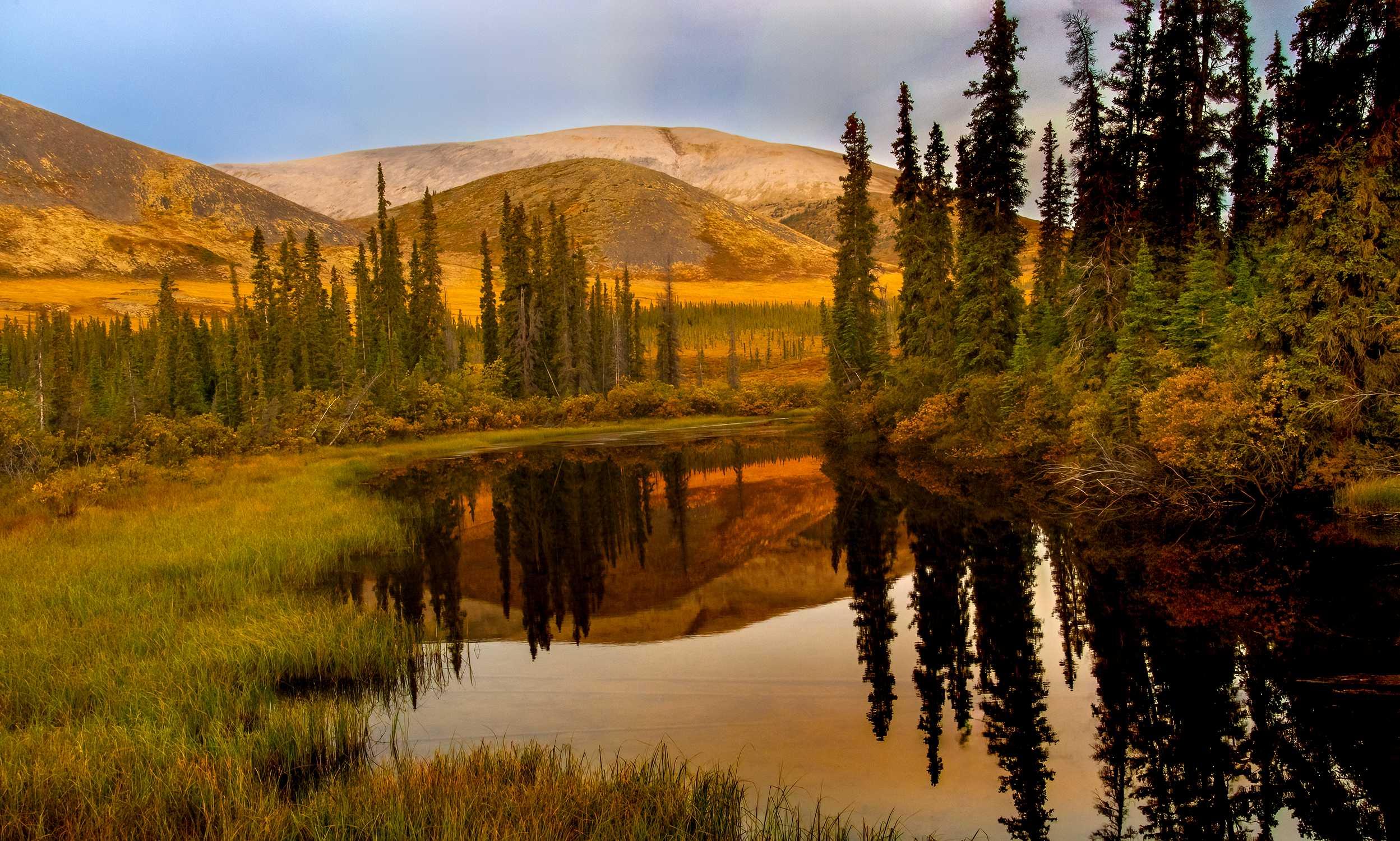
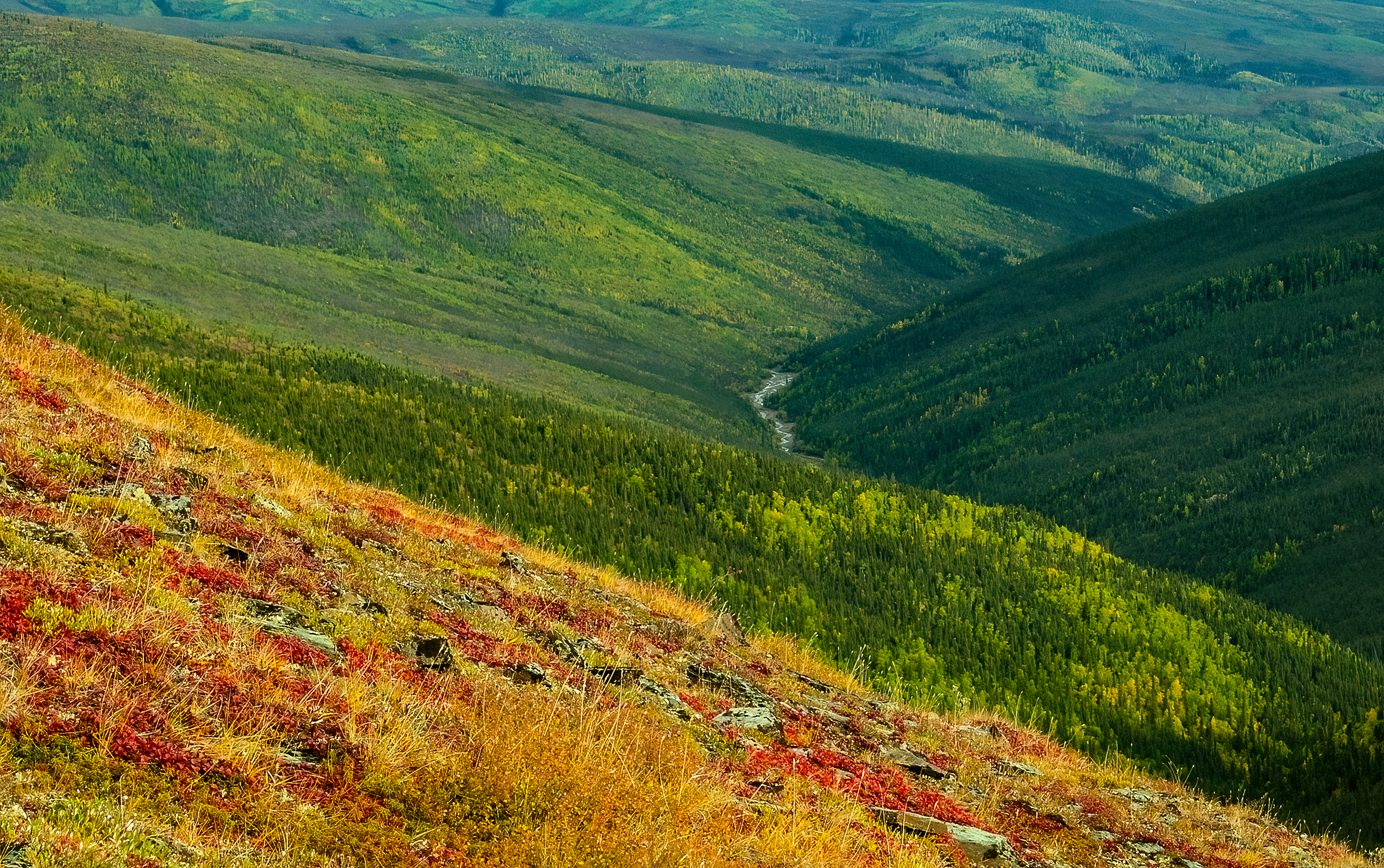
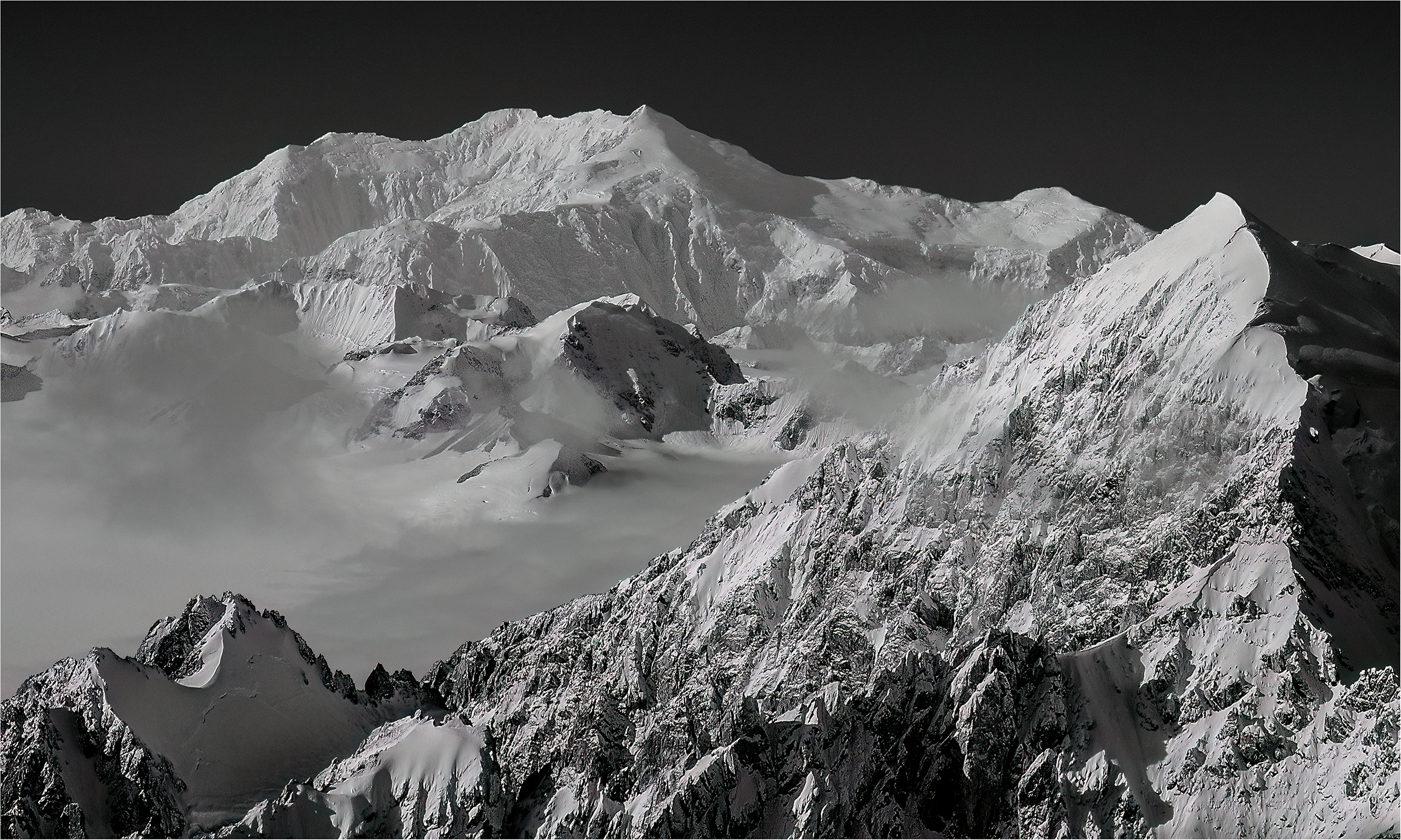
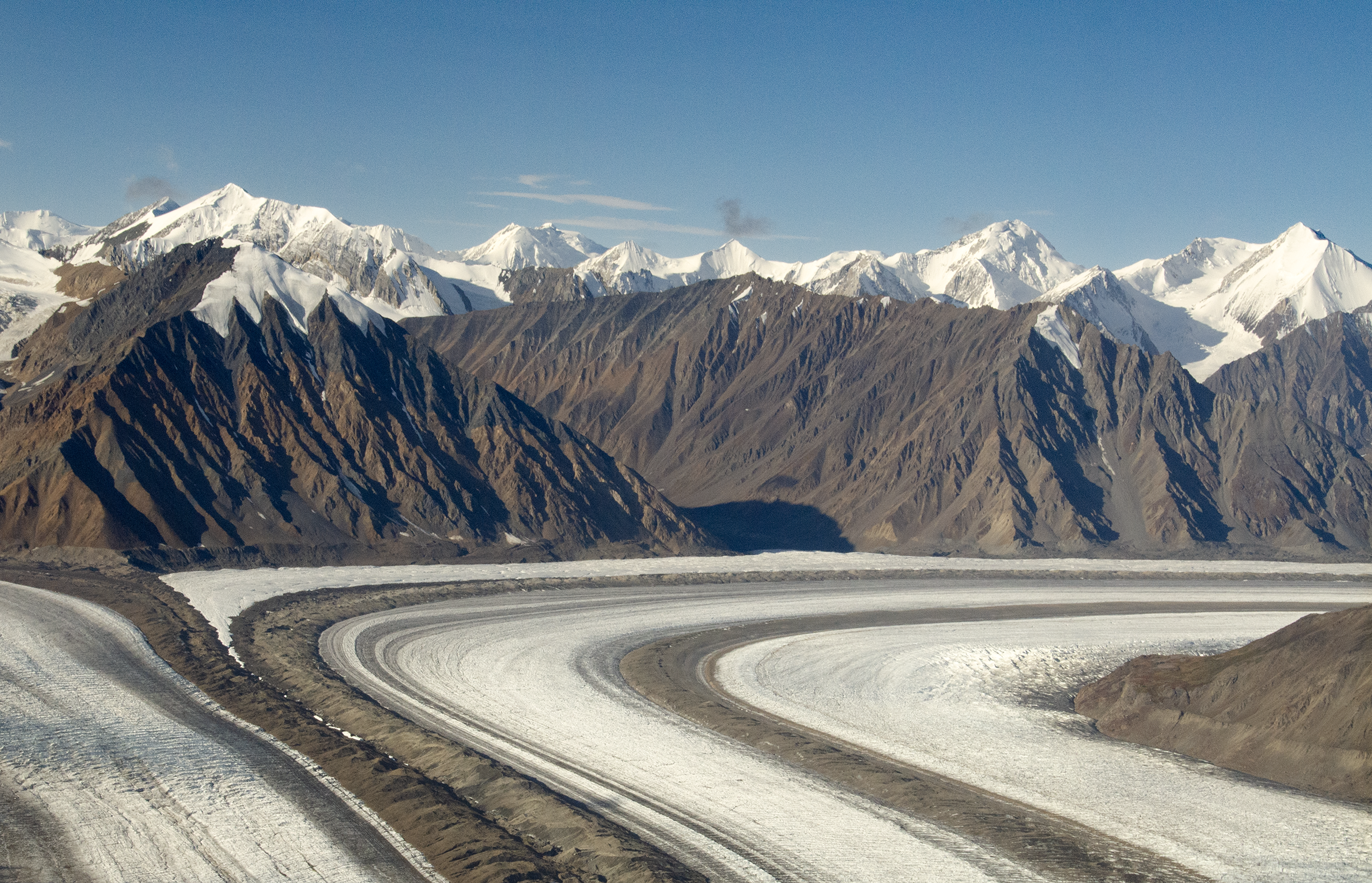
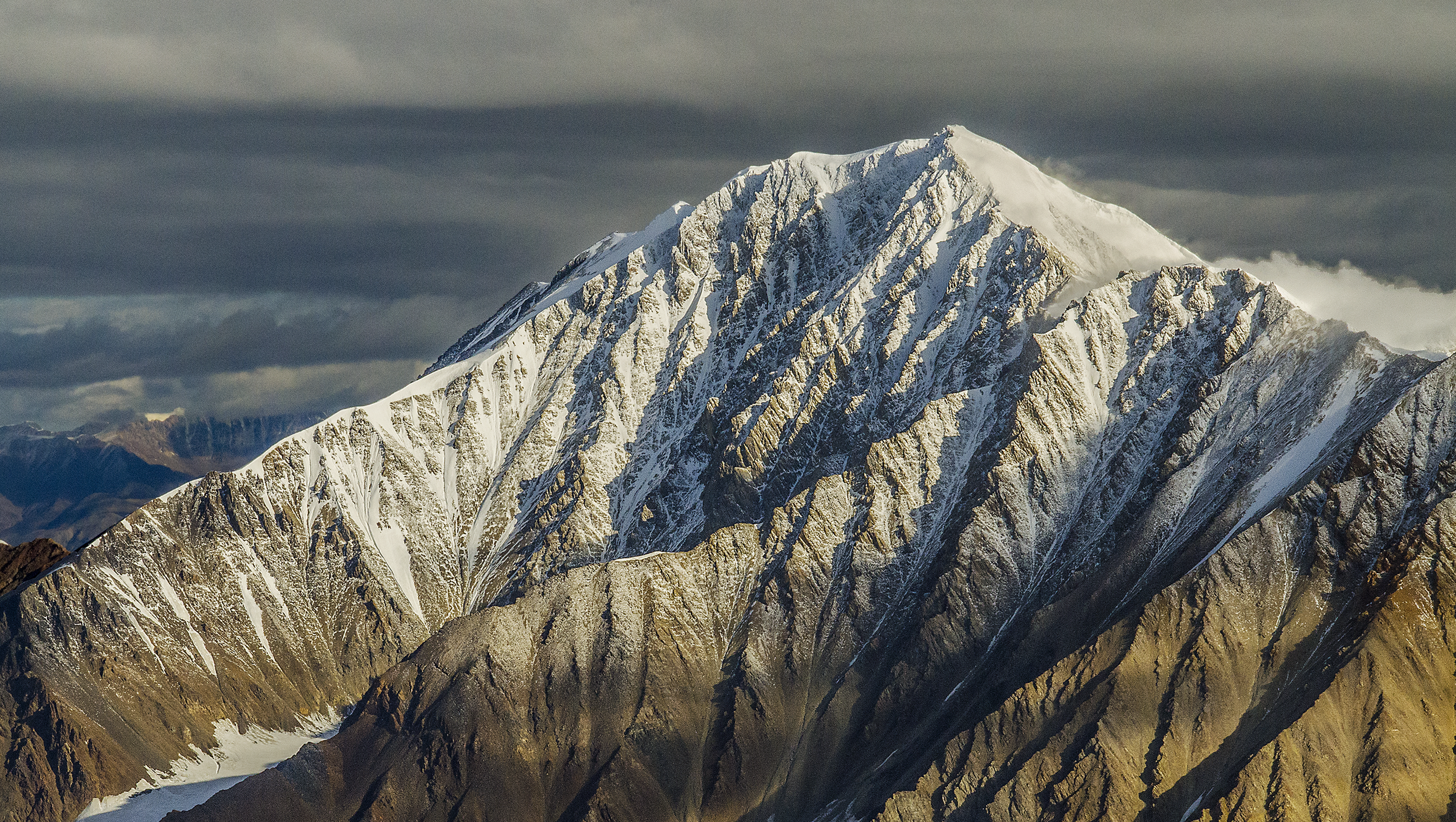
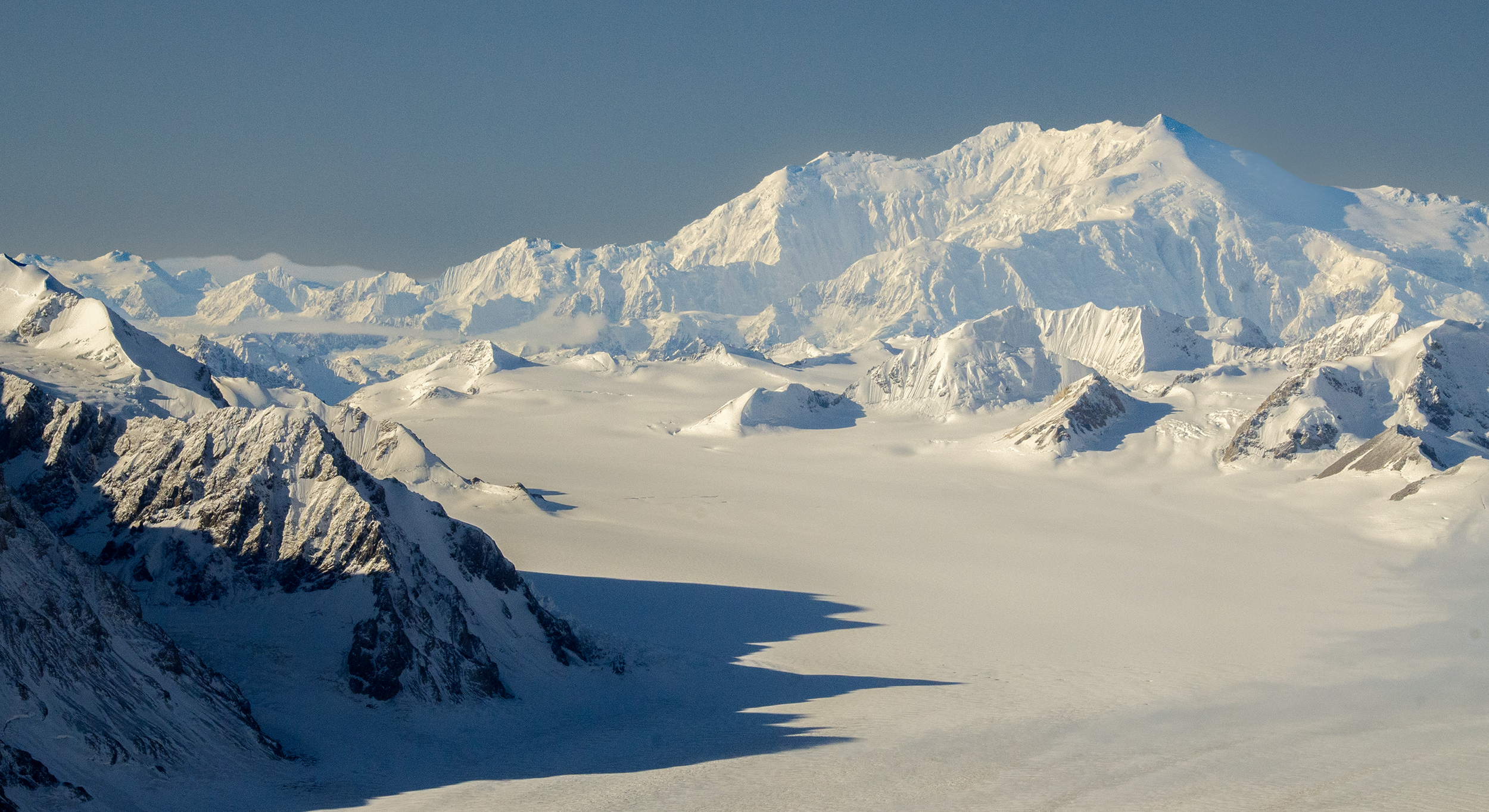
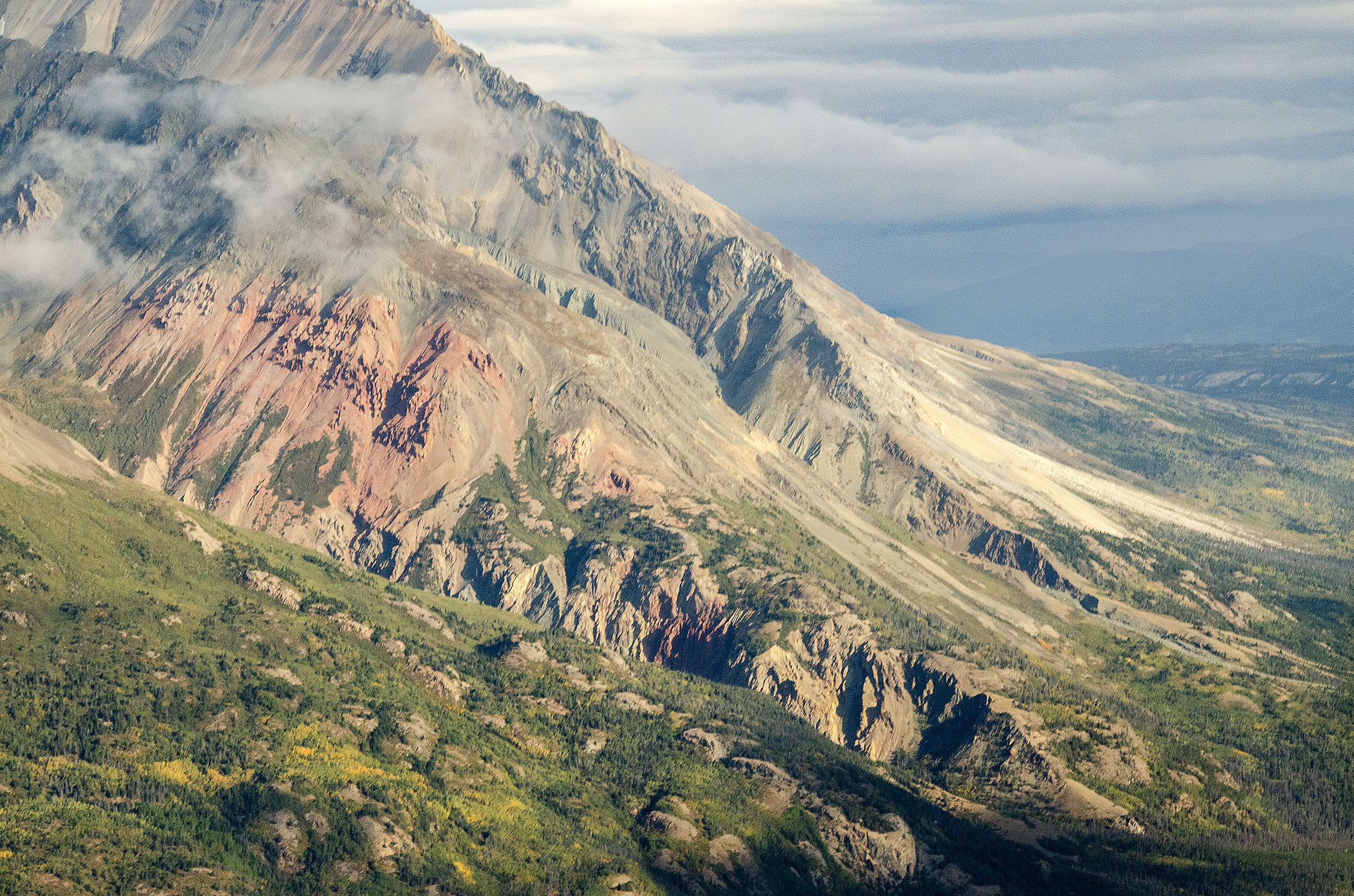
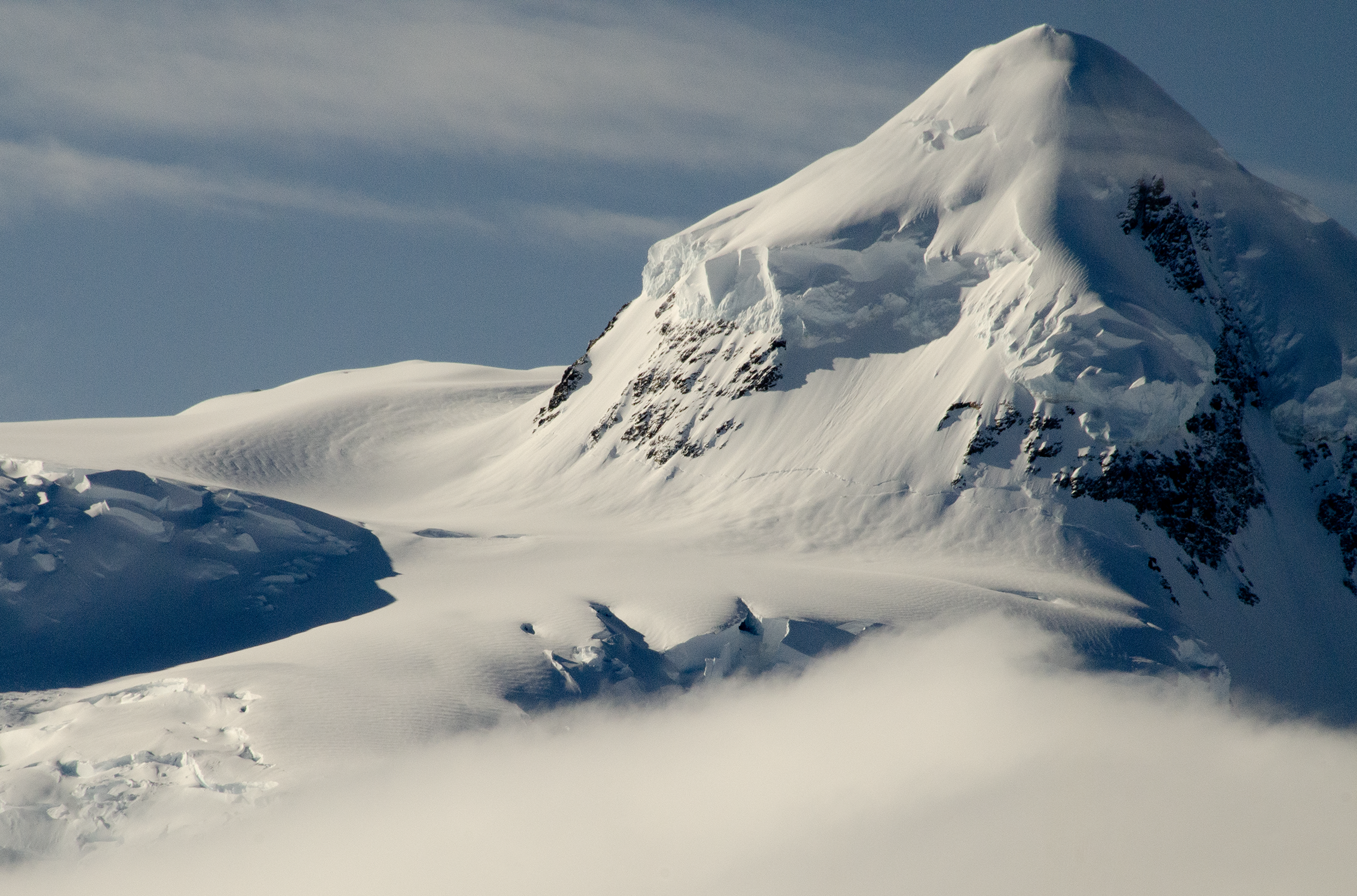
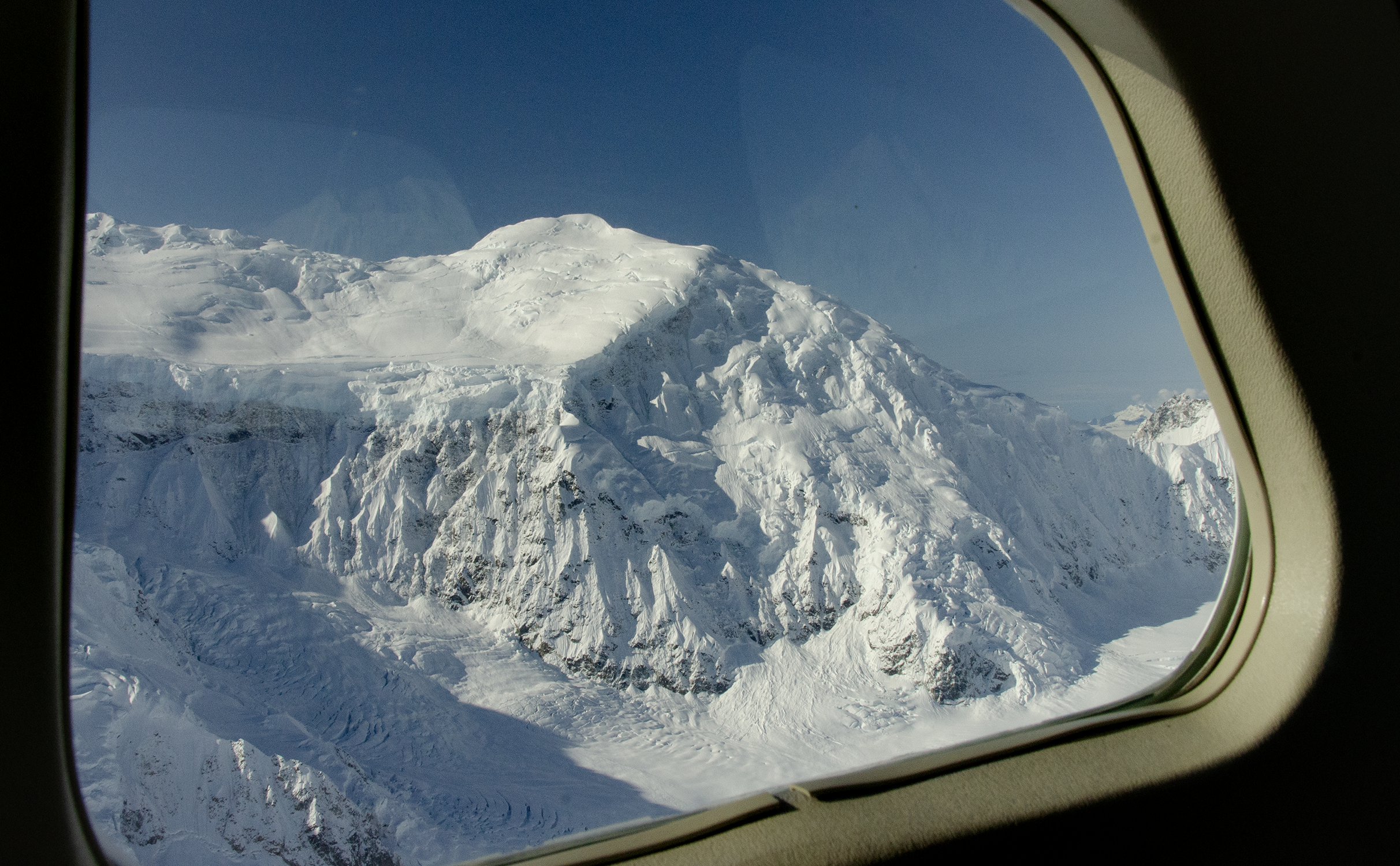
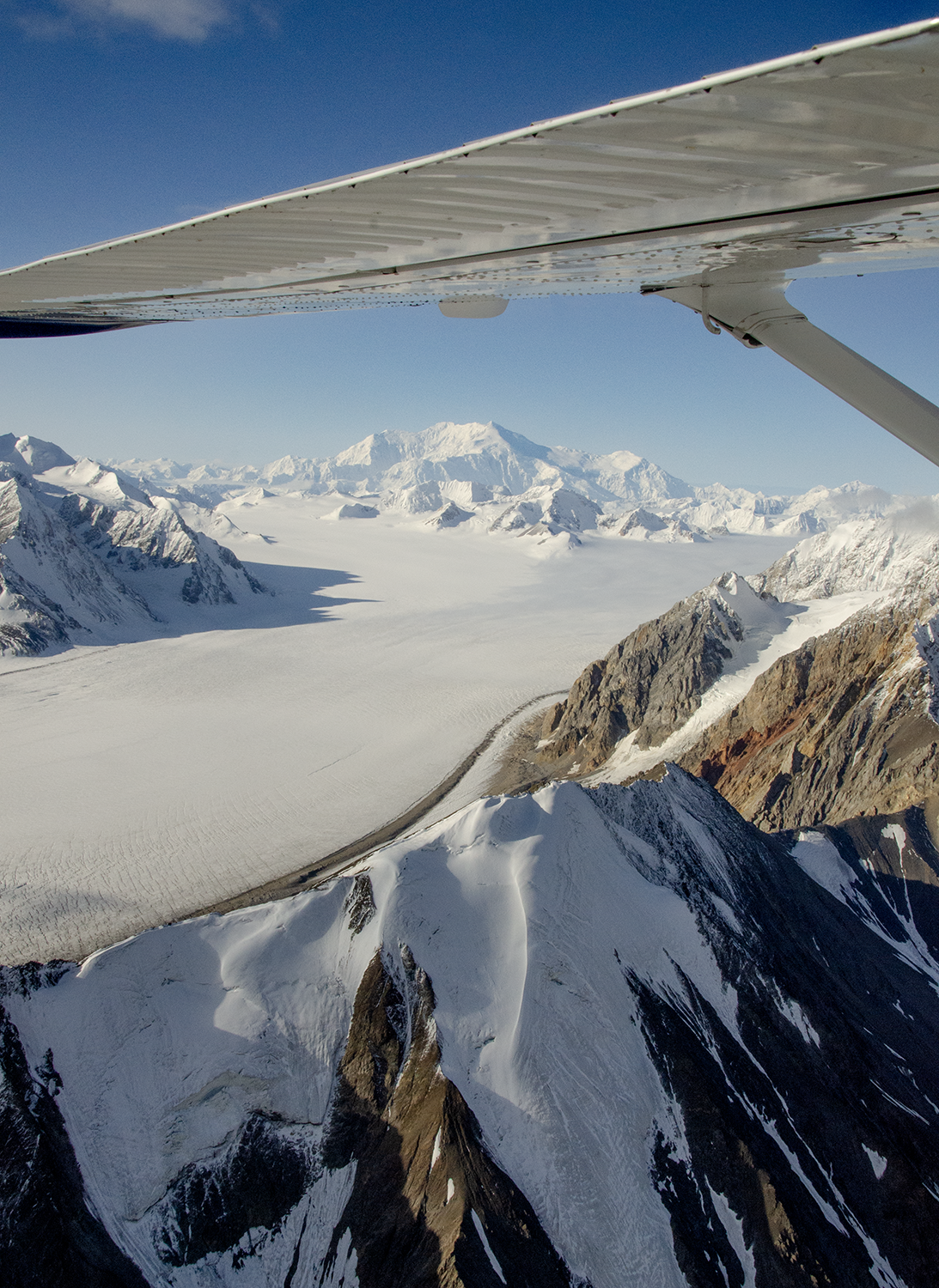
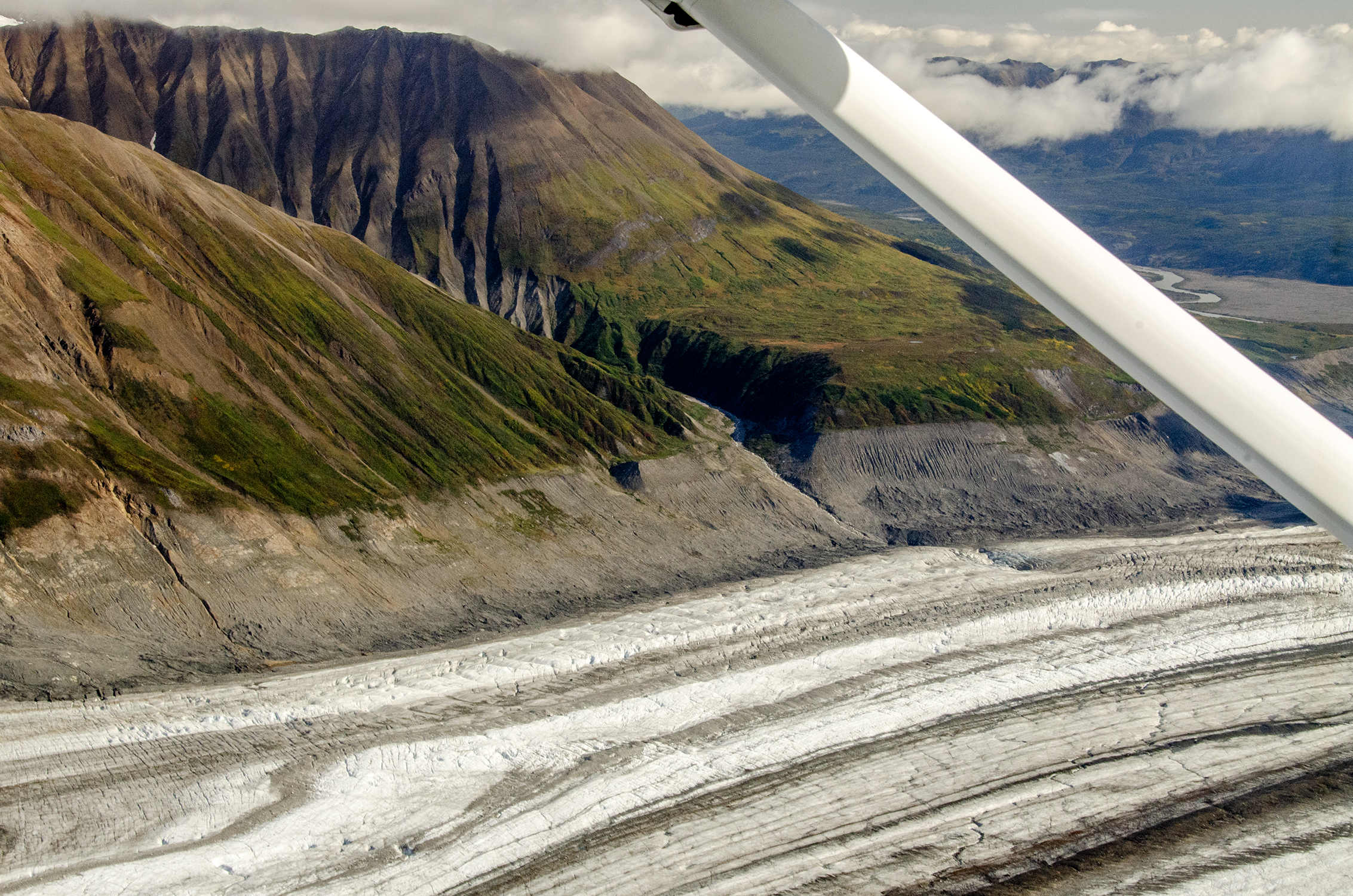
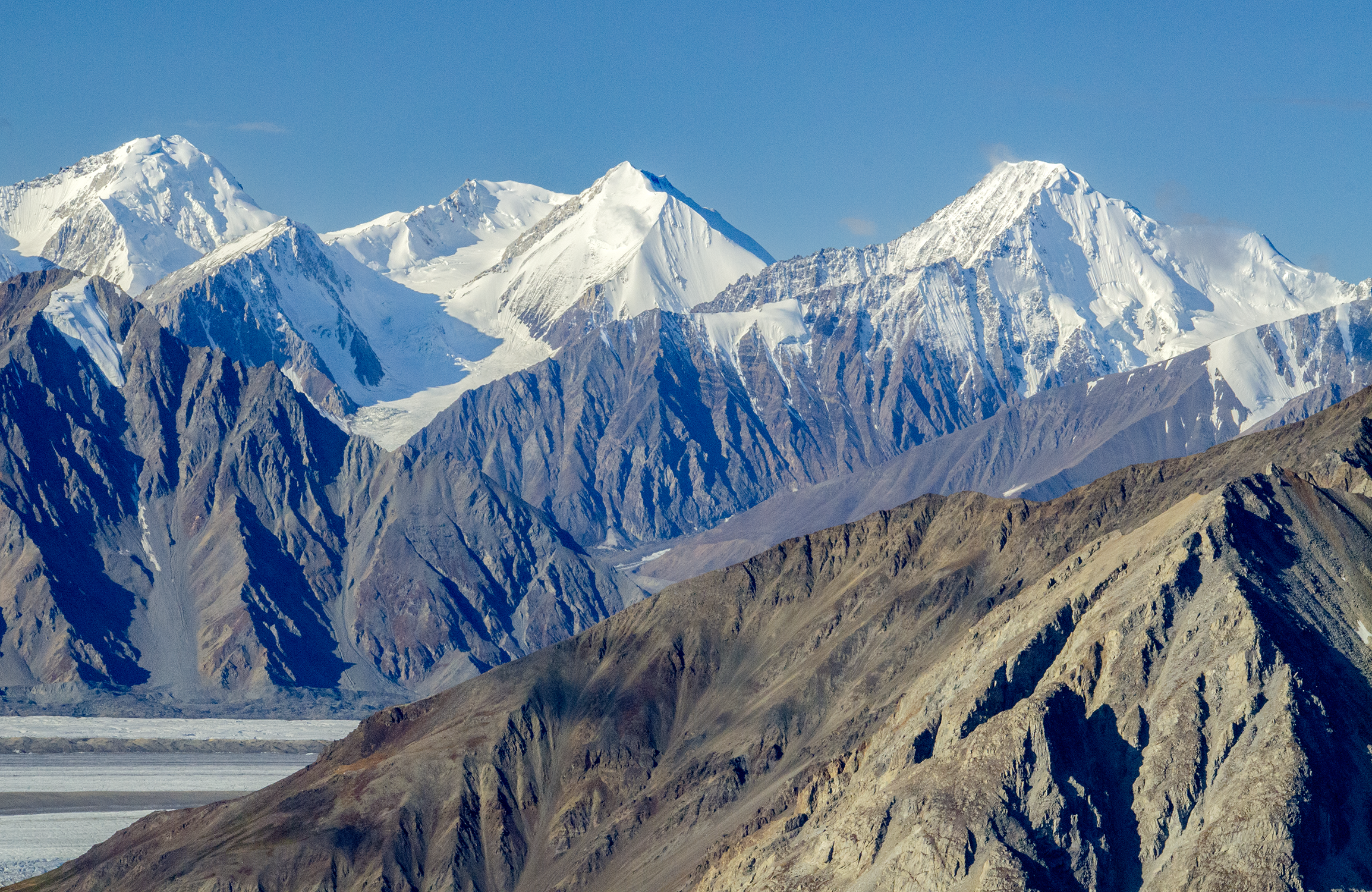
During the Canadian Labour Day holiday in 2017, I traveled to the Yukon Territories for the first time. While the wildlife was rather scarce, the landscapes were amazing, with fall colours on full display. The stunning aerial mountain vistas over Kluane NP, were the icing on the photography cake (see separate gallery).
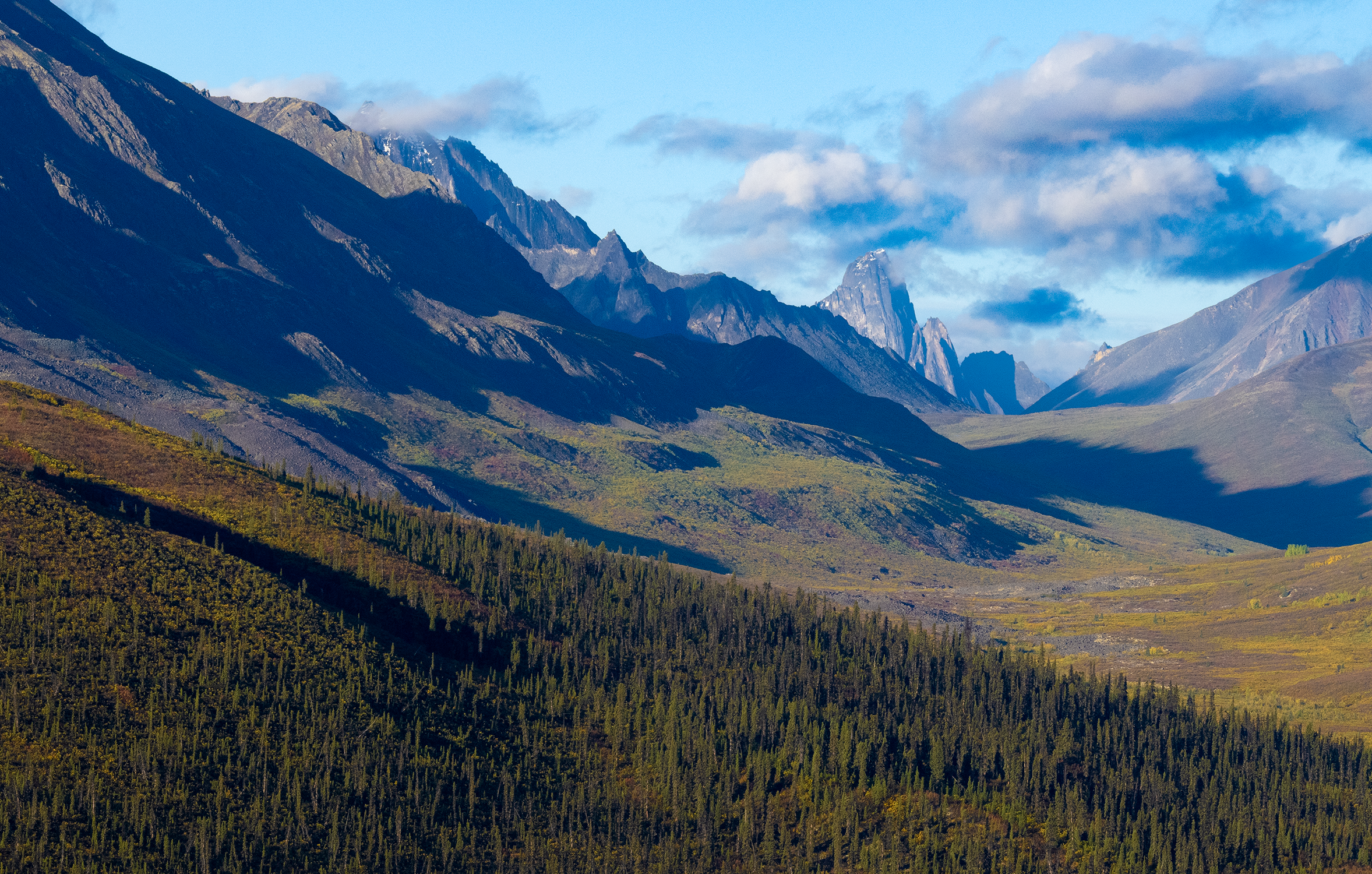
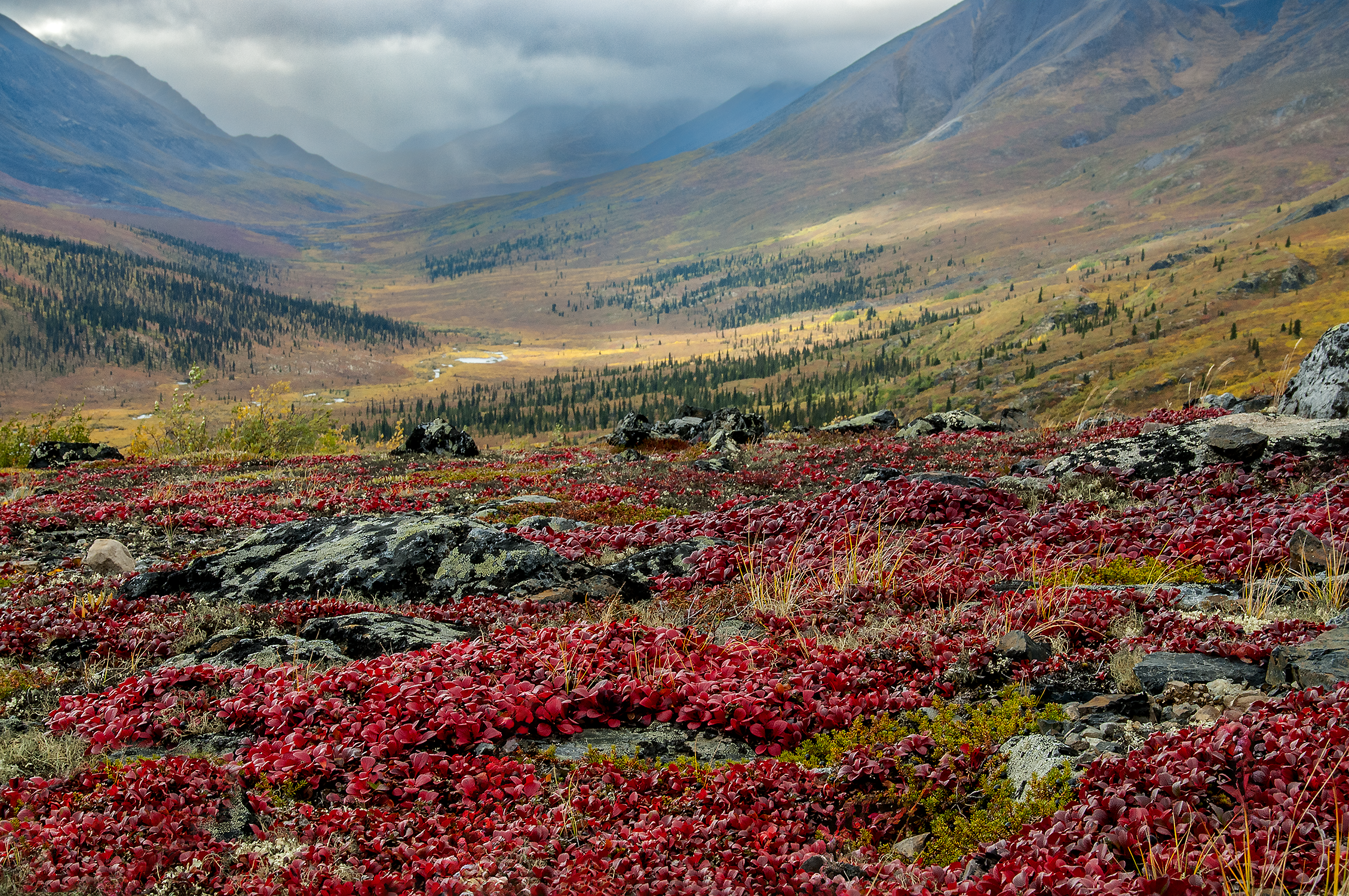
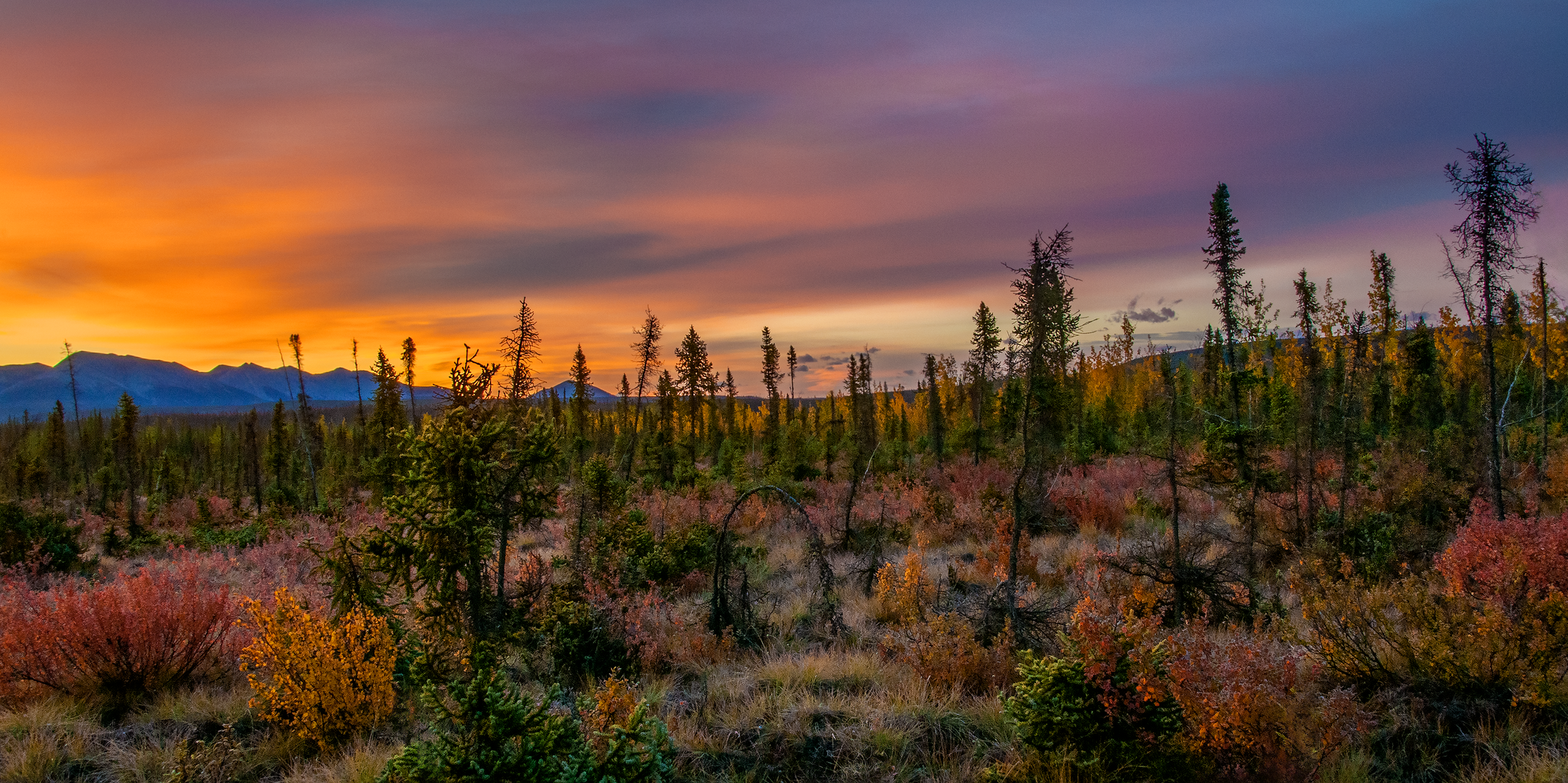
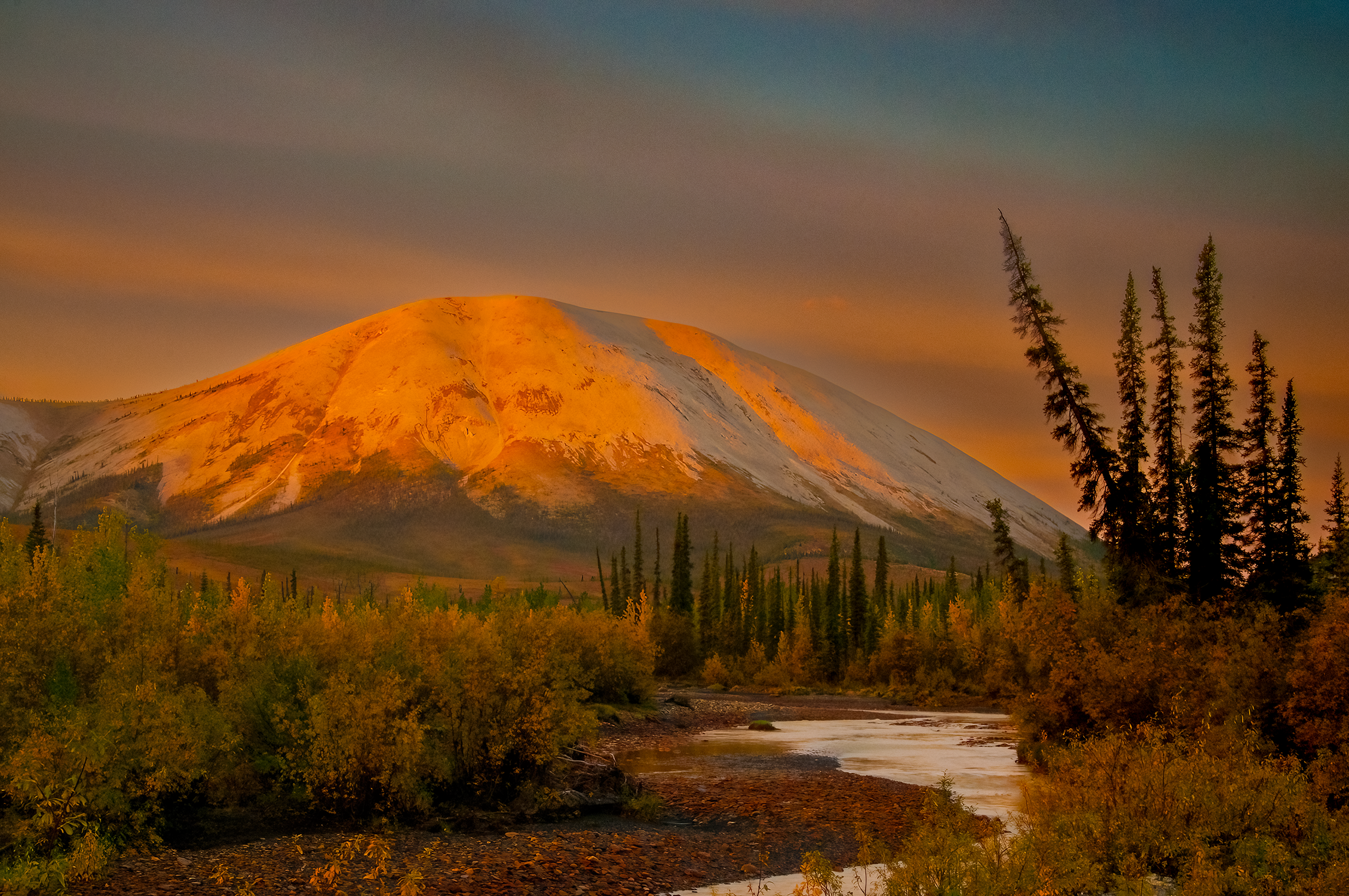
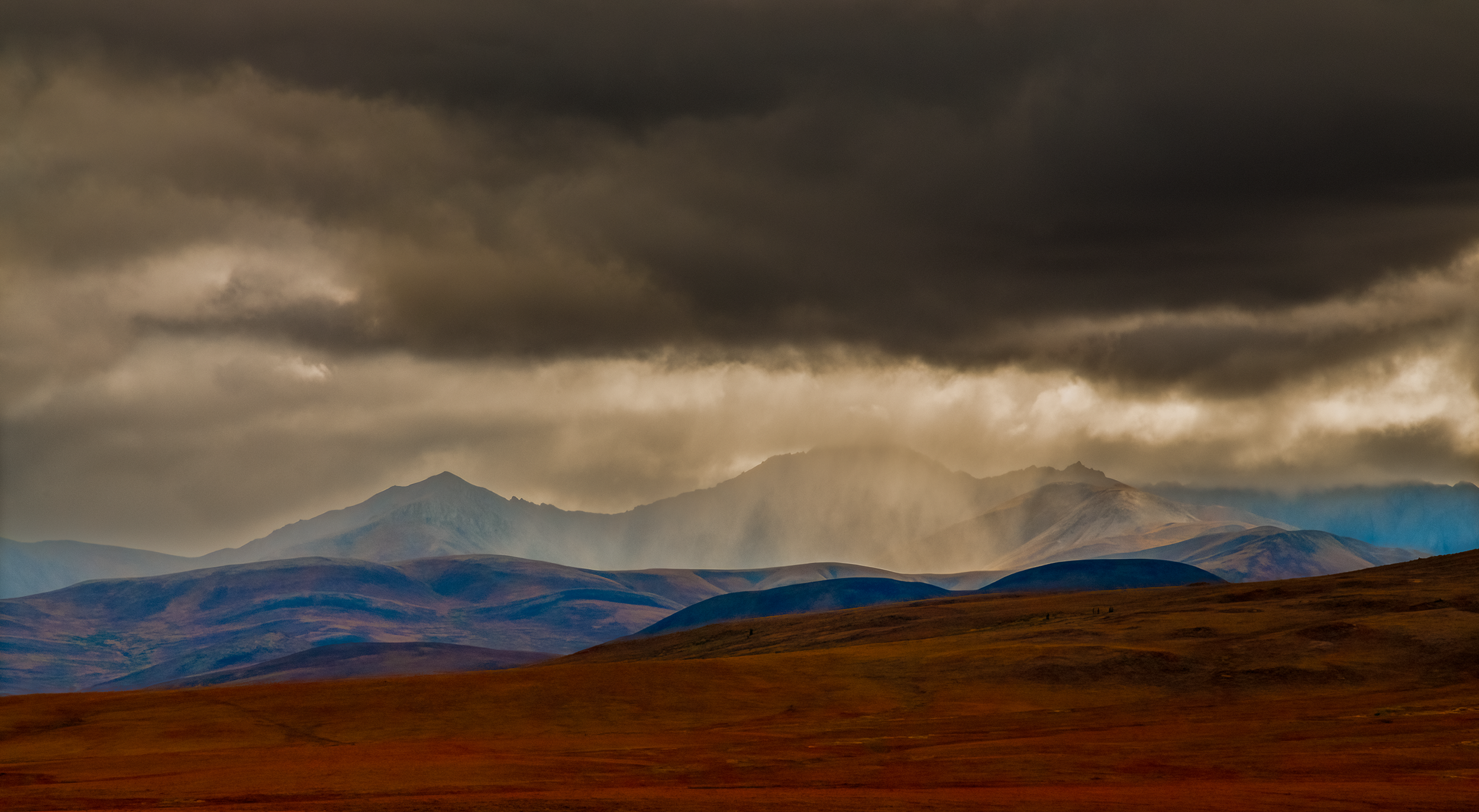
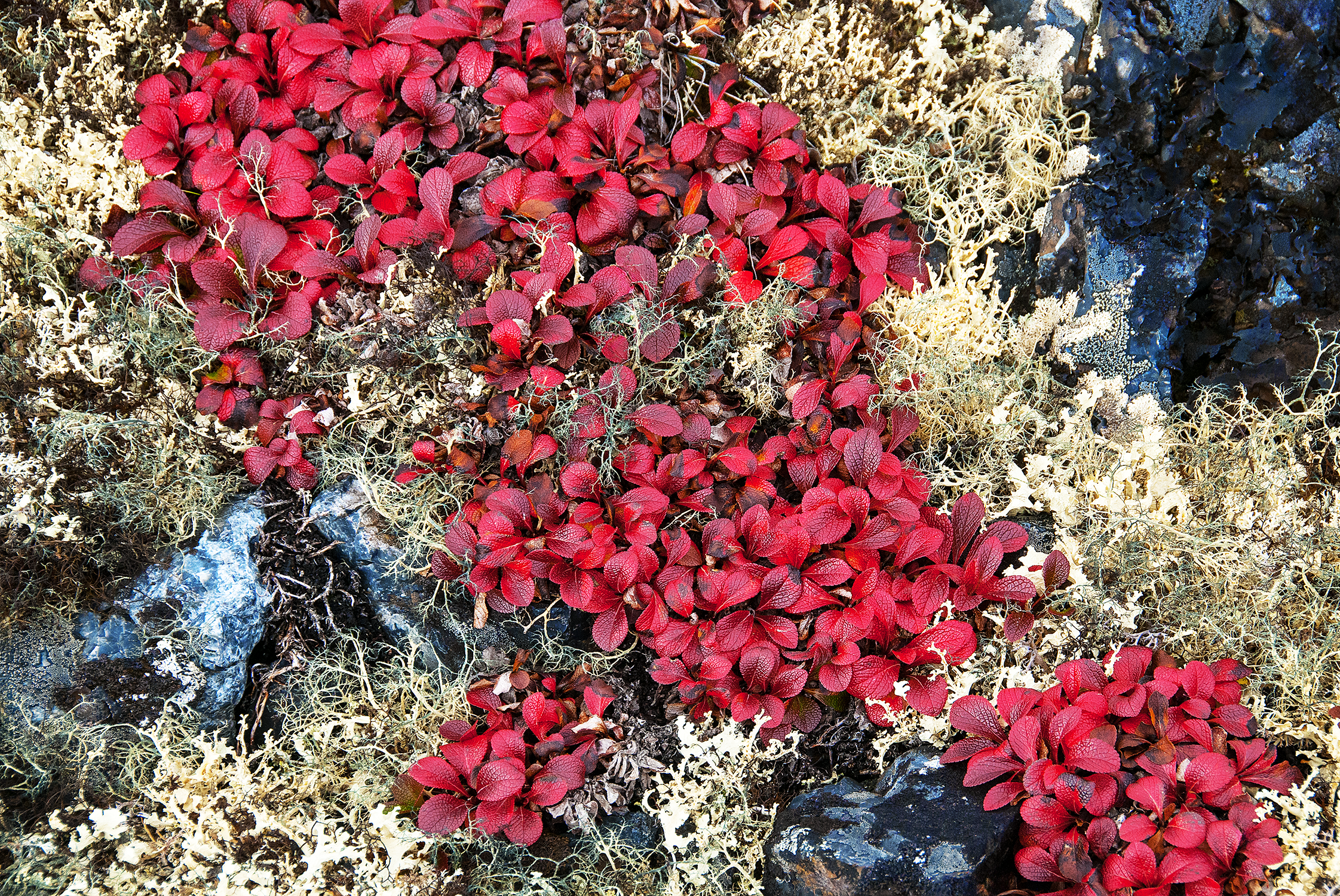
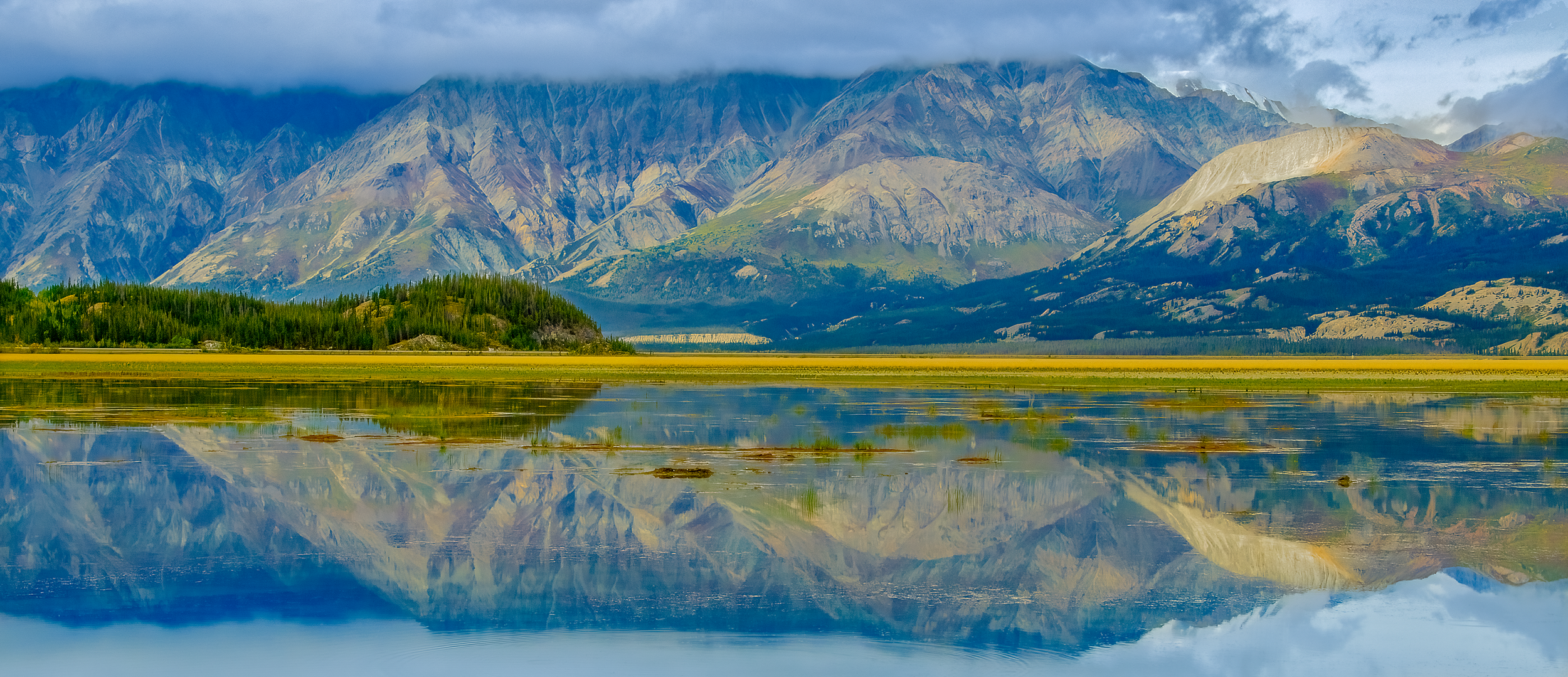
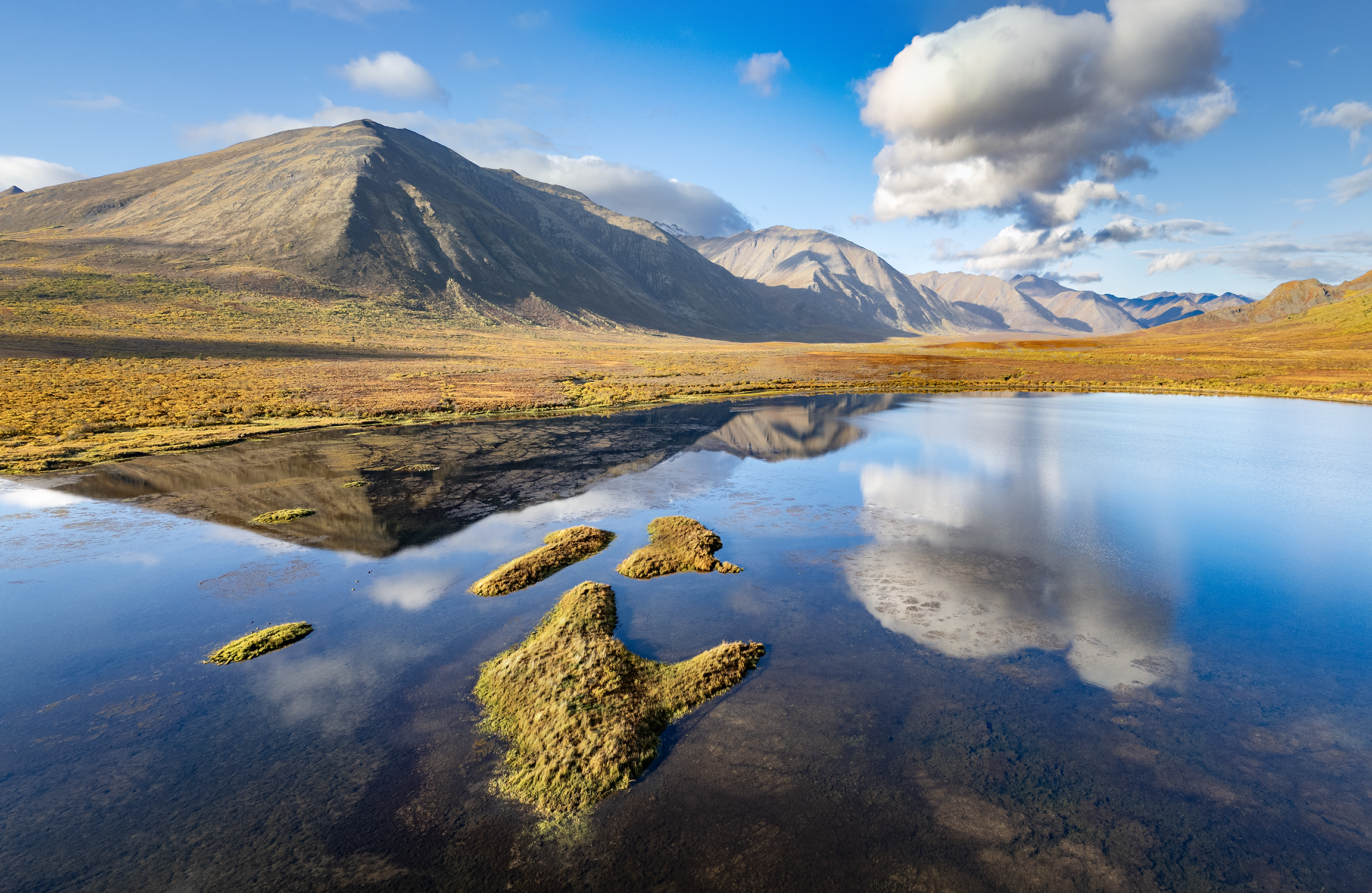
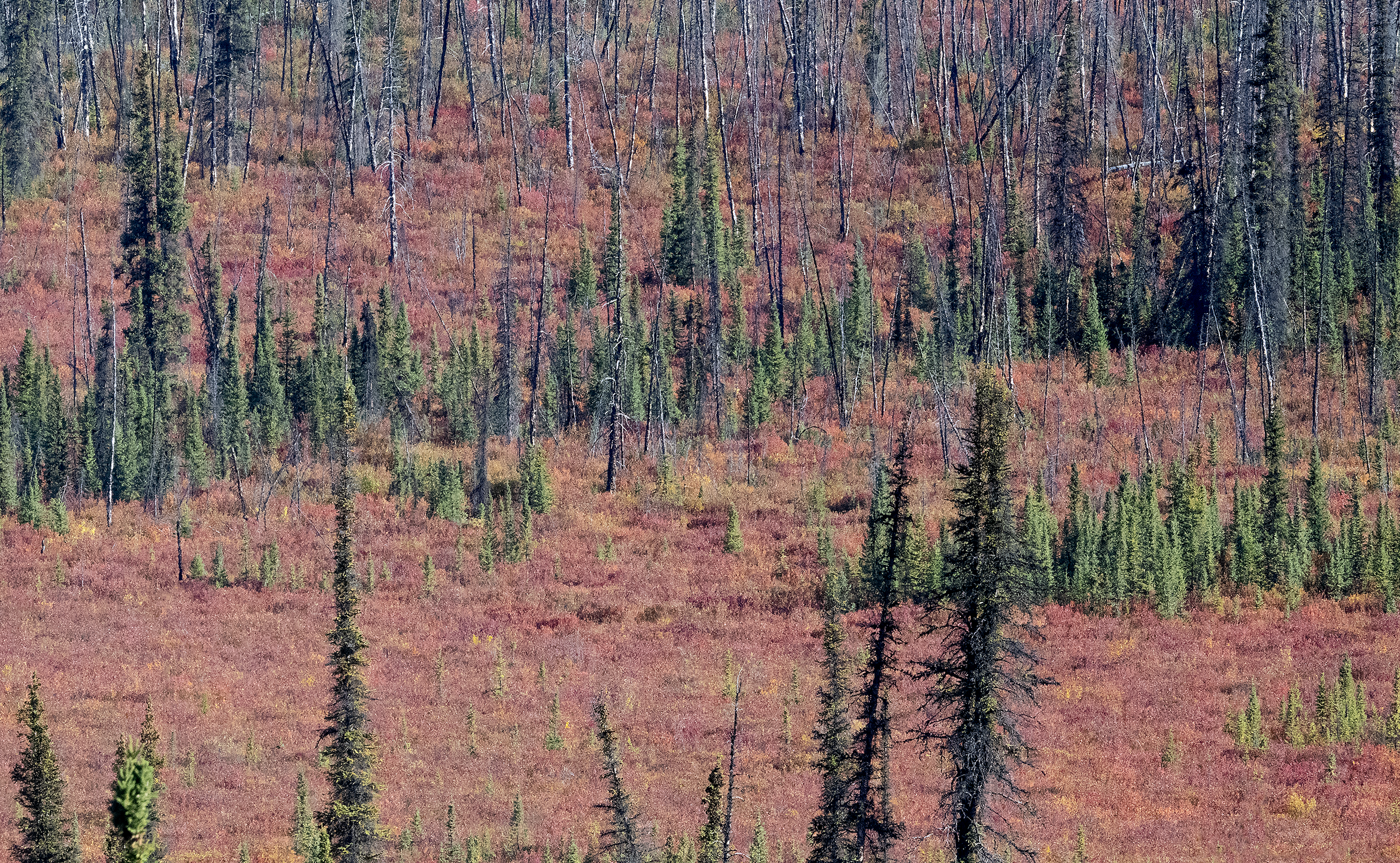
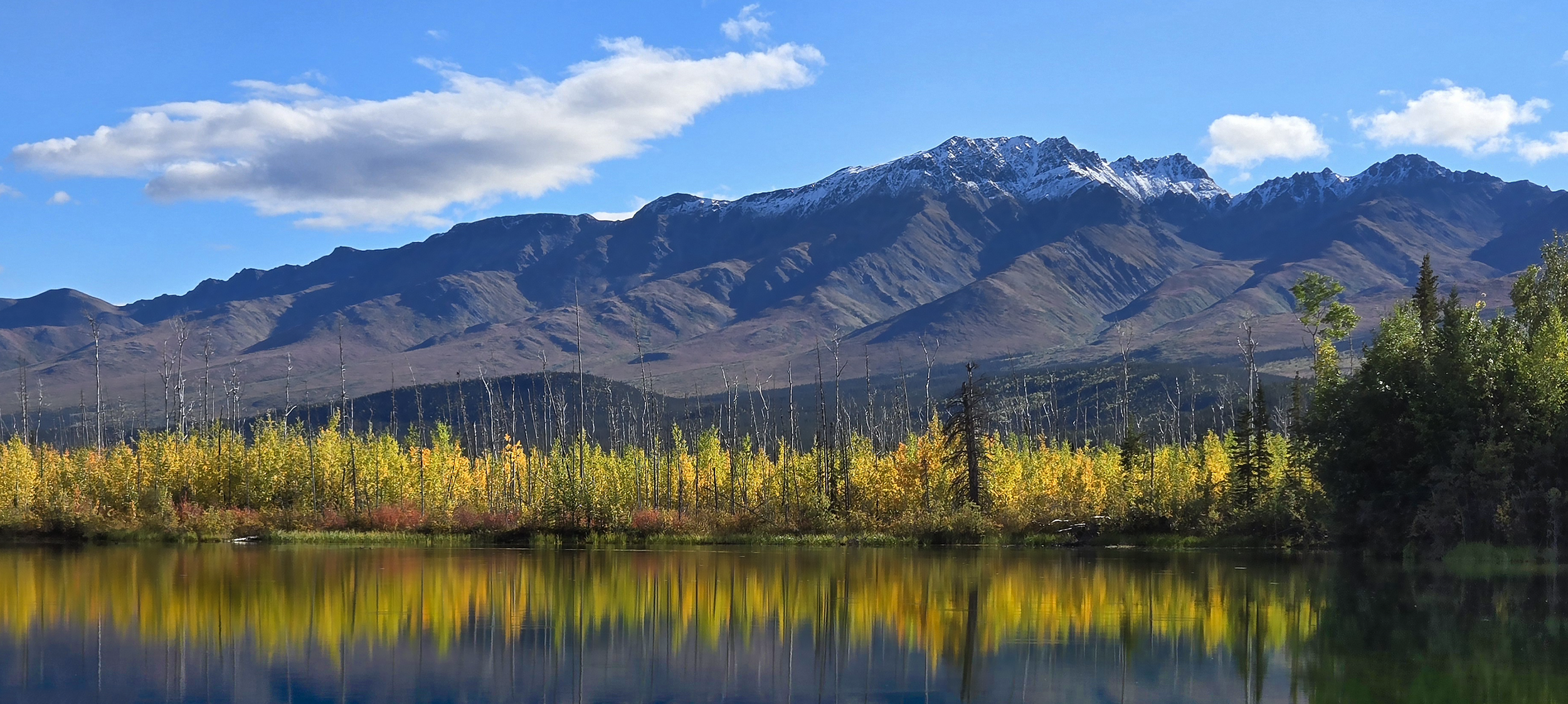
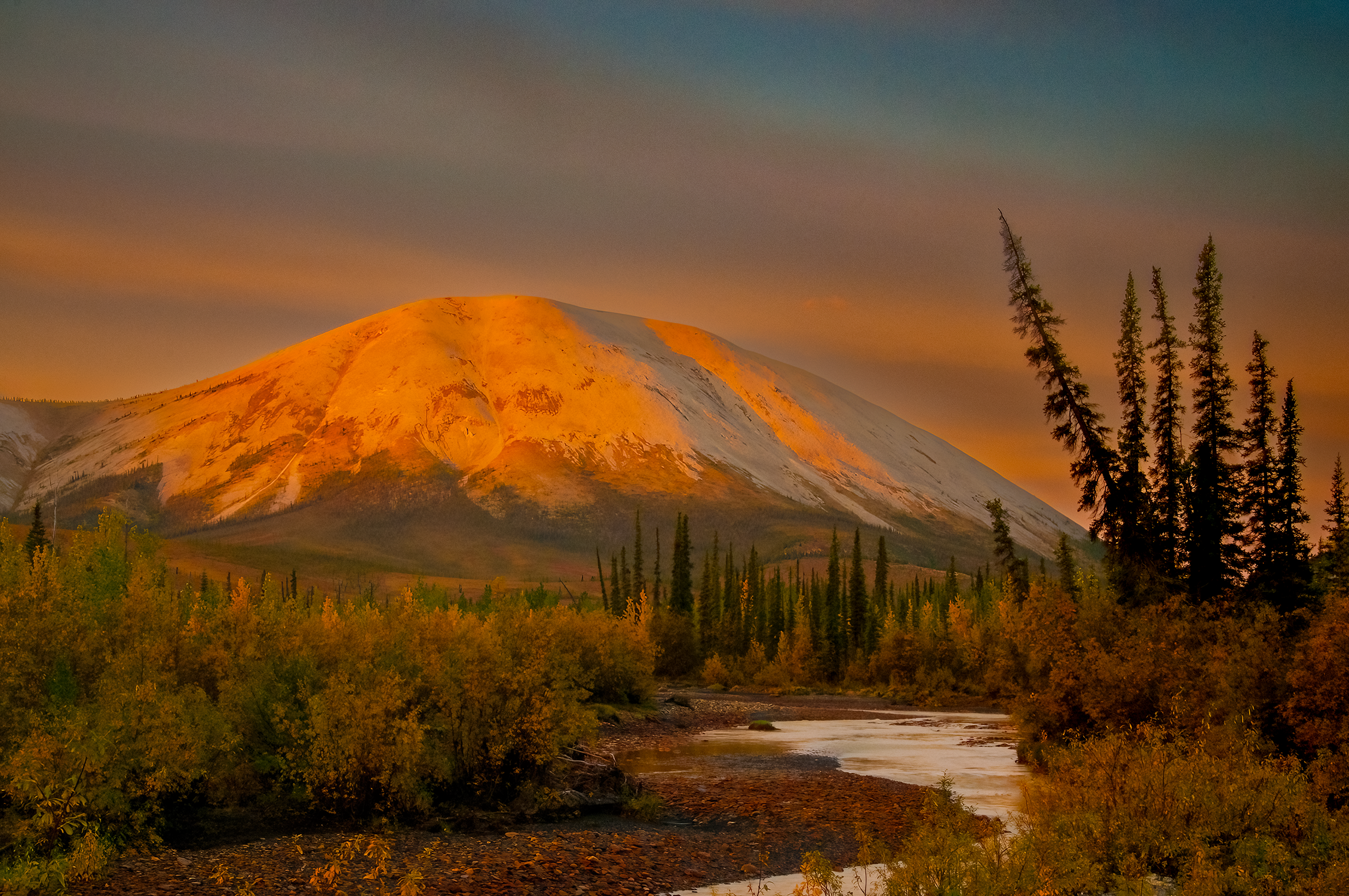
Kluane National Park Reserve
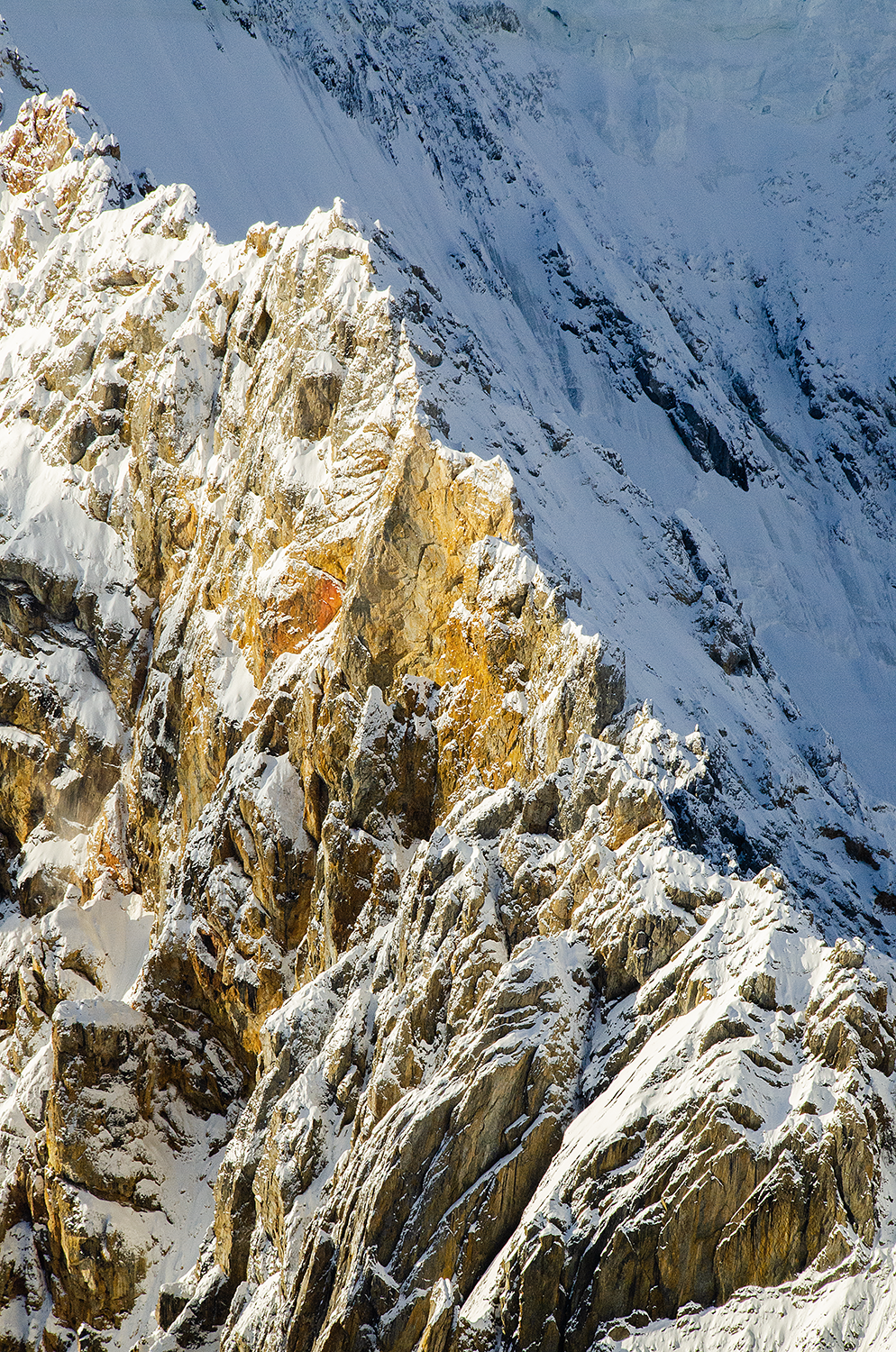
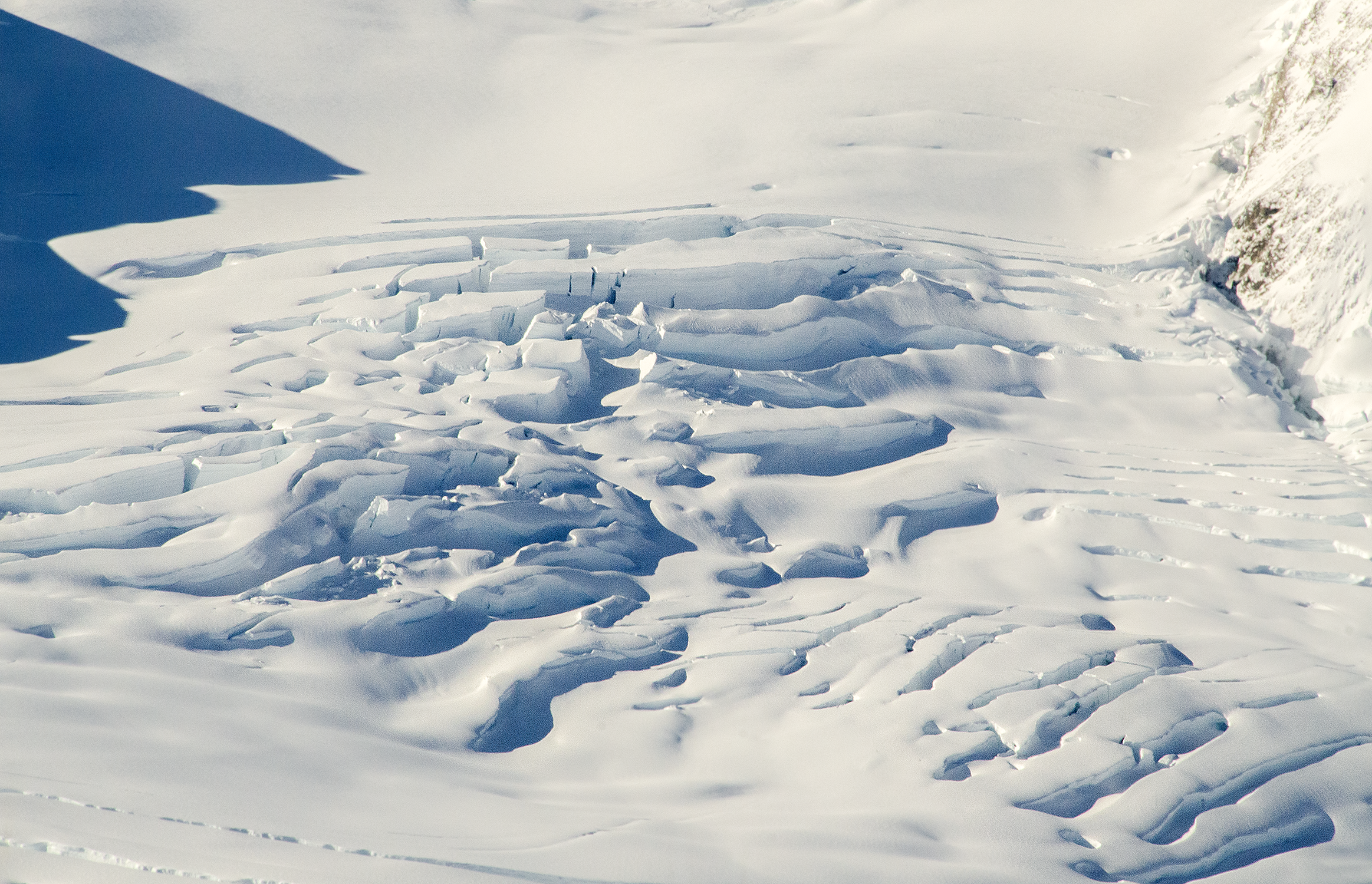
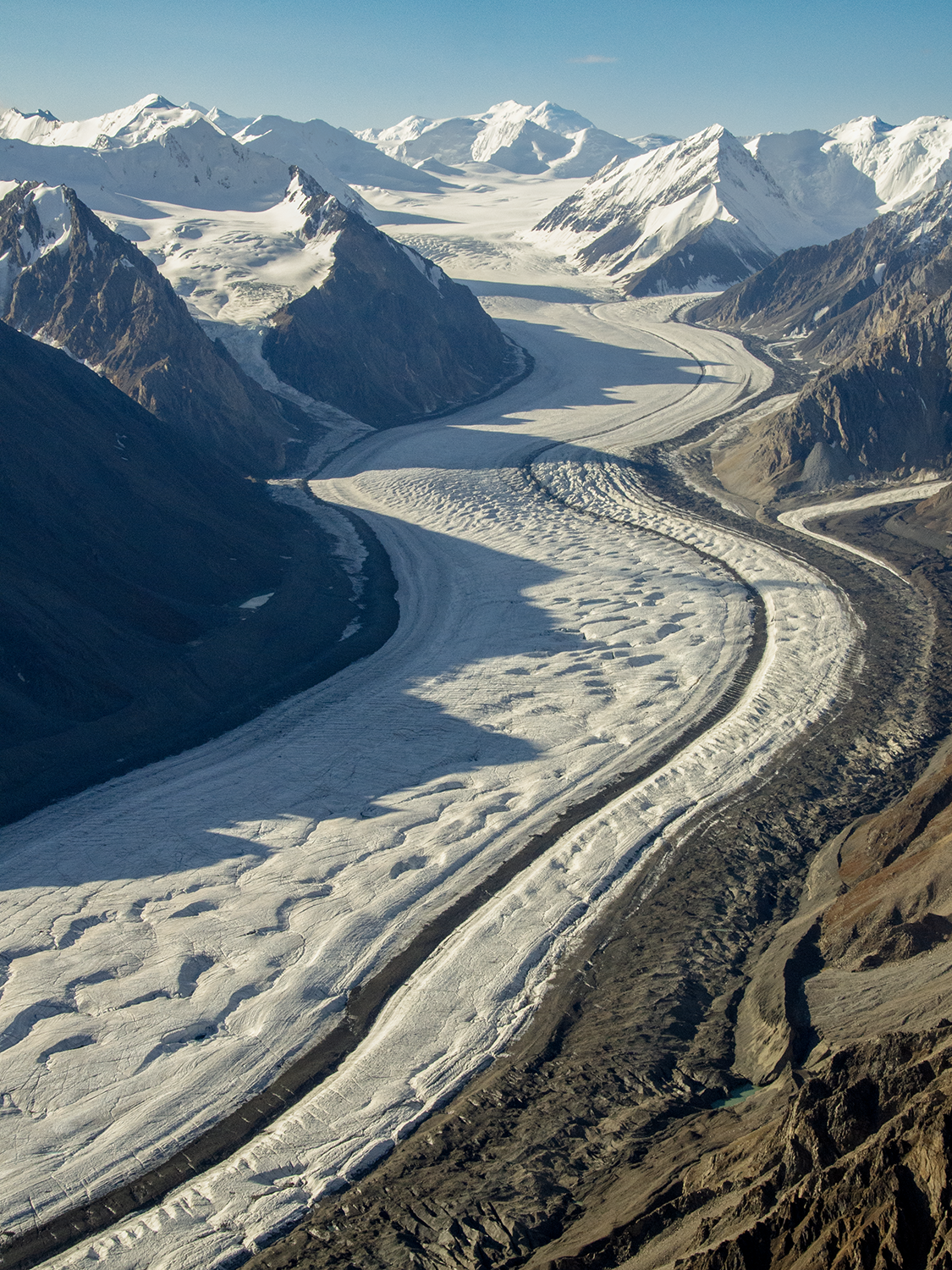
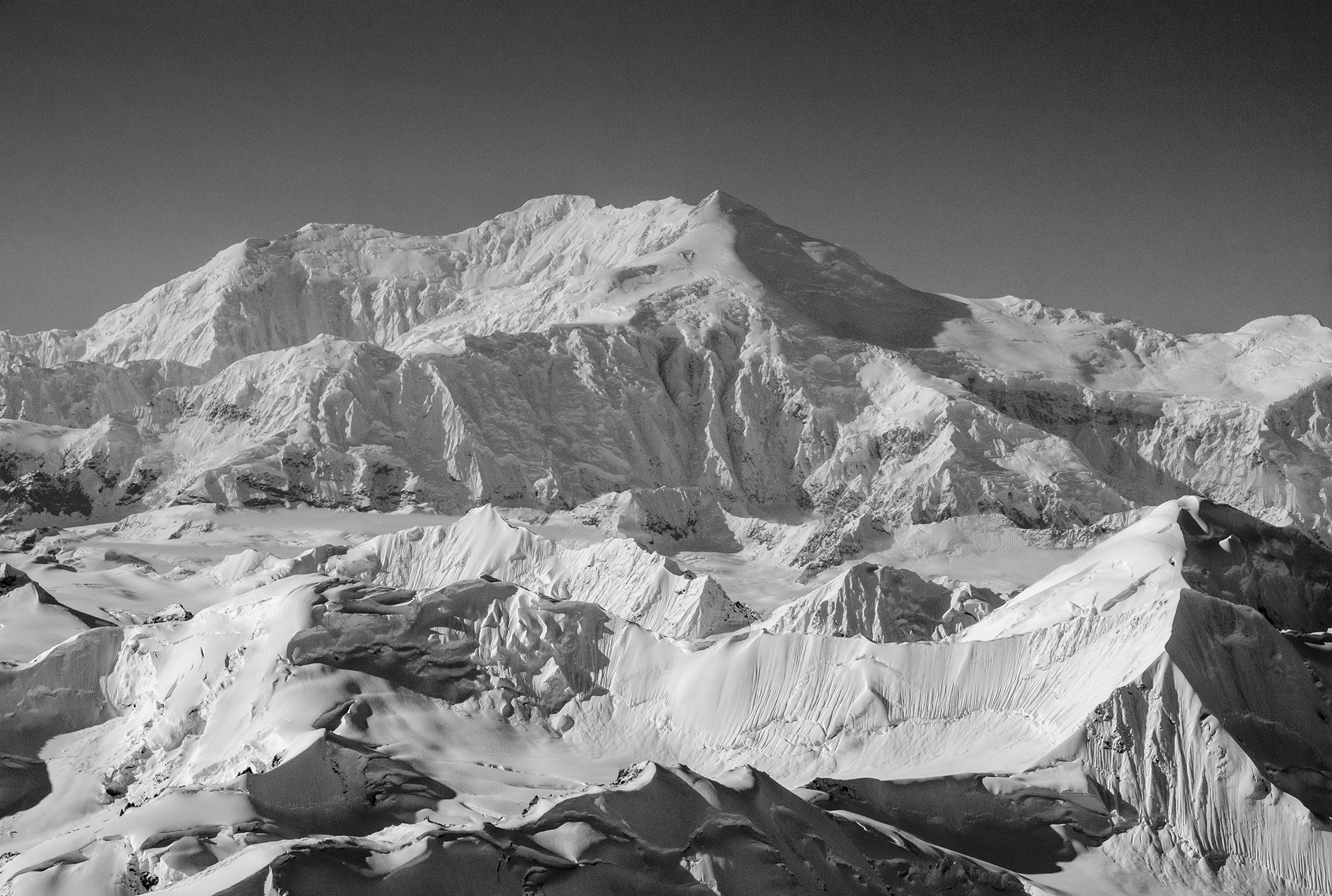
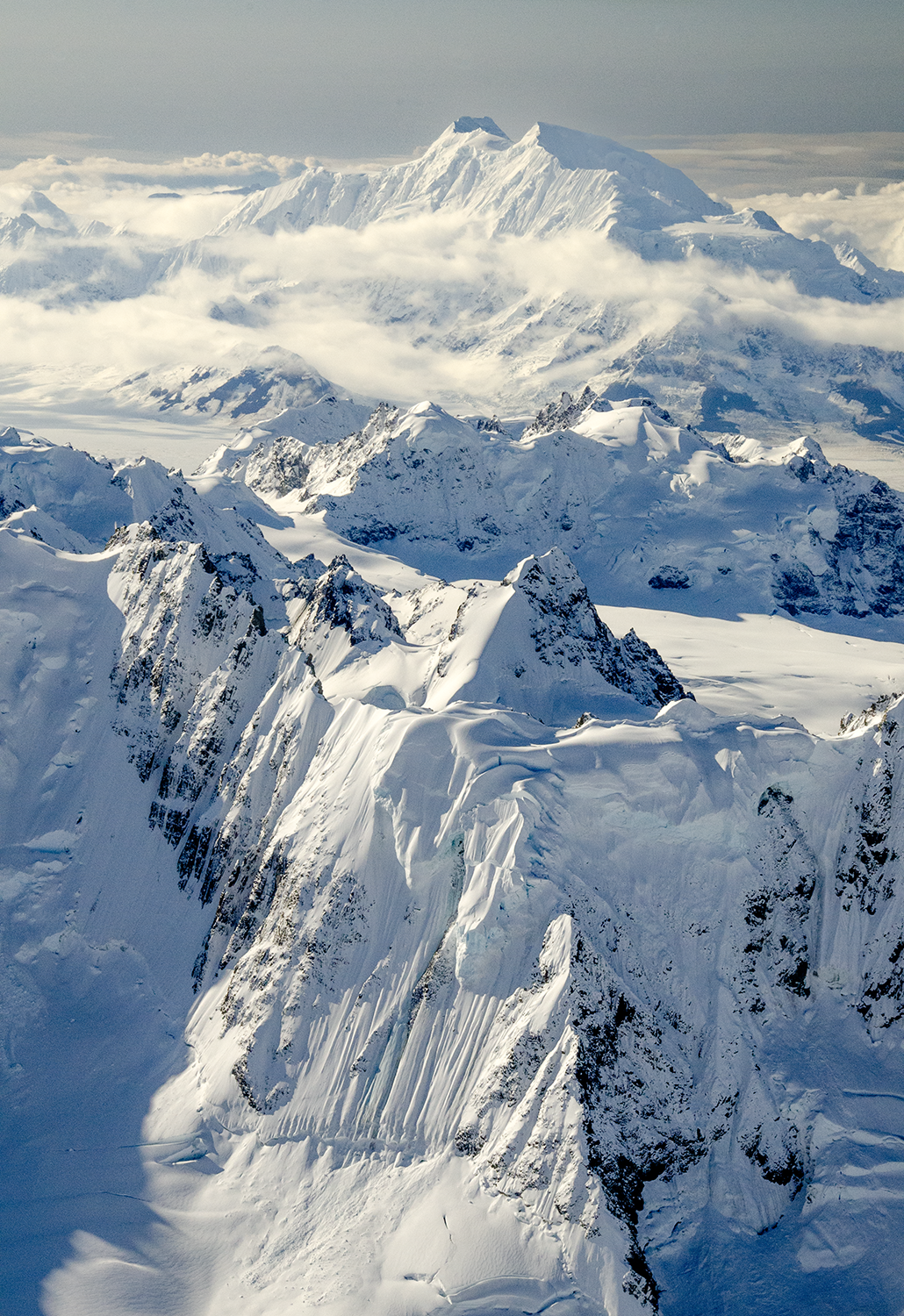
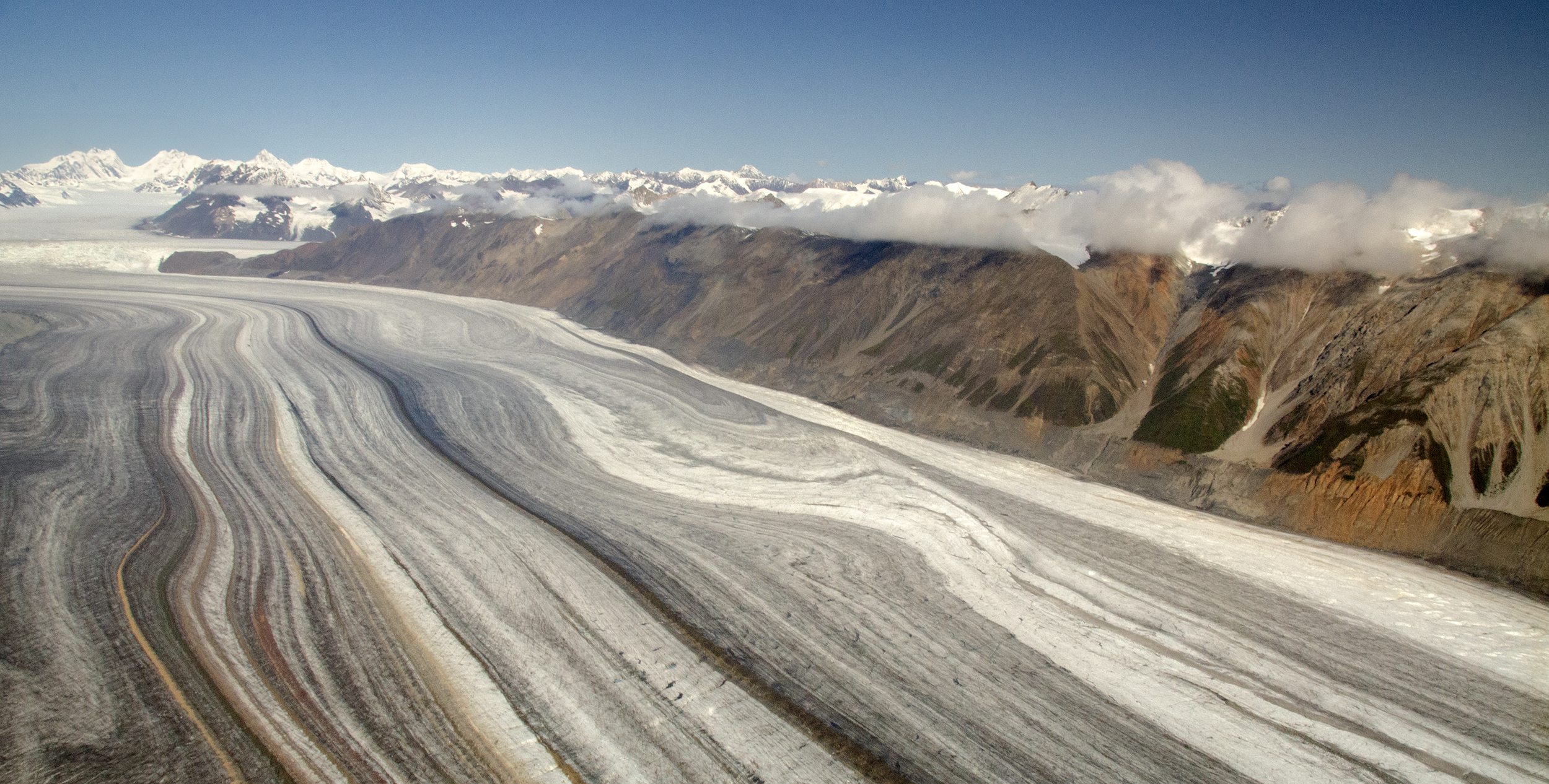
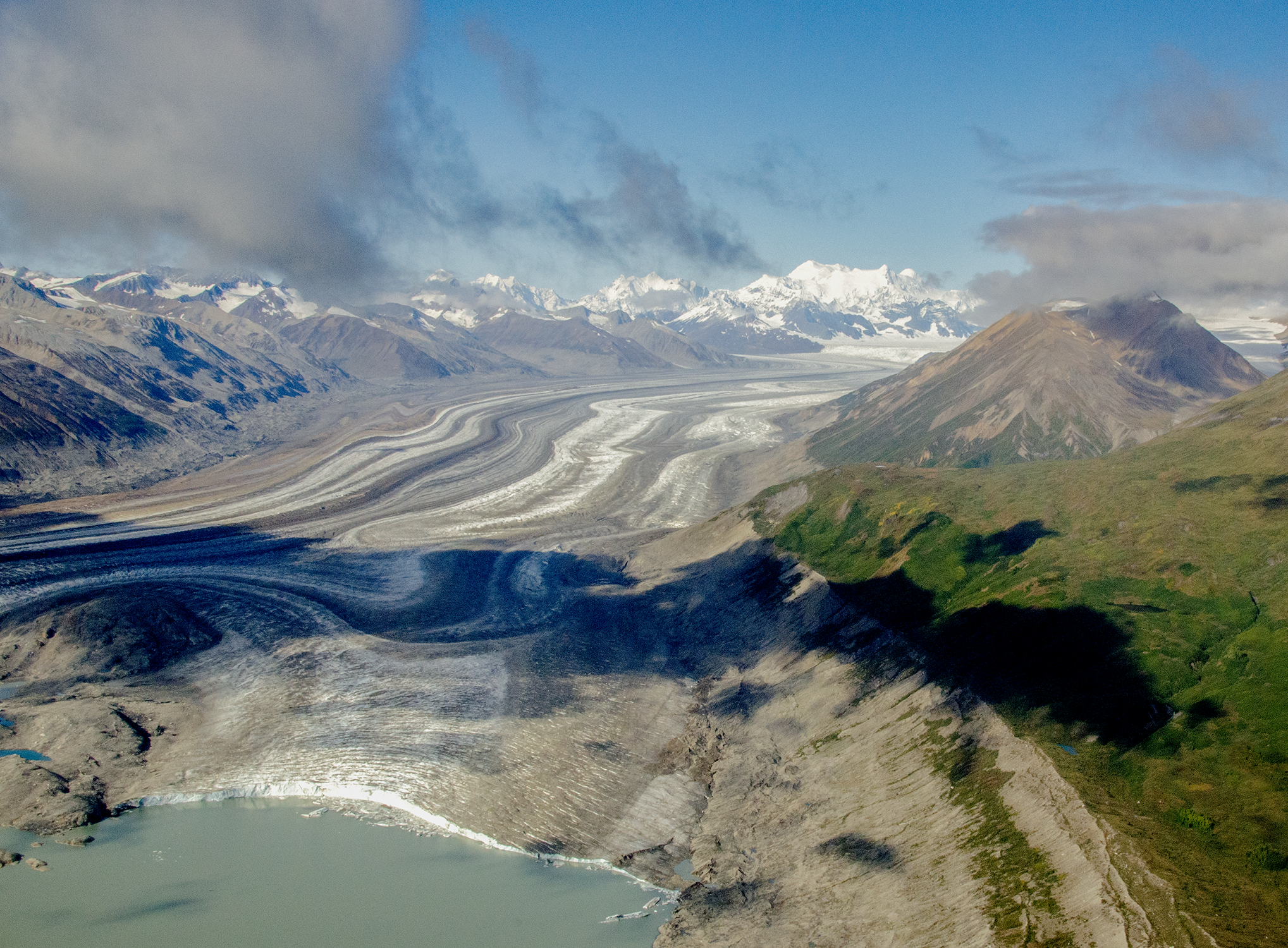
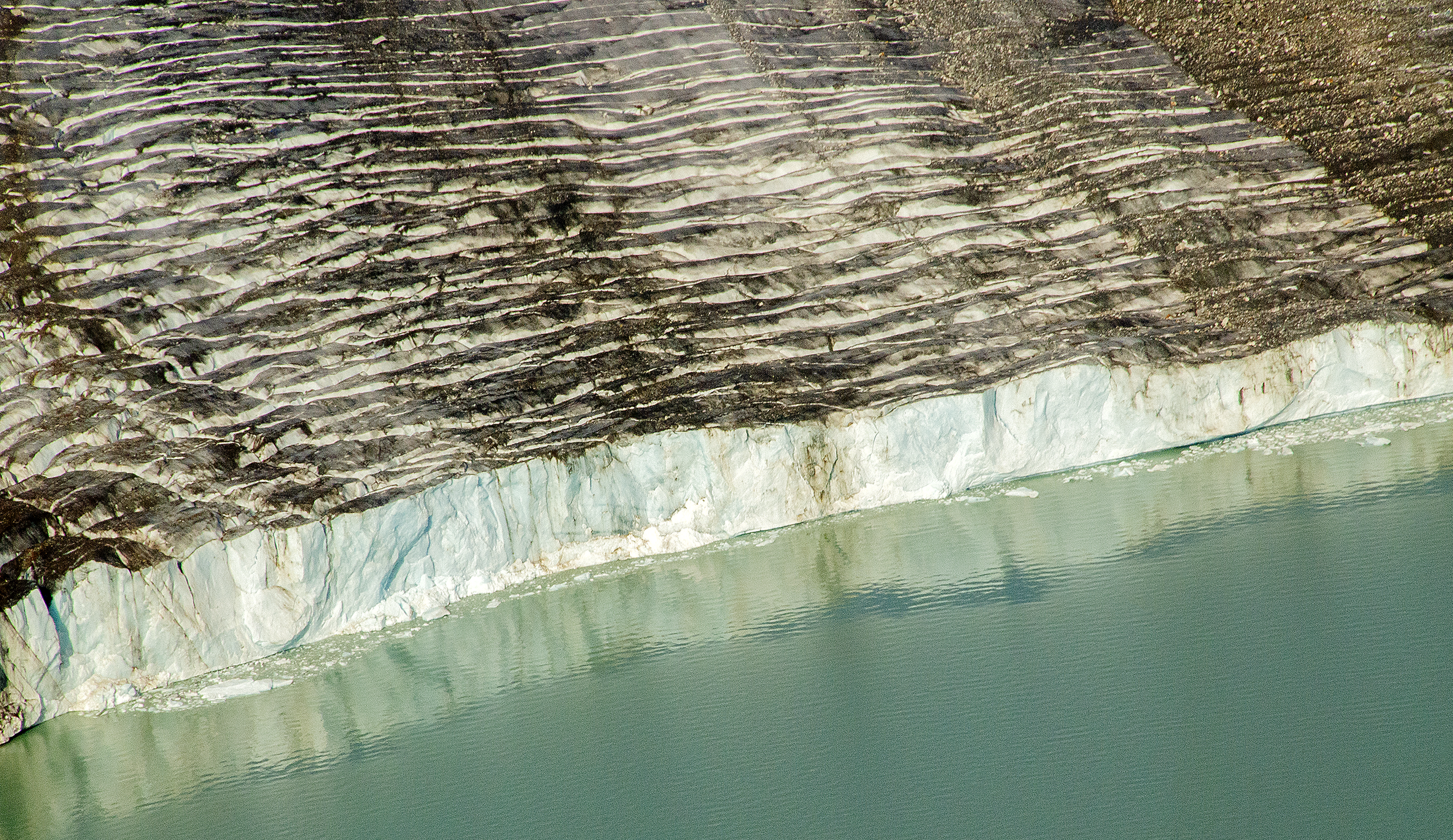
Just after Labour Day 2017, I was able to take a 90 minute flight over Kluane NP. I flew on a Cessna 210 with Kluane Glacier Ice Tours, based in Haines Junction, YK. Conditions were 10/10 for both flying and photography. We saw Canada's highest mountain peaks, including Mt Logan. We also saw the largest, non polar glaciers, anywhere in the world.!
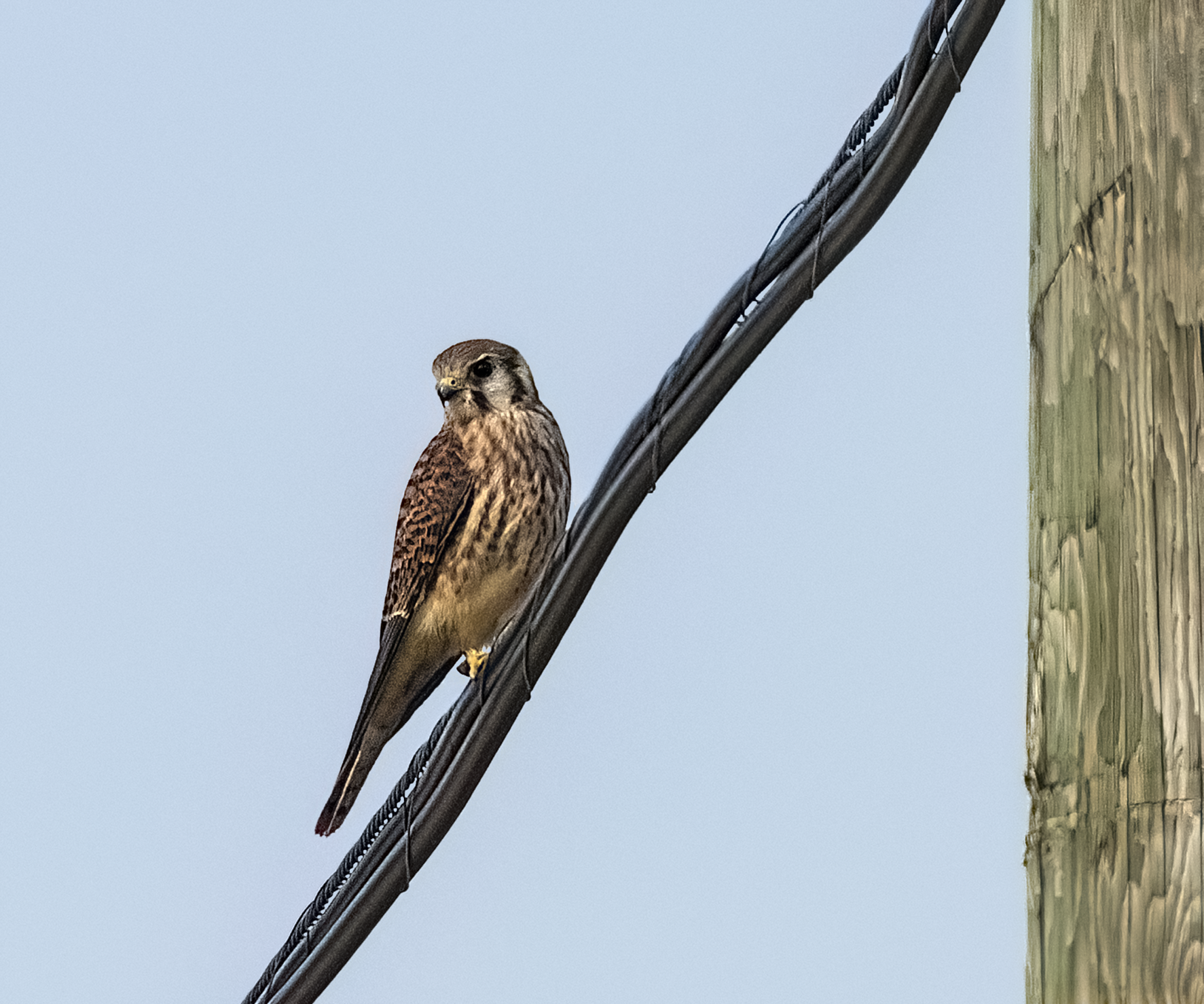
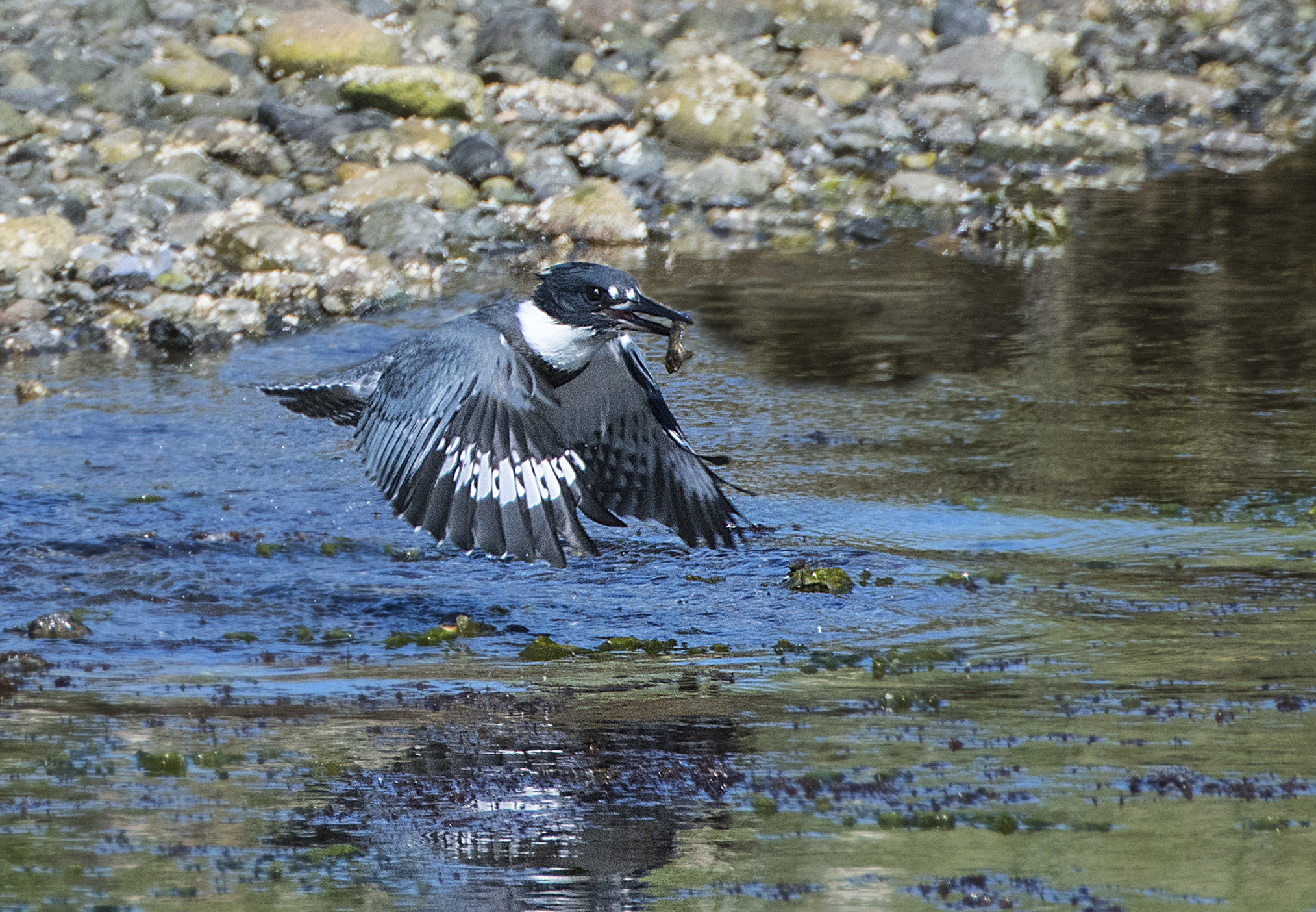
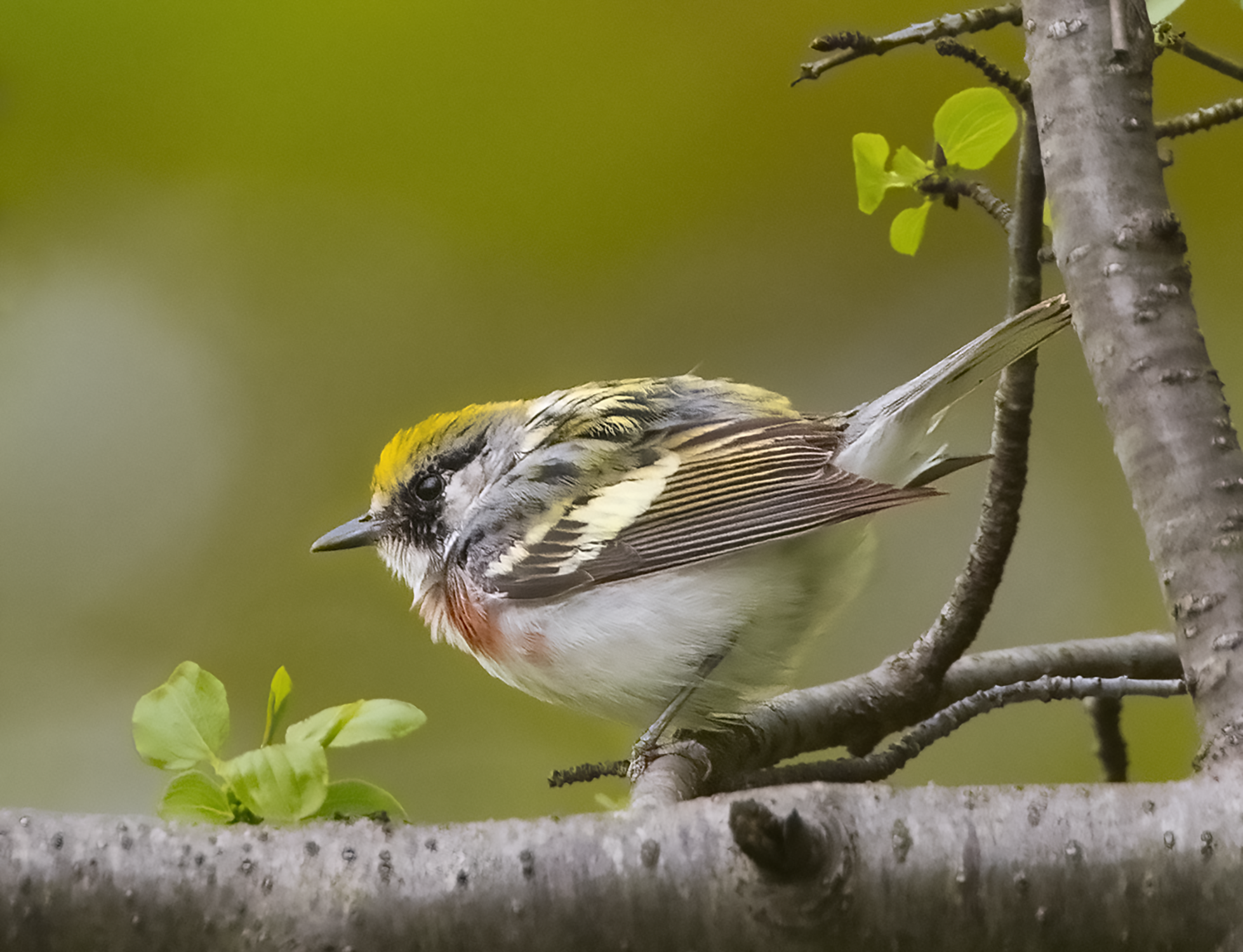
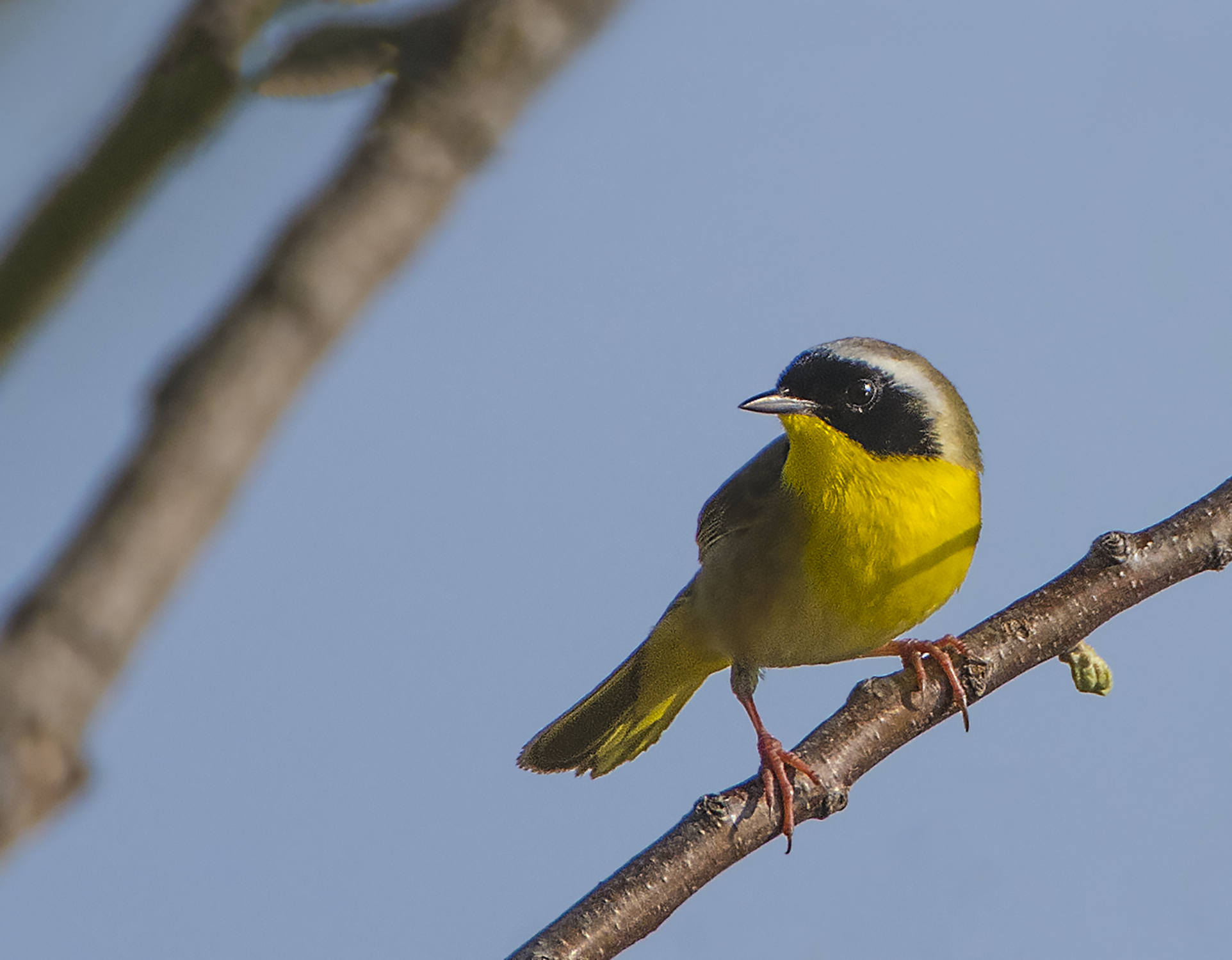
Birds of Ontario
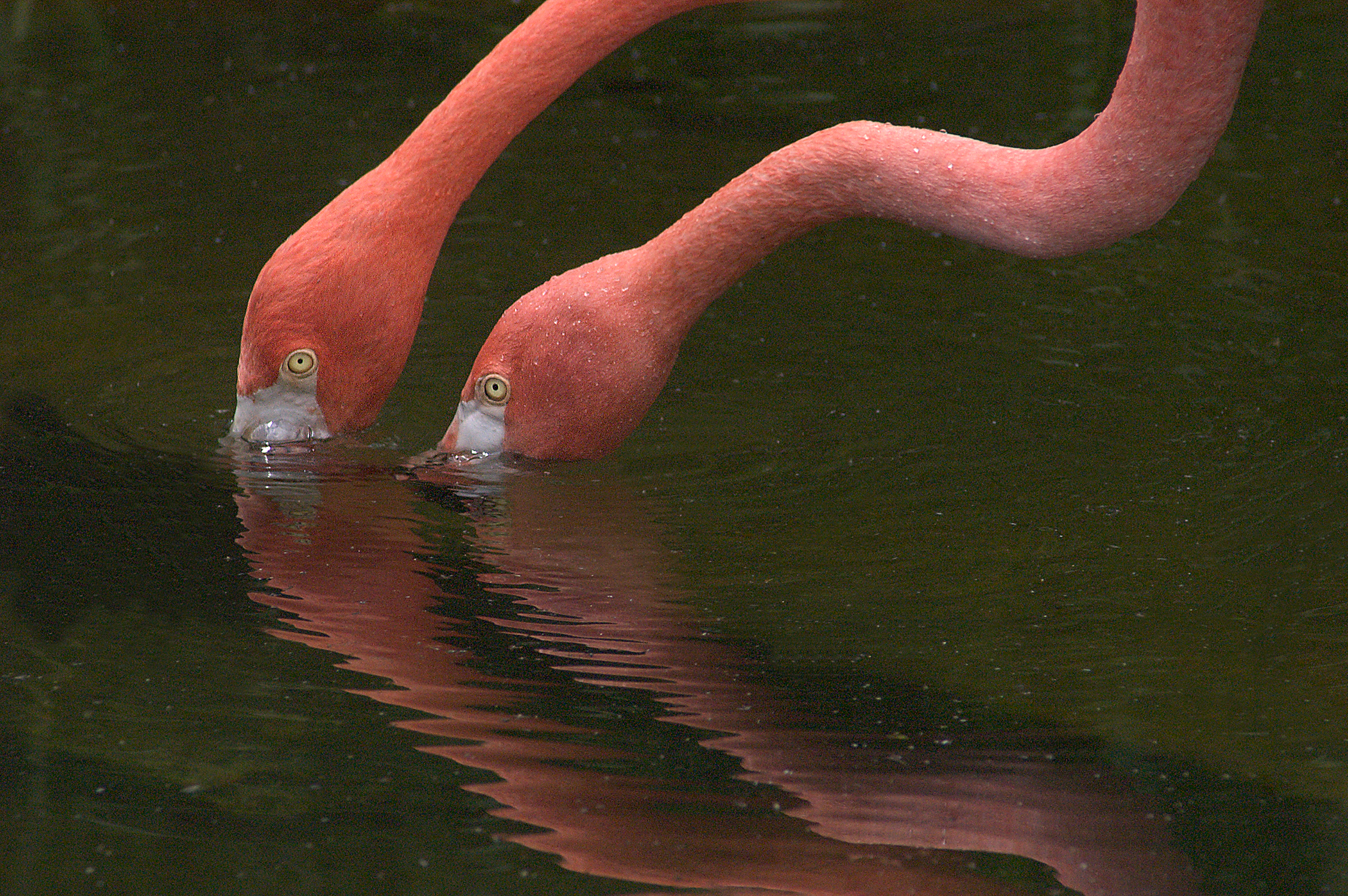
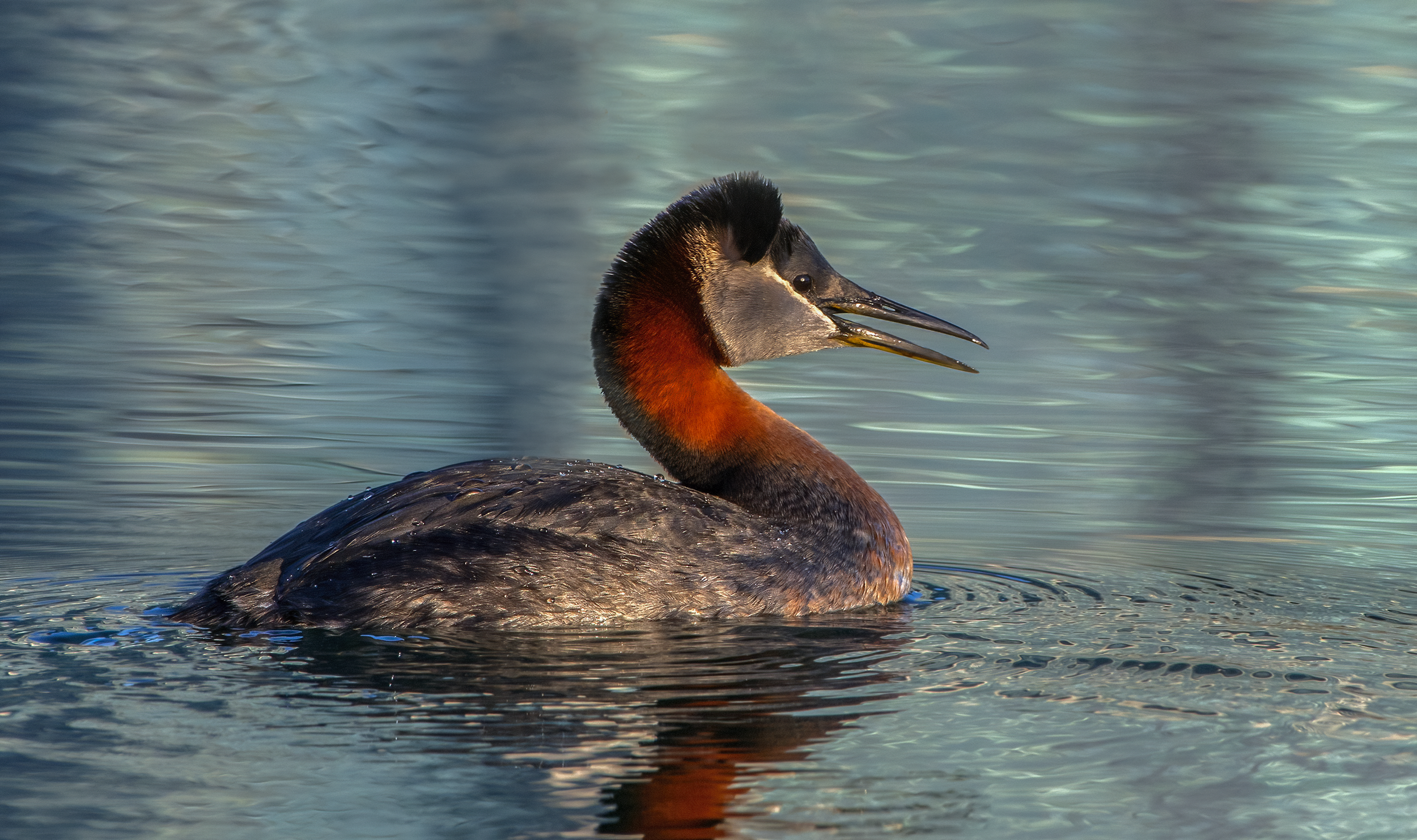
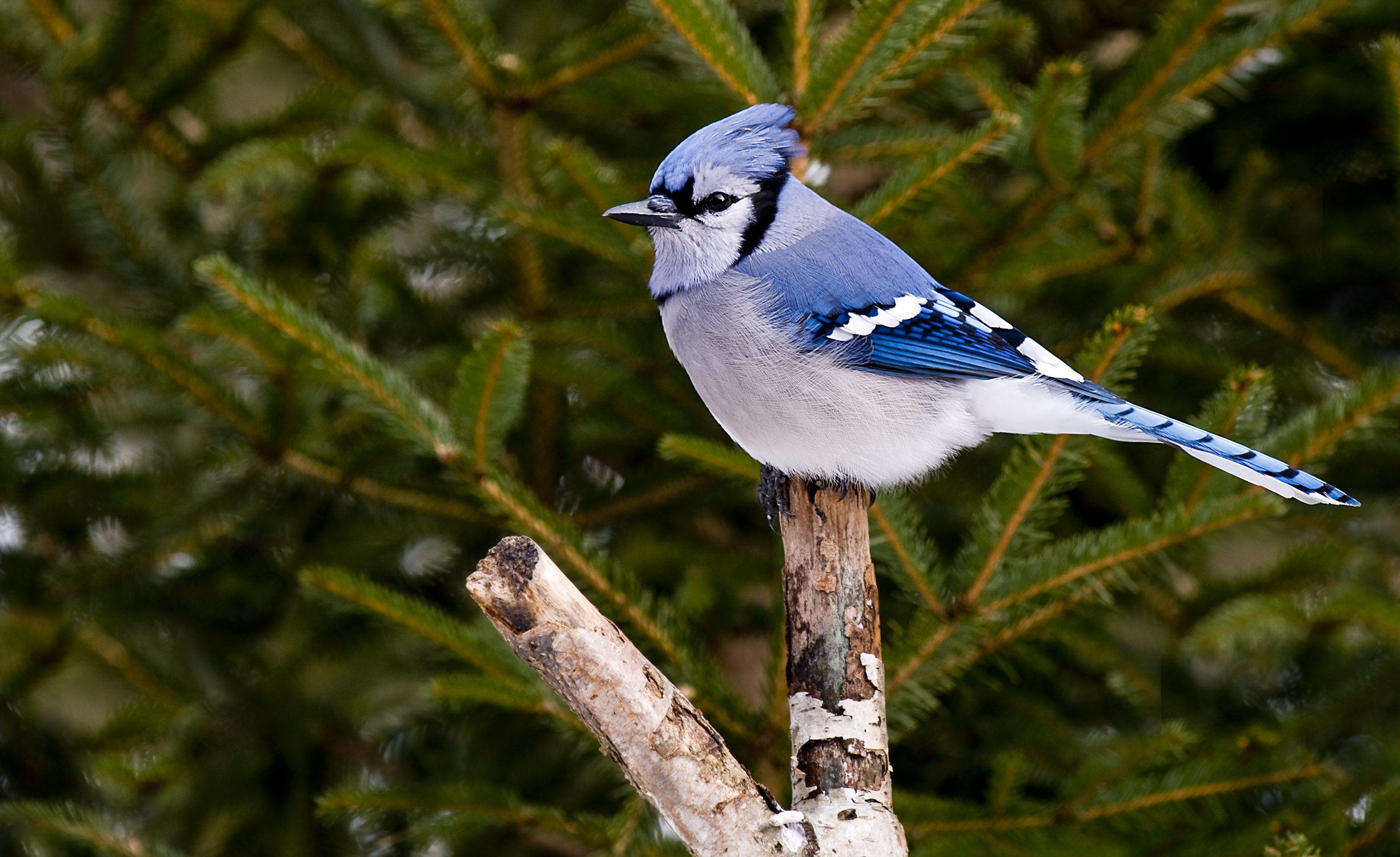
Over the last few years, I have taken up more of an interest in birds, as the main focus of an intimate wildlife image, rather than a small integral part of a larger nature scene. Most of these birds I was able to capture along the Toronto area waterfront. Enjoy!
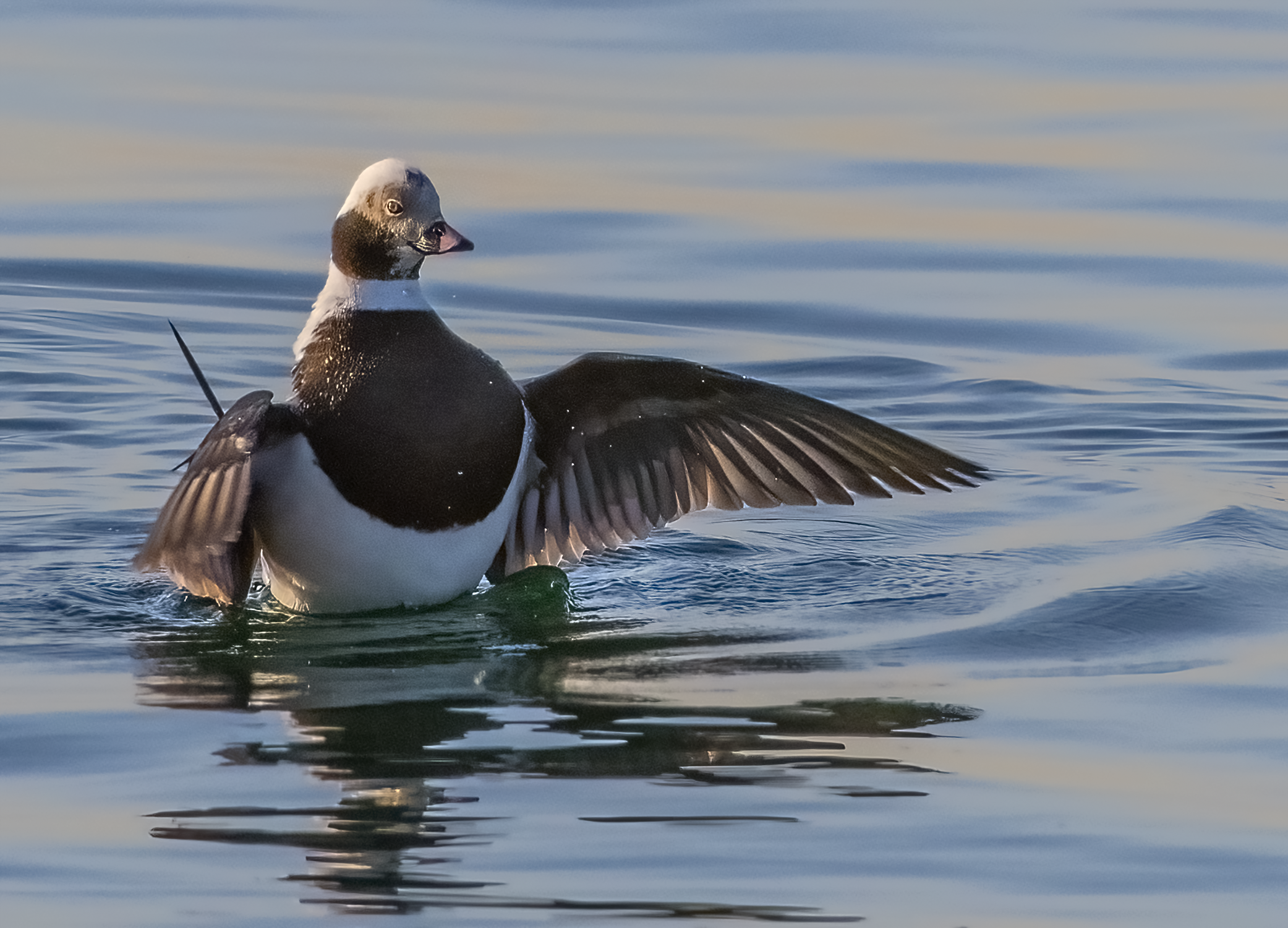
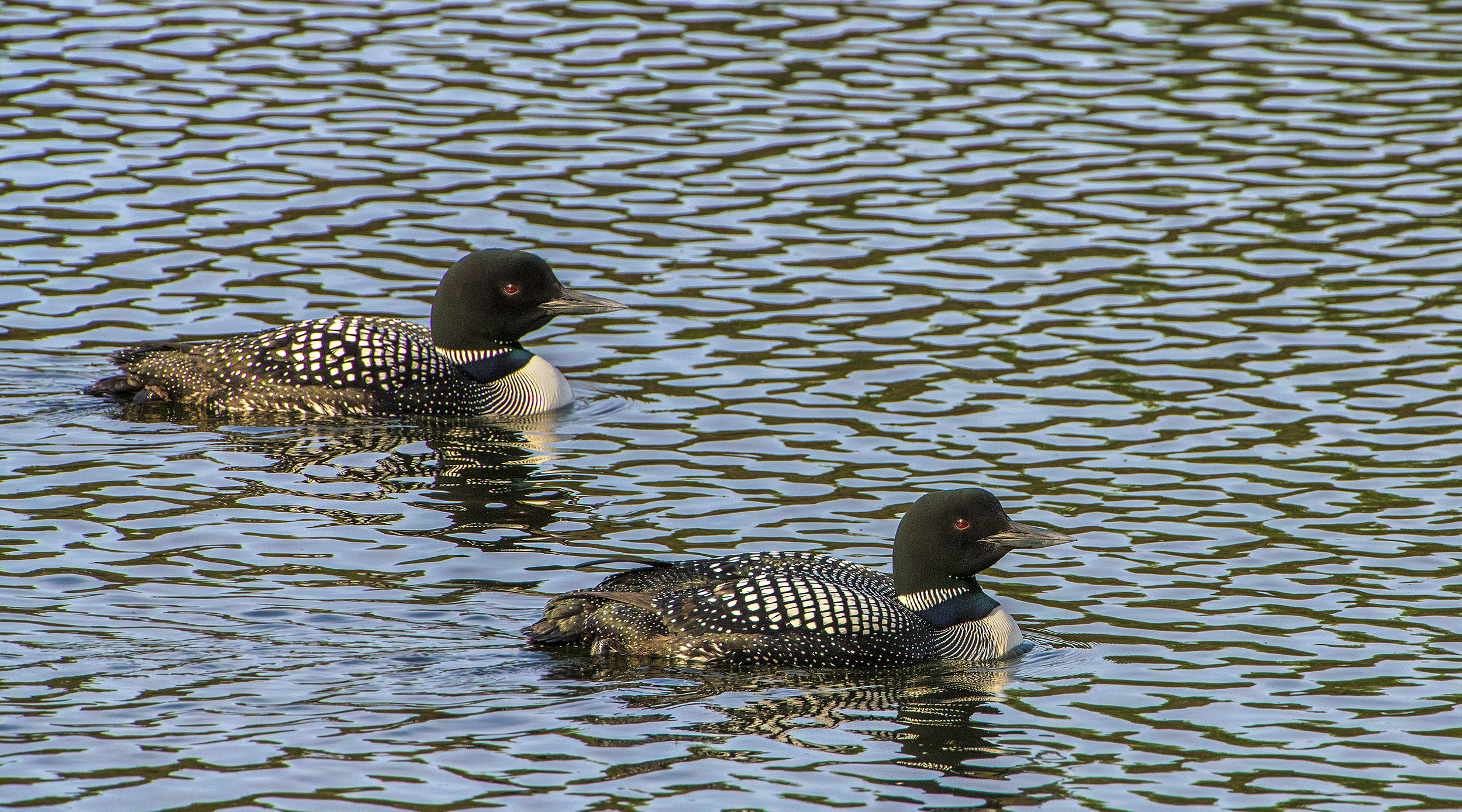
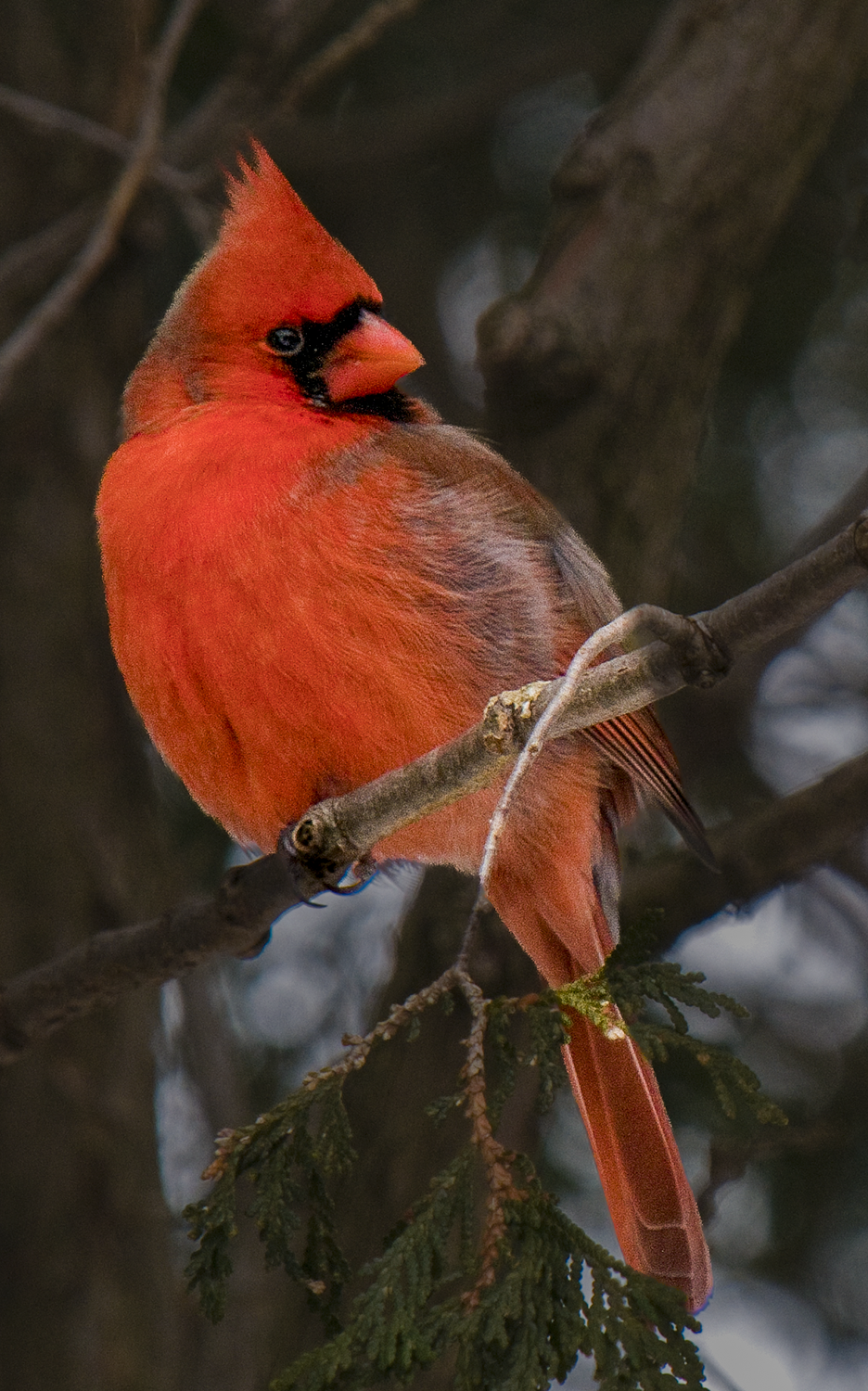
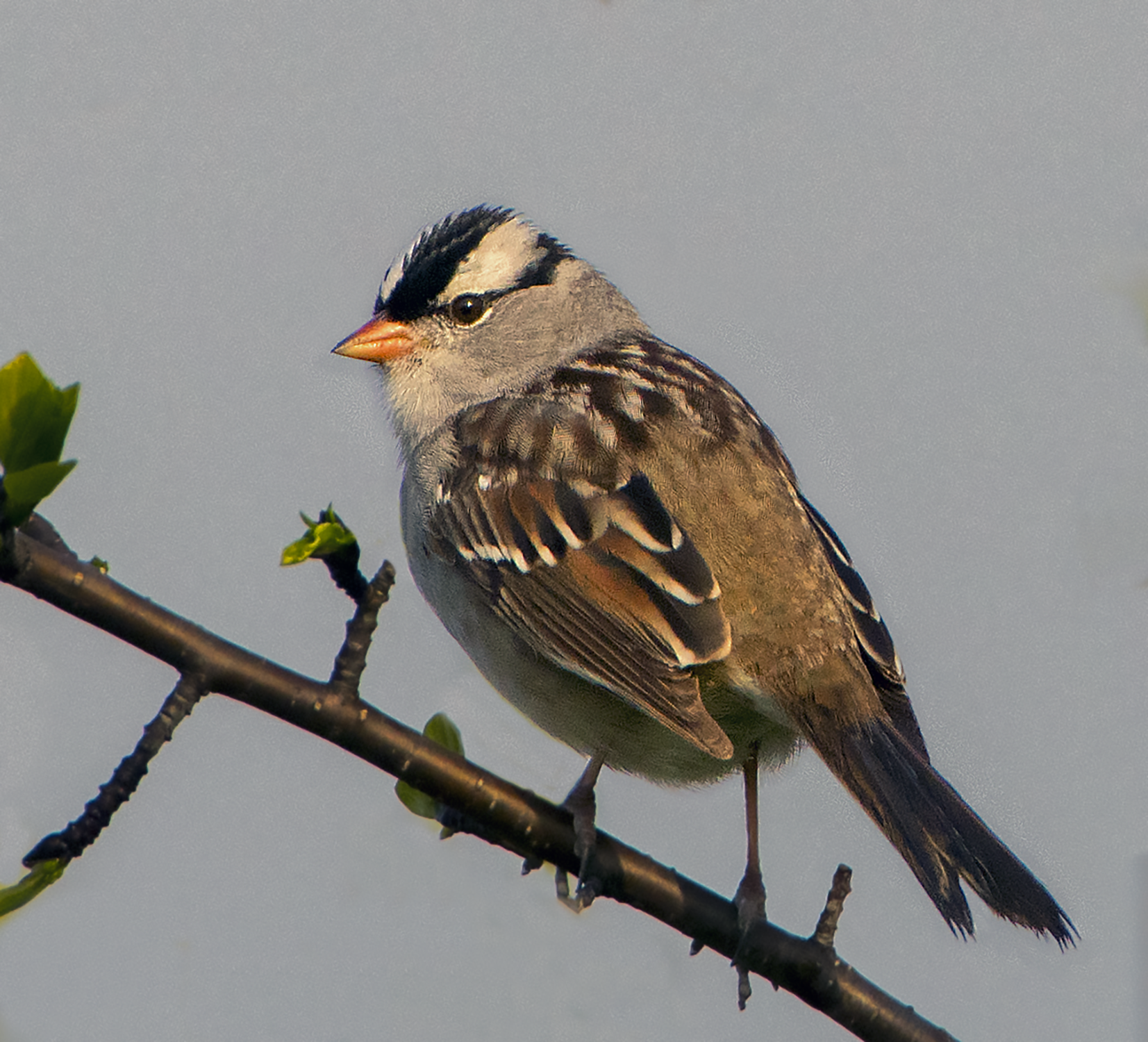
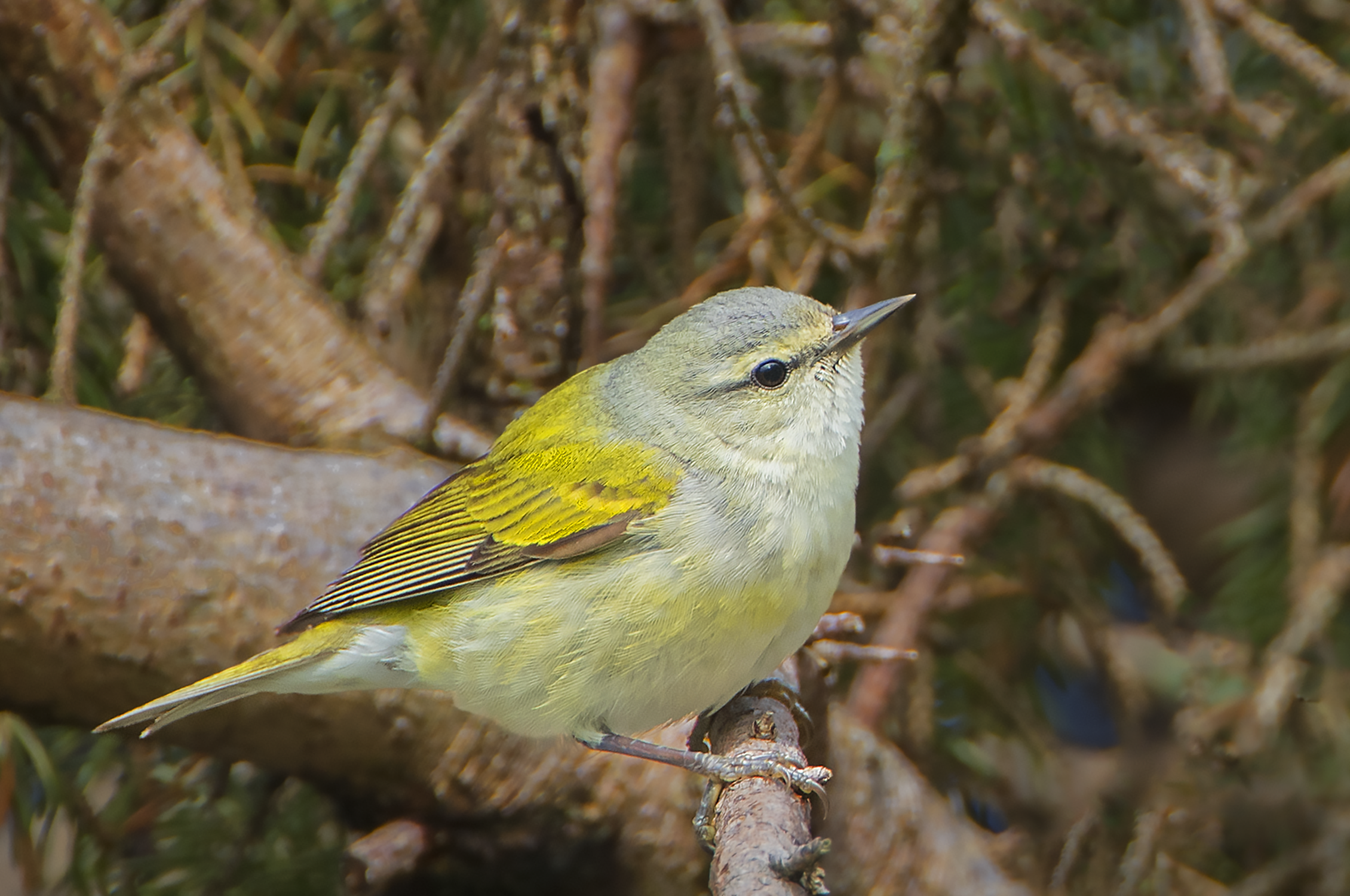
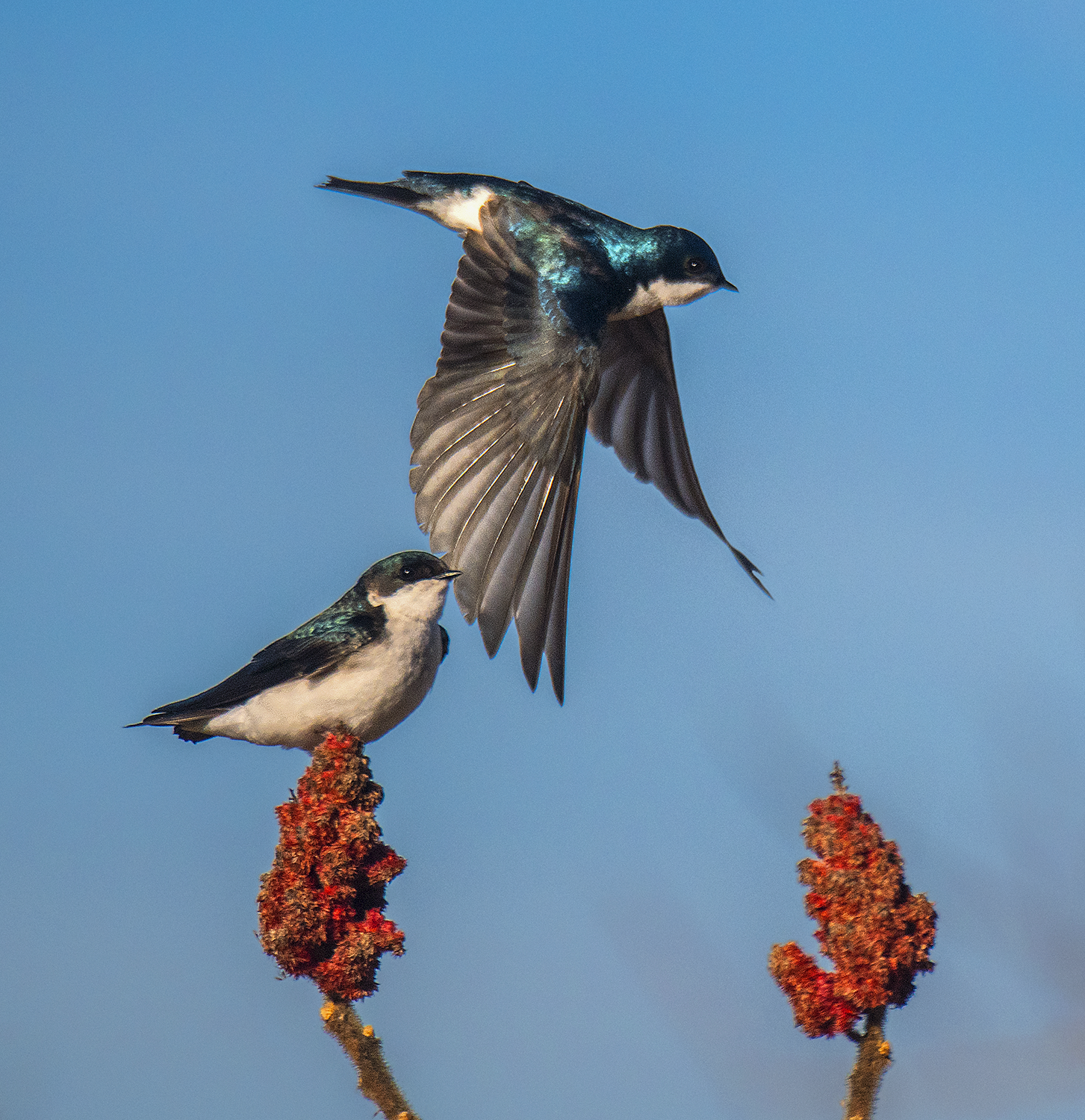
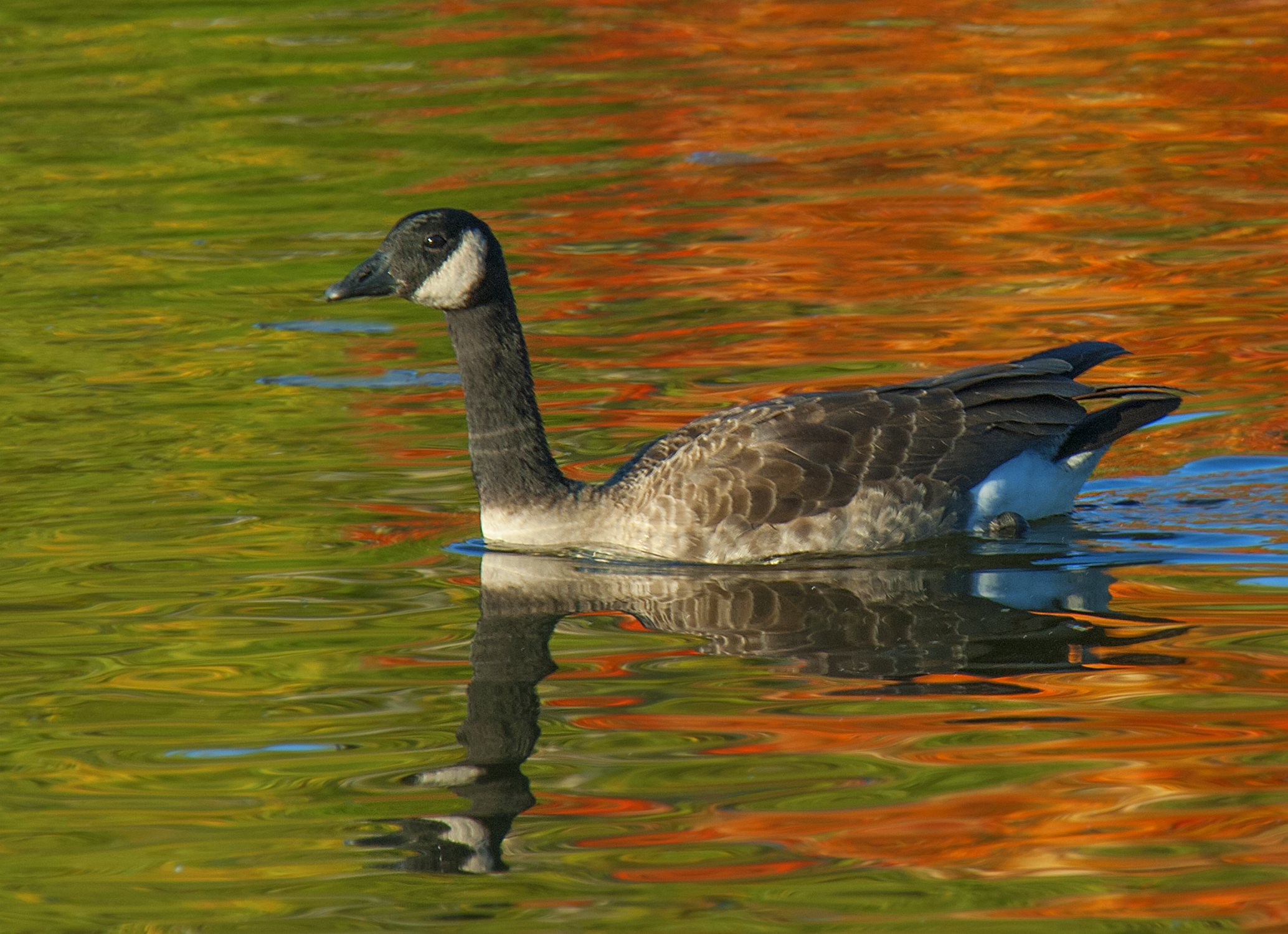
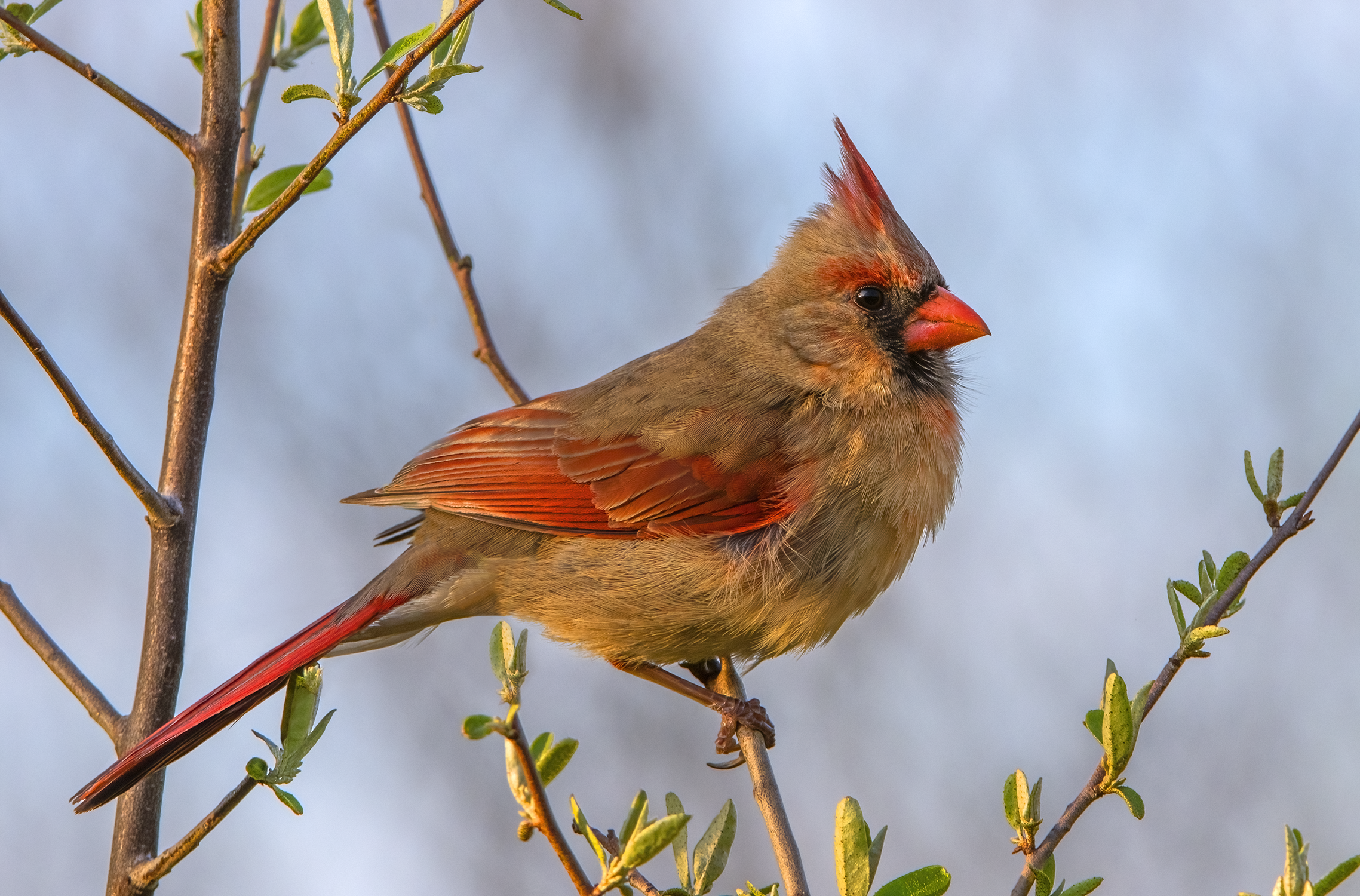
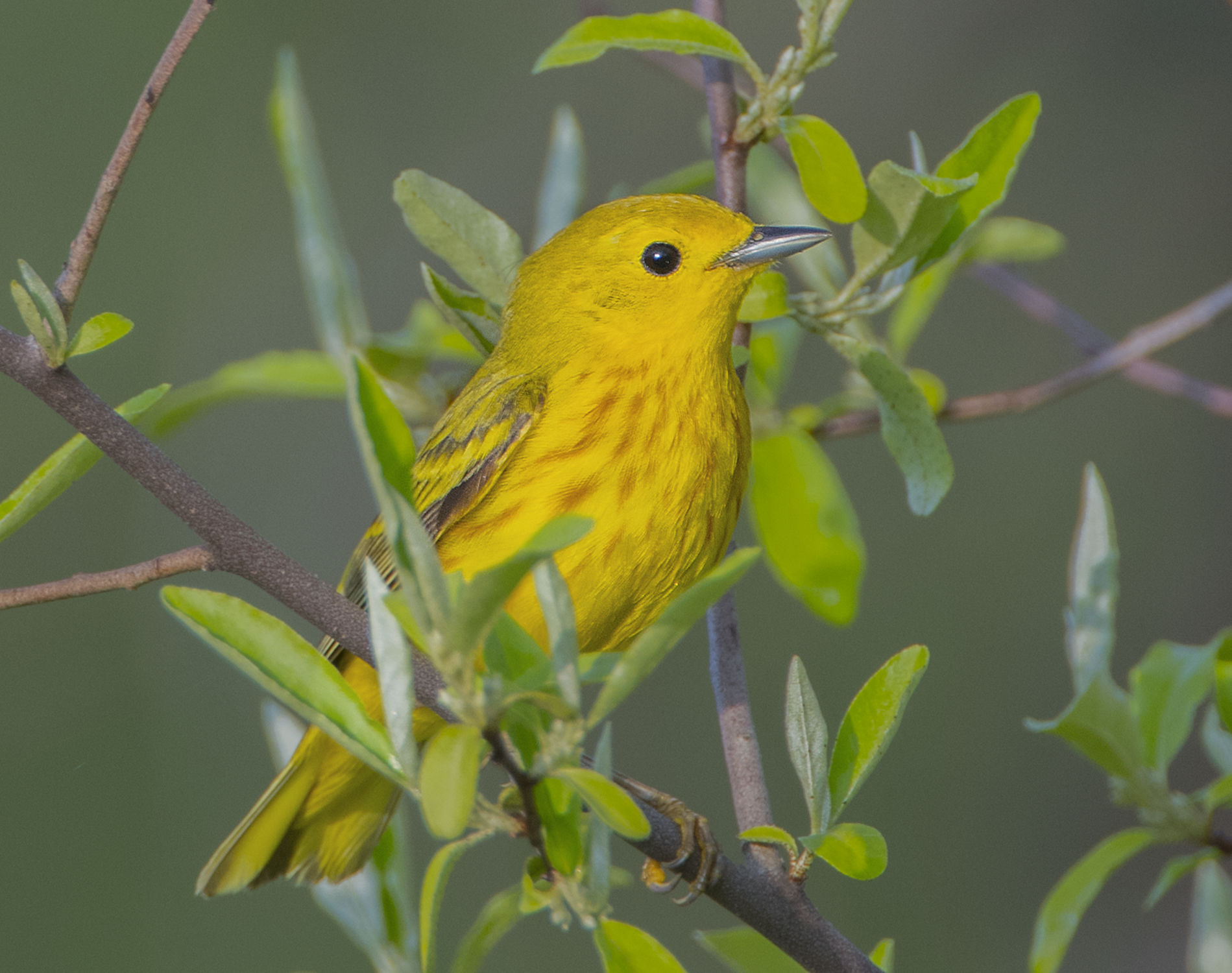
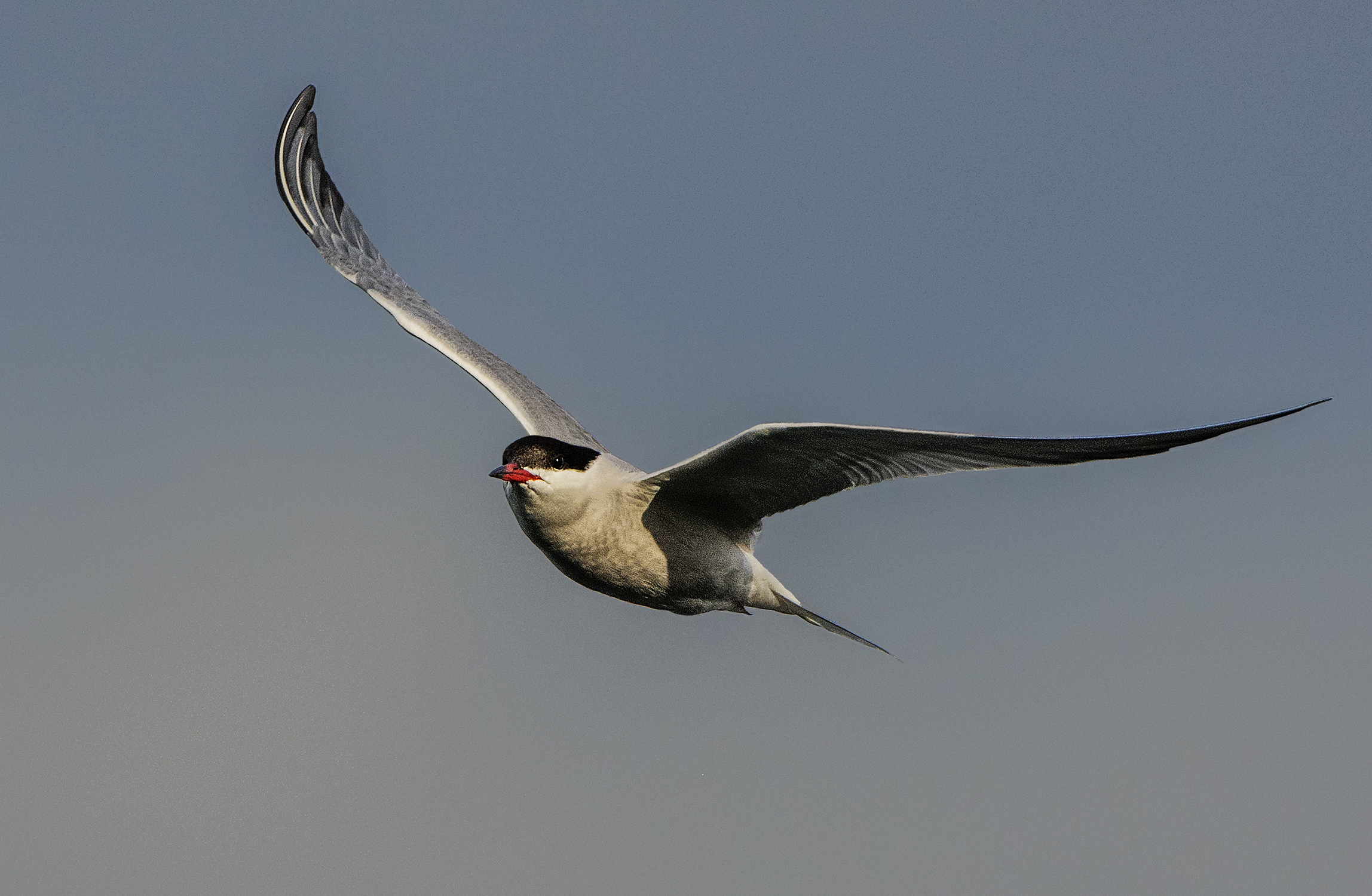
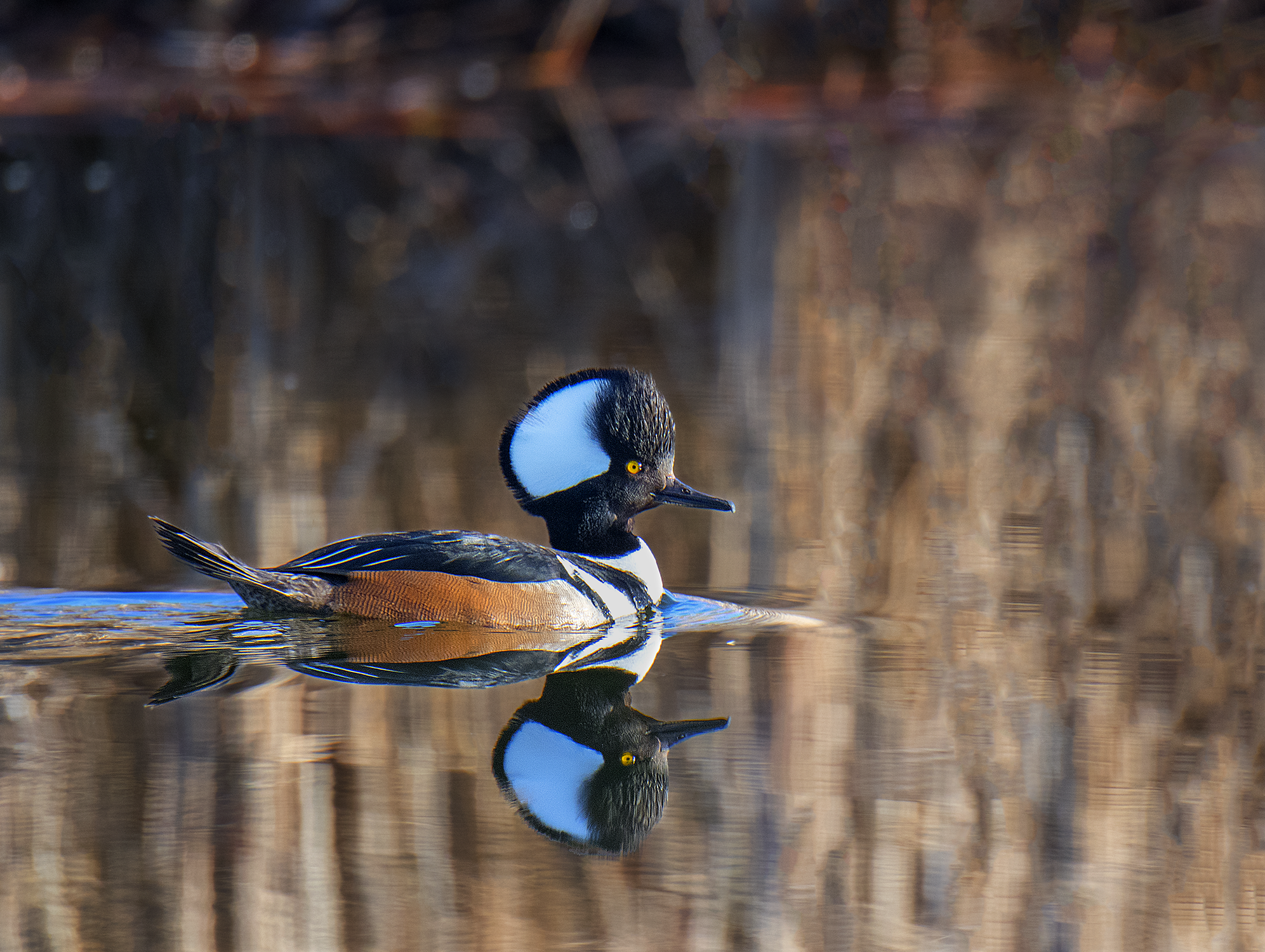
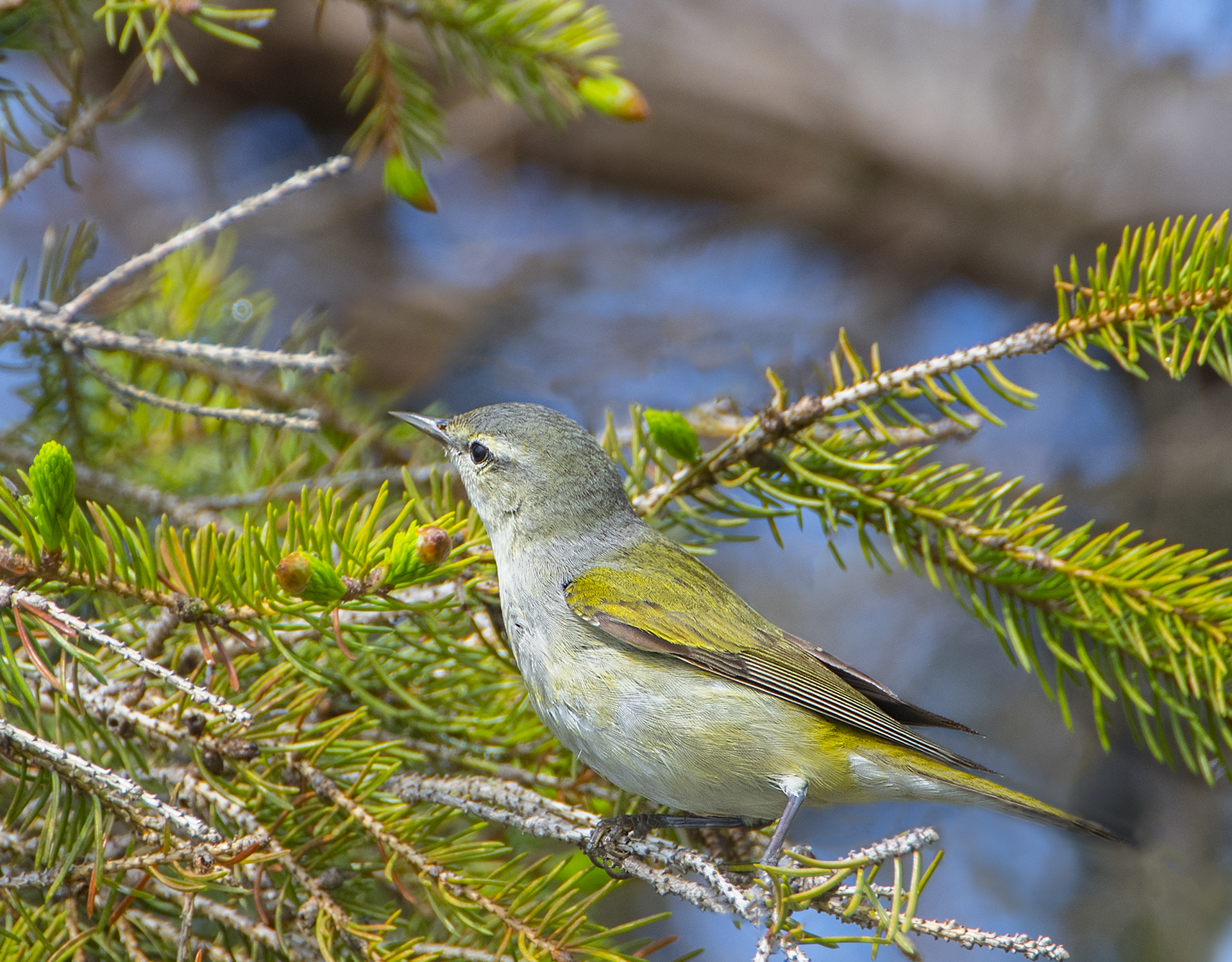
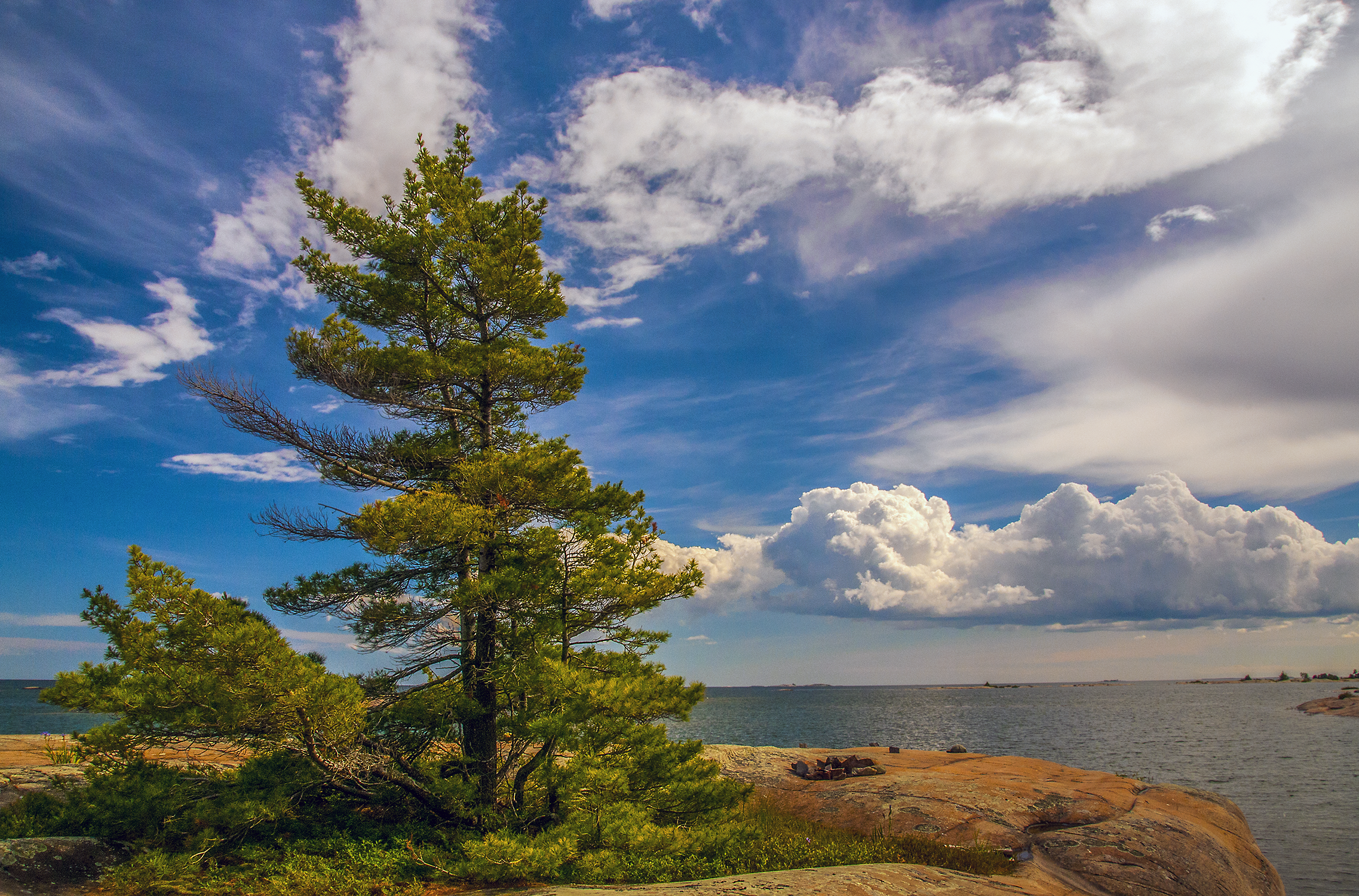
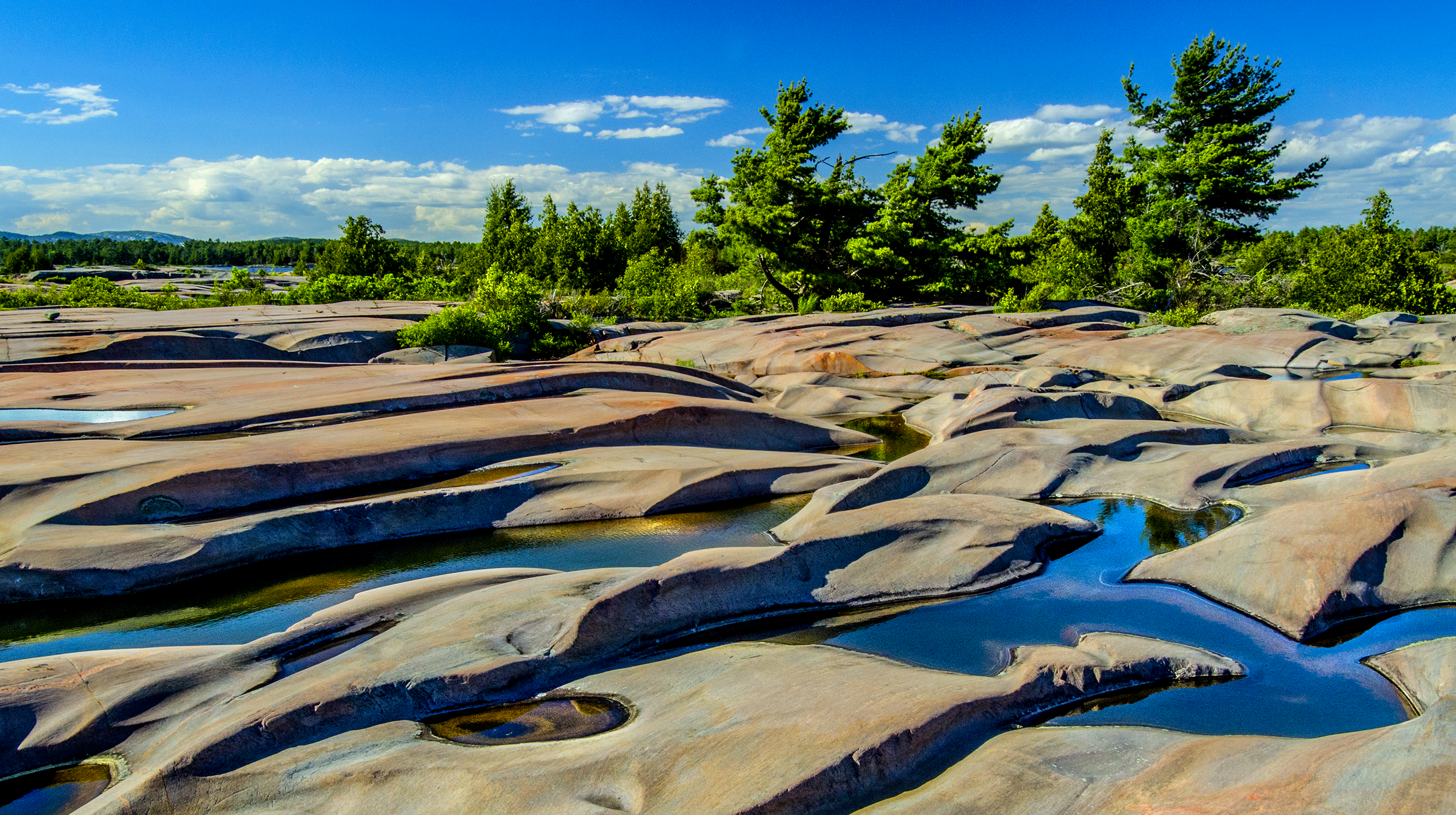
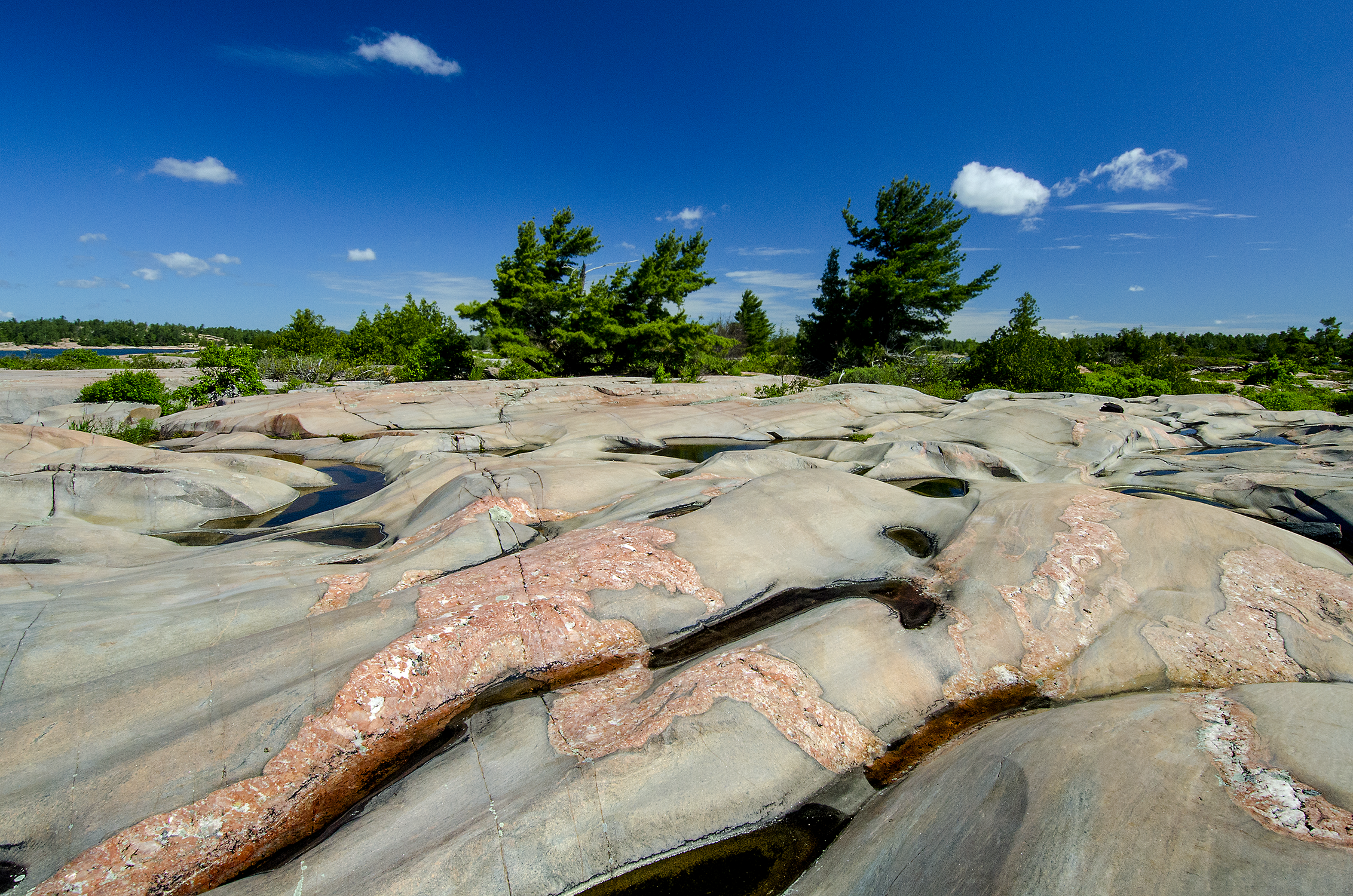
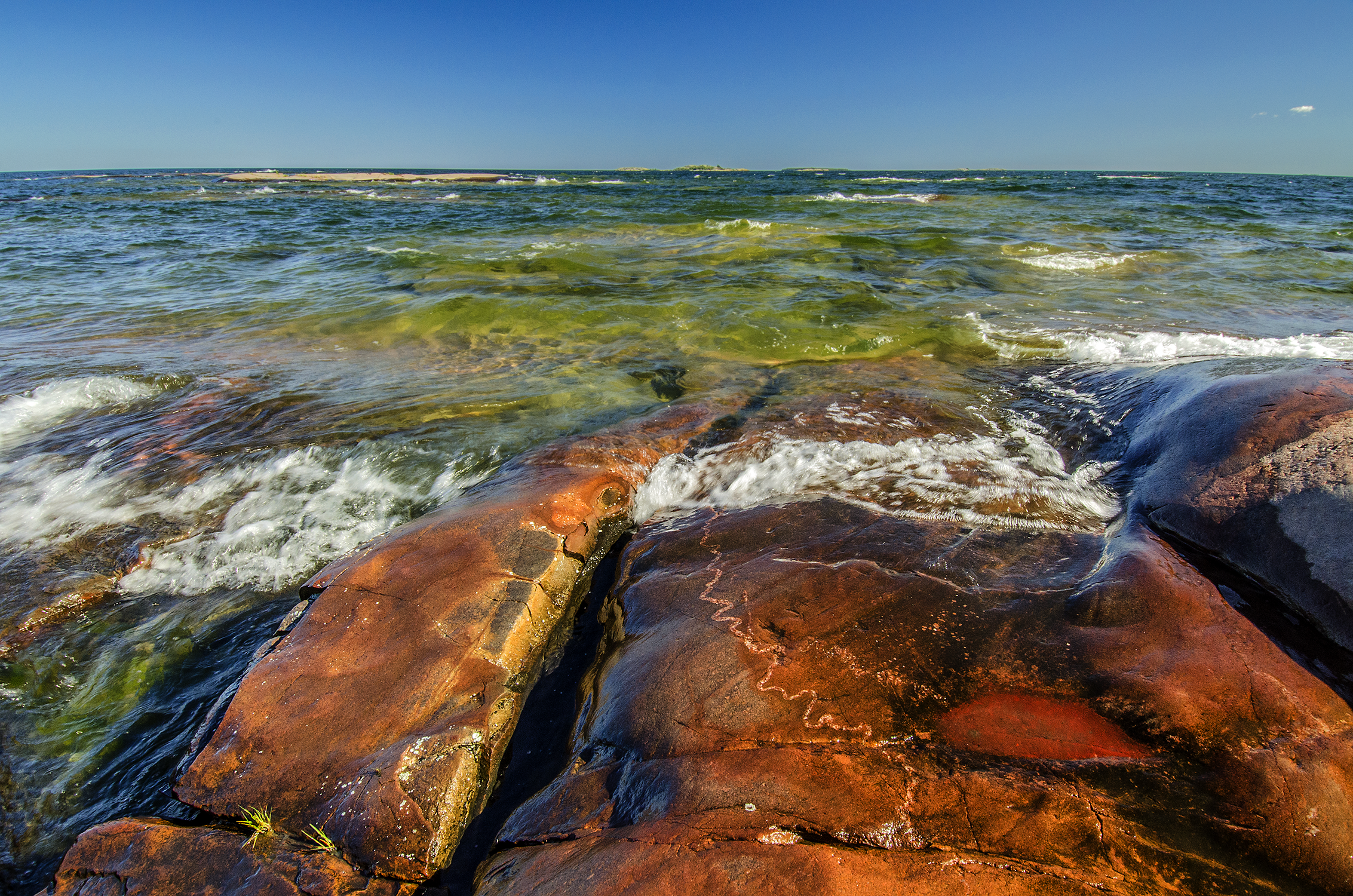
Phillip Edward Island - The 'other PEI'
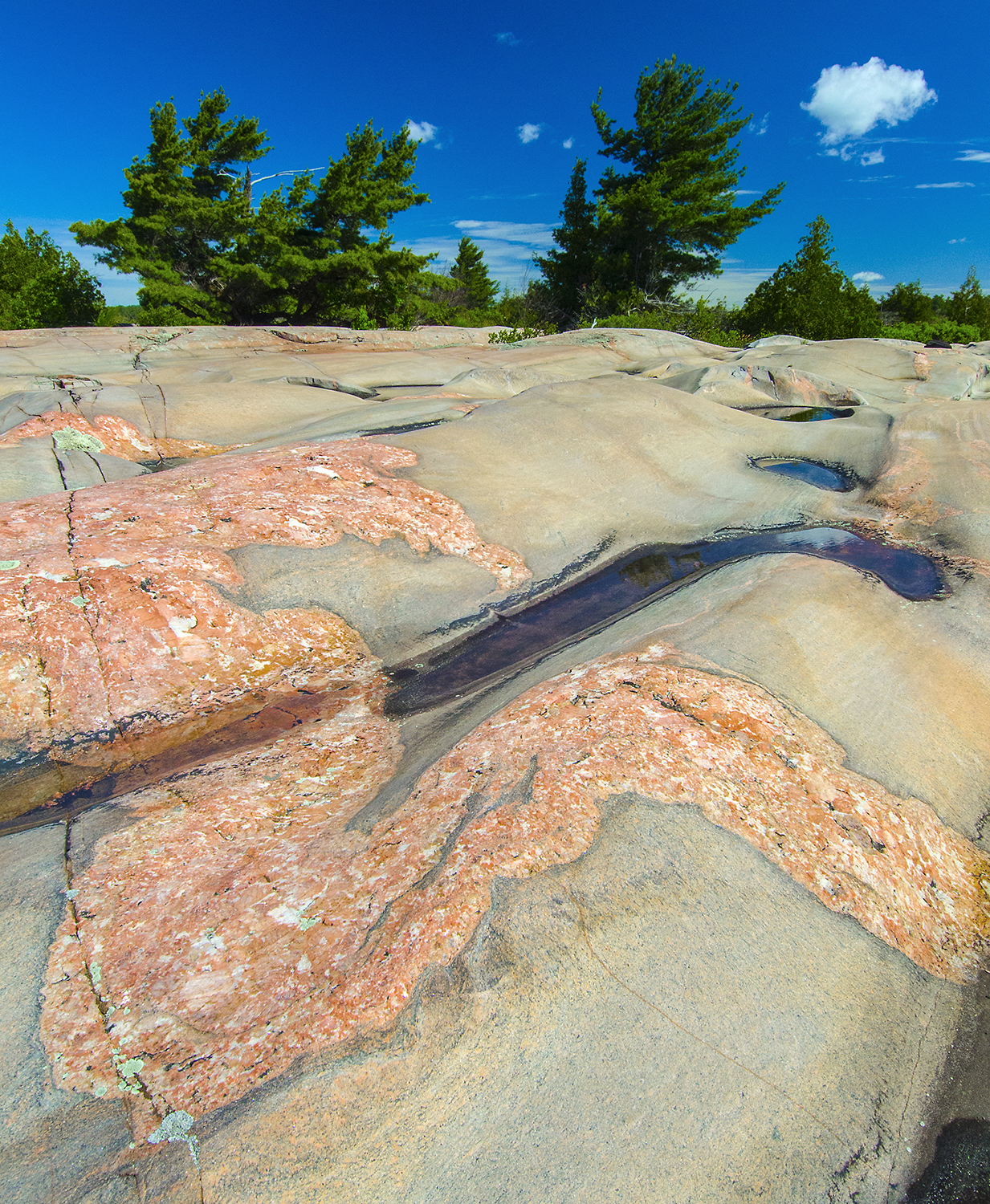
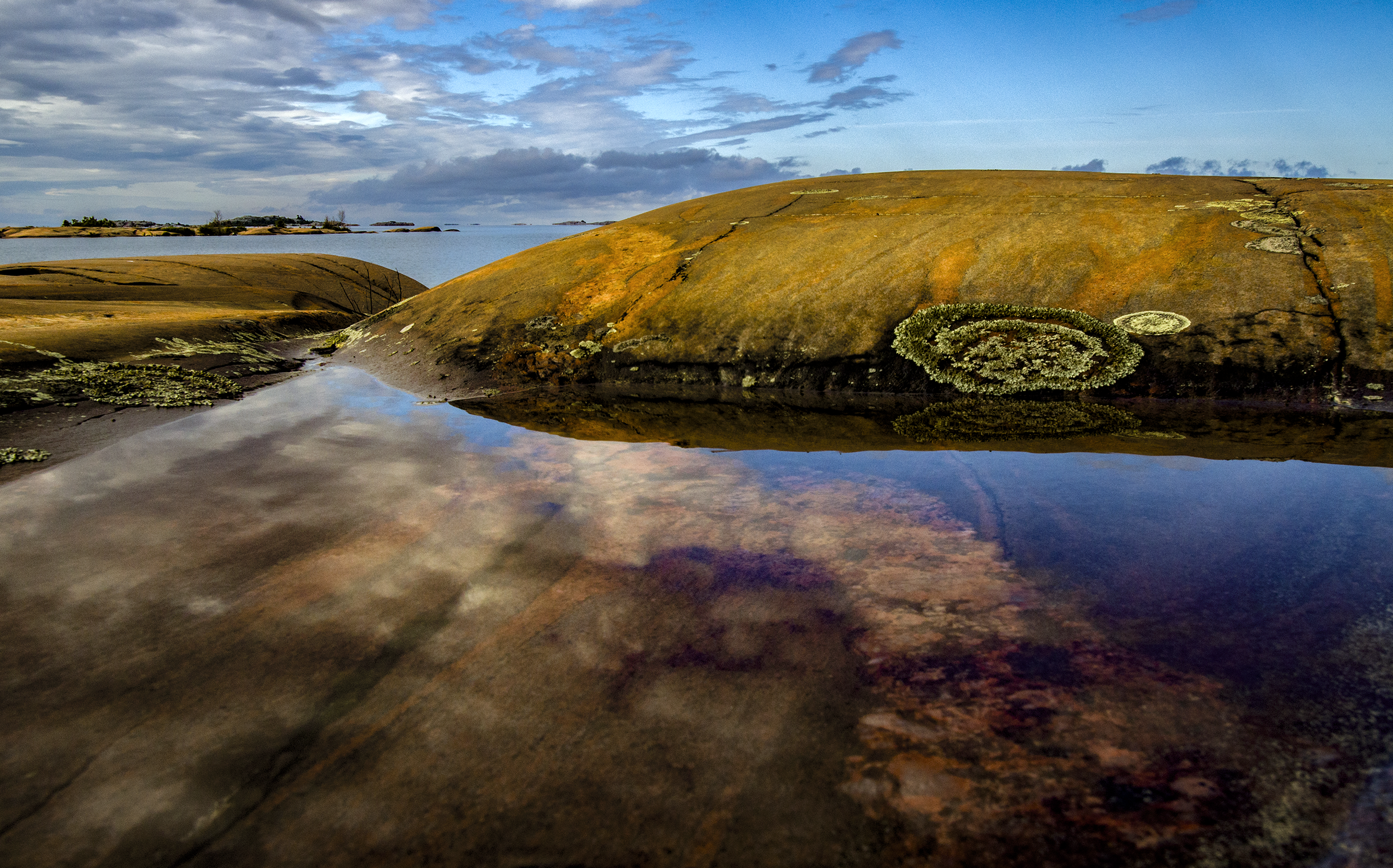
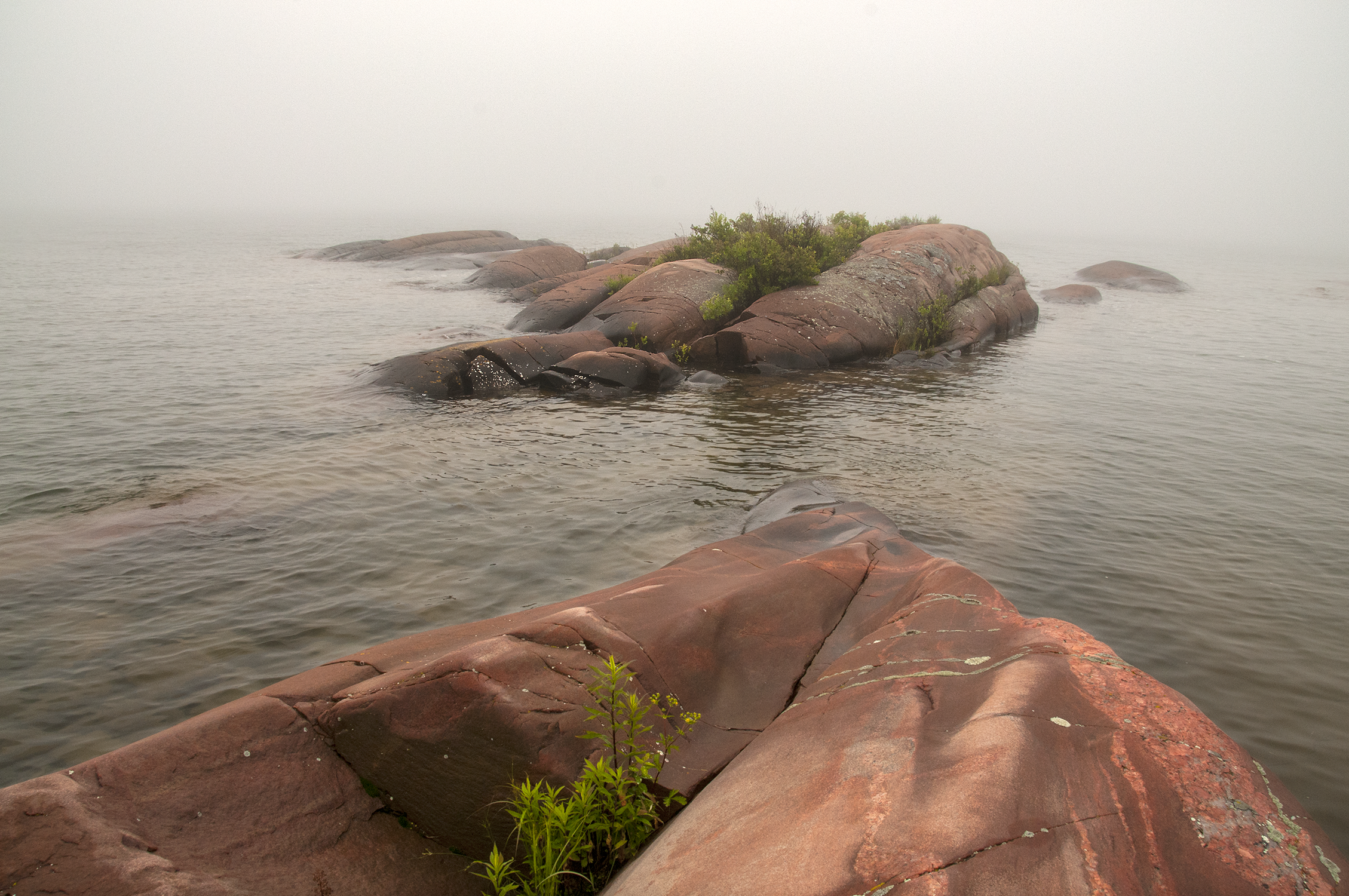
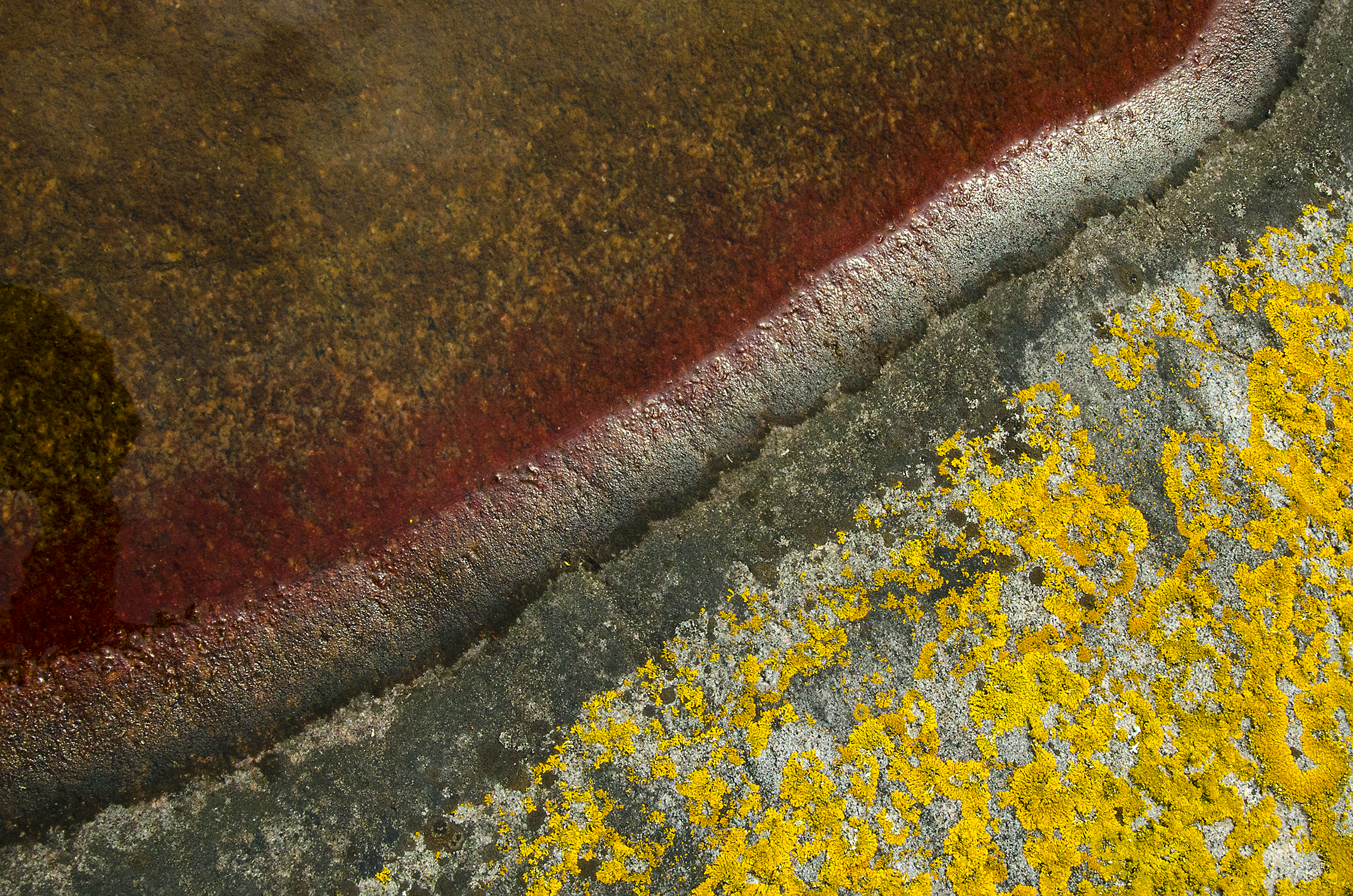
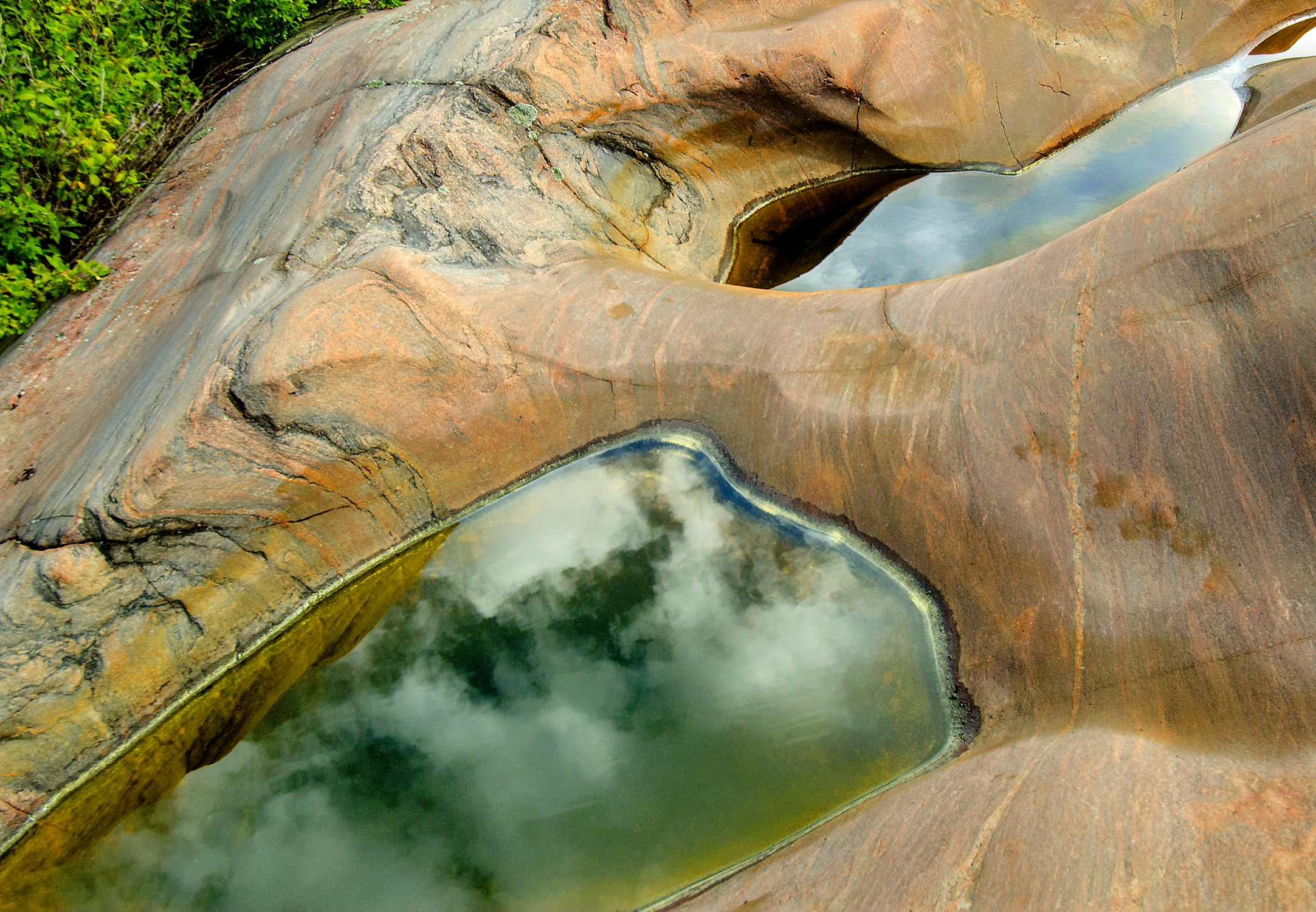
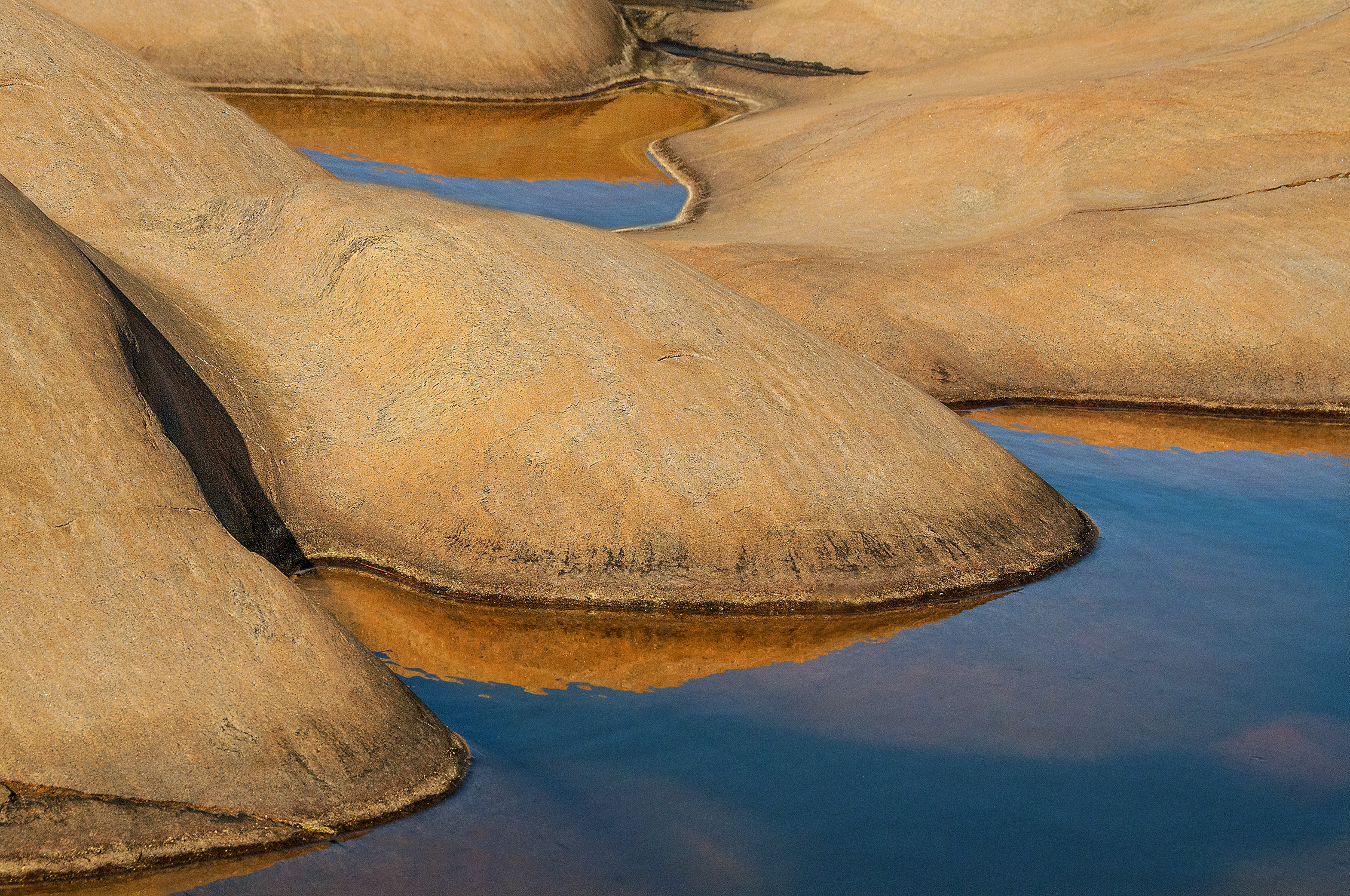
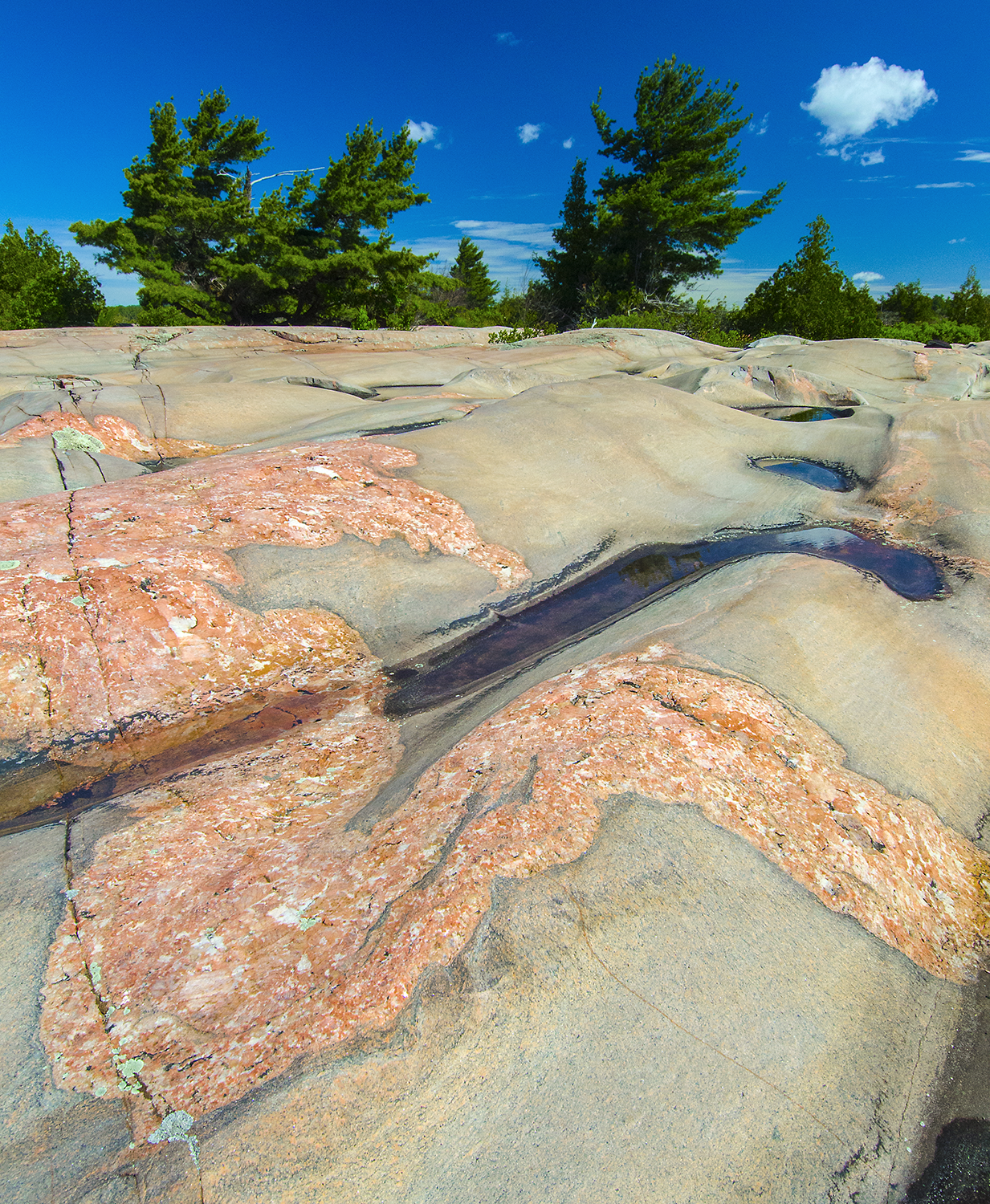
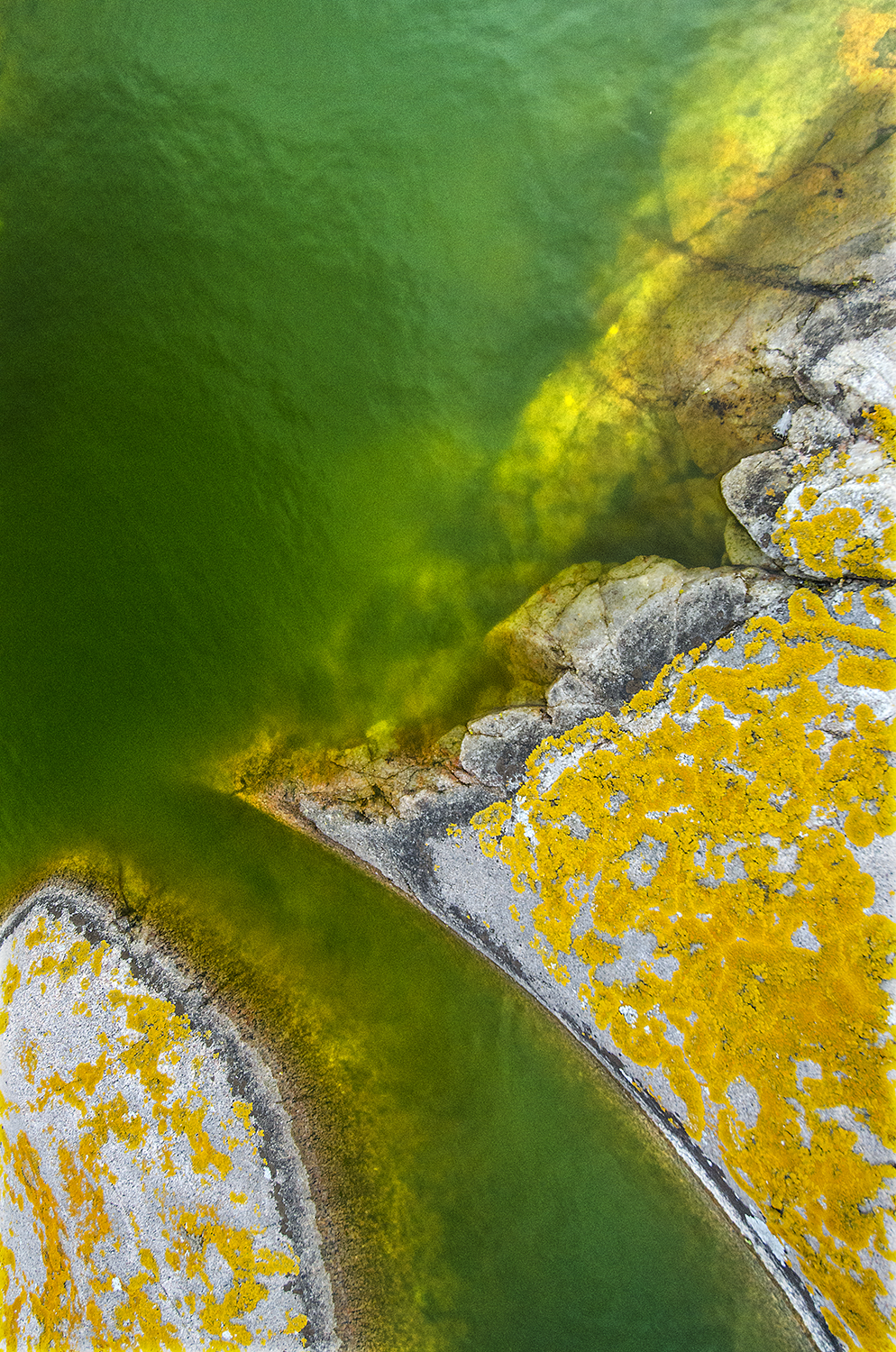
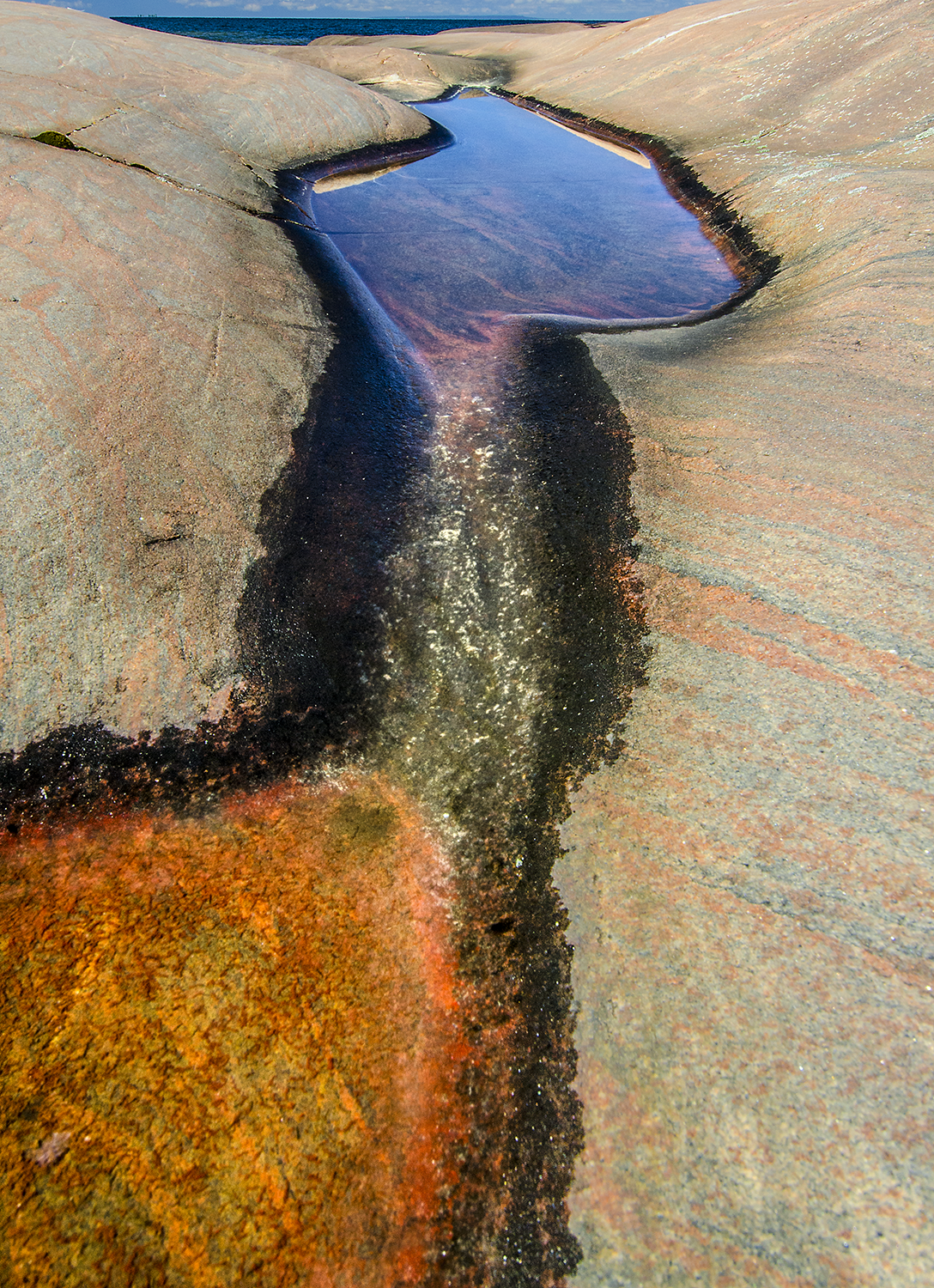
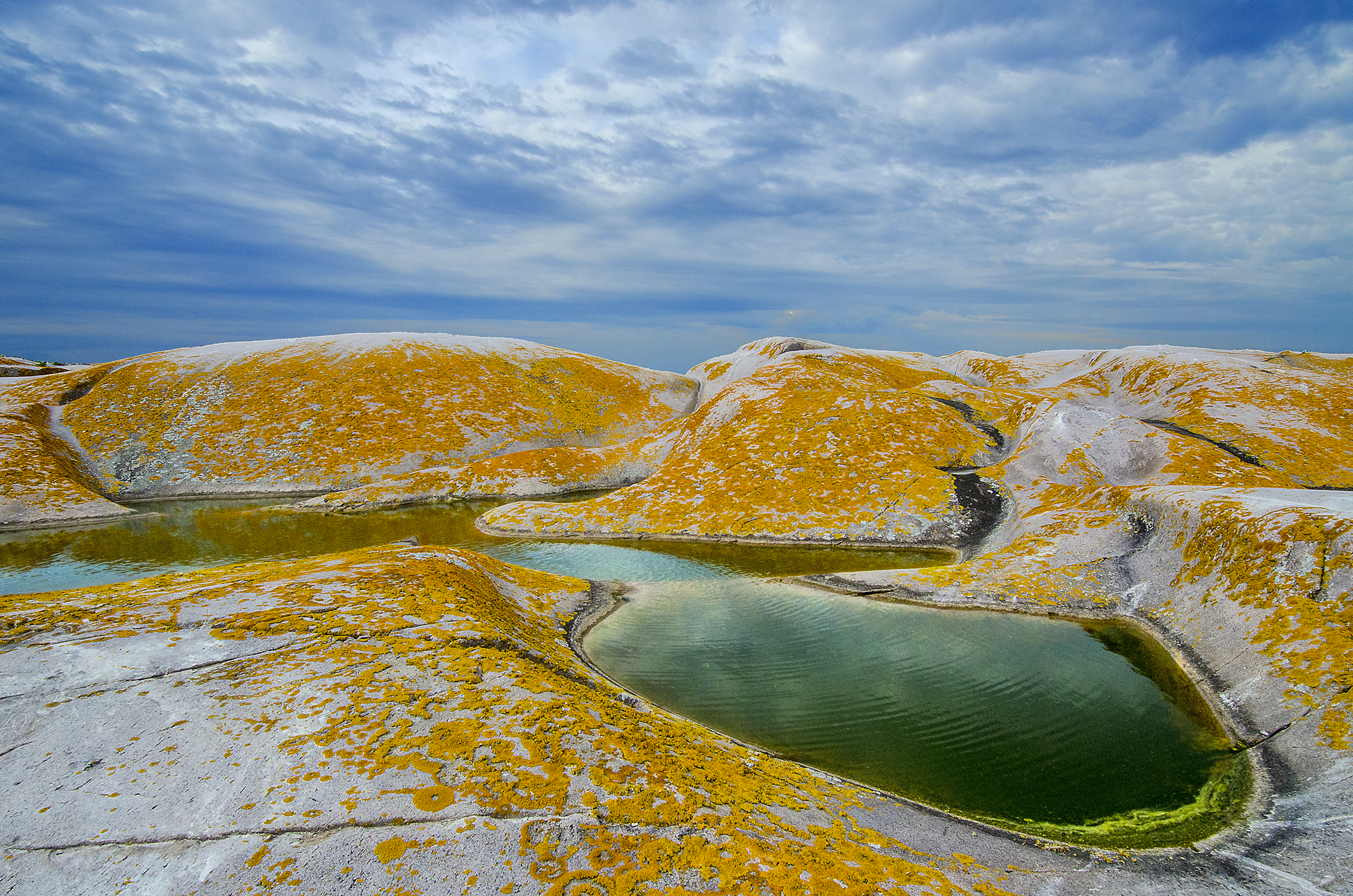
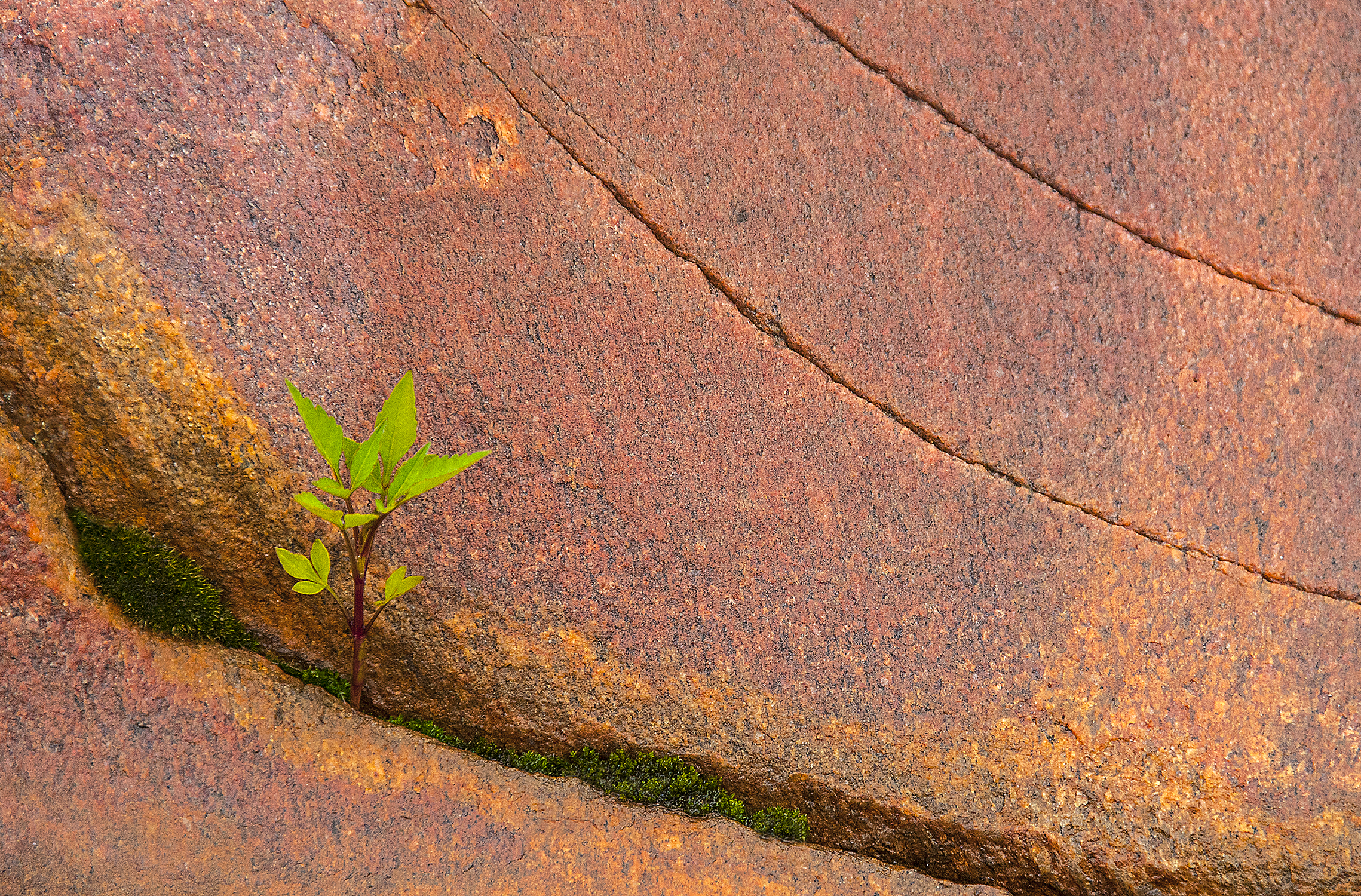
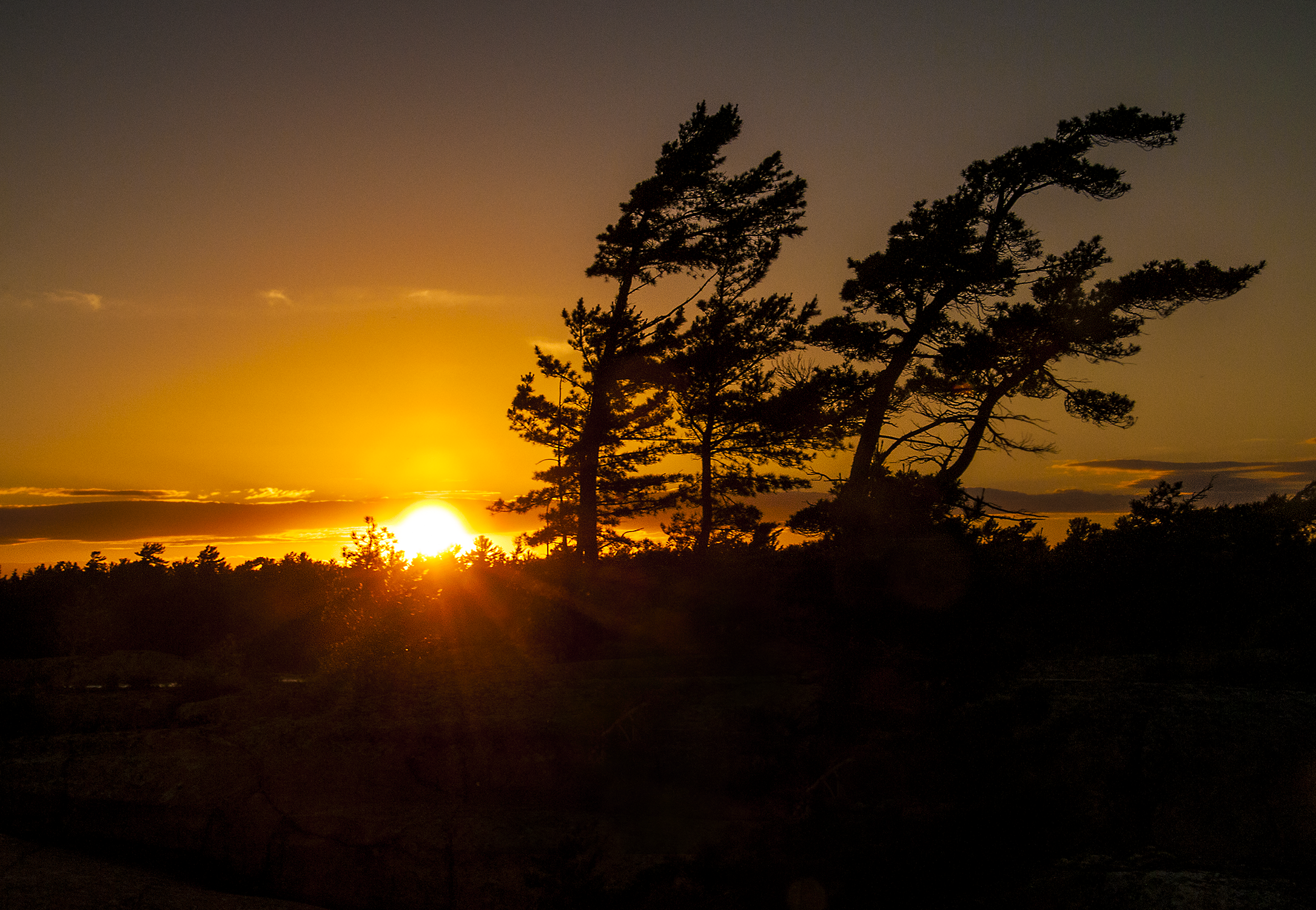
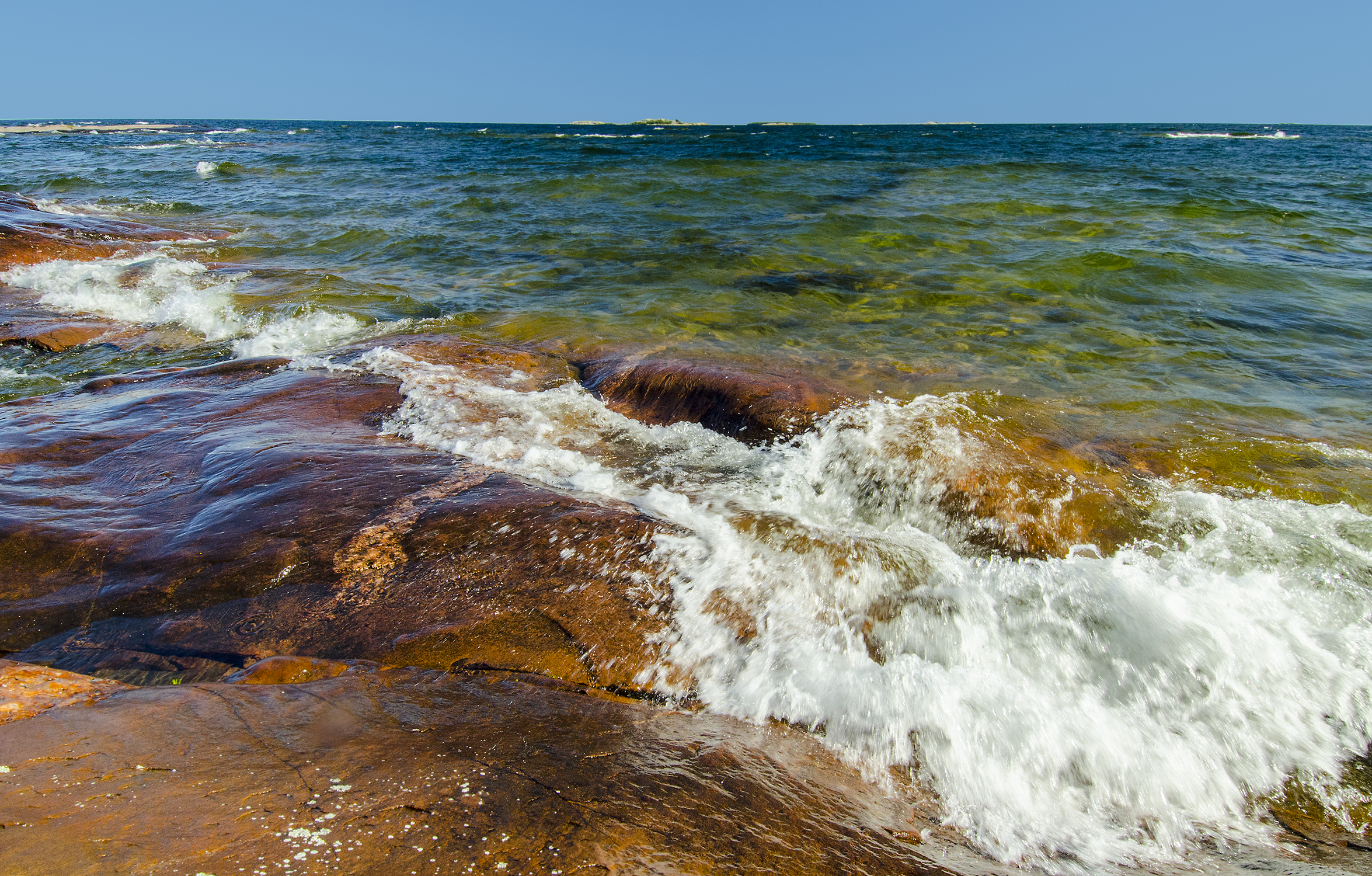
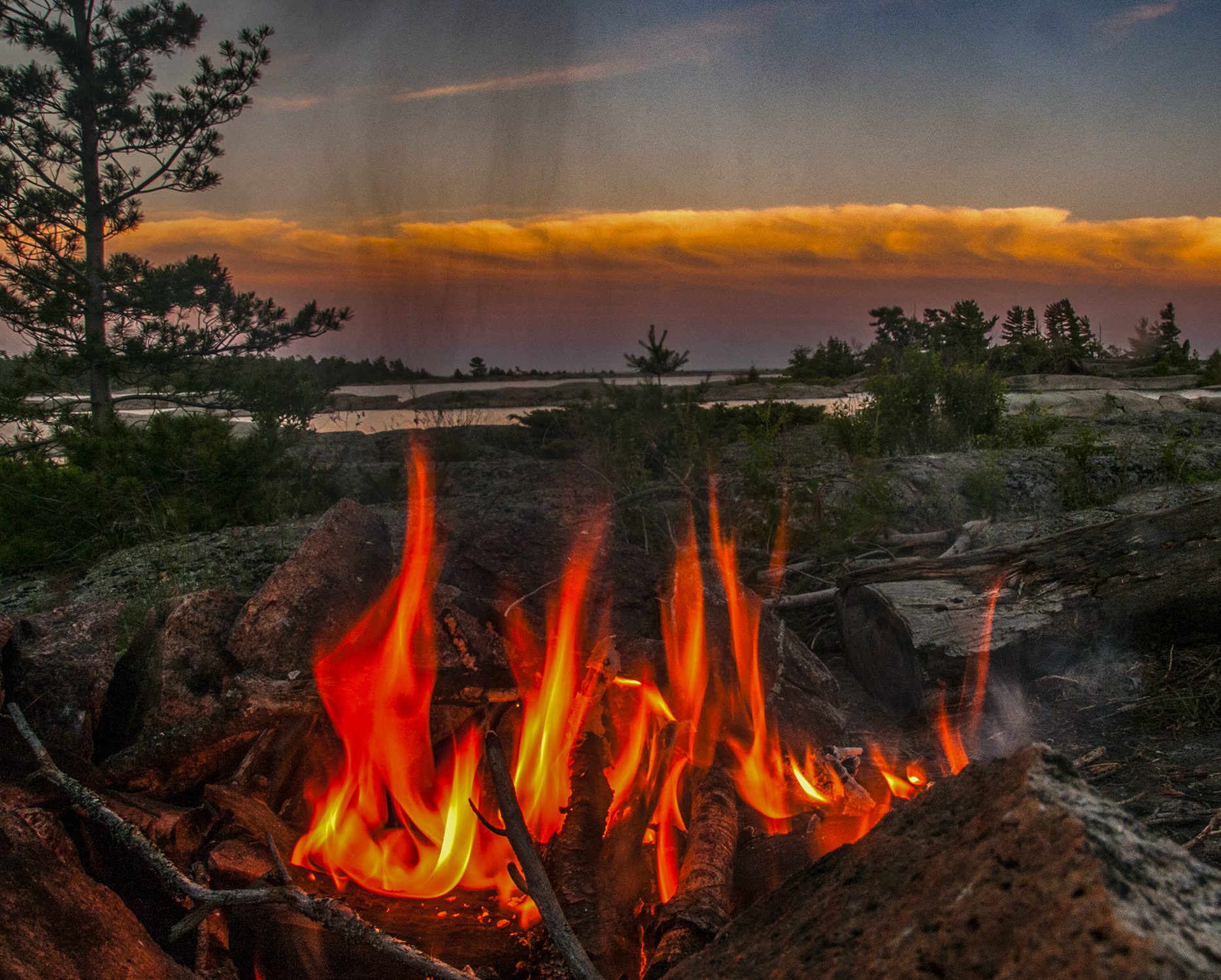
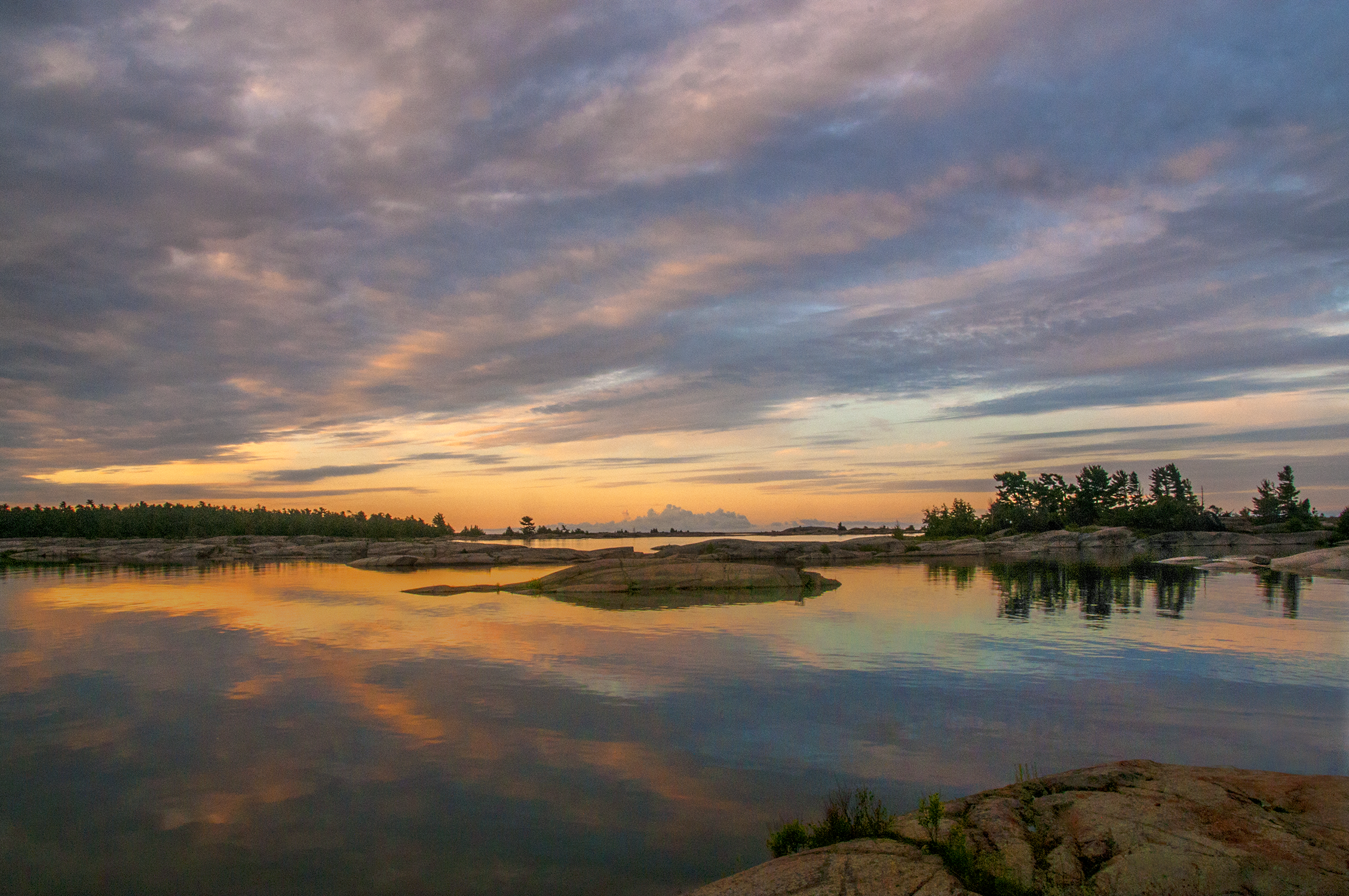
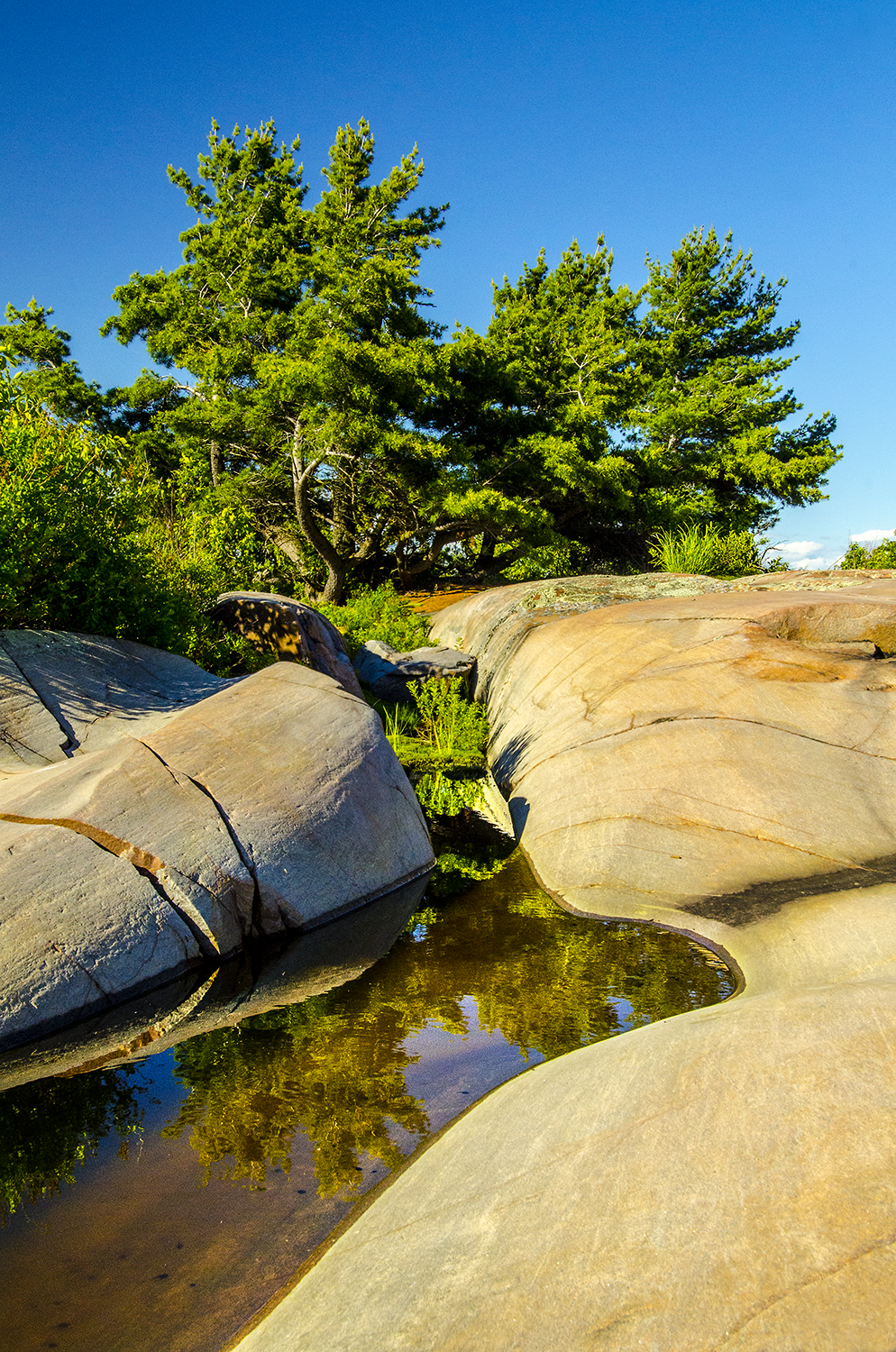
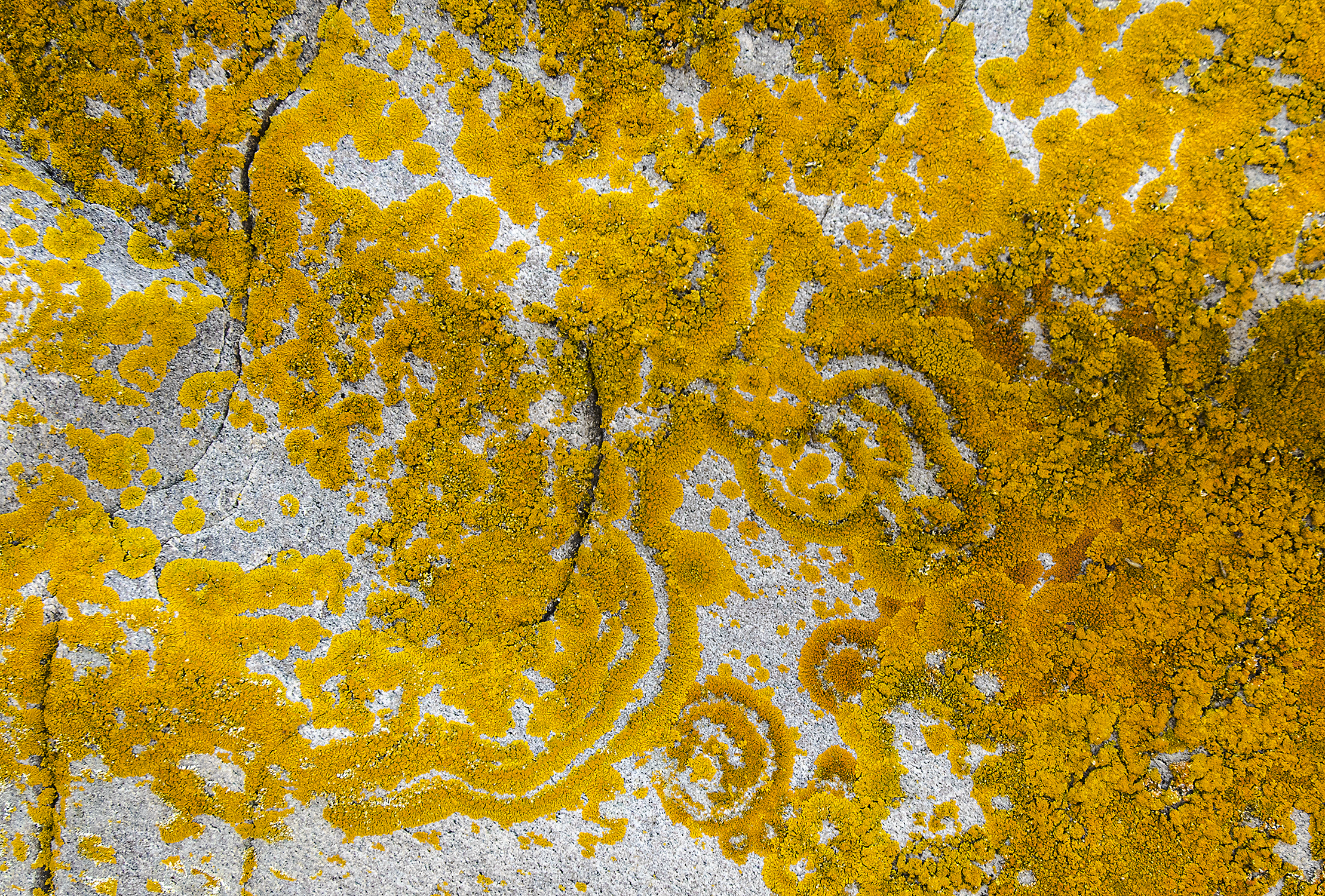
This is a large Canadian Shield island about a 4 hr drive north of Toronto, near the village of Killarney, Ontario. It physically separates and protects Killarney Provincial Park from 'the big water' of Georgian Bay, sometimes called the 6th Great Lake. The local weather and waves for the average kayaker or canoeist can be challenging. But the sunrises and sunsets from innumerable camping spots were well worth the paddle!
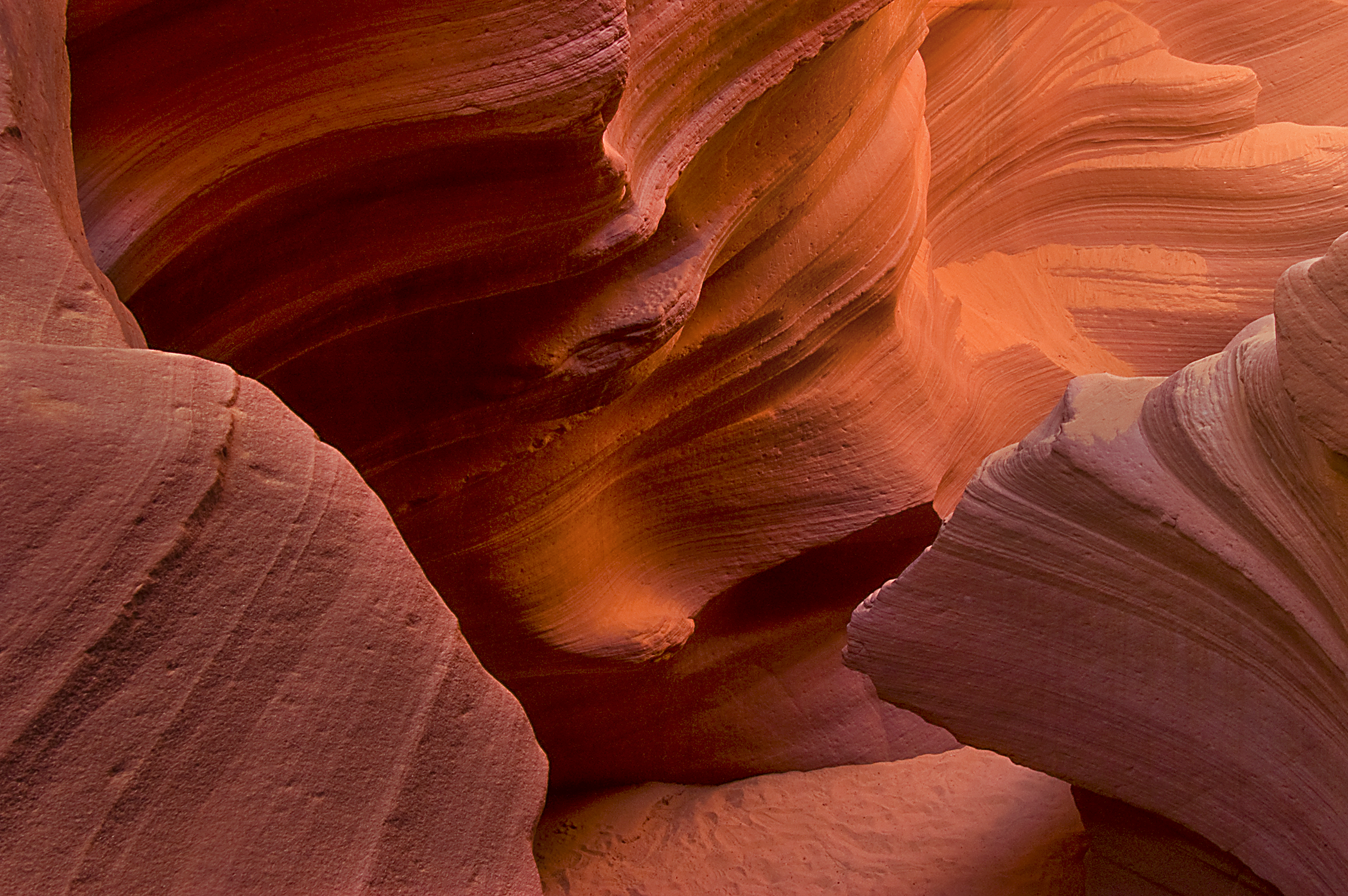
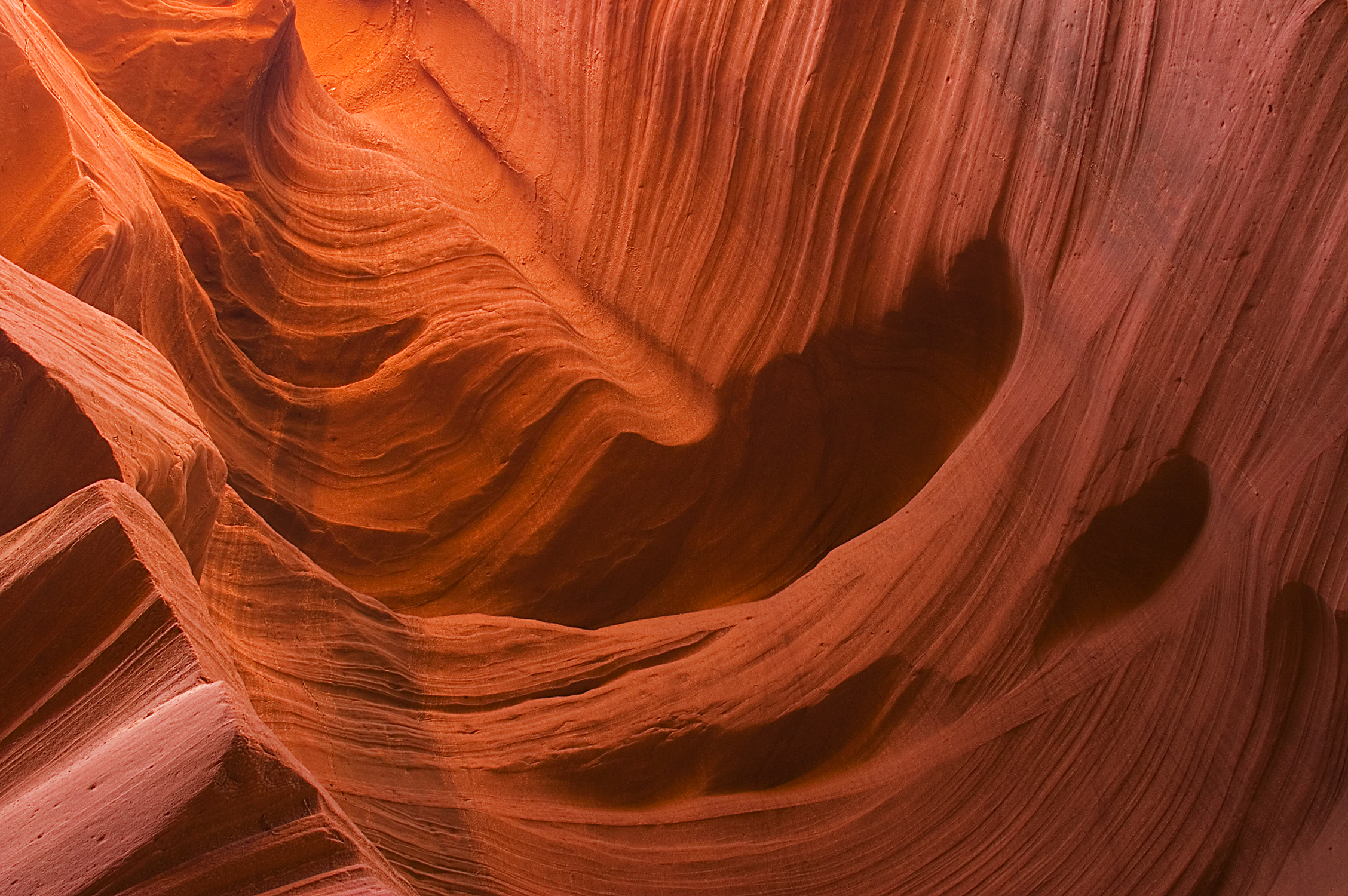
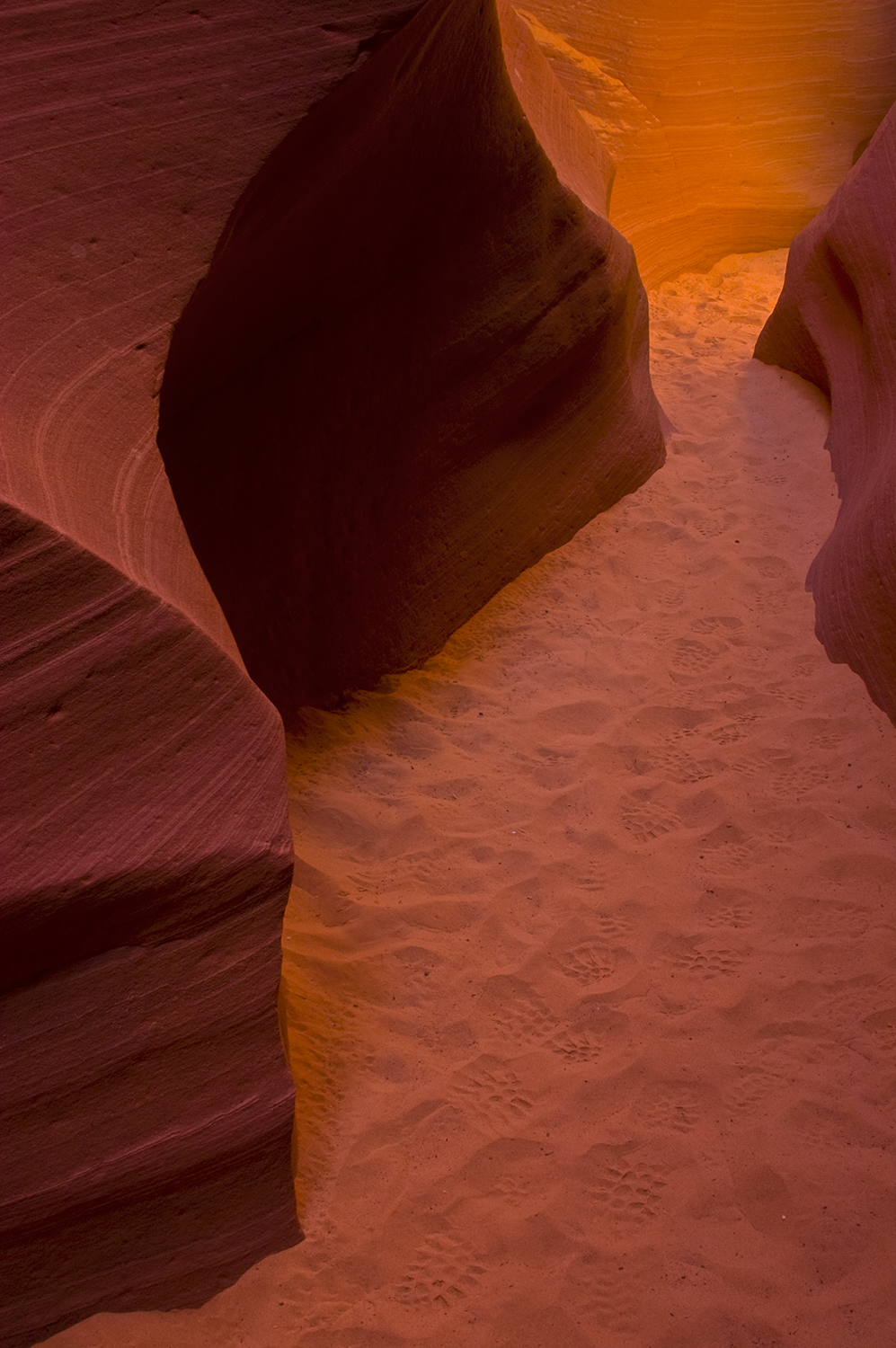
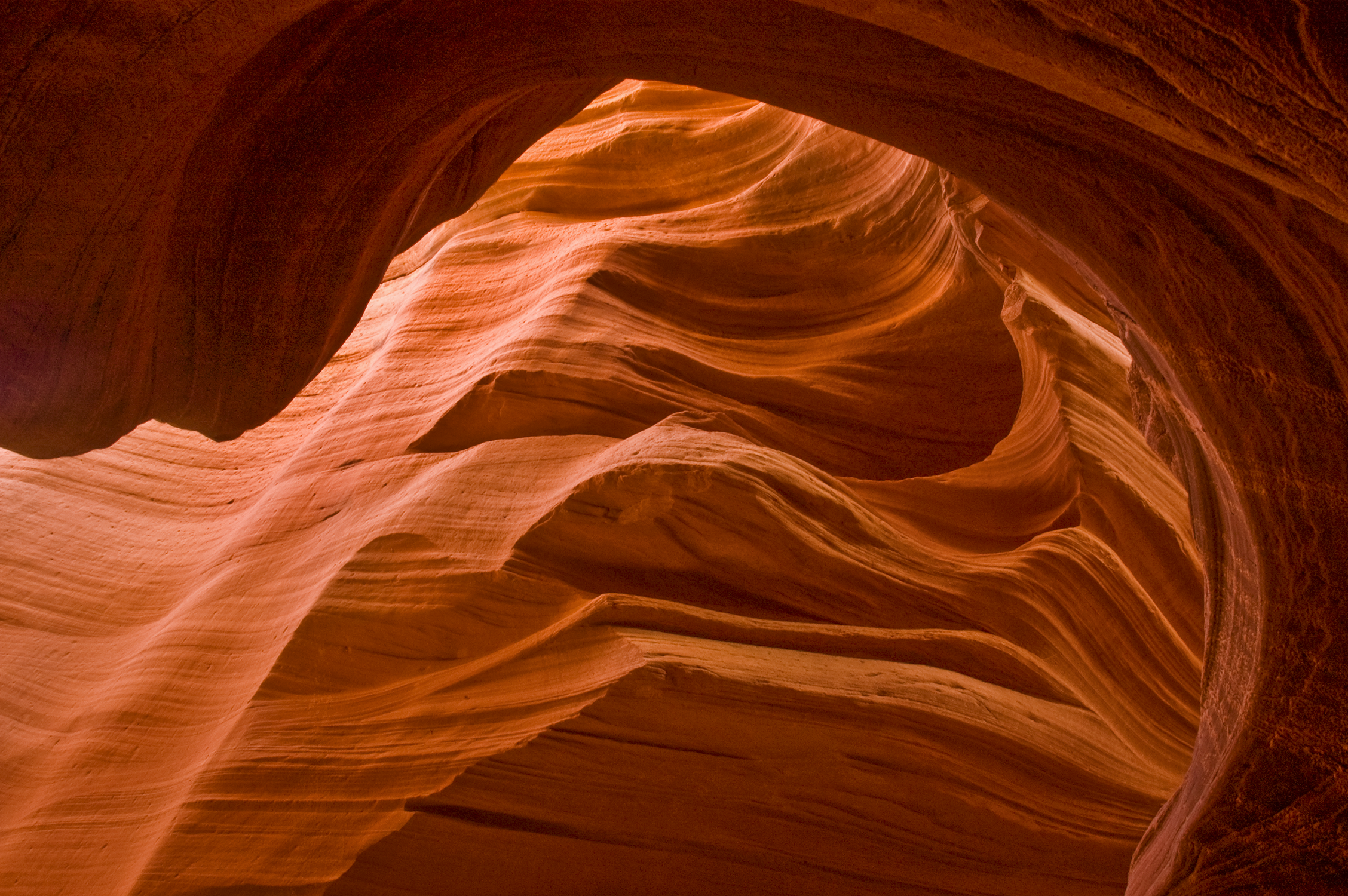
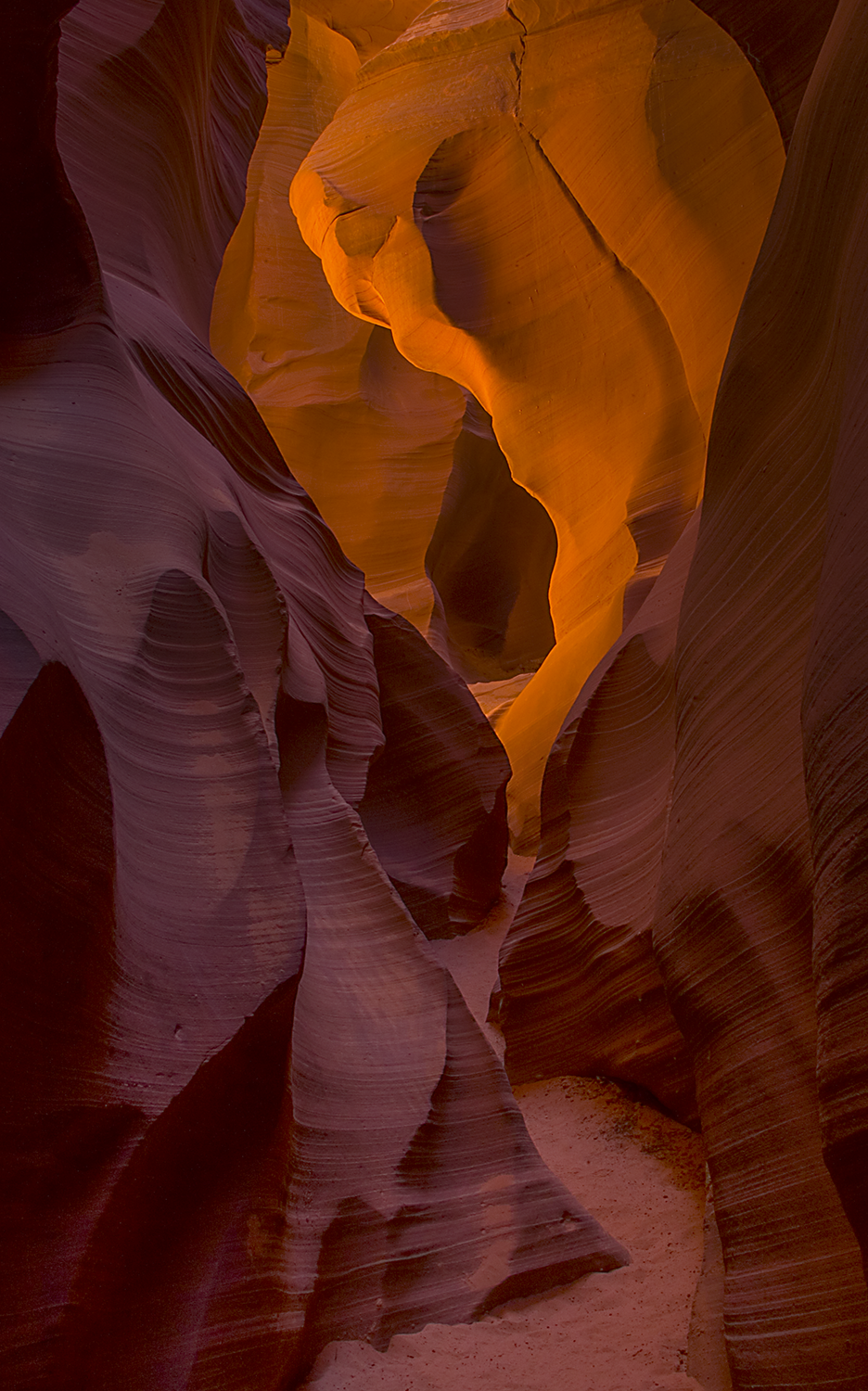
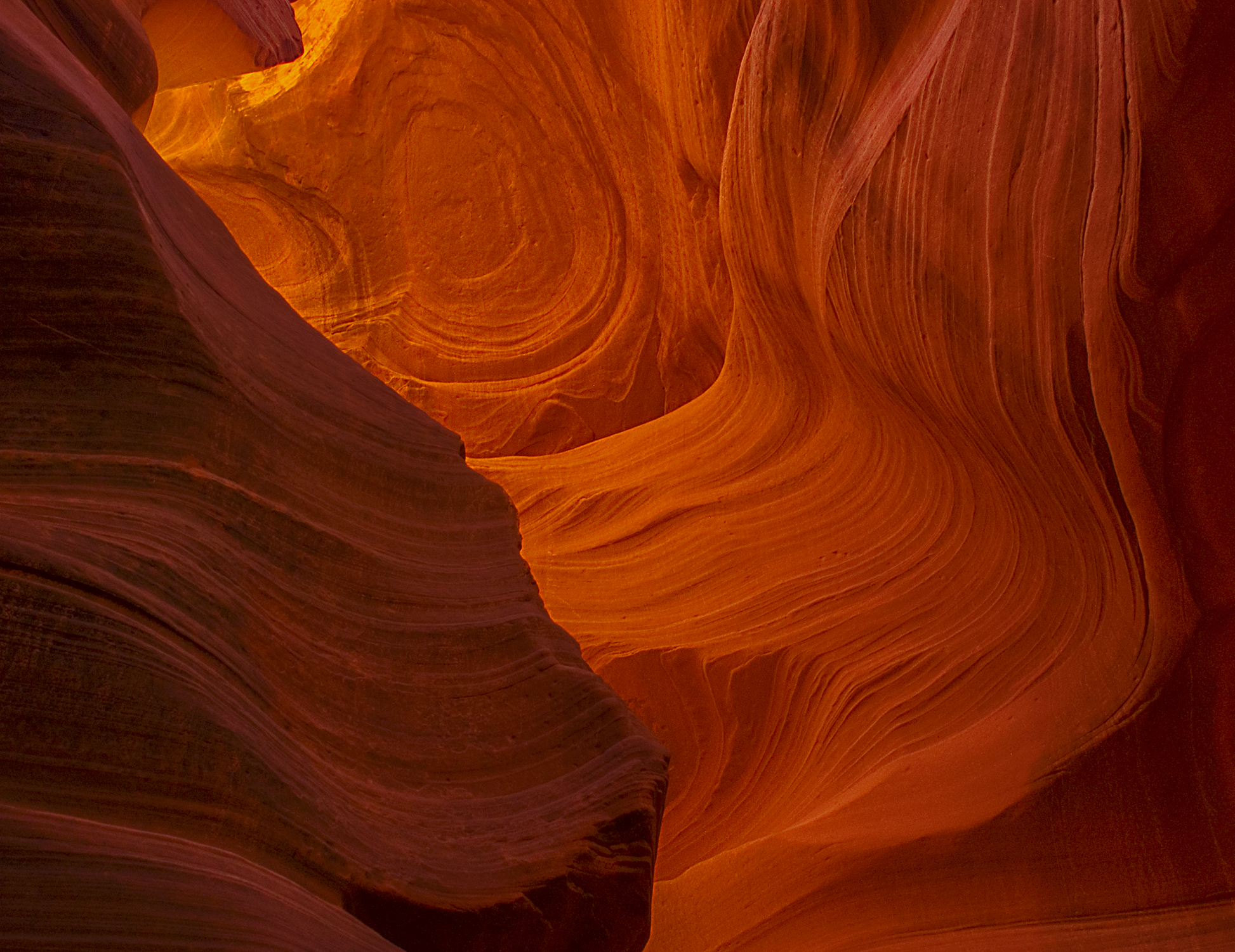
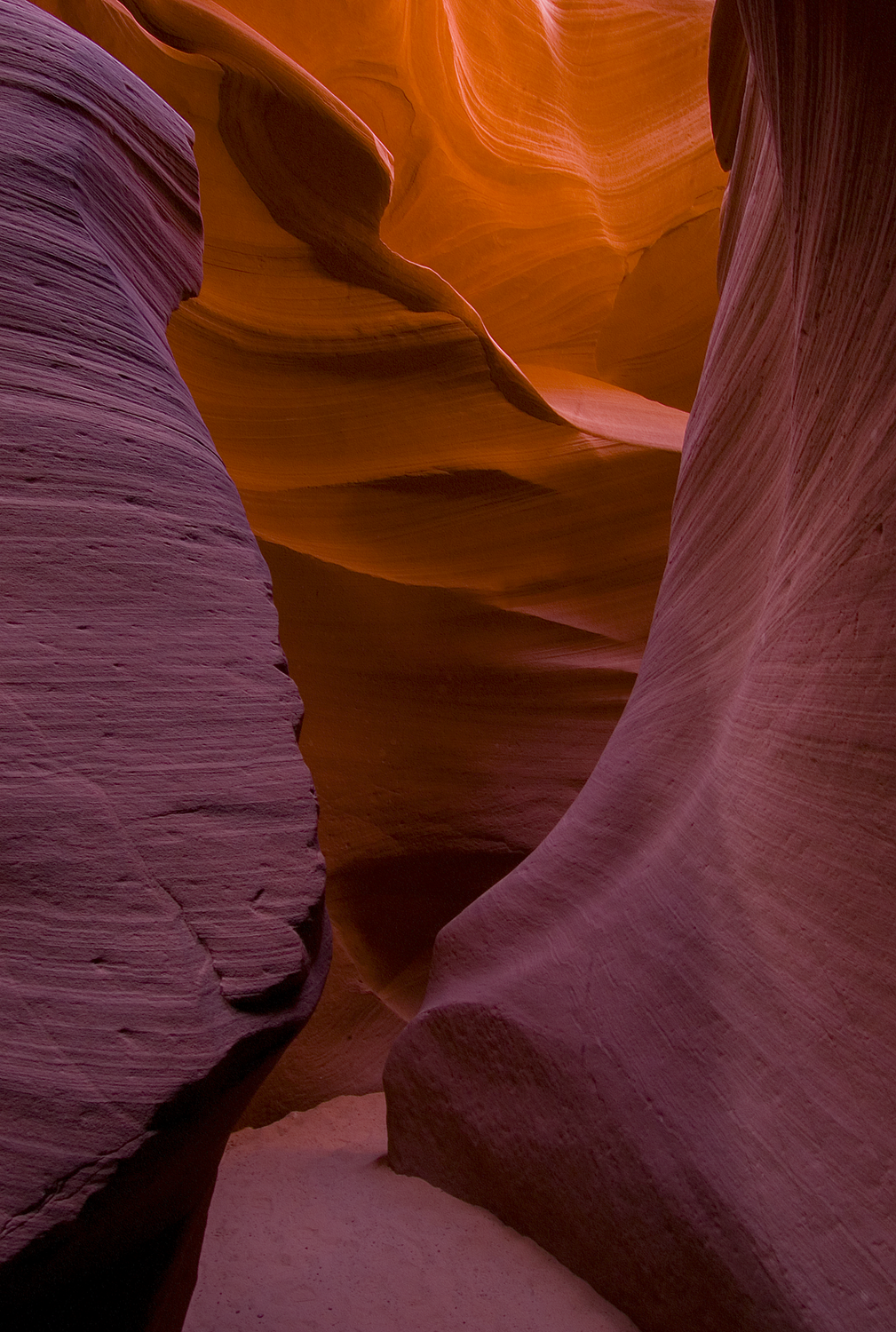
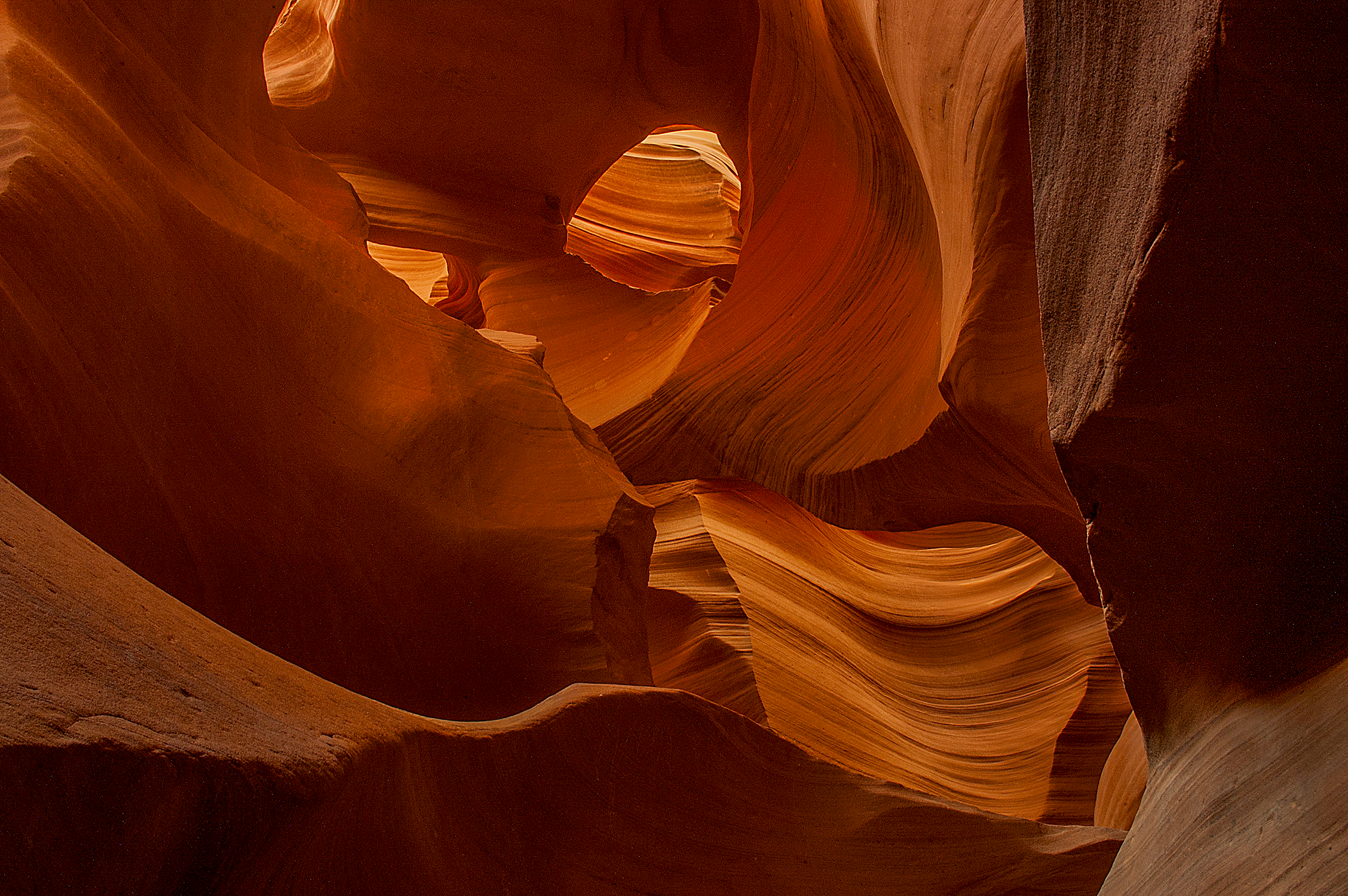
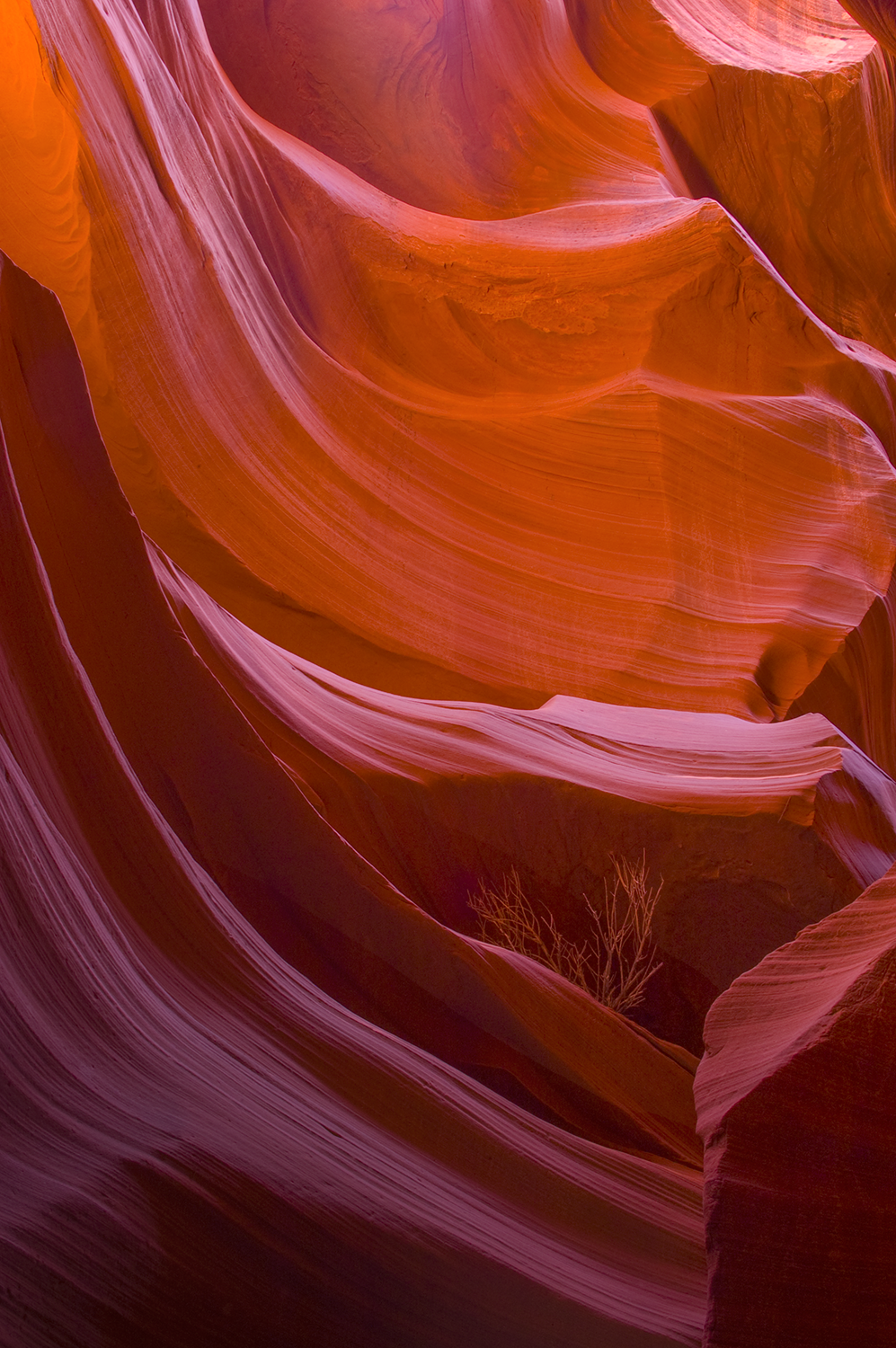
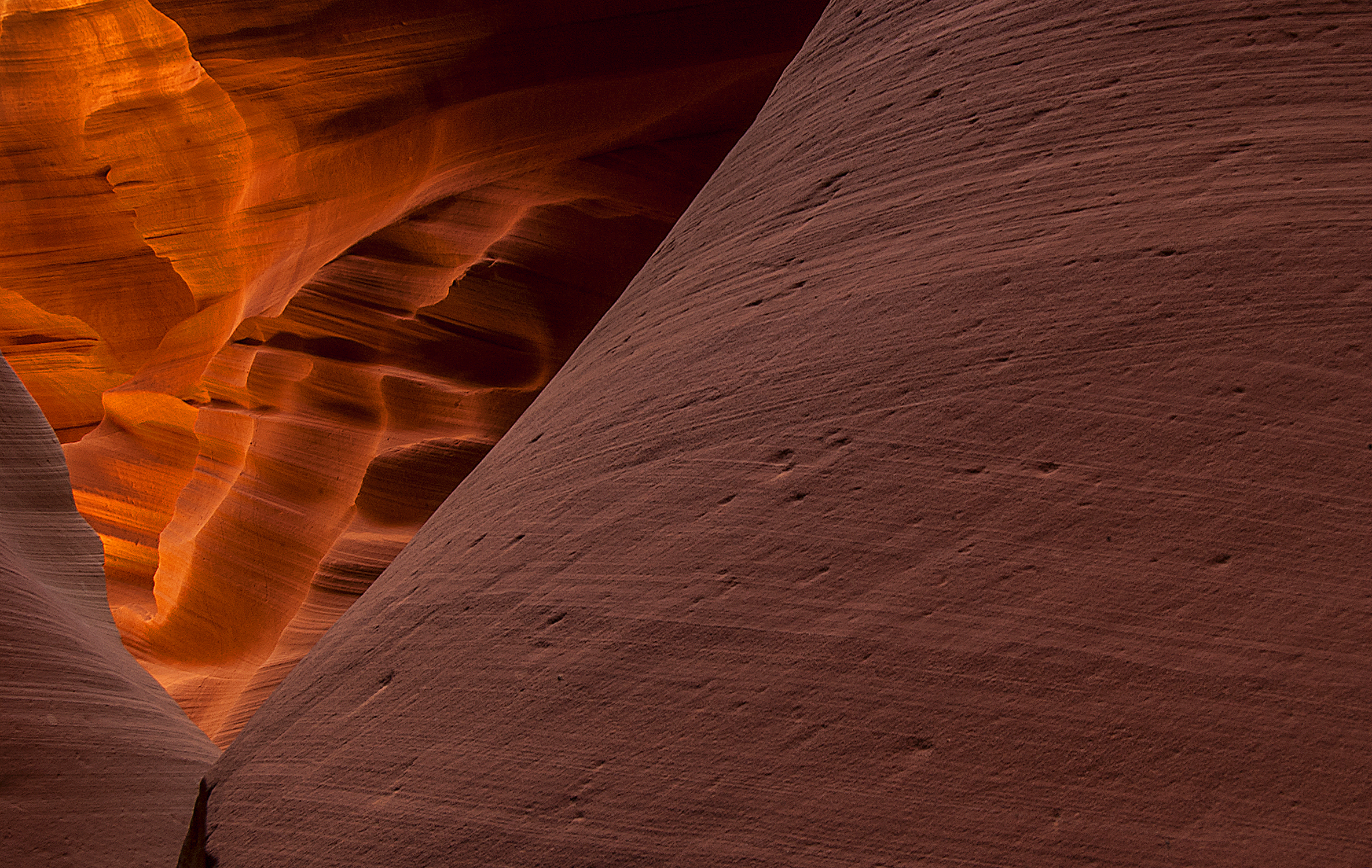
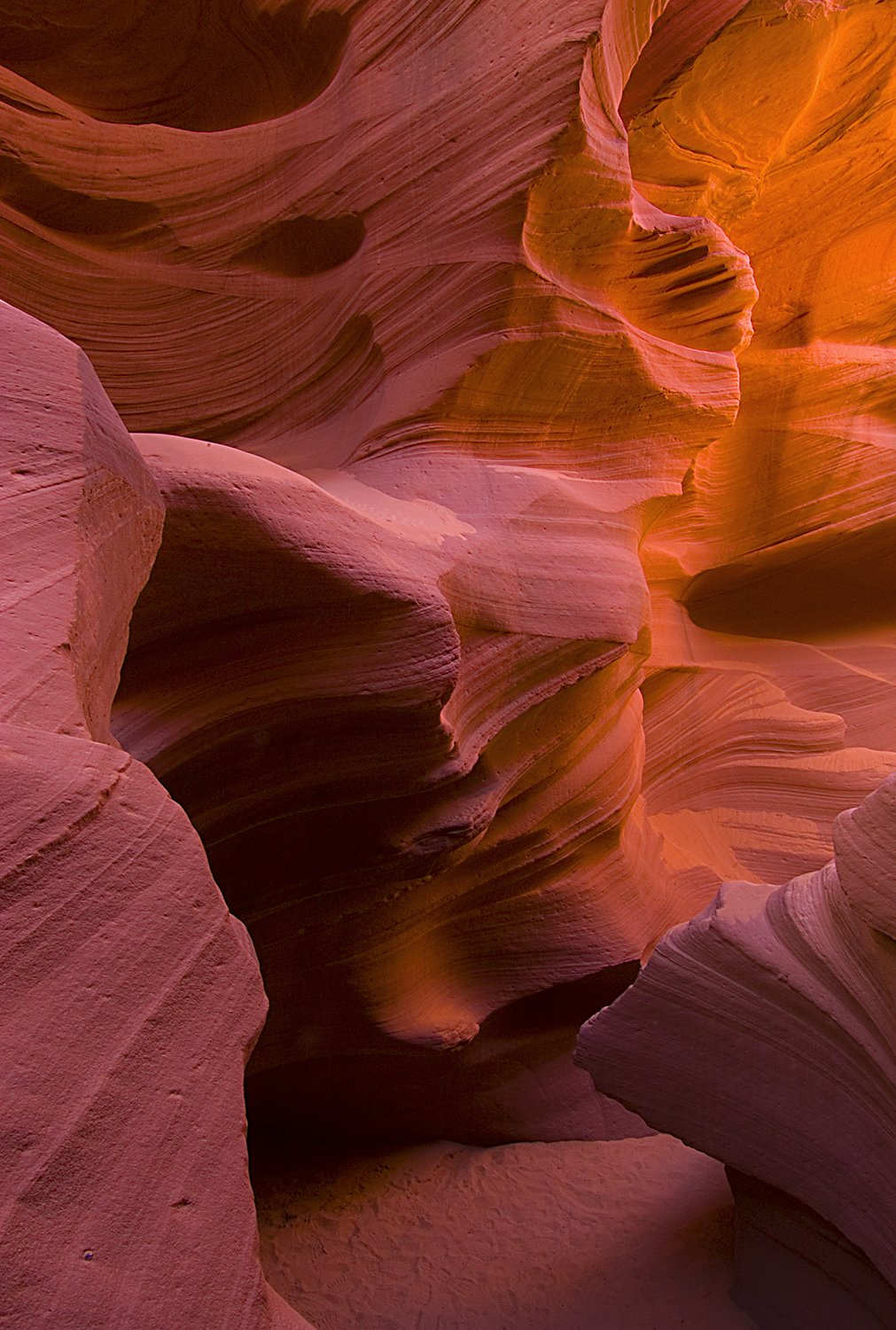
Antelope Canyons, Page Arizona
These narrow canyons, carved out of the Navajo sandstone, in northern Arizona, are nothing short of breathtaking. By arriving very late in the year - over Halloween - I managed to avoid almost all the other tourists, and spent several hours virtually on my own, finding natural abstract shots, every step of the trail.
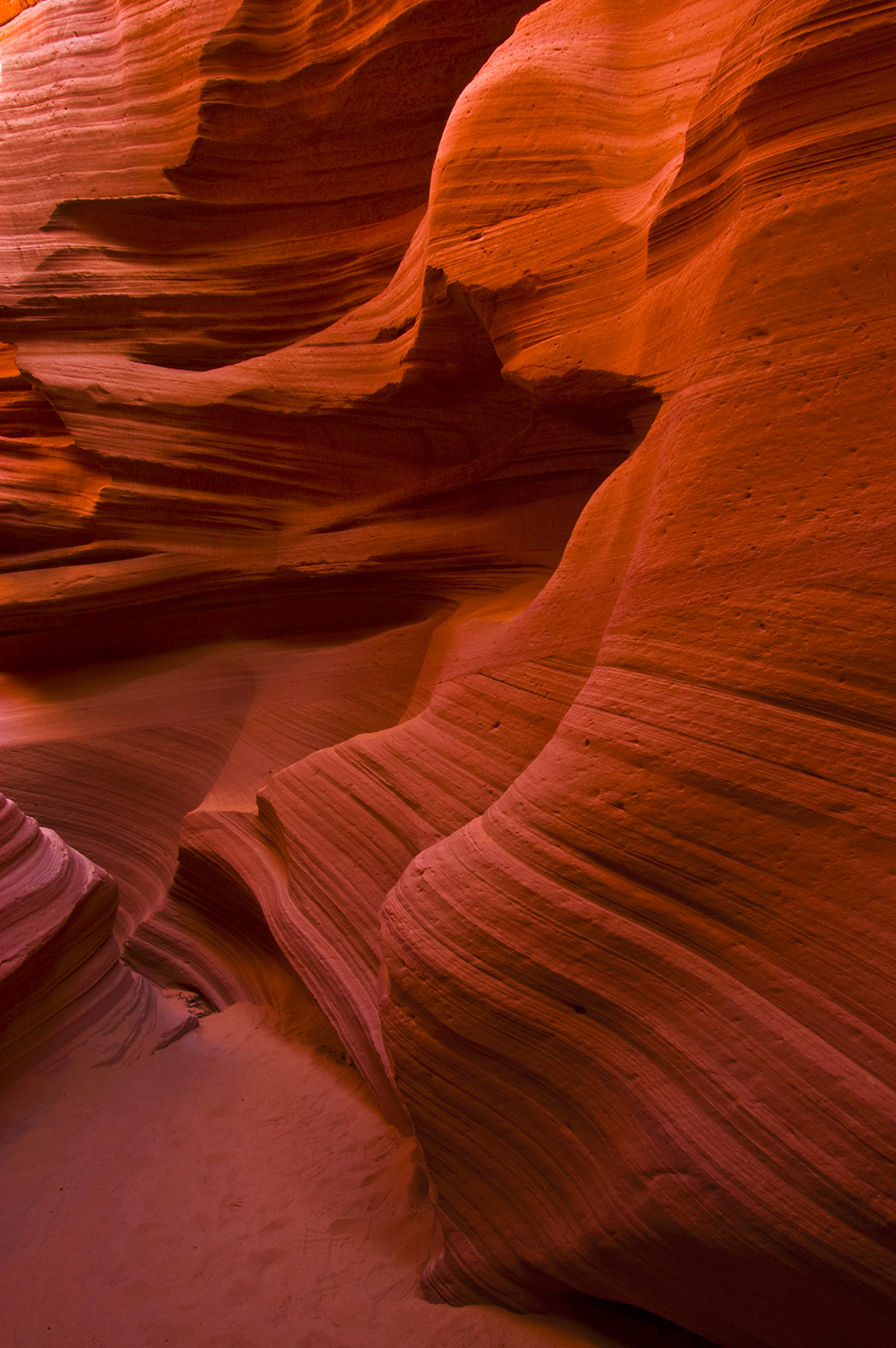
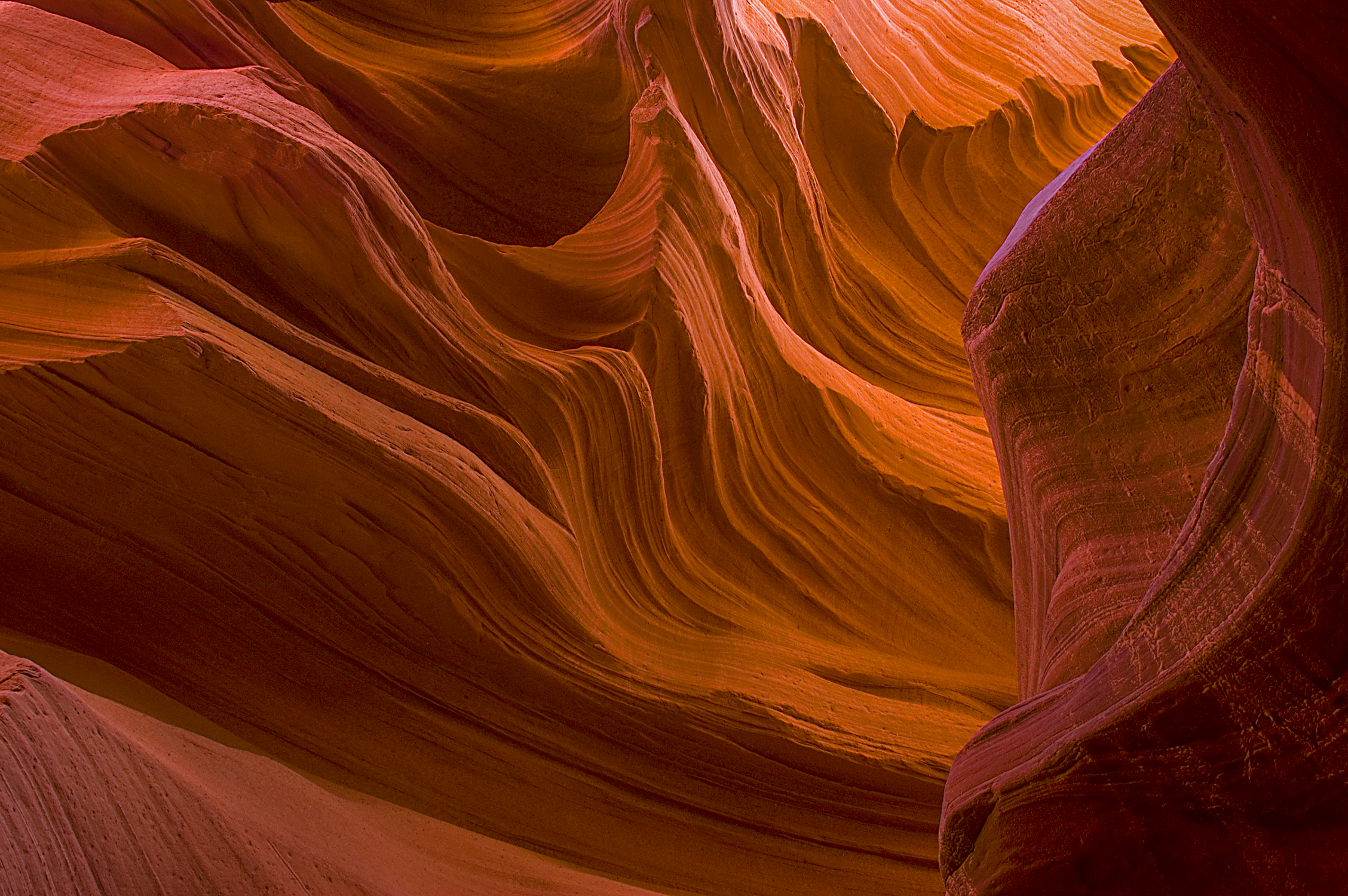
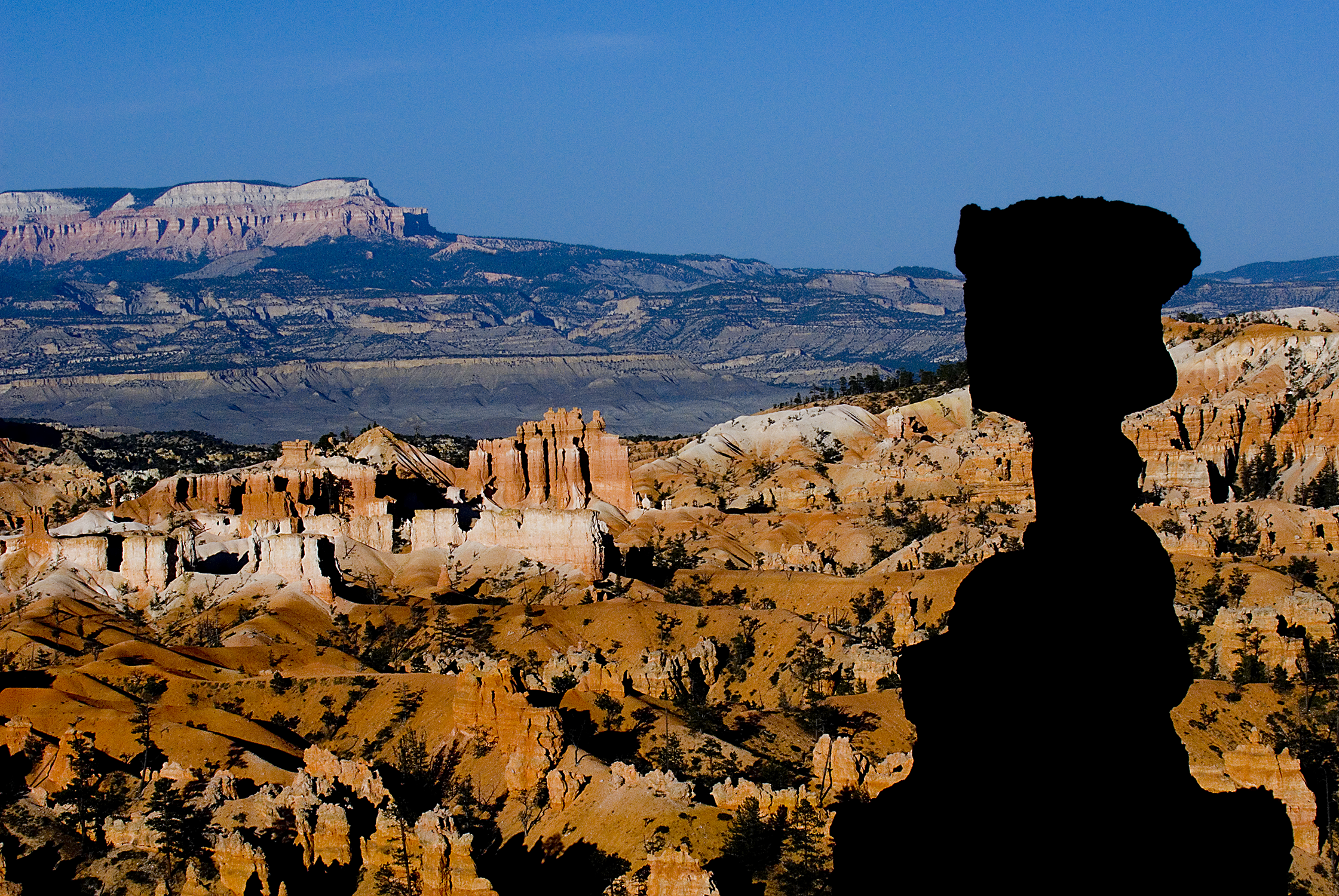
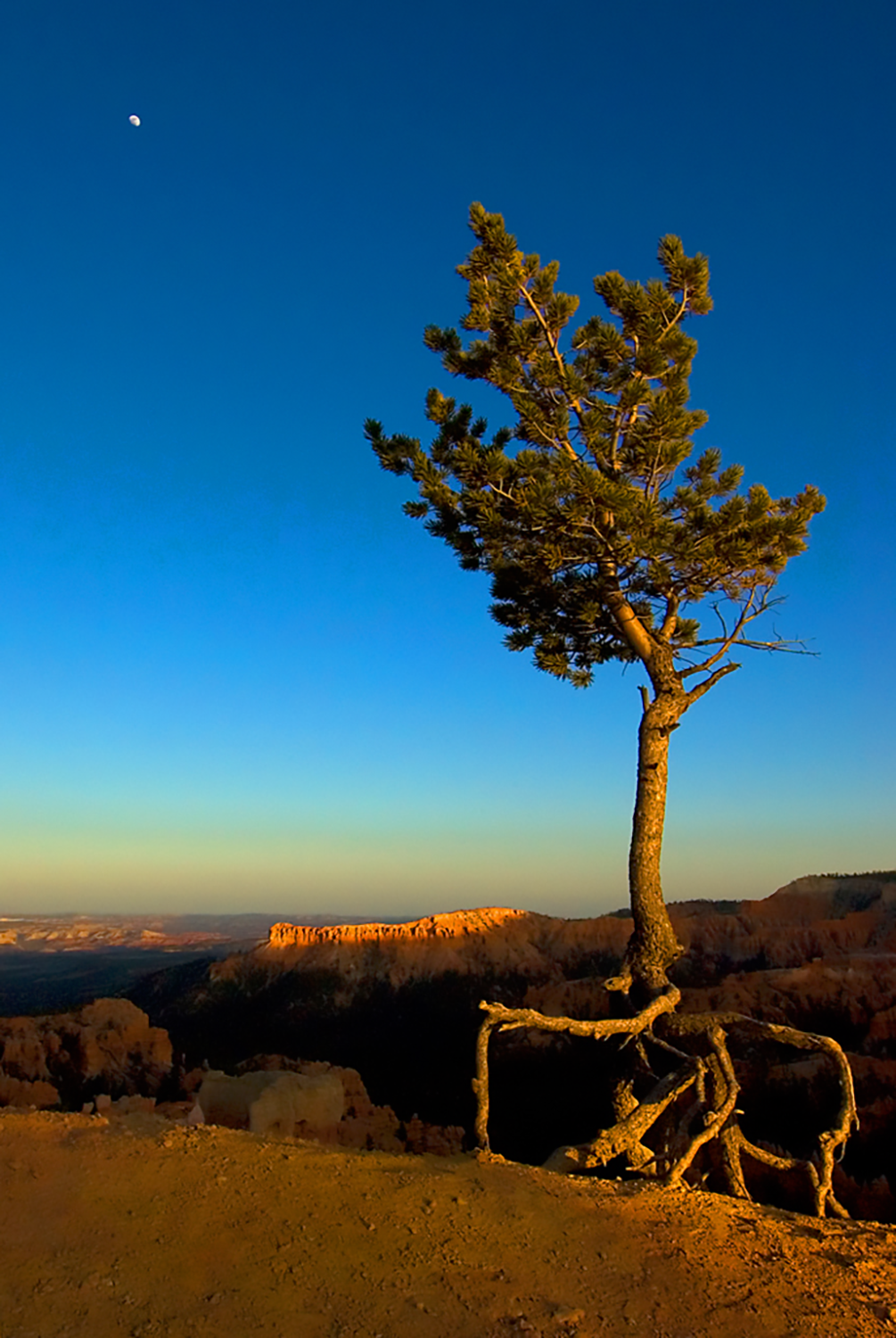
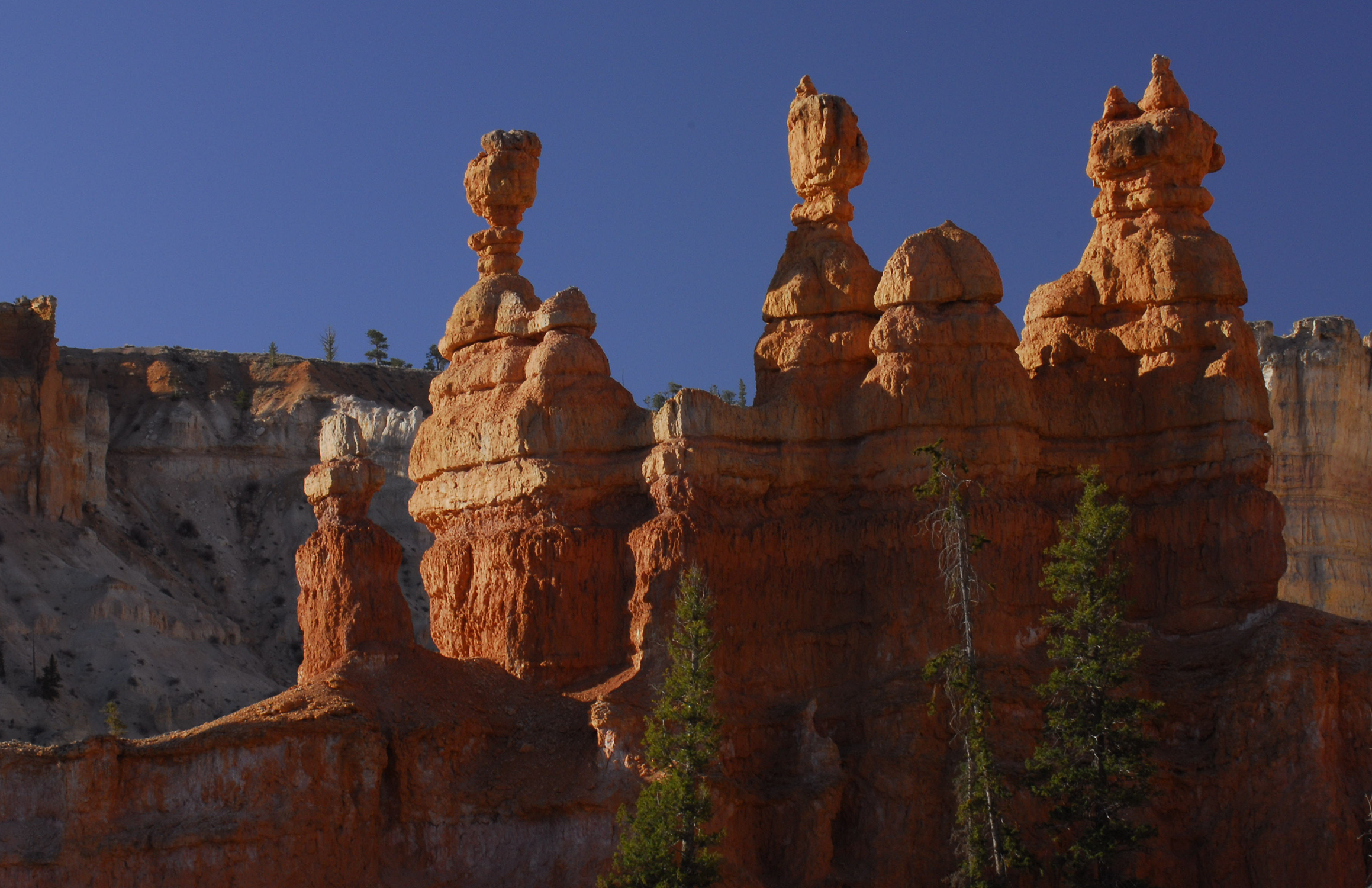
Bryce Canyon National Park, Utah
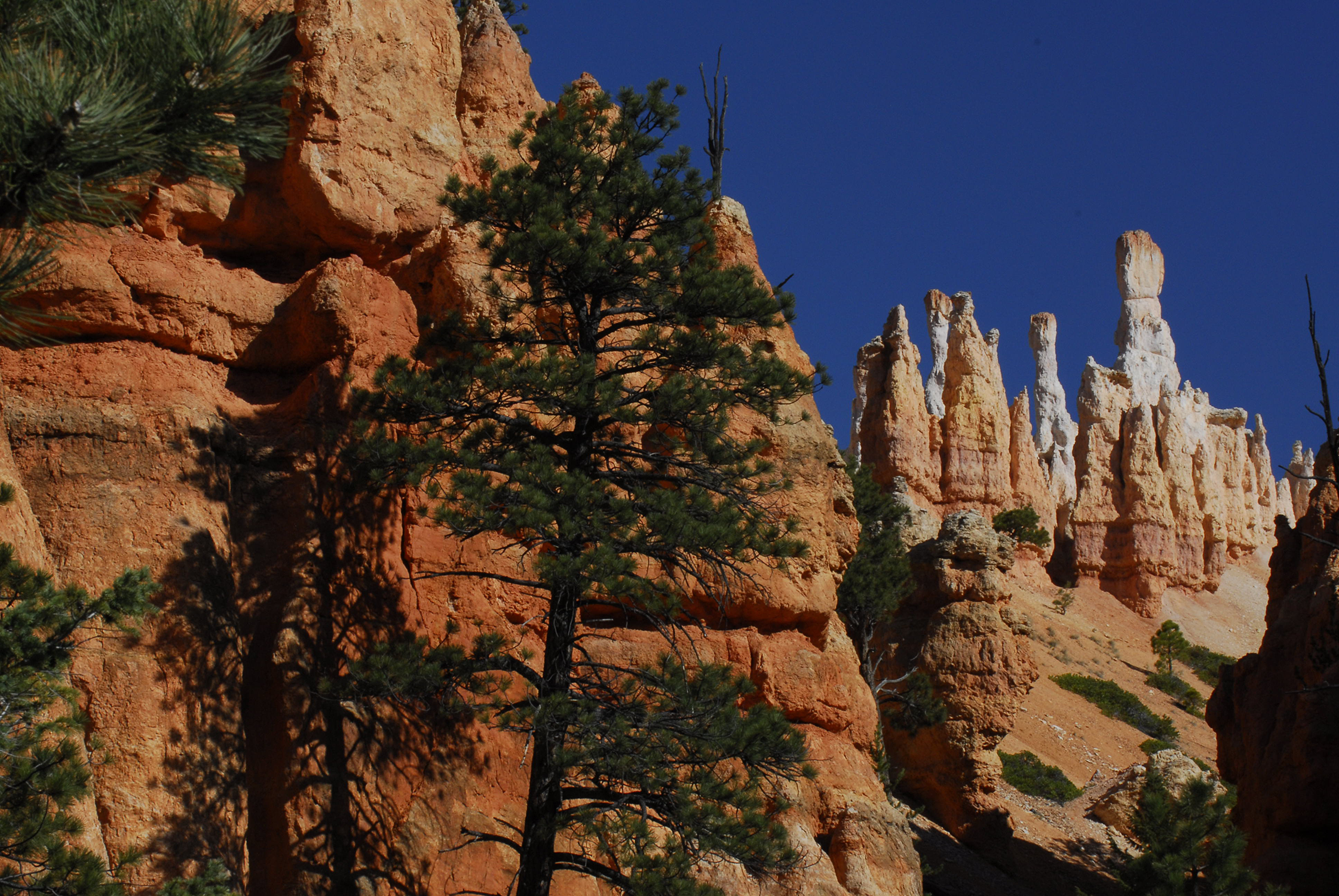
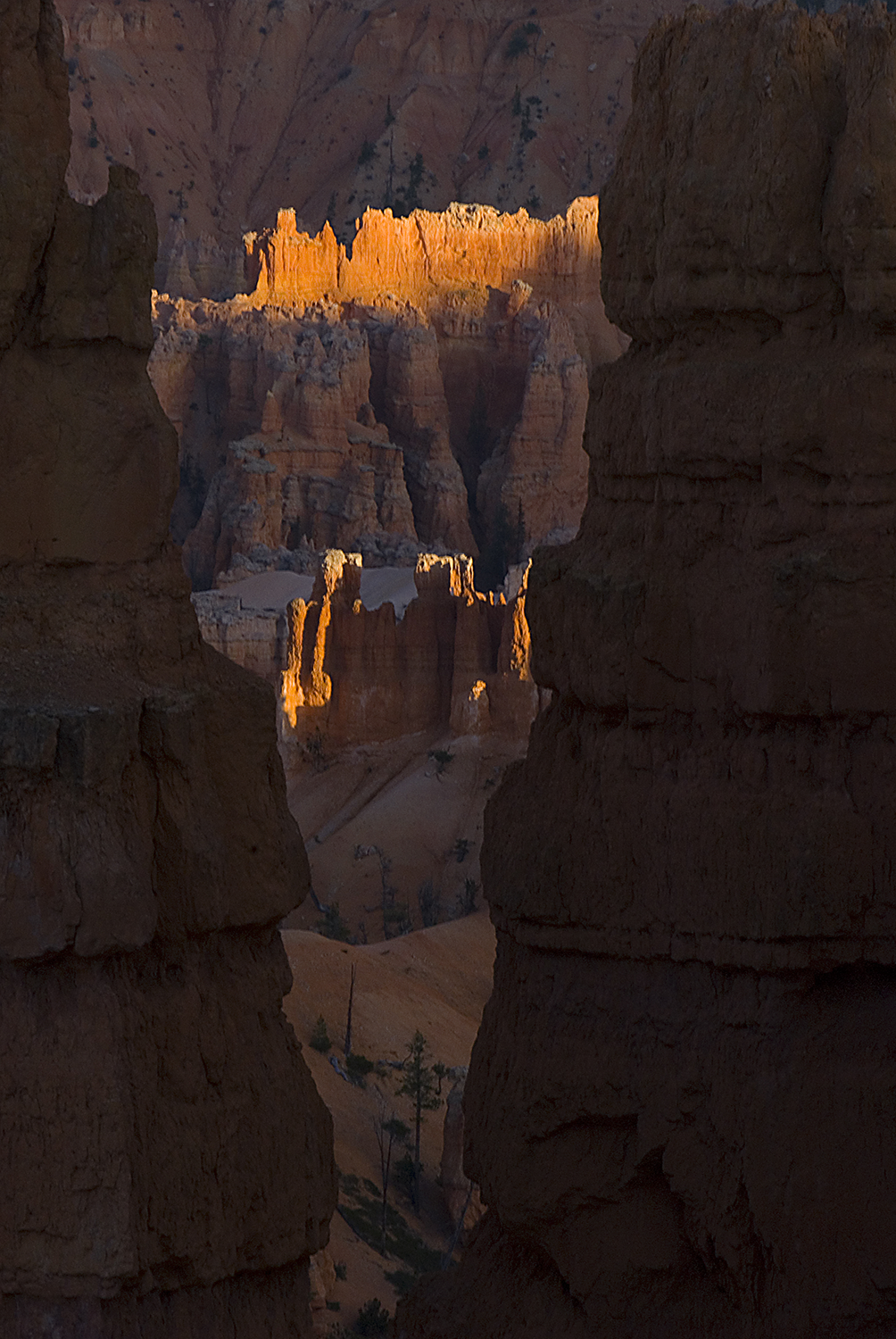
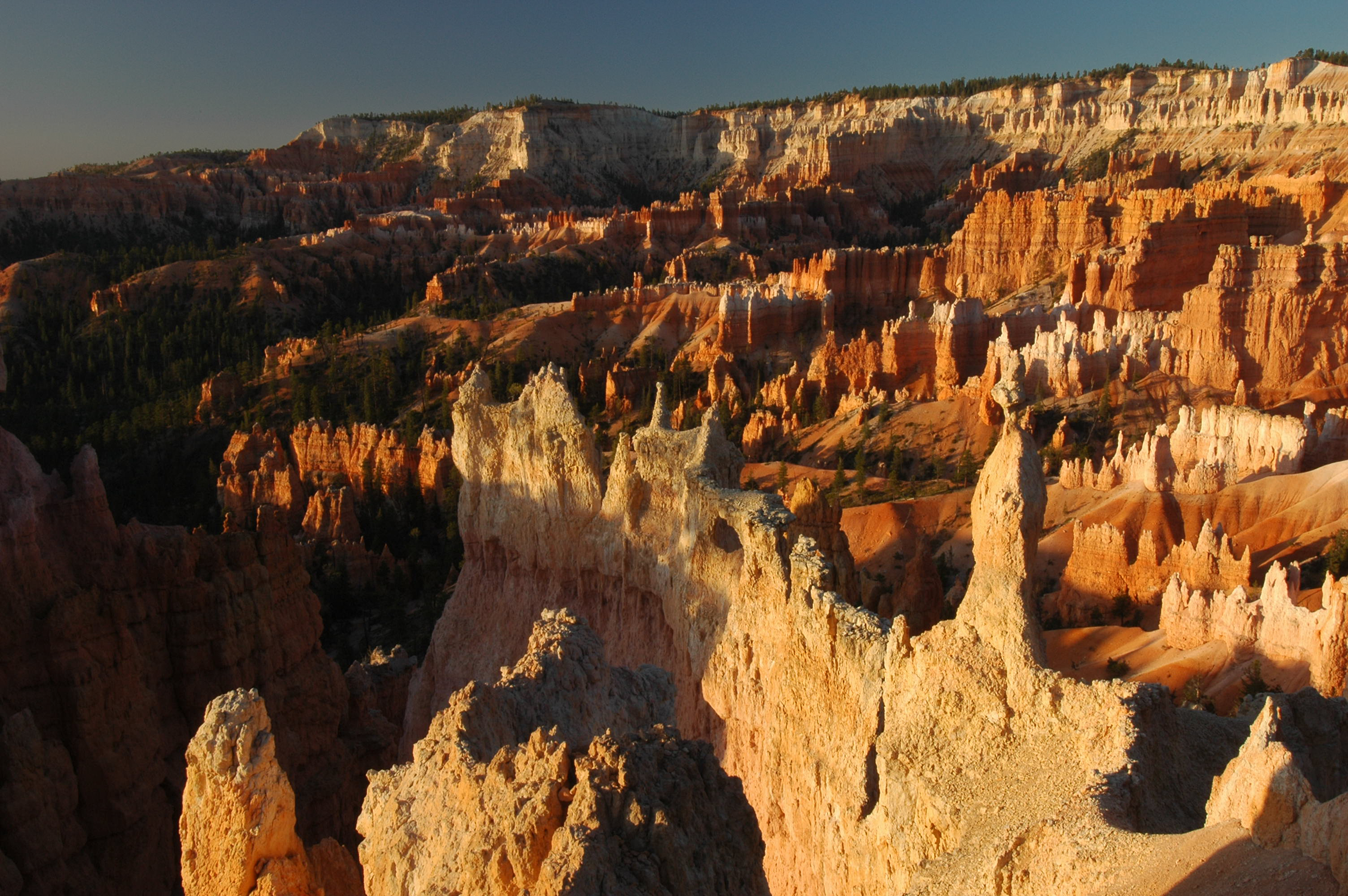
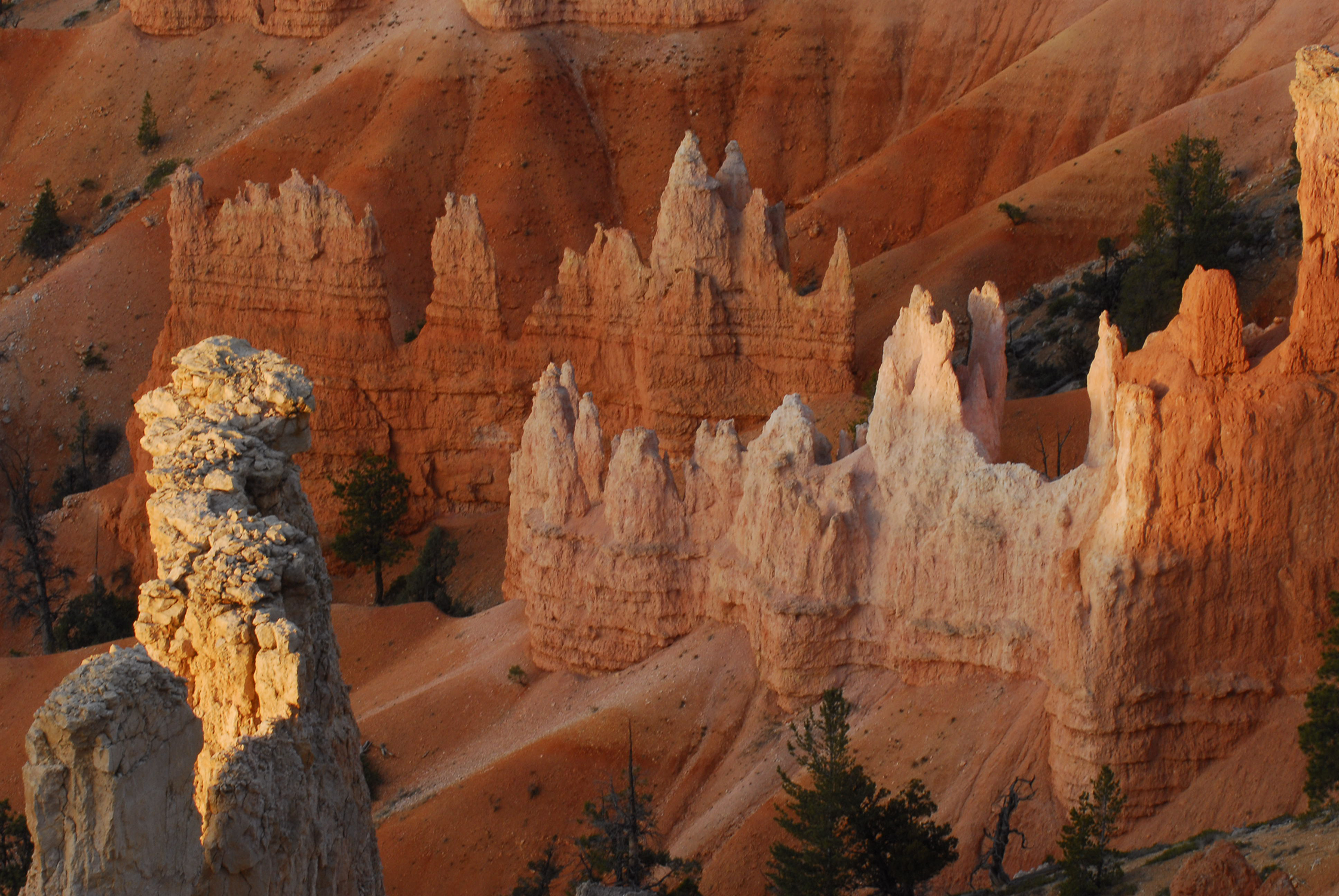
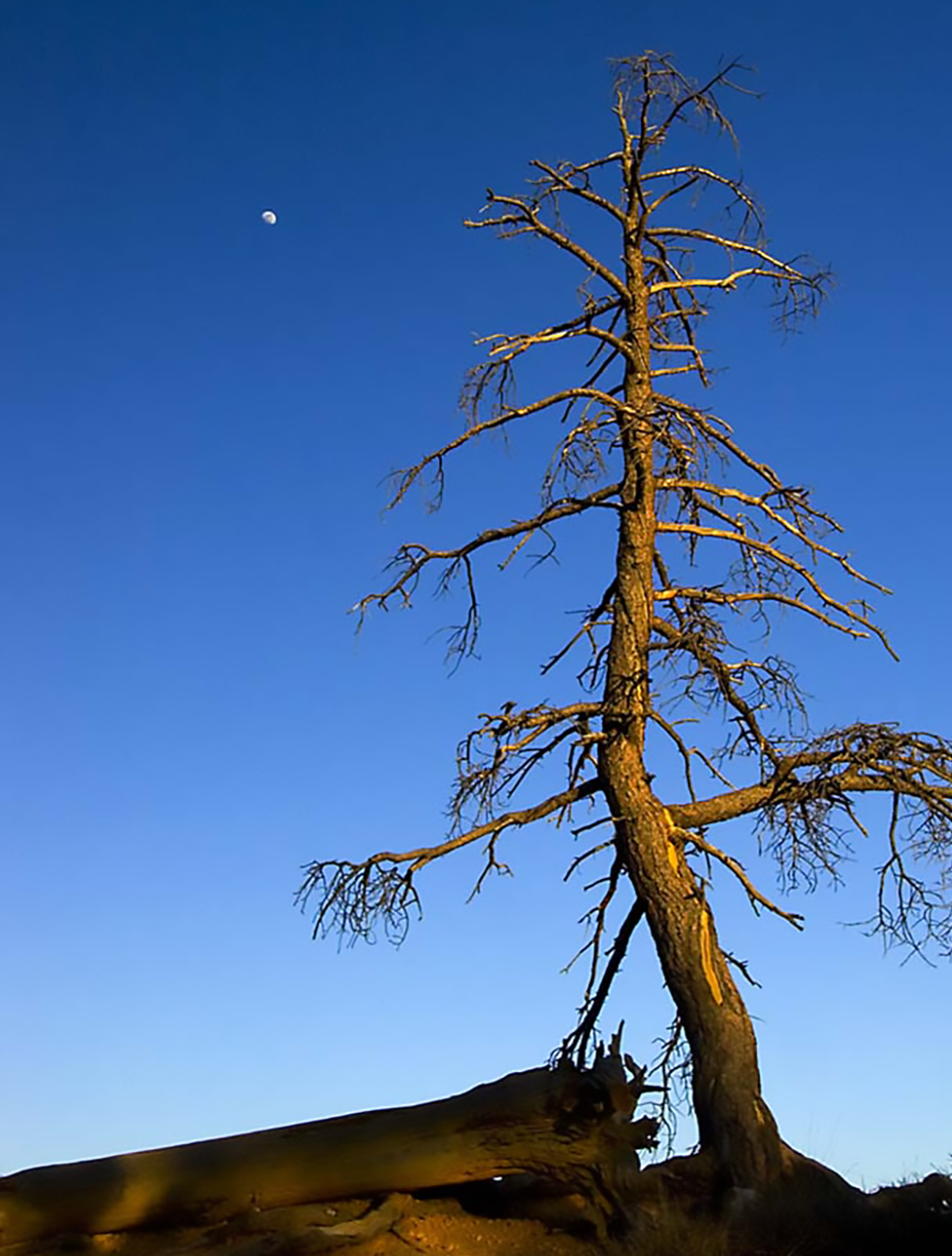
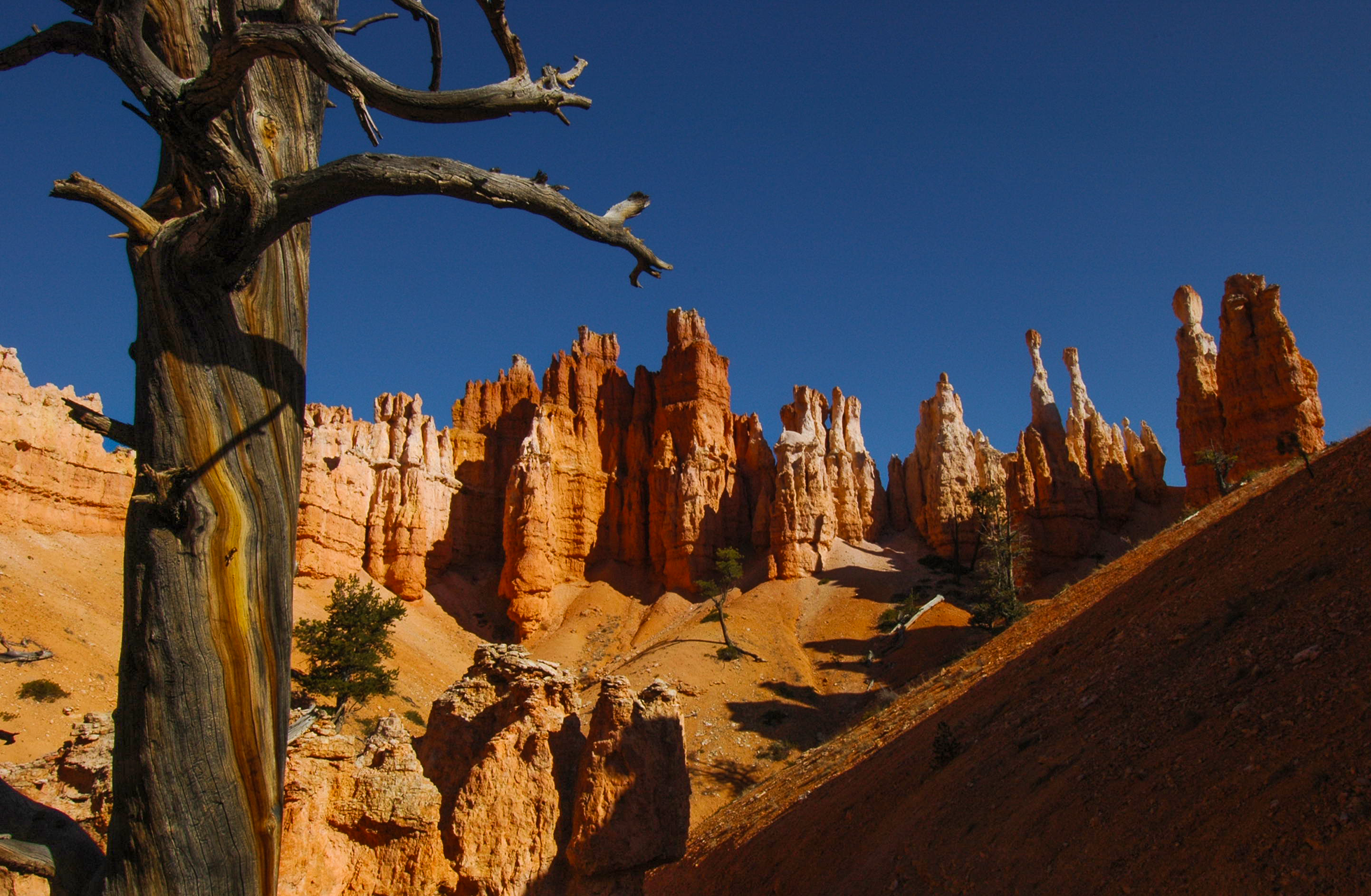
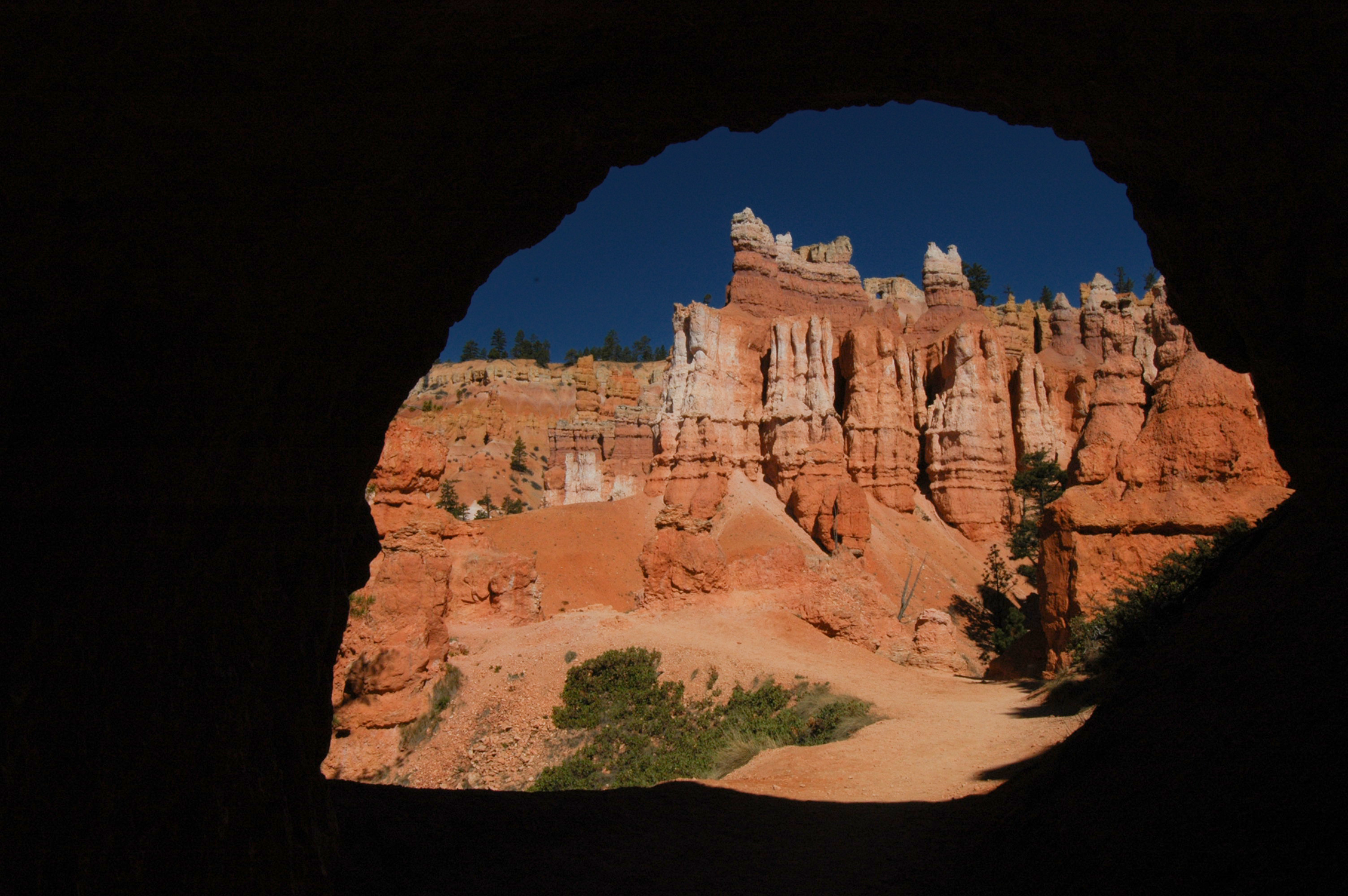
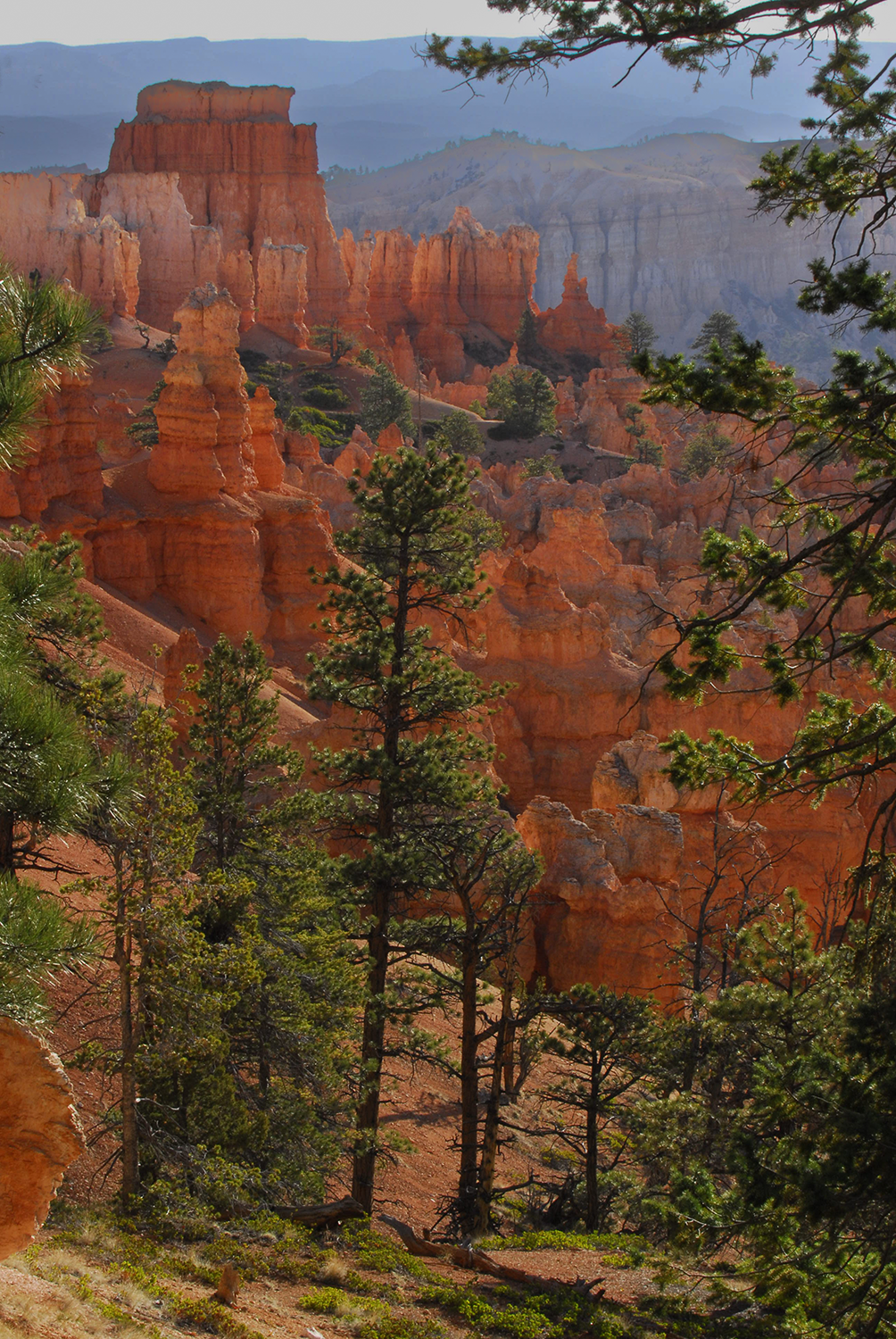
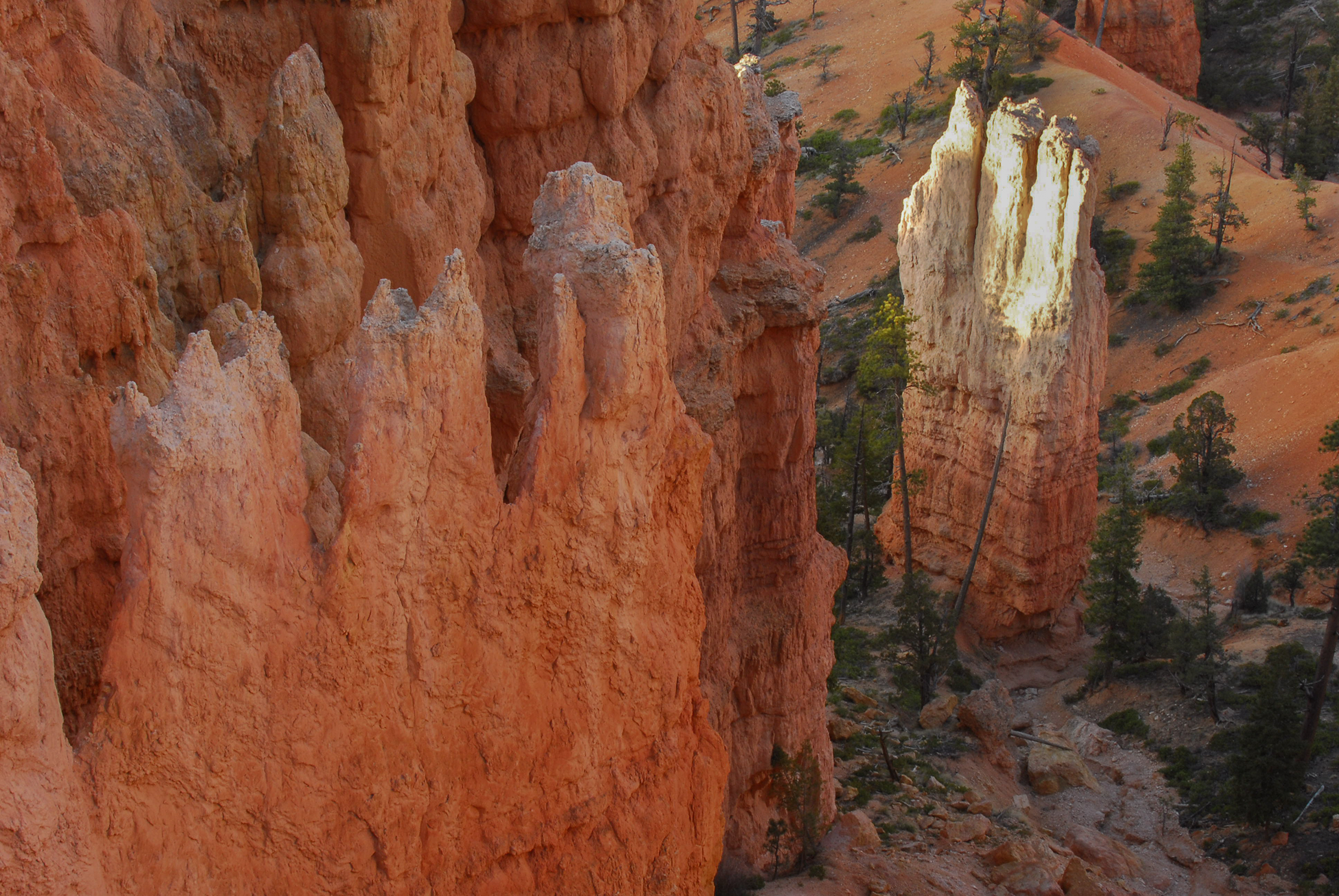
Just a short drive east of Zion NP, in southern Utah, is another amazing national park. This one is full of sandstone columns called Hoodoos. To do Bryce Canyon NP justice, you have to get down to the floor of the Canyon, and hike the easy trails, as well as take in the vistas from many great vantage points around the Canyon upper rim. There is lots to see and shoot, from sunrise to sunset.
Death Valley National Park
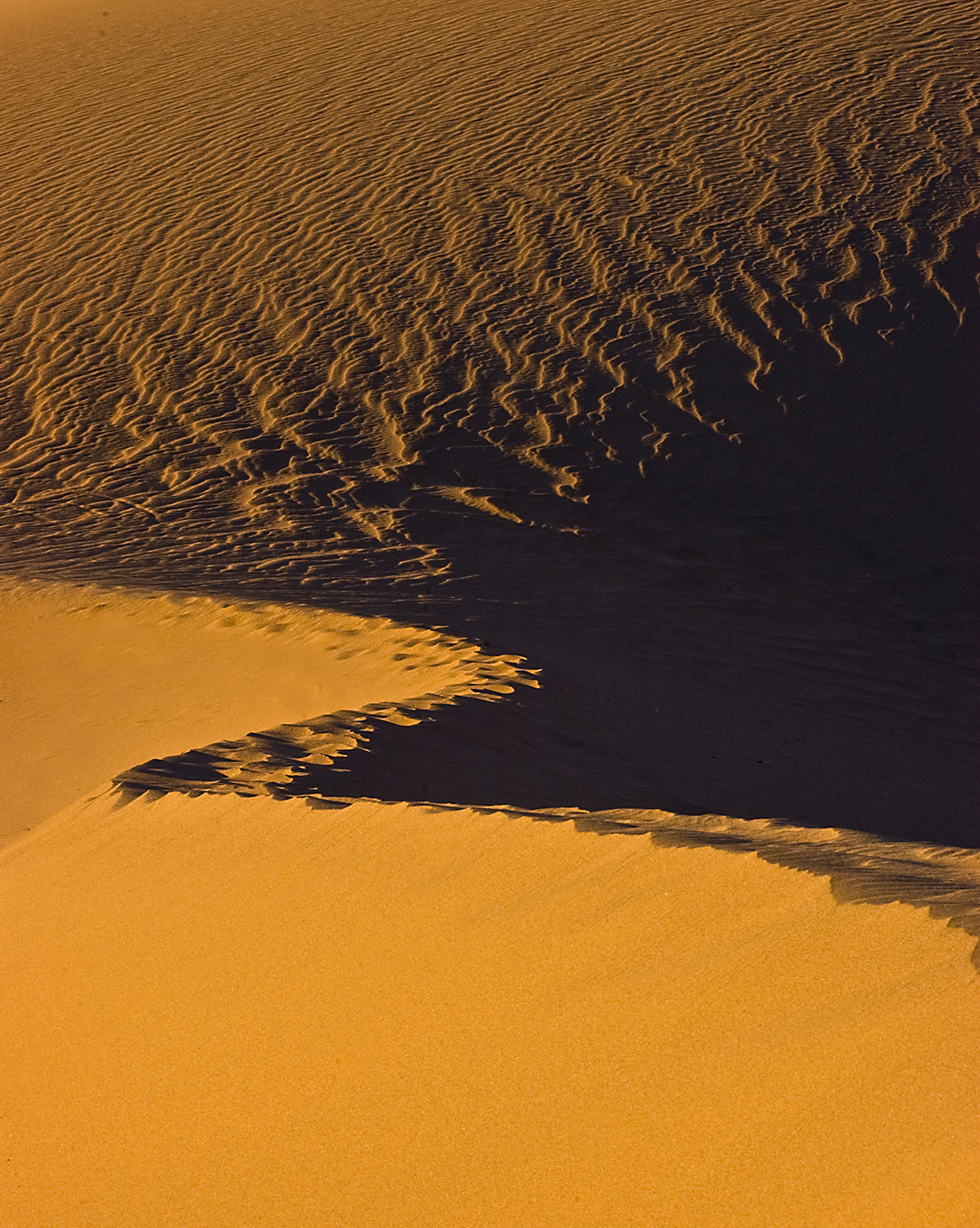
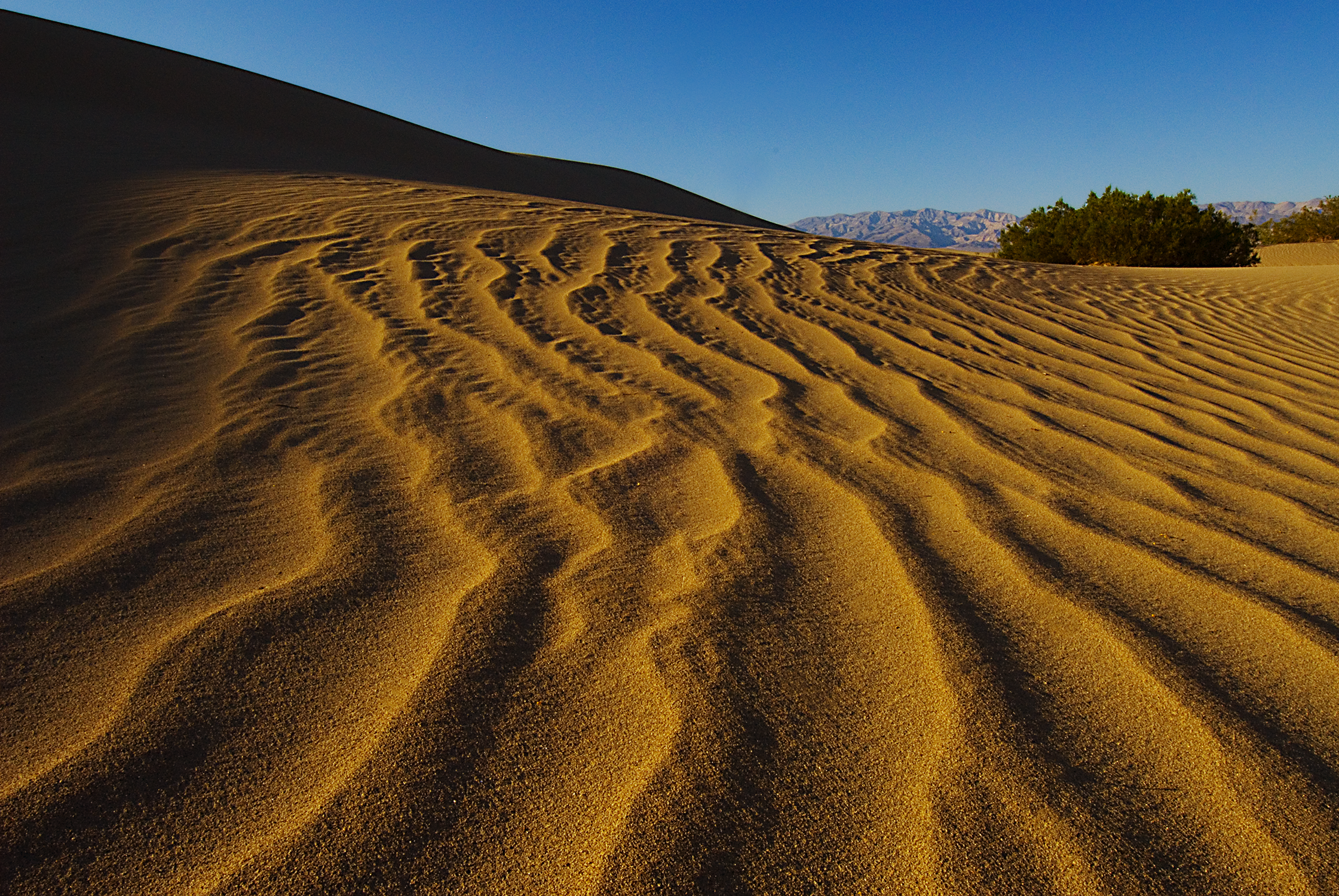
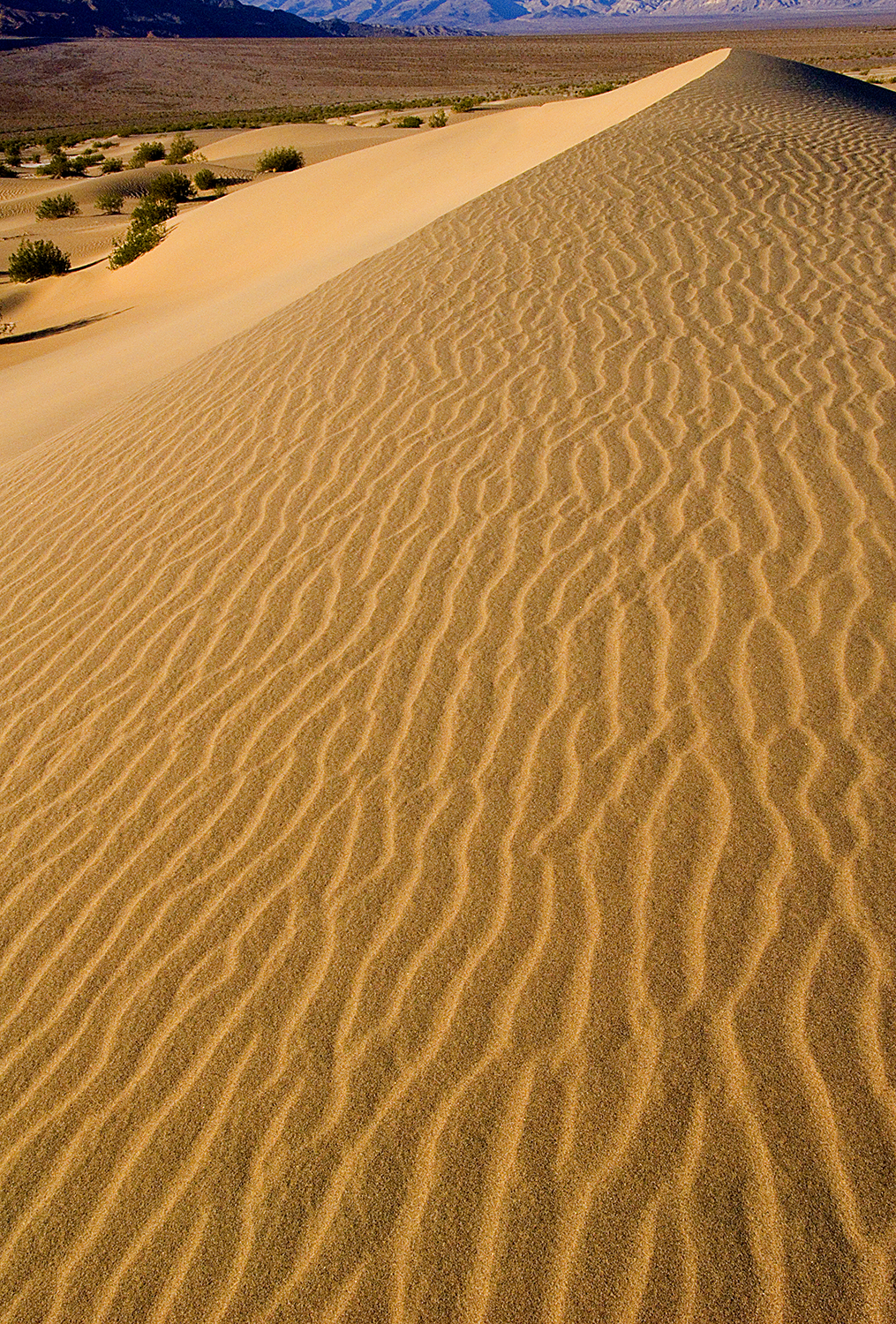
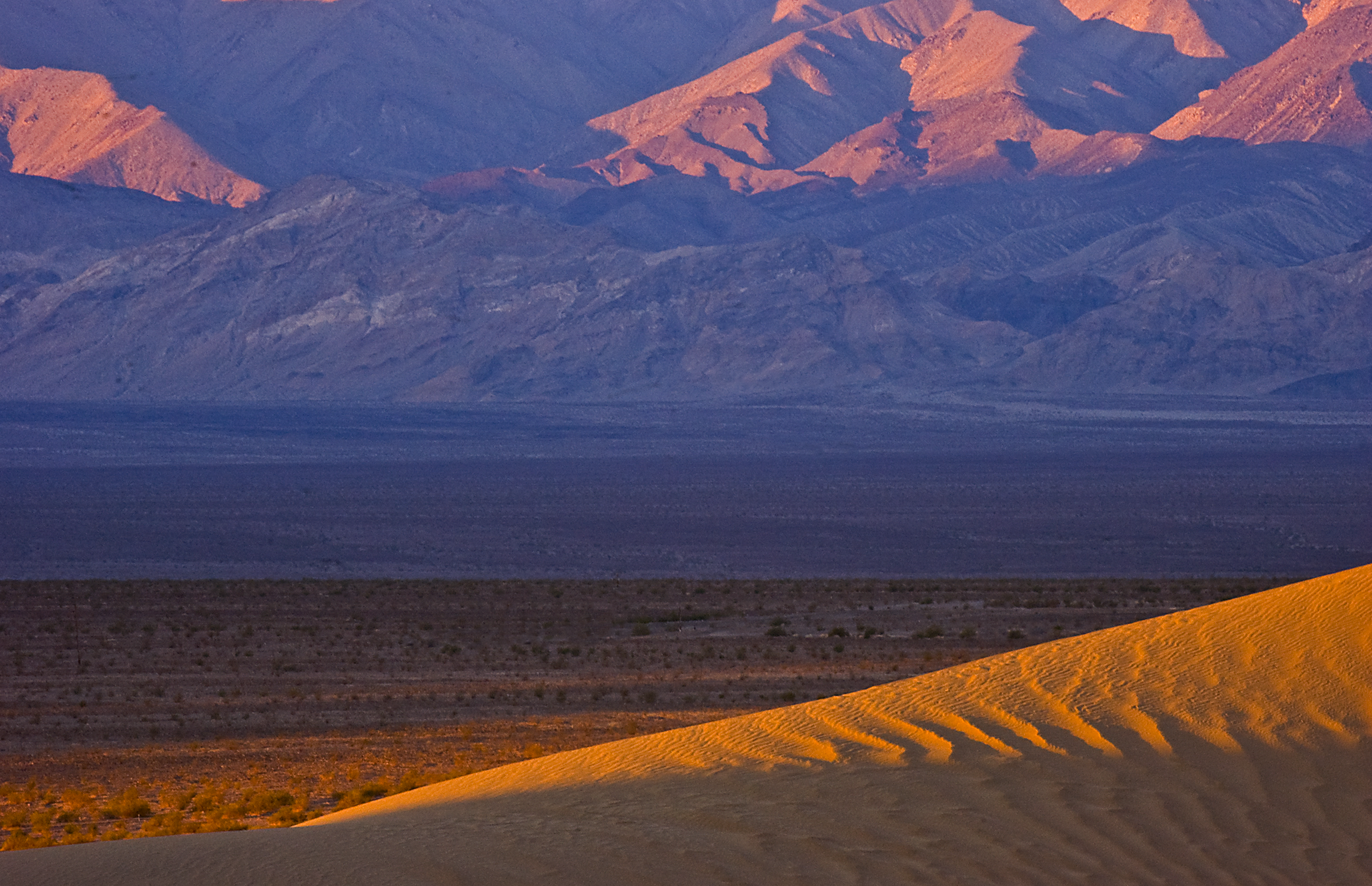
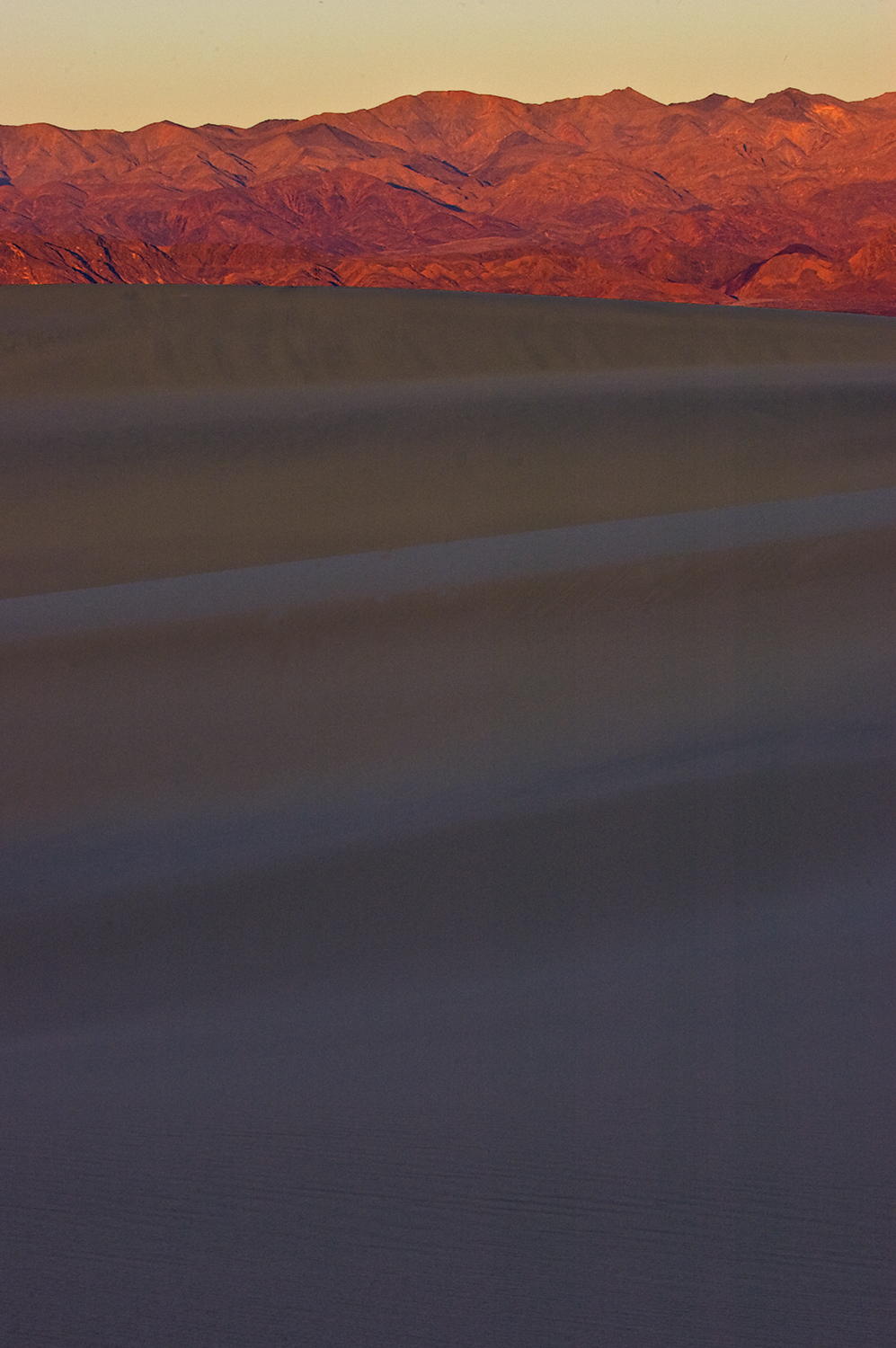
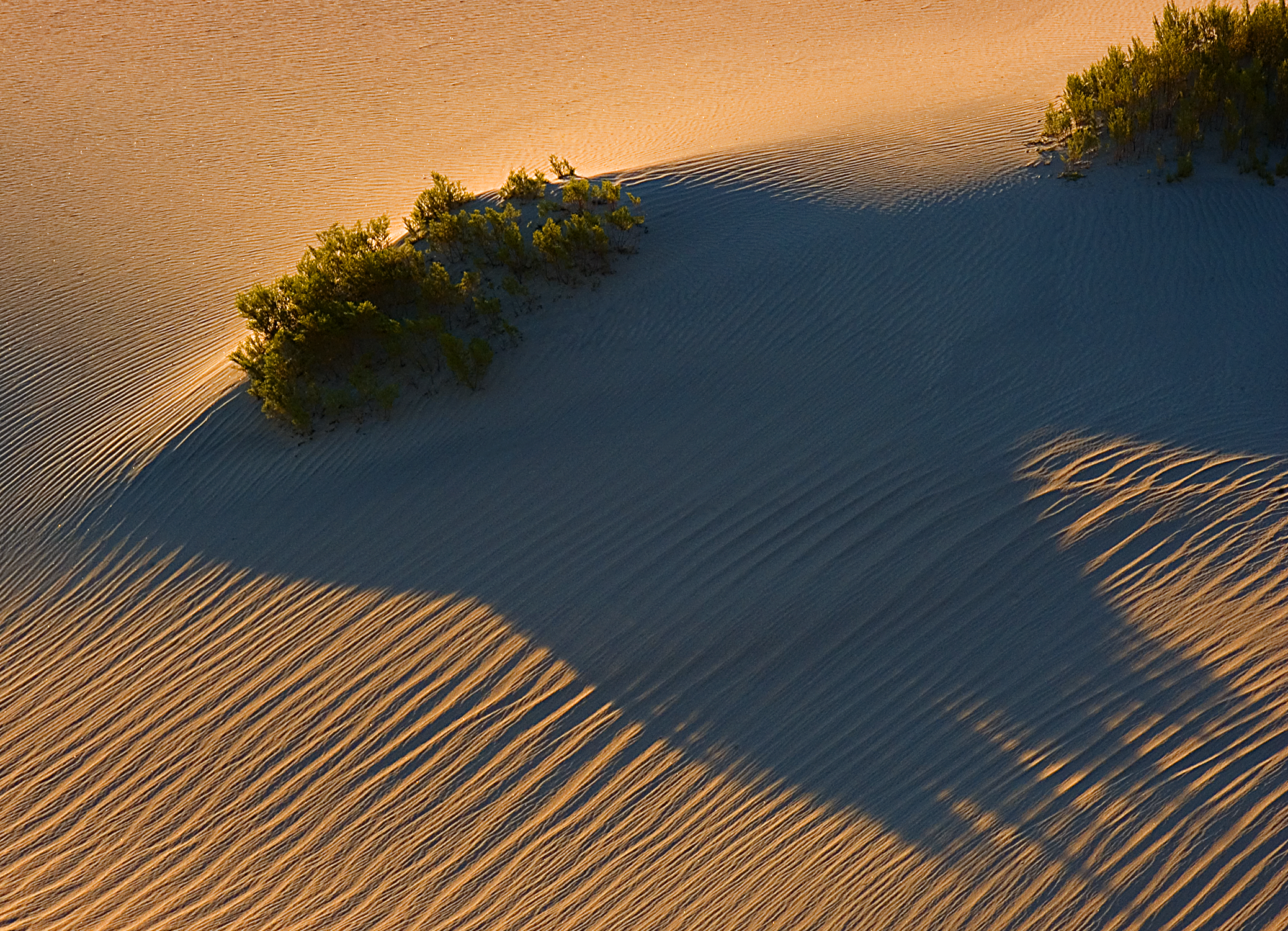
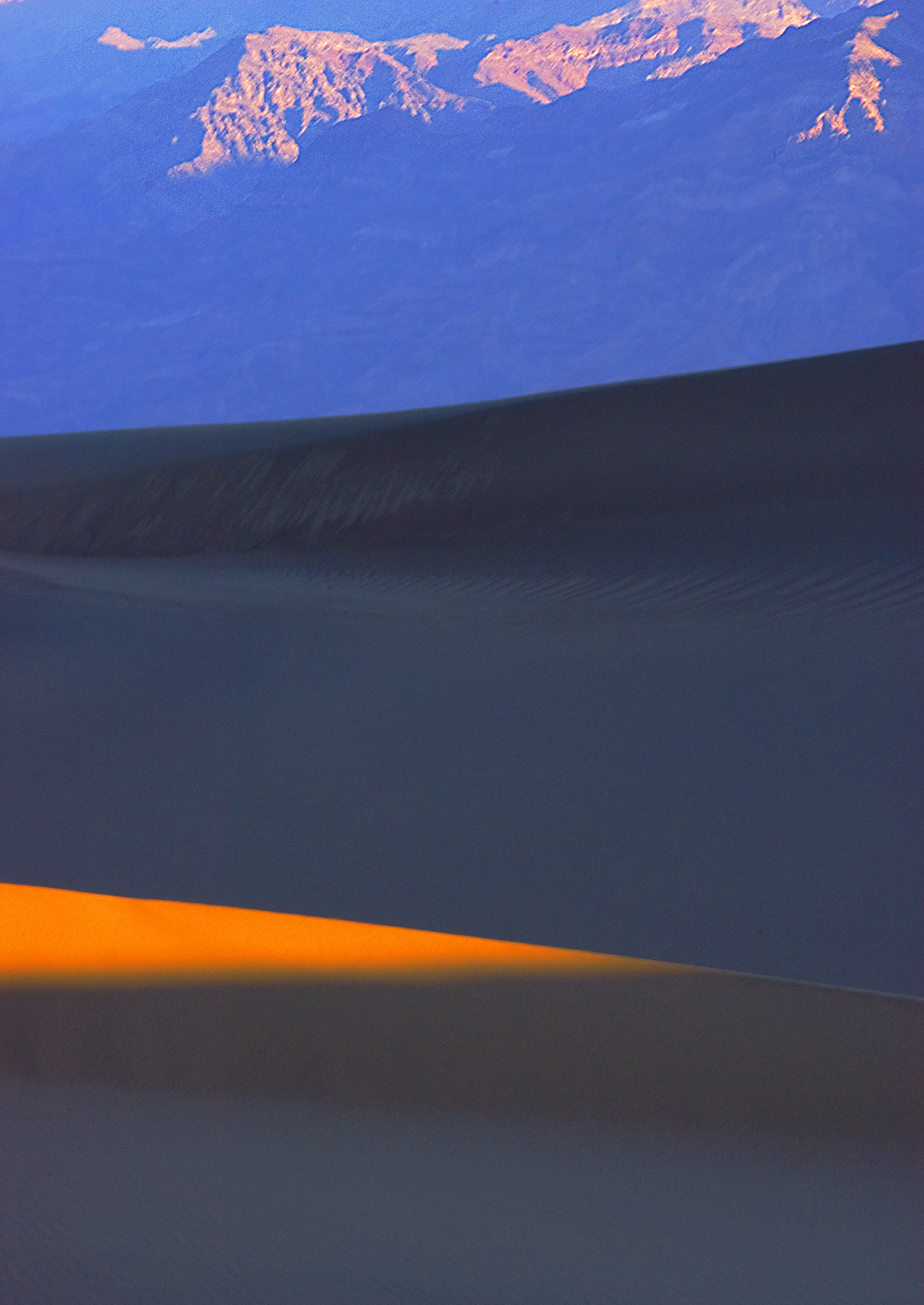
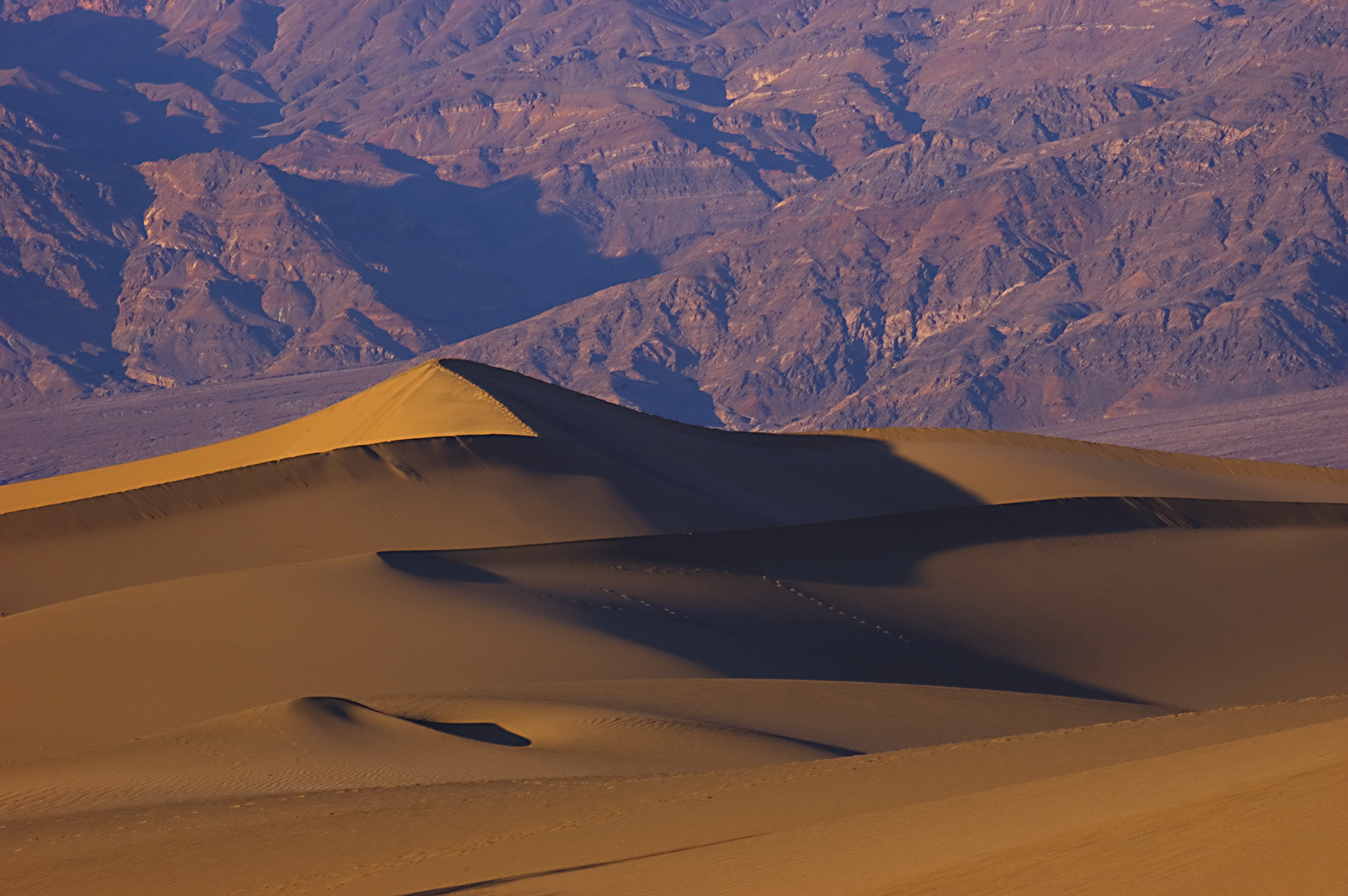
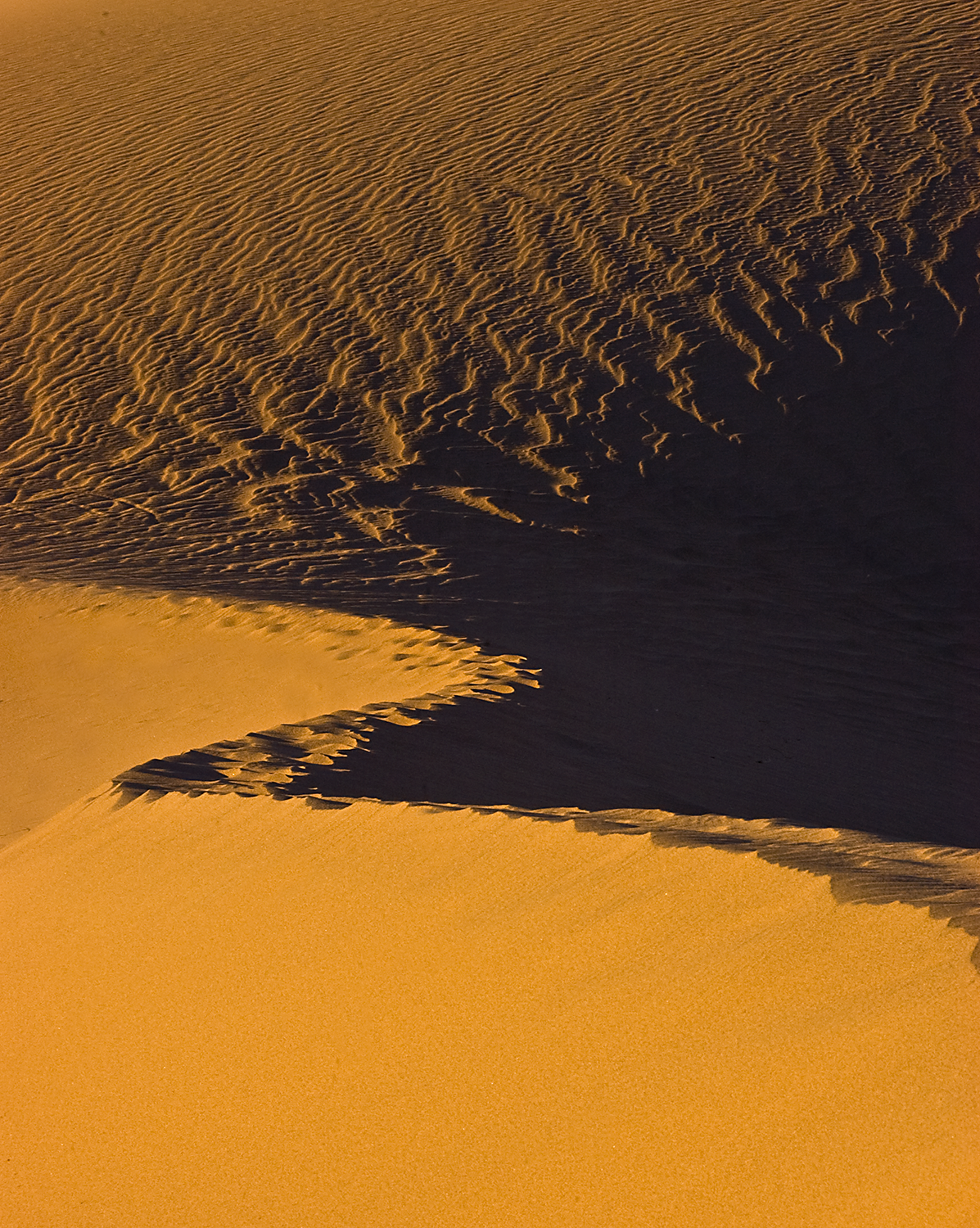
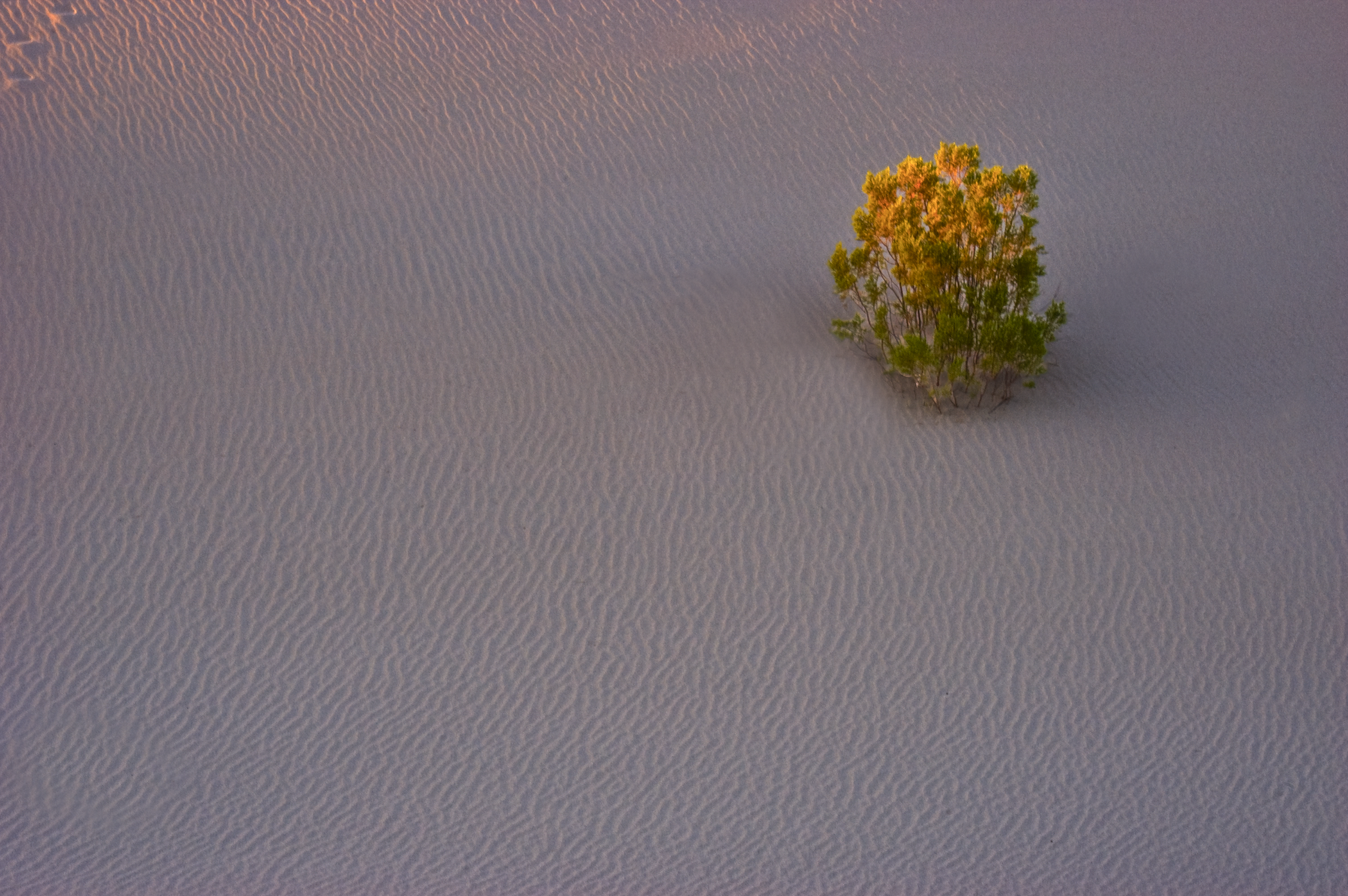
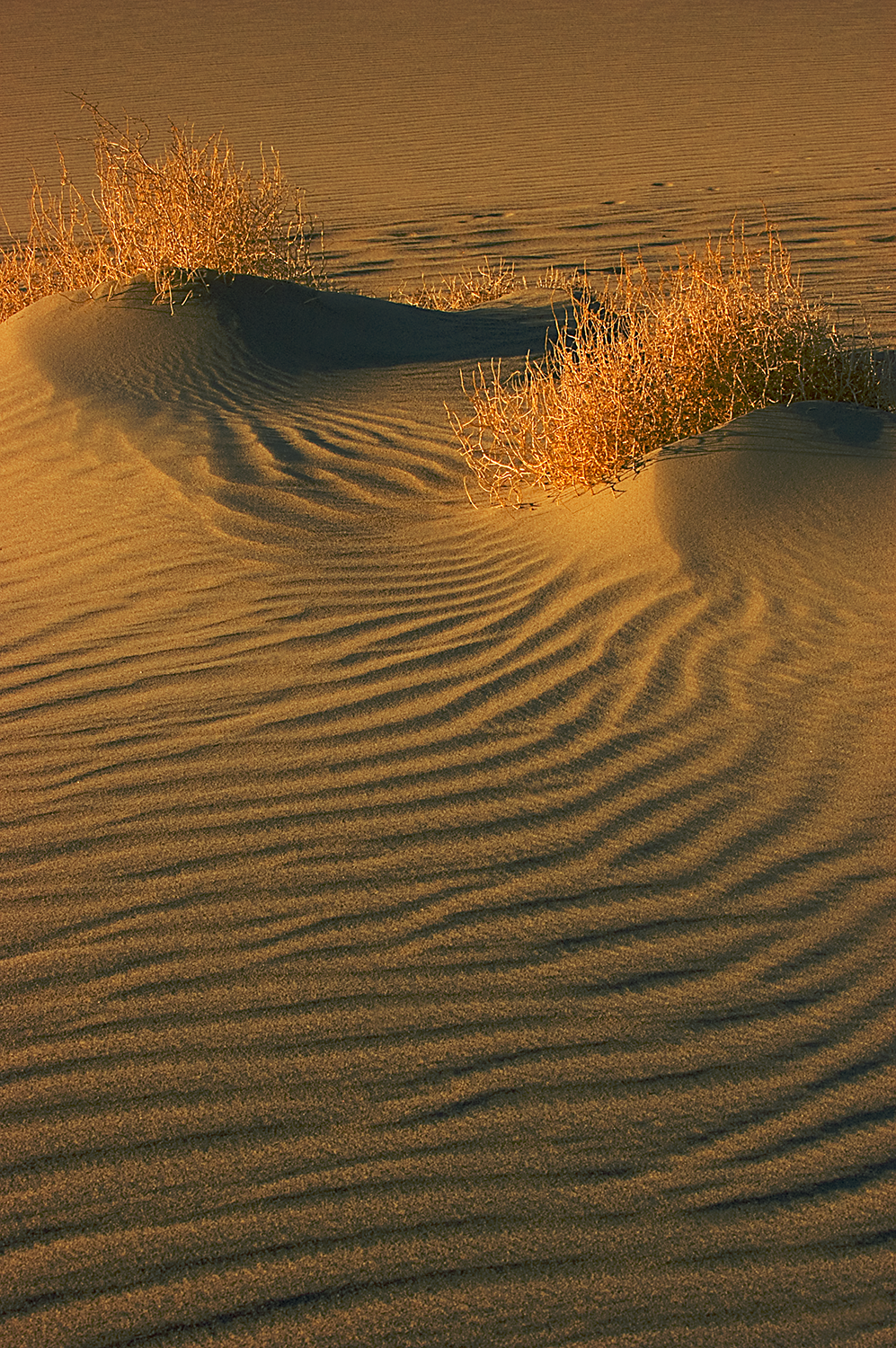
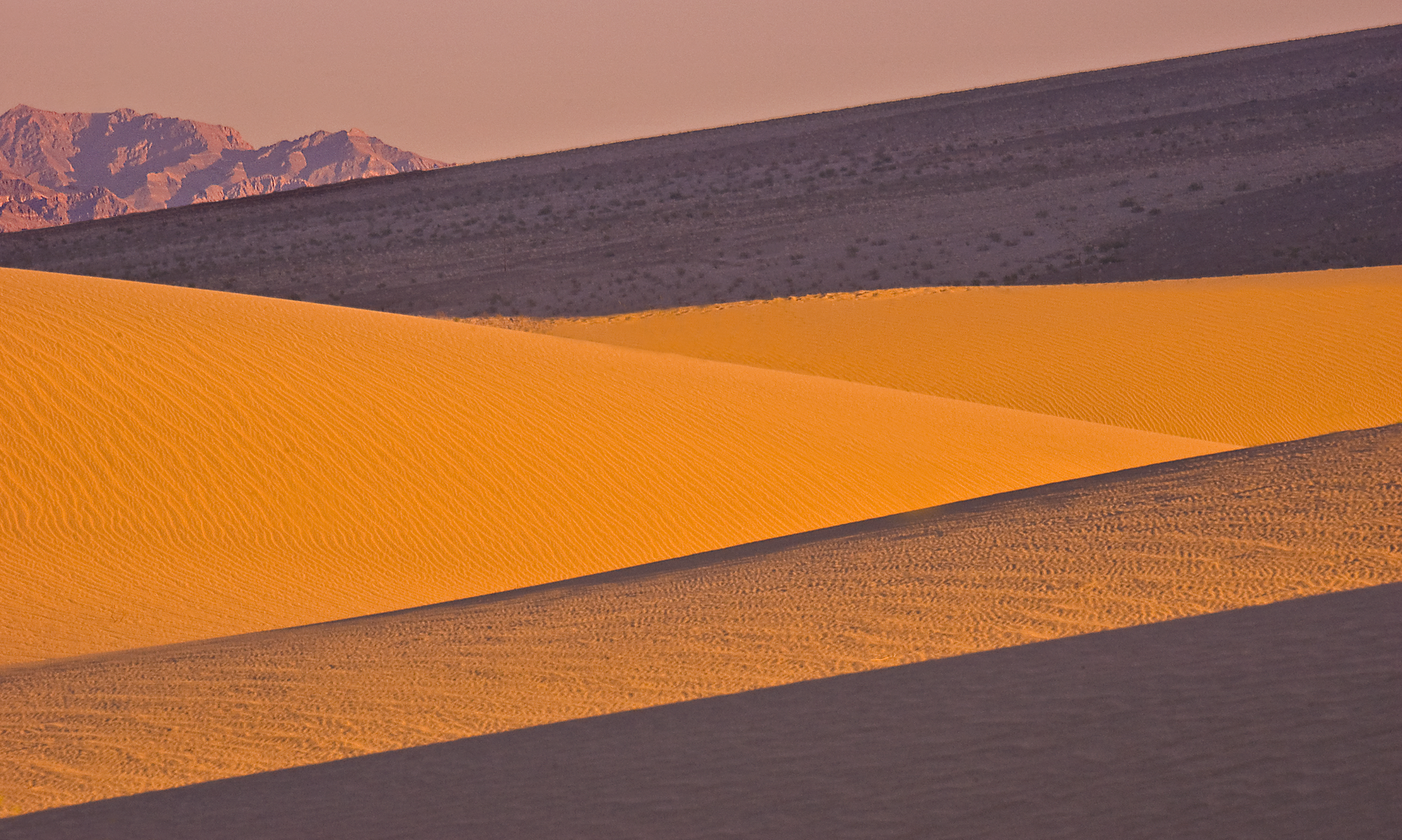
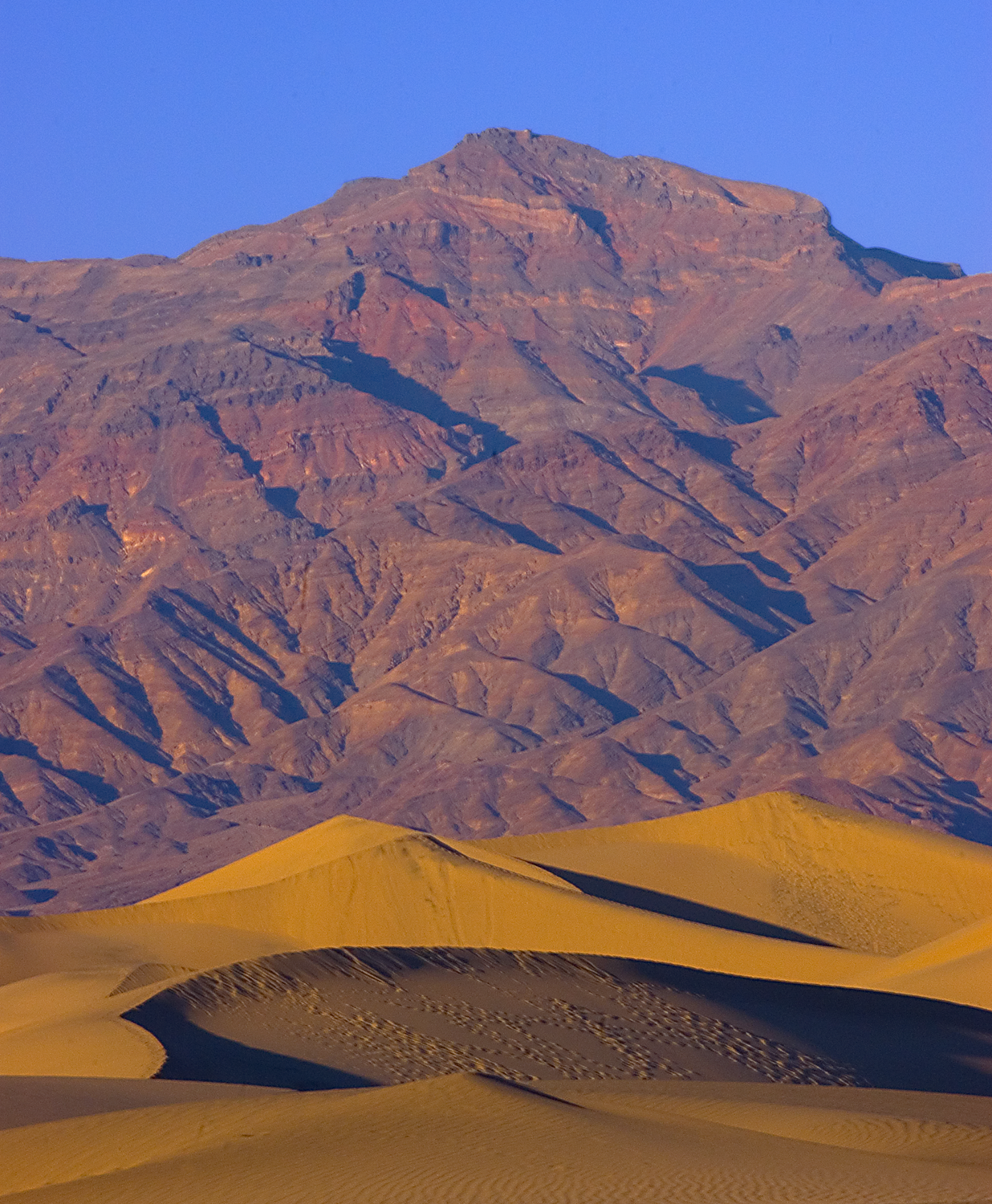
This is another American National Park, located in eastern California. Most of these shots were taken near Stovepipe Wells, during a single 12 hour day, from sunrise to sunset. The number of natural abstract shots is limitless!
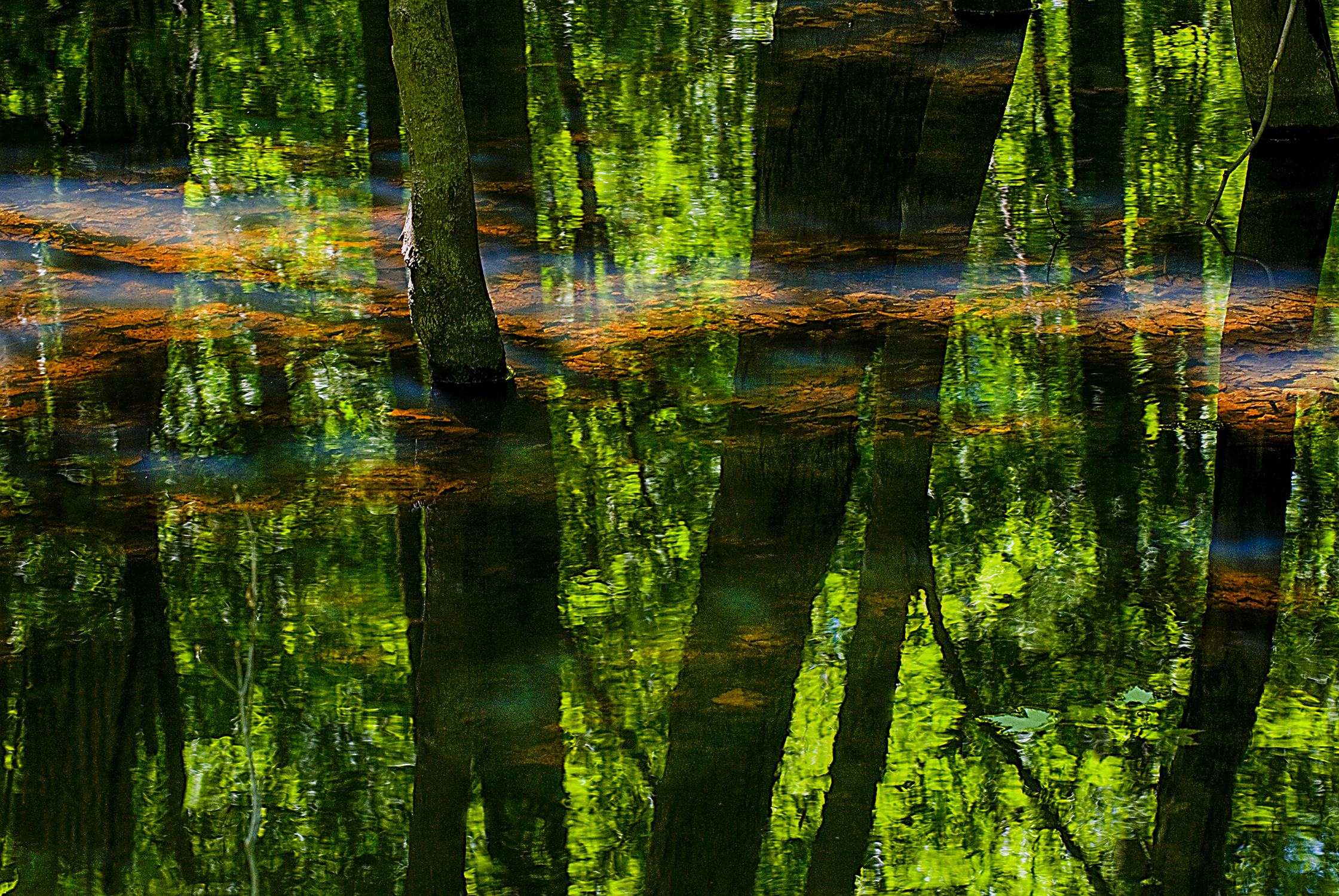
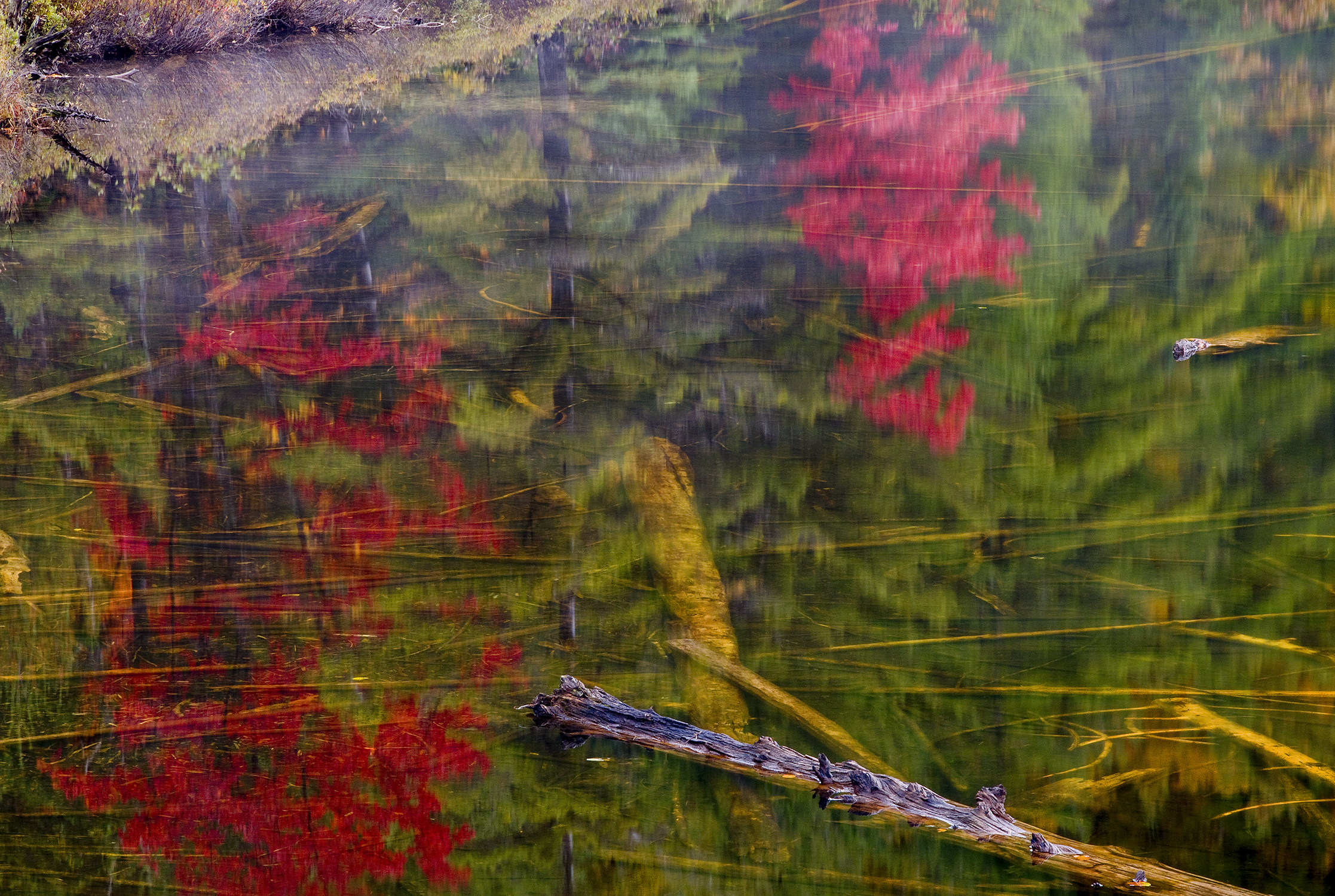
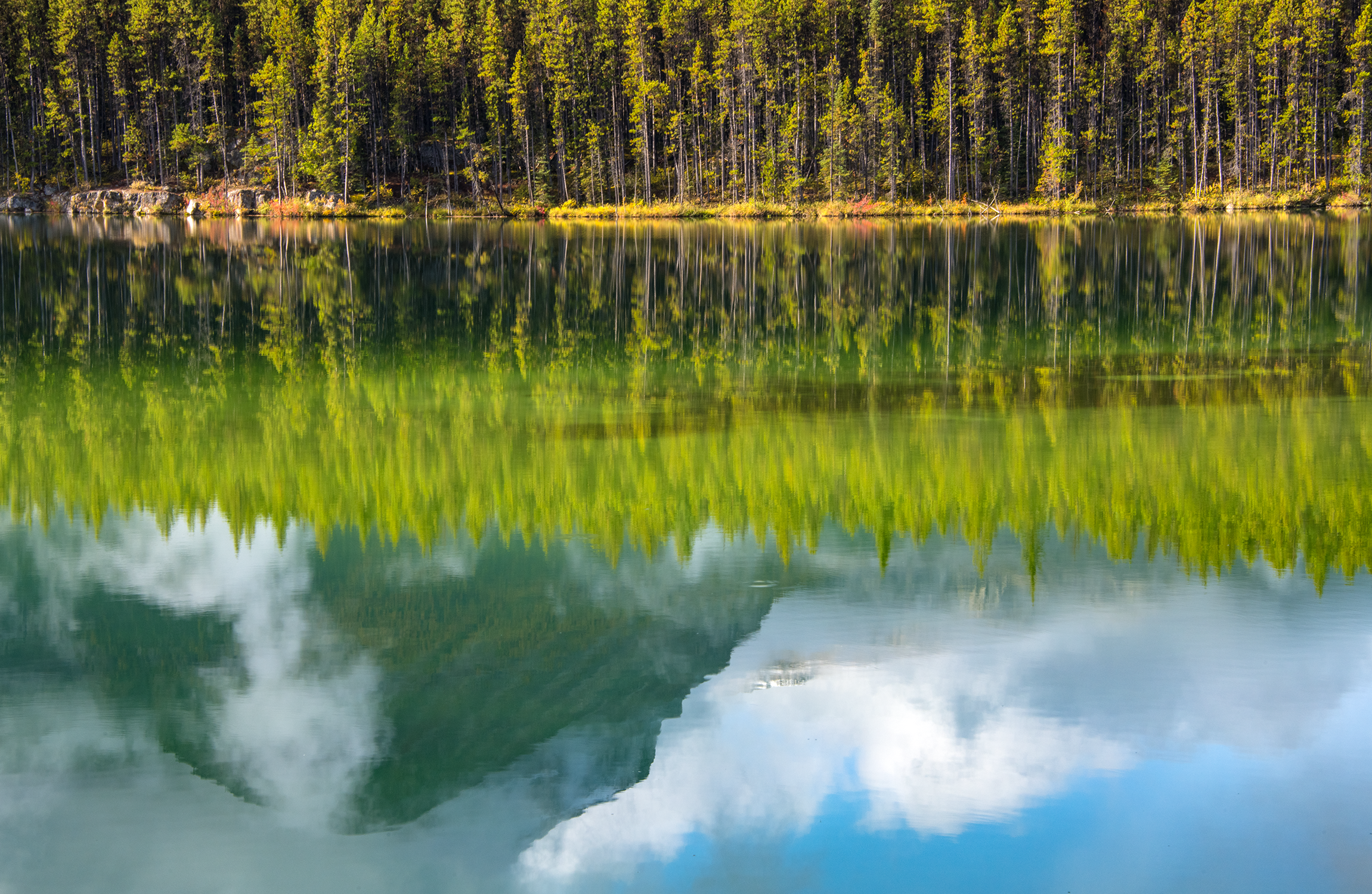
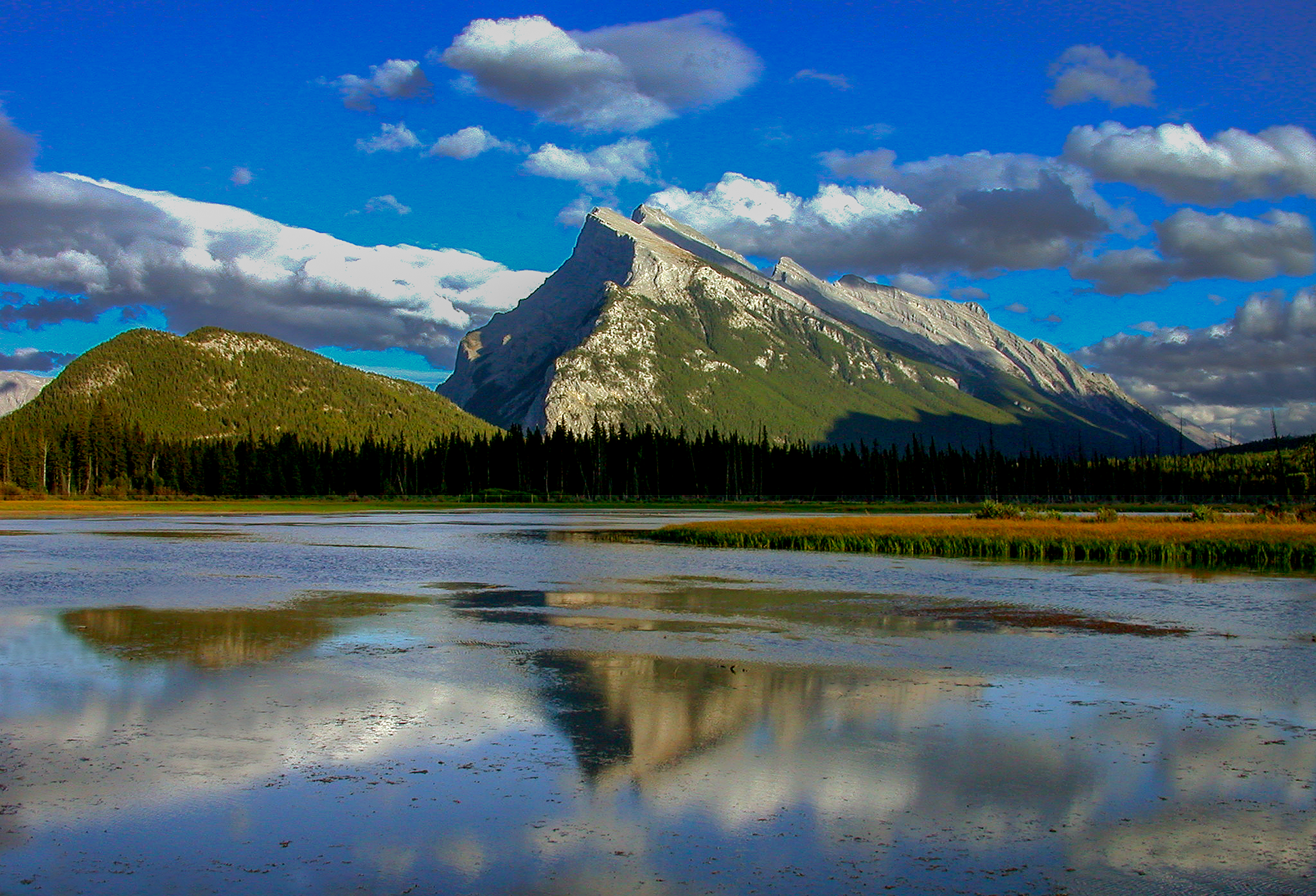
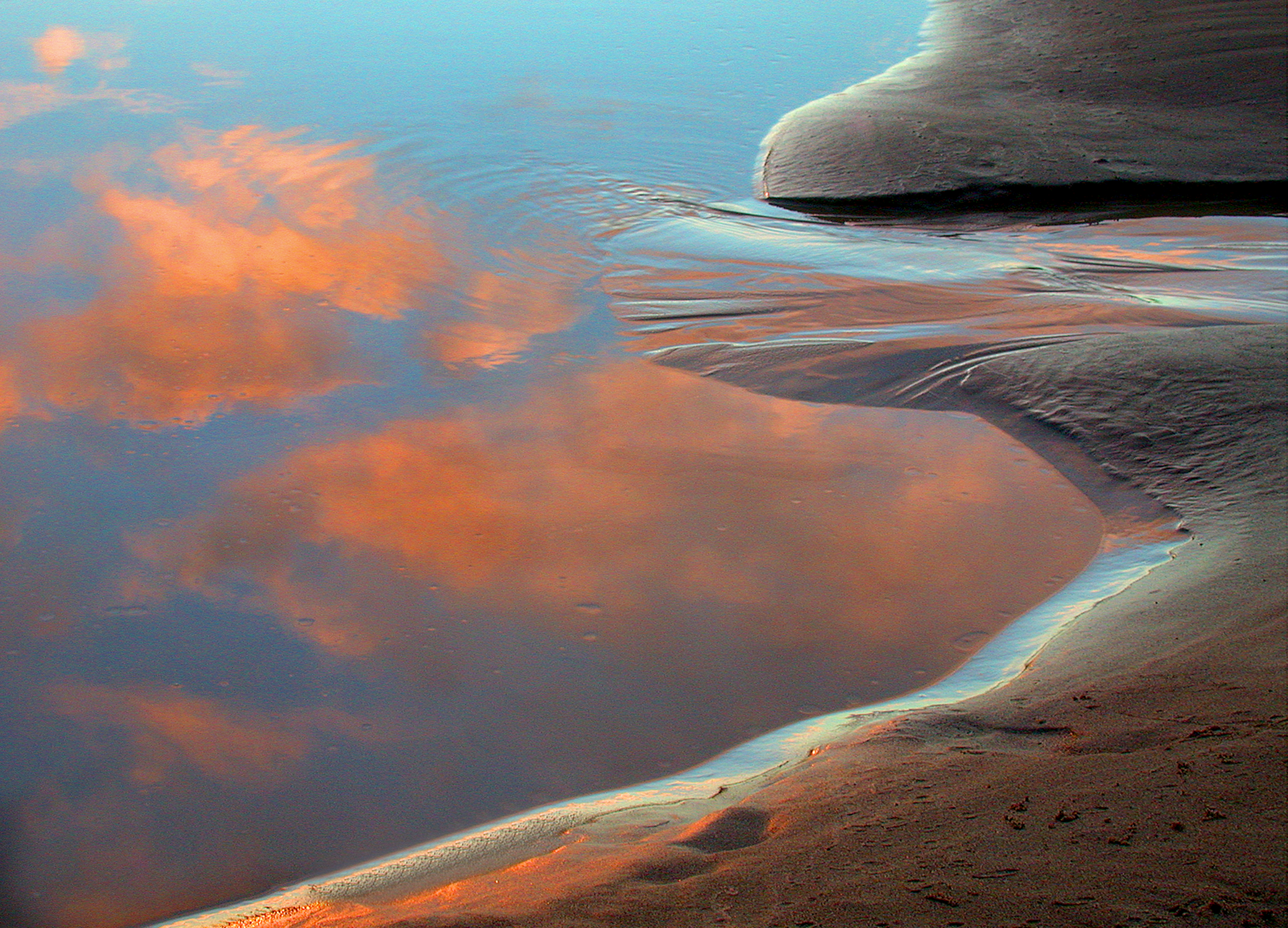
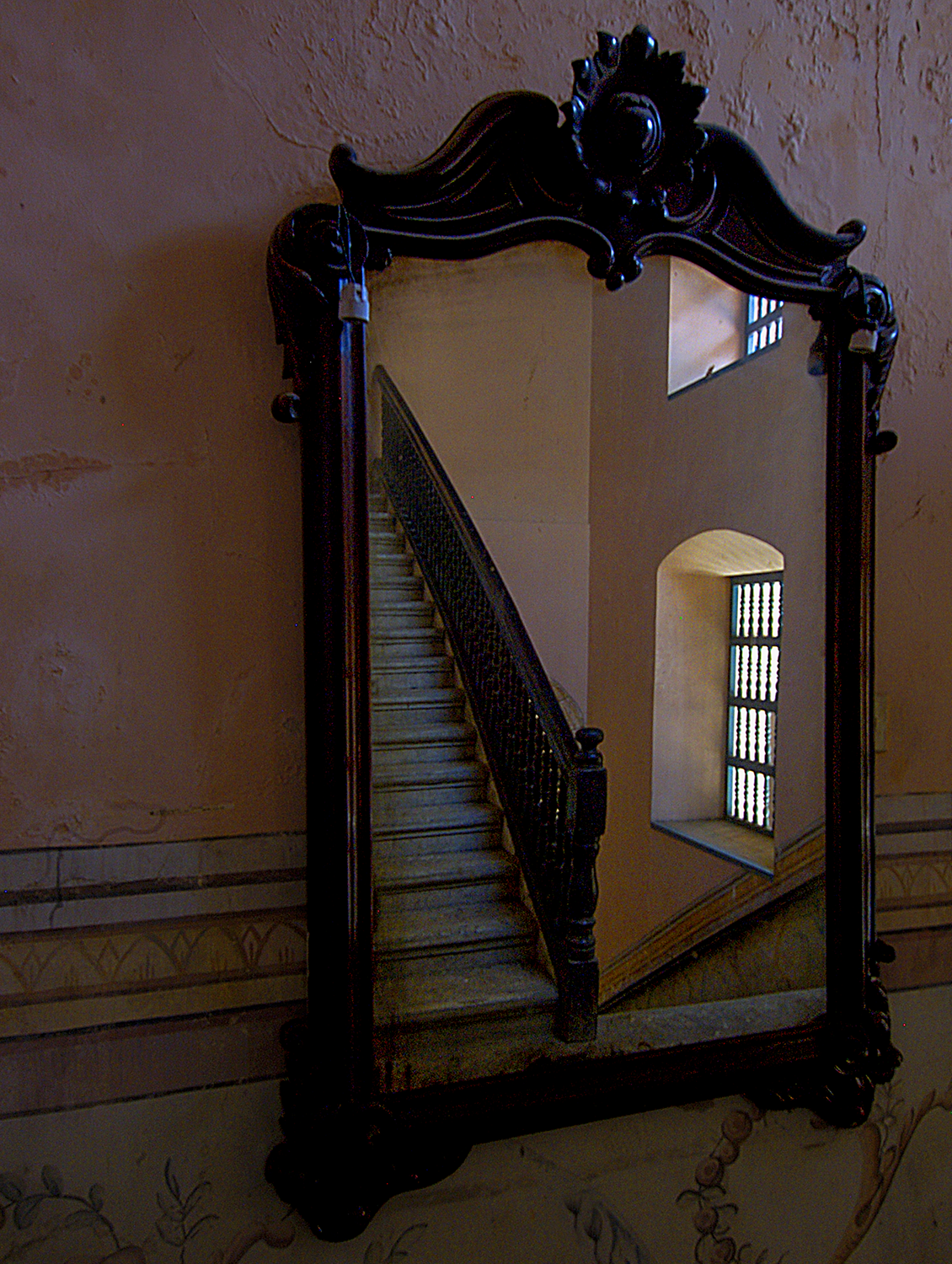
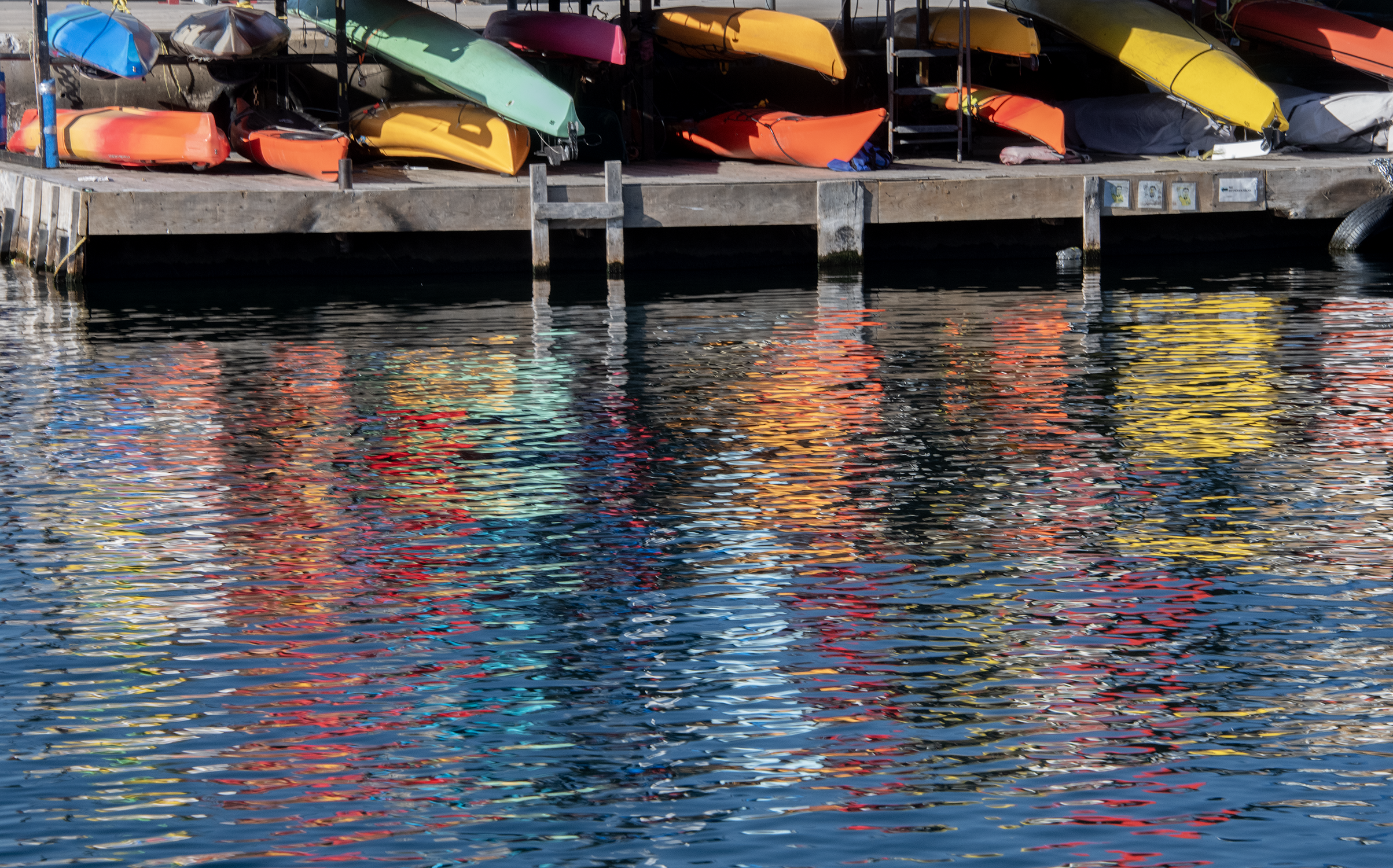
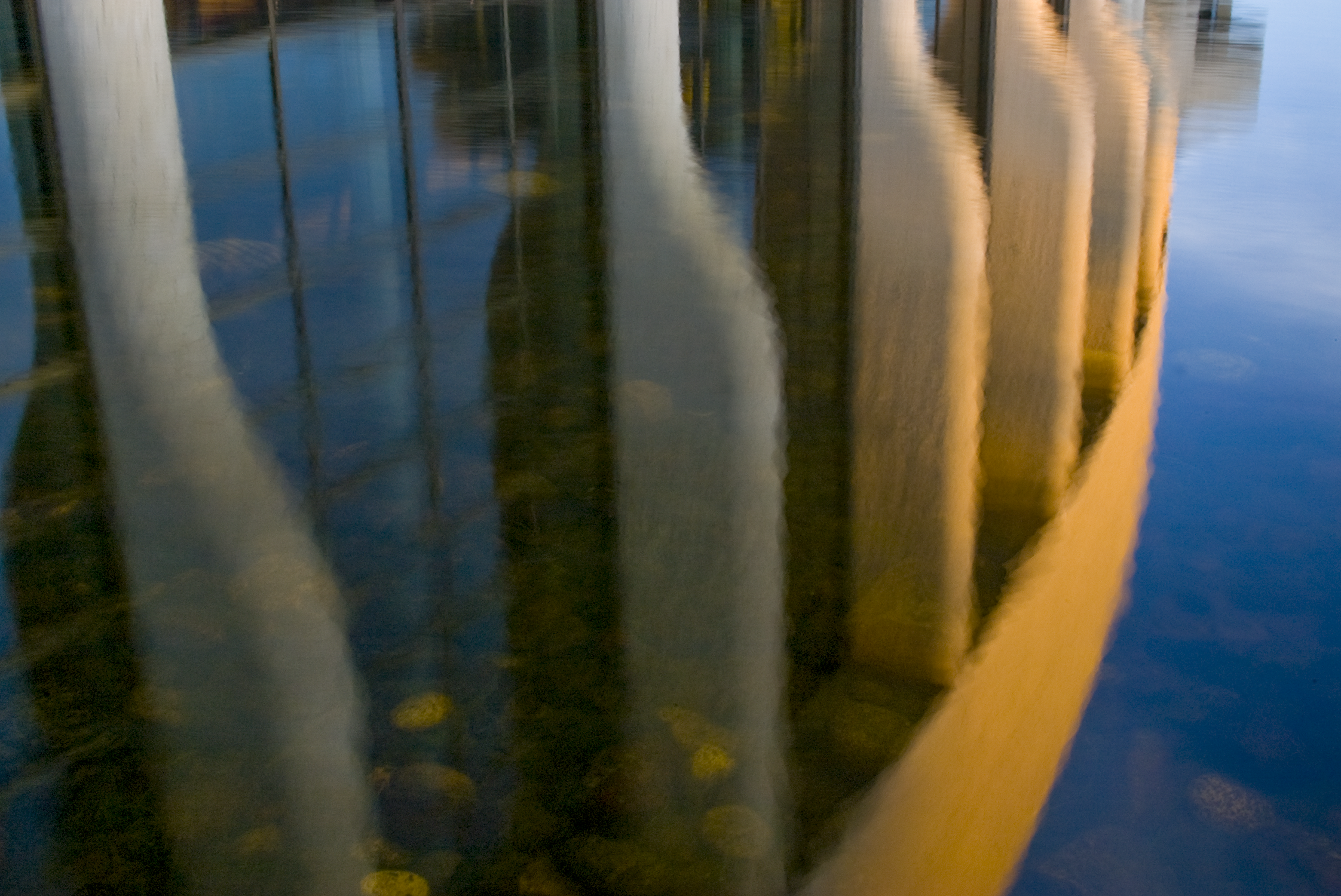
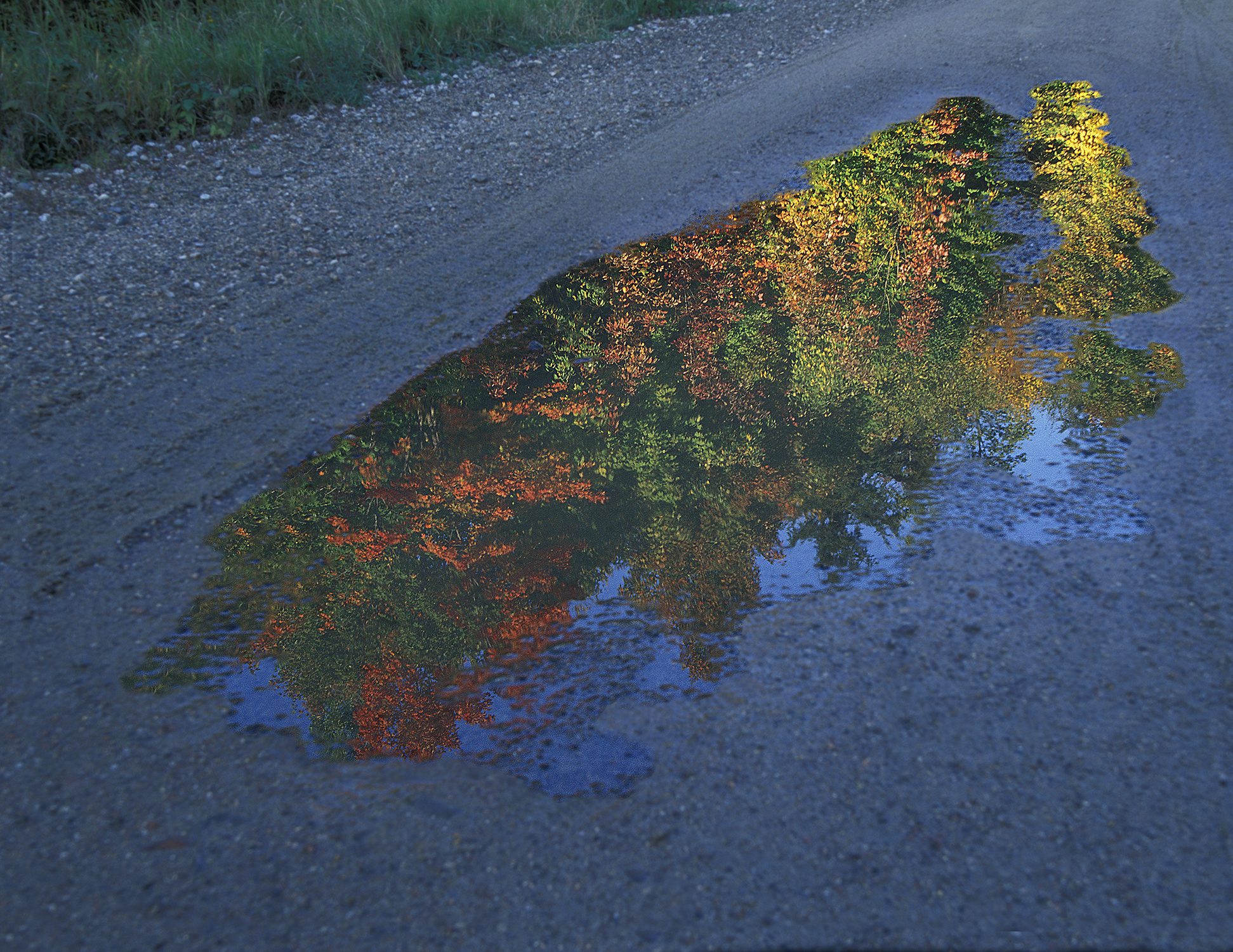
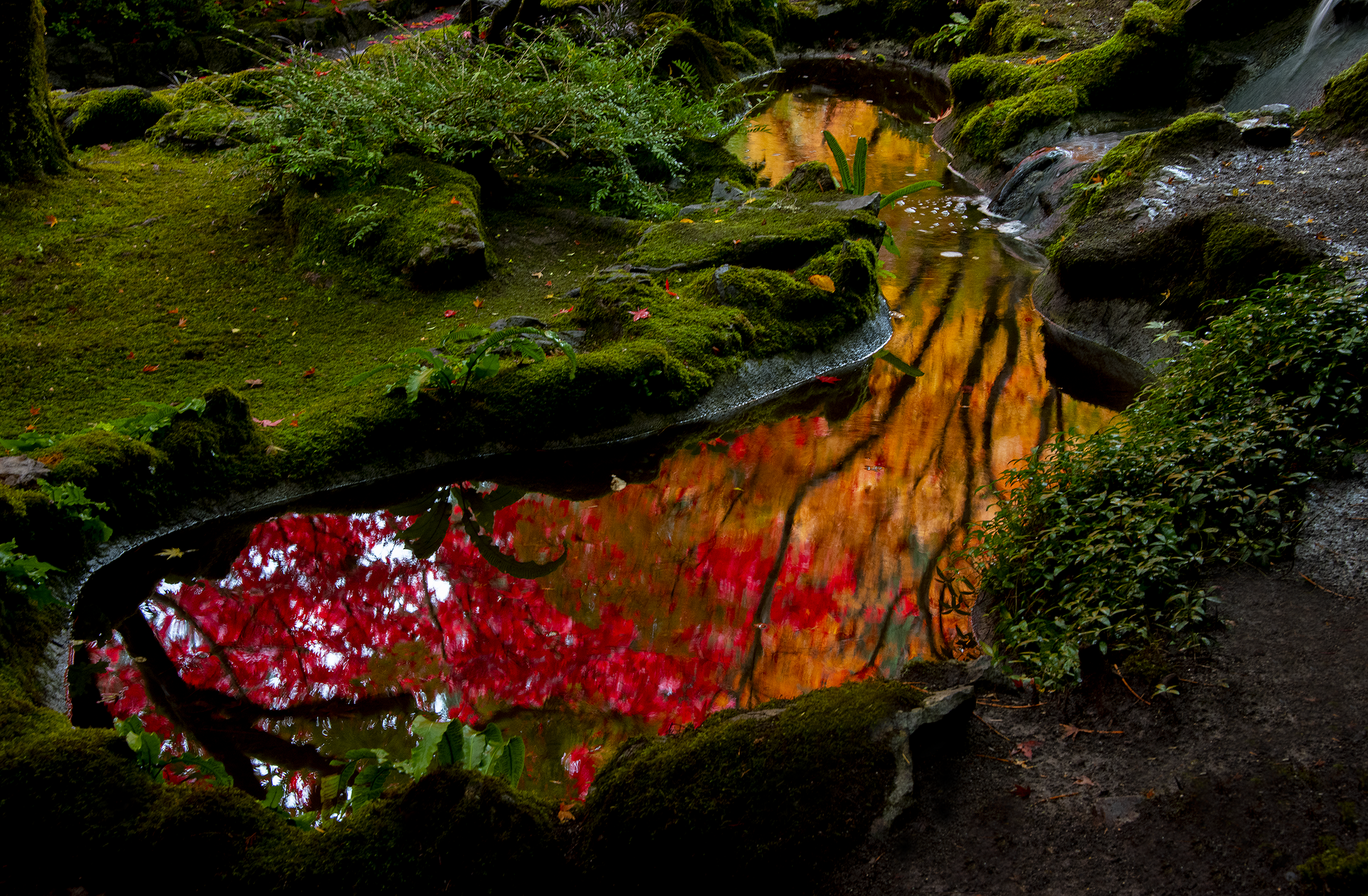
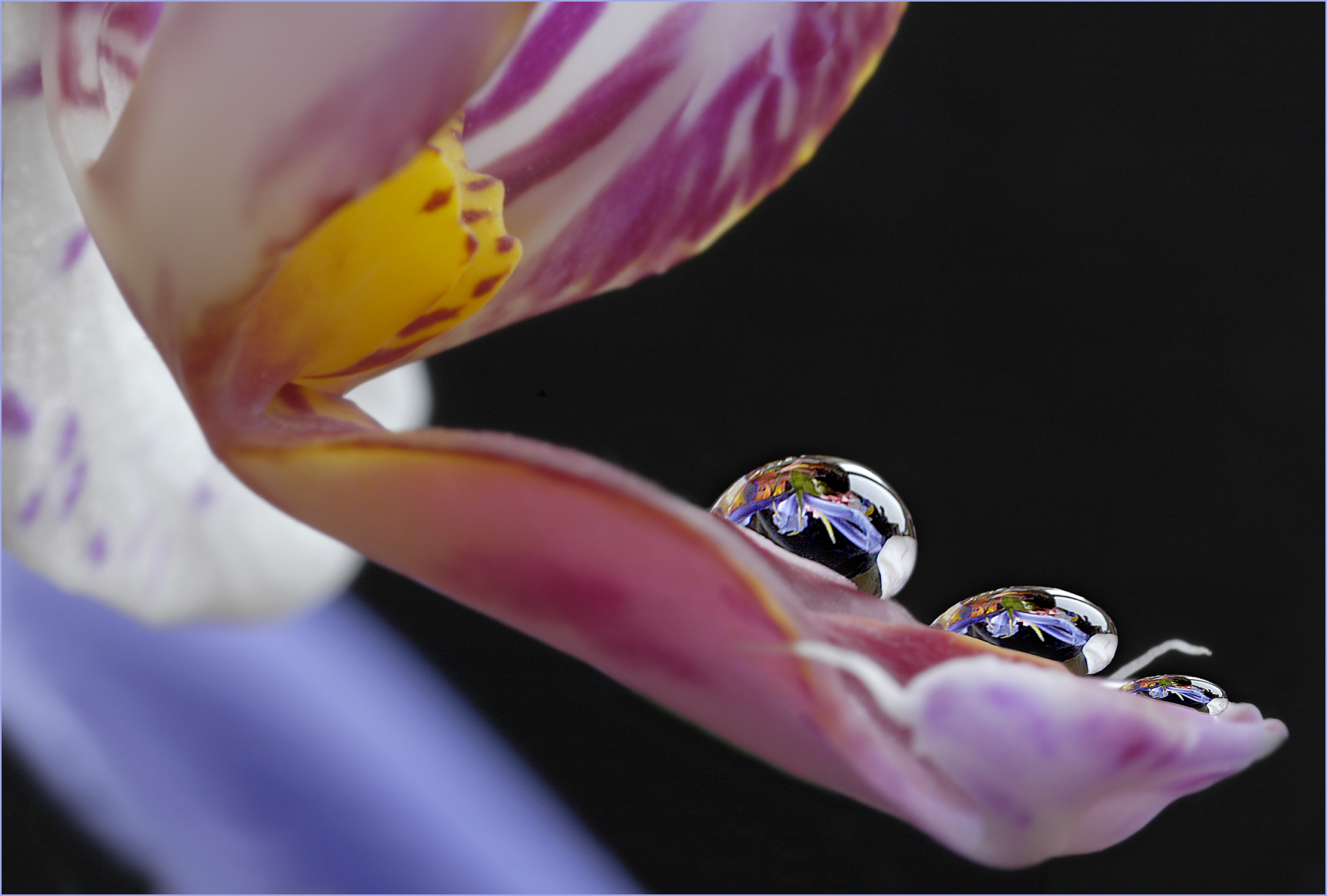
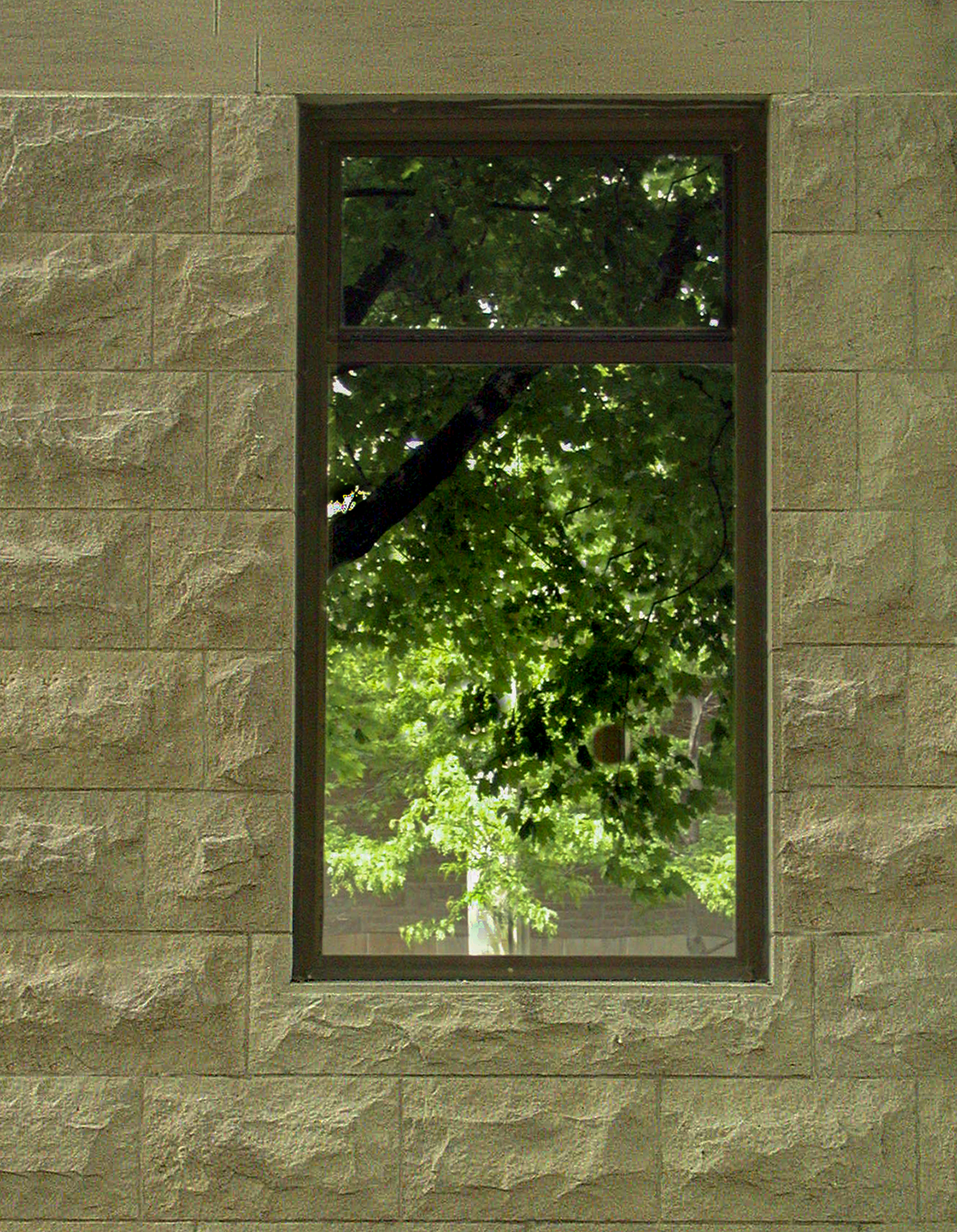
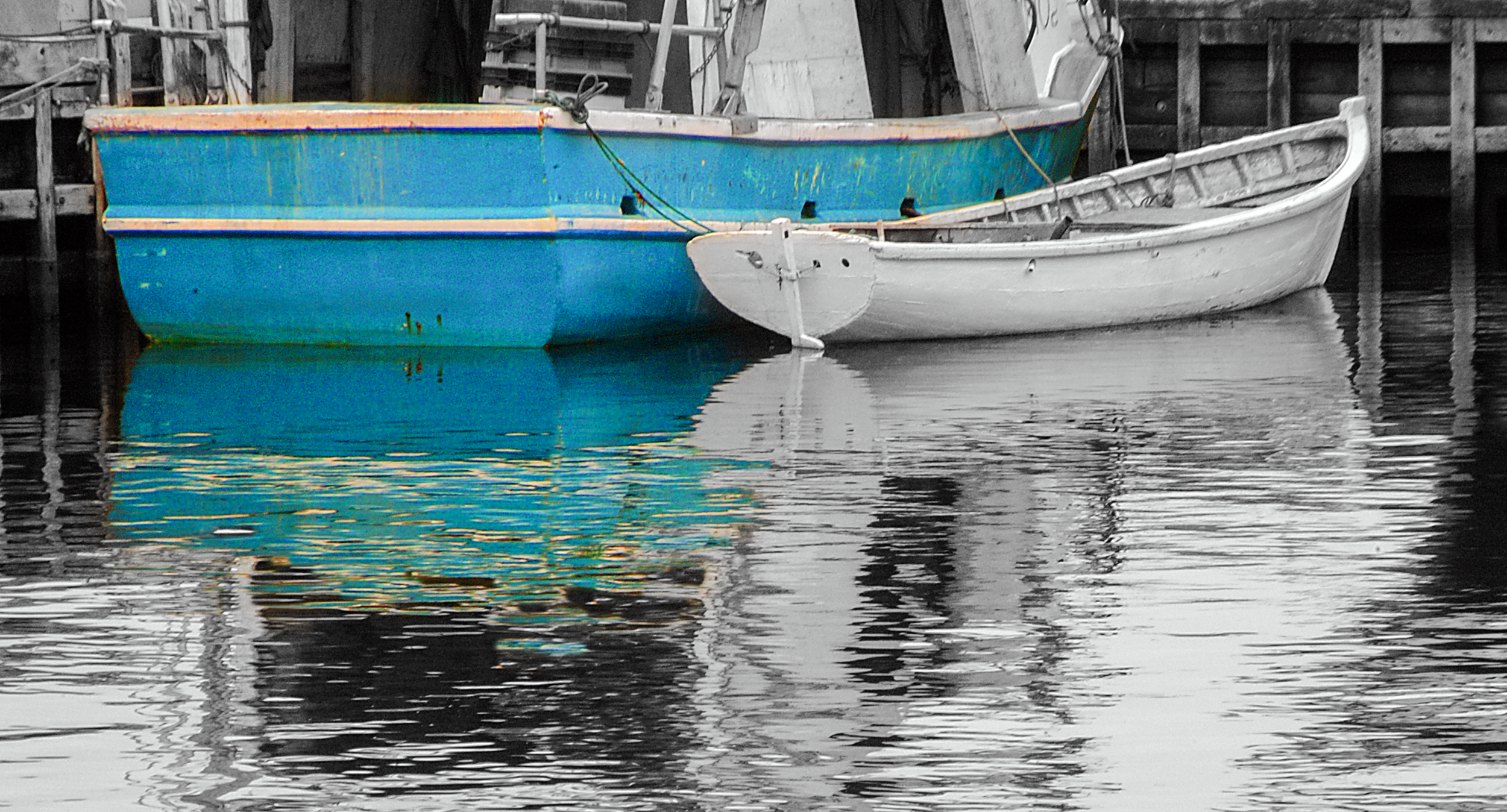
Reflections
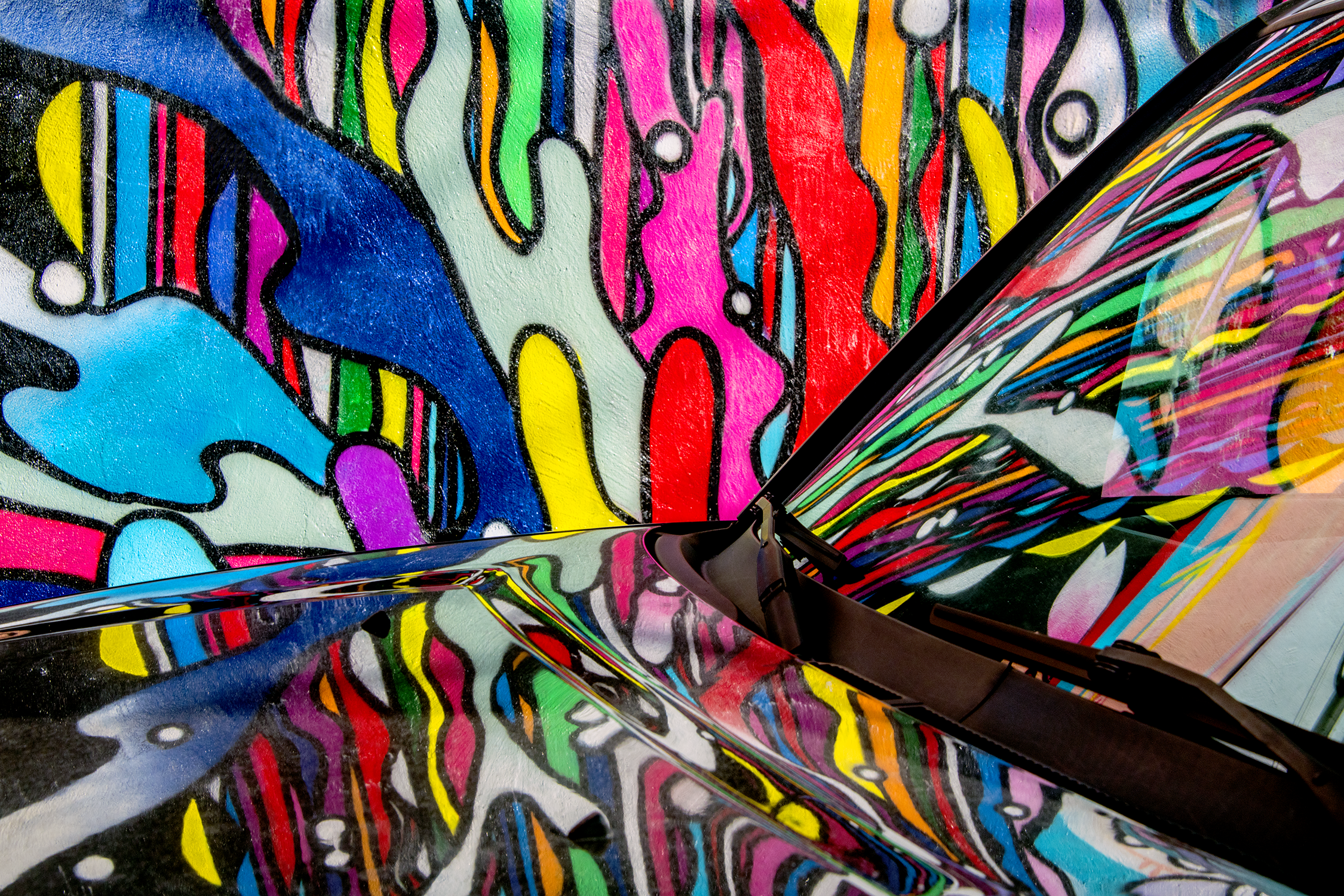
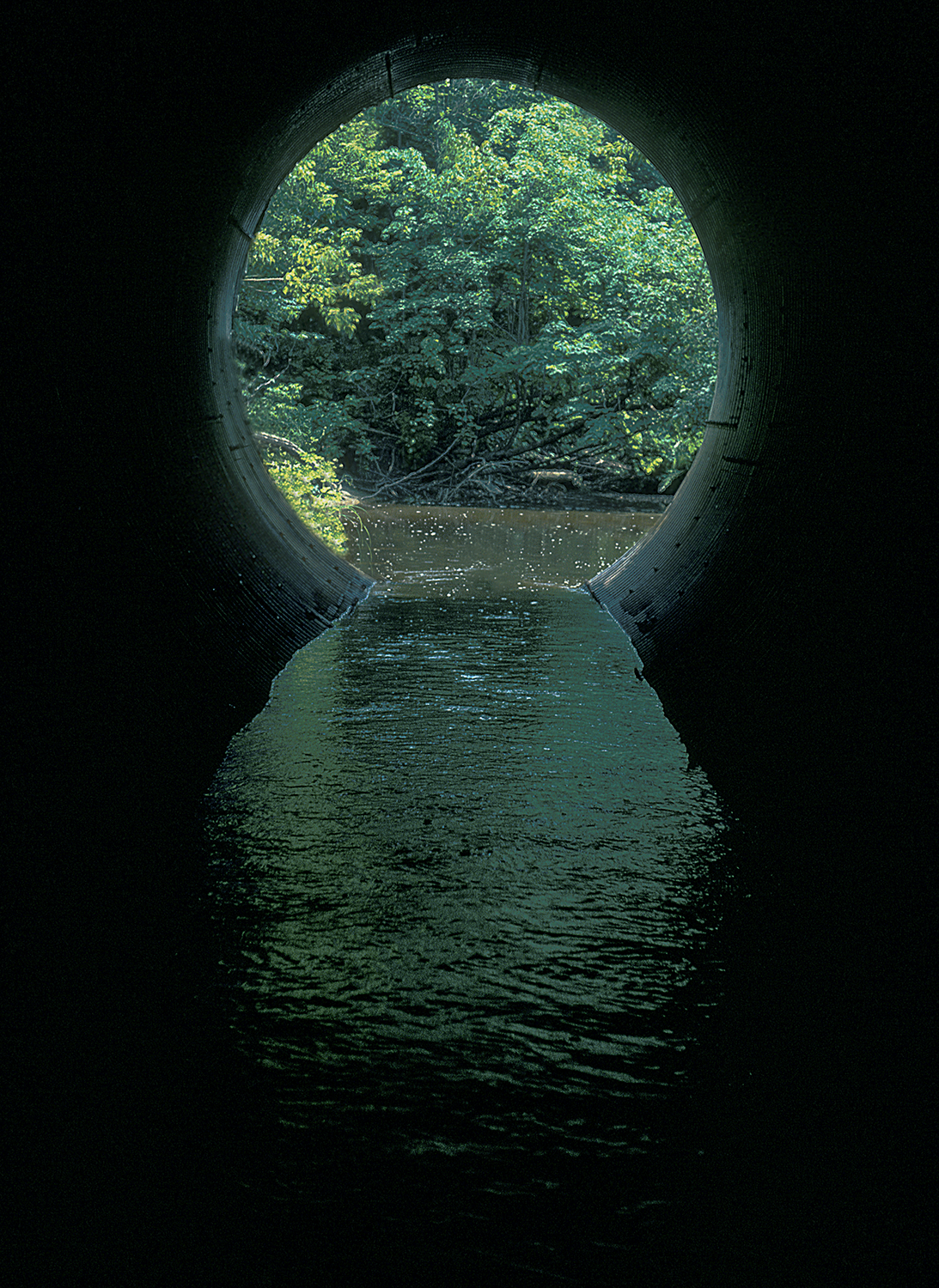
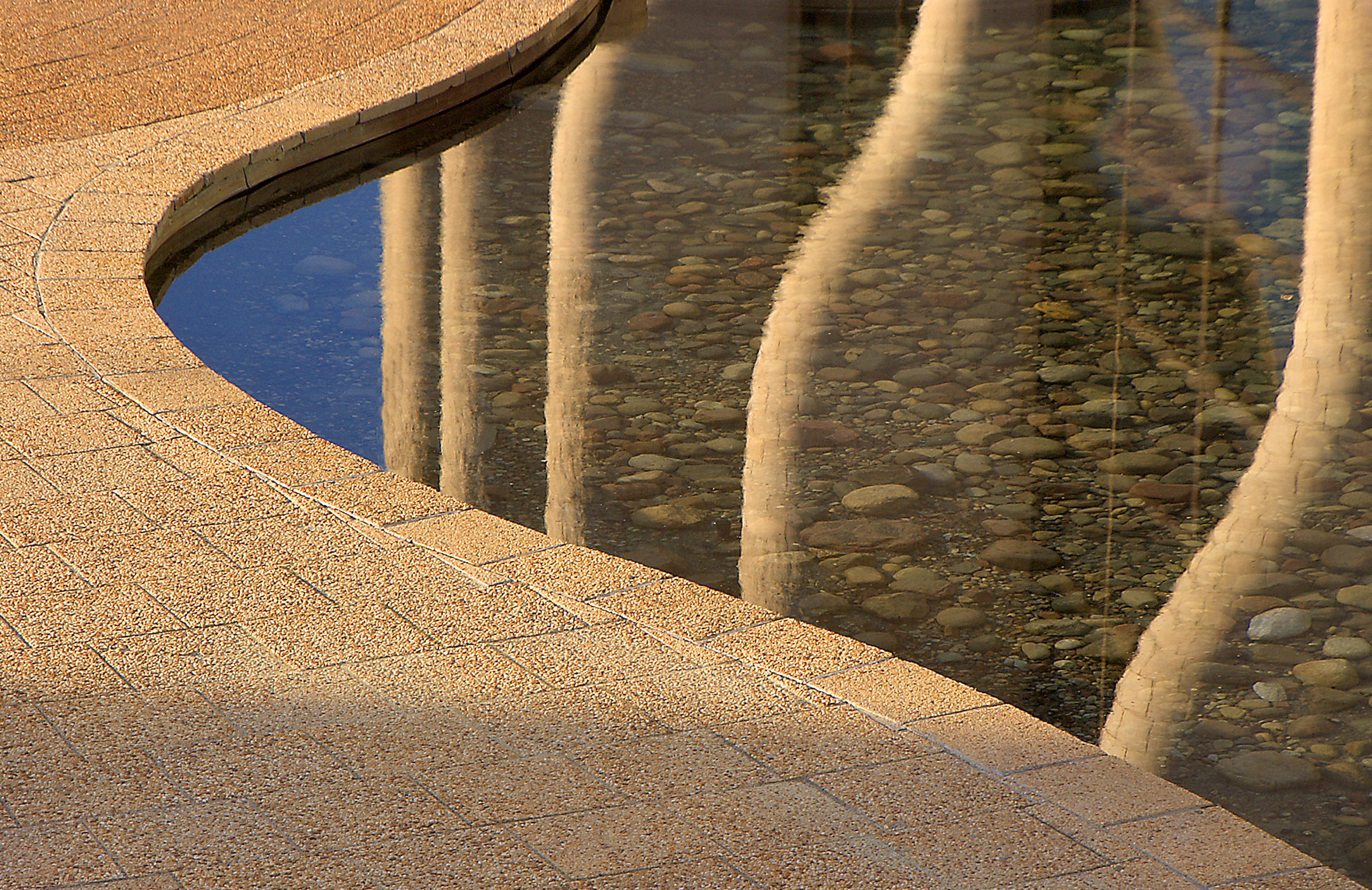
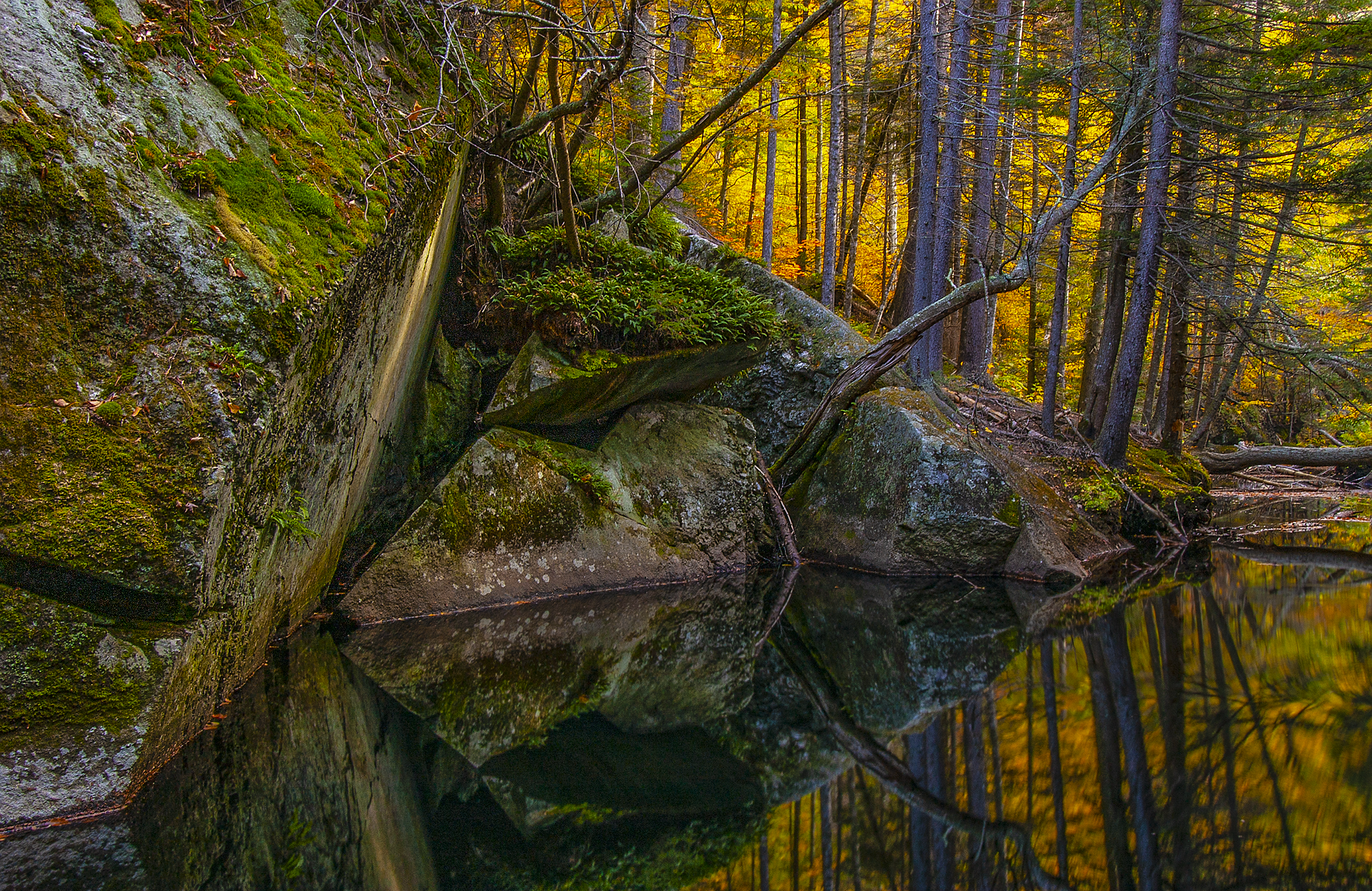
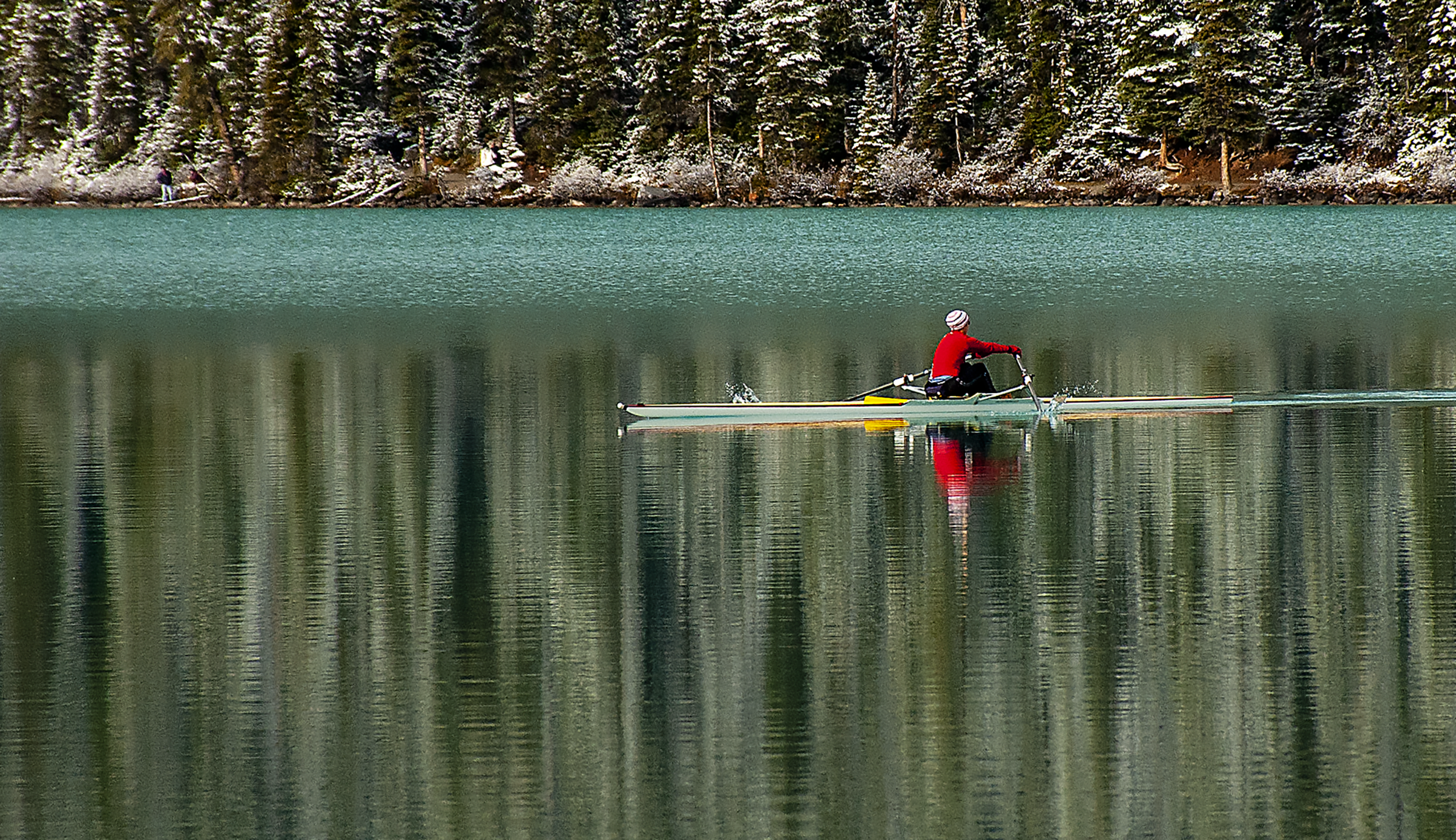
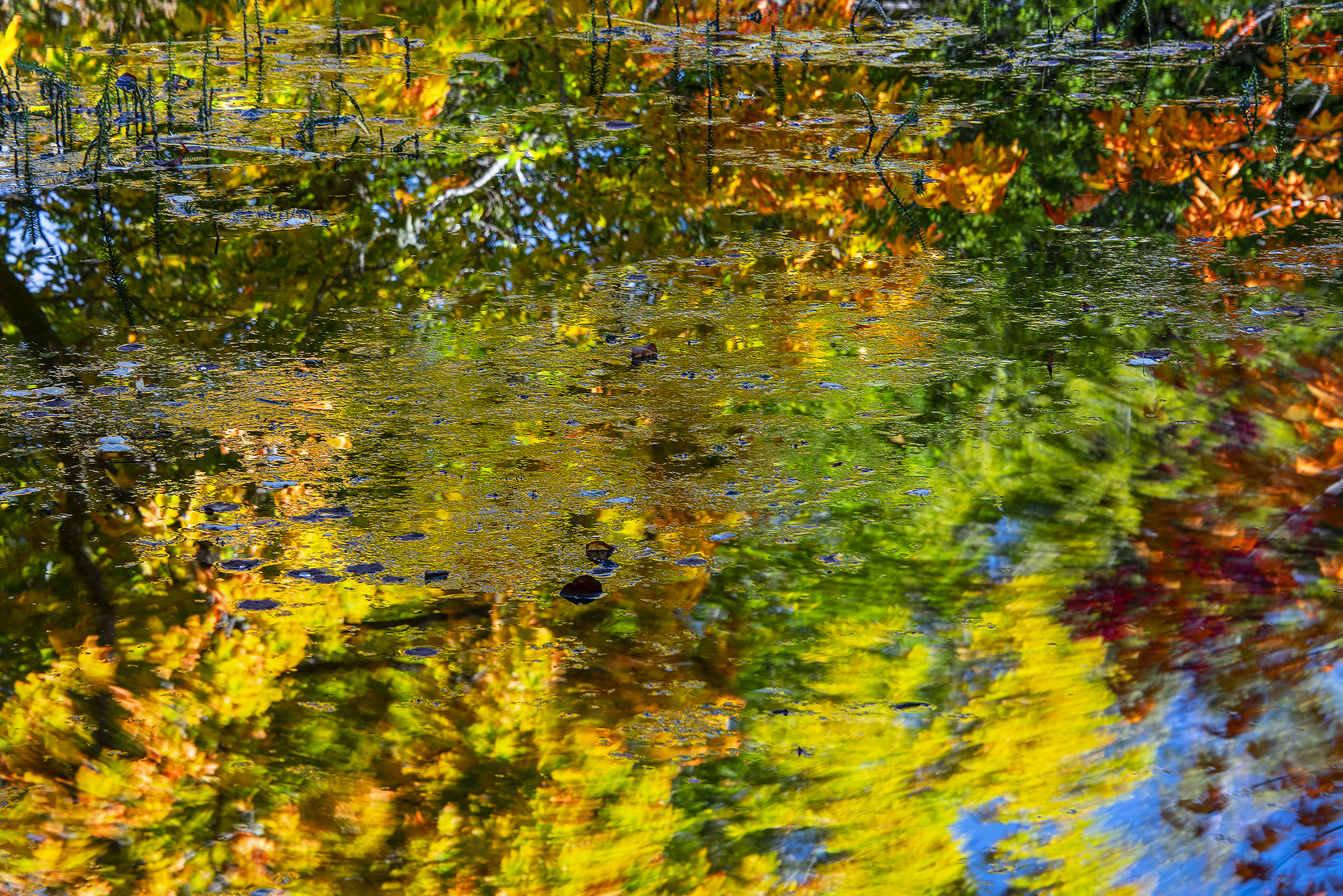
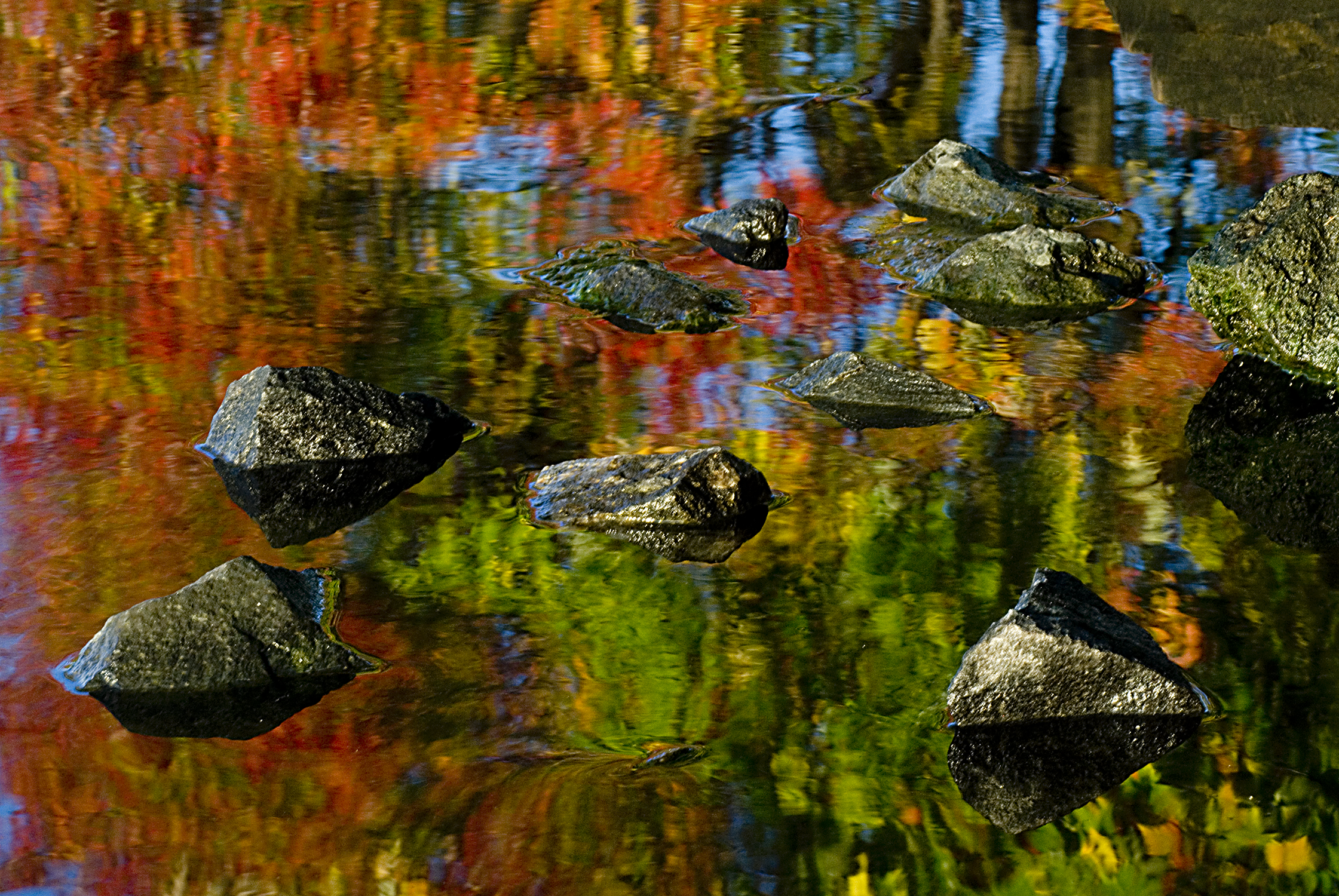
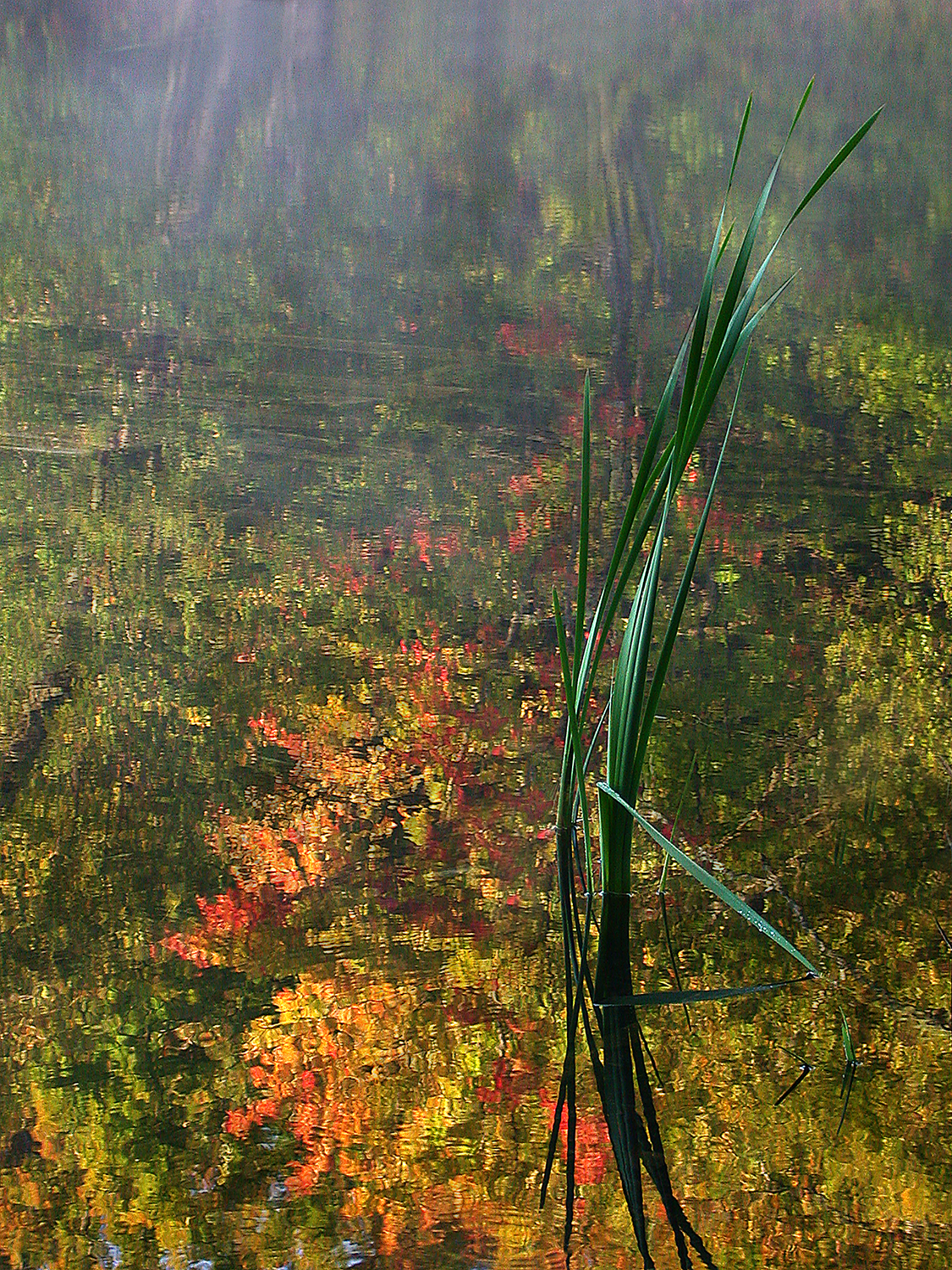
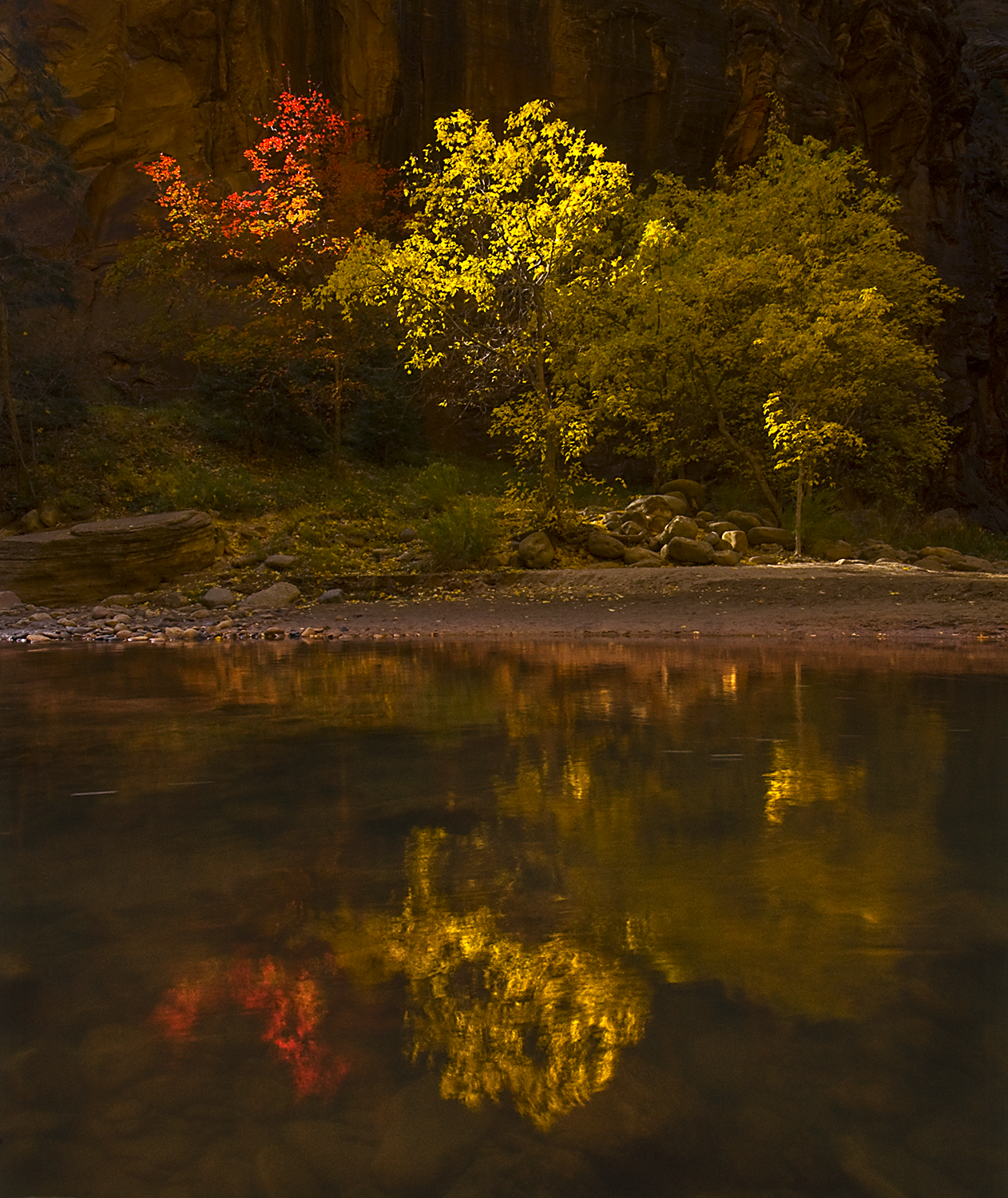
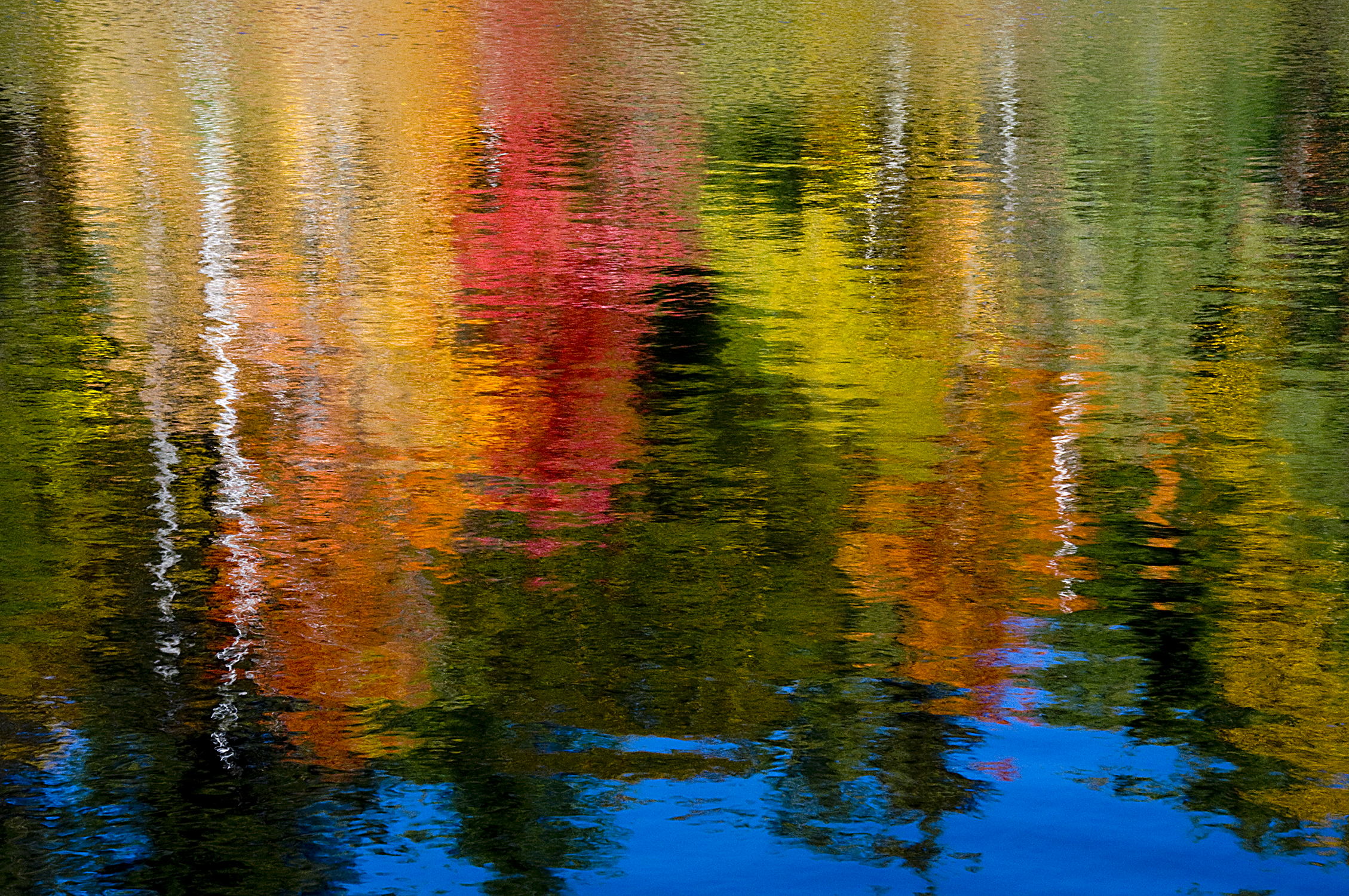
Some reflections are very obvious and striking, while others are very subtle or fleeting. Both forms are equally beautiful.
Fall Colours
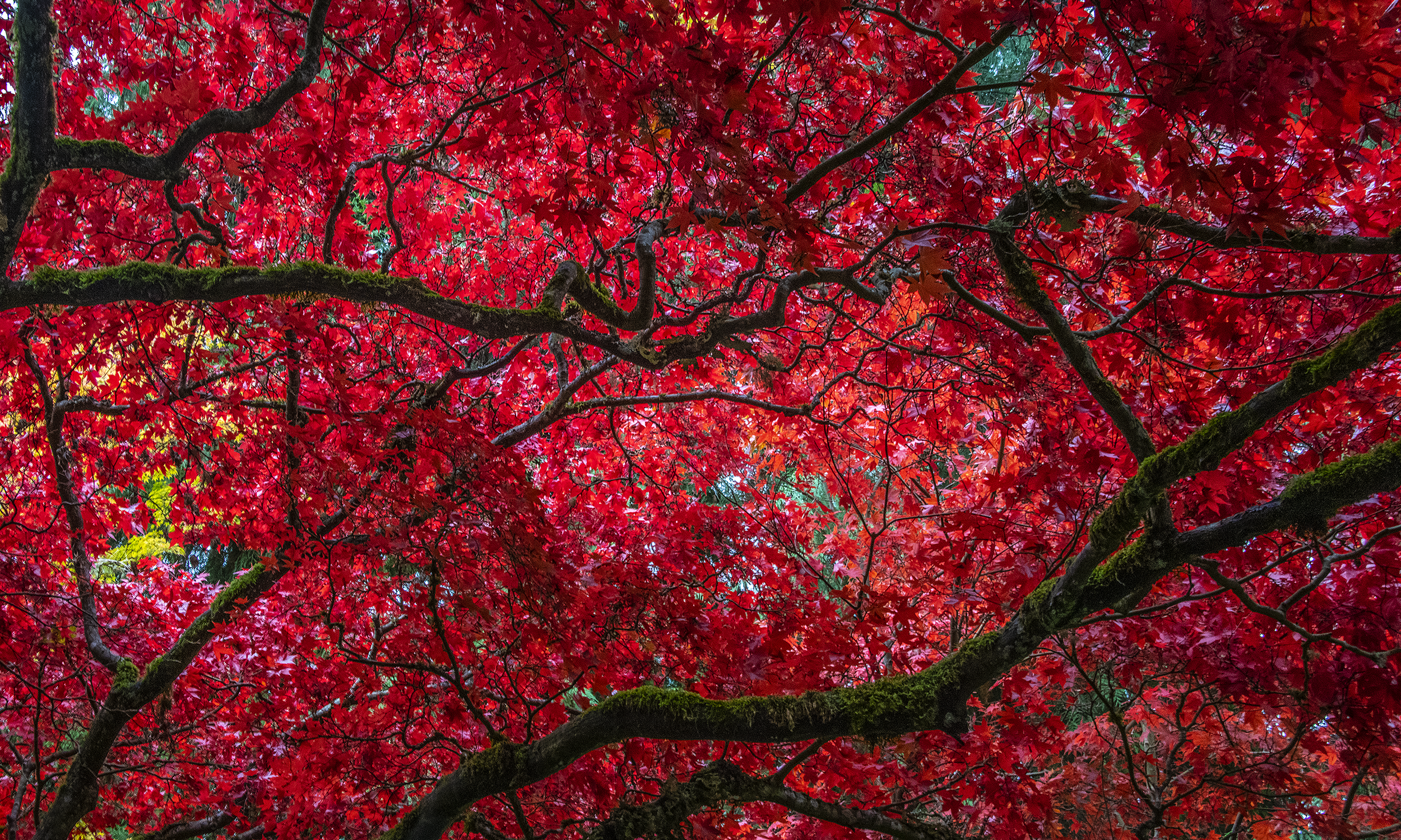
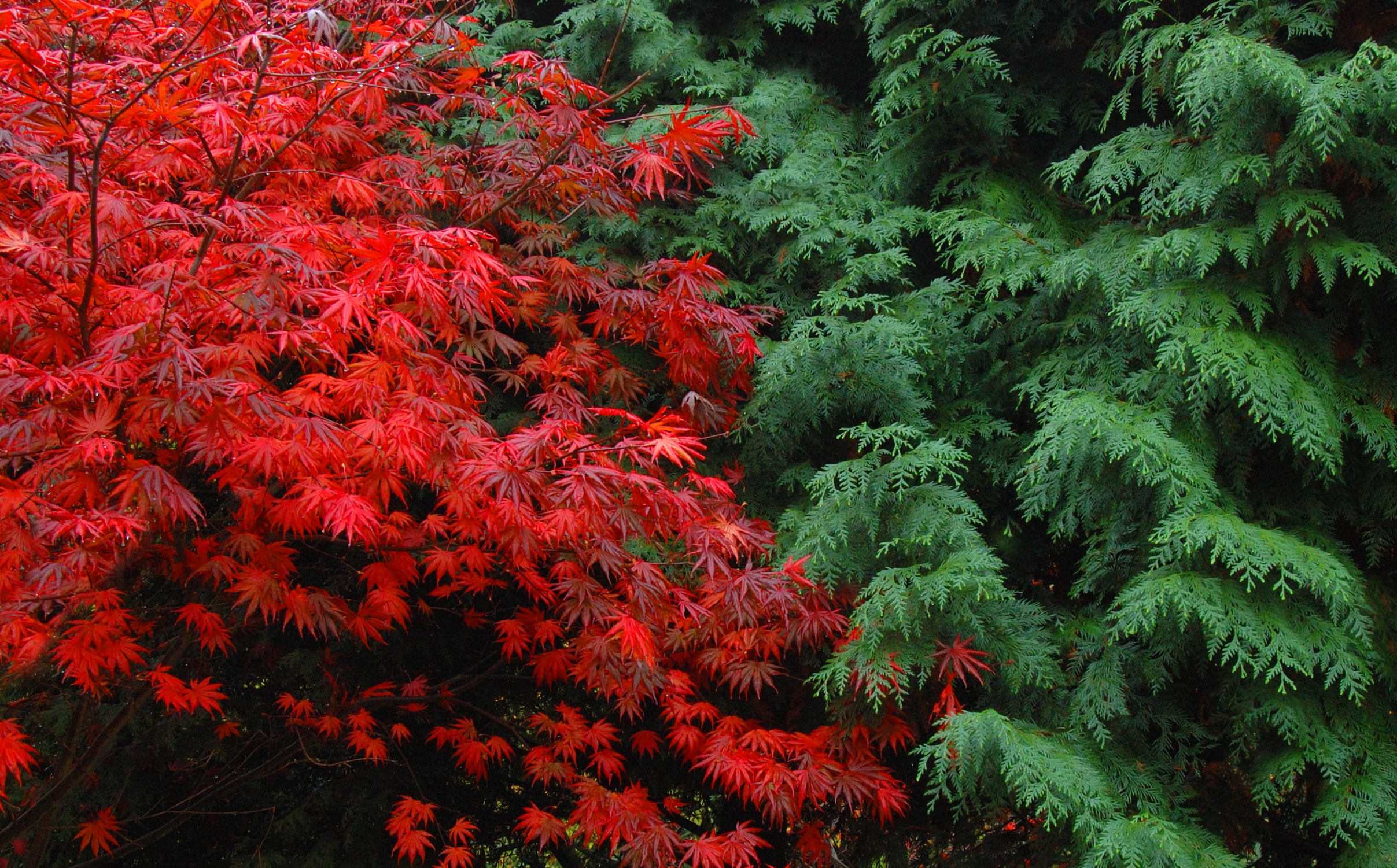
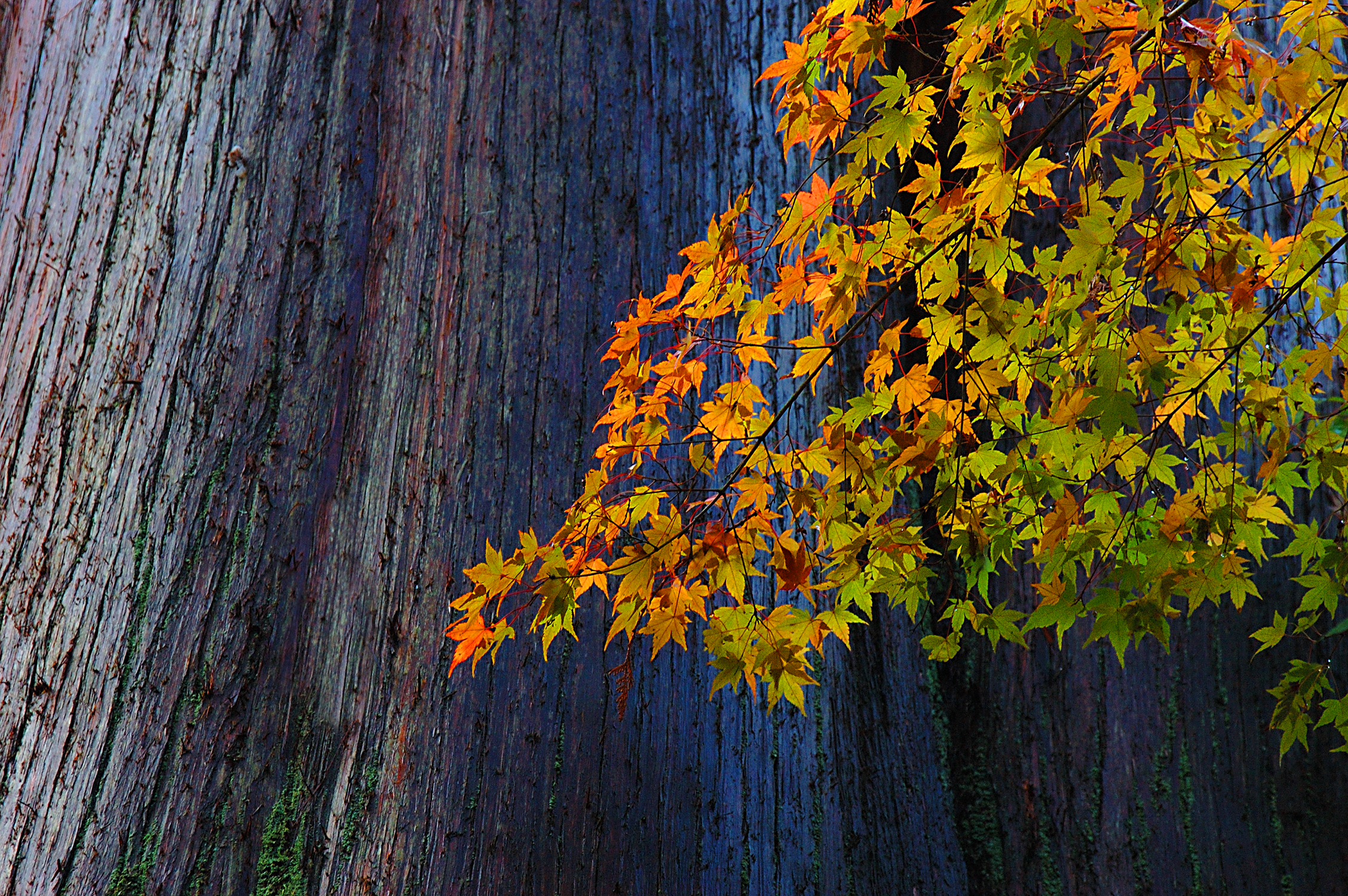
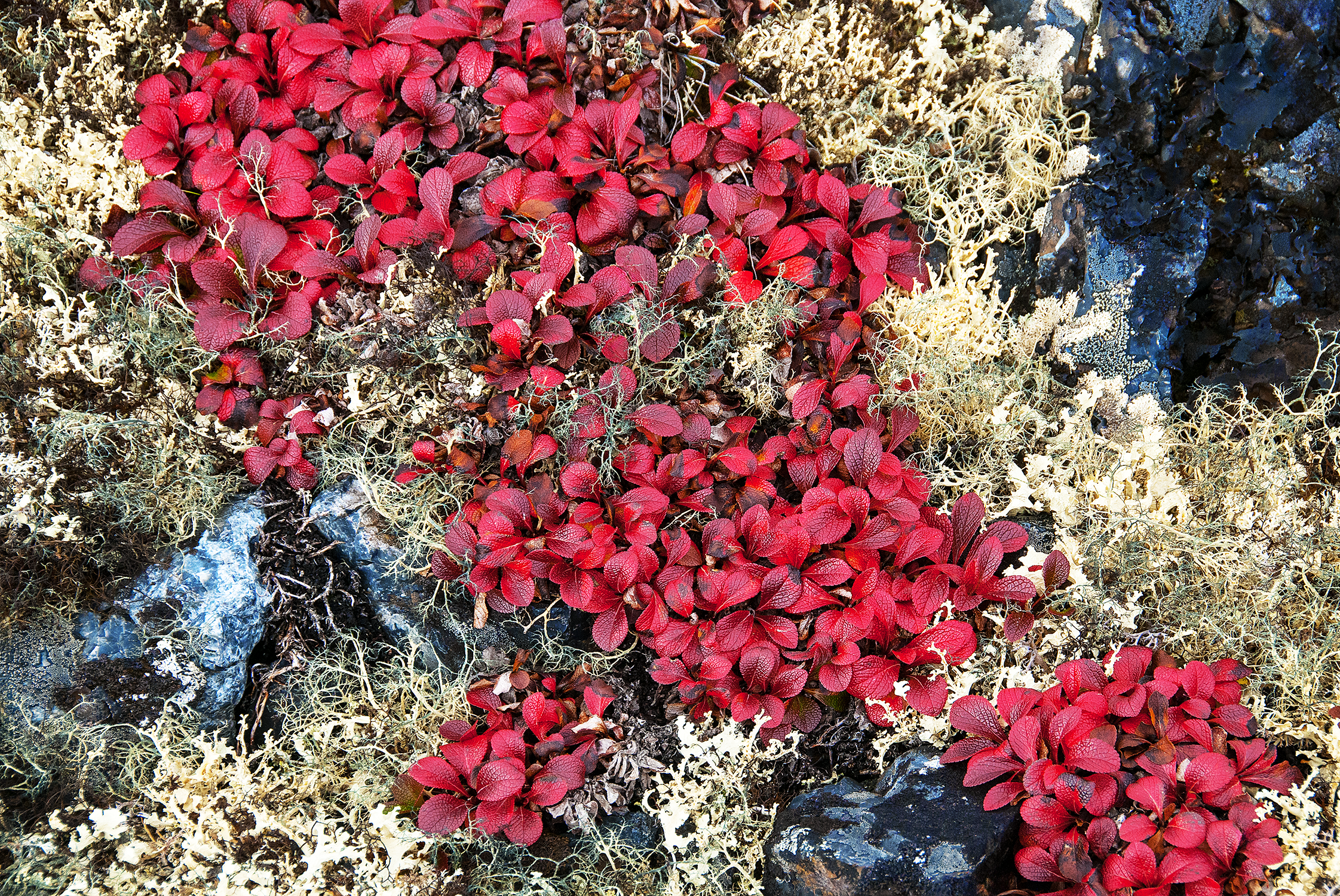
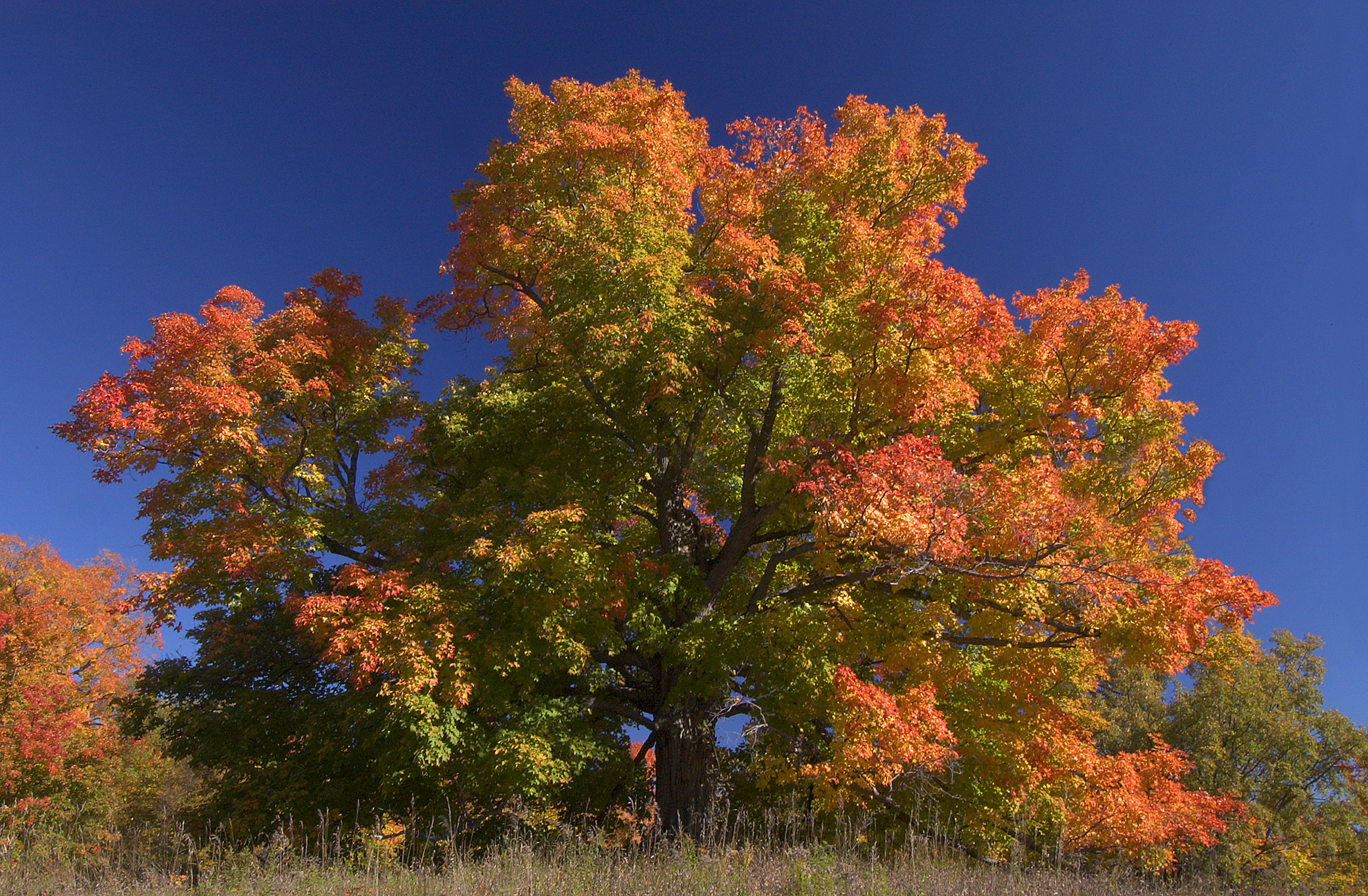
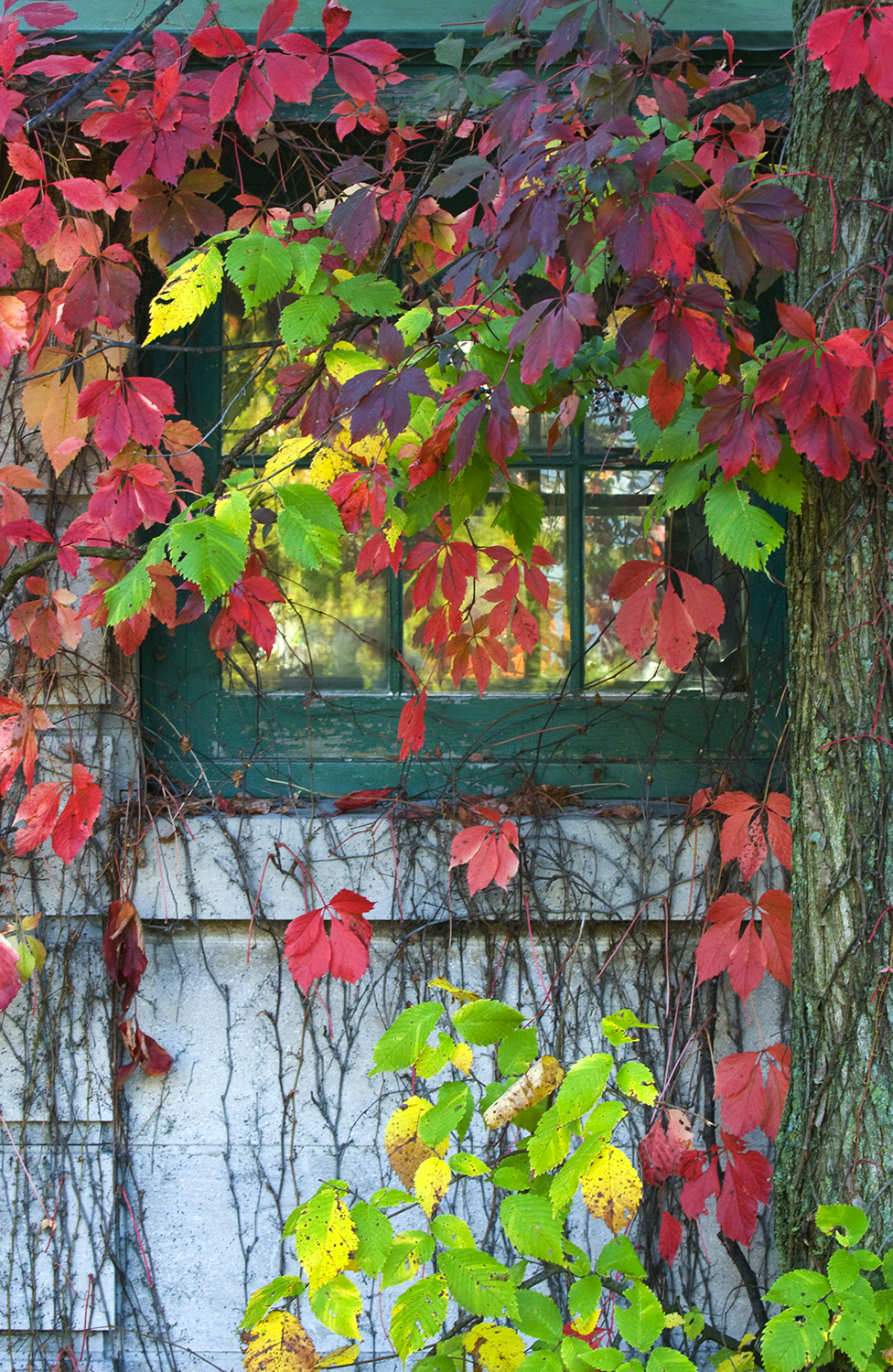
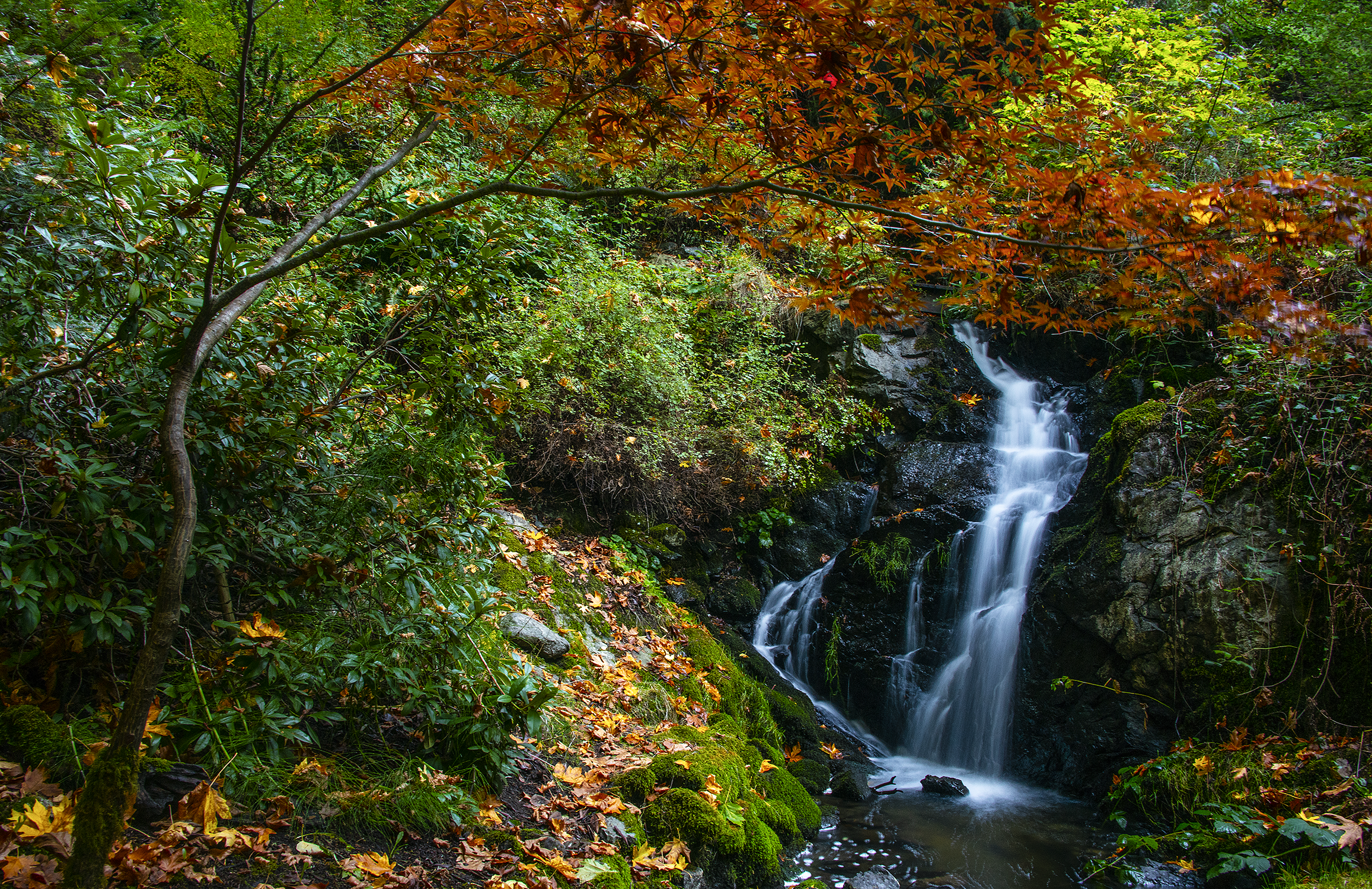
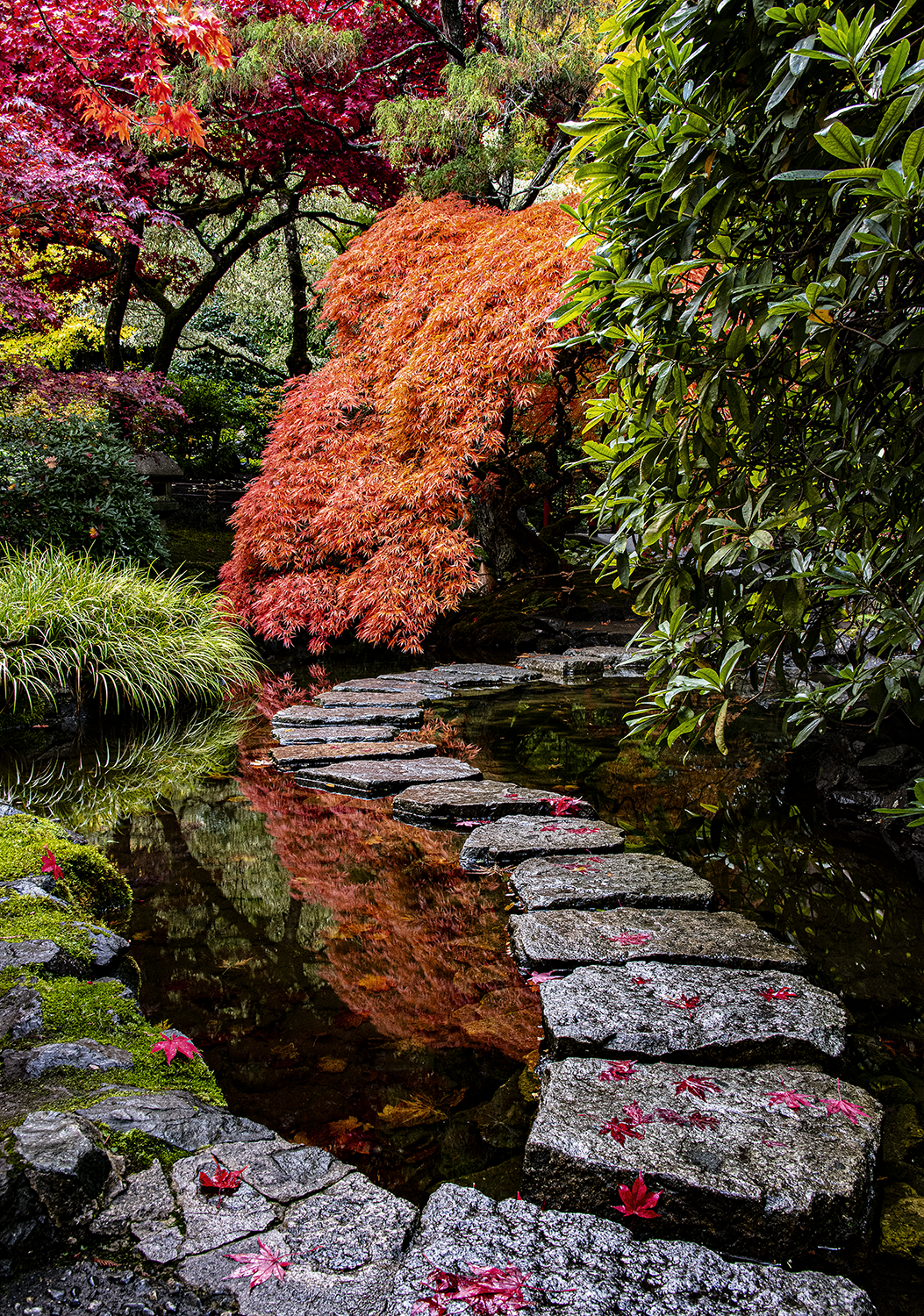
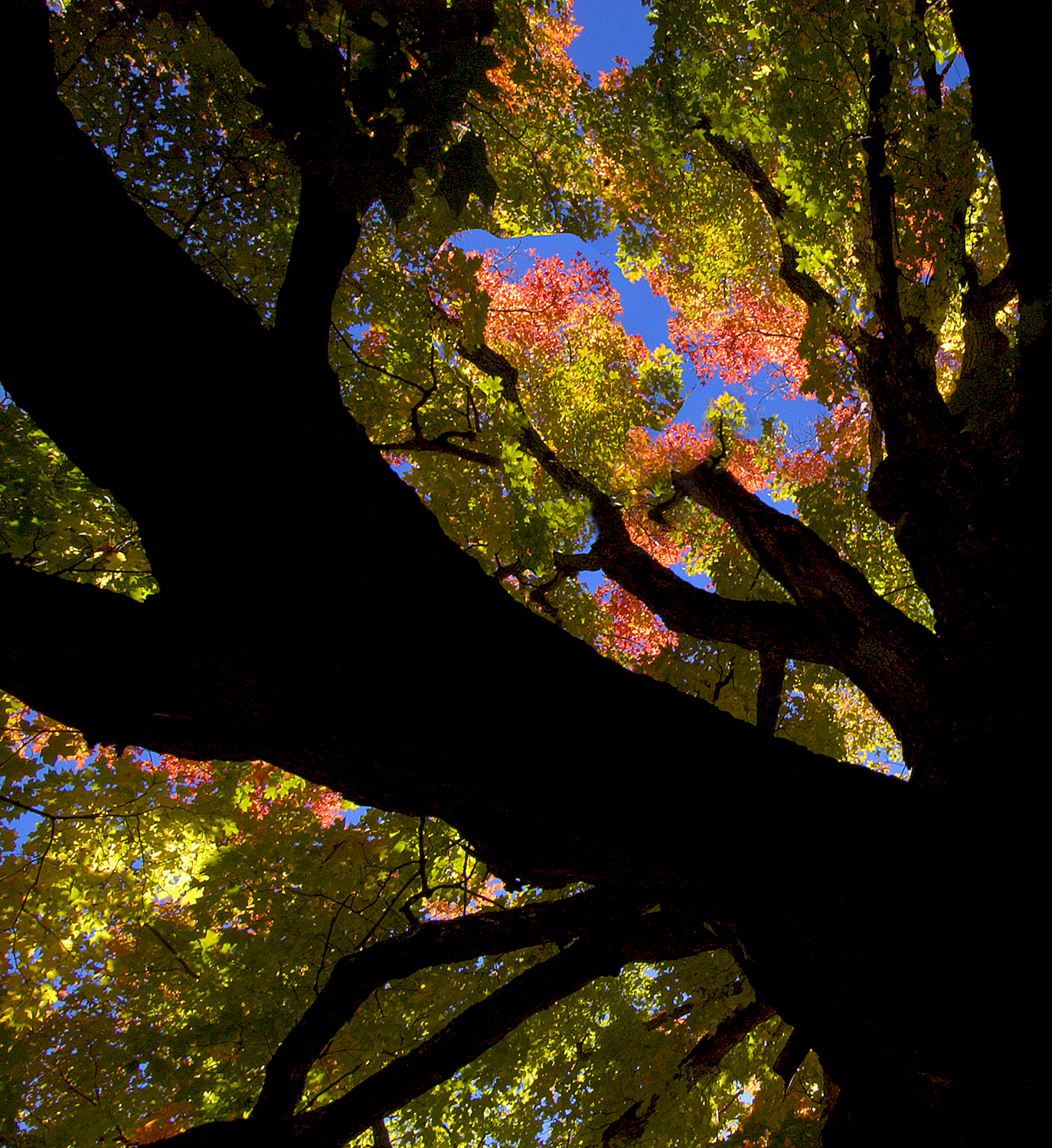
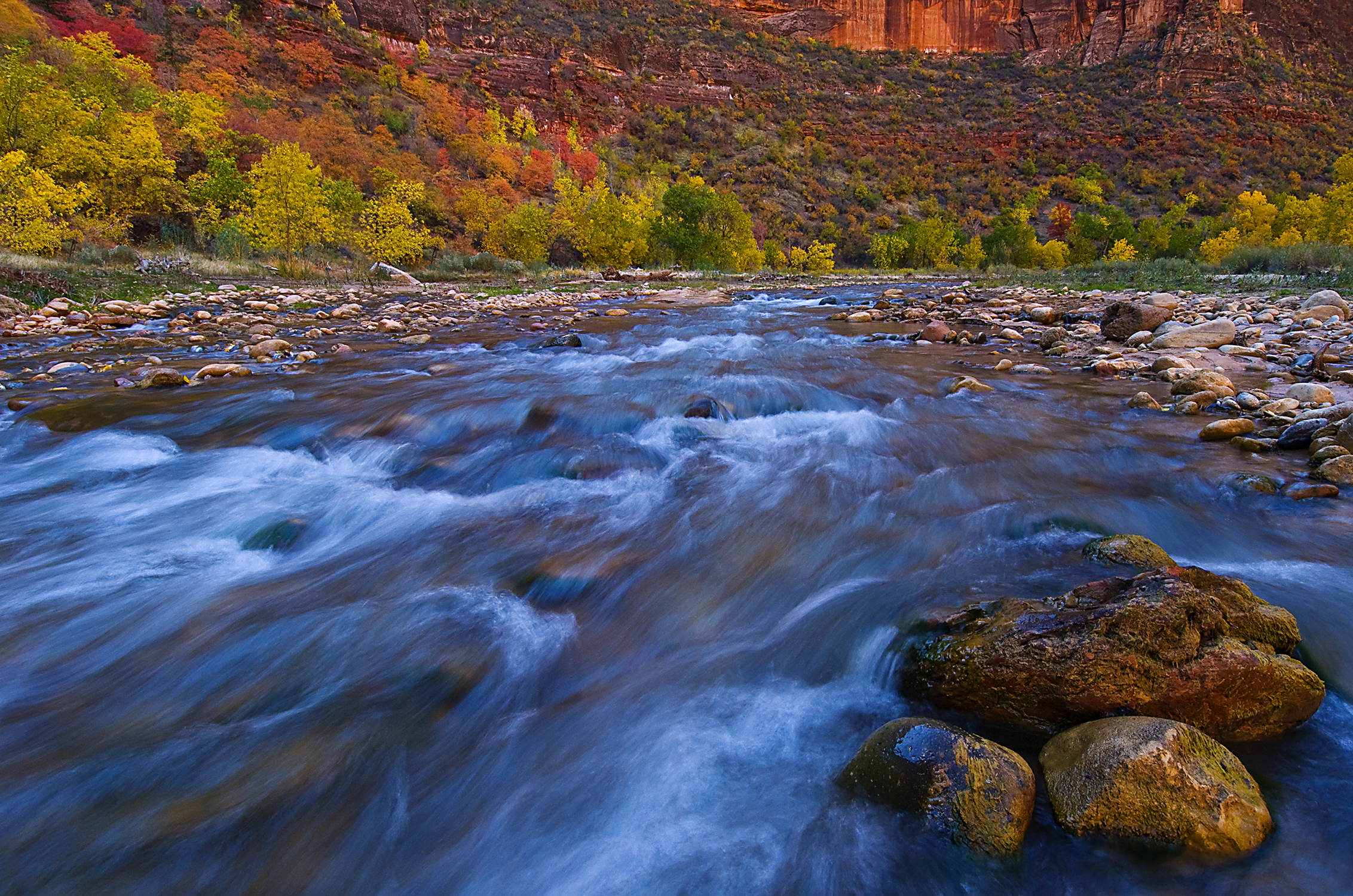
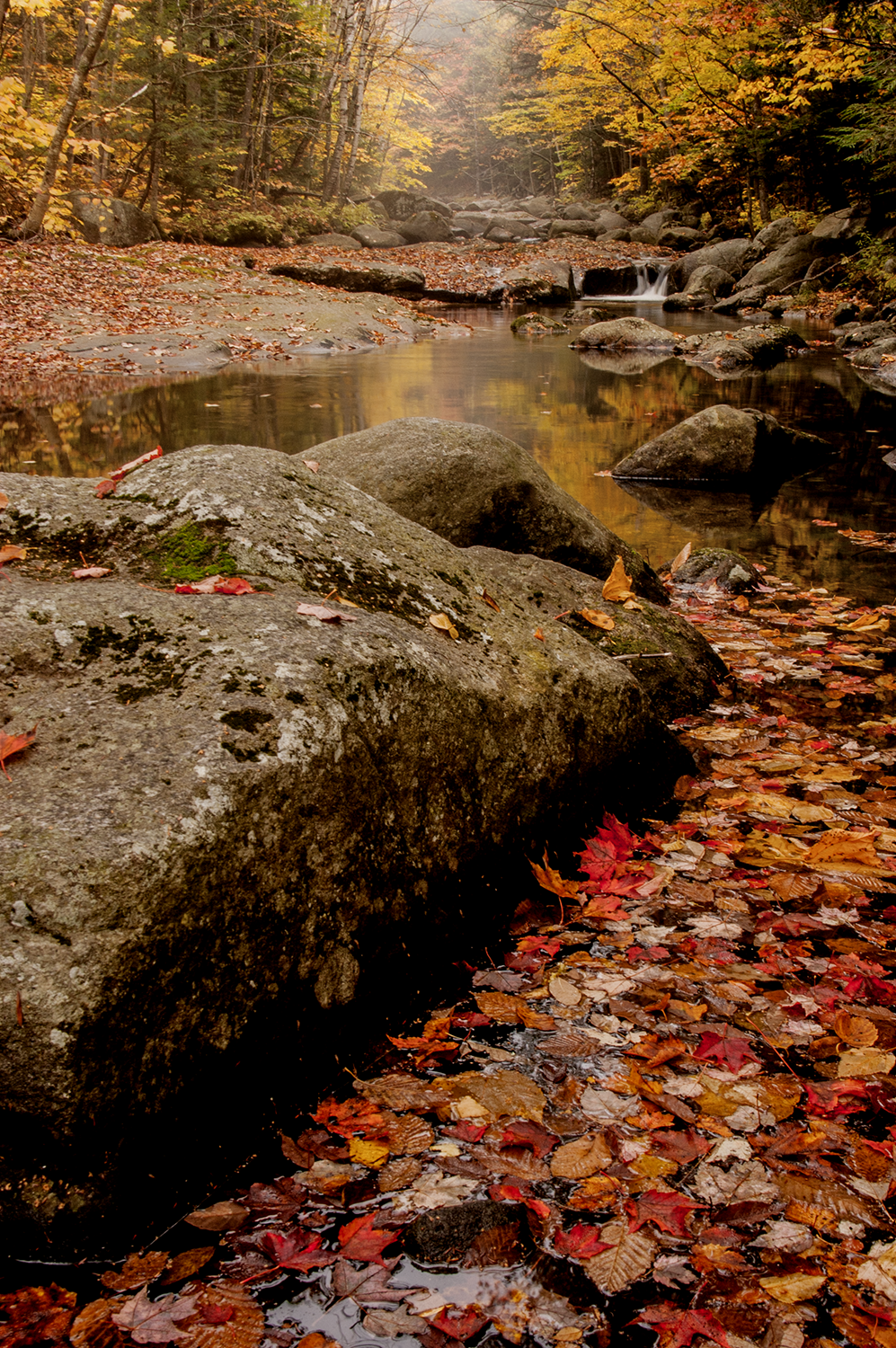
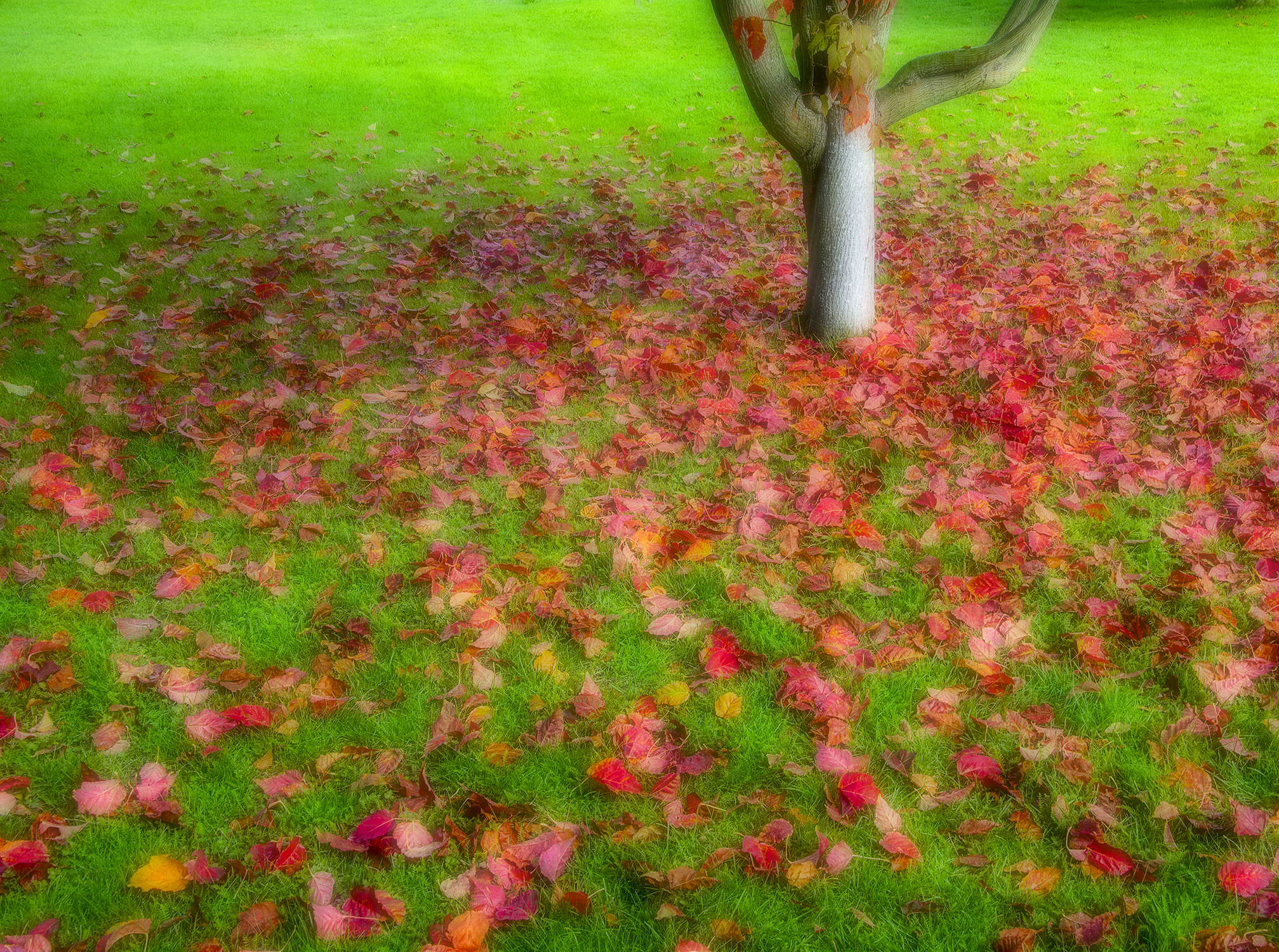
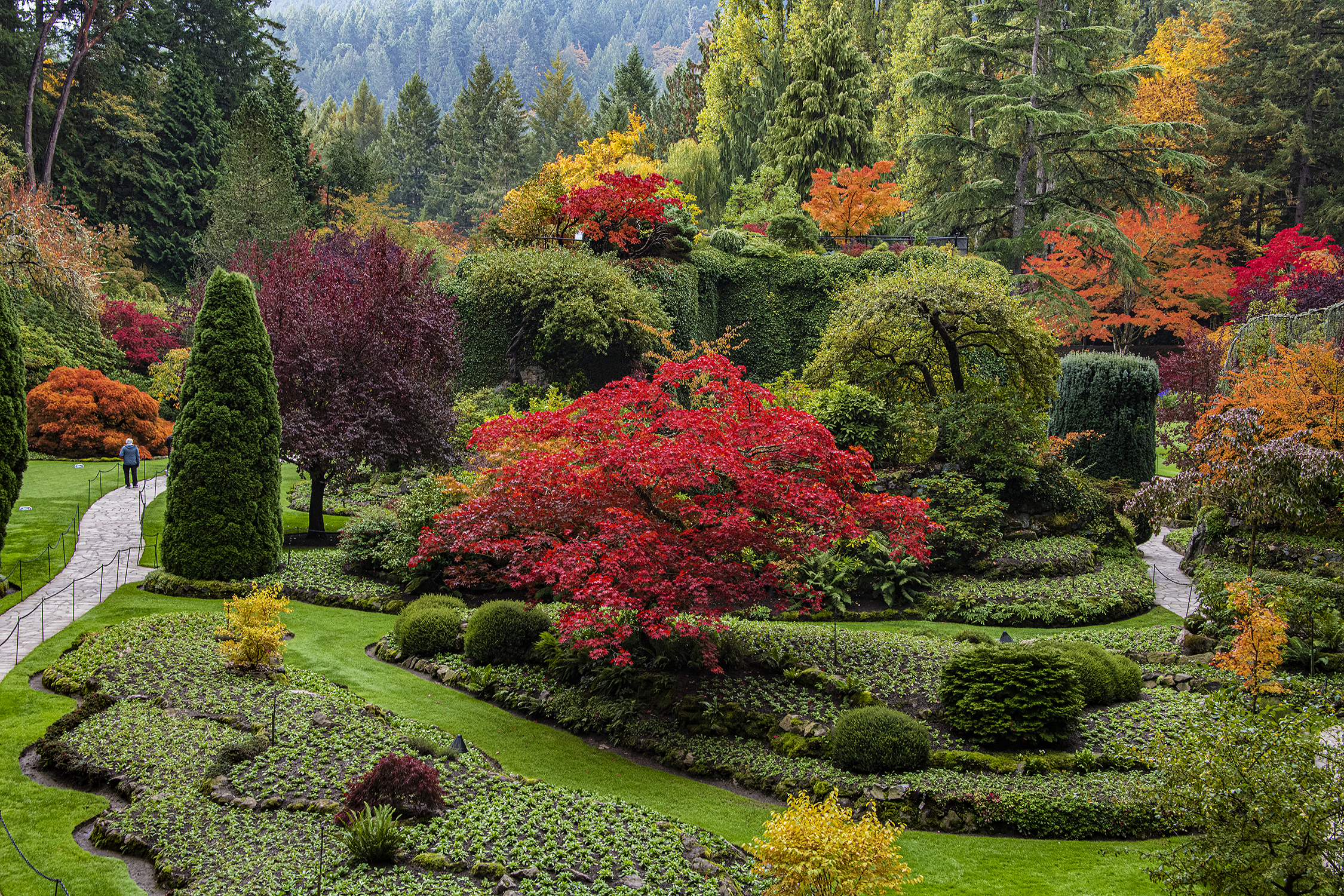
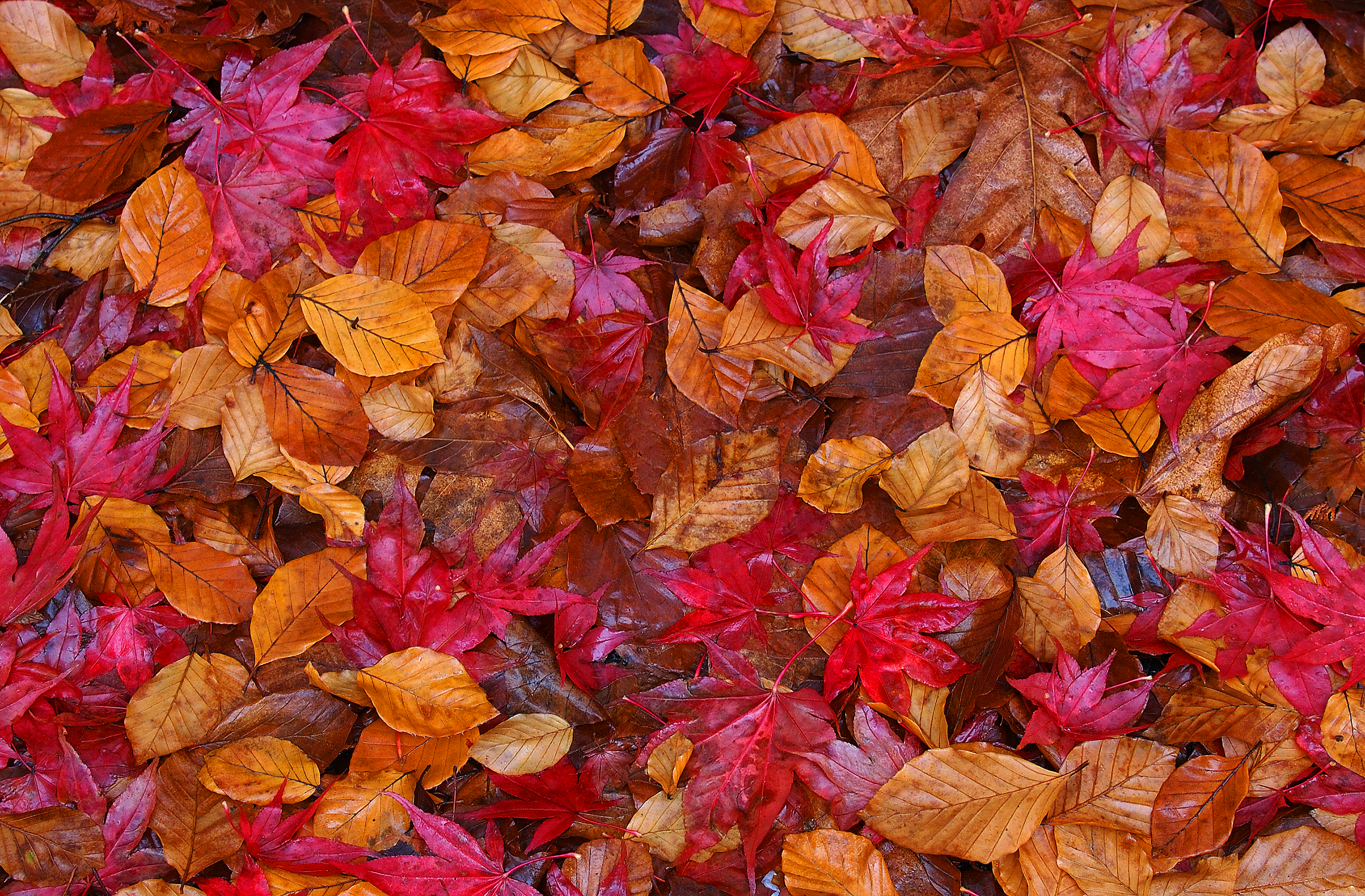
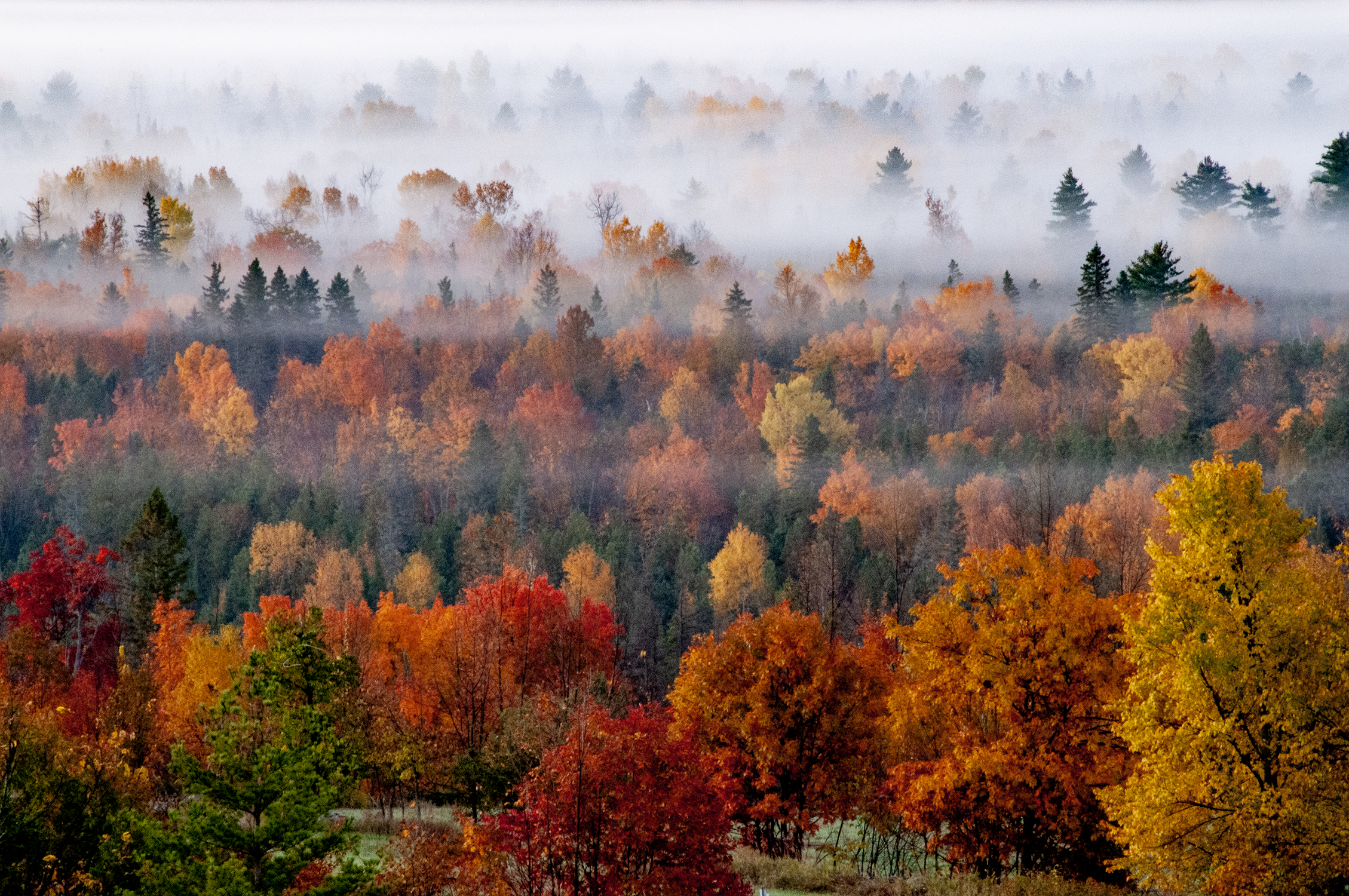
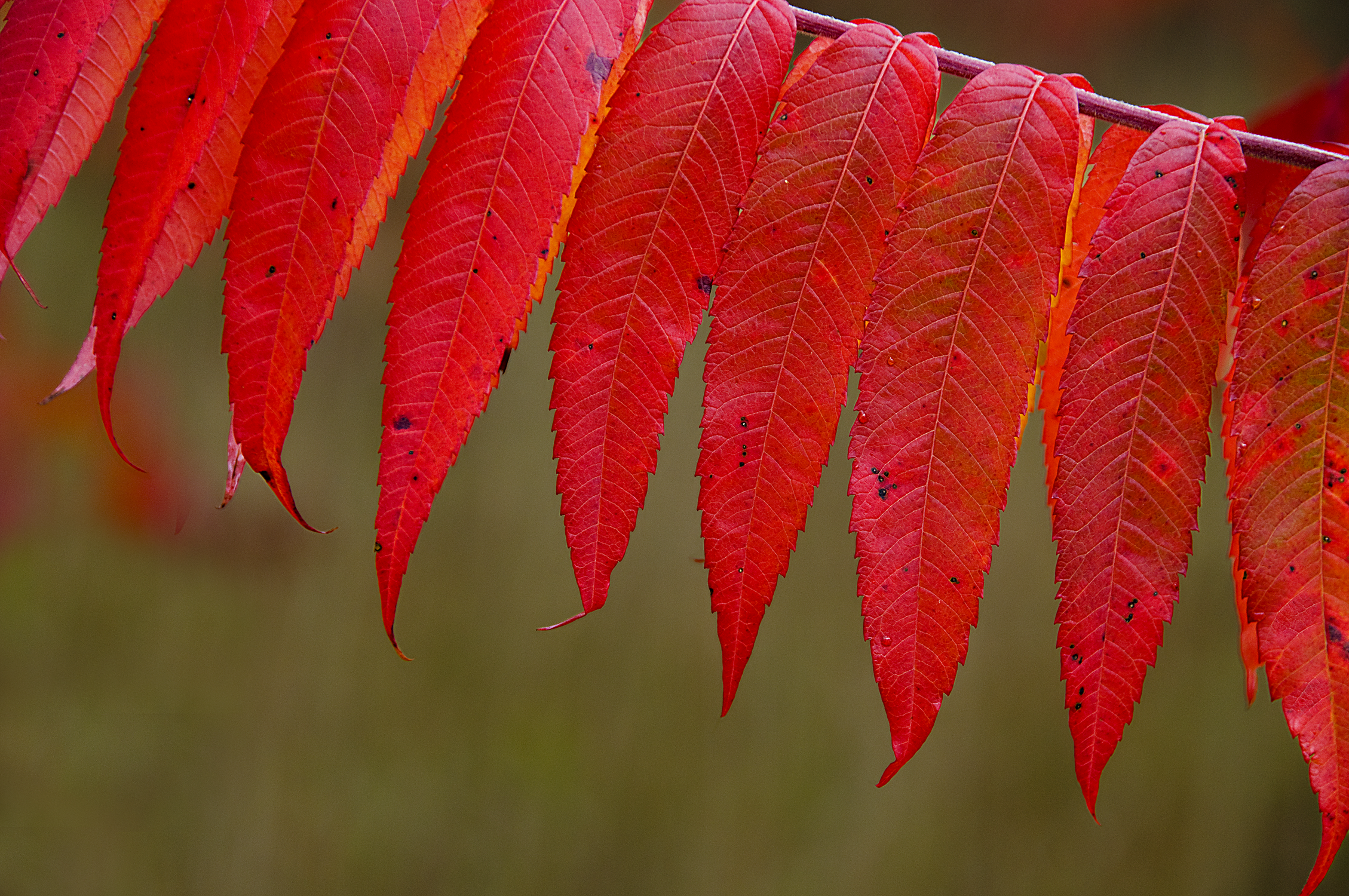
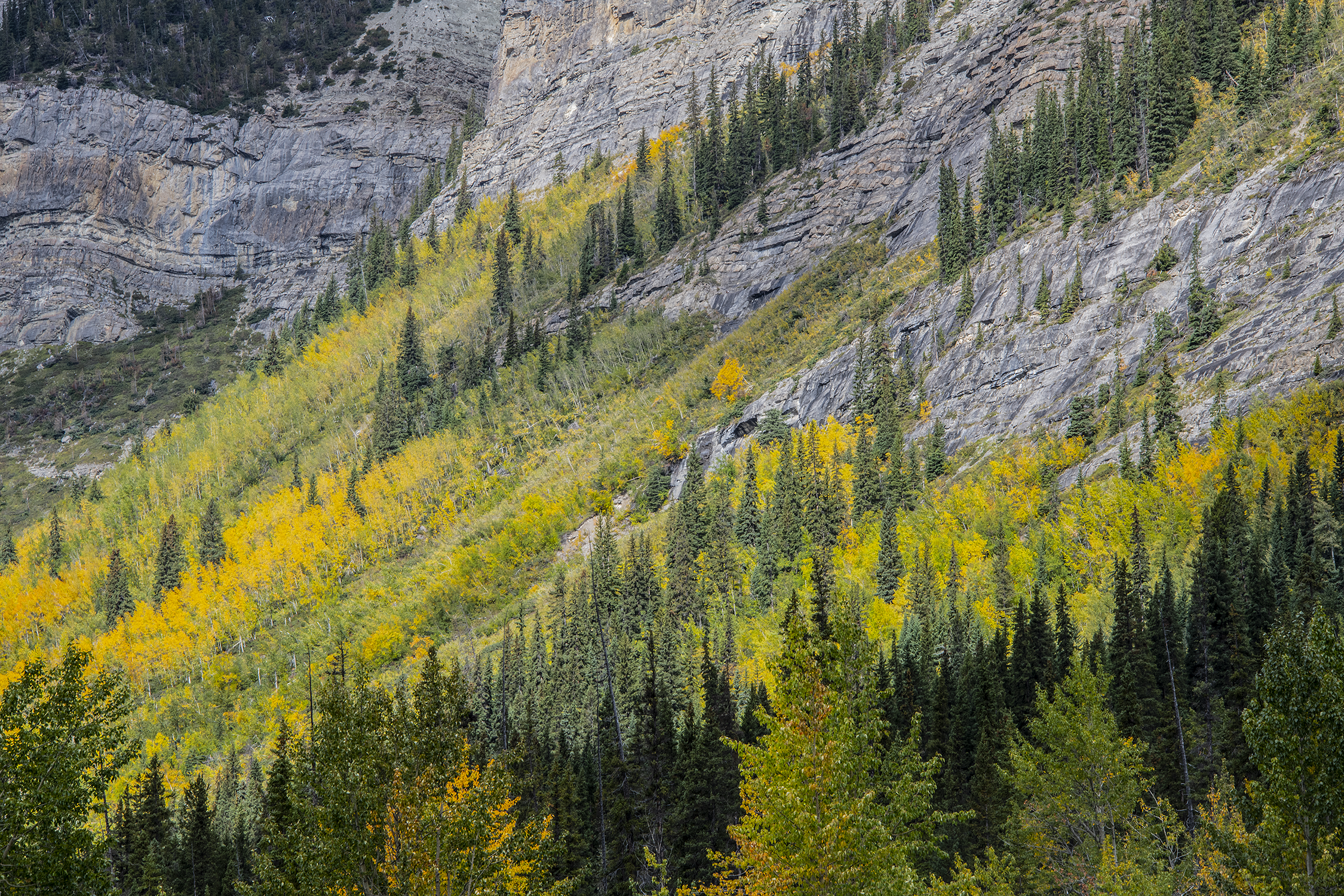
The varied colours seen during the fall season in North America are always a source of inspiration. Whether the scene is a broad panorama or an intimate landscape, the wonder of colour is always there for the viewer to bear witness to this amazing aspect of the natural world around us.
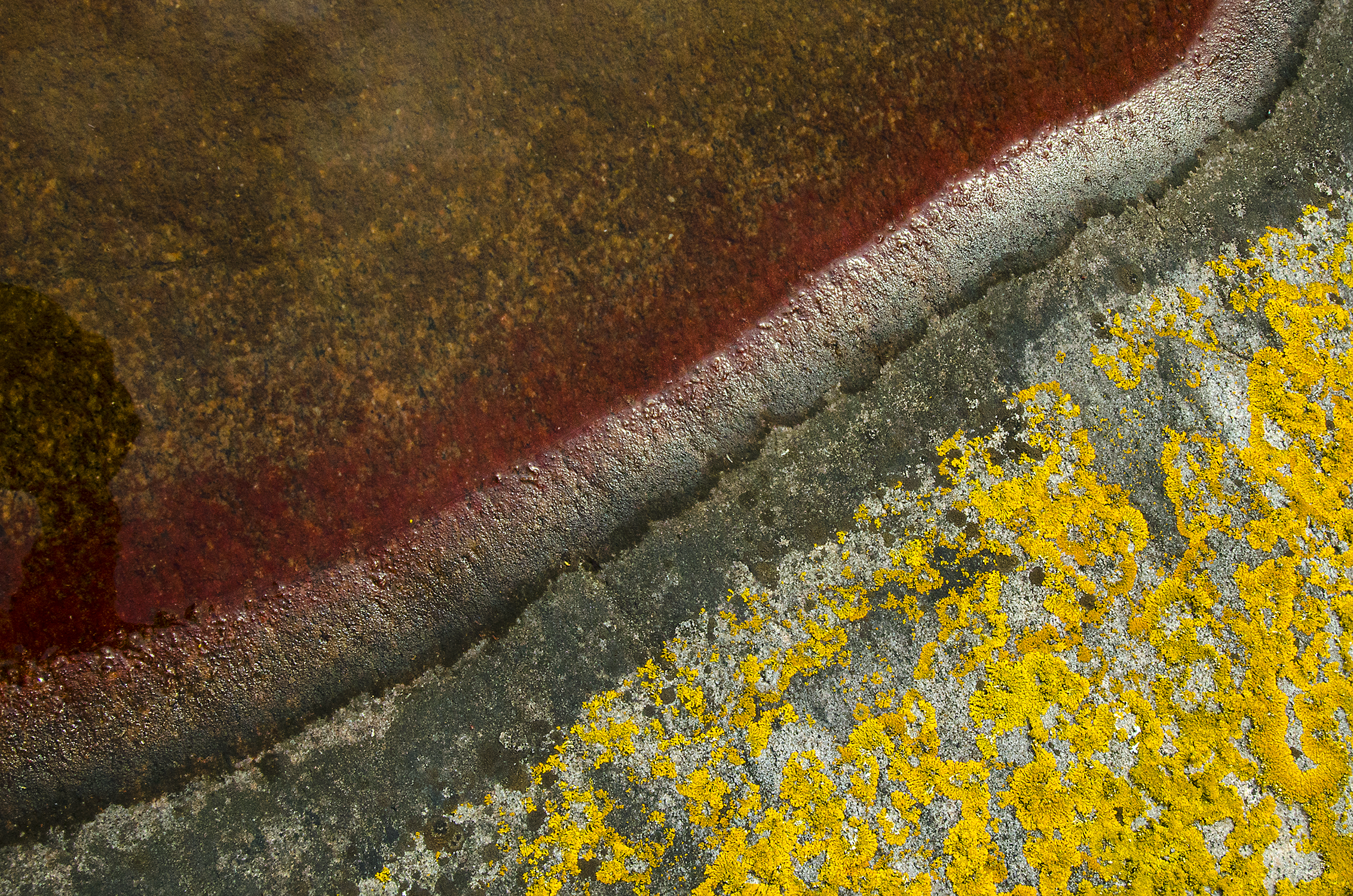
Natural Abstracts
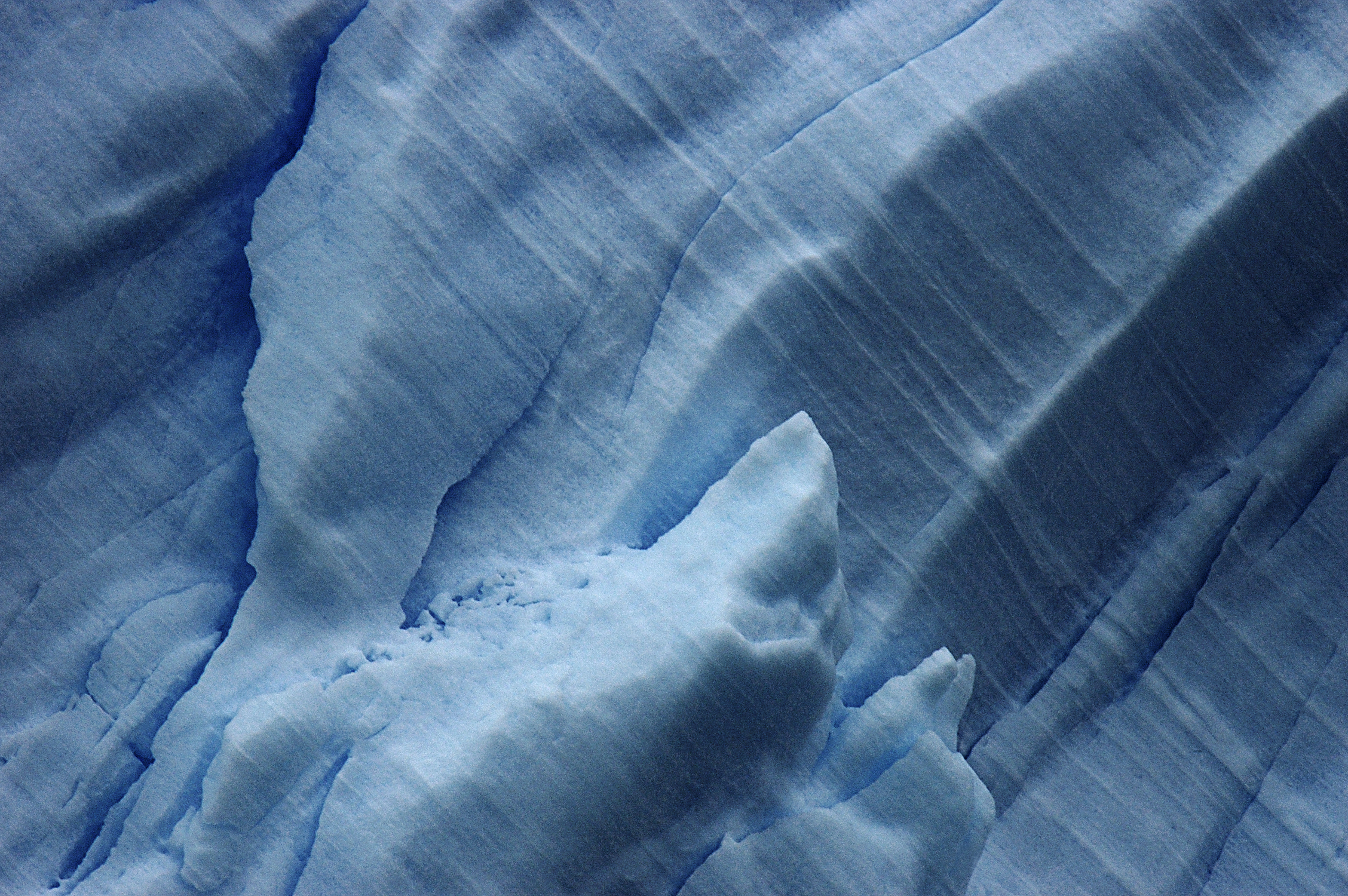
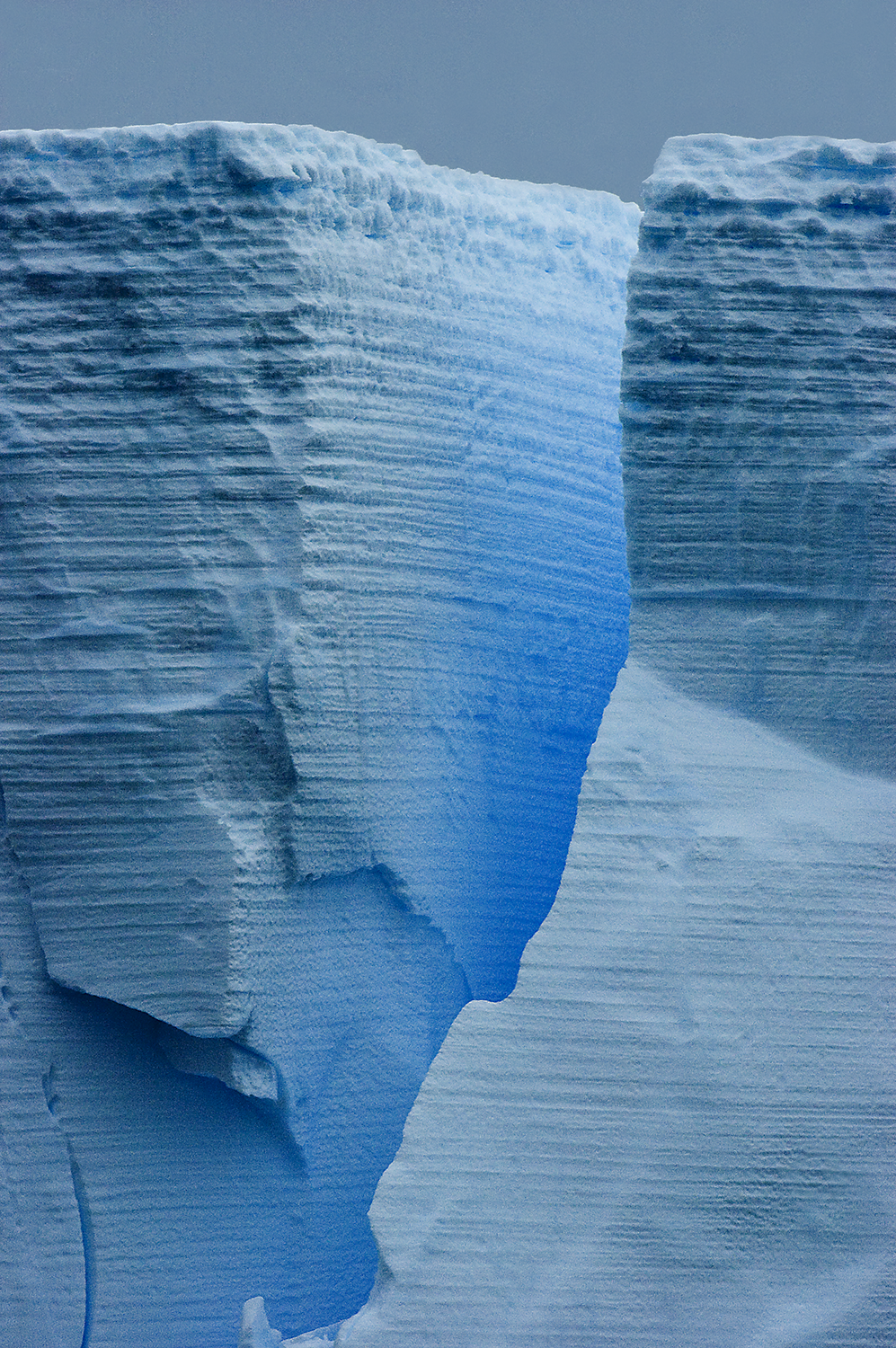
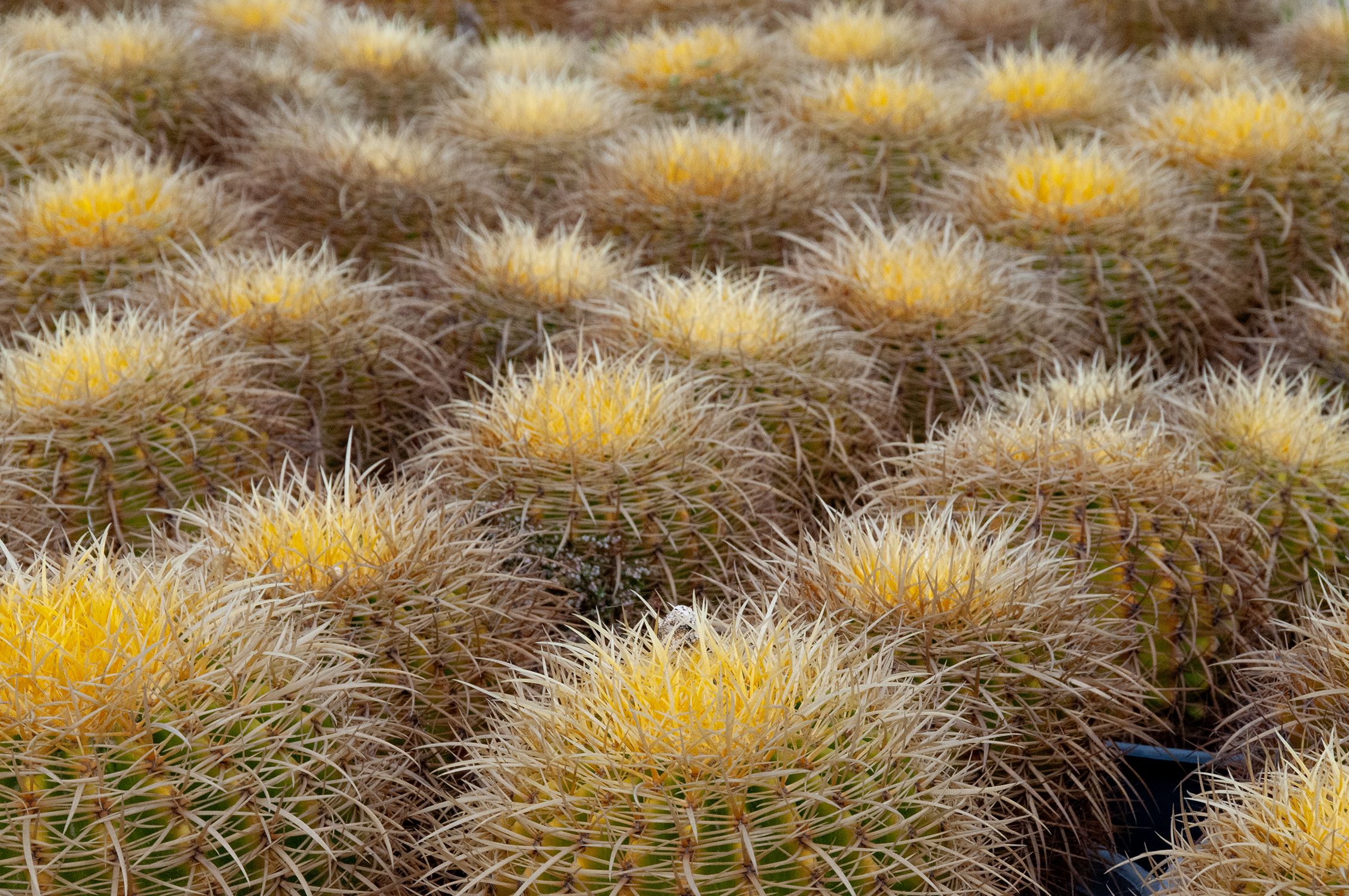
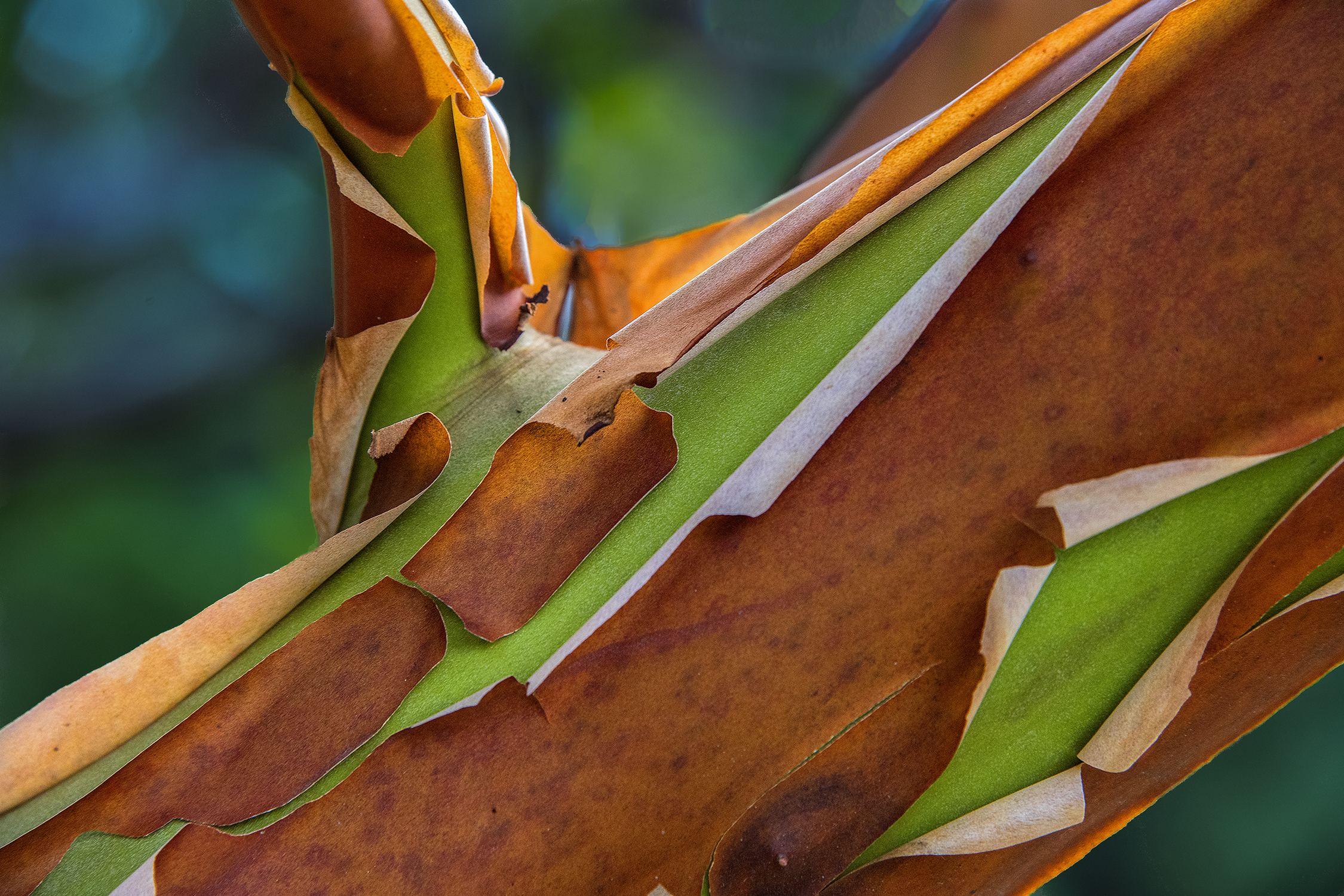
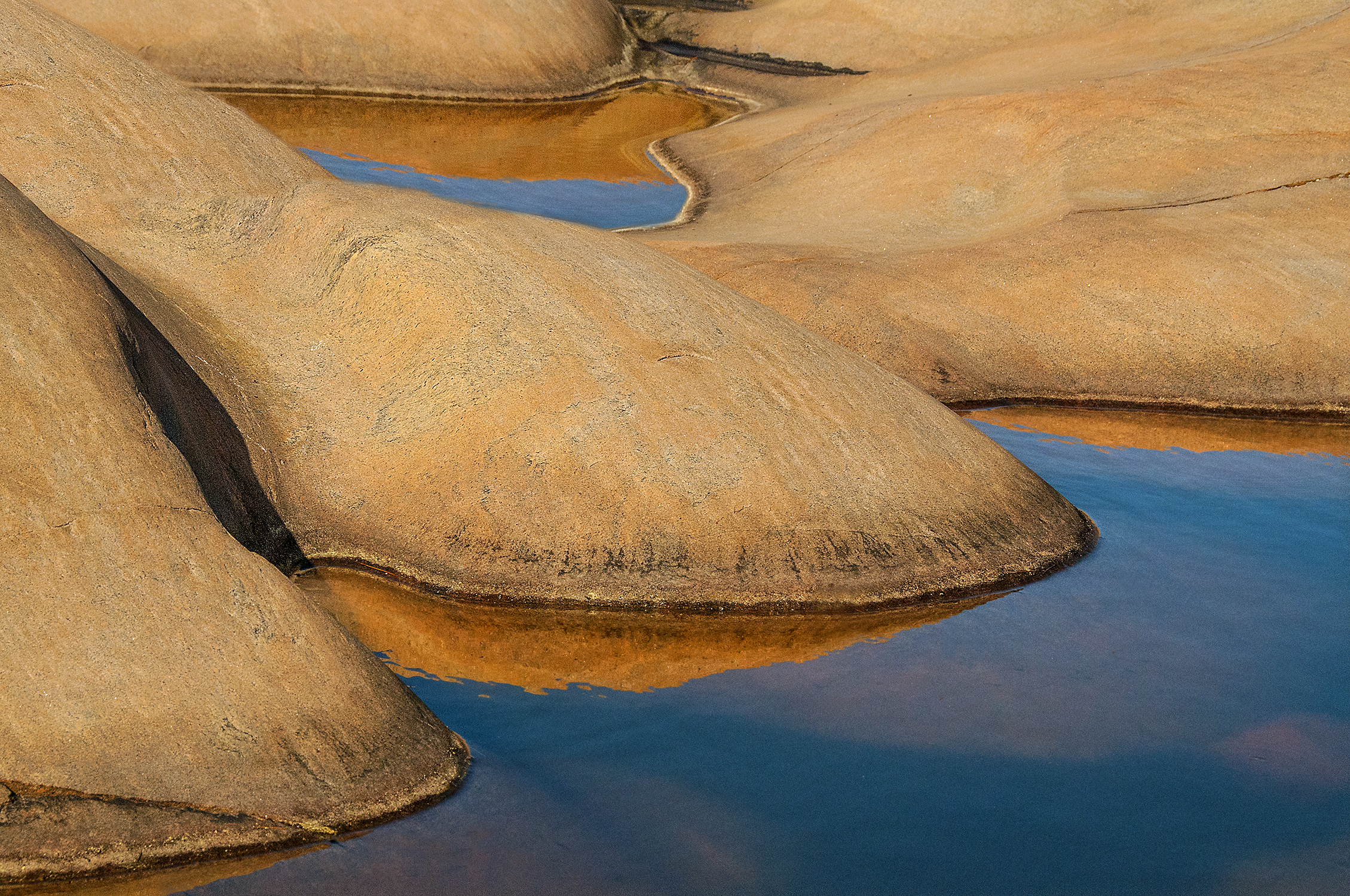
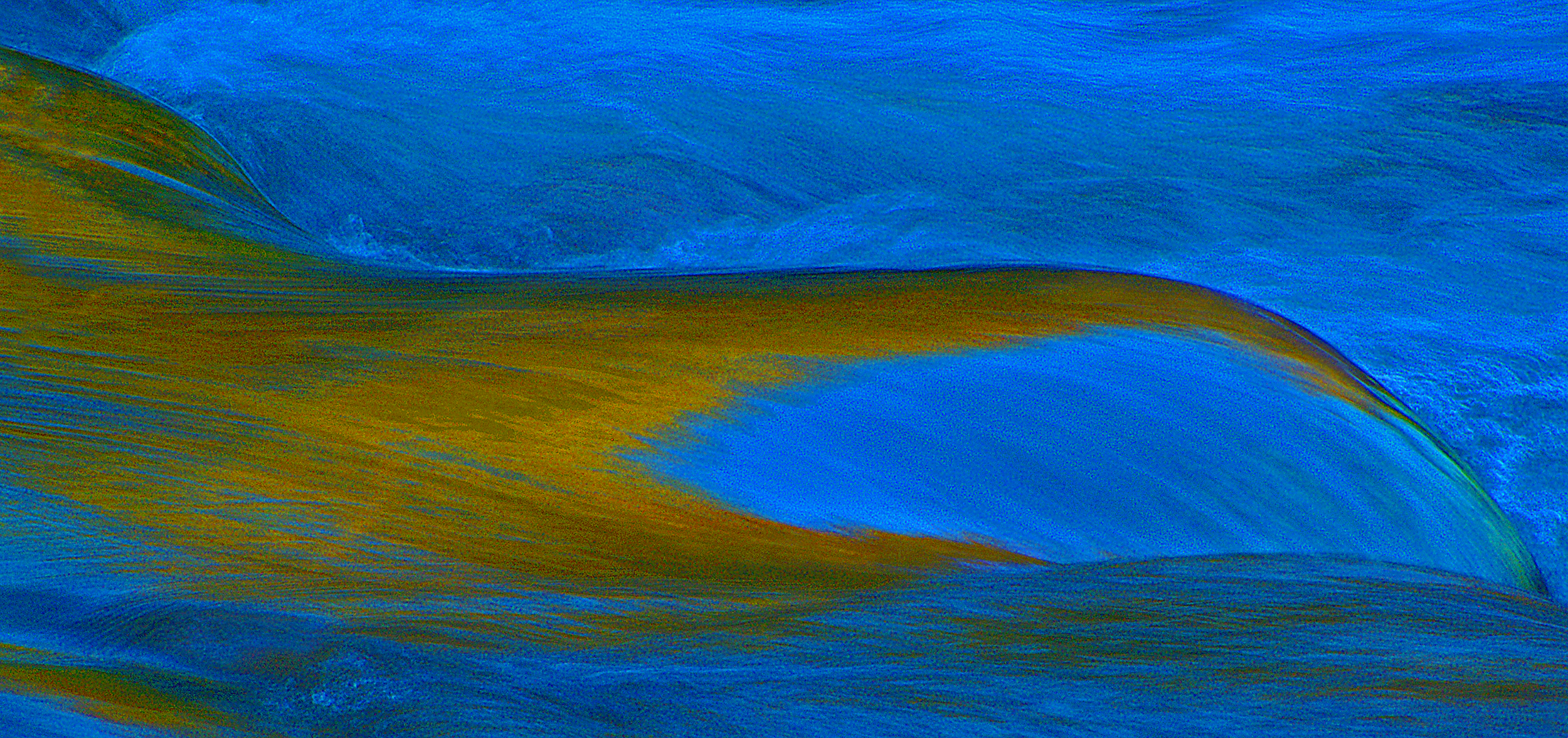
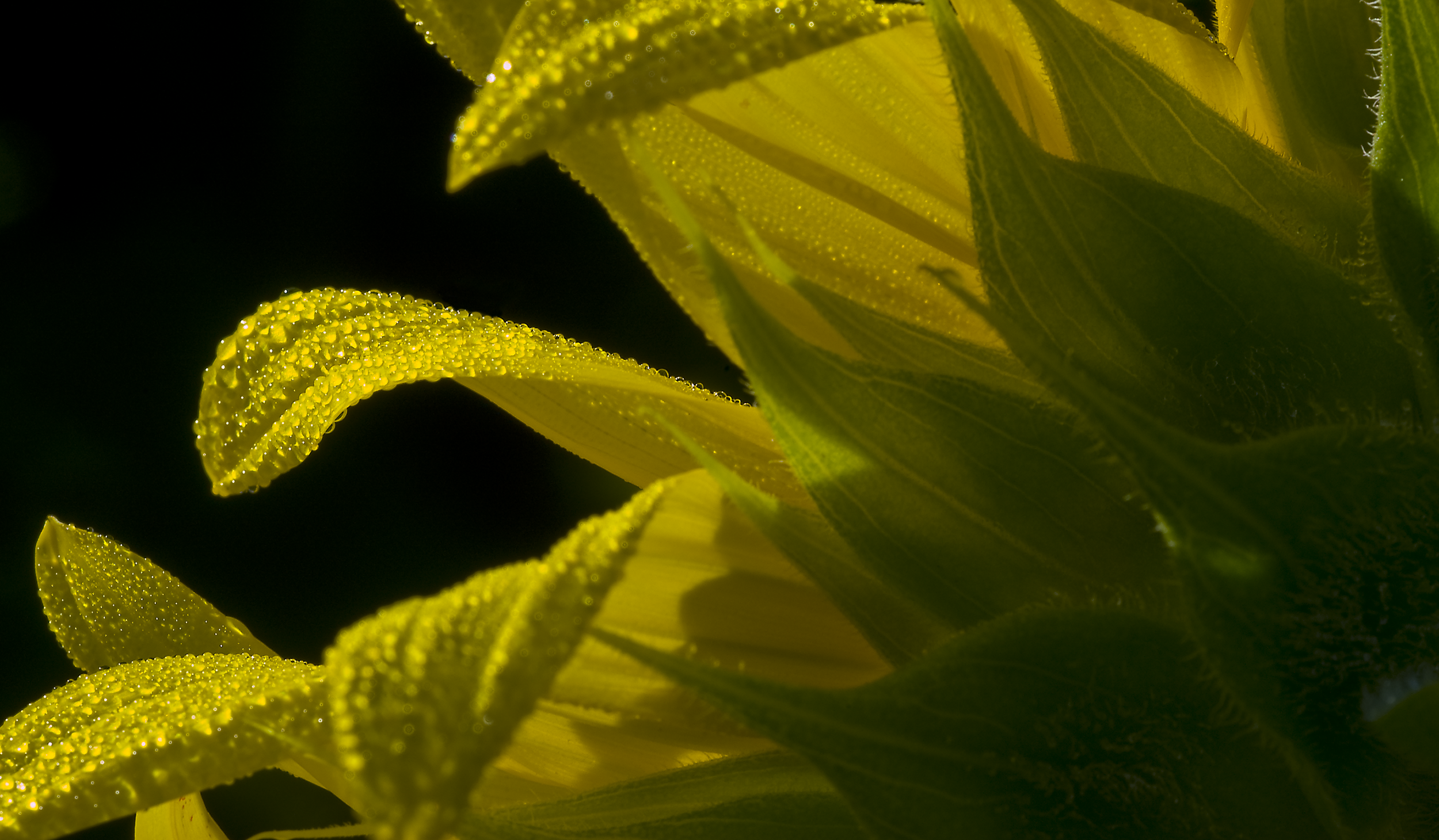
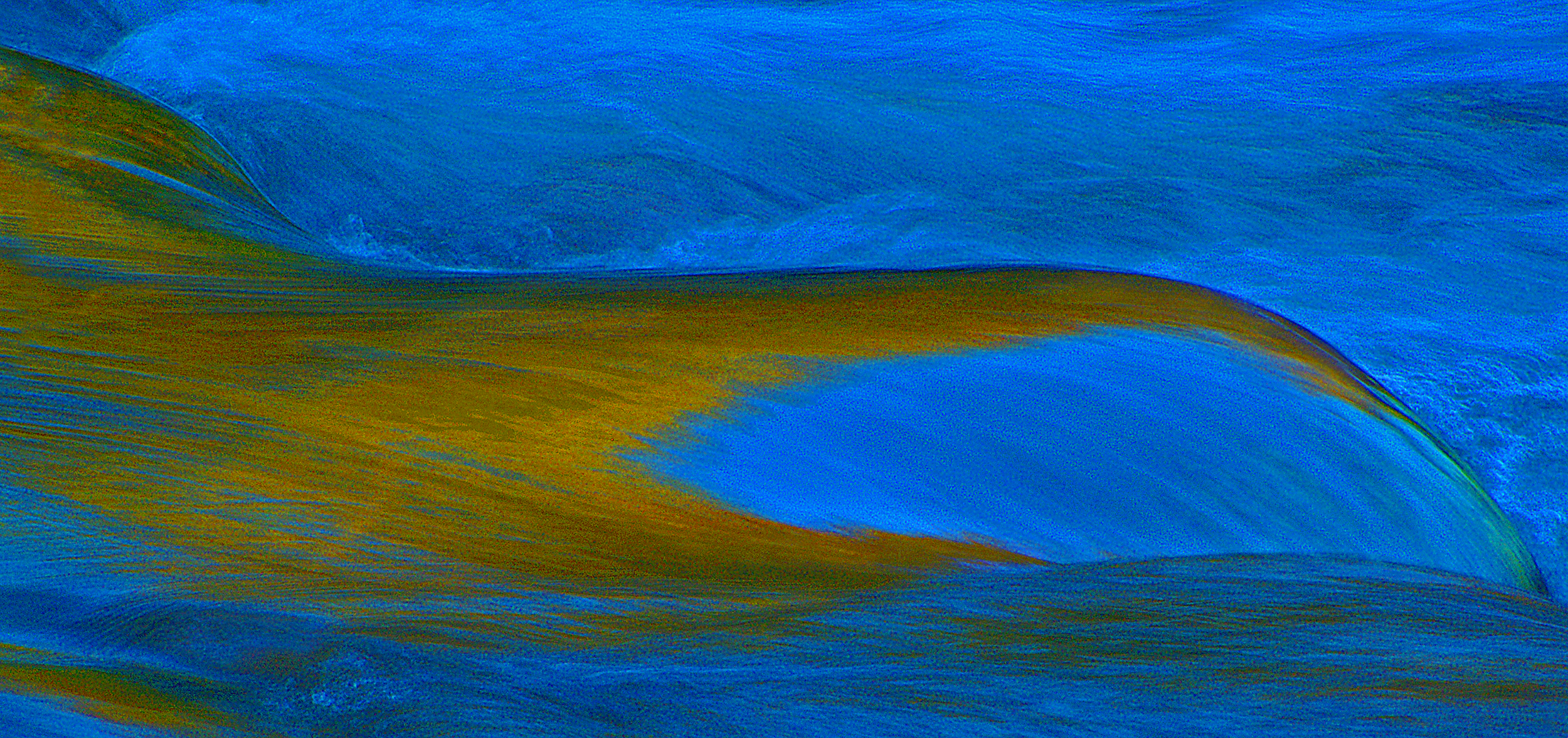
We can all learn to transform our 'looking', into 'seeing' something in nature. It is simply a matter of time - time to slow down, time to focus [pun intended], and time to be inquisitive.